
The Kind Of Parenting That Shows Up Over Time
A lot of parenting victories don’t come with applause or immediate feedback, because the impact often shows up quietly years later. It’s reflected in how your kids talk about home, relationships, and themselves when you’re not in the room. While it’s easy to second-guess your choices during the hard moments, steady and thoughtful parenting tends to age well. If these 20 signs sound familiar, you’re likely building something your kids will recognize and appreciate long after childhood.
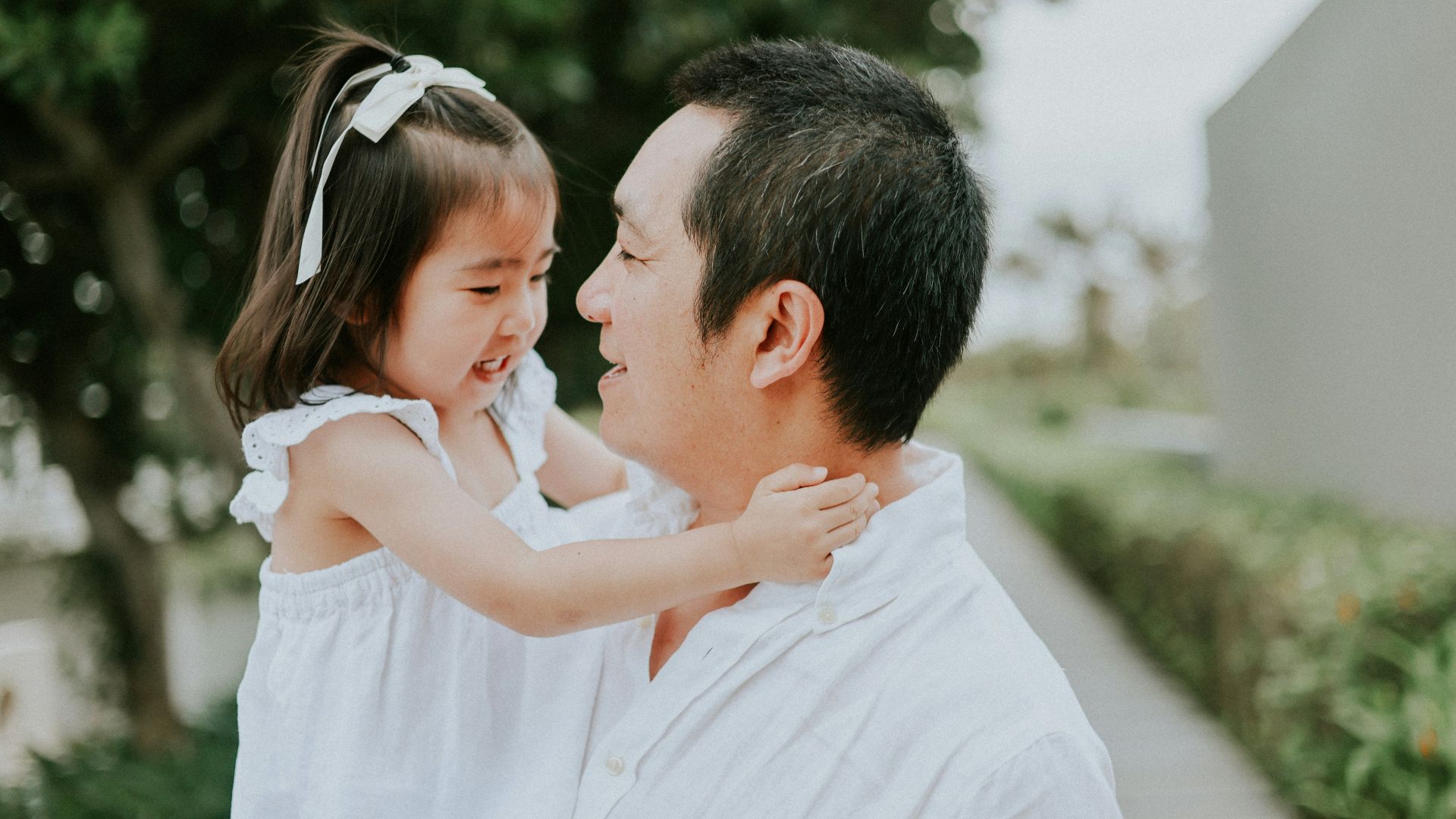 Hoi An and Da Nang Photographer on Unsplash
1. You Apologize When You Mess Up
You don’t pretend you’re always right or blame stress when you lose your cool, because you understand that modeling accountability matters. Owning mistakes shows your kids that respect isn’t tied to authority or age. It also permits them to admit when they’re wrong without spiraling into shame. Over time, they learn that healthy relationships allow room for repair.

2. You Let Them Be Themselves
Instead of steering them toward a version of life that feels comfortable to you, you pay attention to who they actually are. Their interests, opinions, and quirks are treated as valid, even when they don’t match your expectations. That kind of acceptance builds real confidence instead of performance-based approval. Kids who feel seen grow into adults who trust their instincts.

3. You Set Boundaries And Stick To Them
Rules in your house are clear and predictable rather than shifting based on mood or exhaustion. Even when your kids test limits, they know where the lines are and why they exist. That consistency creates a sense of safety they may not articulate yet. Structure makes independence easier later without turning freedom into chaos.

4. You Listen Without Rushing To Fix Everything
When your kids talk, you don’t immediately jump in with advice or solutions, because you understand that being heard comes first. You give them space to think out loud, vent, or circle their feelings. That patience helps them make sense of their own thoughts. Trust grows when they don’t feel managed during vulnerable moments.

5. You Model Healthy Relationships
You’re mindful of how you speak to partners, friends, and family, especially during disagreements. Conflict doesn’t turn into name-calling, silent treatment, or emotional withdrawal. Your kids absorb these interactions more than any lecture you could give. What you model becomes their reference point for future relationships.

6. You Care More About Effort Than Perfection
Achievement matters less to you than persistence, curiosity, and the willingness to try again. You notice growth even when the outcome isn’t impressive. This approach lowers the fear of failure that keeps many people stuck. Kids raised this way take healthier risks and recover faster.

7. You Let Them Be Bored Sometimes
You don’t rush to fill every quiet moment with entertainment, activities, or screens. Downtime is allowed, even when it comes with complaints. Boredom creates space for imagination and problem-solving. Those internal skills matter far more than constant stimulation.

8. You Teach Them How To Handle Money
Money isn’t treated as a stressful secret in your home. You explain choices, trade-offs, and priorities in ways they can understand at their age. Small conversations slowly build financial awareness. Confidence around money often starts with transparency, not perfection.

9. You Respect Their Emotions, Even The Big Ones
You don’t dismiss feelings as dramatic, inconvenient, or silly just because they’re intense. Emotions are acknowledged without judgment, even when behavior still needs guidance. This teaches regulation instead of suppression. Emotional awareness becomes a lifelong strength.
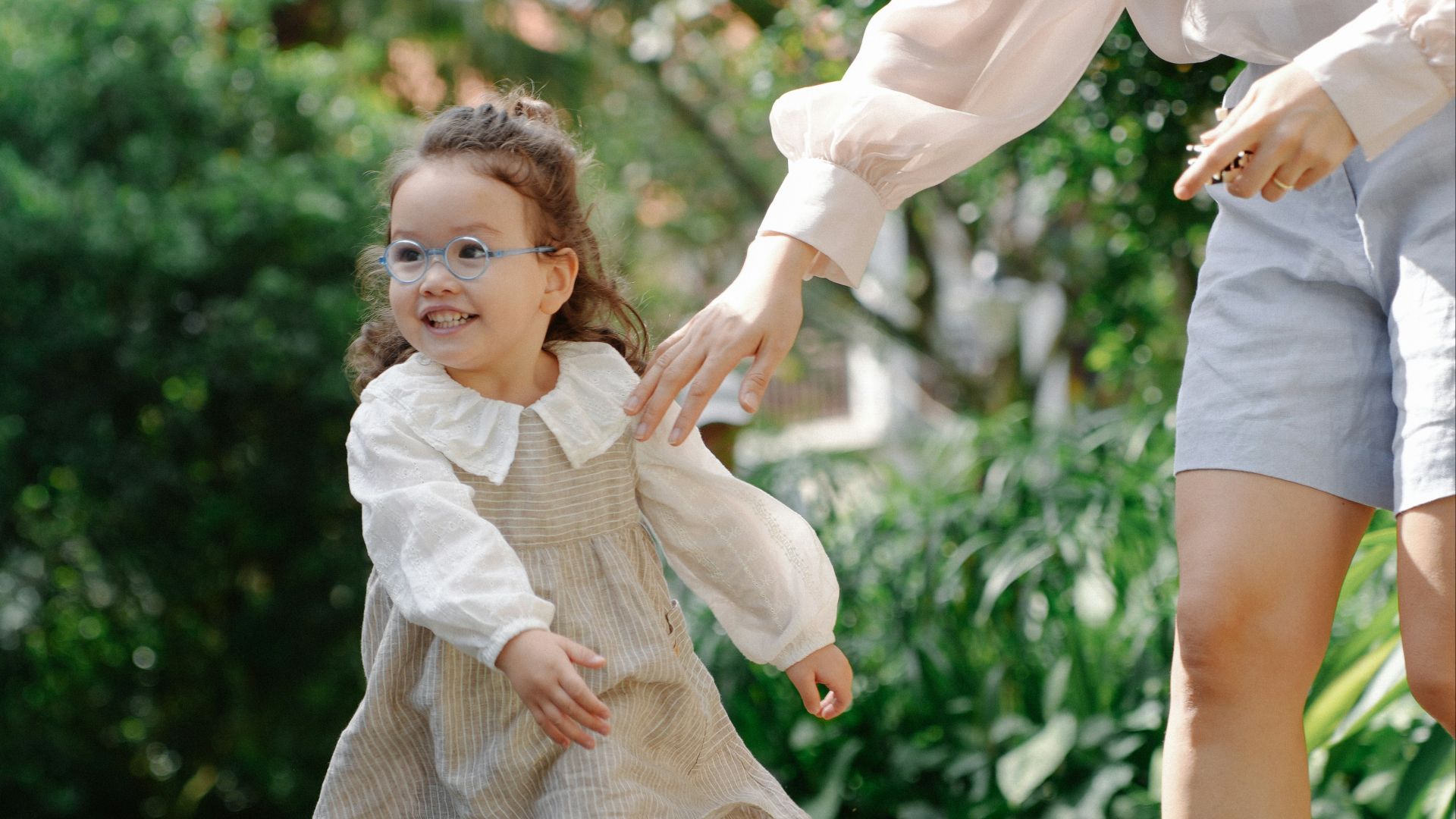 Hoi An and Da Nang Photographer on Unsplash
10. You Encourage Independence At The Right Pace
You let them try things on their own, even when it’s slower or messier than doing it yourself. Stepping back shows trust in their ability to figure things out. Independence grows through repeated practice, not sudden pressure. Confidence follows naturally when effort is supported.

11. You Don’t Make Love Conditional
Affection in your home isn’t tied to behavior, grades, or achievements. Your kids know they’re loved on the hard days as much as the good ones. That security creates emotional stability over time. Love feels safe rather than something to earn.

12. You Admit When You Don’t Know Something
You’re honest when you don’t have the answers instead of pretending certainty. Learning together becomes normal rather than embarrassing.

13. You Protect Their Childhood
You’re careful not to burden them with adult worries they can’t control or fix. Responsibility is balanced with play and rest. Kids need room to grow at an age-appropriate pace, and this protection supports healthier development long-term.
 Hoi An and Da Nang Photographer on Unsplash
14. You Respect Their Privacy
You knock, ask, and avoid oversharing their personal moments for entertainment or validation. Privacy is treated as a right rather than a privilege. This builds mutual respect between you. Trust deepens when boundaries are honored consistently.
 Hoi An and Da Nang Photographer on Unsplash
15. You Show Up Consistently
You may not be perfect, but you’re reliable in ways that matter. Your presence is steady even when life is busy or complicated.

16. You Teach Accountability Without Shame
Mistakes are addressed calmly rather than through humiliation or fear. Consequences are fair, clear, and explained with care.
 Hoi An and Da Nang Photographer on Unsplash
17. You Let Them Disagree With You
Different opinions aren’t treated as disrespect or rebellion. You allow discussion and thoughtful disagreement within boundaries.
 Hoi An and Da Nang Photographer on Unsplash
18. You Encourage Healthy Screen Habits
Screens aren’t demonized or ignored in your home. You talk openly about balance, limits, and intention, and this guidance matters more than rigid rules.
 PublicDomainPictures on Pixabay
19. You Model Self-Care
You take your physical and mental health seriously rather than treating burnout as normal. Rest, boundaries, and recovery are part of daily life.
 Karolina Grabowska www.kaboompics.com on Pexels
20. You Love Them Out Loud
Affection, encouragement, and pride are expressed clearly instead of assumed. You make sure your kids hear how much they matter to you.