 bedrck on PixabayRenovating one room can sound modest, especially if you’ve ever stared at a “whole-house remodel” mood board and felt personally attacked by your own popcorn ceiling. Still, a single, well-chosen project can shift how your entire home looks and feels. When the right room gets updated the right way, it becomes the standard everyone notices, including you.
The trick is to think like a strategist, not a demolition enthusiast. Your goal isn’t to change one room in isolation, but to create a ripple effect through sightlines, movement, and everyday routines. If you plan for cohesion and function, the rest of the house often feels like it “caught up” without you renovating every corner. That’s a satisfying win, and it’s usually kinder to your budget.
Choose The Room With The Biggest Reach
Start by identifying the spaces that naturally influence your home’s mood and flow. Kitchens, living rooms, and primary bathrooms tend to carry an outsized impact because you use them frequently and they connect to other areas. When these rooms feel current and cared for, nearby spaces tend to look better by comparison. It’s not magic, but it’s a real psychological effect tied to how we judge environments.
Next, pay attention to traffic patterns instead of just importance. A room you pass through multiple times a day has more power than a perfectly designed guest room you rarely enter. Entryways, main hallways, and open-plan living areas shape your daily experience because they’re always in your line of sight. Renovating a high-traffic space often improves how the entire home feels minute by minute.
Finally, consider what visitors see first, even if you’re not renovating for resale. First impressions are formed quickly, and they tend to “carry” into how people perceive the rest of the house. A refreshed front room or a polished powder room can make older spaces feel more intentional, not neglected. You’re essentially setting a tone, and the rest of the house starts harmonizing with it.
Use Cohesive Design Choices That Spread Naturally
Color is one of the simplest tools for extending a renovation’s influence. A thoughtfully chosen wall color, trim color, or cabinet finish can become a thread that runs through adjacent rooms. You don’t need every space to match, but shared undertones make transitions feel calm. This is why designers often recommend repeating a few core tones throughout a home.
Materials and finishes do the same job, only with texture and shine. If you update hardware, faucets, or light fixtures in one room, you’ve effectively chosen a “metal story” for the house, whether you meant to or not. Repeating that finish in nearby spaces makes the renovation feel deliberate rather than random. It also helps avoid the awkward moment where your new brushed nickel kitchen pulls focus from the older, mismatched brass down the hall.
Lighting is the quiet force that makes everything look better, or worse, depending on what you choose. Updating a fixture can improve a room immediately, but it also highlights how lighting affects paint color, flooring tone, and even how spacious the home feels. Layering light with ambient, task, and accent sources tends to create the most comfortable results. You don’t need a showroom, but you do need light that supports how you actually live.
Improve Function So The Whole House Works Better
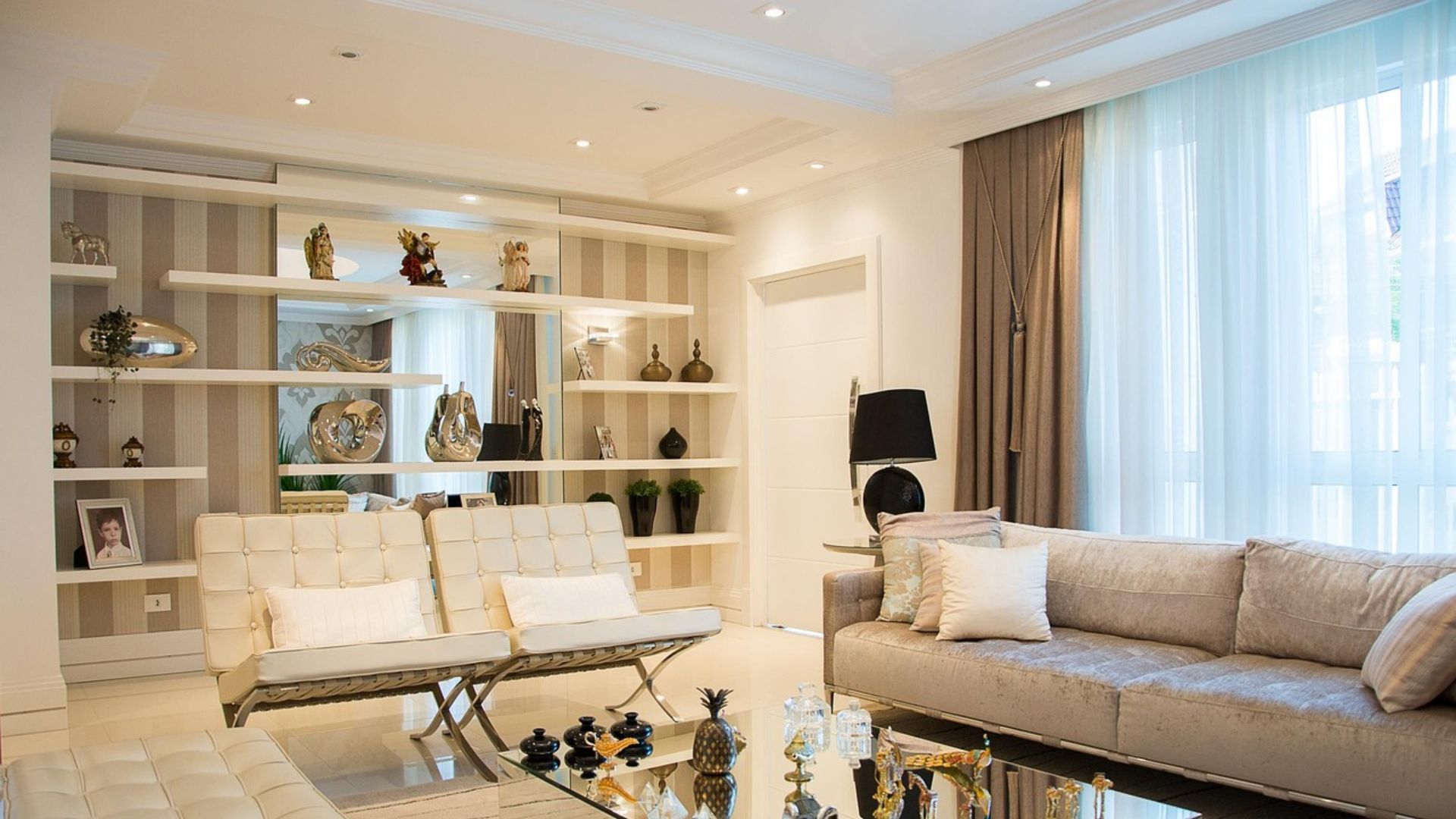
A renovation that fixes friction tends to pay dividends beyond the room you touched. Storage upgrades are a perfect example because clutter doesn’t stay politely contained. Adding better cabinetry, built-ins, or organized closet systems can pull the mess out of neighboring rooms. When one space becomes easier to maintain, the entire home often feels calmer and more livable.
Flow improvements can be just as powerful, even when they’re subtle. Widening a doorway, changing a door swing, or swapping a solid door for one with glass can improve how rooms connect visually. If structural changes aren’t on the table, you can still improve flow with furniture layout and smarter circulation paths. The goal is to move and feel natural, not like you’re navigating an obstacle course you designed in a hurry.
Comfort upgrades deserve attention because they affect the whole house in ways you’ll feel, not just see. Better insulation, improved ventilation, and quieter appliances can make a renovated space more pleasant, which changes how you use your home overall. If the room becomes the place you want to spend time, your routines will shift toward it. Over time, that shift can make the entire house feel more functional because life centers around a space that actually supports you.
A room renovation can influence your whole house when it’s planned for connection instead of isolation. If you pick a space with high visibility, carry design choices through nearby areas, and solve everyday friction, the results tend to spread naturally. You’ll notice smoother mornings, more comfortable evenings, and fewer “we really need to fix that” moments staring at you from across the hall.