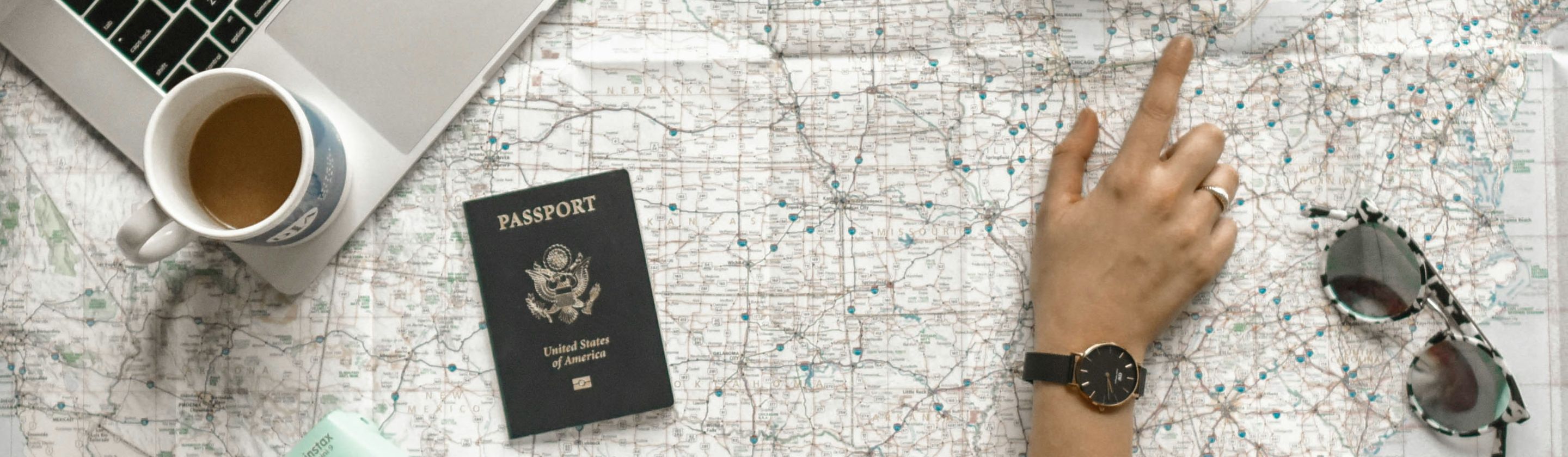
Small Decisions That Save Time, Money, And Your Mood
Trips rarely fall apart because of one big mistake. They usually get rough in the small gaps: the five-minute scramble for a charger, the awkward moment at a ticket kiosk, the dinner that turns into a hangry search, the wet socks nobody planned for. Tiny choices do not feel glamorous, yet they prevent the most common travel annoyances from stacking on top of each other. The best part is that most of them cost nothing, and they work whether the trip is a weekend drive, a long-haul flight, or a work conference with a tight schedule. Here are 20 small, specific travel choices that make almost any trip noticeably better.

1. Screenshot Bookings
Save screenshots of hotel confirmations, train tickets, parking passes, and any QR codes the moment they arrive. Phones lose signal in the exact places that require proof of purchase, like subway platforms and airport gates. A screenshot also helps when an app logs you out after an update.
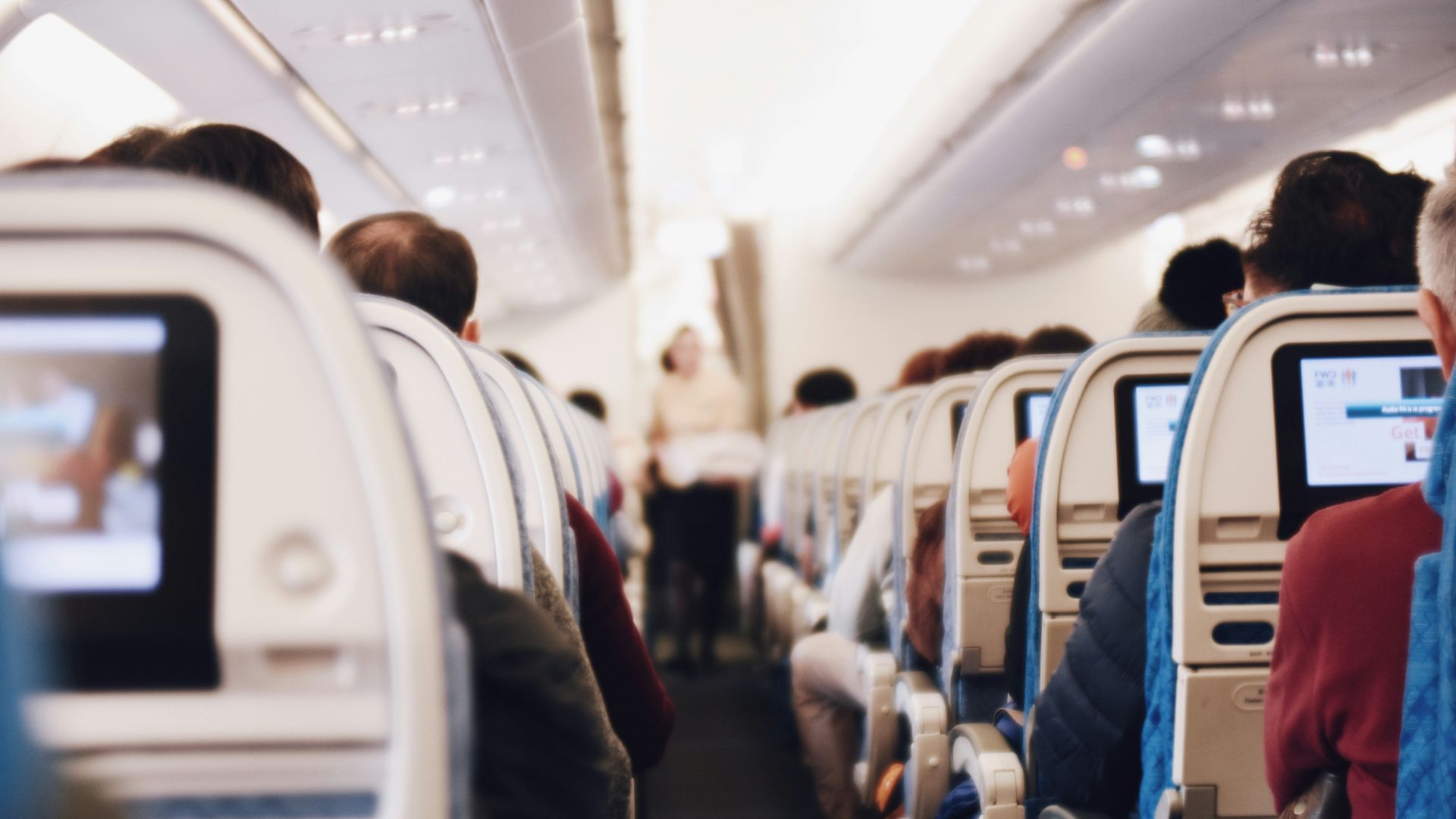
2. Split Your Cards
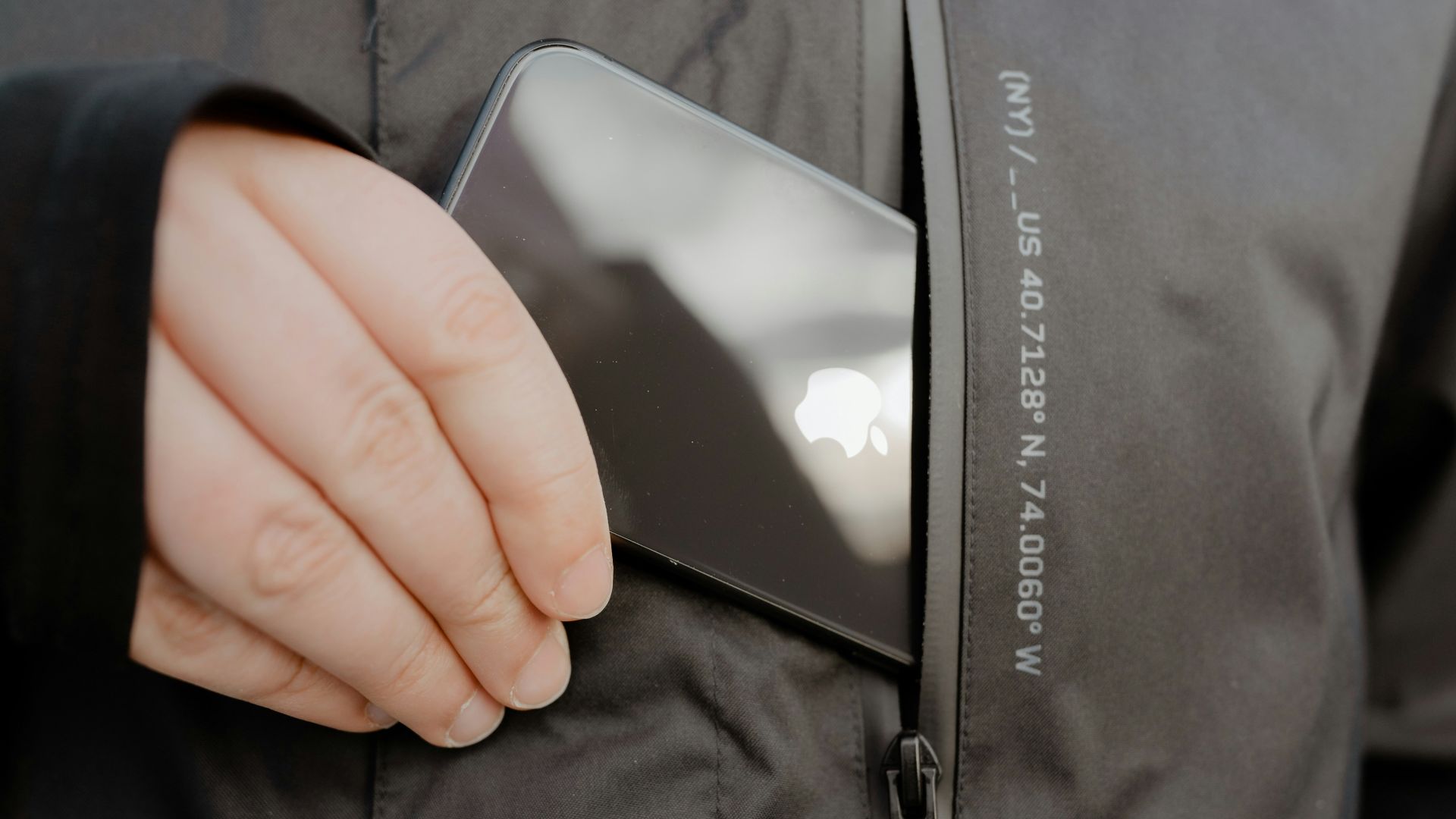
Keep a single payment card somewhere separate, like a jacket pocket or a zippered inner compartment. If the wallet goes missing, buying food, paying for transit, or getting a ride stays possible without a full panic spiral. This choice also prevents every card from being exposed at once in a crowded spot.
3. Outfit In Your Personal Item
Put a clean shirt, underwear, and socks in the bag that never leaves your body. Gate-checked carry-ons and delayed luggage are common enough that it is not worth tempting fate. Even a basic change of clothes makes the first day feel normal again.

4. Carry A Pen
A pen solves customs forms, hotel registration slips, luggage tags, and the random moment someone hands you a paper waiver. Borrowed pens disappear and airline pens run out mid-form, and then everyone gets irritated. One reliable pen removes a bunch of tiny delays.
5. Use A Grippy Phone Case
Drop risk goes up in transit hubs, on boat docks, and when juggling coffee plus luggage. A grippy case or slim strap reduces the chance of a cracked screen far from a repair shop. It also makes one-handed map checking less stressful in crowds.

6. Book A Desk
Choose a room with a real desk and a usable chair if work is even slightly possible. Working on a bed feels fine for ten minutes, then posture and focus fall apart. A desk keeps work contained and protects sleep.
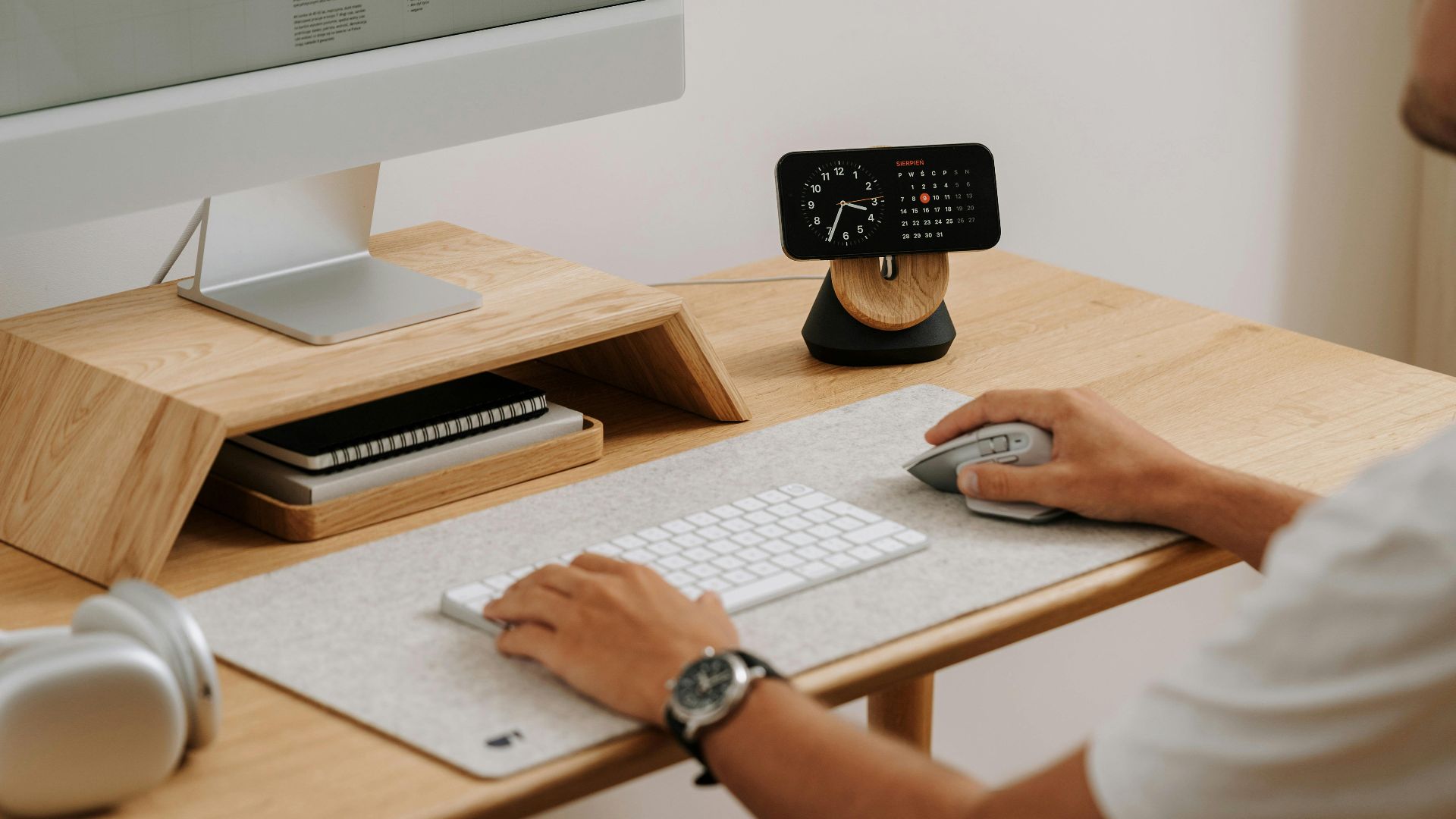
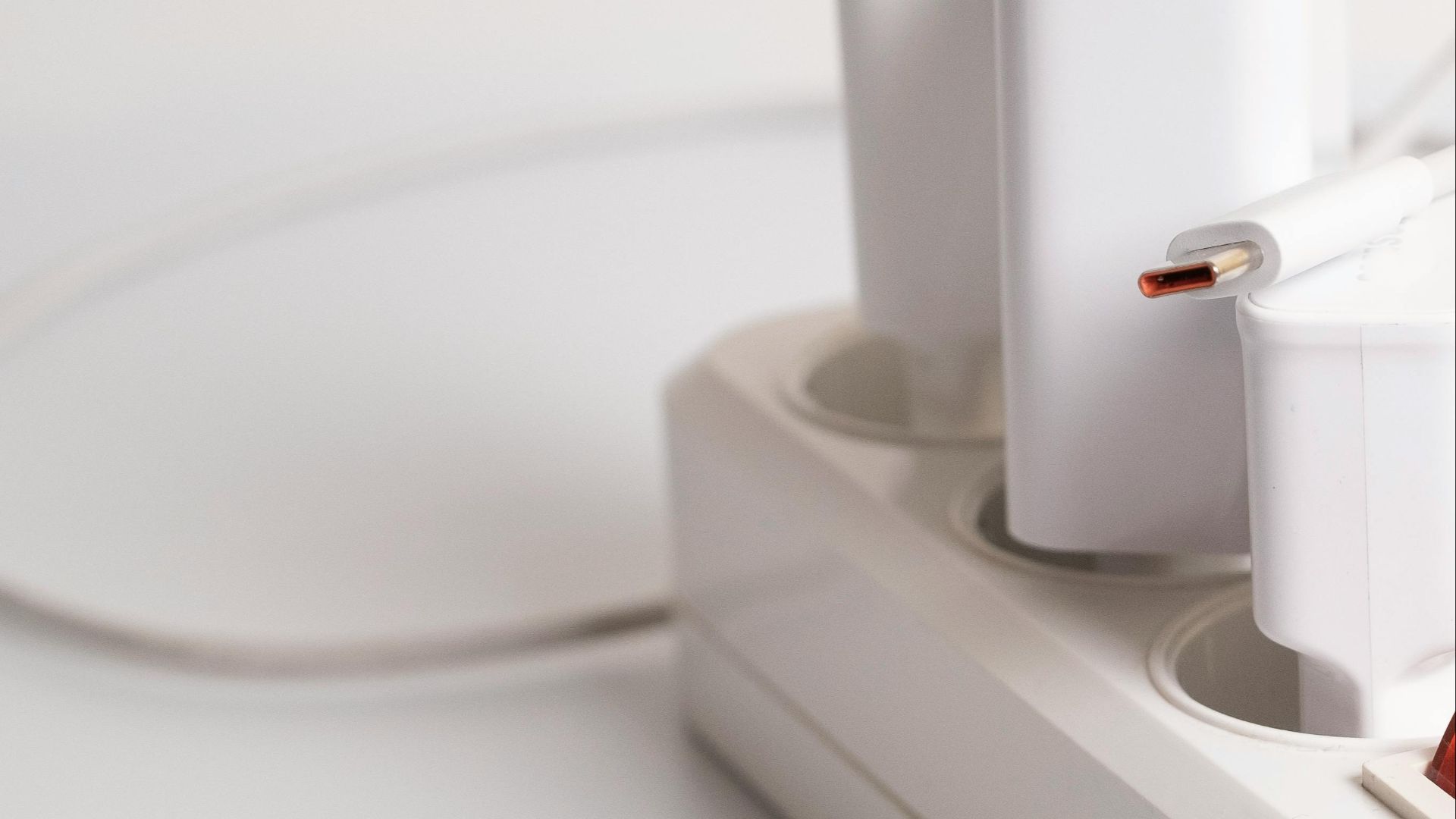
7. Pack A Power Strip
One wall outlet can serve multiple devices, especially in older hotels with inconvenient socket placement. A small strip is also useful in airports where outlets are scarce and people hover. It quietly removes the nightly competition for charging access.
8. Set Check-In Reminders
Airline check-in, museum timed entries, and some ferries have strict windows that are easy to miss while exploring. A quick reminder prevents the expensive mistake of arriving five minutes late to a timed slot. It also reduces the mental load of constantly checking the clock.

9. Download Offline Maps
Offline maps are most useful in dense areas where streets look similar and signal drops are common. Downloading the relevant regions before leaving Wi-Fi makes navigation steady and less battery-hungry. It also keeps plans moving when the phone flips into low-power mode.
 Kevin Yudhistira Alloni on Unsplash
10. Use A Zip Pouch
Keys, earbuds, lip balm, transit cards, and coins create clutter and disappear into bag corners. A simple pouch turns a messy bag into something you can search in ten seconds. It also prevents items from falling out during security checks.
11. Pick A Base Cafe
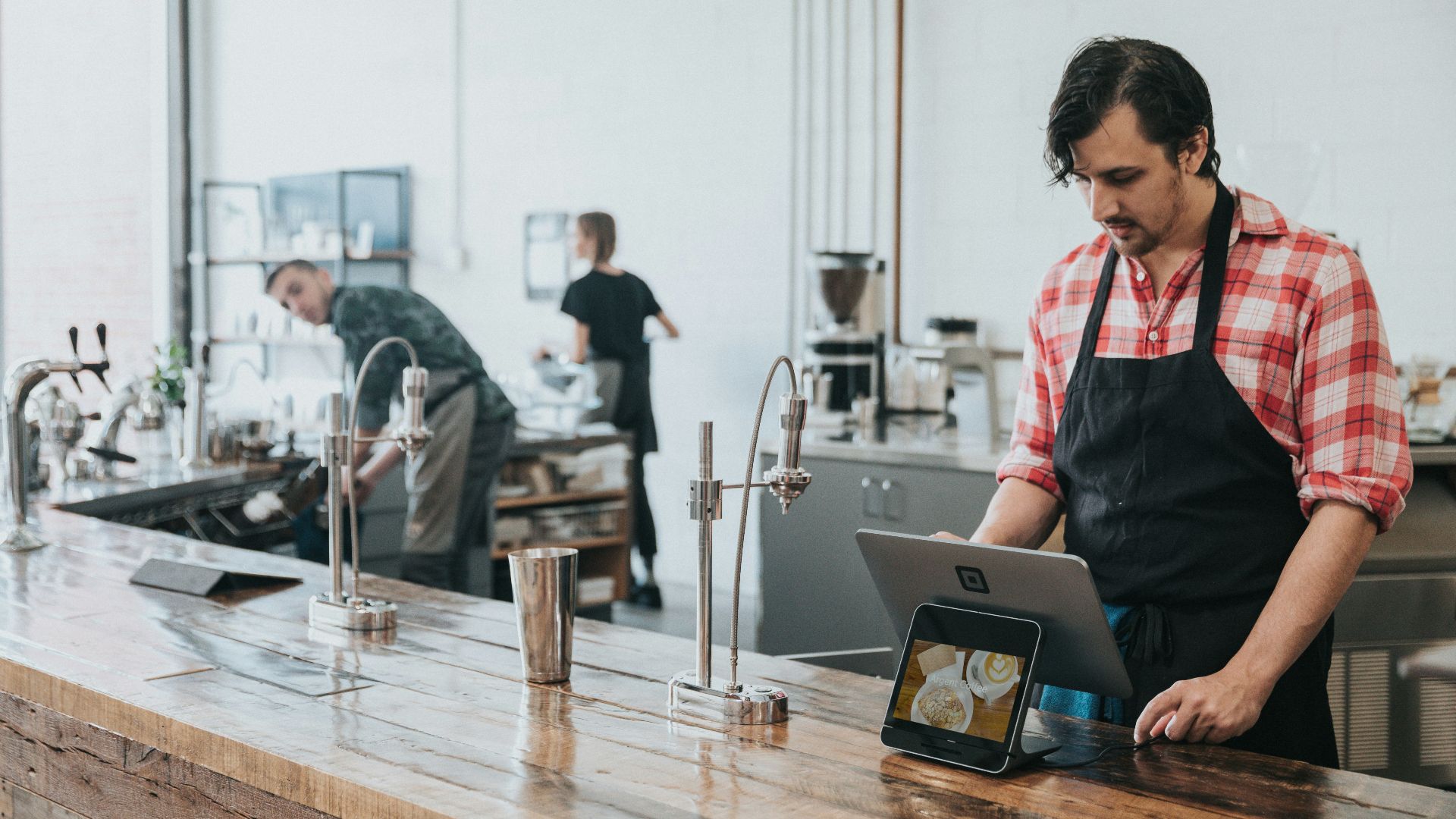
Choose one convenient cafe near the hotel or main stop and use it as a regular reset point. Having a predictable place for water, a bathroom, and a quick sit-down makes long days easier. It also helps with meetups because a familiar landmark reduces confusion.
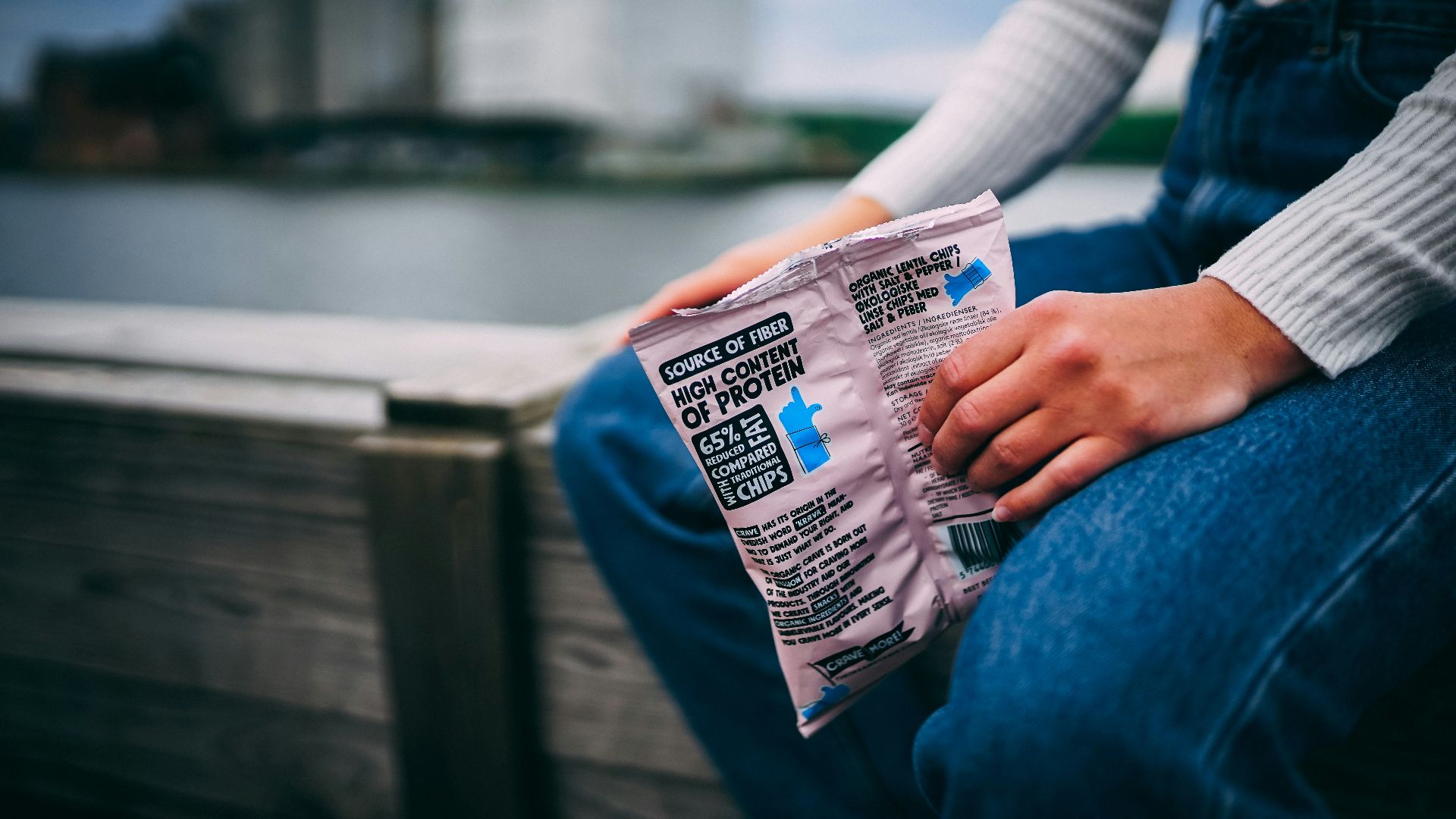
12. Snack Before Risky Food
Trying new food is part of the fun, yet hunger makes risk feel higher and choices feel worse. A small, plain snack first keeps the mood stable while deciding what to try. It also helps avoid ordering too much in the first rush of excitement.
 THE ORGANIC CRAVE Ⓡ on Unsplash
13. Bring A Tote
A packable tote handles surprise purchases, wet umbrellas, snacks, and the jacket that suddenly becomes unnecessary at noon. It keeps hands free and prevents awkward juggling on trains and buses. It also reduces the need for disposable bags in places that charge for them.

14. Keep One Info Note
Store the hotel address, check-in time, Wi-Fi name, door code, and local emergency numbers in one note. Searching across emails while tired is when mistakes happen, like going to the wrong entrance or missing a late check-in policy. A single note makes arrivals smoother.

15. Wear Rain-Ready Shoes
Weather shifts quickly, and the worst rain often hits during the longest walking day. Shoes that can tolerate puddles without soaking through prevent the cold, damp discomfort that ruins afternoons. This is especially helpful in cities with slick stone streets and minimal drainage.

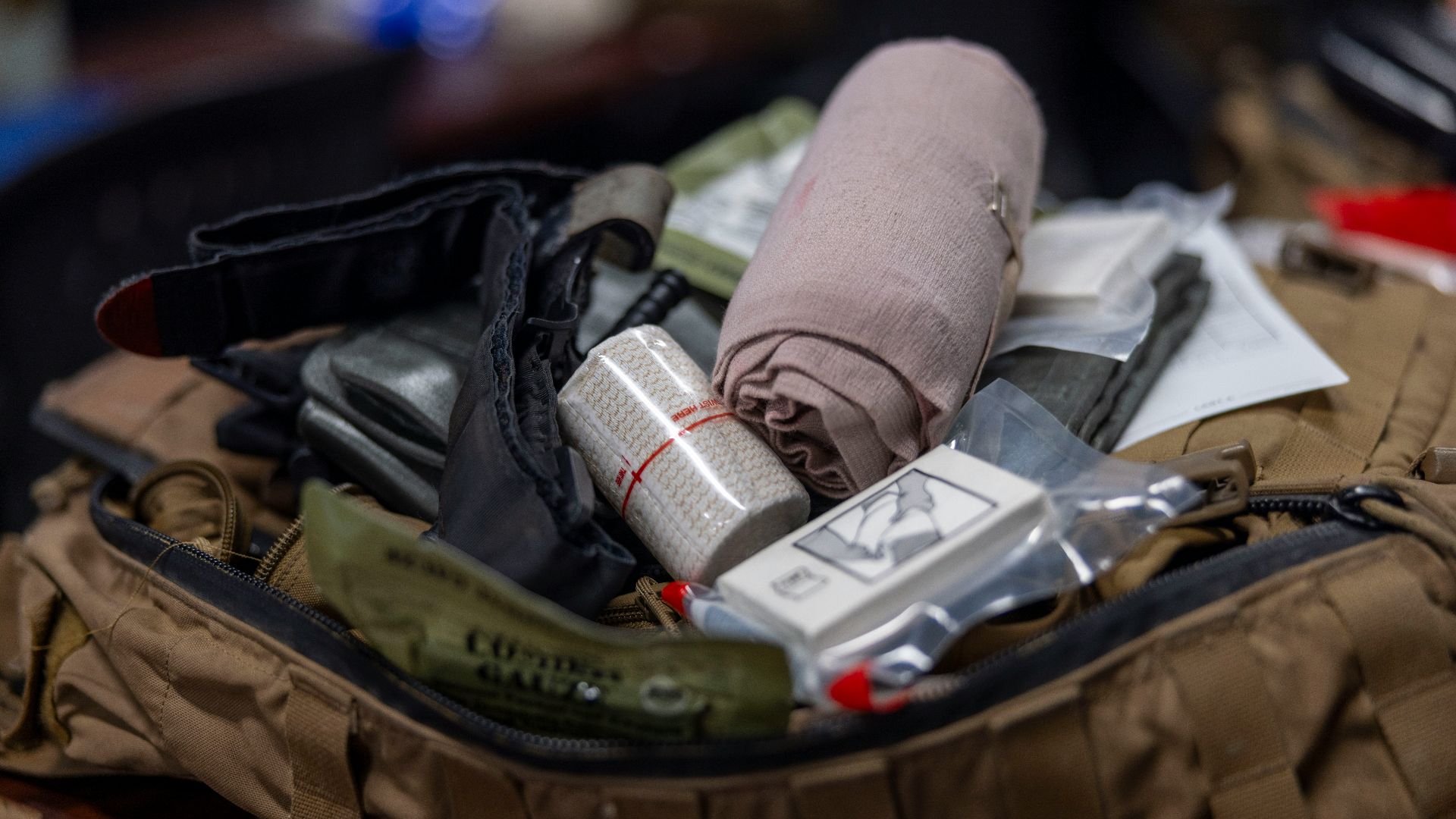
16. Pack A Mini Kit
Bring a few basics like pain reliever, bandages, and something for stomach trouble. Finding these late at night in an unfamiliar place is annoying and sometimes expensive. A small kit turns minor problems into non-events.
17. Start Early Once
Starting early one day can unlock quieter streets and shorter lines. It also creates a cushion for delays later, like a transit disruption or a long lunch that turns into a slow afternoon. That single early start often becomes the day that feels easiest.
 Ishan @seefromthesky on Unsplash
18. Plan A First Stop
Choose a simple arrival stop like a grocery store, pharmacy, or casual food counter near the hotel. This prevents exhausted wandering when arriving hungry with no plan. It also ensures water and snacks are available before settling in.

19. Use A Checkout List
Keep a consistent last-ten-minutes list for chargers, glasses, keys, passport, and any daily meds. The final rush is when things get left in outlets and bedside tables. A repeatable list makes departures calm.
20. Do A Night Reset
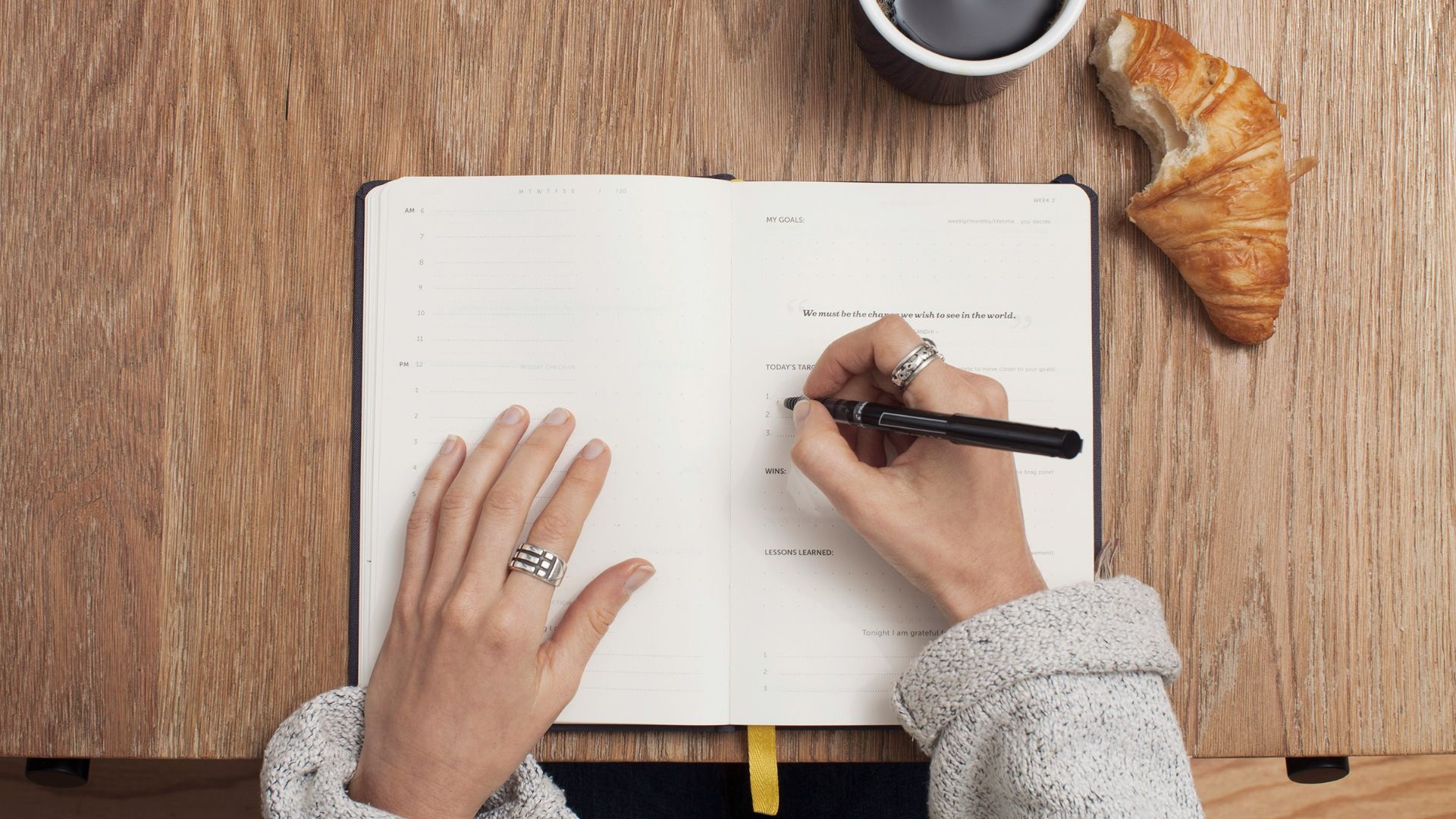
Pick something small like setting out tomorrow’s clothes, filling a water bottle, or charging everything in one spot. A tiny routine reduces morning decision fatigue and keeps the room from turning into chaos. It also makes the trip feel organized even when the schedule is busy.