What Used To Pass For Common Sense
A lot of boomer parenting advice was built for a world with cheaper housing, looser work schedules, and a culture that treated kids as mostly invisible until dinner. Some of it came from love and grit, and some of it came from exhaustion, limited information, and the belief that toughening kids up was the same thing as raising them well. The problem is that family life now runs through different pressures, from constant connectivity to higher expectations at school to the basic fact that many households need two incomes just to stay afloat. Even the best-intended rules can backfire when they ignore child development, mental health, or the way safety risks and social dynamics have changed. Here are 20 old-school parenting rules that still get repeated, even though they tend to cause more trouble than they solve.

1. Kids Should Be Seen And Not Heard
In practice, this trains kids to hide confusion, fear, and needs until those feelings come out sideways. Families function better when kids learn respectful communication, not silence that looks like obedience.
2. Spare The Rod And Spoil The Child
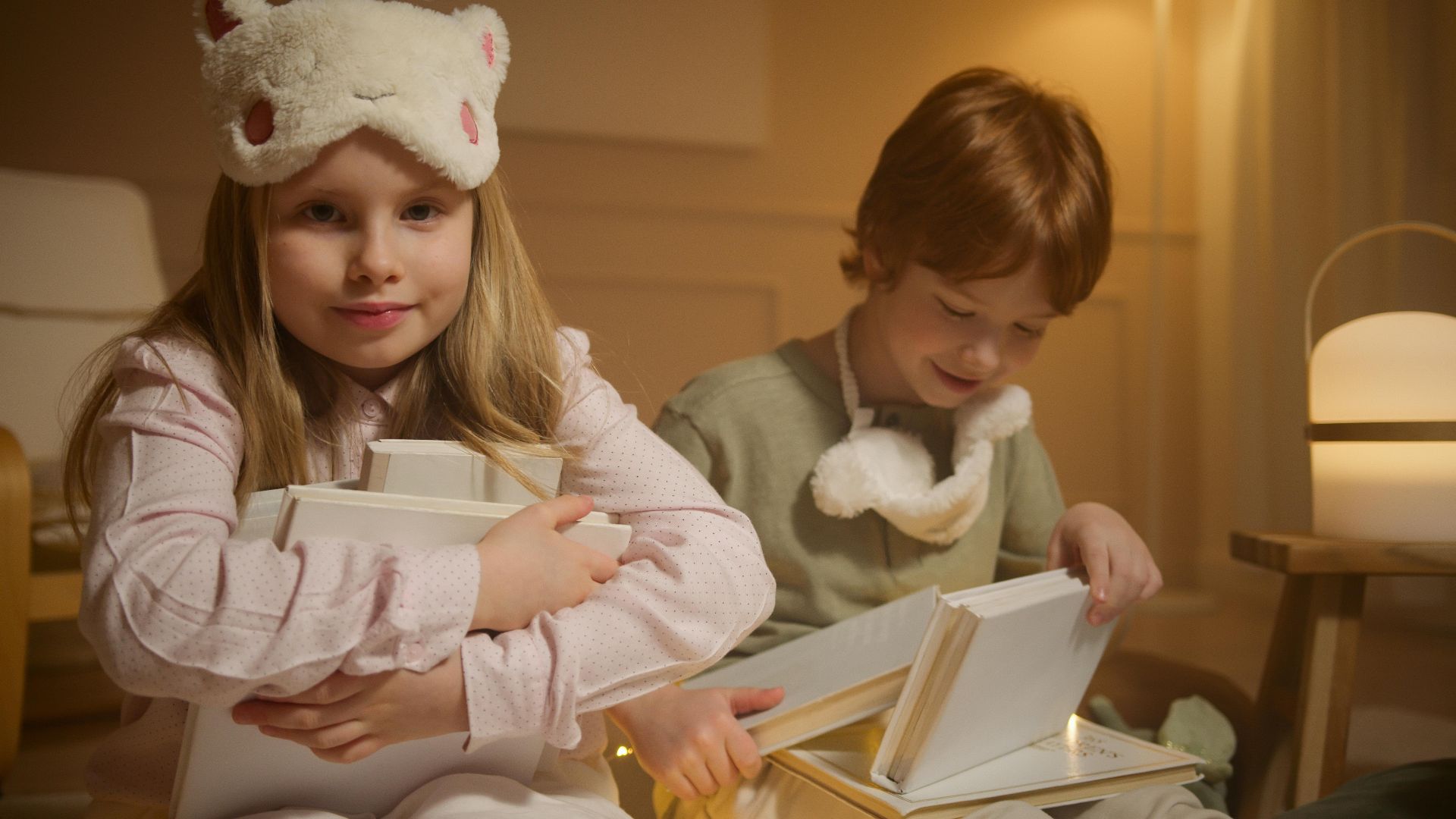
Physical punishment is not a harmless shortcut, and major medical and child health organizations have long warned that it increases aggression and harms trust. When discipline relies on fear, kids often learn to avoid getting caught rather than learning skills like self-control and repair.
 Karolina Grabowska www.kaboompics.com on Pexels
3. Stop Crying Or I Will Give You Something To Cry About
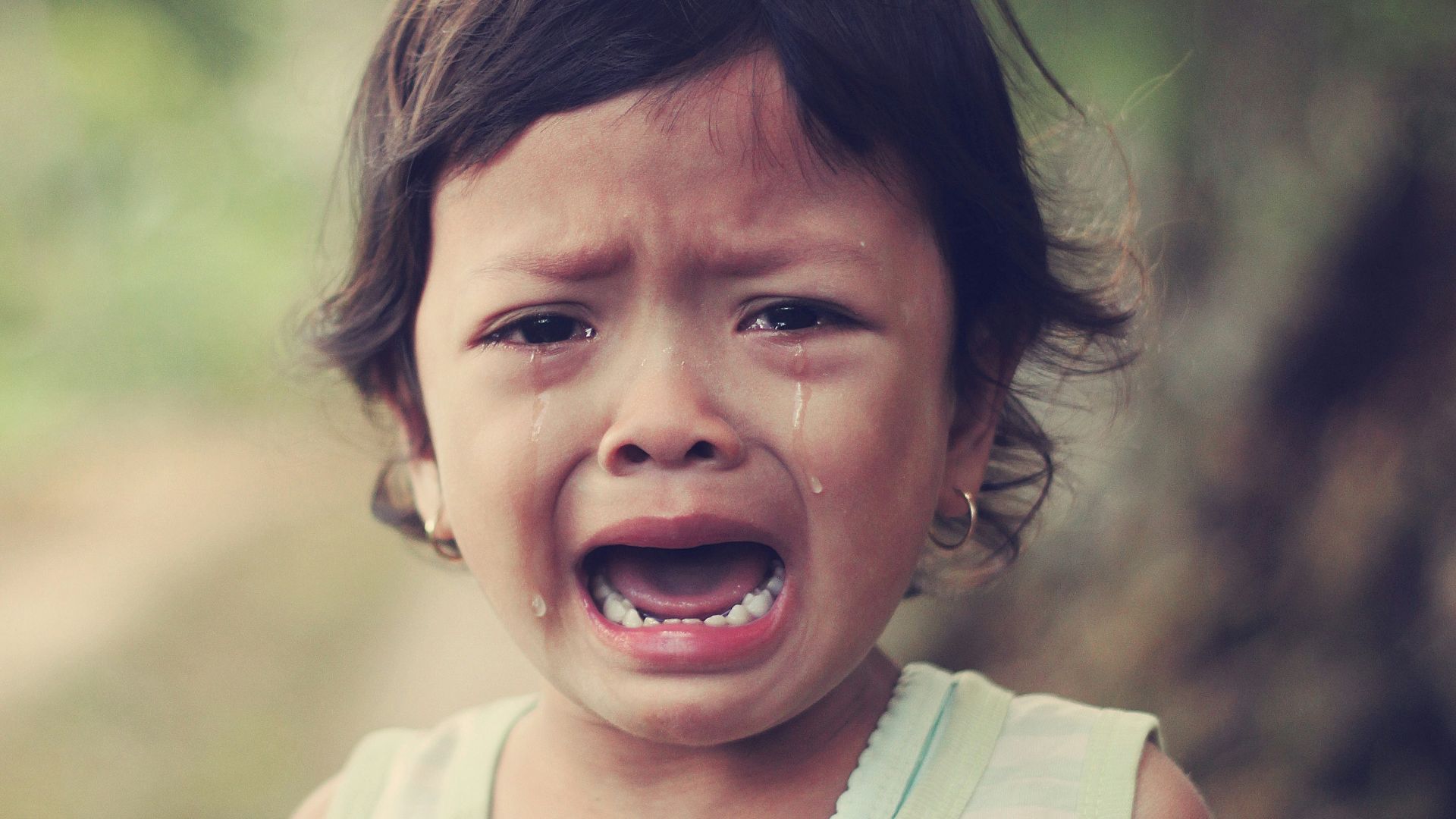
This teaches kids that normal feelings are unacceptable and that comfort comes with a threat attached. Emotional regulation develops faster when kids get help naming what they feel and practicing calm-down strategies, not when they are pushed into shutdown.

4. Because I Said So Is A Complete Explanation
Authority matters, yet explanation matters too, especially as kids get older and start making decisions without adults nearby. A short reason builds cooperation and judgment, while pure command trains kids to argue in secret or comply without thinking.

5. Stay Out Until The Streetlights Come On
The freedom sounds charming, yet the modern world includes different risks, different policing, and different neighborhood dynamics. Kids still need independence, just with clearer check-ins, realistic boundaries, and adults who actually know where they are.

6. Walk It Off
There is a difference between encouraging resilience and dismissing pain, whether it is physical or emotional. Kids do better when adults take concerns seriously, then decide what level of response fits, rather than defaulting to minimization.
7. Finish Everything On Your Plate
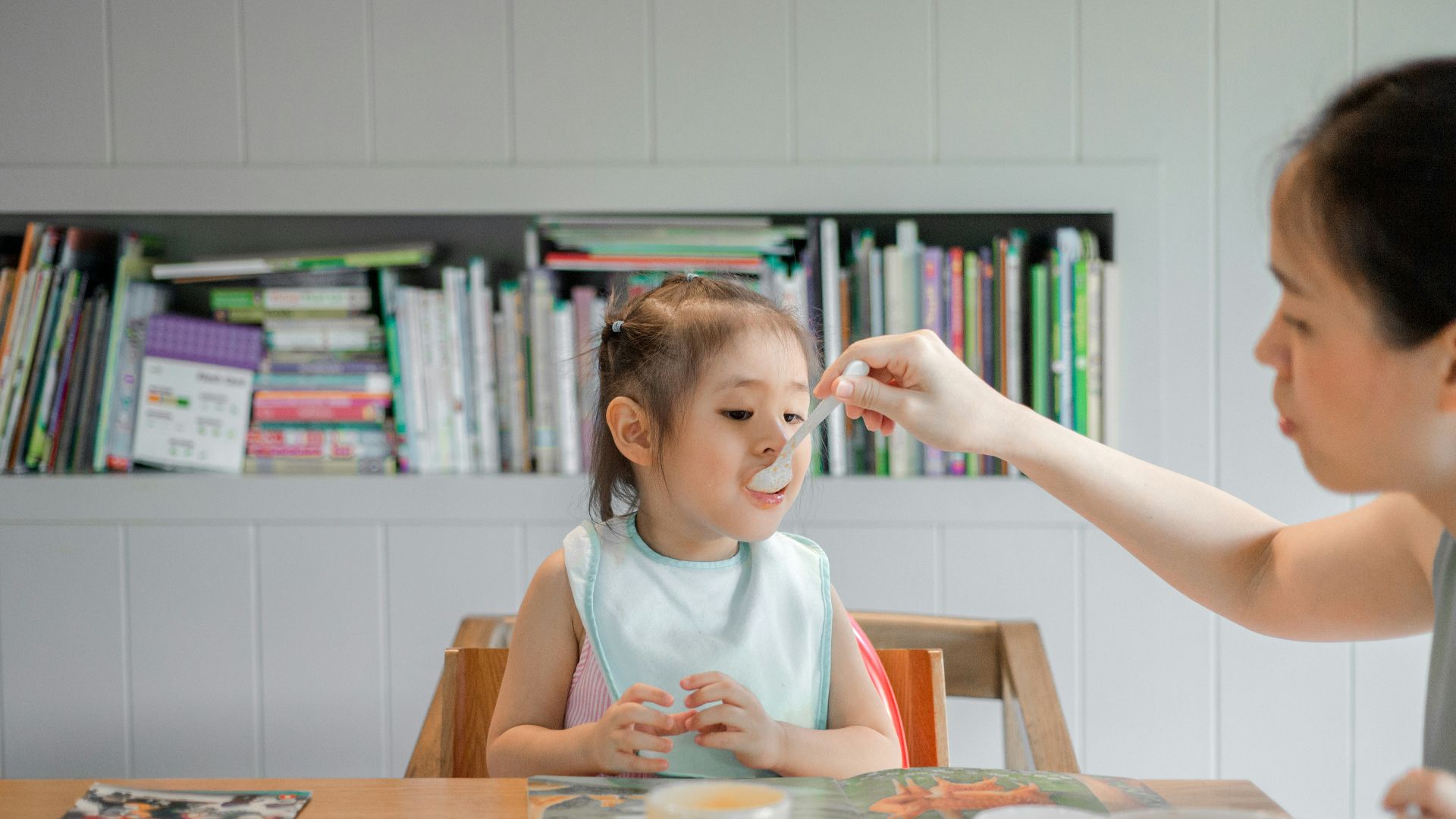
This can override hunger cues and set up a weird relationship with food that sticks around for decades. It works better when families aim for balanced meals and let kids learn what satisfied feels like, with gentle structure instead of a clean-plate mandate.
 Tanaphong Toochinda on Unsplash
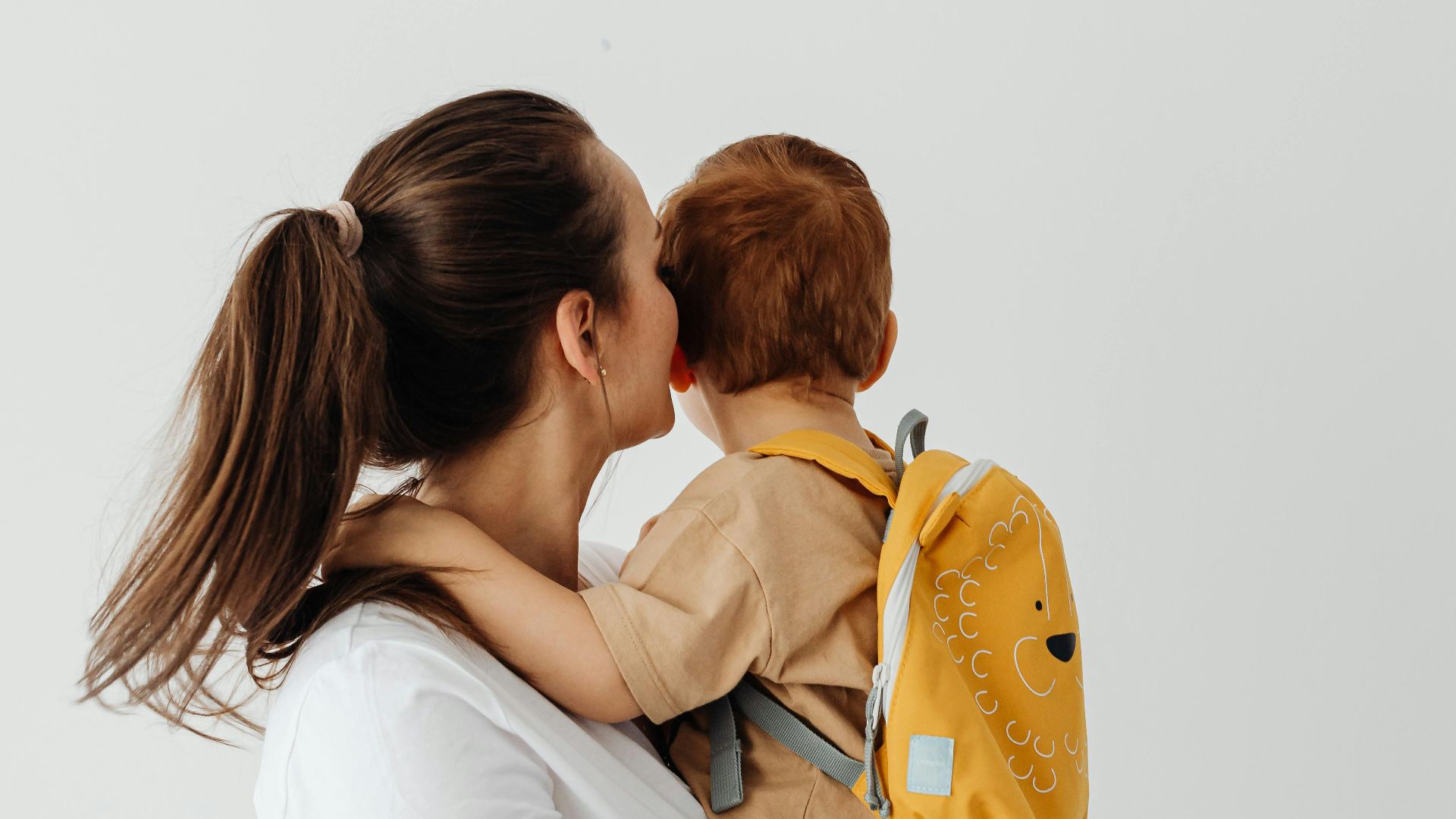
8. Don’t Talk Back
Some parents used this to mean no disrespect, yet it often becomes a ban on basic self-advocacy. Kids who can explain, disagree calmly, and negotiate learn skills they will need with teachers, bosses, and partners.
 Karolina Grabowska www.kaboompics.com on Pexels
9. You’re Fine
That phrase is usually about adult discomfort, not the child’s actual state. Kids build confidence when adults acknowledge reality, even briefly, then help them take the next step.
 Hoi An and Da Nang Photographer on Unsplash
10. Privacy Is For Adults
Constant surveillance can breed secrecy rather than safety, especially for teens who are trying to develop a separate self. Trust grows when privacy is respected and safety checks are clear, limited, and connected to specific concerns.
11. Don’t Reward Kids For What They’re Supposed To Do
This ignores how motivation works in real homes, especially with younger kids or kids who struggle with attention or executive function. Praise and small rewards can be training wheels that help habits stick, and they can fade as competence grows.
 Dreame Vacuum Cleaner on Unsplash
12. Good Kids Don’t Get Angry
Anger is not a character flaw, it is information, and kids need guidance on what to do with it. When anger is treated as forbidden, it tends to come out as sarcasm, withdrawal, or blowups that feel sudden to everyone else.

13. If You Fall Behind, Just Try Harder
Effort matters, yet many kids need different supports, clearer instruction, or an evaluation for learning differences. The try-harder message can turn into shame when the real problem is that the system is not meeting the child’s needs.
14. Parents Should Never Apologize To Kids
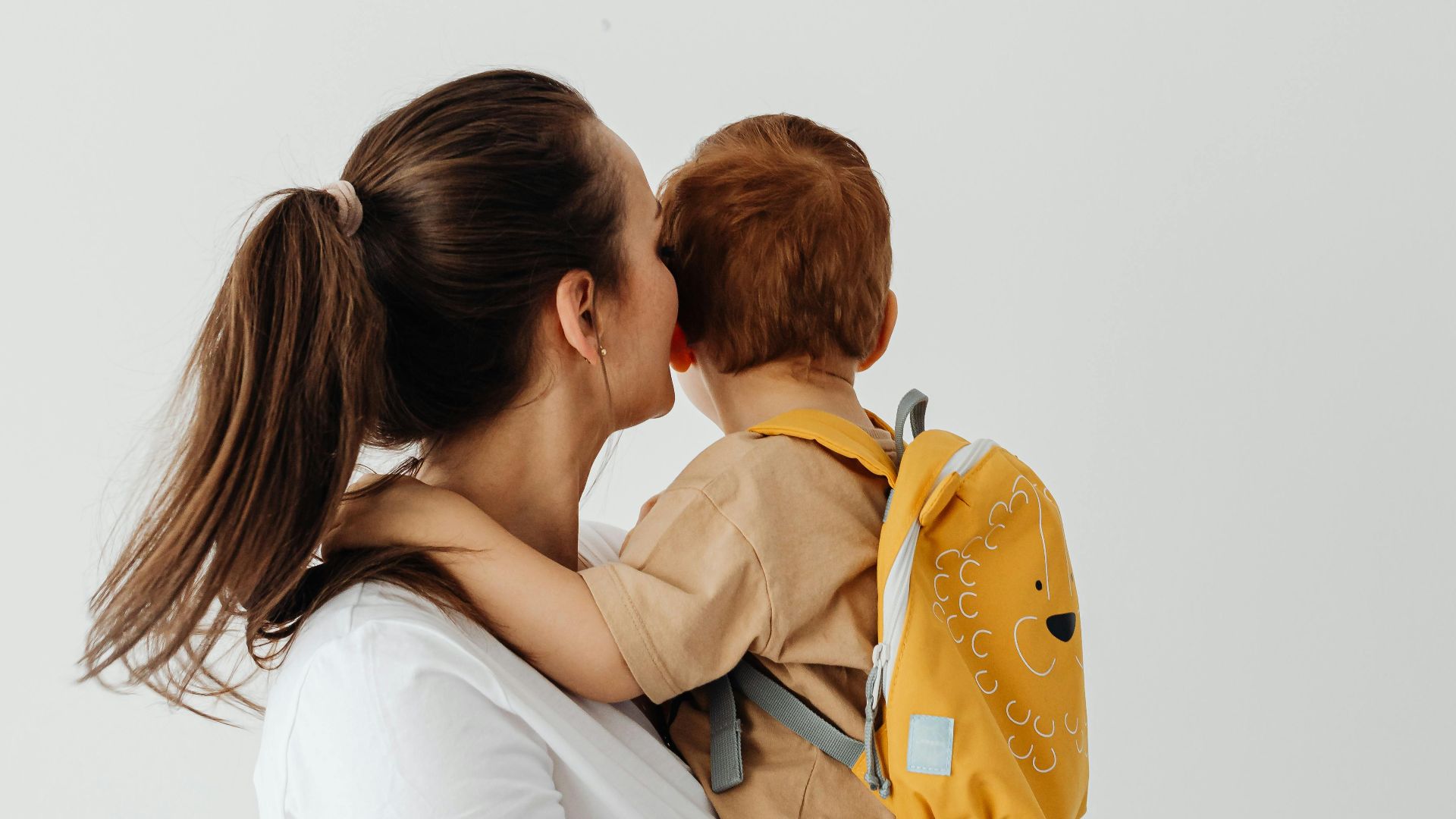
Refusing to apologize teaches kids that power excuses harm, which is a brutal lesson to carry into adulthood. A simple apology models accountability and shows that relationships can recover after mistakes.
 Karolina Grabowska www.kaboompics.com on Pexels
15. Family Problems Stay In The Family
Privacy is valuable, yet secrecy is where harm grows, especially when kids need help outside the home. Kids should know which adults are safe to talk to, and they should learn that asking for support is not betrayal.

16. Big Feelings Are Manipulation
Sometimes kids melt down to get something, yet many times they melt down because they are overwhelmed and out of skills. When adults treat every tear as strategy, kids lose the chance to learn coping tools and honest communication.

17. Don’t Let Kids Make Choices
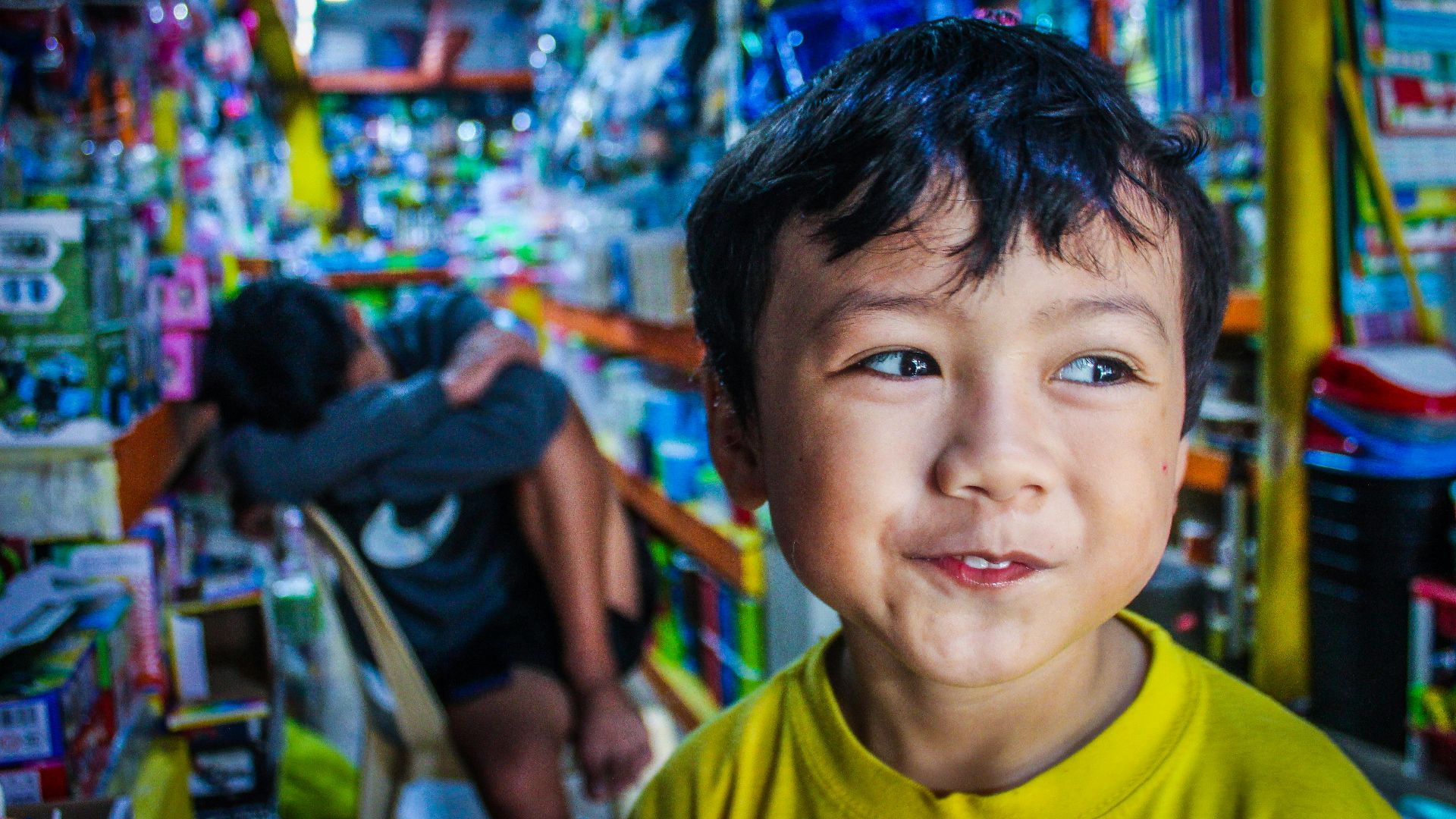
Choice can be messy, yet it is how kids learn judgment and responsibility in low-stakes ways. Even small options, like which shirt or which homework task first, can reduce power struggles and build competence.
 Marlo Alvin Alamo Vinluan on Pexels
18. Teenagers Are Naturally Lazy
Teens are often sleep-deprived, stressed, and running a brain that is still under construction, especially in the areas that handle planning and impulse control. Labeling them as lazy can become a self-fulfilling story instead of a prompt to adjust expectations and support.

19. Treat All Your Kids Exactly The Same
Fair is not identical, and kids have different temperaments, needs, and challenges that require different approaches. Families work better when each child gets what helps them thrive, with transparency that keeps resentment from festering.
20. A Good Parent Keeps Control At All Times
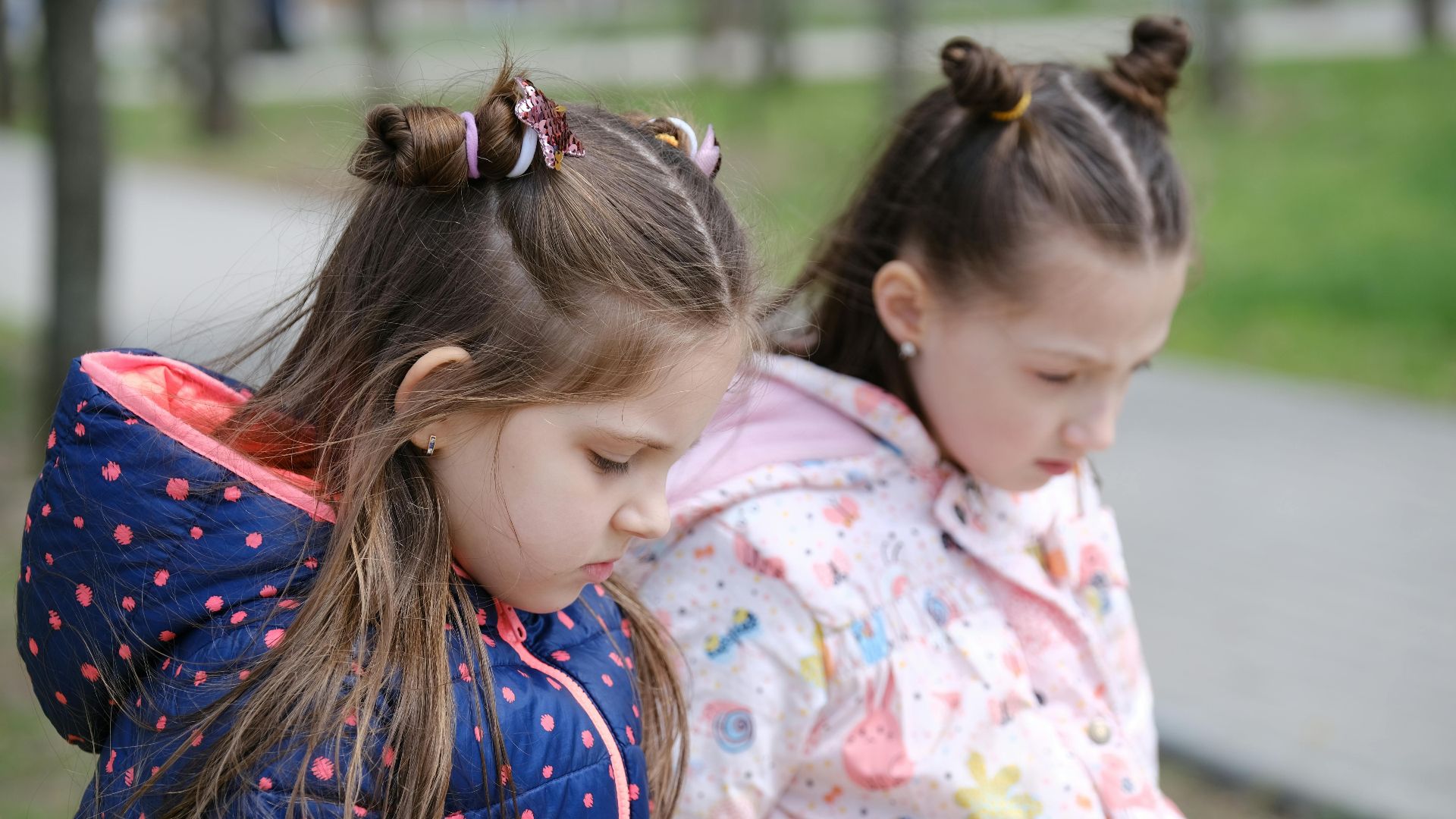
Control looks powerful, yet it can choke off connection, honesty, and problem-solving. The goal is influence built on trust, consistency, and repair, because kids eventually grow up and control is no longer an option.