
The Perfect Evening
What do you have planned after work? A homemade dinner? Catching up on a TV show? Curling up in bed with a good novel? Believe it or not, the hours after work can either help you recover and set you up for tomorrow, or drain you without you noticing until it’s too late. A good 5-9 routine doesn't necessarily mean pushing yourself to get active or social if you're not feeling it, but you should make a few intentional choices that protect your attention, energy, and sleep. Here are 10 things that tend to sabotage your evening, along with 10 habits that actually help you feel more grounded and in control once your workday ends.

1. Doomscroll
If you slide straight into nonstop scrolling, you’re letting other people’s urgency and opinions set the emotional tone of your night. Even when the content feels harmless, the constant novelty keeps your brain alert and makes it harder to shift into rest or real presence with what you’re doing. When you catch yourself speeding up, getting irritated, or losing track of time, pause and put your phone in another room for a short reset so your evening can start on your terms.

2. Do More Work
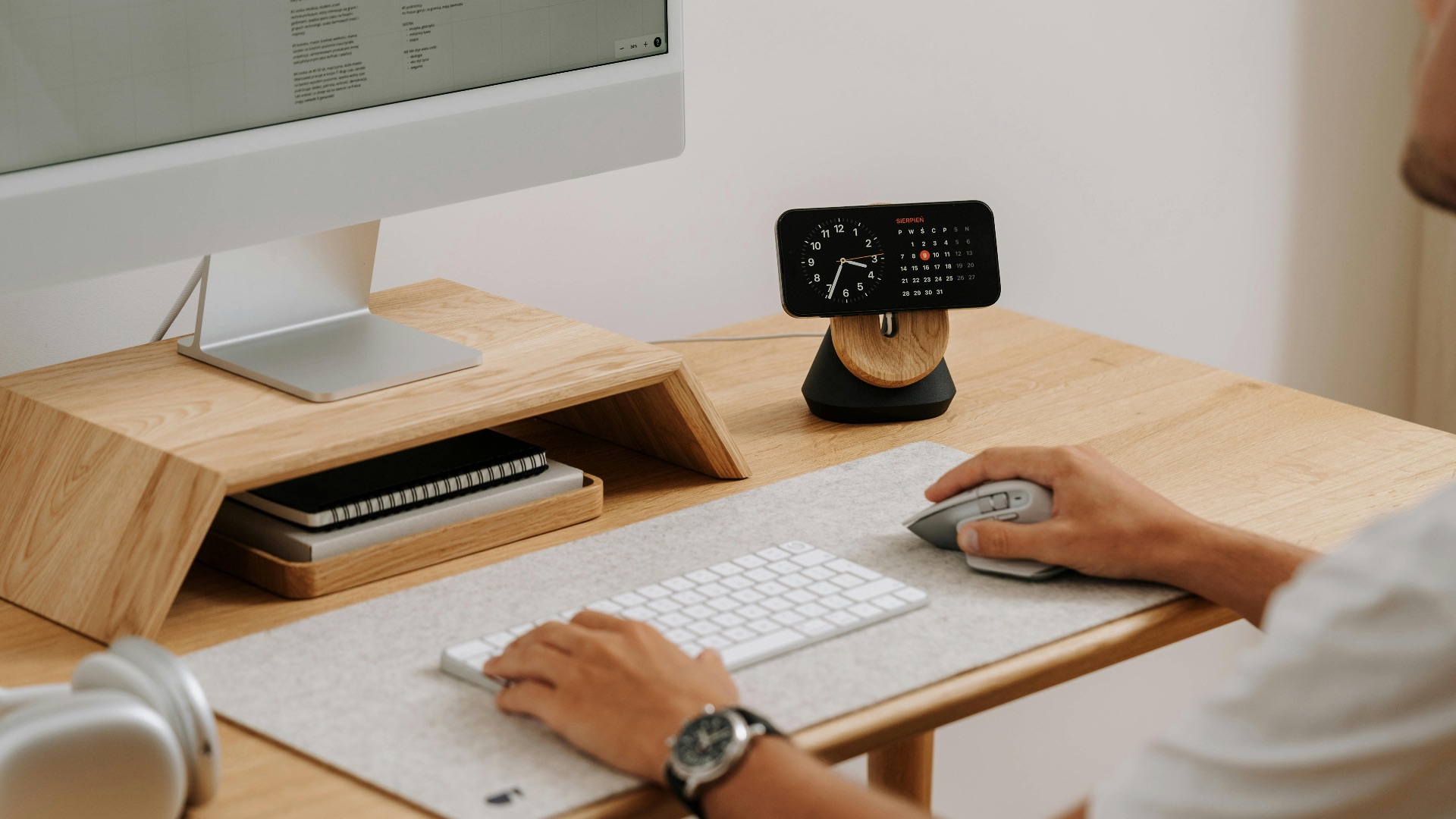
Continuing to work after hours might feel responsible, but it quietly extends the stress response that your body needs to shut down to recover. Even small tasks like tweaking a doc or checking one more thread can keep your brain in problem-solving mode, which makes it harder to be present at home and harder to sleep deeply later. If it’s genuinely urgent, set a strict time limit and stop on purpose, and if it’s not urgent, give it a slot tomorrow so your evening can actually do its job.
3. Jump Straight Into a Workout
Going from a full workday directly into intense exercise can backfire if you’re already mentally depleted or running on adrenaline. Strenuous training is a real stressor on the body, so piling it on without a transition can leave you feeling wired, irritable, or too stimulated to unwind afterward. If you love evening workouts, add a short decompression buffer first and choose intensity based on your energy that day, not based on what you think you should do.

4. Eat a Heavy Dinner or Overeat
A large, heavy meal can feel comforting after a long day, but it often steals energy from the rest of your night because your body has to work harder to digest it. Overeating also tends to blunt your ability to notice fullness cues, which can lead to that uncomfortable mix of sleepiness and restlessness that doesn’t actually feel restful. Keep dinner satisfying but balanced, and if you’re tempted to keep eating, pause and check whether you’re hungry or just trying to decompress.

5. Replay Work Conversations
Rehashing what you should’ve said or what someone might’ve meant keeps your body in a problem-solving state long after the problem has any benefit. It’s easy to label it as being responsible, but most of the time it’s just mental noise that steals your recovery time. If something truly needs attention, write a short note about the next action you’ll take tomorrow, then consciously shift your attention to the present so work doesn’t get free overtime.

6. Say Yes to Plans You Don’t Want
If you accept invitations you don’t have the bandwidth for, you’re basically scheduling resentment and calling it being nice. Over time, that habit can make you feel like your evenings belong to everyone except you, which is a fast track to feeling drained. Practice a simple, respectful no that doesn’t overexplain, and you’ll protect your energy while keeping your relationships clearer and healthier.

7. Laze on Your Couch
There’s a difference between resting and collapsing, and the latter often leaves you feeling worse even though you did nothing. If your body has been sitting all day, staying motionless all evening can create stiffness and a low-grade restlessness that makes your night feel strangely unfulfilling. Give yourself a short stretch, a walk, or light movement before you settle in, and you’ll still get to relax without feeling like you disappeared for hours.

8. Start a Second Shift of Emails
Just as you shouldn't do more work after you've already clocked out, you should also refrain from checking your inbox during your after-hours; this will only keep your attention tethered to work, even if you tell yourself it’ll only take a minute. The bigger issue is that it prevents mental closure, because your brain stays in monitoring mode and starts anticipating new messages. If something is truly urgent, it’ll have a clear channel and expectation, but if it’s not urgent, protecting your evening makes you better at your job tomorrow.

9. Have One Too Many Drinks
Using alcohol as your primary off switch can slowly train your brain to rely on it for decompression, which isn’t a trade you want long-term. It can also interfere with sleep quality, meaning you might fall asleep faster but wake up less restored and more irritable the next day. If you’re reaching for a drink out of habit, swap in another wind-down tool most nights, like a shower, herbal tea, a book, or a short walk, and save drinking for times you’re actually choosing it.

10. Stay Up Late
Staying up until the A.M. might feel like you're reclaiming your freedom, but it usually turns into borrowing energy from tomorrow at a high interest rate. The next morning starts with less patience and more stress, which makes the next evening feel even more precious and harder to protect. If you want more personal time, the more effective move is to make your evening feel intentional earlier, then keep your sleep consistent so you actually have the capacity to enjoy it.
So, what are some better ways to spend your five-to-nine? Here are some suggestions:

1. Set a Clear Transition Ritual
A consistent post-work ritual helps your brain understand that it’s safe to stop performing and start recovering. It can be as simple as changing clothes, putting on a playlist, stepping outside for five minutes, or washing your hands and face to physically mark the shift. The goal isn’t to be cute or perfect, it’s to build a reliable boundary so your evening doesn’t start in the same tense gear you used at work.

2. Choose One Priority for the Night
When you try to cram productivity, fitness, socializing, and self-care into a few hours, you usually end up doing all of it halfway and enjoying none of it. Picking one main focus gives your evening a clear shape, which reduces decision fatigue and the feeling that you wasted time. Decide what would make tonight feel like a win, then build the rest of the night around that instead of chasing an unrealistic checklist.

3. Eat a Balanced Dinner
A steady dinner routine makes your energy feel more stable, and it removes one of the biggest sources of evening chaos: figuring out what to eat when you’re already tired. Planning doesn’t have to mean meal-prepping on Sundays; it can be as basic as keeping a few reliable meals on rotation. When dinner is predictable and nourishing, your evening becomes easier to enjoy because you’re not fighting hunger spikes or late-night cravings.

4. Do a Short Movement Session
While you don't want to immediately jump into a strenuous routine, some light exercise is still recommended. The best after-work movement is the kind you’ll actually do consistently, and even 15 minutes can reduce tension, improve your mood, and create a clean break between work and the rest of your night. Choose something low-friction, like a walk, mobility work, or a simple strength circuit, and treat it as maintenance rather than a performance.

5. Put Your Phone on Purposeful Settings
If you rely on self-control alone, your phone will usually win, especially when you’re tired. A few small settings changes can protect your attention without making you feel restricted, like turning off nonessential notifications or putting distracting apps in a folder. You’re not trying to become a different person overnight; you’re simply making it easier to stay present in the hours you actually own.

6. Make Tomorrow Easier
A tiny bit of evening prep can save you a surprising amount of morning stress, which changes the tone of the entire next day. The key is keeping it small so it doesn’t turn into a late-night productivity binge that wrecks your sleep. Pick one helpful action, like laying out clothes, prepping lunch, or writing a short list of tomorrow’s top priorities, then stop while it still feels easy.

7. Get Social (If You Want)
Social time is most restorative when it feels intentional rather than default, especially after a day of constant interaction at work. A meaningful moment can be short, like a focused call, a walk with a friend, or dinner where you’re actually present. When connection is deliberate, it fills you up instead of leaving you feeling like you just added another obligation to your schedule.

8. Wind Down Earlier
Most sleep problems don’t start at bedtime; they start with what you do in the hour before it. If you keep your brain in stimulation mode with bright screens, intense content, and last-minute tasks, your body can’t smoothly shift into rest. Start dimming the lights, lowering the volume of your evening, and choosing calmer activities earlier so sleep becomes the natural next step instead of a struggle.

9. Give Yourself a Hobby Slot
If your evenings are only for chores and recovery, it’s hard to feel like you have a life outside of work. A small block of hobby time gives you something to look forward to and builds a sense of personal identity that isn’t tied to your job. Keep it realistic, protect it like an appointment, and let it be fun without turning it into another area where you have to optimize.

10. Reflect on the Day
A quick reflection helps you process the day and release it, which is very different from criticizing yourself for every imperfect moment. Keep it practical by noting one thing that went well, one thing you learned, and one adjustment you’ll try tomorrow. Ending with clarity instead of self-judgment makes your evening calmer and helps you wake up feeling more ready than resentful.