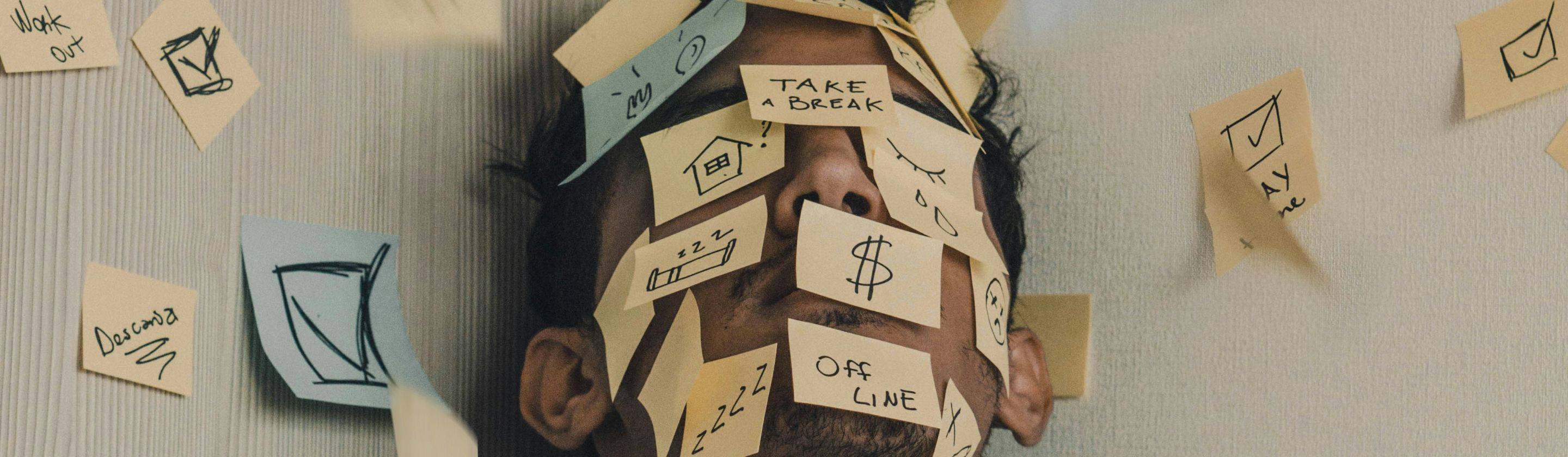

Getting engaged is one of life's happiest milestones, but planning a wedding often introduces stress that few couples fully expect. Between budgets, guest lists, family opinions, and countless decisions, it's easy for excitement to give way to mental fatigue. Wedding planning burnout is a well-documented form of prolonged stress that can affect both partners, especially when responsibilities pile up over many months.
Although every couple is different, men and women don't always experience that burnout in the same way. Individual personalities matter far more than gender alone, yet social expectations, communication styles, and the way planning duties are divided can influence how each partner reacts. Understanding those differences can help you recognize problems earlier and work as a team instead of feeling like you're working against each other.
Different Pressures Often Create Different Stress
Many women find themselves carrying a larger share of the wedding's day-to-day planning, even when both partners intend to split responsibilities evenly. Wedding professionals frequently describe the "mental load" of keeping track of deadlines, vendor communication, and countless small details as a major contributor to burnout. That ongoing responsibility can make it difficult to truly switch off, even during times that should feel relaxing.
Men, on the other hand, may experience burnout in ways that are less visible. Some become overwhelmed by major financial decisions, family expectations, or the pressure to support their partner while balancing work and other responsibilities. Rather than expressing stress openly, they may withdraw from planning conversations or appear less engaged, even when they're feeling just as overwhelmed.
Neither response is inherently better or worse because burnout doesn't follow a single pattern. One partner may become anxious and hyper-focused on every detail, while the other copes by avoiding conversations that feel emotionally draining. Without recognizing these different coping styles, couples can easily misinterpret stress as a lack of commitment.
Communication Breakdowns Make Burnout Worse
Wedding planning requires hundreds of decisions, and decision fatigue is one of the biggest contributors to burnout. As more choices accumulate, even simple questions like selecting invitations or finalizing a menu can begin to feel exhausting. It's not unusual for couples to become impatient over issues that wouldn't normally cause conflict.
Communication styles can also shape how burnout develops. One partner may want to talk through every concern immediately, while the other needs time to process before discussing a solution. If each person assumes the other is reacting incorrectly, frustration often grows faster than the actual planning workload.
Outside influences frequently intensify those disagreements. Parents, siblings, wedding parties, and even social media can create expectations that neither partner originally wanted. When couples spend more energy managing everyone else's opinions than discussing their own priorities, planning begins to feel like an obligation instead of a celebration.
Working Together Reduces The Emotional Load
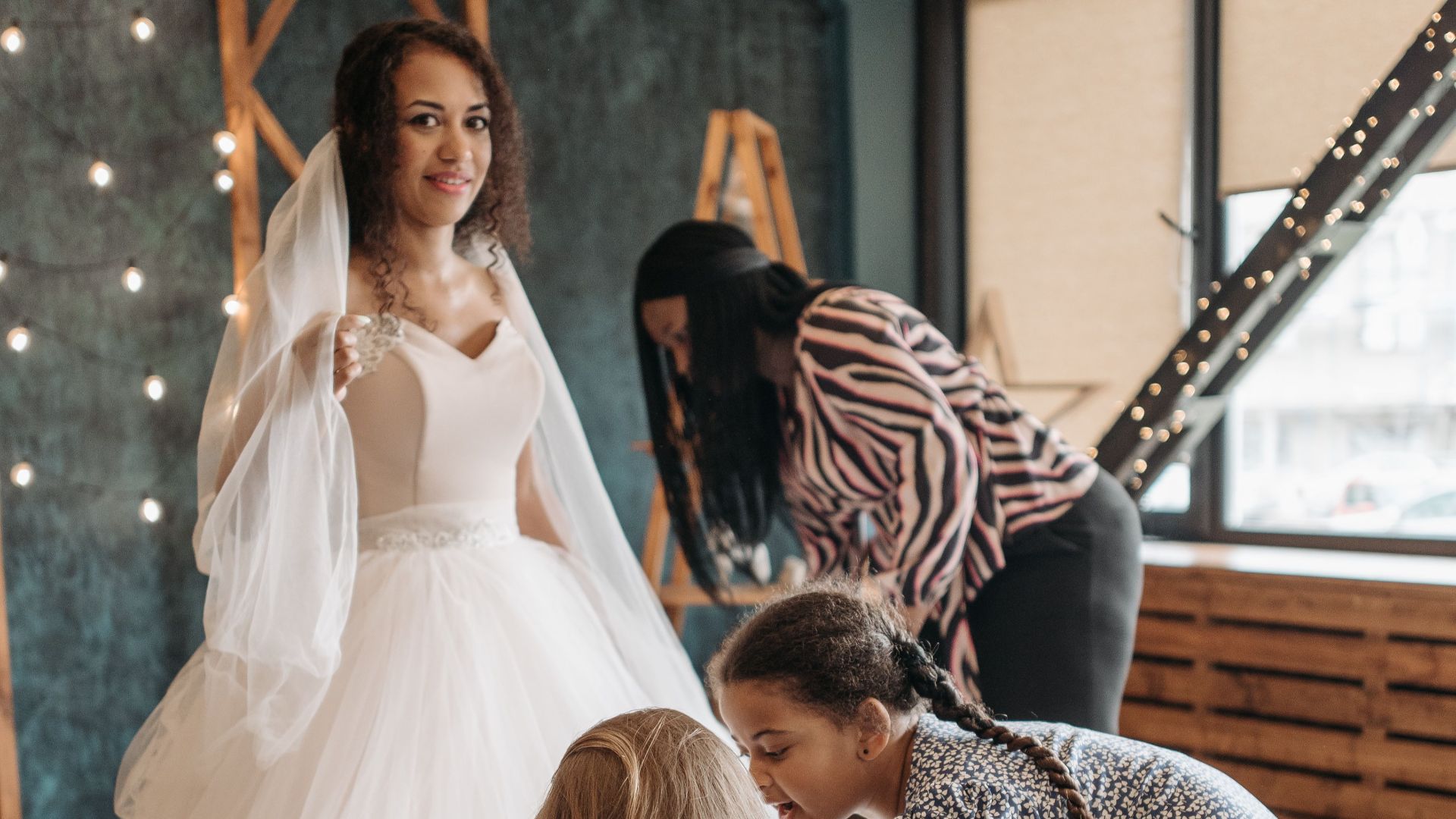
The healthiest couples usually treat wedding planning as a shared project instead of assigning one person complete ownership. Dividing responsibilities based on interest and strengths often works better than trying to split every task equally. When both partners feel genuinely responsible for the outcome, resentment becomes much less likely to build.
Taking intentional breaks from wedding conversations can also protect the relationship. Scheduling date nights where wedding topics are completely off-limits reminds you why you're getting married in the first place. Those moments create emotional breathing room that makes returning to planning feel far less overwhelming.
It's equally important to accept that perfection isn't realistic. Guests rarely remember every centerpiece, invitation font, or seating chart adjustment, but they do remember the atmosphere created by a happy couple. Letting go of unnecessary perfection allows both partners to preserve their energy for the moments that truly matter.
Planning a wedding will probably include stressful days, difficult decisions, and occasional disagreements, regardless of how organized you are. What matters most isn't whether burnout appears but how you respond when it does. By recognizing that men and women may experience planning stress differently, communicating openly, and sharing responsibilities thoughtfully, couples can protect both their relationship and their enjoyment of the journey toward marriage.