
10 Work Qualities Boomers Are Better At Than Gen Z & 10 They Can't Compare
They May Not See Eye To Eye
Workplace generation gaps can get irritating, especially when people start tossing around lazy stereotypes. Boomers aren’t all stuck in the past, and Gen Z isn’t sitting around waiting for a promotion after two emails and a cold brew. They came into work through very different doors. Boomers built careers through long stretches at companies, face-to-face meetings, formal office habits, and systems that often moved at a crawl, while Gen Z stepped into a workplace shaped by smartphones, hybrid schedules, AI tools, and much louder conversations about burnout. These 20 work qualities show where boomers often have the upper hand, and where Gen Z is already tough to beat.

1. Institutional Memory
Boomers often know the backstory behind how a workplace really runs. They remember which ideas have already been tried, which clients need extra care, and which old decisions still affect the way things are done.

2. Long-Term Relationship Building
Many boomers learned to build work relationships over time through meetings, phone calls, follow-ups, and years of shared projects. That kind of trust can matter when someone needs a referral, a favor, or an honest answer from a person who’s been around the block.

3. Reading Office Politics
Boomers are often better at understanding traditional workplace hierarchies because they’ve spent years watching how decisions actually get made. They may know when to speak up, when to wait, and how to disagree without making the whole room tense.
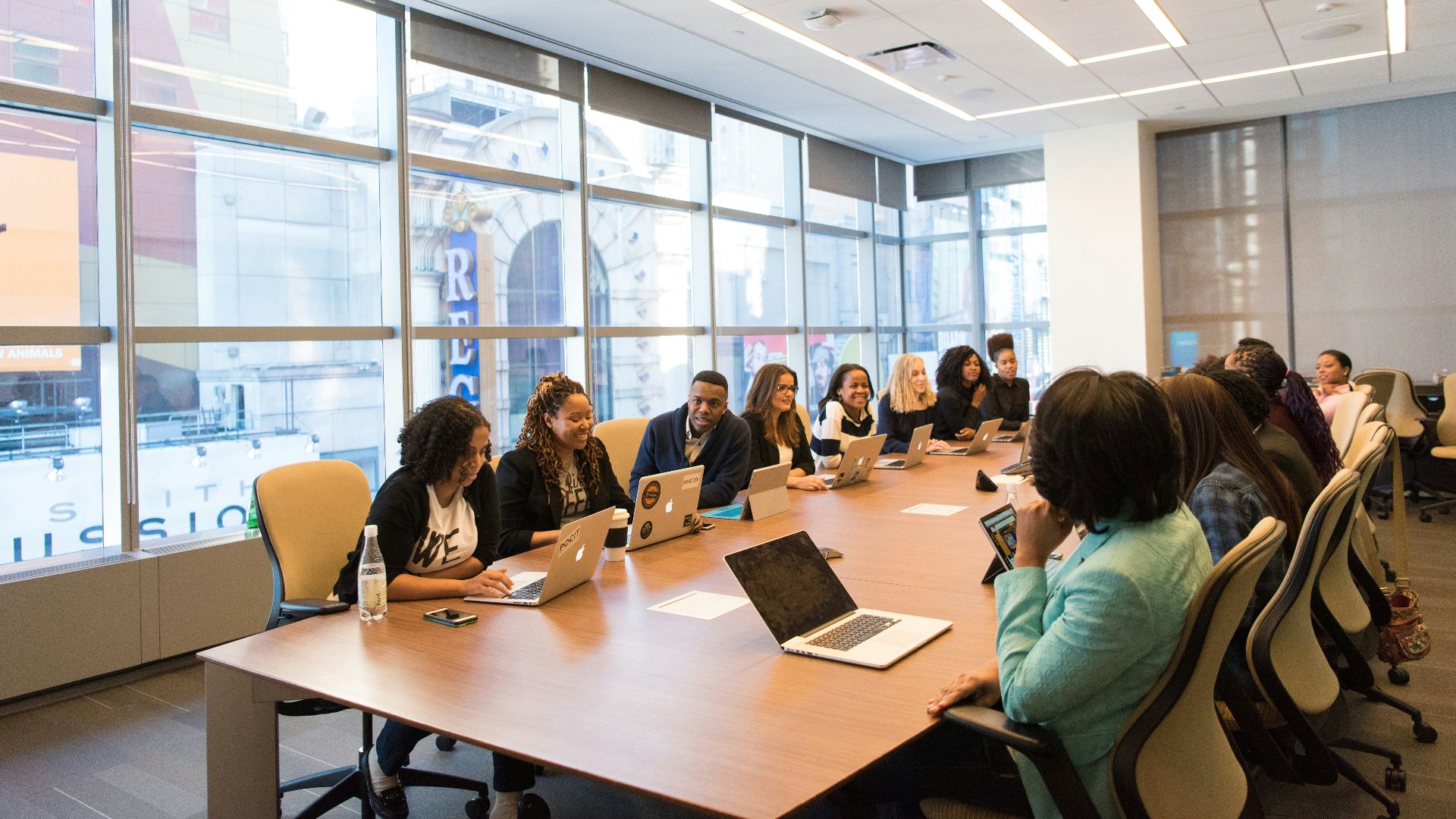 Christina @ wocintechchat.com M on Unsplash
4. Patience With Slow Systems
Boomers have worked through paper files, voicemail chains, outdated databases, and software that made simple tasks harder than they needed to be. That experience can make them calmer when tools break, approvals drag on, or a project gets stuck in a process nobody enjoys.

5. Mentoring
A good boomer mentor can offer more than neat little career tips. They’ve seen people recover from bad bosses, missed promotions, layoffs, career changes, and mistakes that feel huge at the time but don’t have to ruin anything.

6. Staying Calm Under Pressure
Years at work can help people stay steady when things get messy. Boomers have often worked through recessions, restructures, leadership changes, and projects that went badly, so they may be better at knowing when something is truly urgent and when everyone needs to slow down and handle the next step.

7. Formal Communication
Boomers often have a strong feel for polished emails, professional phone calls, follow-ups, and client-facing language. They know how to make a request sound respectful, share bad news without making things worse, and keep a message calm when the situation is anything but calm.

8. Handling Routine Work
Routine work doesn’t get much attention, but offices fall apart pretty quickly without it. Boomers are often used to keeping records, documenting decisions, preparing properly, and finishing the less exciting tasks that still need to get done.

9. Industry Judgment
Experience gives boomers a lot of past situations to compare against when a new plan or trend shows up. They may not always rush toward the newest idea, but they can often spot when something has been tried before under a different name.

10. Keeping Work Offline
Boomers are often more careful about sharing work frustrations in public because many built their careers before every bad day could end up online. That restraint can be helpful when a rough meeting, annoying manager, or awkward email is better dealt with privately.

1. Digital Fluency
Gen Z tends to move through digital tools with a comfort that older workers may have to build more slowly. They’re used to switching between apps, chats, shared files, dashboards, and platforms without treating every new tool like a major ordeal.

2. AI Experimentation
Gen Z is entering the workforce as AI tools are becoming common helpers for everyday office tasks. Many younger workers are willing to test them for brainstorming, drafting, summarizing, organizing, and problem-solving, then figure out what works and what still needs a human eye.

3. Fast Skill Building
Gen Z is used to learning new skills through tutorials, online communities, short videos, and self-guided courses. That helps in workplaces where tools and expectations can change faster than a formal training session can be scheduled.

4. Questioning Old Norms
Younger workers are often more willing to ask why a rule, meeting, process, or expectation exists at all. That can make longtime workers uncomfortable, but it can also bring attention to habits that have been wasting everyone’s time for years.

5. Setting Work-Life Boundaries
Gen Z tends to be more open about protecting time, energy, and mental space outside work. They’re less likely to treat being available all the time as proof that they care, which can feel unfamiliar in older work cultures but makes sense when people are talking more openly about burnout.

6. Prioritizing Personal Values
Many younger workers pay attention to whether a company’s actions match what it says about culture, ethics, and purpose. They’re more likely to question empty workplace messaging, unclear values, and employers that ask for loyalty without giving much back.

7. Understanding Social Media
Gen Z often has a sharper feel for how tone, timing, humor, and public reaction work online. That matters beyond marketing because social media can affect hiring, customer trust, brand reputation, workplace culture, and how quickly one awkward post becomes a much bigger problem.
 Mariia Shalabaieva on Unsplash
8. Adapting To Hybrid Work
Gen Z is comfortable working through video calls, chat threads, shared documents, project boards, and updates that don’t require everyone to be online at the same time. They’re also more likely to see flexibility as a normal part of work rather than a special exception from management.

9. Noticing Inclusion Gaps
Younger workers often bring more awareness of who gets heard, who gets left out, and which workplace habits favor certain people without saying so directly. That can help teams rethink hiring language, meeting habits, accessibility, and the assumptions that shape office culture.

10. Reinventing Career Paths
Gen Z is less likely to expect one clear career ladder that lasts for decades. They’re often more comfortable with pivots, side projects, portfolio work, new credentials, and the idea that a career can change more than once without falling apart.