Old Sayings That Deserve Another Look
English has always had some strange or questionable phrases, from "break a leg" to "it's raining cats and dogs." But some of the oldest expressions in the language are guaranteed to turn even more heads. Ever heard of "happy cabbage"? "Rain napper"? "Hump the swag"? Yep: use any of these following 20 outdated sayings in modern conversation, and you're likely to get a few weird looks. Let's take a look at some of English's (sadly) extinct idioms.
1. Don’t Sell Me a Dog
“Don’t sell me a dog” was an old way of telling someone not to lie or trick you. It has a snippier personality than simply saying, “Be honest with me,” which may be why it feels so memorable. The phrase sounds strange now because most people wouldn’t connect a dishonest story with being sold an actual dog. Still, it’s easy to imagine someone using it when they suspect they’re being given a very polished excuse.

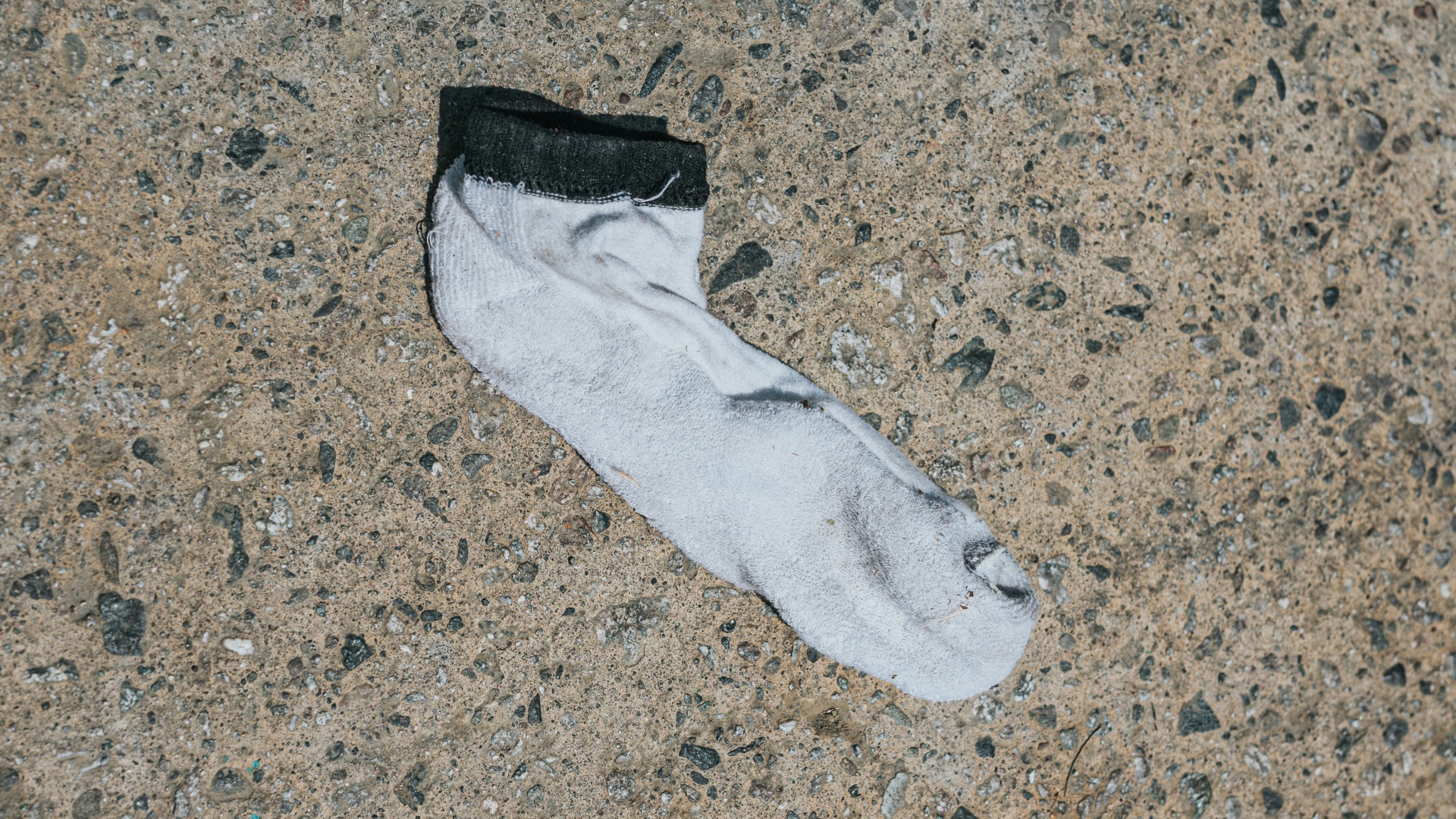
2. Wet Sock
A “wet sock” once described a limp handshake or, in some uses, a dull person. Today, people would probably use the phrase on someone who has no personality, gives bad energy, or seems boring, depending on the situation.
3. Happy Cabbage
“Happy cabbage” referred to money set aside for fun, indulgent, or self-satisfying purchases. It’s a surprisingly cheerful phrase for spending cash, especially compared with modern terms like “fun money” or “extra cash.” You can see why it might have worked in casual conversation, since it makes a small treat sound more playful. Even so, it now feels too old-fashioned to slip naturally into everyday speech.

4. Pang-Wangle
To “pang-wangle” meant to keep going with a cheerful attitude despite small problems. The word itself sounds so unusual that it almost demands an explanation the moment you say it. Modern speakers might say they’re staying positive, making the best of things, or pushing through. “Pang-wangle” faded because it’s a little too odd for ordinary use, but its meaning is still useful.
 Jacqueline Munguía on Unsplash
5. In the Ketchup
Being “in the ketchup” meant being in financial trouble or operating at a loss. The phrase had nothing to do with the condiment, which is probably part of why it sounds so confusing. These days, people are more likely to say they’re in the red, broke, behind on bills, or over budget.
6. Flub the Dub
“Flub the dub” meant to avoid doing your duty or dodge a responsibility. It has a comic sound that makes the behavior seem less serious than it probably was. Today, someone might say you bailed, slacked off, or didn’t follow through. The phrase doesn’t get much use anymore, but it’s still a neat reminder that people have always needed colorful ways to call out laziness.

7. A Stitch in Time Saves Nine
“A stitch in time saves nine” is a 1700s expression that means fixing a small problem early can prevent it from becoming a much bigger one later. Today, people might express the same idea by saying it’s better to deal with things sooner rather than later or to stay on top of problems before they grow. While still widely recognized, the phrase itself can sound a bit old-fashioned in casual conversation.
 Ashley Diane Worsham on Unsplash
8. Bags o’ Mystery
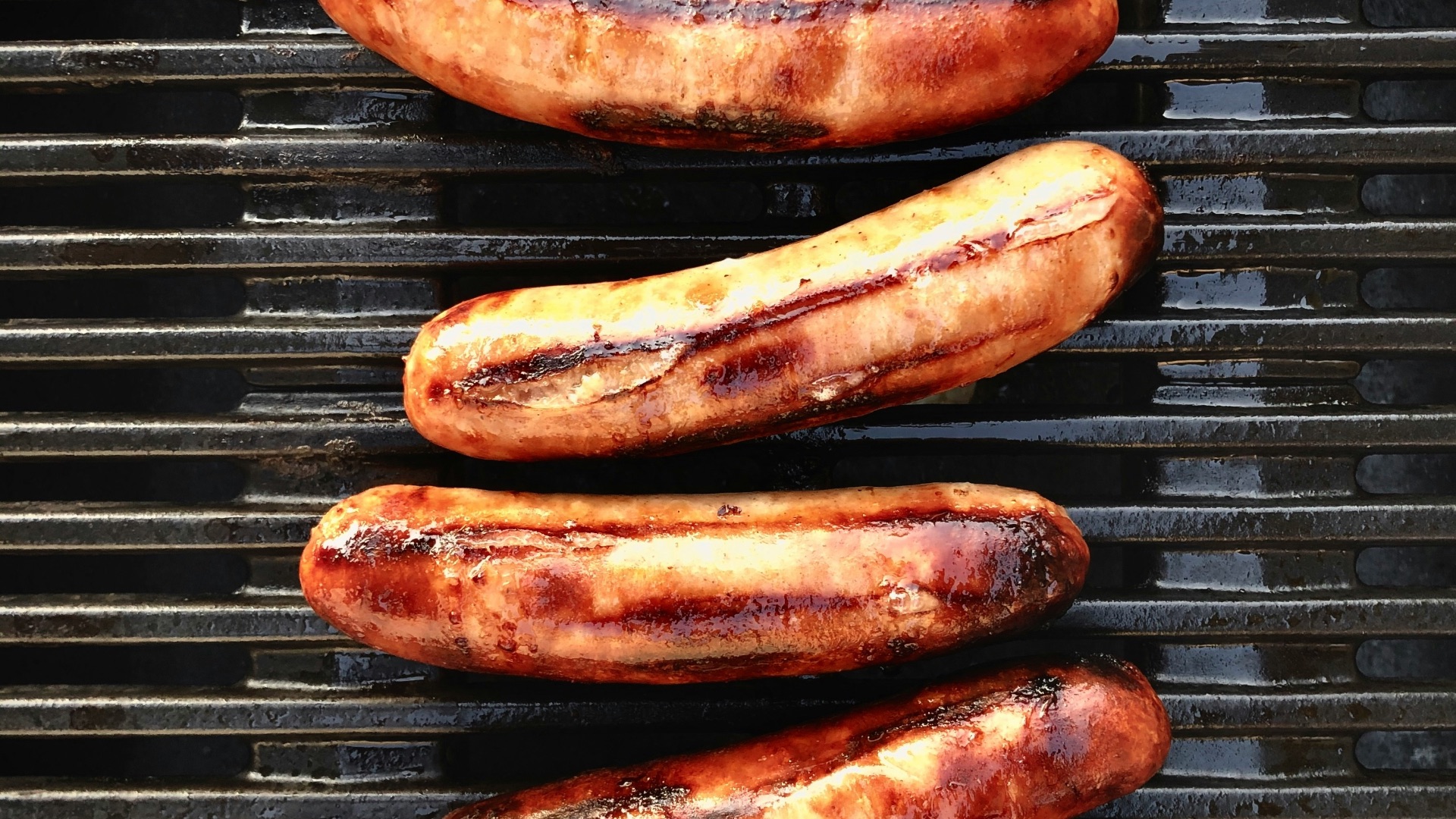
“Bags o’ mystery” was once a slang term for sausages in the Victorian era. The phrase came from the idea that you didn’t always know exactly what was inside them. That suspicion still exists in modern jokes about processed meat, but the old phrase has mostly vanished from regular conversation.
9. Cop a Mouse
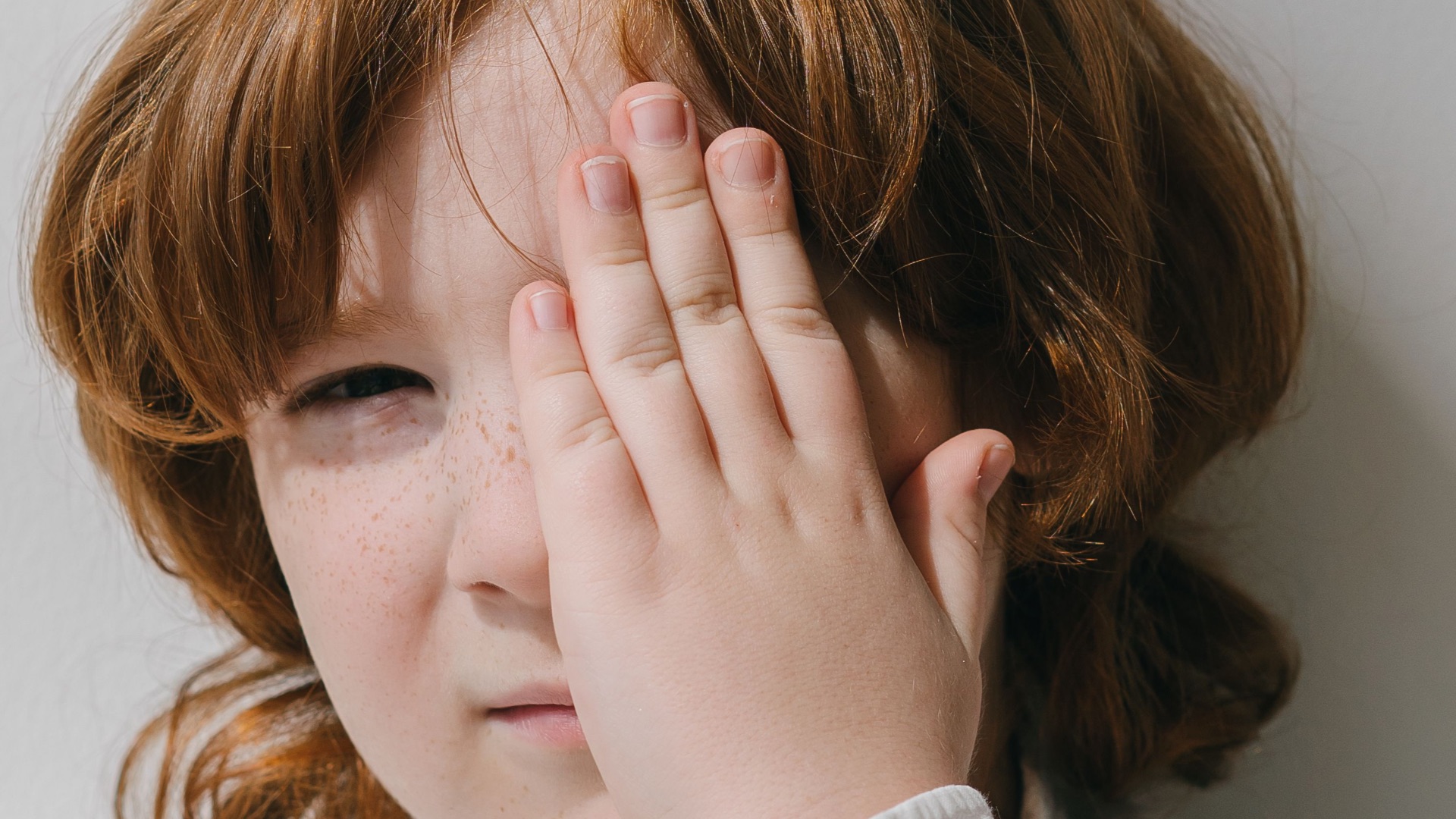
Another Victorian era expression, to “cop a mouse” meant to get a black eye. The phrase is not obvious to a modern ear, so it would probably confuse most people if you used it today. Current English tends to describe the injury plainly, or call it a “shiner.”
10. Gigglemug
A “gigglemug” was someone who smiled a lot. It’s a surprisingly lighthearted word, and it sounds much less clinical than calling someone overly cheerful. Modern speakers might say someone is smiley, bubbly, or always grinning. “Gigglemug” probably sounds too outdated for normal adult conversation now, but it still has a certain charm.

11. Rain Napper
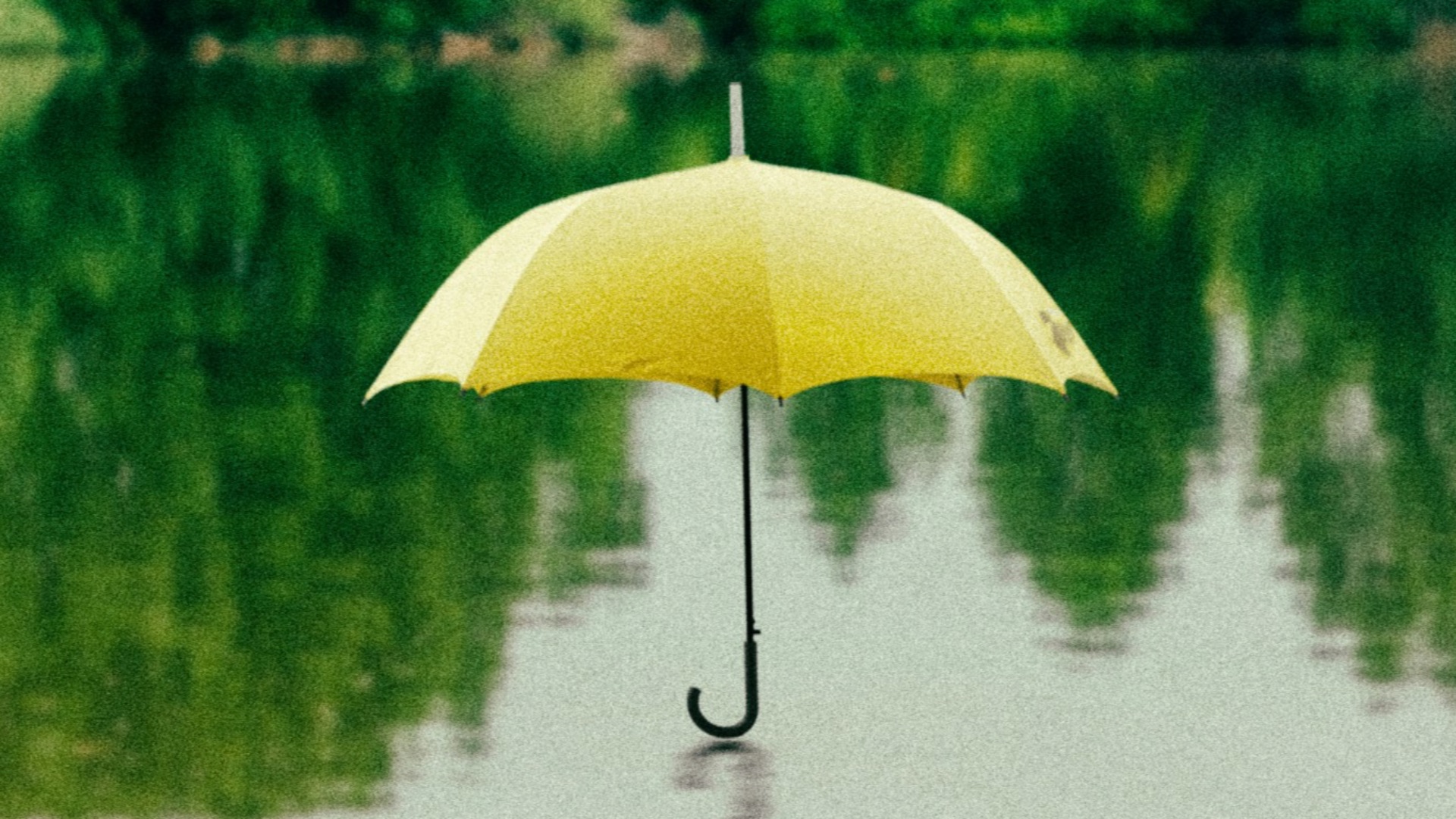
Here's another phrase from the Victorian era: in the 1800s, “rain napper” was an umbrella. The phrase makes sense once you know the meaning, but it’s not something most people would guess immediately. Today, saying umbrella is clear enough, so there isn’t much reason for a replacement. Still, “rain napper” has a pleasing old-fashioned feel that makes a basic object sound more interesting.
12. Sauce Box
Your “sauce box” was your mouth. It was often used with the kind of teasing tone people still use when telling someone to stop talking. Modern English has plenty of sharper alternatives, from “watch your mouth” to “stop running your mouth.” “Sauce box” has fallen away, but it captures a very familiar complaint in a more playful form.

13. Focus Your Audio
“Focus your audio” meant to listen carefully. It has an unexpectedly modern sound because of the word “audio,” yet the phrasing feels dated in use. Today, people are more likely to say “pay attention,” “listen up,” or “hear me out.”
14. Claws Sharp
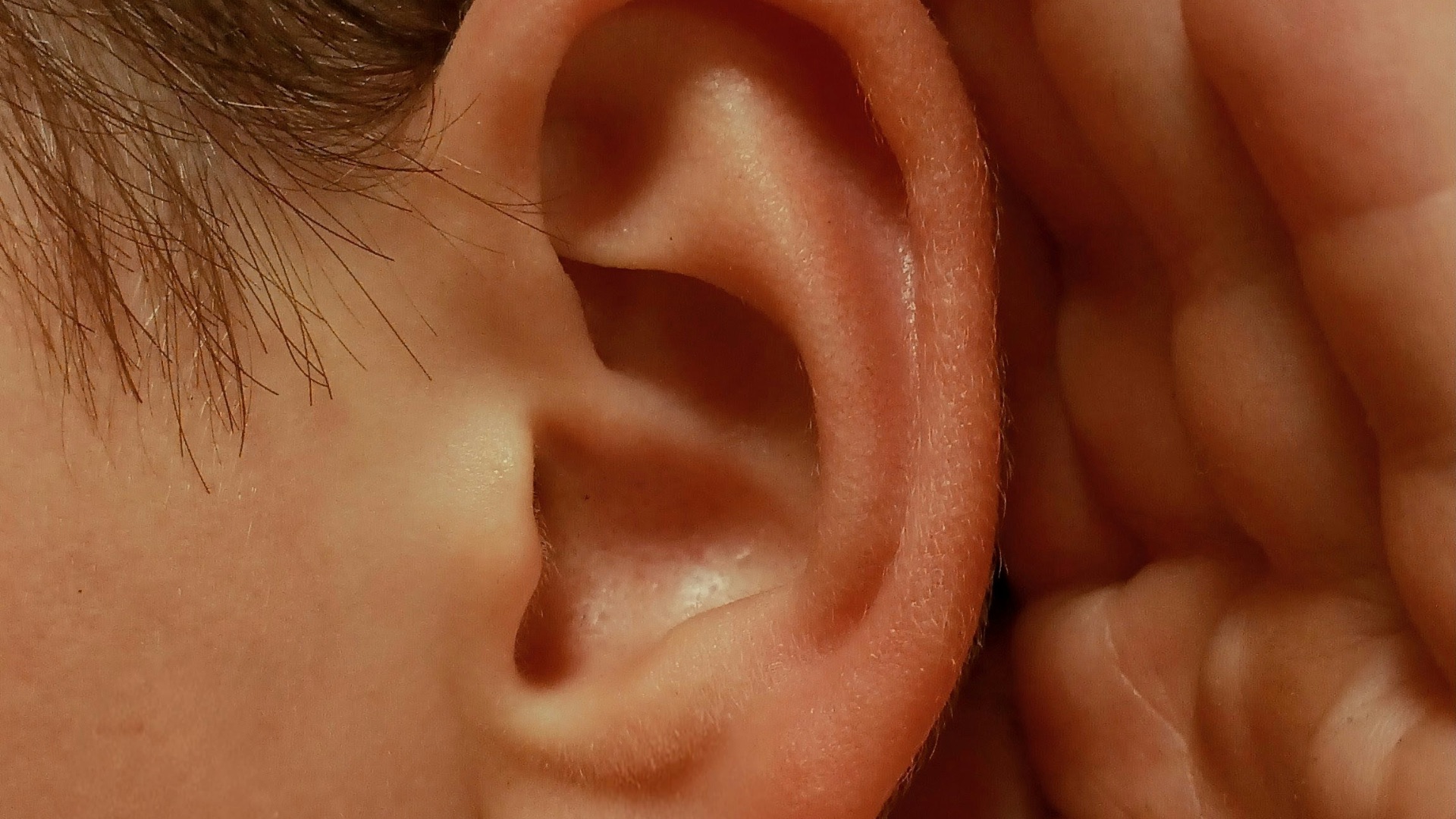
If someone had their “claws sharp,” they were well informed or alert to what was going on. The phrase suggested that a person was prepared, aware, and not easy to fool. Modern speakers might instead say someone is plugged in, on top of things, or knows what’s happening.
15. Off the Cob
“Off the cob” was a way to call something corny. It has a built-in joke, but the phrase itself didn’t last the way “corny” did. Today, people might call something cheesy, cringe, awkward, or outdated, depending on the mood. “Off the cob” feels like slang from a different room entirely, which is probably why it rarely appears outside discussions of old language.

16. Take the Egg
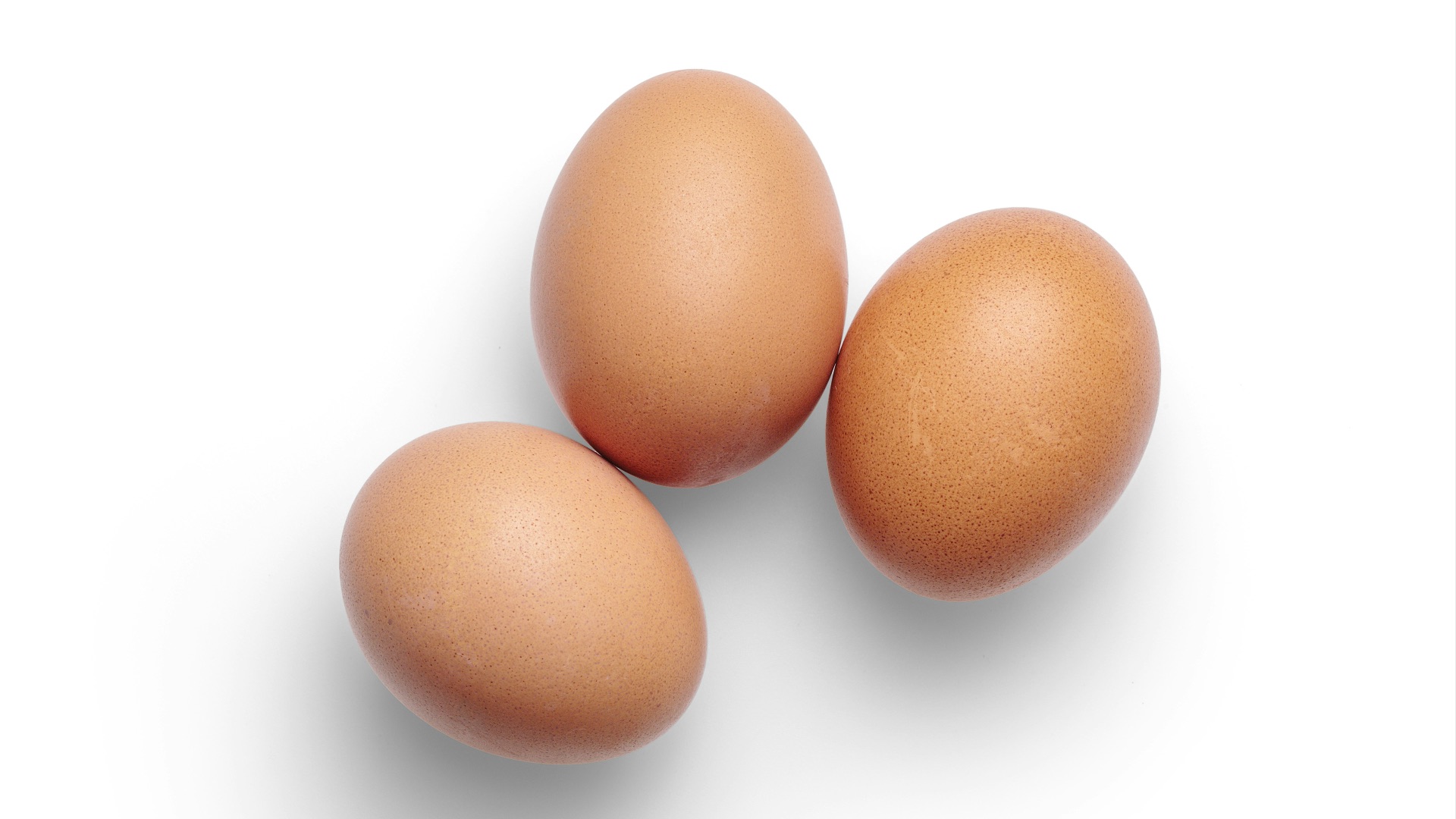
To “take the egg” meant to win, whether in a race or an argument. Modern English already has plenty of direct ways to describe winning, so this phrase didn’t have much staying power. Still, it’s a fun example of how slang can make even a simple victory sound more distinctive.
17. Not Worth a Continental
“Not worth a continental” was once used to describe something considered completely worthless. The phrase dates back to the American Revolutionary period, when Continental currency lost much of its value. Today, people are more likely to say something isn’t worth anything, is useless, or has no value at all. Since the historical reference isn’t widely recognized anymore, the phrase has mostly faded from everyday use.
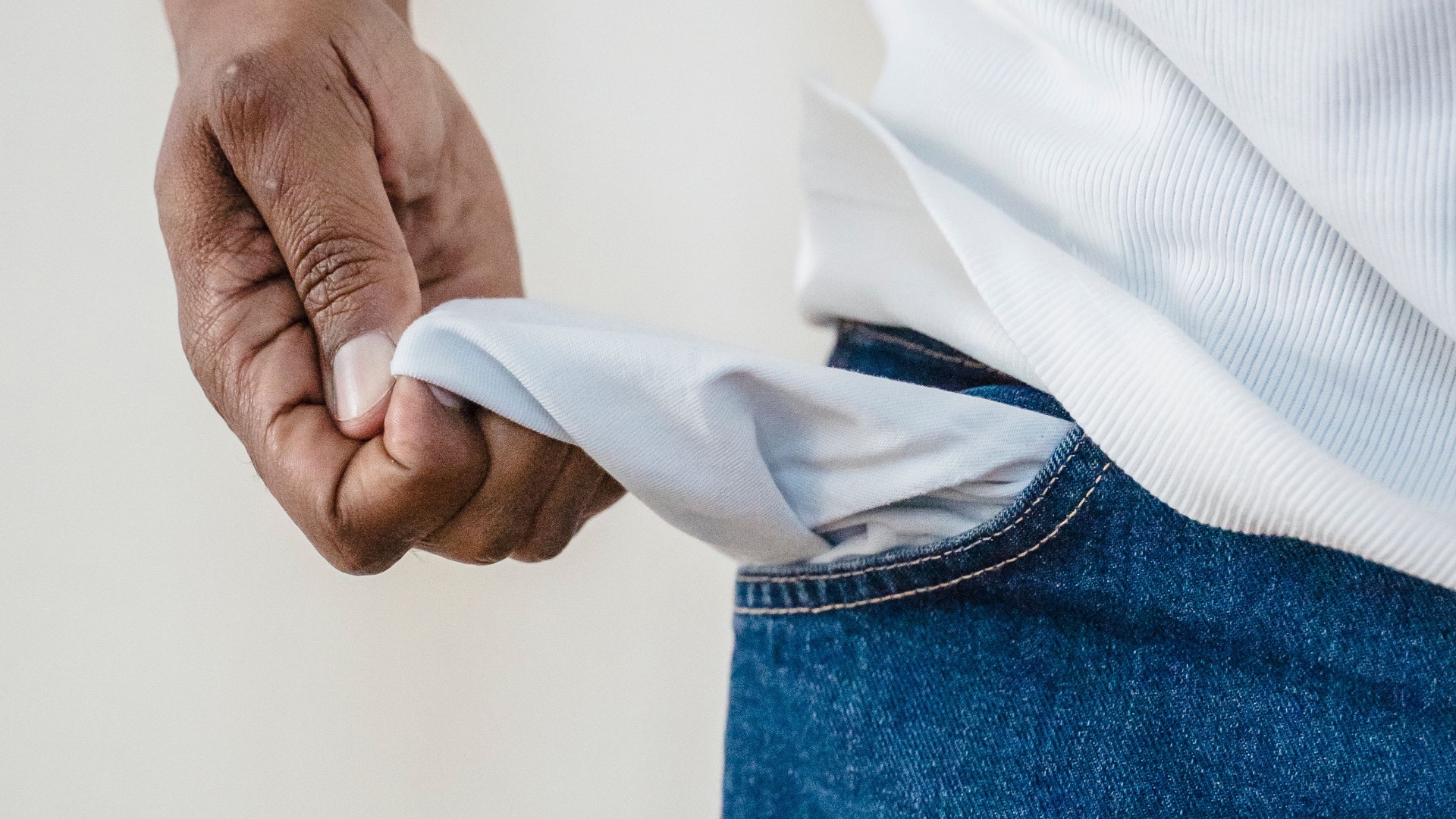
18. Hump the Swag
To “hump the swag” meant to carry your belongings on your back. It was tied to older travel and working-life contexts, so it doesn’t fit most everyday speech now. Today, you’d probably say someone is carrying a backpack, hauling luggage, or traveling light. The phrase survives mostly as a historical curiosity rather than a practical expression.

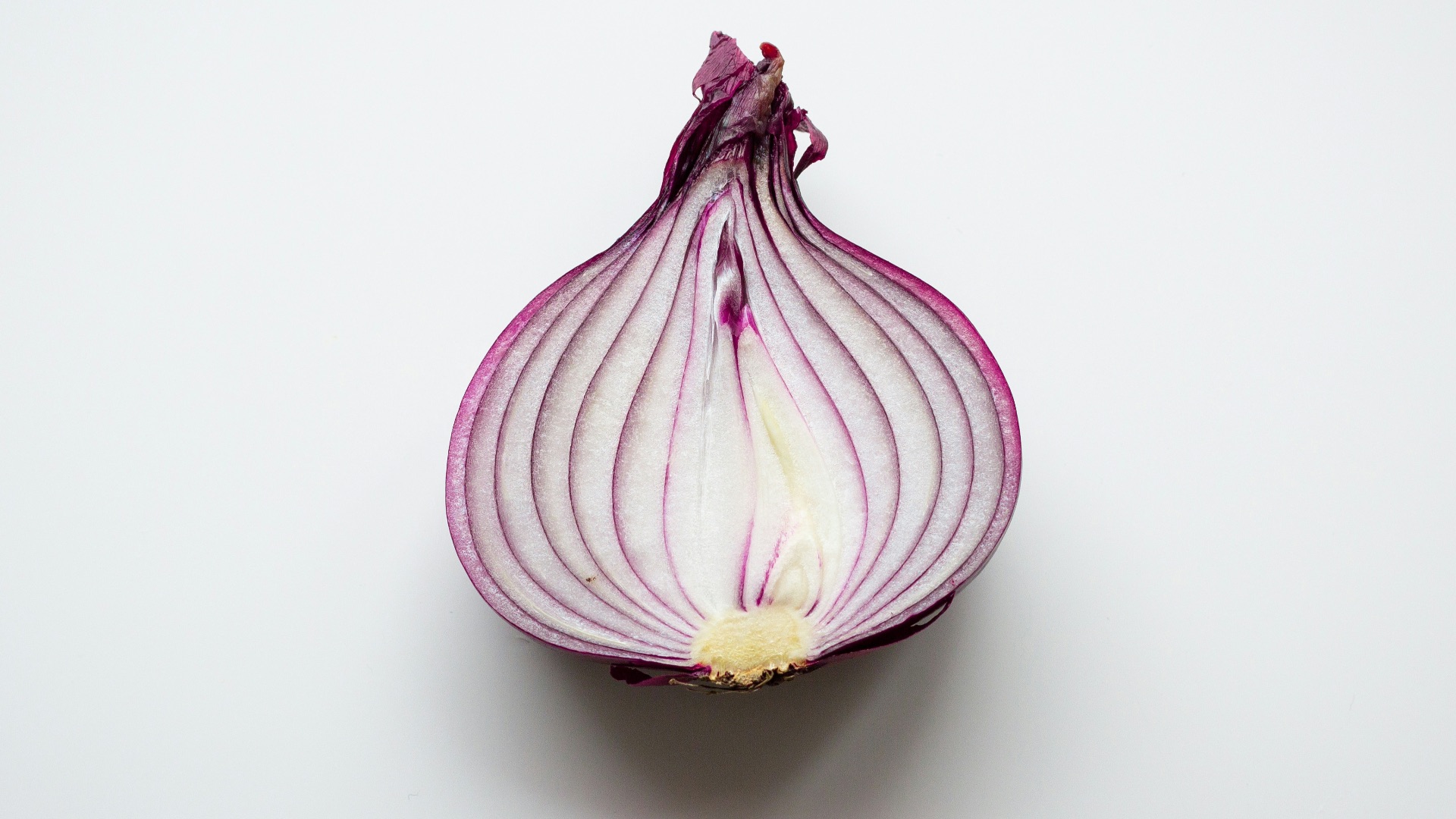
19. Red Onion
In the 1950s, “red onion” was slang for a dive bar, though you'd probably picture a, well, red onion, if someone ever said it to you. Modern speakers usually just say dive bar, hole-in-the-wall, or neighborhood bar. “Red onion” disappeared because the newer terms are easier to understand without explanation.
20. Cat’s Pajamas
“The cat’s pajamas” meant something excellent, stylish, or impressive. Like many playful expressions from the 1920s, it added a bit of flair to everyday praise. While it shares a similar spirit with other phrases from that era, it has largely fallen out of regular use and now tends to sound intentionally old-fashioned or humorous when it appears.