Lunch used to give the day a natural place to slow down. Someone would unwrap a sandwich, warm up leftovers, or sit with a bowl of soup while the conversation wandered from work to weekend plans to whatever small thing happened that morning. Now, lunch often happens over a keyboard, alone in a car, or with a phone in hand. That change may seem small, but lunch has always done more for us than simply feed us.
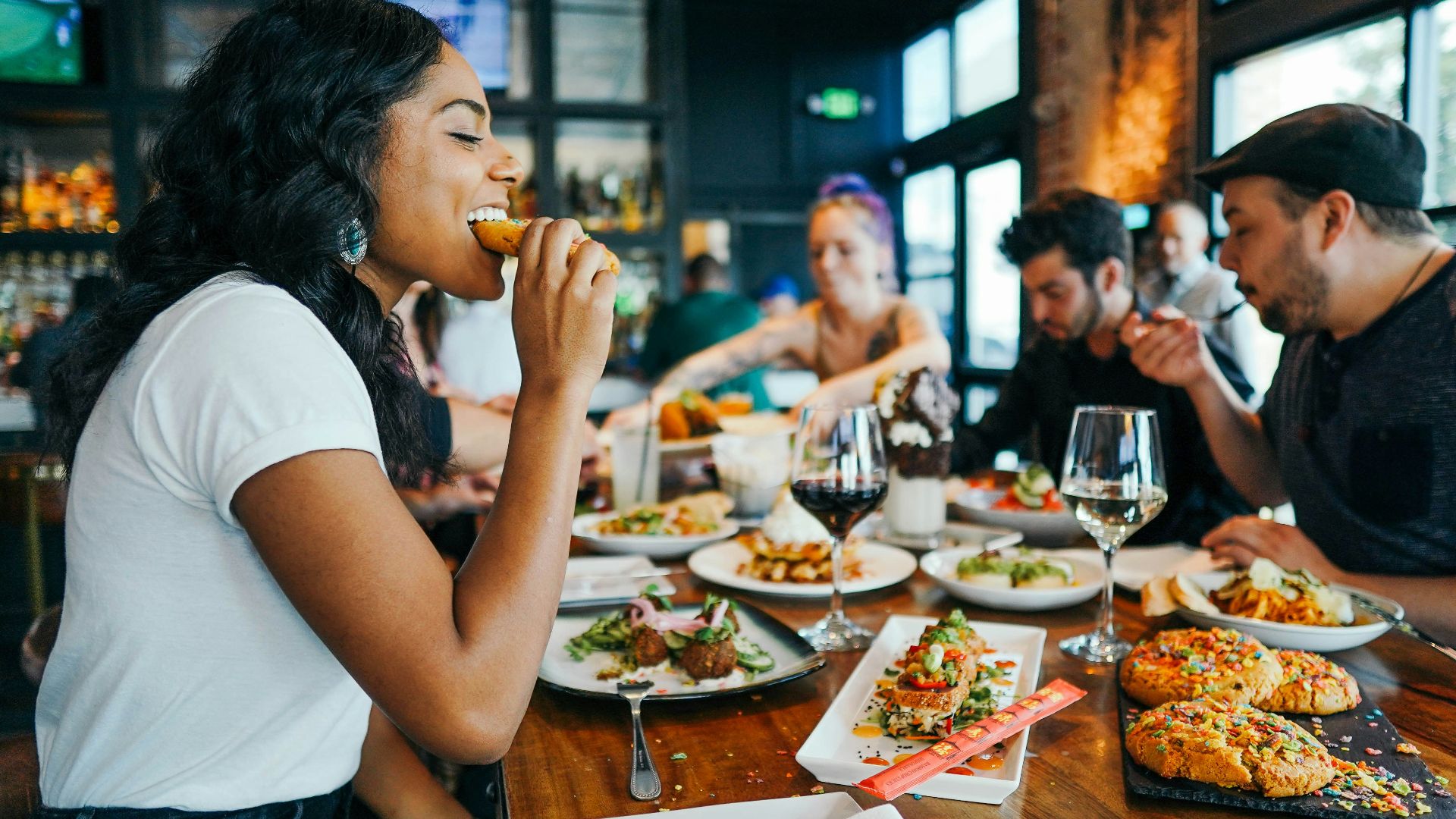
When people don’t eat lunch together anymore, we lose more than company. We lose one of the easiest ways to feel connected during a normal day. A shared lunch doesn’t need a reservation, a special reason, or a lot of free time. It just needs food, a few minutes, and someone close enough to make the day feel a little less lonely.
Lunch Makes Connection Feel Easy
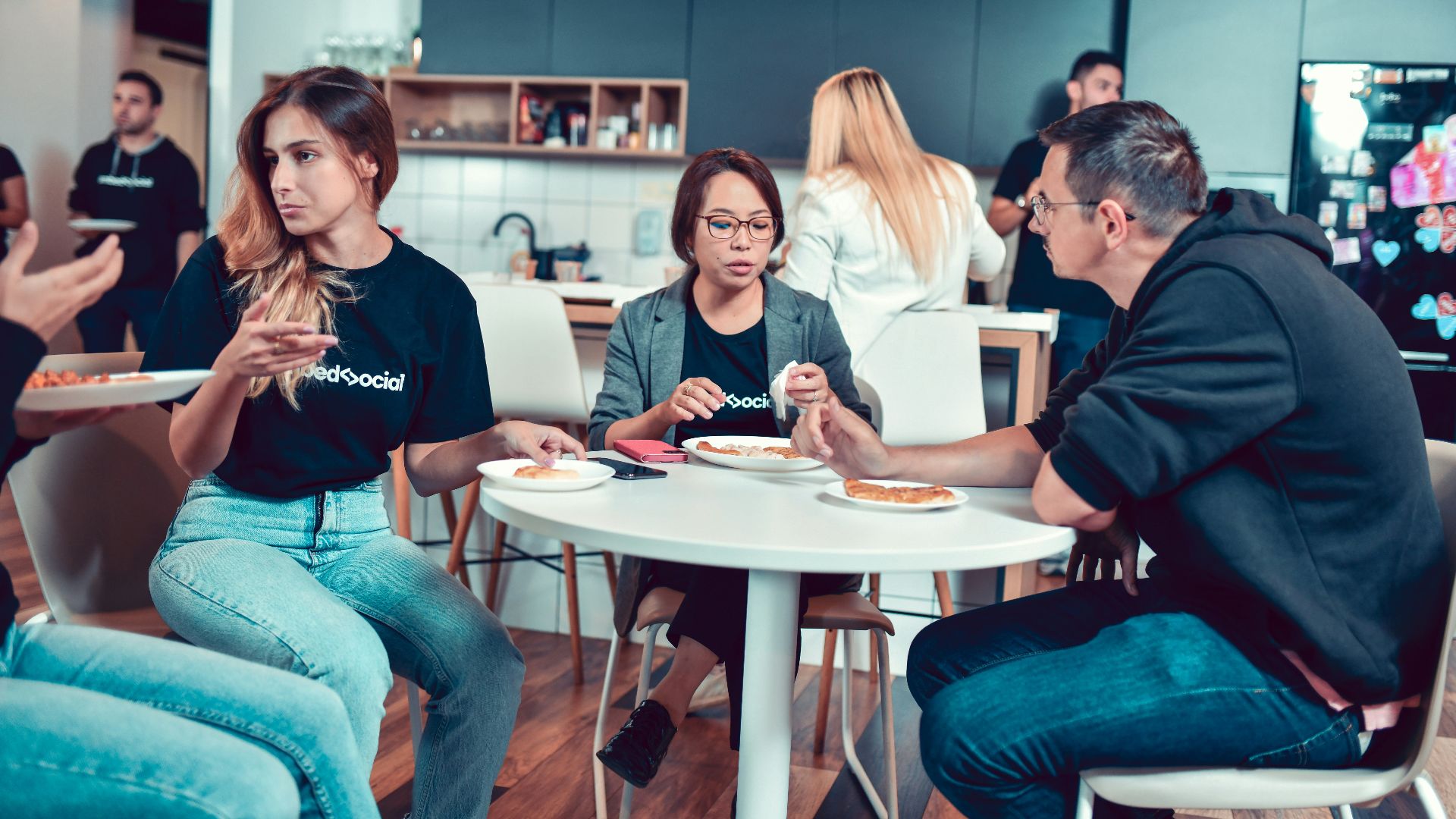
One of the nicest things about lunch is that it doesn’t ask much from anyone. Nobody expects a deep heart-to-heart over leftovers, soup, or a quick turkey sandwich. You can talk about the weather, the line at the coffee shop, a weird email, or nothing especially important at all. That’s part of what makes lunch such an easy social habit.
The 2025 World Happiness Report found that people who share more meals with others report higher life satisfaction, more positive emotions, and fewer negative emotions. The same report found that, in 2023, about one in four American adults said they’d eaten all of their meals alone the day before. That was a 53% increase since 2003.
A quiet meal can be peaceful, and for some folks, necessary, so eating lunch alone isn’t automatically a bad thing. The bigger loss happens when eating alone becomes the usual routine for nearly everyone, nearly every day. When that happens, people miss the small, easy habits that help them stay familiar with one another.
A Shared Break Helps Us Feel Human Again
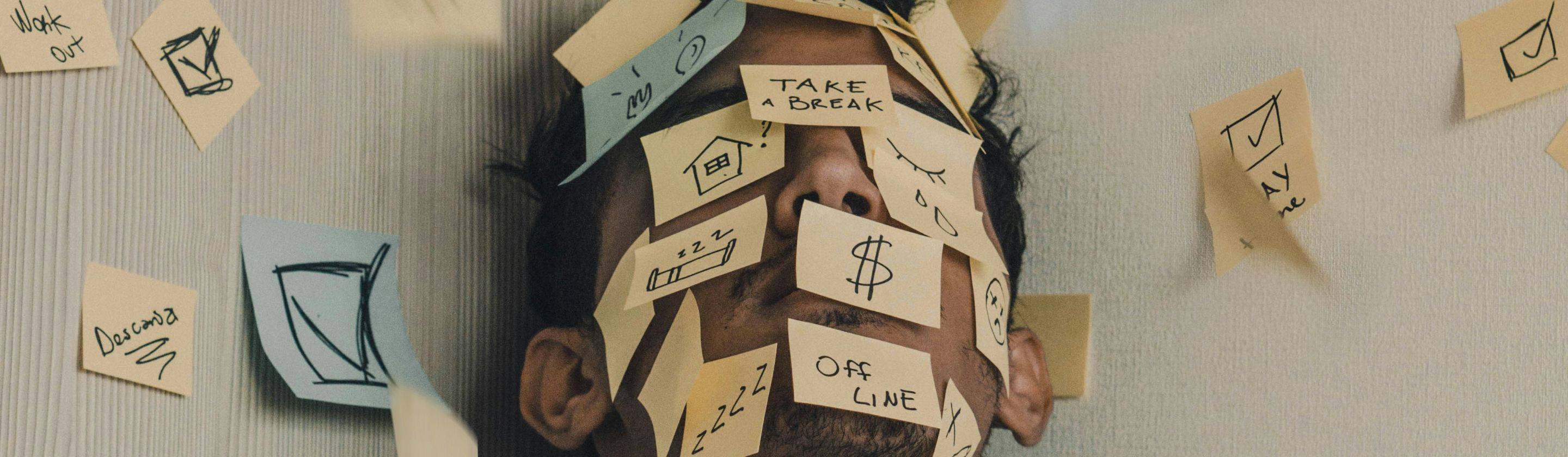
When lunch gets swallowed by the workday, the day can start to feel flat and monotonous. You answer messages, eat something from a container, and return to the same screen without ever feeling like you’ve stopped. That may look efficient from the outside. In real life, it can leave people feeling worn out well before the afternoon begins.
Research on lunch breaks supports the value of stepping away from work. A study published in the Scandinavian Journal of Work and Organizational Psychology found that feeling mentally away from work and having some control over lunch breaks were linked with better recovery during lunch. The study also found that better lunch recovery was linked with lower exhaustion and higher energy one year later. The researchers took factors like workload and job control into account.
A shared lunch can make that break easier to take because it actually makes you pause. Instead of trying to stop working while still hovering near the inbox, people move into another part of the day. There might be a conversation, a table, a walk to pick something up, or a small chat about whether the new lunch spot nearby is worth the money. Lunch isn’t a fix for burnout, and it isn’t the fleshed-out solution to loneliness, but the U.S. Surgeon General’s 2023 advisory on loneliness and social connection says social connection is tied to physical health, mental health, and community well-being.
Screens Have Made Solo Lunch Even Lonelier

Eating alone doesn’t automatically mean someone is lonely. Plenty of people need a quiet meal after a loud morning, a long meeting, customer service work, caregiving, or just the daily pressure of being reachable all the time. That kind of lunch can feel like a relief. The problem is that solo lunch often turns into phone lunch.
Research from the University of British Columbia found that people who used phones while eating with friends and family enjoyed the experience less than those who put their phones away. People with phones at the table felt more distracted. That distraction made the social time less enjoyable.
A phone lunch can feel busy and empty at the same time. You check messages, skim headlines, watch a few clips, and suddenly the food is gone. Sharing your lunch with someone else gives your attention somewhere to go, whether that’s the food, the story, the joke, the mood, or the small details that are easy to miss when a screen takes over. Bringing lunch back doesn’t mean every meal has to be social, but a weekly coworker lunch, a standing meal with a friend, or a weekend family lunch can help bring the habit back. What we lose when nobody eats lunch together anymore isn’t one perfect tradition, but the easy question, the shared laugh, the real break, and the small moments that keep people connected.