
Simple, Sweet Names
Naming a baby is equal parts joy and tightrope walk. A name can sound perfect on its own, then trip over your last name the moment you say them together. The fix is usually simplicity: short, clean names that glide past almost any surname without a stumble. Bonus points if they carry real history, like every name on this list does, with roots stretching back through scripture, Roman poetry, Welsh legend, and Victorian novels.
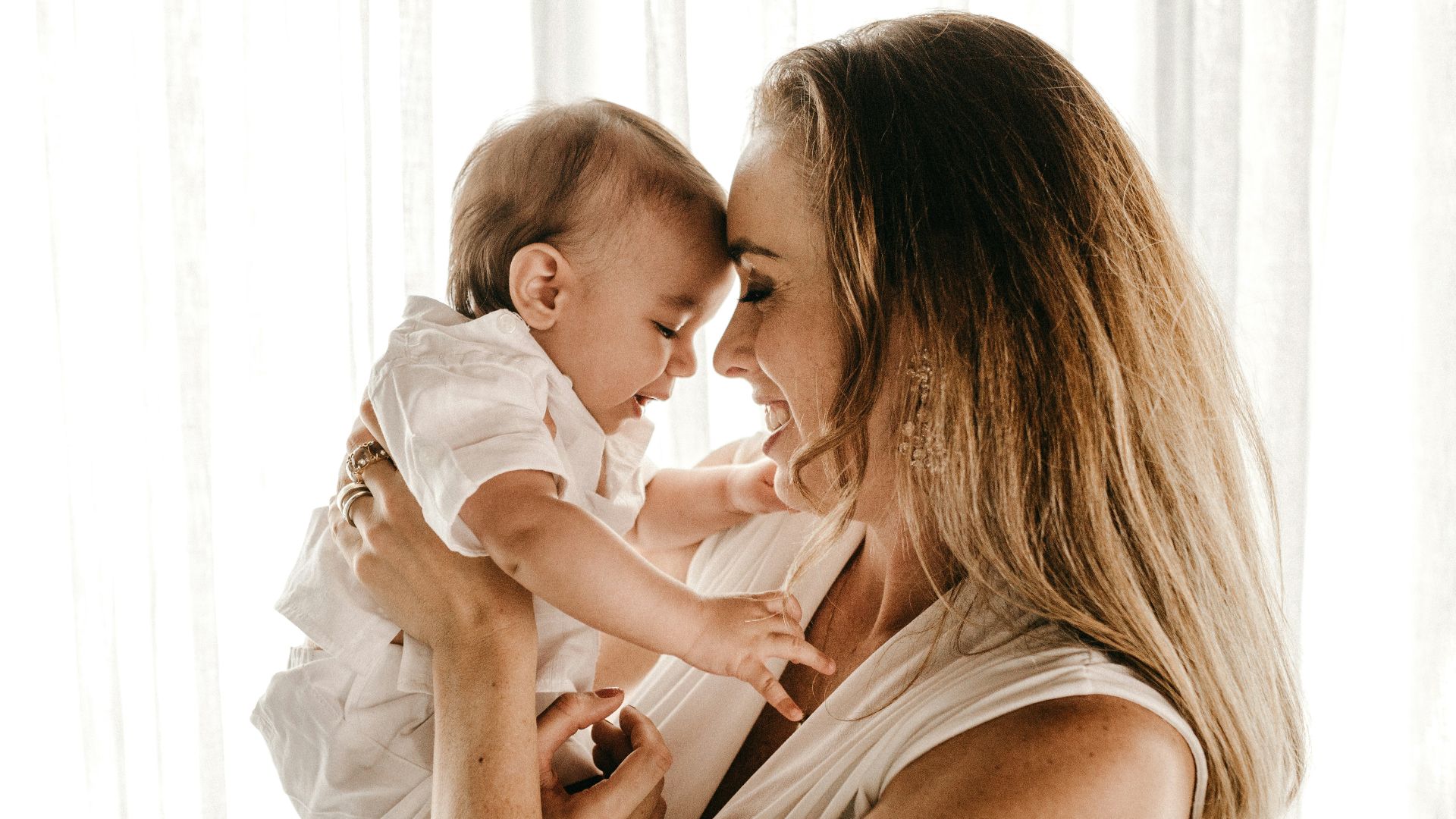
1. Emma
Emma's softness comes from its Germanic root ermen, meaning "whole" or "universal," belonging to medieval queens long before Jane Austen made it a literary icon. Two easy syllables let it sit comfortably next to nearly any surname, and it has topped U.S. naming charts for over a decade running.

2. Noah
Straight from Genesis, Noah is the man who built the ark and waited out the flood, hence its Hebrew ties to "rest" and "comfort." That biblical weight hasn't stopped it from sounding gentle and modern today, and it now ranks among the most popular boy names in the English-speaking world.
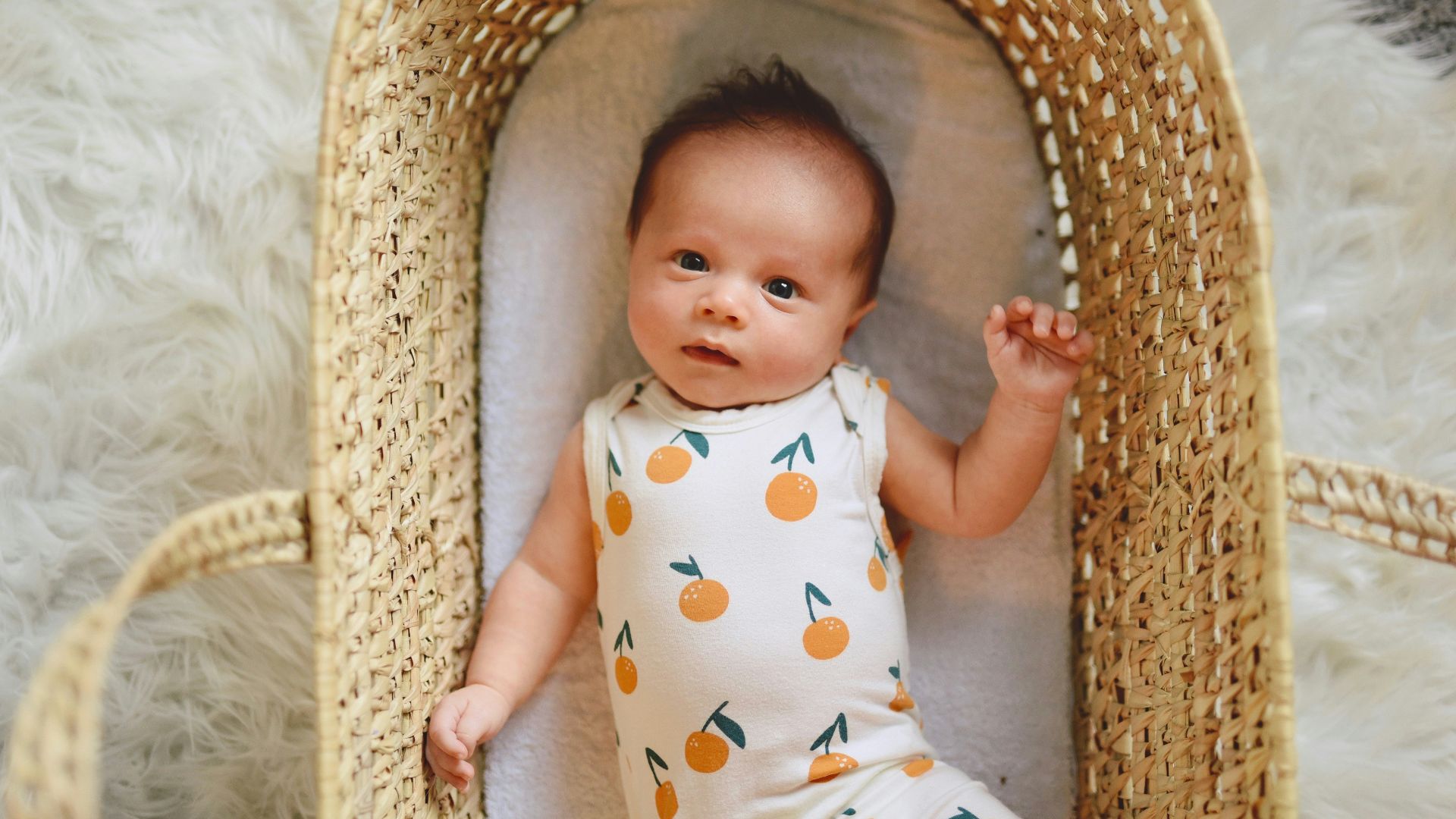
3. Clara
Clara descends from the Latin clarus, meaning "bright" or "famous," and got a cultural boost from composer Clara Schumann and the dreamy heroine of The Nutcracker. It's compact but never feels plain, and variations like Clare and Klara have traveled across nearly every European language.

4. Liam
Once just a cozy Irish nickname for William, Liam has stepped fully into the spotlight as its own name. William itself traces to Norman conquerors and the Old German Willahelm, or "resolute protector," giving Liam a surprisingly regal backstory for something so breezy.

5. Grace
Grace arrived with the Puritans, who favored virtue names that doubled as daily reminders of good character. Centuries later, Grace Kelly gave it a dose of Hollywood glamour, and it still reads as effortlessly elegant whether paired with a long surname or a short one.
 Caroline Hernandez on Unsplash
6. Leo
"Lion" in Latin, Leo has marched through history attached to Roman emperors and 13 different popes. That kind of pedigree, paired with just one syllable, makes it sound bold without trying too hard, and the zodiac sign keeps it culturally present as well.

7. Anna
Anna is a close cousin of Hannah, both rooted in the Hebrew word for "favor." It's been a go-to royal name across Europe for centuries, which explains why it feels familiar in nearly every language, from Russian to Italian to Hebrew.

8. Miles
Historians still debate where Miles comes from. It was possibly a Germanic word for "mild," possibly Slavic for "dear one." Either way, it's been around since the Mayflower era, and later got an upgrade from jazz legend Miles Davis, who turned it into shorthand for effortless cool.

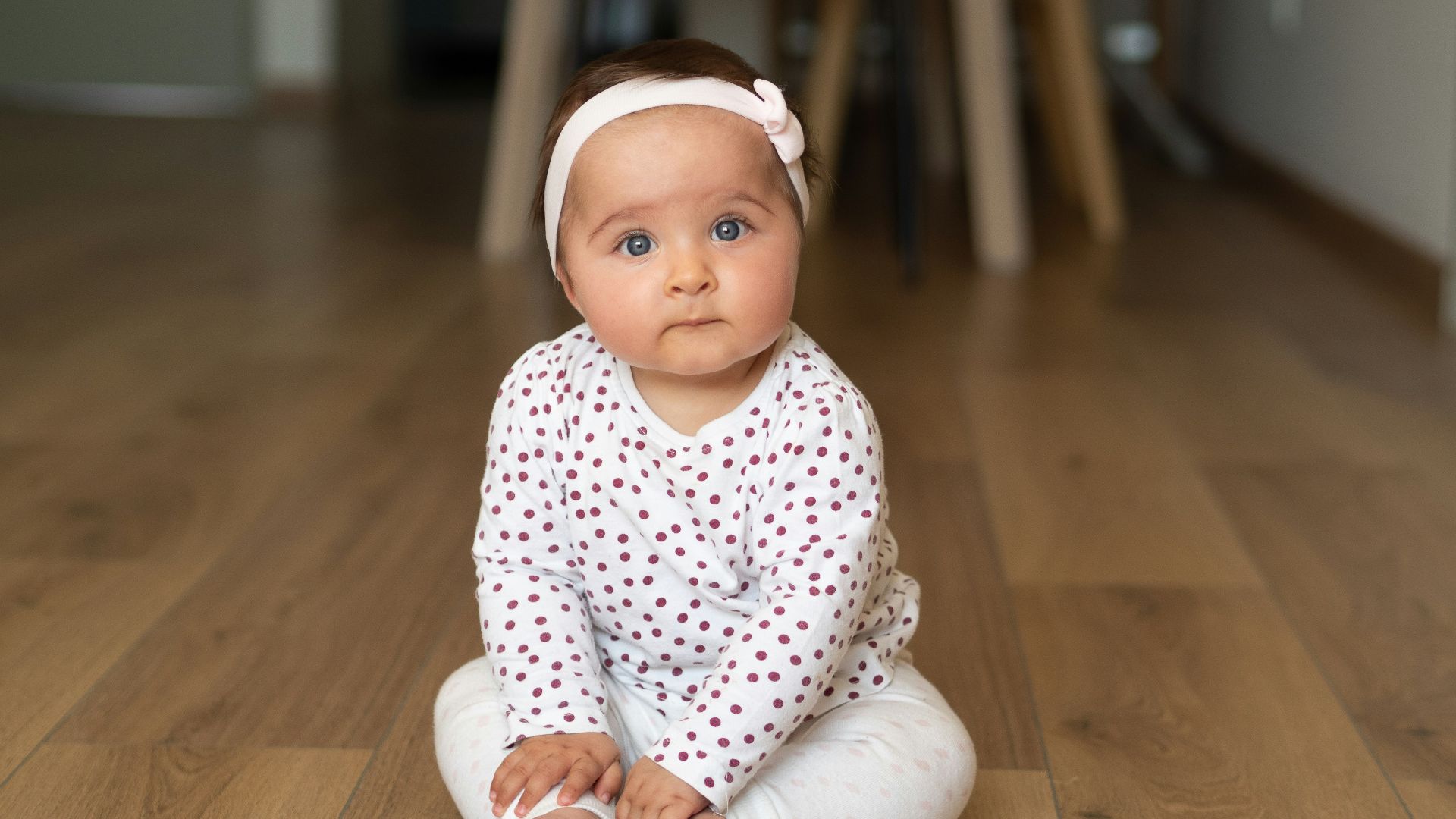
9. Nora
Nora began life as a nickname for Honora or Eleanor before breaking out solo, and it picked up extra literary cred from the headstrong heroine of Ibsen's A Doll's House. Tidy and warm, it never feels borrowed, even though it technically started as one.
 Anastasia Shageeva on Unsplash
10. Jack
Jack started as a medieval pet form of John, then became so common it ended up meaning "ordinary guy," think jack-of-all-trades or jackpot. That everyman history is exactly why it still sounds so approachable, centuries after it first started standing in for John.

11. Ella
Ella has Germanic roots tied to "all" or "entirely," but most people now associate it with Cinderella or with the swing of Ella Fitzgerald's voice. Either reference gives it instant warmth, and it has quietly climbed the popularity charts for the past twenty years.
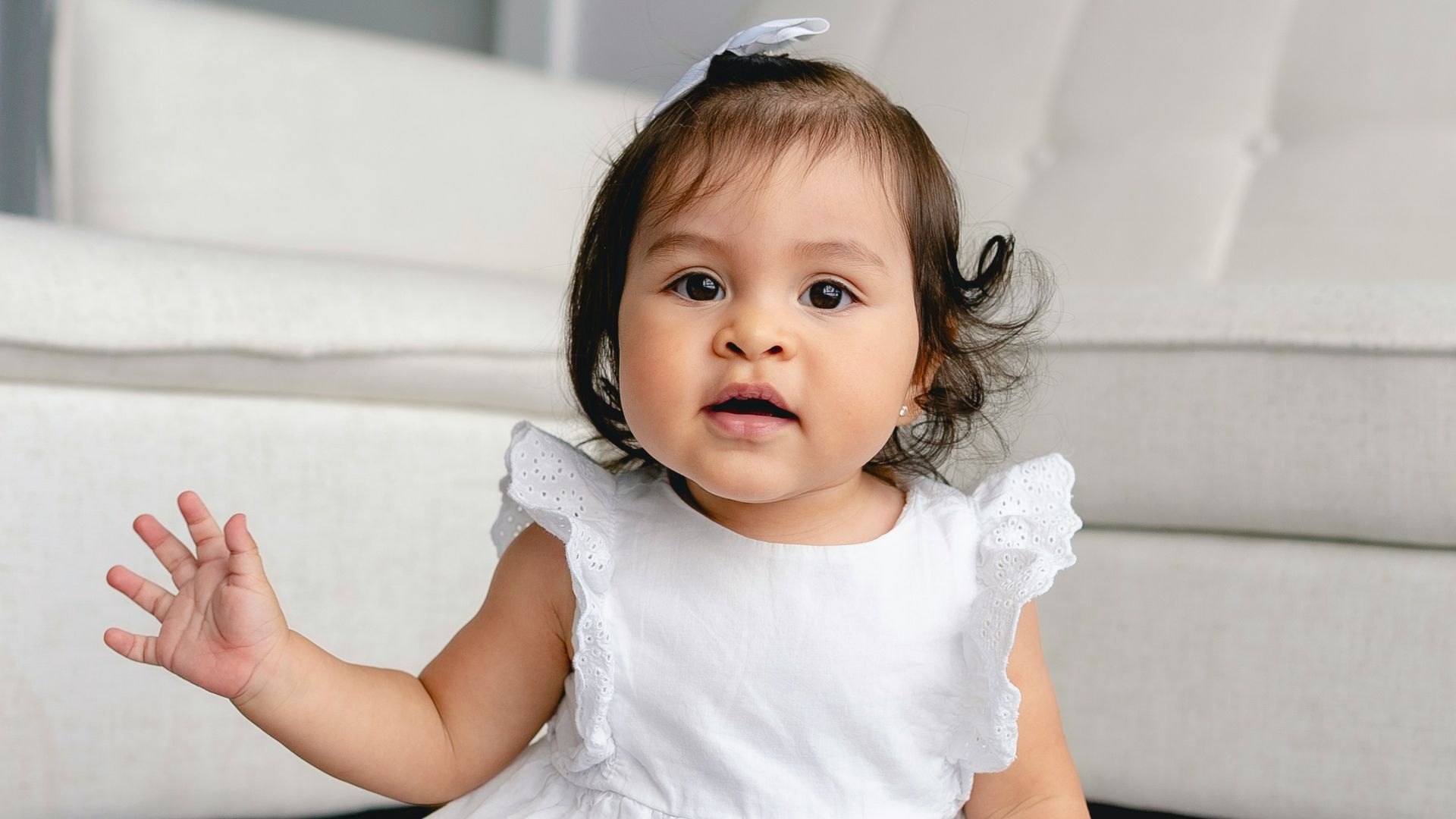
12. Owen
Owen descends from the Welsh Owain, a name carried by Arthurian knights and by the real medieval prince Owain Glyndŵr, Wales's last native ruler. Rounded and easy, it wears that legacy lightly, sounding far more relaxed than its warrior-prince origins suggest.

13. Ruby
Ruby rode in on the Victorian fashion for jewel names, borrowing its sparkle from the deep-red gemstone and July's official birthstone. It's playful, but the gem connection gives it a bit of weight too, the same way Pearl and Opal once trended alongside it.

14. Henry
Henry comes from the Germanic Heimerich, or "home ruler," a fitting name for eight English kings who took that literally. Despite the royal résumé, the soft ending keeps it sounding like a friendly next-door name rather than a coronation announcement.
 Vitaliy Zalishchyker on Unsplash
15. Alice
Alice evolved from the Old French Aalis, itself a shortened form of Adelaide, meaning "noble." Lewis Carroll then sent it down a rabbit hole and made it a household name well beyond royal circles, where it has quietly lived for generations.

16. Luke
Luke traces to the Greek Loukas, the name of the physician believed to have written one of the Gospels. That scholarly, steady history fits the name's clean, one-syllable sound, and it has stayed a top-twenty pick for decades.

17. Samuel
In the Old Testament, Samuel is the prophet and judge whose name means "God has heard." Puritans loved it for that very reason, and the easy nickname Sam keeps the long version from feeling stiff, the same trick Theodore pulls off with Theo.

18. Olivia
Olivia first appeared in Shakespeare's Twelfth Night, possibly his own invention from the Latin oliva, "olive," or a symbol of peace. Four syllables and a literary debut haven't slowed its popularity down one bit; it has been a top-five name for several years running.
19. Theodore
Theodore comes from the Greek theodoros, "gift of god," a name borne by several saints, popes, and one famously energetic American president. Theo offers a casual everyday shortcut for such a grand original, much like Sam does for Samuel.

20. Maya
Maya carries different histories depending on where you look: a Hindu concept of illusion, a Roman goddess of spring, and a name later embraced by writer Maya Angelou. That layered background suits its short, soft sound, though families may want to dig into the version that resonates most with them.