More Isn’t Always Better
Sure, the pandemic might have changed your shopping habits and now you're always hoarding packs on packs of toilet paper, but buying in bulk doesn’t automatically mean better value. From batteries and air fresheners to disinfecting wipes and even baking powder, many household products deteriorate during storage or become incompatible with appliances you later replace, which makes them ultimately useless. Before stocking up during your next grocery run, you might want to hold off on bulk-buying these 20 household items.
 mohamed abdelghaffar on Pexels
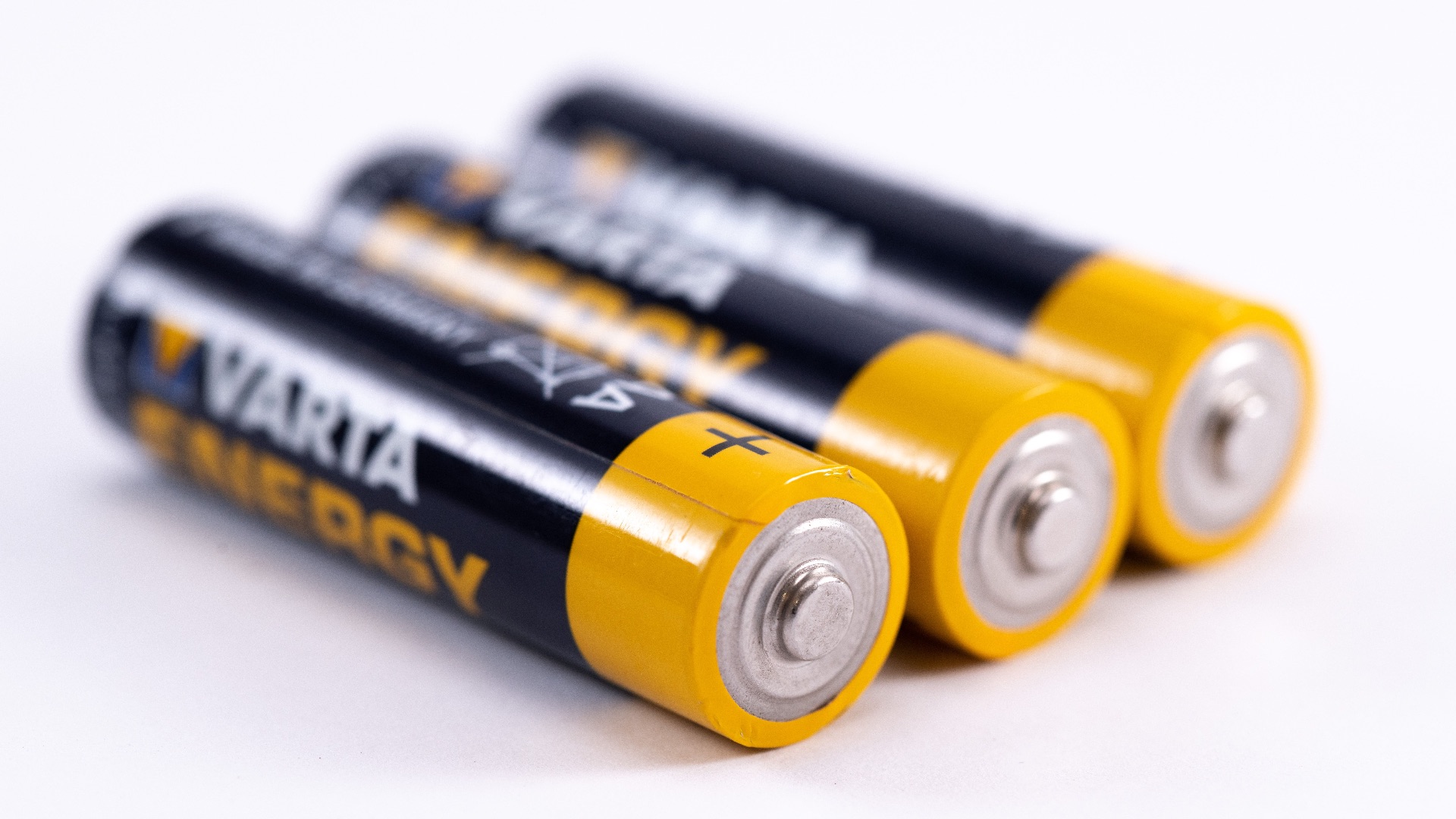
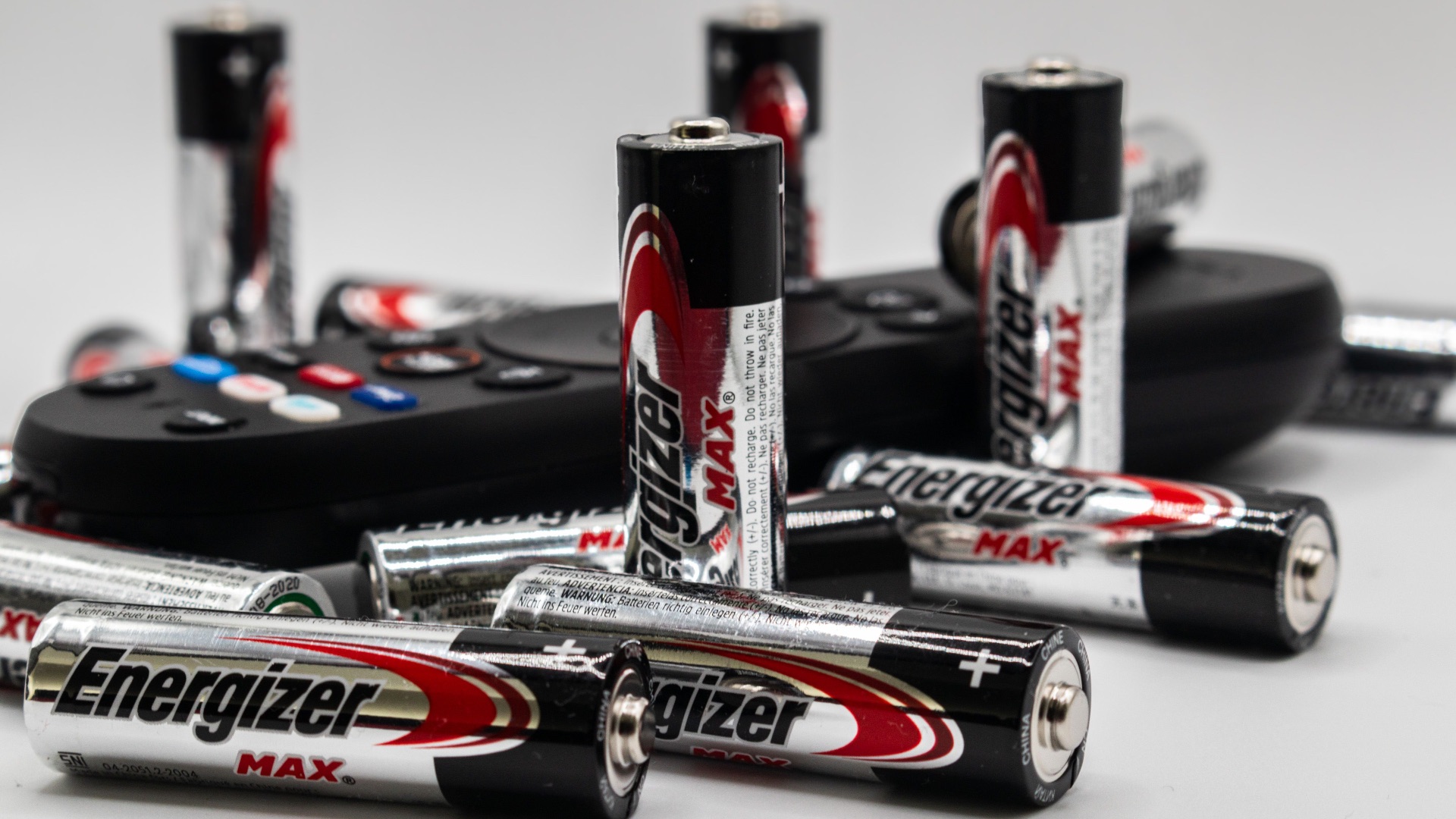
1. Batteries
A large battery multipack looks practical until you realize how slowly some households work through it. Batteries gradually lose charge while sitting unused, and buying several years' worth also increases the chance that your devices will change before you need every size in the package. Unless you regularly power toys, controllers, flashlights, and other battery-heavy devices, a smaller supply is easier to rotate.
2. Light Bulbs
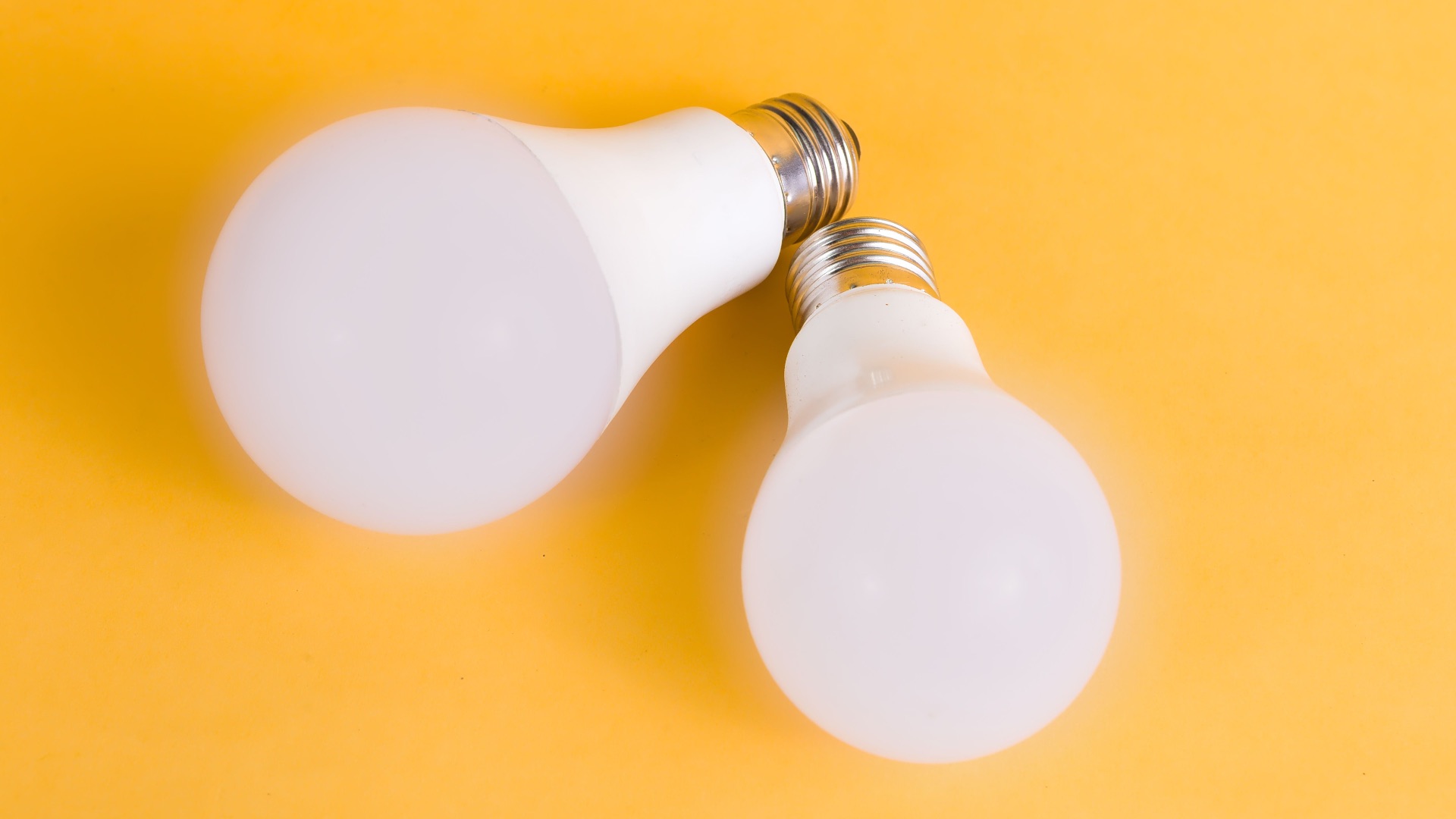
Stocking a few replacement bulbs makes sense, but dozens can turn into wasted purchases surprisingly easily. You might replace a fixture, switch to smart lighting, discover that you prefer a different color temperature, or need another bulb shape or base before the extras are used. Keeping a modest number of the bulbs currently installed around your home gives you backups without committing too heavily to one type.
3. Air Fresheners
Multipacks of plug-in refills, sprays, and other air fresheners often seem like an easy way to save, especially when you find a scent you enjoy. Preferences can change long before a large supply is finished, however, and fragranced products can lose some of their intensity or change in character after extended storage. Buying a few at a time also lets you switch scents without leaving half a case untouched in a closet.
4. Cleaning Sponges
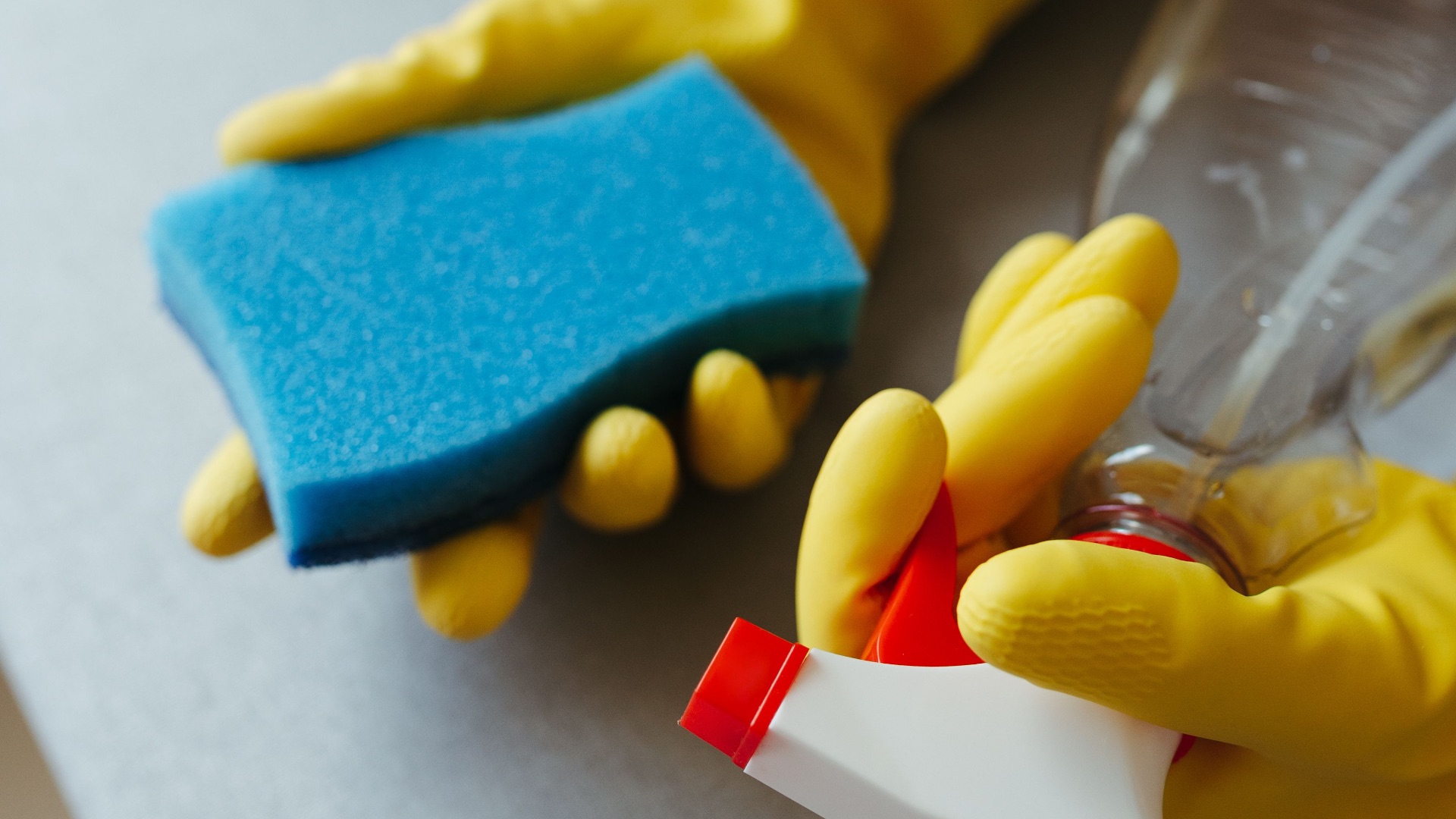
Sponges are inexpensive and useful, but an enormous package isn't automatically necessary for an average household. If they're stored somewhere humid or exposed to moisture before use, they can develop odors or deteriorate before you ever reach the last few. A smaller package is easier to keep dry, clean, and tucked away without devoting a large section of a cabinet to backups.
5. Furniture Polish
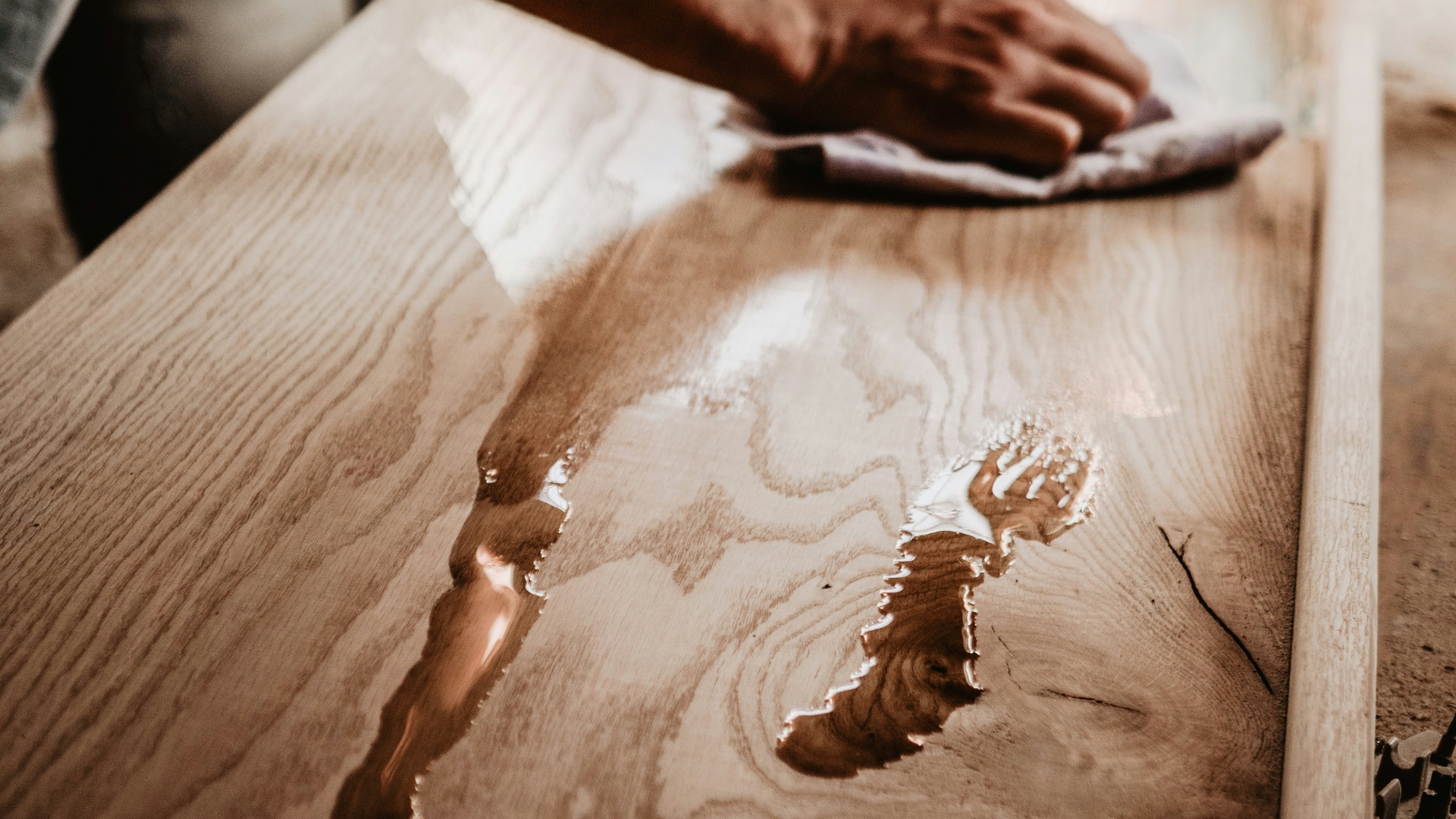
Furniture polish tends to be used sparingly, which means even an ordinary bottle can last much longer than expected. Large quantities may sit around for years, during which formulas can separate, change consistency, or simply become unnecessary if your cleaning habits or furniture change. Unless you're maintaining a particularly large amount of wood furniture, one bottle at a time is usually enough.
6. Specialty Cleaners
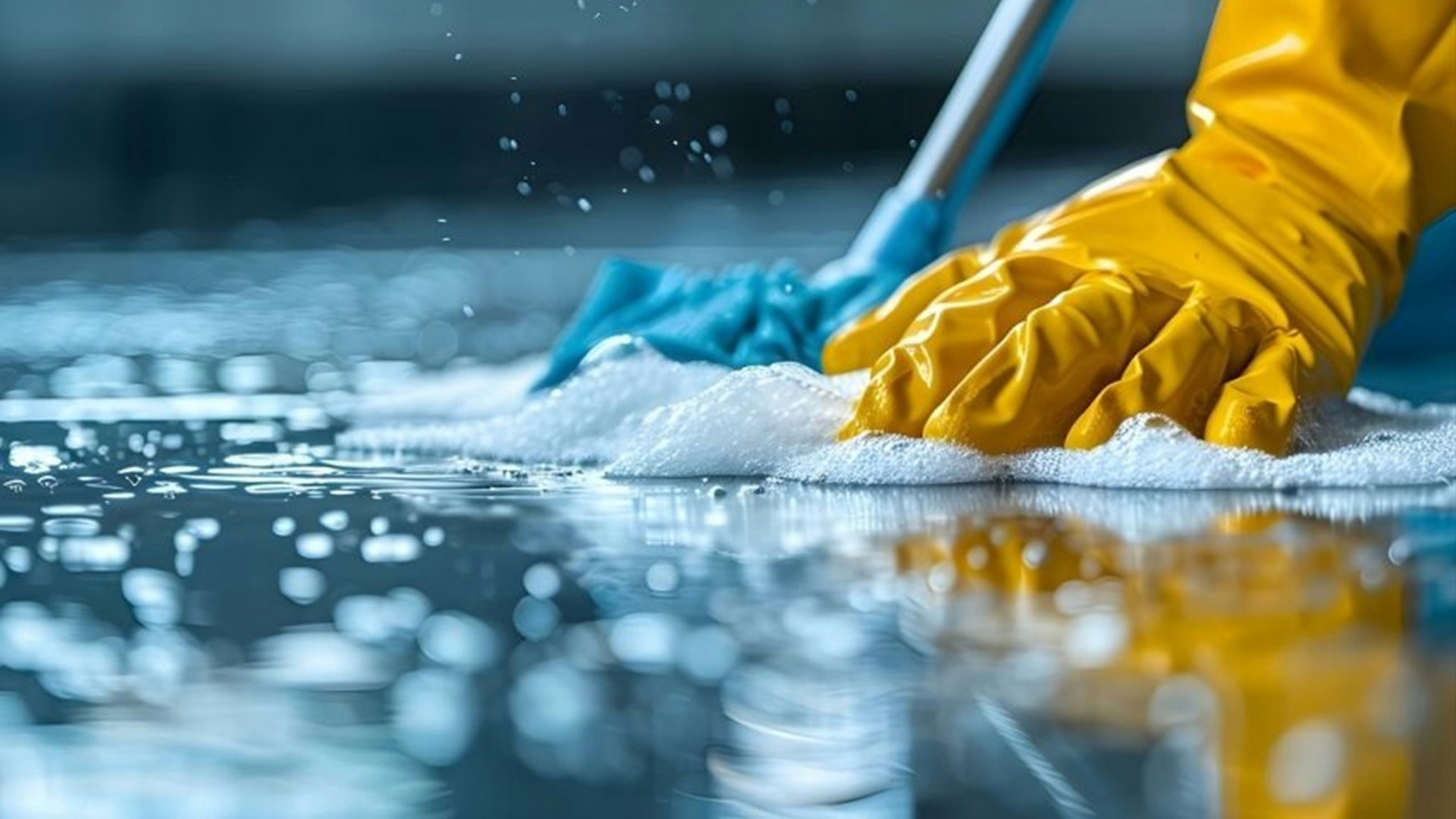
Stainless-steel sprays, granite cleaners, glass cooktop products, silver polish, and other surface-specific cleaners don't typically disappear as quickly as all-purpose products. Buying several bottles at once can leave you storing products for surfaces you eventually replace or stop treating with that particular formula. Since most of these cleaners are used in small amounts, purchasing replacements when you're actually running low makes more sense.
 PuroClean of Fort Worth on Unsplash
7. Vacuum Bags
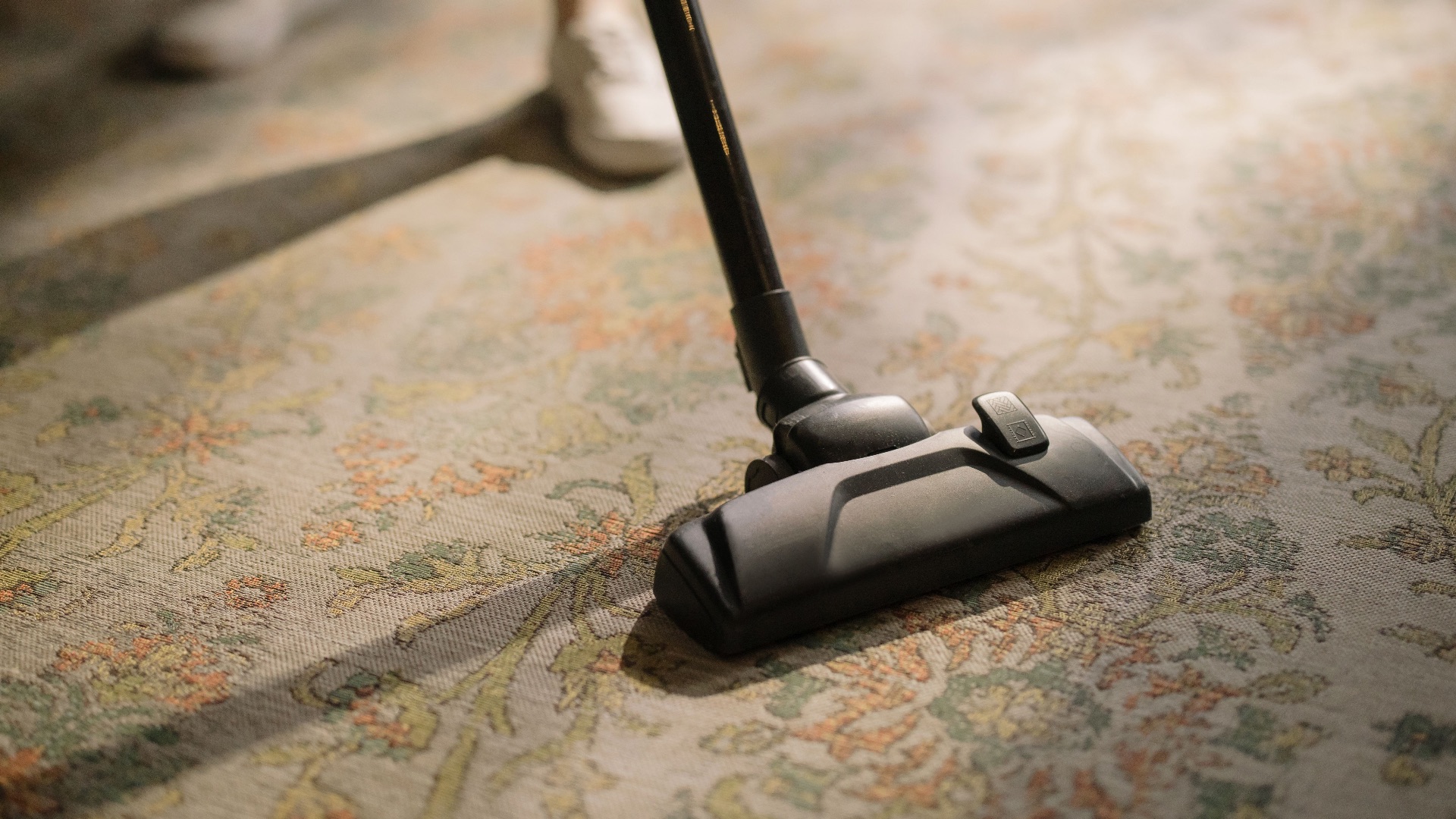
A large box of vacuum bags can appear to be a safe bulk purchase because you'll eventually need replacements. The problem is that vacuum models don't last forever, and replacing the machine can leave you with a stack of bags that fit nothing else in the house. Keeping several spares is practical, but buying enough to last for many years can lock you into an accessory that may become useless.
8. Mop and Cleaning-System Refills
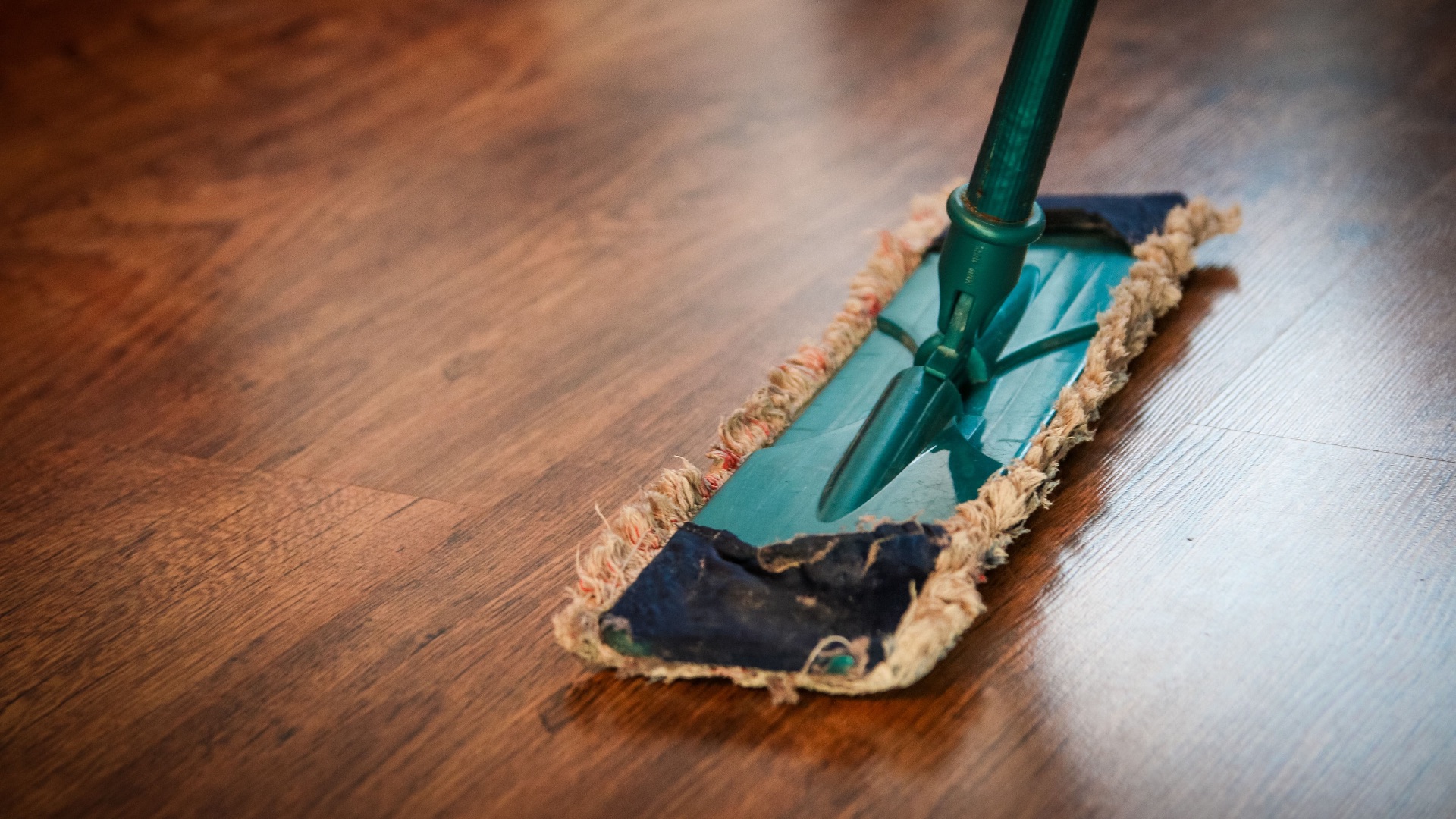
Disposable mop pads, duster heads, scrubber attachments, and similar refills are usually designed for one specific cleaning system. If the handle breaks, the manufacturer changes the design, or you switch to a different product, a giant box of refills can quickly become clutter. Buy enough to avoid constantly running out, but not so many that replacing the cleaning tool itself becomes inconvenient.
9. Coffee Beans
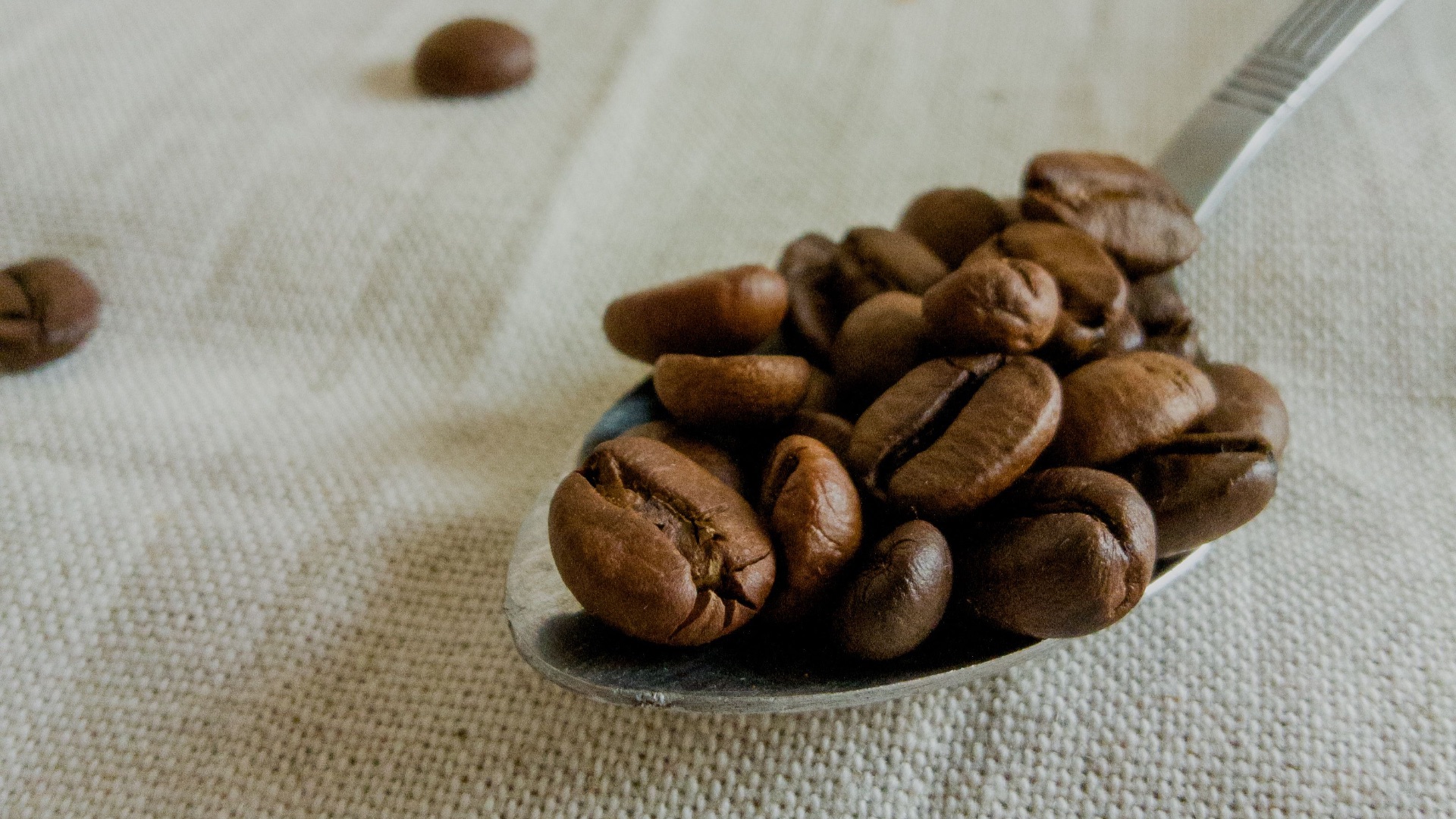
Coffee is one food item where buying the biggest available package can work against what you're paying for. Once beans are exposed to oxygen, their aromas and flavors gradually decline, and repeatedly opening a large bag extends that process over weeks or months. Unless your household goes through coffee very quickly, smaller packages generally give you better freshness from the first cup to the last.
10. Ground Spices
That oversized container of cinnamon, paprika, or cumin might look economical, but most home cooks don’t use individual spices fast enough to justify it. Ground spices gradually lose their aroma and flavor during storage, particularly when they’re repeatedly exposed to air, heat, and light. Unless you cook with a particular seasoning several times a week, a smaller jar is more likely to stay flavorful until you finish it.

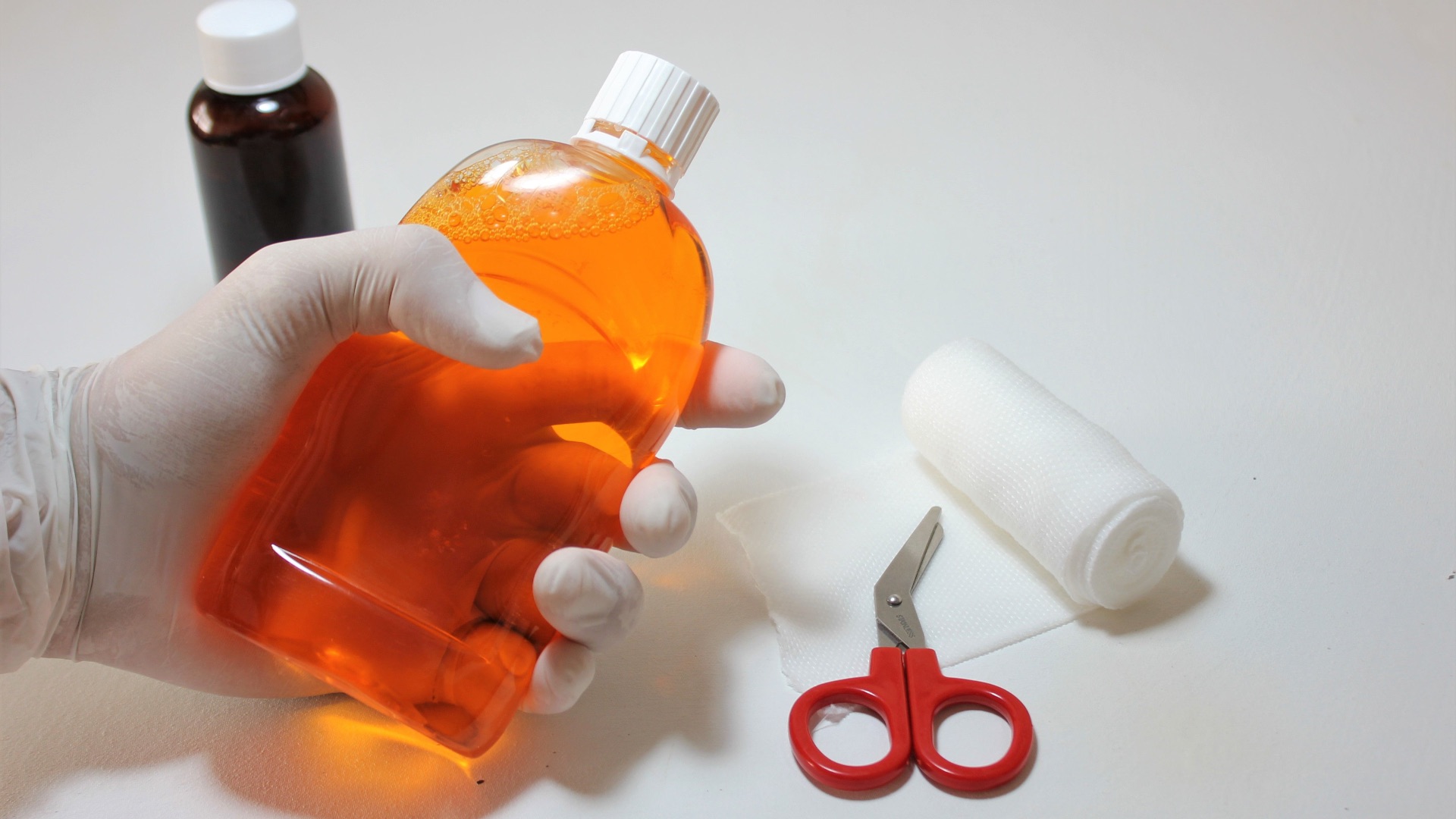
11. Hydrogen Peroxide
Hydrogen peroxide is useful for certain household tasks, but you probably don't need several large bottles waiting in a cabinet. Once a container has been opened, hydrogen peroxide gradually breaks down and becomes less effective, even if it still looks exactly the same. Unless you're using it frequently, keeping one appropriately sized bottle on hand is usually sufficient.
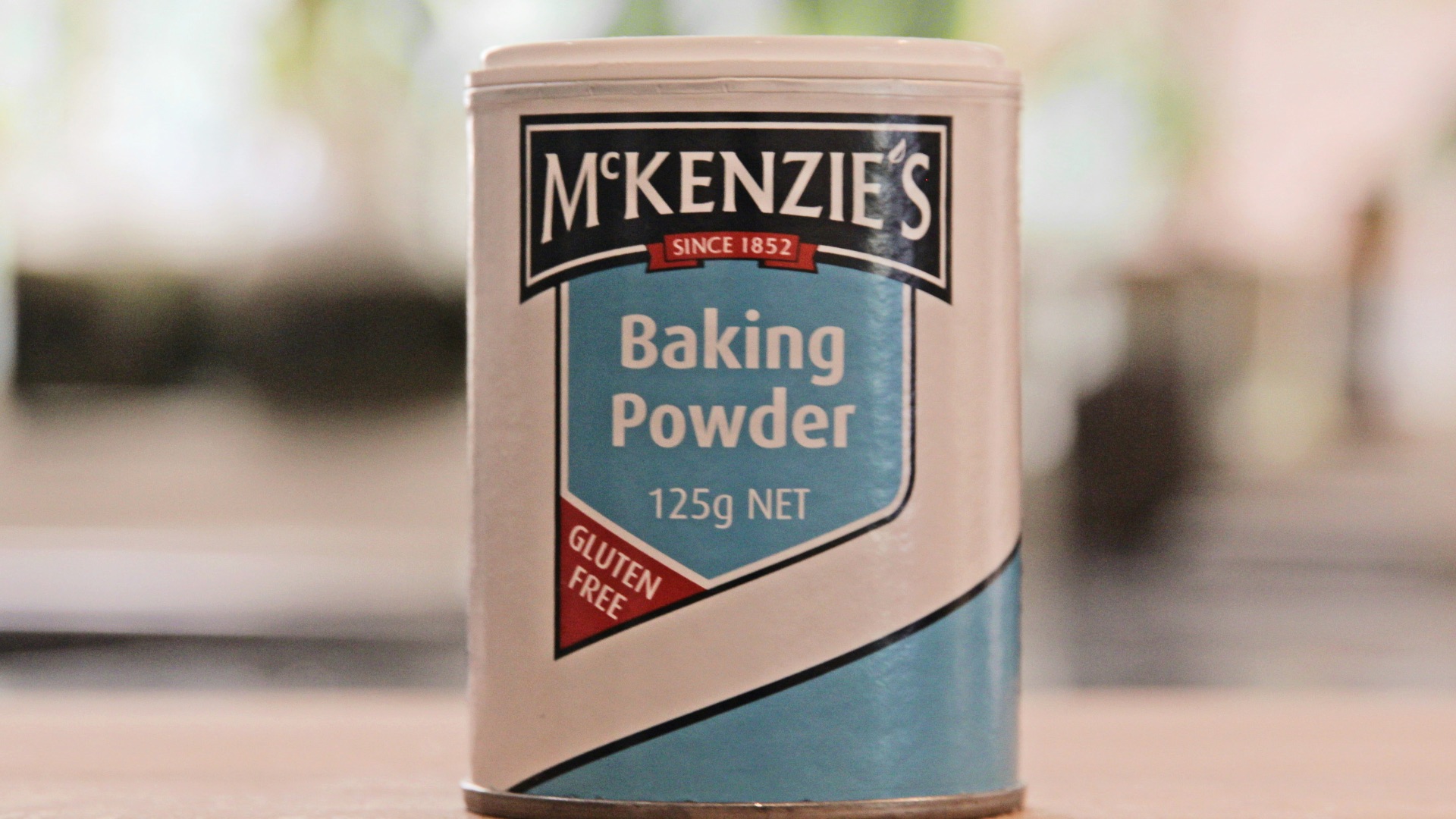
12. Baking Powder
Baking powder is inexpensive enough that an enormous container may seem harmless, but its leavening ability doesn't remain at its best indefinitely. Home bakers who only make pancakes, muffins, or cakes from time to time can spend a very long time working through a bulk package. A smaller container helps ensure that the ingredient is still performing properly when you need it.
 Addilyn Ragsdill @clockworklemon.com on Unsplash
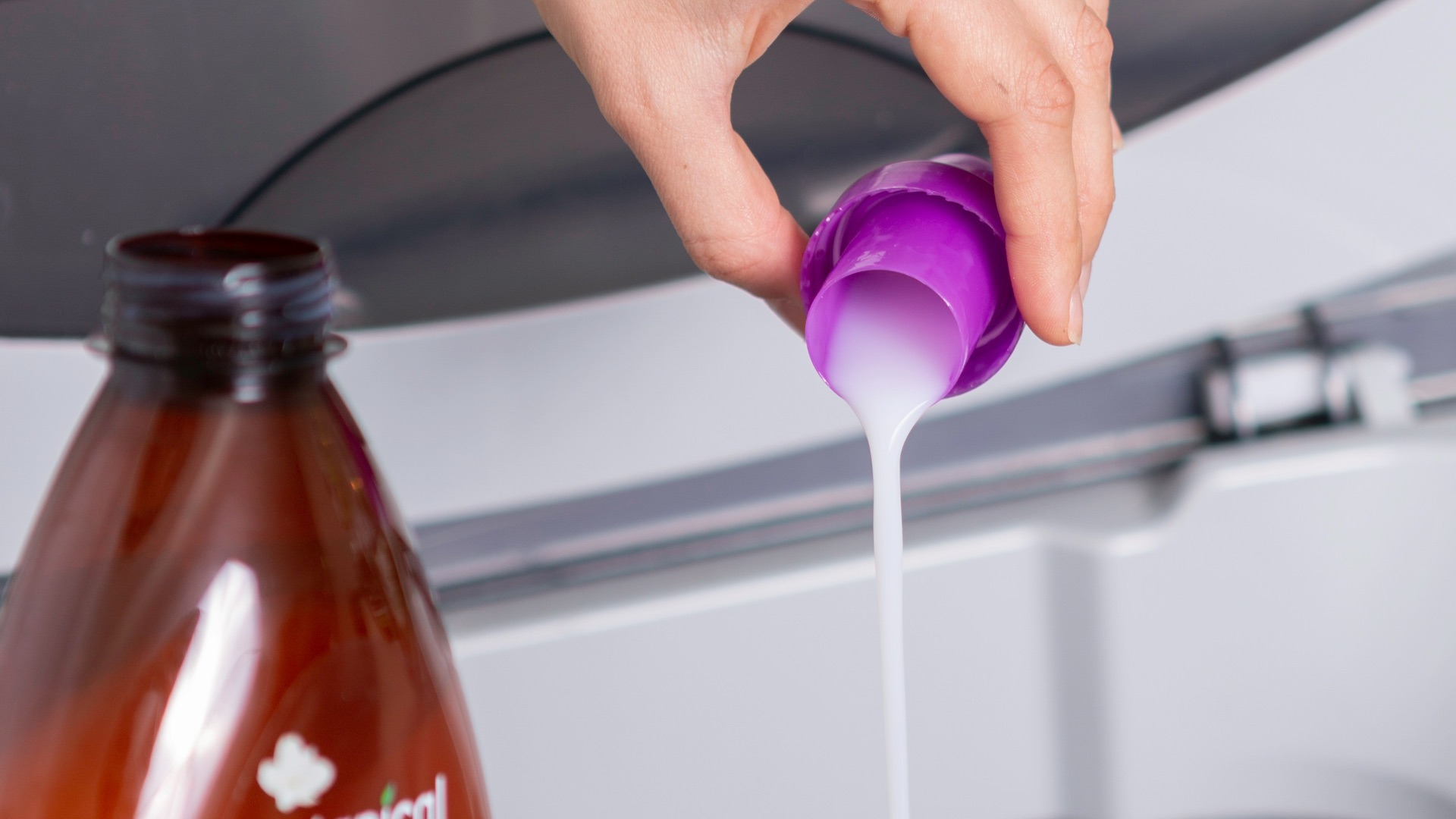
13. Liquid Laundry Detergent
Families running several loads of laundry every day may work through a huge detergent container quickly, but smaller households should pay attention to how long that bottle actually lasts. Liquid detergent can change in consistency and lose some cleaning performance during extended storage, especially under unfavorable temperature conditions. Instead of automatically choosing the largest size, buy an amount that matches your normal laundry schedule.
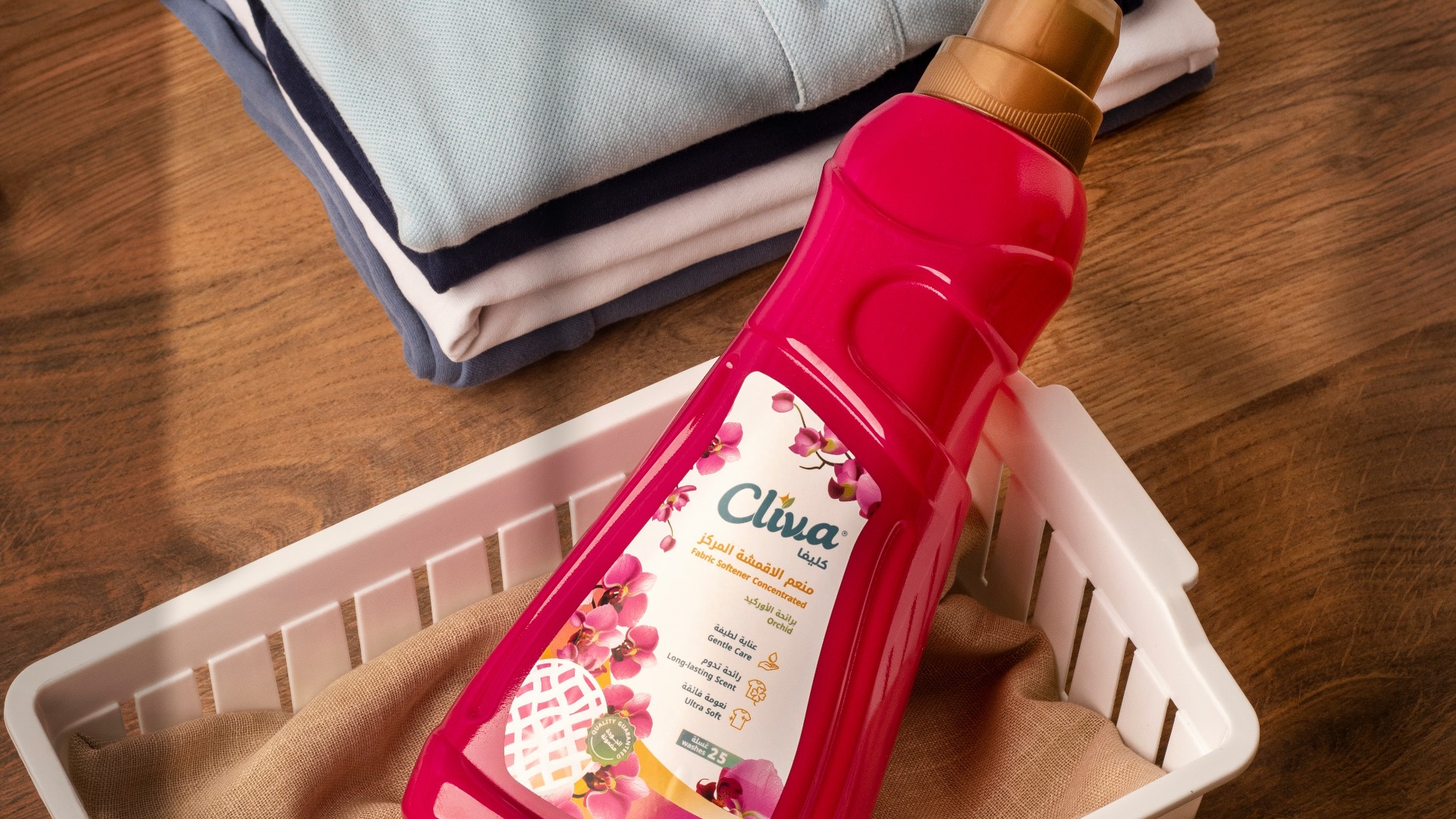
14. Fabric Softener
Fabric softener isn't necessarily something you want to store indefinitely just because a large jug costs less per load. Liquid formulas can thicken or change in consistency as they age, making an old bottle less pleasant and sometimes more difficult to dispense. If you only use softener for certain loads, the economy size may remain in the laundry room far longer than you expect.
 MOHAMMED Al-Sharabi on Unsplash
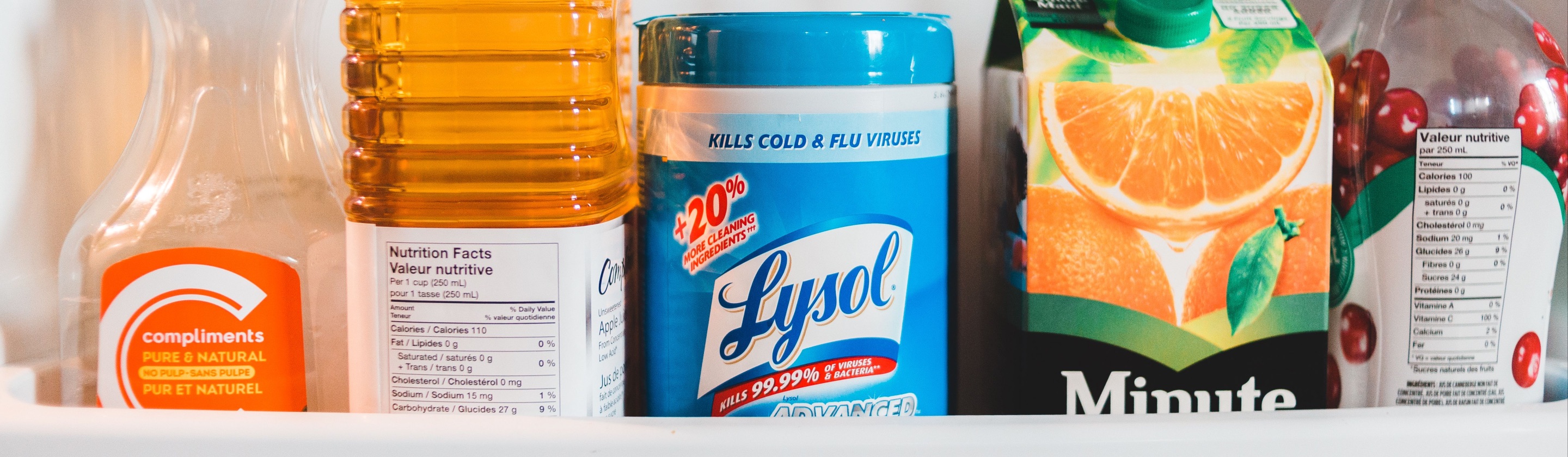
15. Disinfecting Wipes
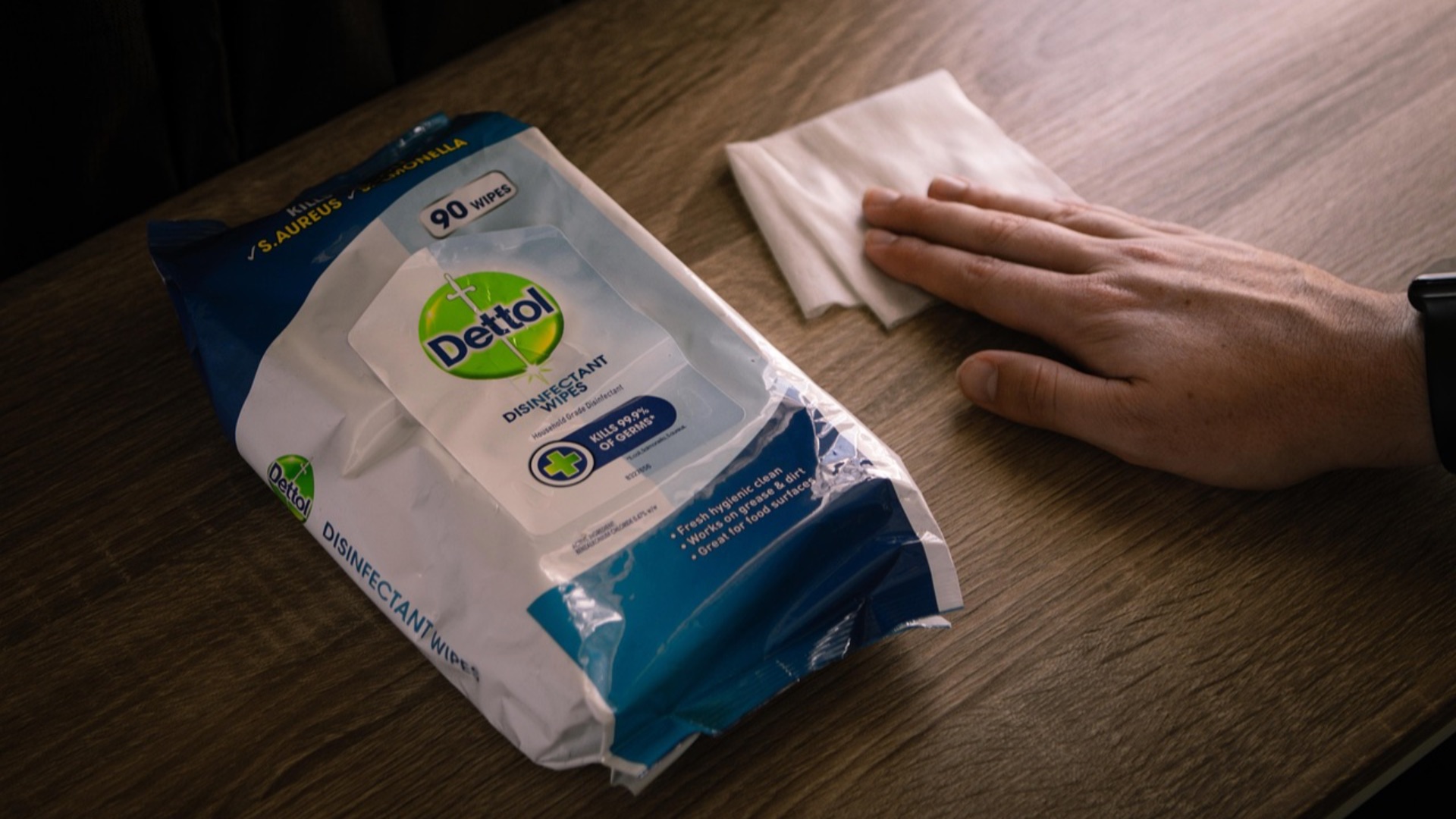
Several canisters of disinfecting wipes can take a long time to finish unless you're constantly cleaning high-touch surfaces. Over extended storage, an imperfect seal can allow wipes to dry out, and dried wipes aren't going to perform the way the product was intended to be used. Purchasing a couple of containers at a time also makes it easier to store them where they'll actually be reached for.
16. House Paint
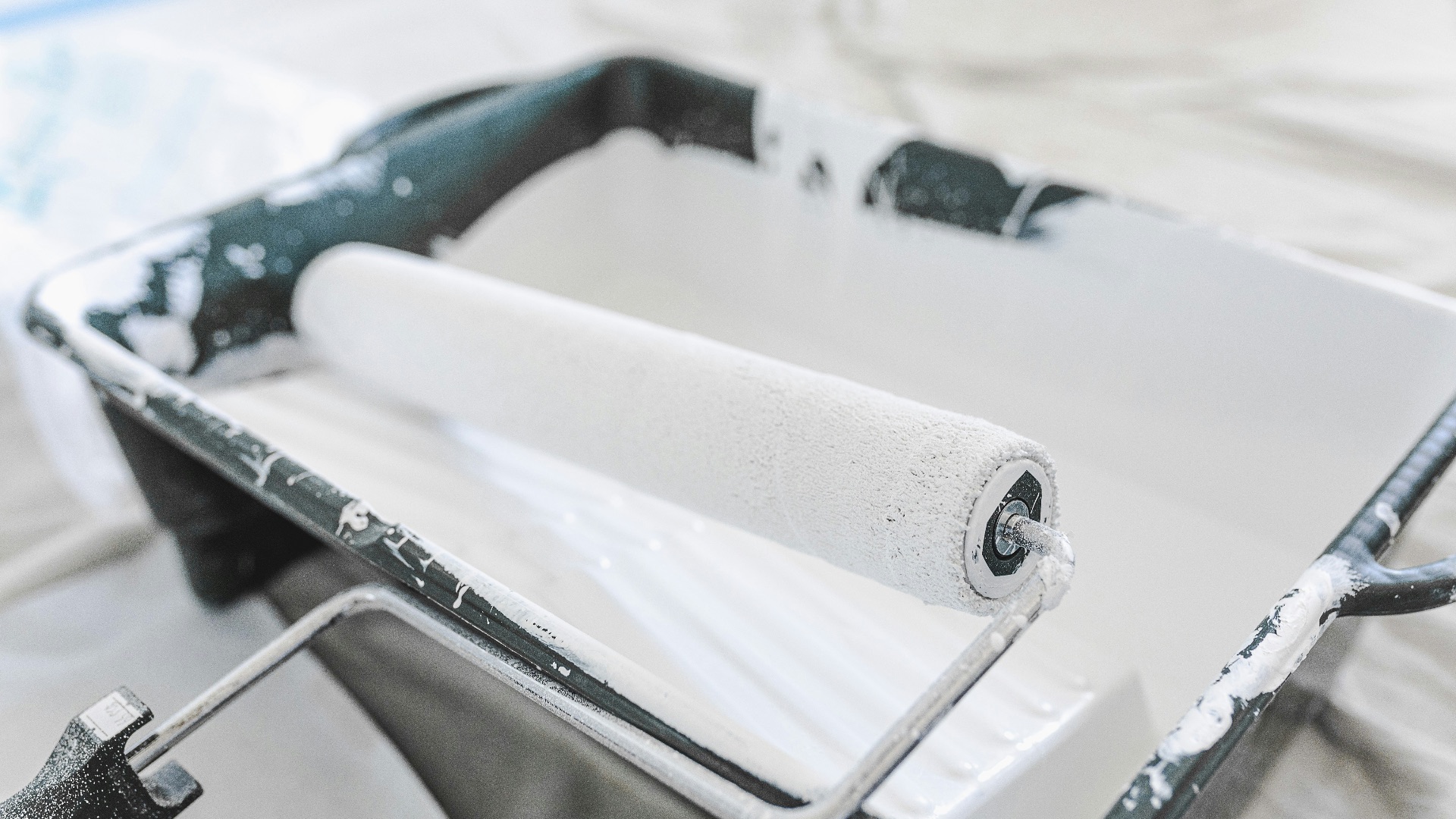
Buying extra paint for an upcoming project is sensible, but purchasing far more than the job requires can create an unnecessary storage problem. Paint can separate, thicken, or become unusable after years in a partially opened can, particularly if it has been stored through extreme temperatures. Calculate your square footage carefully and keep only a modest amount afterward for future touch-ups.
17. Caulk
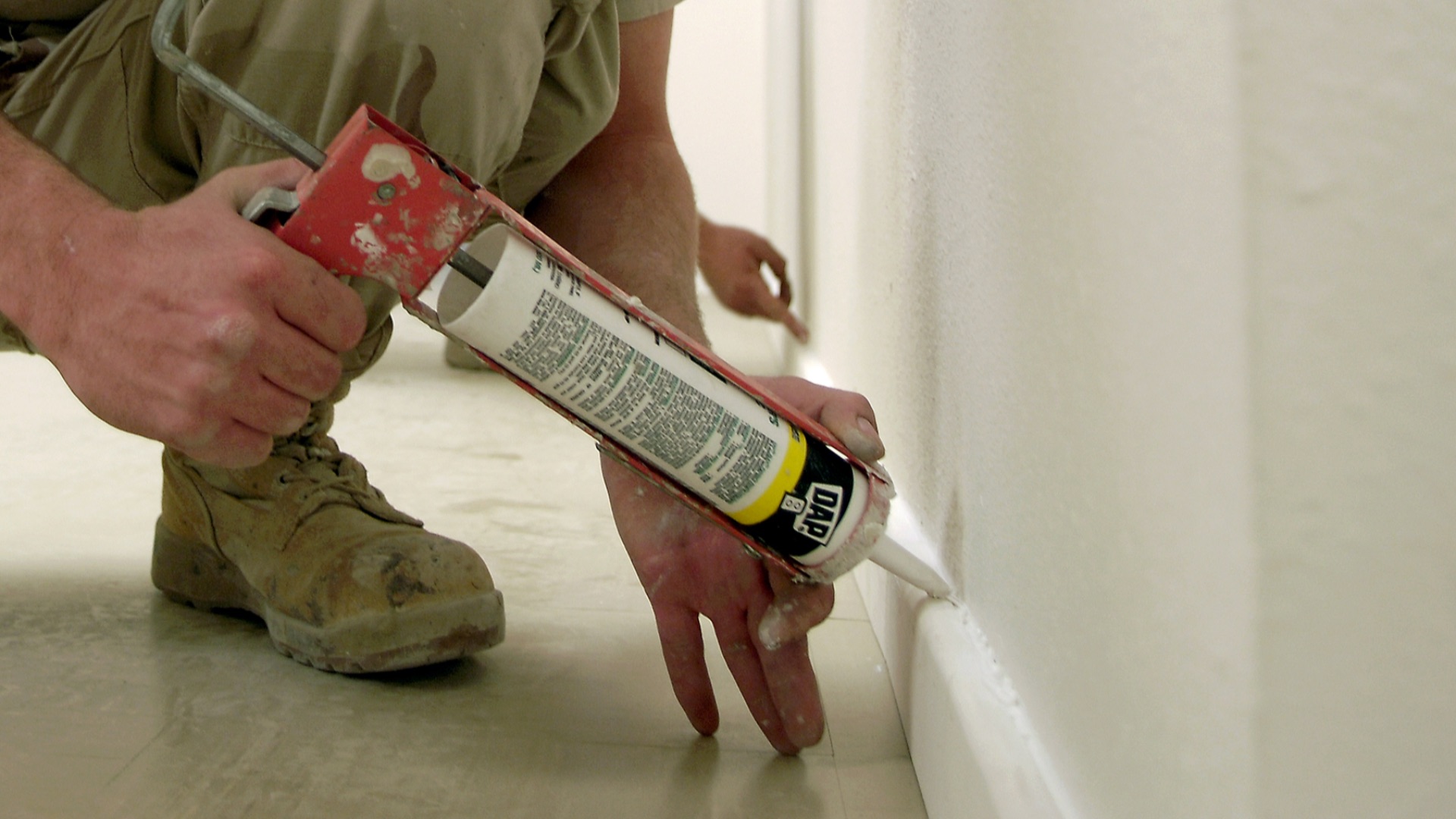
Home repairs often require far less caulk than you'd expect from looking at a multipack on a hardware-store shelf. Once a tube has been opened, preventing the remaining product from curing or drying around the opening can become difficult, while even unopened tubes aren't meant for unlimited storage. Unless you have several projects scheduled, buying caulk as each job comes up reduces waste.
18. Household Adhesives
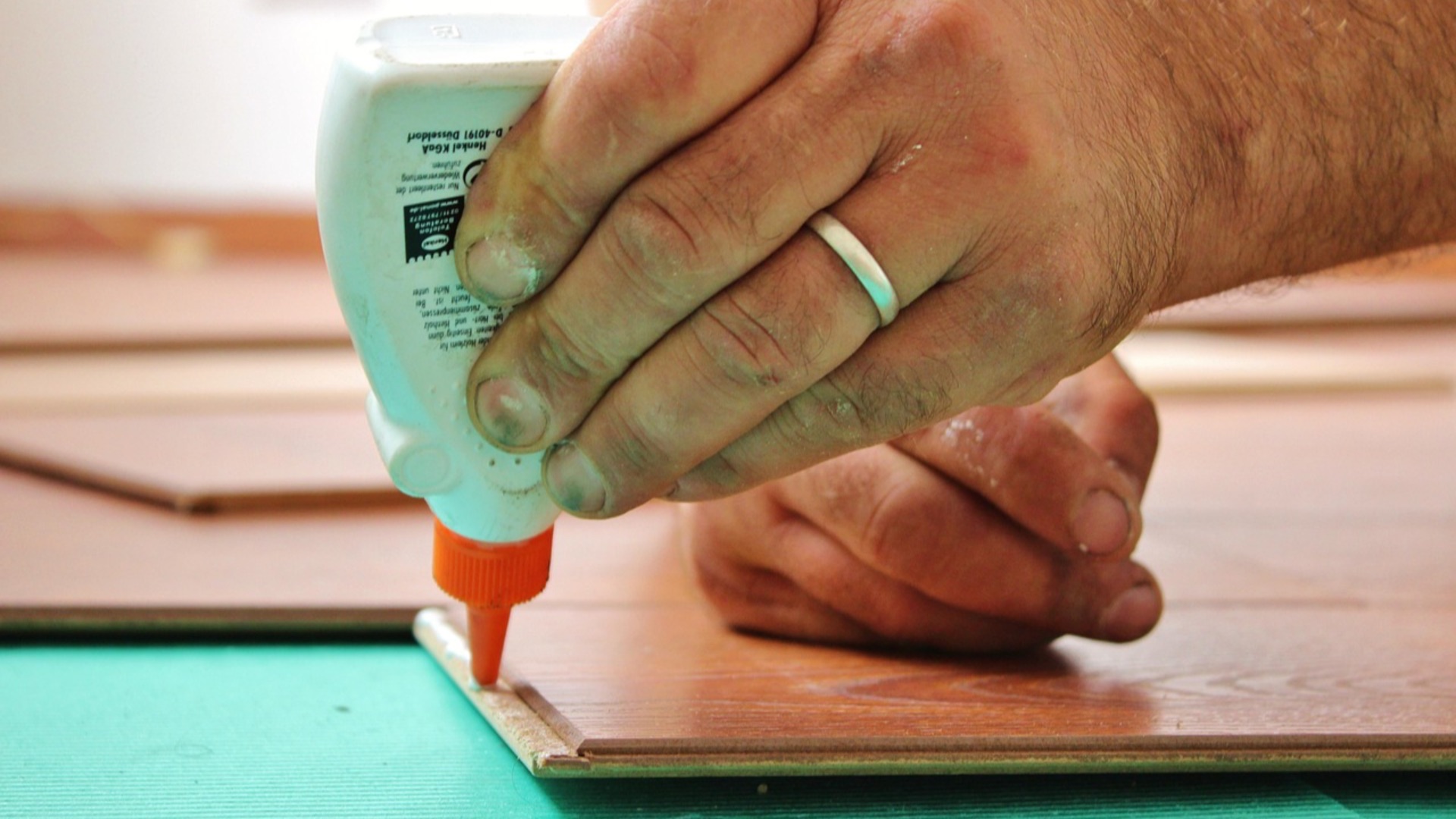
Super glue, construction adhesive, wood glue, and other bonding products tend to be purchased for specific repairs rather than daily use. Open containers may thicken, harden, or become difficult to dispense long before you find another reason to use them. Keeping a cabinet full of duplicate adhesives therefore provides little advantage when a fresh container can be purchased as needed.
19. Replacement Filters
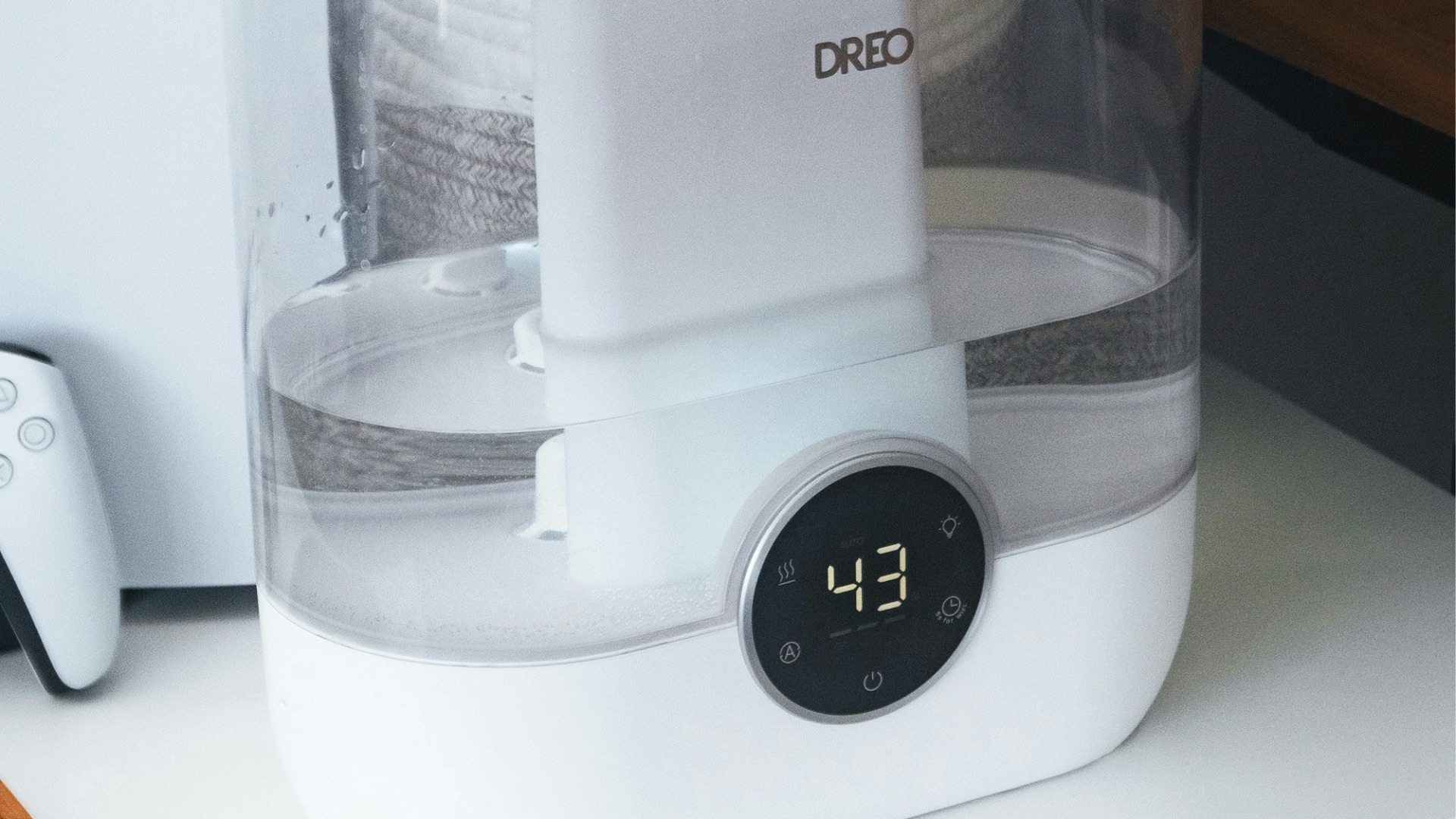
Warehouse packs of water, vacuum, humidifier, or HVAC filters can offer impressive per-unit savings, but compatibility matters just as much as price. If you replace the appliance, move to a different home, or discover that you ordered the wrong specification, the remaining filters may no longer have a purpose. A modest reserve gives you convenience without tying you to a particular model for years.
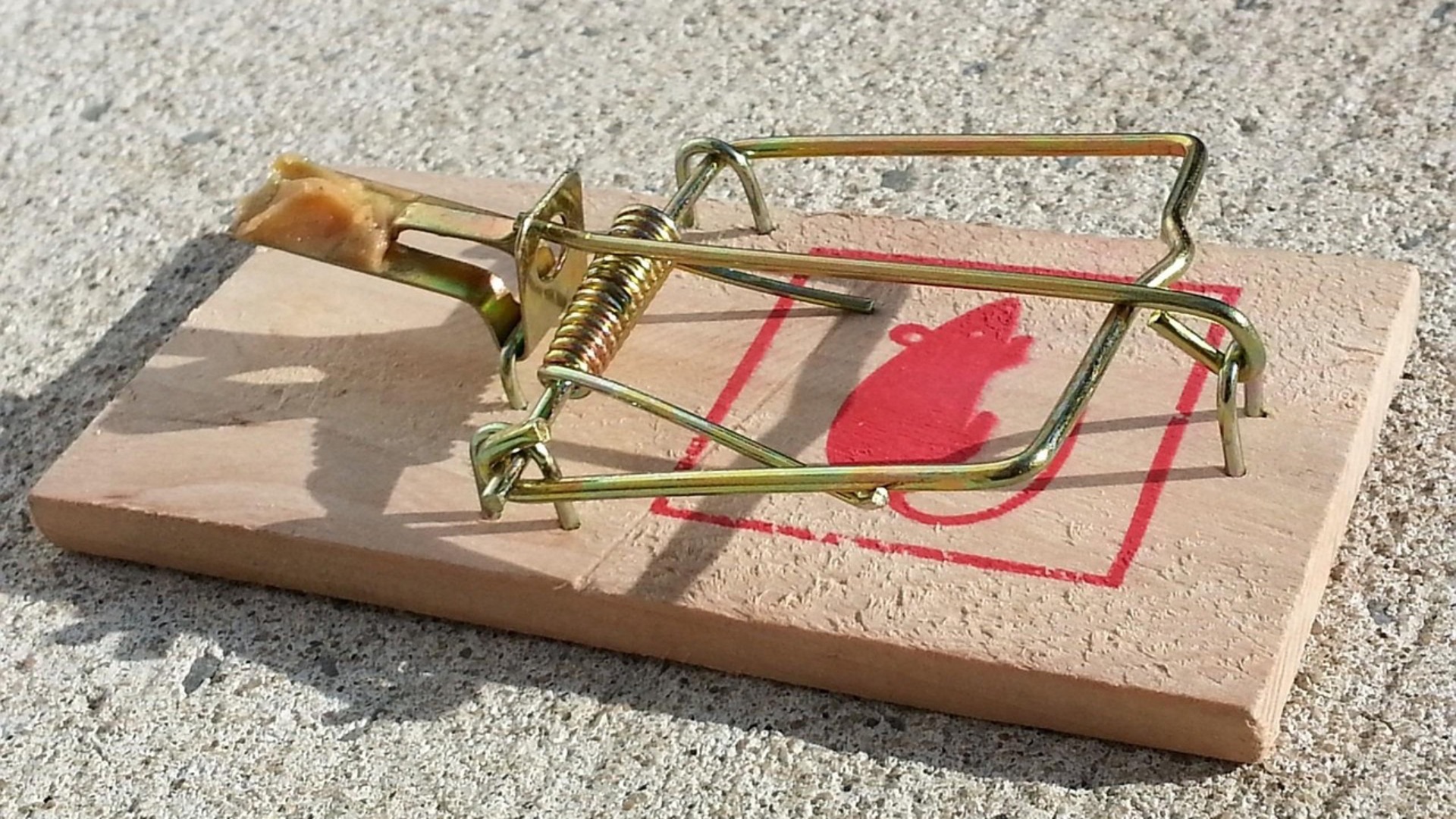
20. Pest-Control Products
Sprays, baits, and other pest-control products should be purchased according to the problem you're actually dealing with rather than accumulated just because they're discounted. Different pests require different approaches, and these products also come with storage instructions and labeled shelf lives that make excessive stockpiling unnecessary. Keeping only what you expect to use makes storage simpler and reduces the amount of chemical product sitting around your home.