Love Is Forever
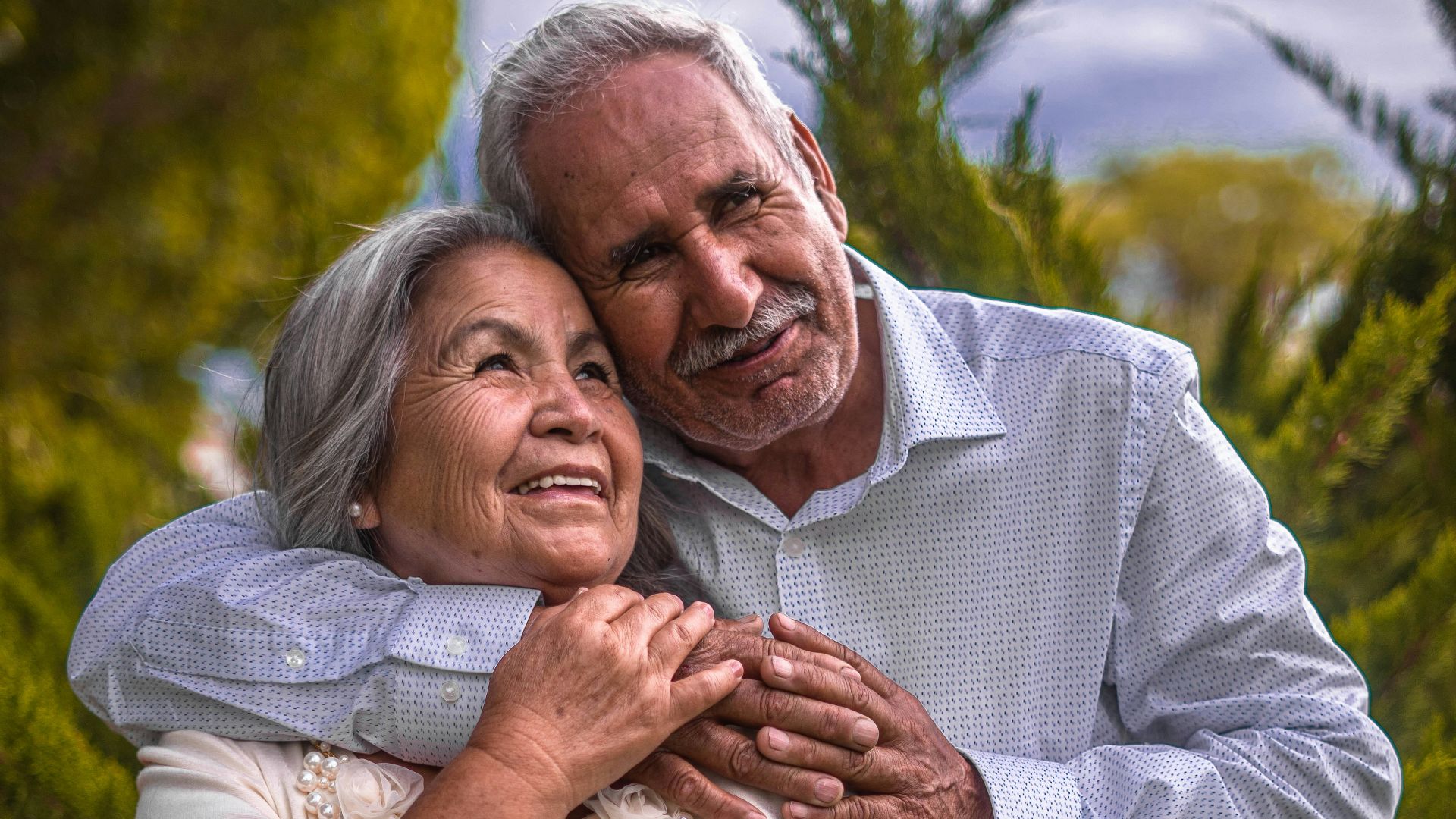
Picture the average movie scene of an older couple falling in love. Gentle piano music, slow dances in the kitchen, maybe a chaste kiss on a porch. Sweet, sure. But also incomplete. Like any romance, senior romance is messier, funnier, more physical, and far more interesting than the soft-focus version pop culture likes to sell us. Younger people often assume that romance after 60 is quieter, tamer, or somehow less urgent than what they're experiencing themselves. That assumption leaves out an enormous amount of real life. Older adults still date. They still fall hard for someone new. They still miss the people they've lost, try things they've never tried before, and figure out, sometimes for the first time in decades, what they actually want out of a relationship. Health changes, old marriages, financial worries, and family opinions can all be part of the picture. None of it makes the love any less real. Here are 20 things younger people tend to get wrong about senior romance.
1. Romance Doesn't Have an Expiration Date
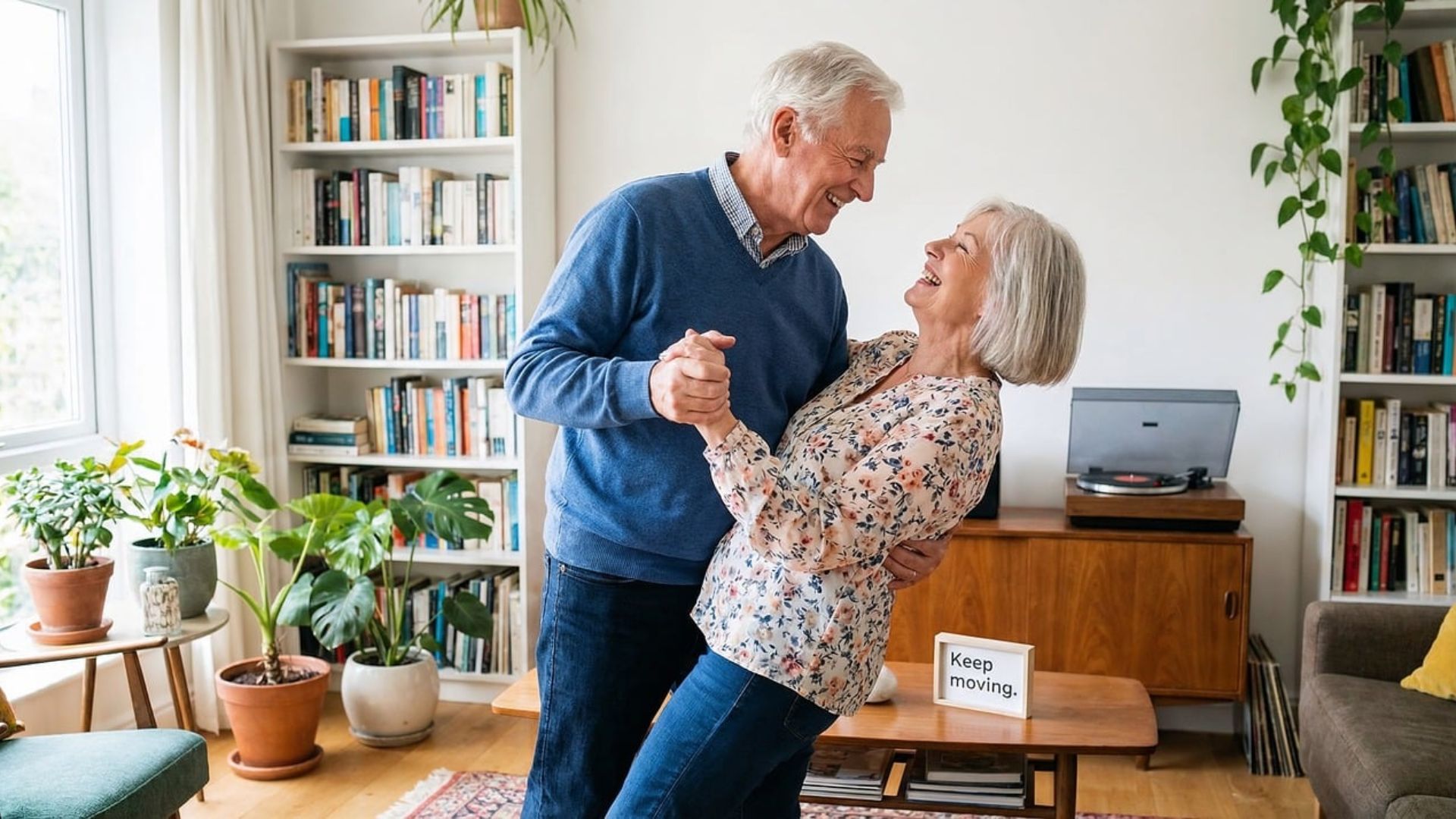
The desire to be loved, understood, and a little swept off your feet doesn't retire at 65. Older adults can want dating, companionship, intimacy, affection, or a committed partnership just as much as they did decades earlier.
2. Dating After Widowhood
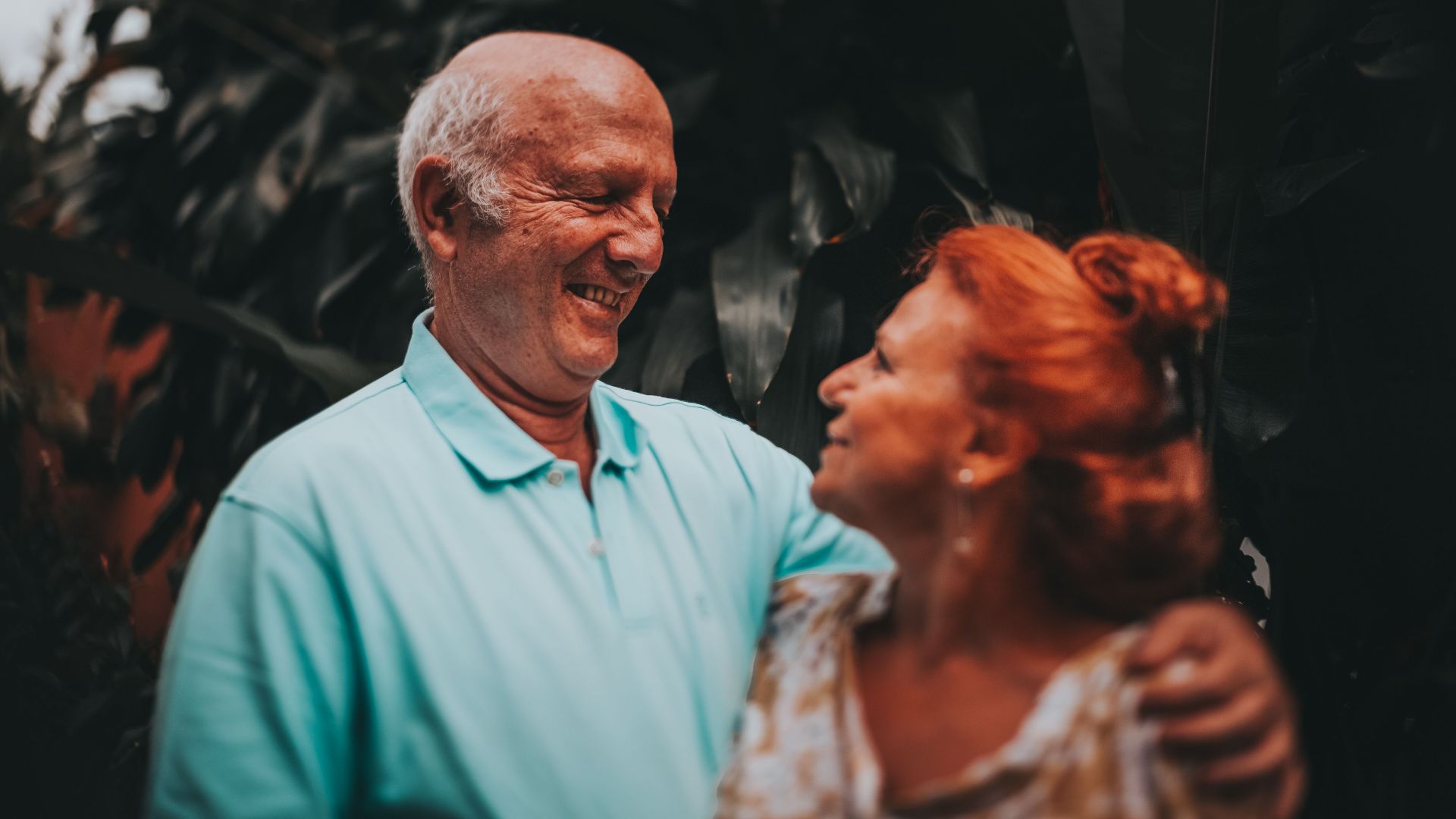
Grief and new love aren't mutually exclusive. Someone can still ache for a spouse who died and open their heart to a new person at the same time. Moving forward doesn't erase the years spent building a life with someone else.
3. Not Everyone Wants to Get Married Again
A wedding ring isn't the finish line for every older couple. Plenty of people want a devoted, serious partner without another ceremony, another shared mortgage, or a fully merged household. After decades of building their own habits and independence, many want both closeness and a little breathing room.

4. Separate Homes
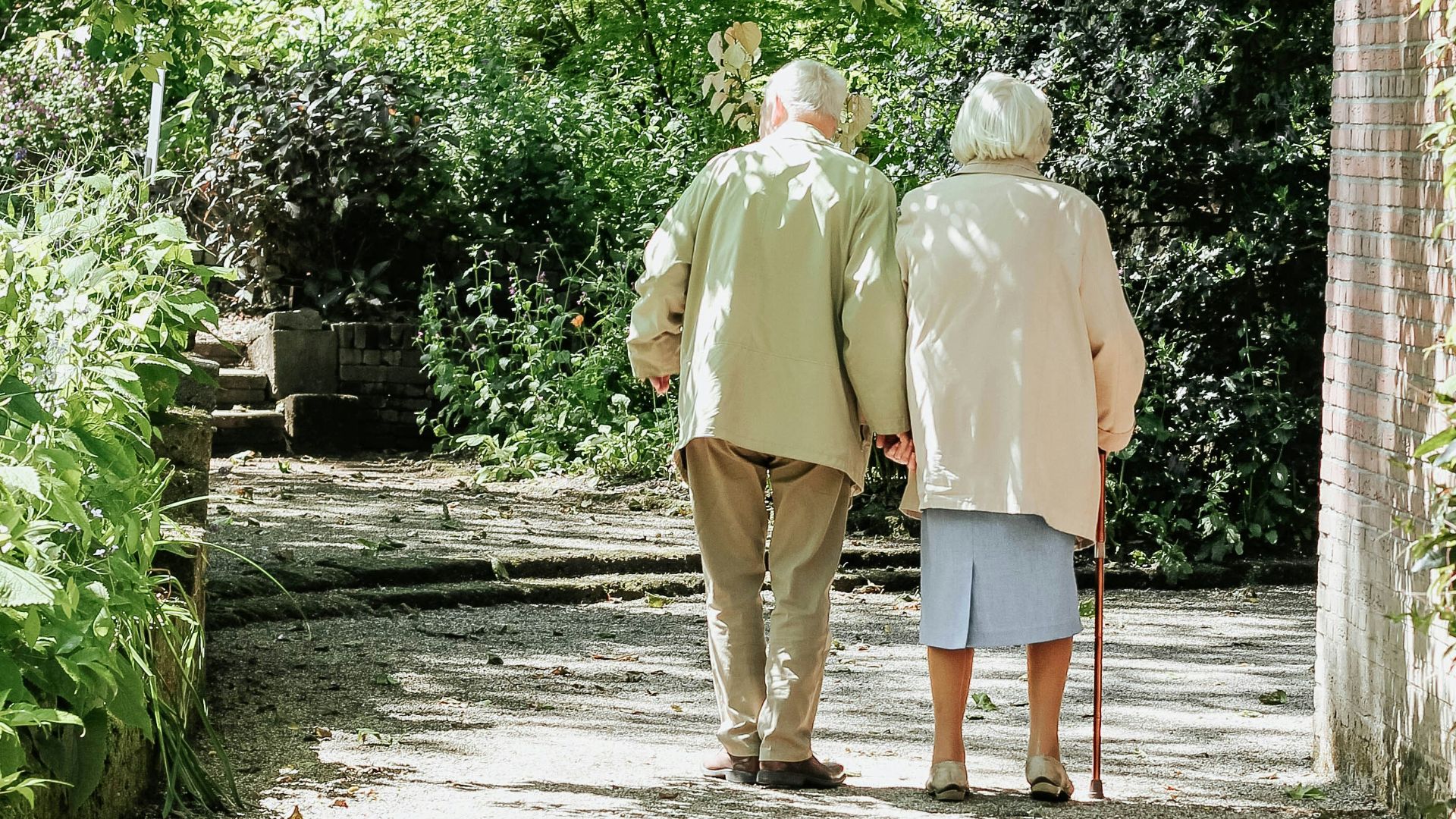
Two addresses doesn't mean two half-hearted commitments. Older couples often keep separate homes because they love their neighborhood, want to stay near family, or simply sleep better in their own bed with their own pillow. That arrangement can still support a relationship that's steady, devoted, and every bit as serious as one under a shared roof.
5. Dating Apps
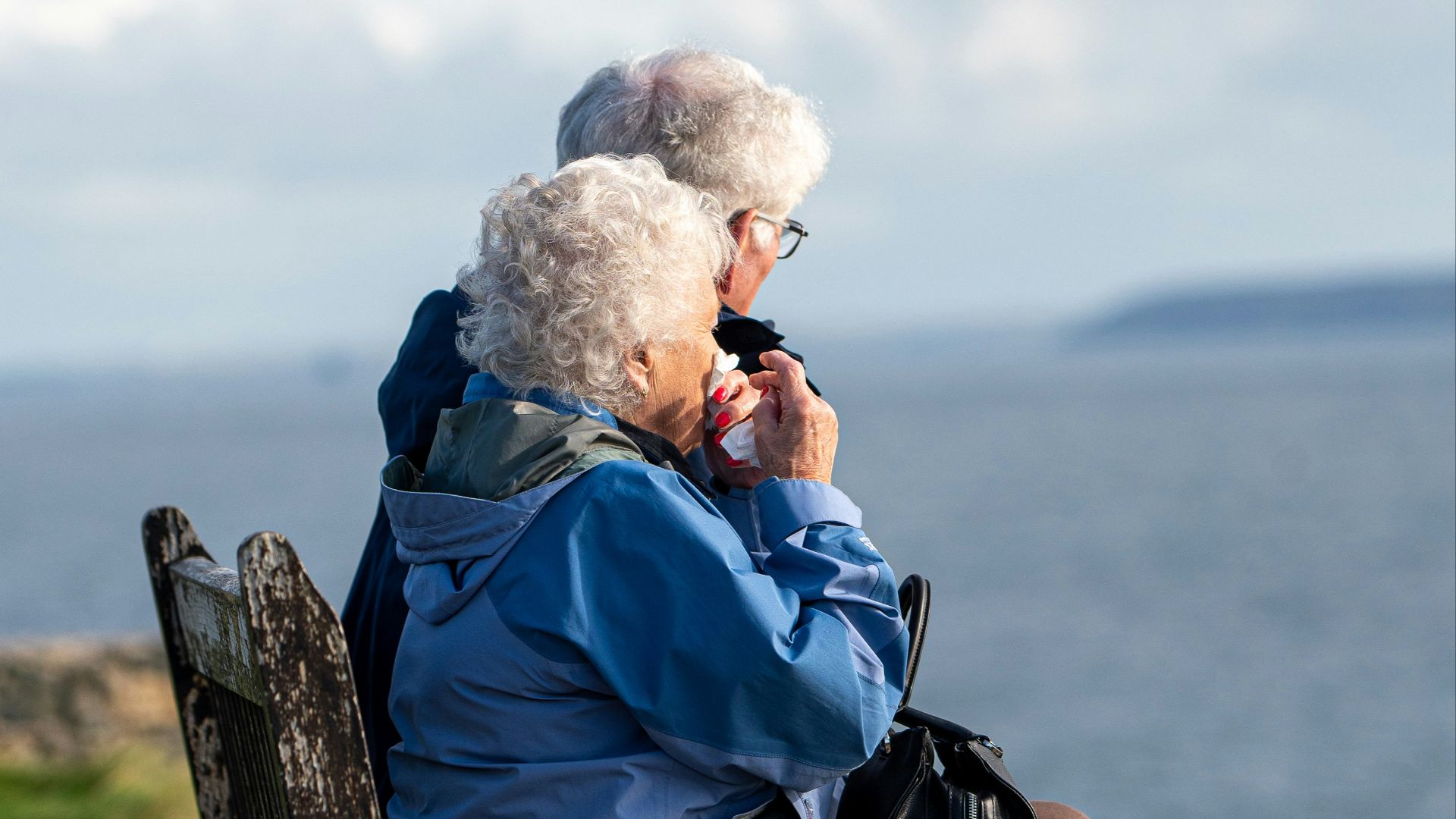
Swiping isn't a young person's game anymore. Adults over 50 are on dating apps looking for long-term partners, casual dates, friendship, and physical connection, just like everyone else. The interface might feel unfamiliar at first, but the motivations behind it are as old as time.

6. Online Dating
Fake profiles, romance scams, unsolicited messages, and people who won't take no for an answer don't discriminate by age. Being older doesn't make anyone immune to a con artist who knows how to sound caring and attentive. Online dating at any stage of life calls for sharp boundaries and a healthy dose of skepticism.
7. They're Not All Looking for the Same Thing
Lumping every older person into one "senior romance" category flattens a huge range of desires. A recently divorced person might want a fresh start. A widow or widower might crave a steady companion for dinners and travel. Others want a friend, a flirtation, or simply the freedom of staying single.

8. Intimacy Doesn't Disappear
Interest in the bedroom doesn't run on a countdown timer tied to birthdays. Some older adults remain active well into their 70s, 80s, and beyond. Others place more value on touch, closeness, and emotional intimacy than intercourse itself. There's no single correct way to have a fulfilling romantic and physical life.
9. Intimacy Is More Than Intercourse
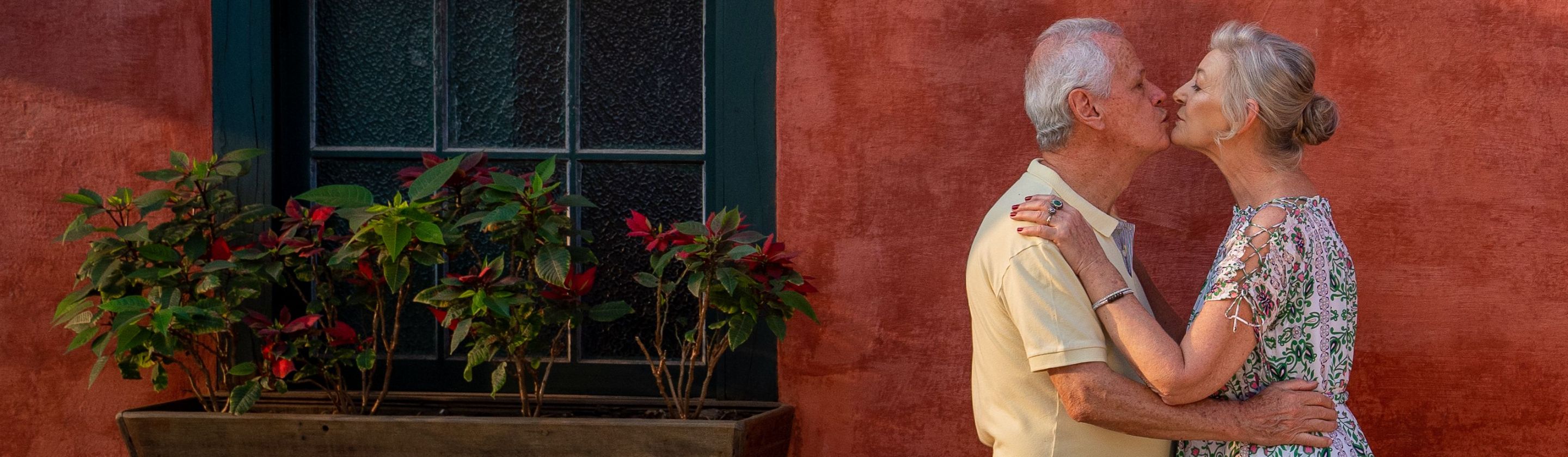
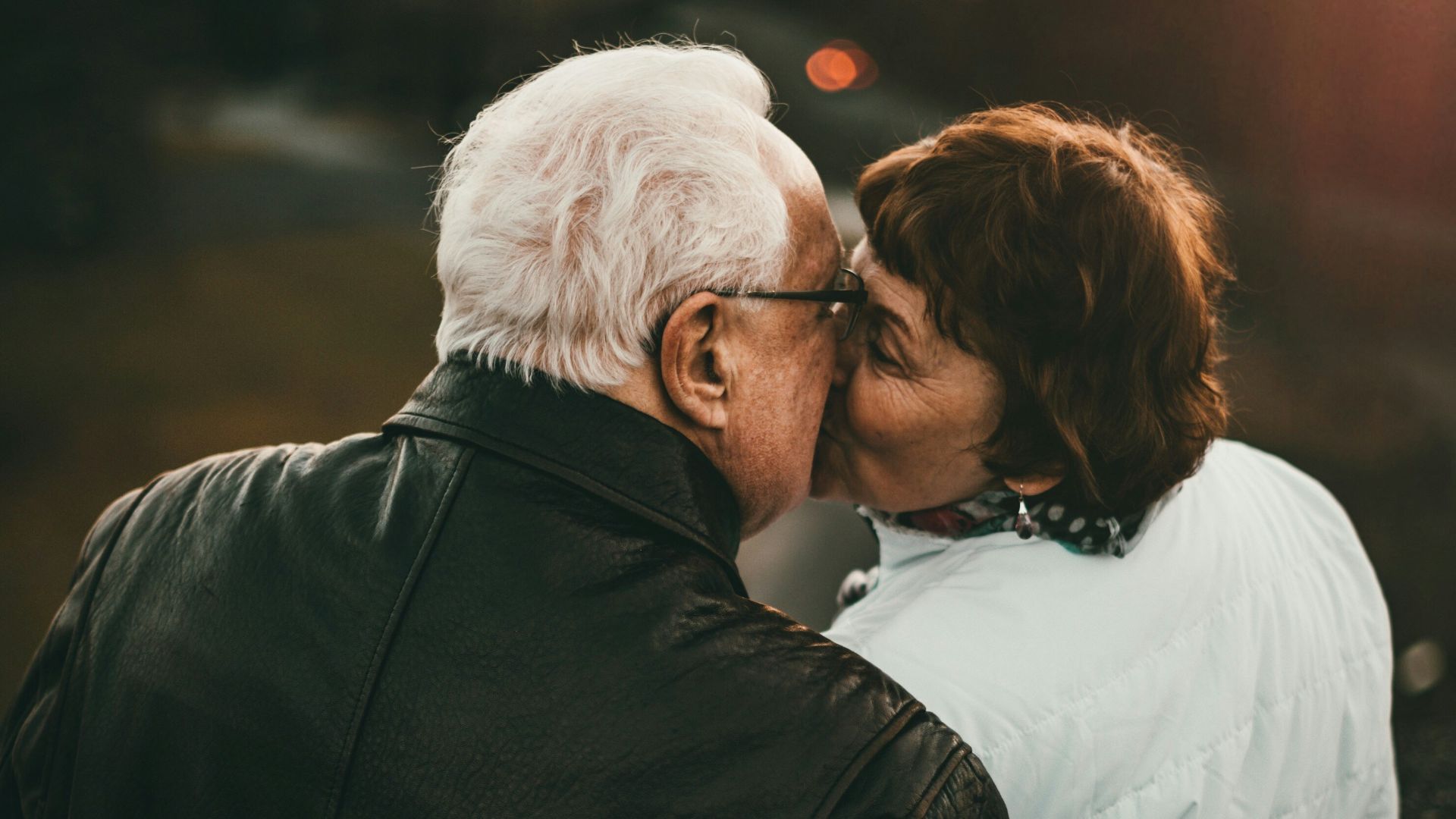
A kiss stolen in the kitchen while dinner simmers. Holding hands during a slow walk around the block. Knowing exactly how someone takes their coffee without having to ask. These small, ordinary moments carry real weight in a relationship. Physical closeness has never lived exclusively in the bedroom, at any age.
10. Physical Changes
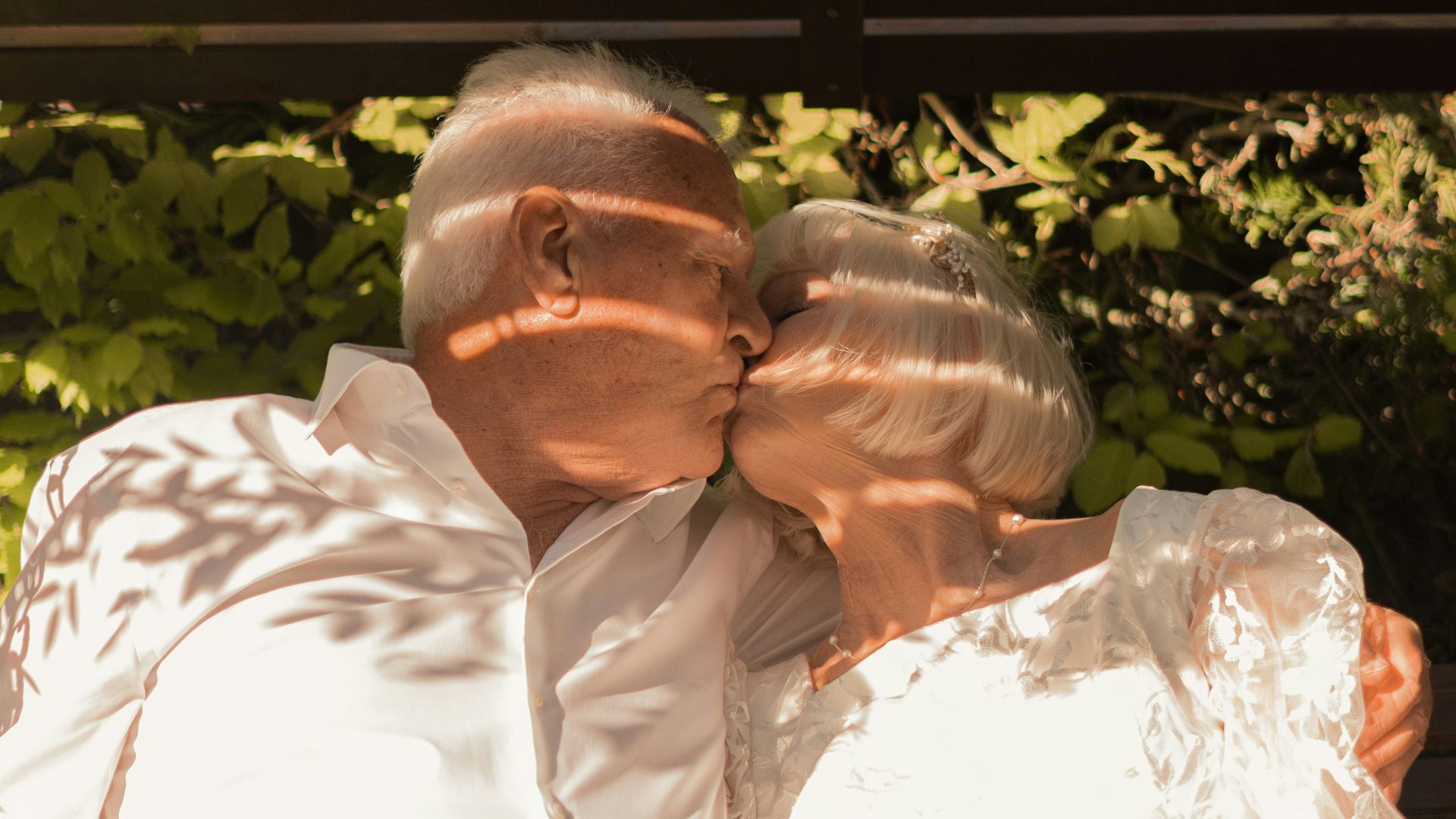
Menopause, erectile dysfunction, chronic pain, medication side effects, and mobility limits can all shift how intimacy feels and works. None of that erases the possibility of pleasure, attraction, or closeness between two people who care about each other. Couples can talk openly about comfort, adapt together, and lean on medical support when they need it.
 micheile henderson on Unsplash
11. Safe Bedroom Activities
Pregnancy might no longer be part of the equation for many older adults, but STIs certainly are. New relationships still call for honest conversations about testing, protection, and boundaries. It might feel a little awkward to bring up at 70, but taking care of yourself and a partner never goes out of style.
12. Older Adults Can Be Selective
Life experience sharpens judgment. Someone who has weathered a rocky marriage, a divorce, widowhood, caregiving, or years of solo living often spots red flags faster than they once did. That's not pickiness for its own sake; it’s the difference between chasing companionship out of loneliness and holding out for someone genuinely worth their time.

13. Long-Married Couples Still Need Romance
Decades of shared history can slide into such deep comfort that couples stop courting each other. A spontaneous lunch date, an inside joke, a little playful flirting, or an evening free of obligations can bring the spark right back. Knowing someone inside and out is wonderful, but the relationship still needs tending.

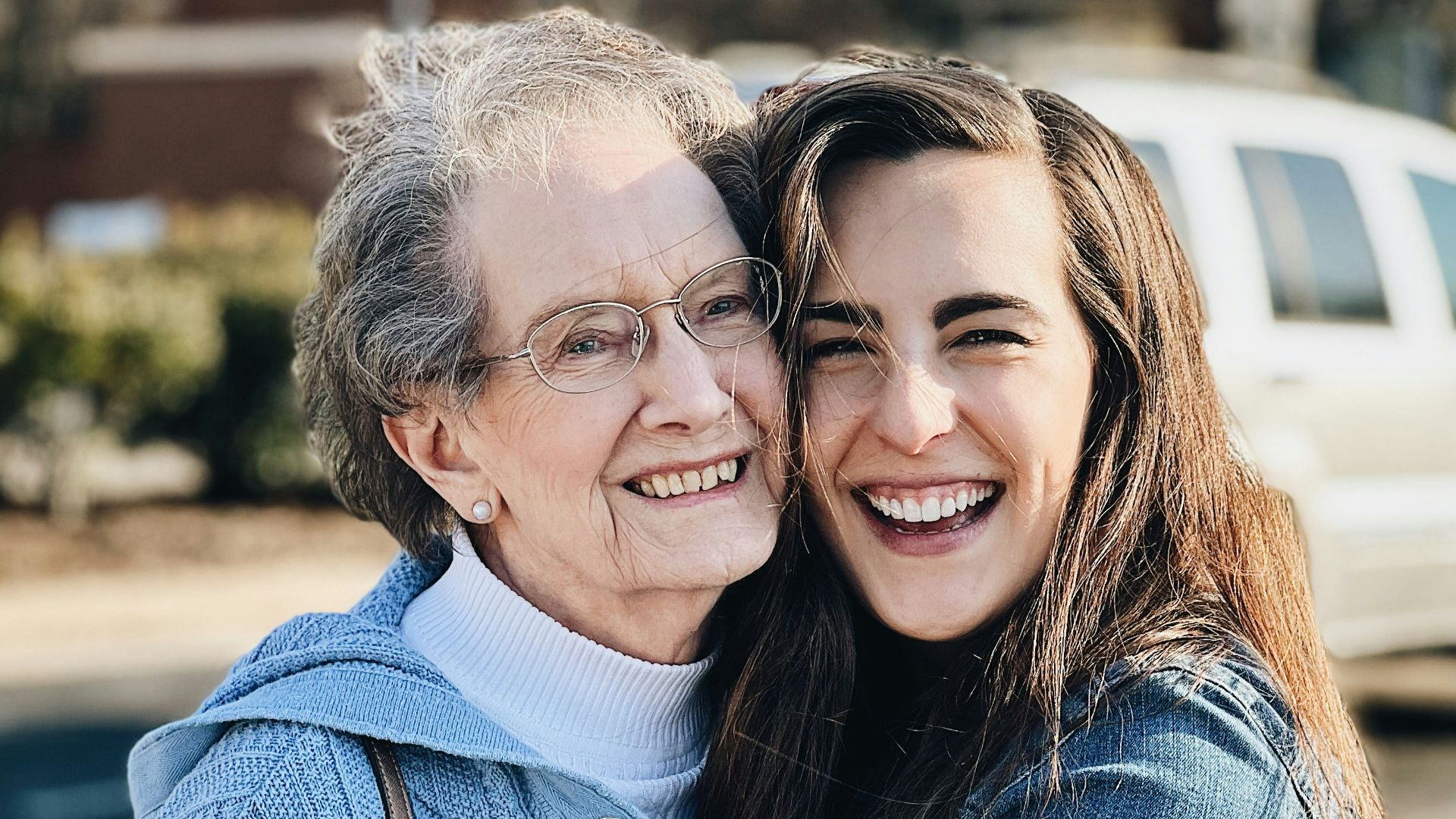
14. Adult Children
Capable, competent adults get to decide who they date and what kind of relationship suits them, full stop. Family concerns become legitimate when there are signs of fraud, coercion, or exploitation, but simple discomfort or surprise isn't the same thing.
 Christopher Echols on Unsplash
15. Money Talks
Later-life relationships often come tangled up with homes, retirement accounts, inheritances, or health care directives. Talking through those details isn't cold or unromantic. Clear expectations up front protect both partners and head off painful surprises down the road.
16. LGBTQ+ Adults
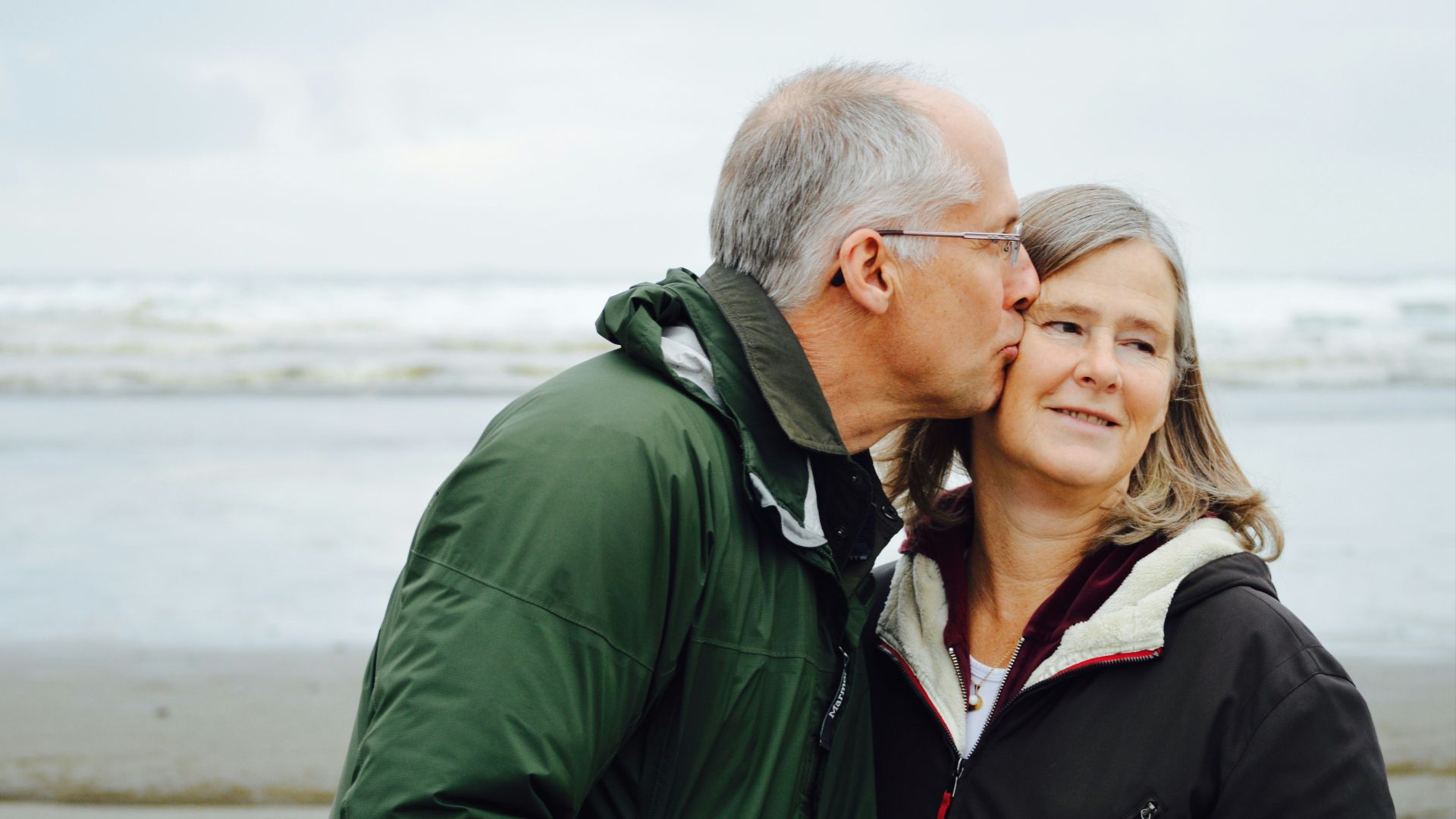
Older adults aren't automatically straight or cisgender, and they're not automatically open about every part of their identity with everyone around them. Many have spent decades navigating discrimination, which can shape how safe dating, health care, family gatherings, and senior living communities actually feel. Their relationships deserve the same respect, recognition, and visibility as anyone else's.
17. Disabilities
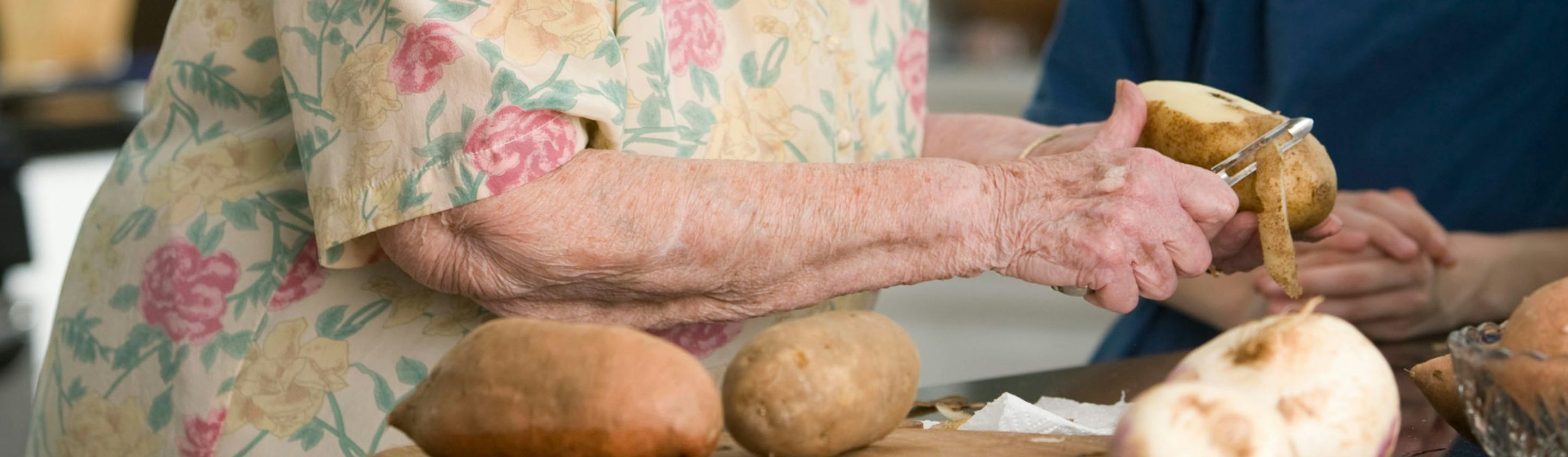
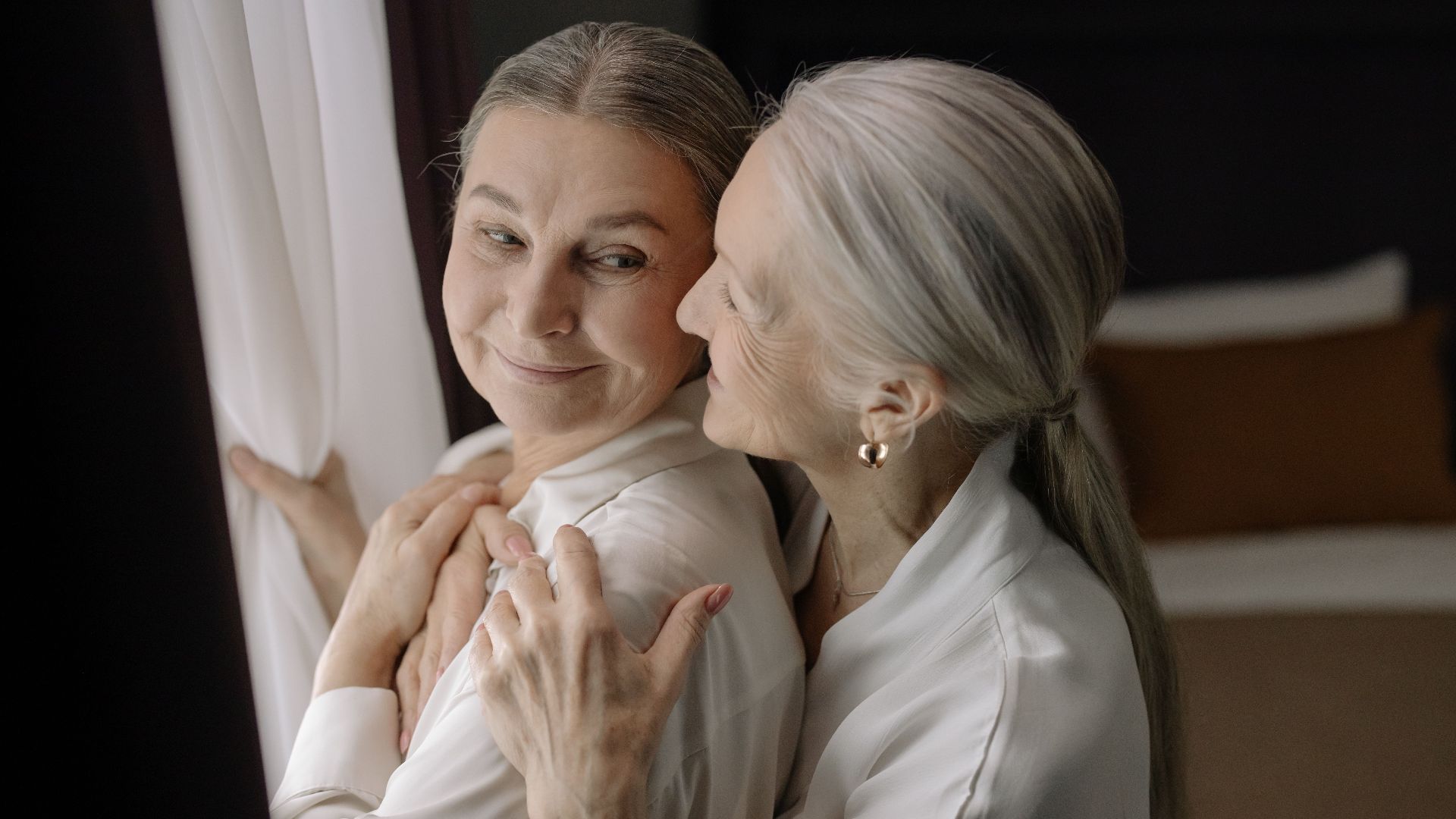
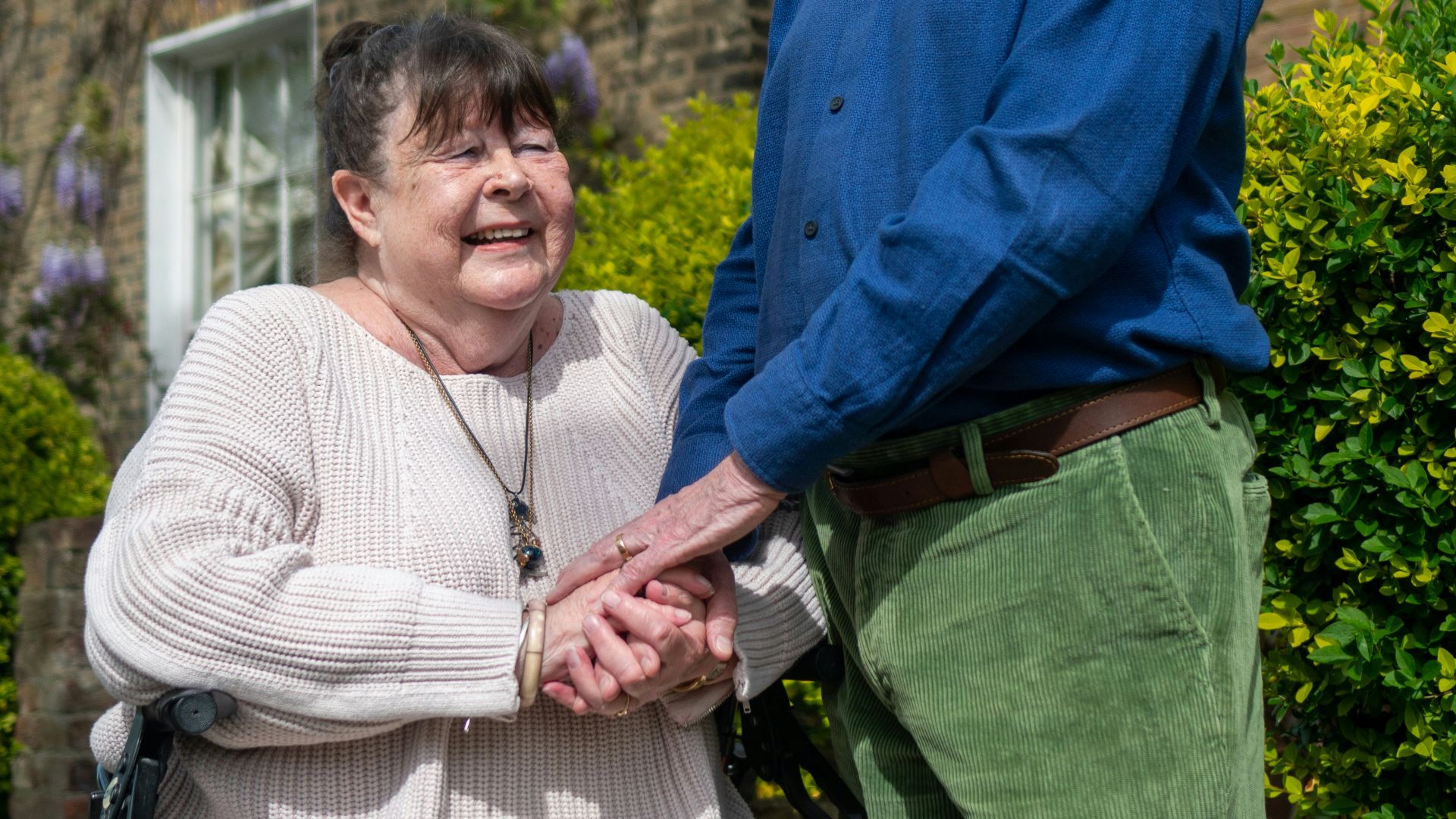
Arthritis, stroke recovery, chronic illness, and limited mobility can change how a couple approaches physical intimacy. None of it erases someone's longing for affection, attraction, or a loving partnership. A caring partner focuses on comfort and open communication instead of assuming that physical limitations close the door on romance entirely.
 Centre for Ageing Better on Unsplash
18. Long-Term Care
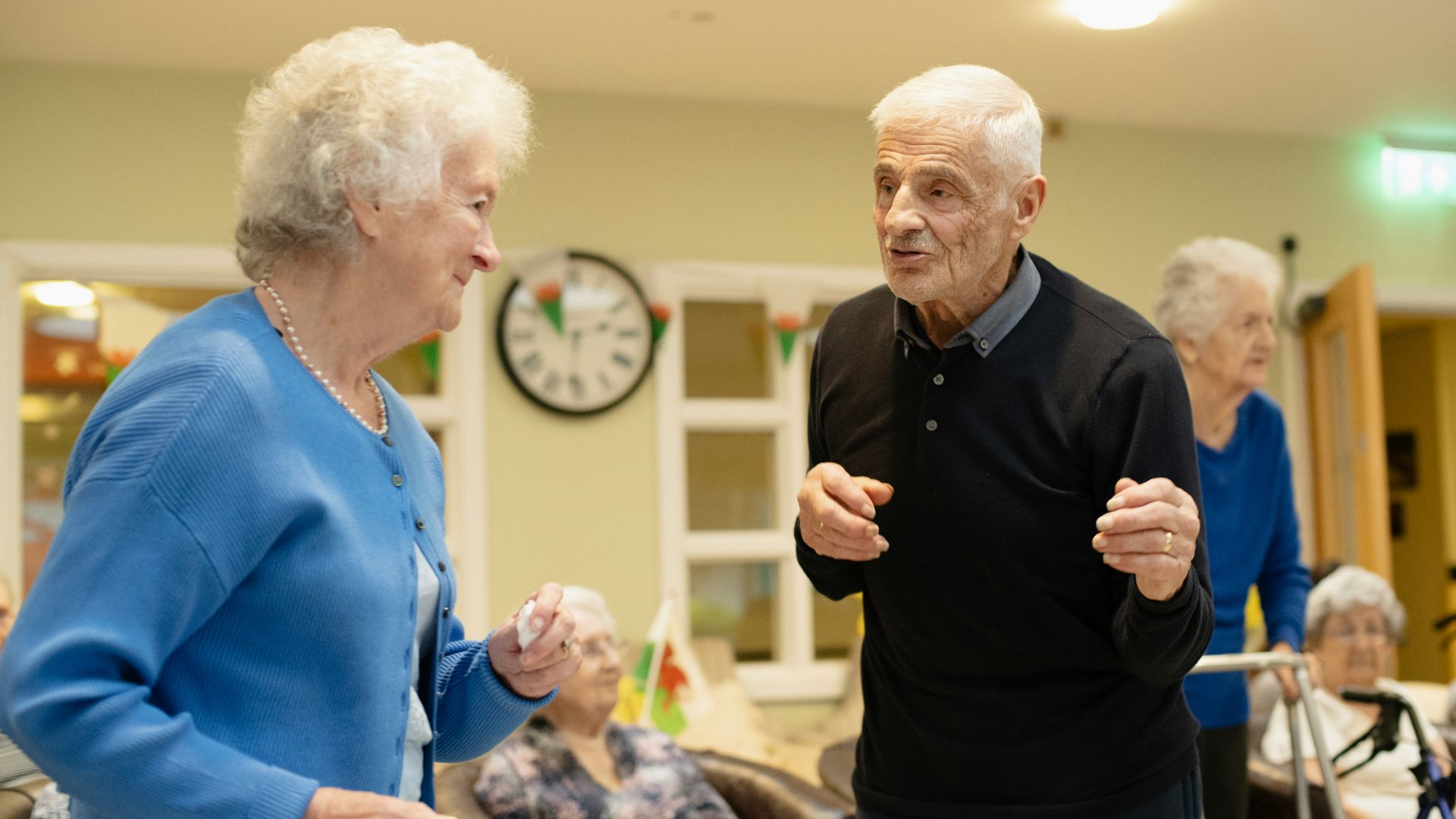
People living in nursing homes and assisted living communities are still adults. They can pursue connections, welcome private visitors, and make their own choices about their lives.
19. A New Relationship Can Feel Freeing
Later-life dating often arrives after years spent putting career, kids, caregiving, or an unhappy marriage ahead of personal happiness. Meeting someone new can help a person rediscover a part of themselves that got shelved for far too long.
20. Senior Romance Isn't Singular
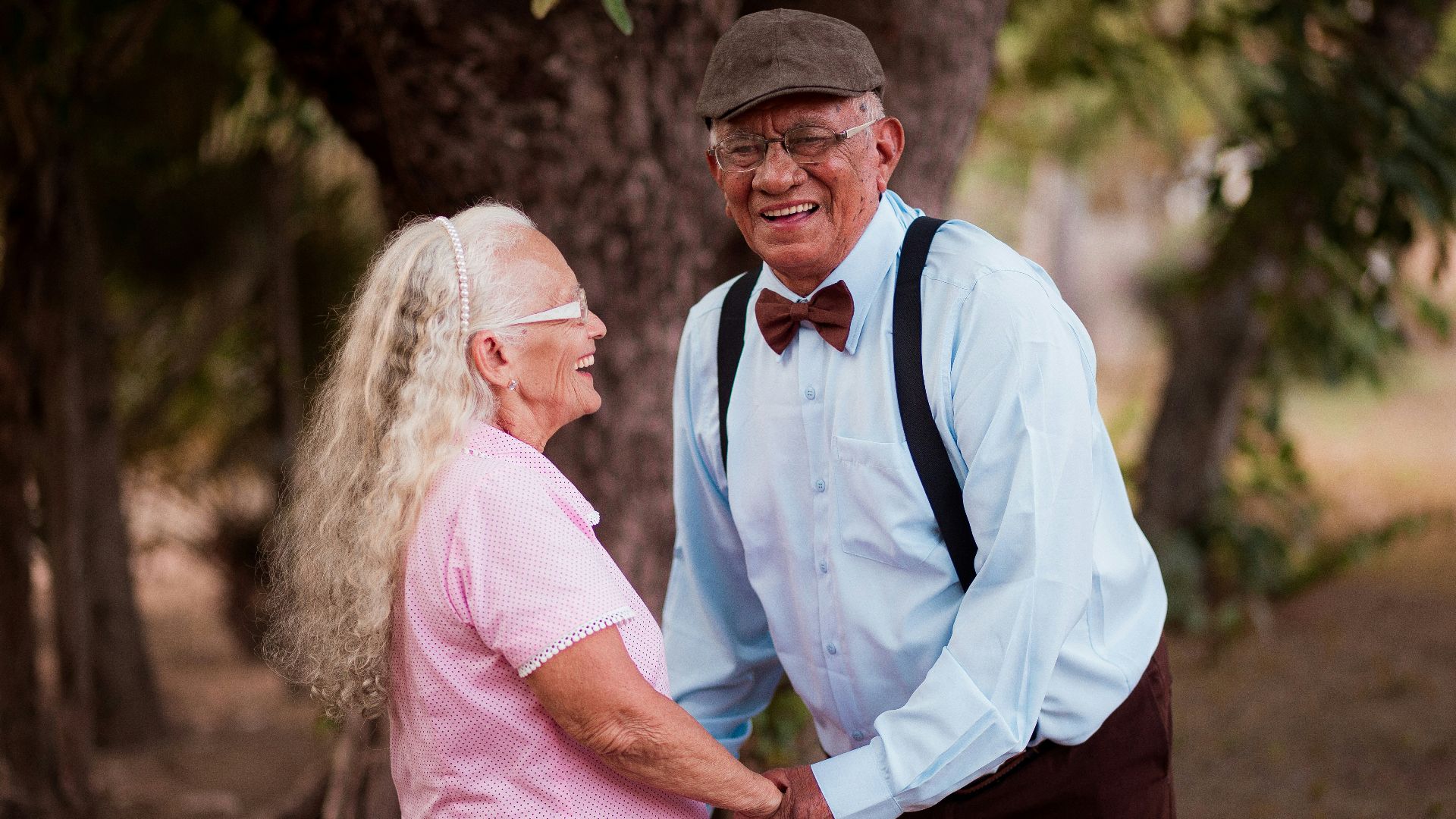
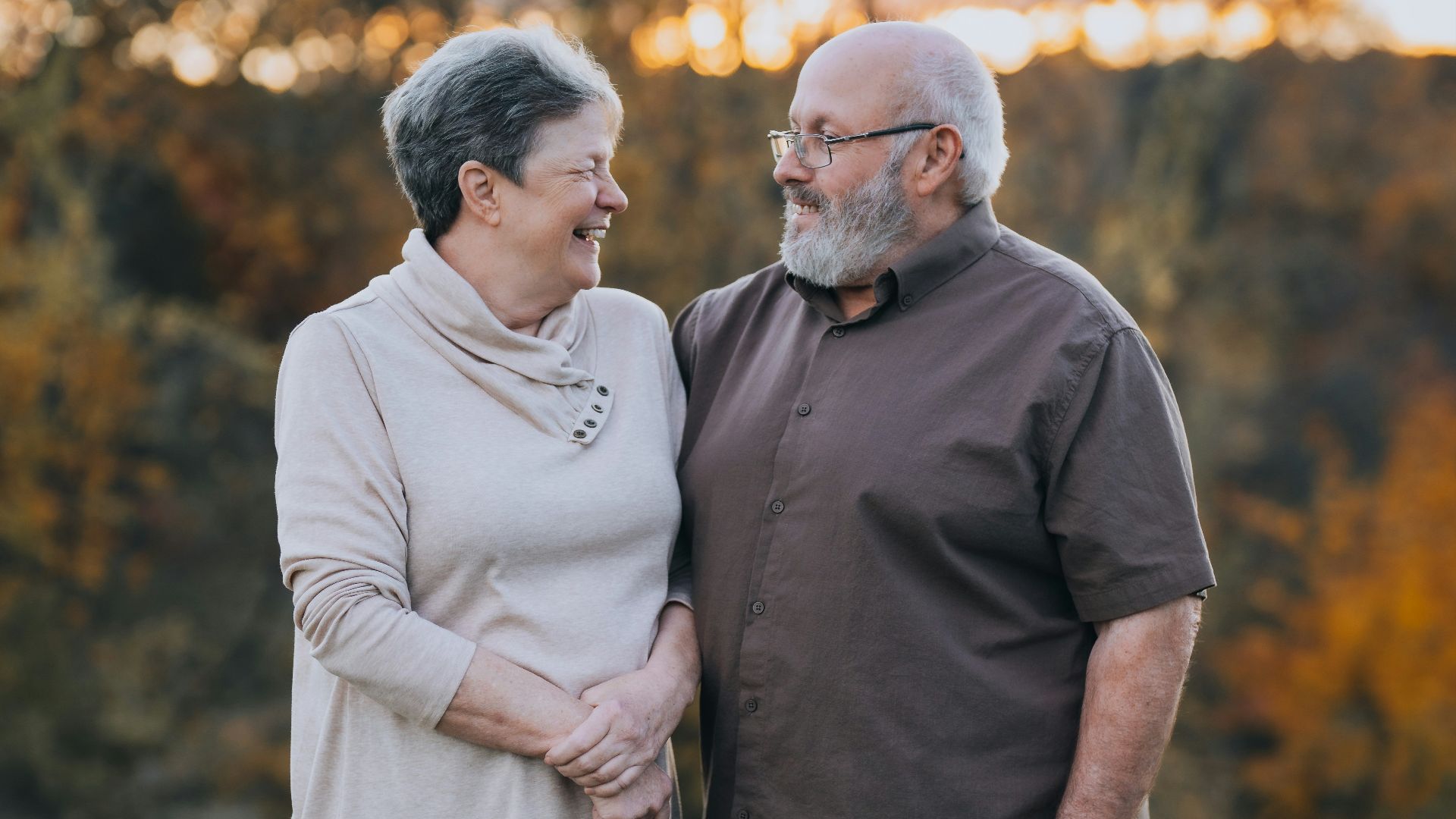
There is no single template for senior love. Older adults deserve to define romance on their own terms, without anyone assuming their most meaningful chapters are already behind them.