

Once Tends to Be Enough
Getting fired isn't exactly an experience anyone looks forward to, but it can completely change how you approach your next job. Whether you saw it coming or were caught off guard, losing your position has a way of making you reconsider everything from your daily responsibilities to your relationships with coworkers. Suddenly, those little workplace habits you never thought twice about start feeling a lot more important. Getting fired might even make you a better employee in the long run. Here are 20 work habits you might develop after going through an unexpected career setback.

1. You Start Documenting Everything
After getting fired once, you quickly realize how valuable it is to have a written record of workplace conversations and decisions. Instead of relying on verbal agreements, you get into the habit of sending follow-up emails to confirm instructions, deadlines, and expectations. Keeping documentation helps prevent misunderstandings and gives you something to refer back to if disagreements come up later. It's a simple change that can make your professional life much less stressful.

2. You Ask for Feedback More Often
Waiting until your annual performance review to find out how you're doing suddenly doesn't seem like the smartest approach, especially if getting fired that one time blindsided you. You make more of an effort to check in with your manager, even when everything seems to be going well. These conversations give you a chance to address potential problems before they become serious enough to put your position at risk.
 Christina @ wocintechchat.com M on Unsplash
3. You Stop Assuming Hard Work Guarantees Job Security
One difficult lesson you might learn is that being a dedicated employee doesn't necessarily mean your job is safe. Companies make employment decisions for all sorts of reasons, including financial pressures, restructuring, and performance concerns. Because of this, you become more conscious of how your contributions fit into the company's bigger picture. Working hard still matters, but you no longer assume it's the only thing keeping you employed.

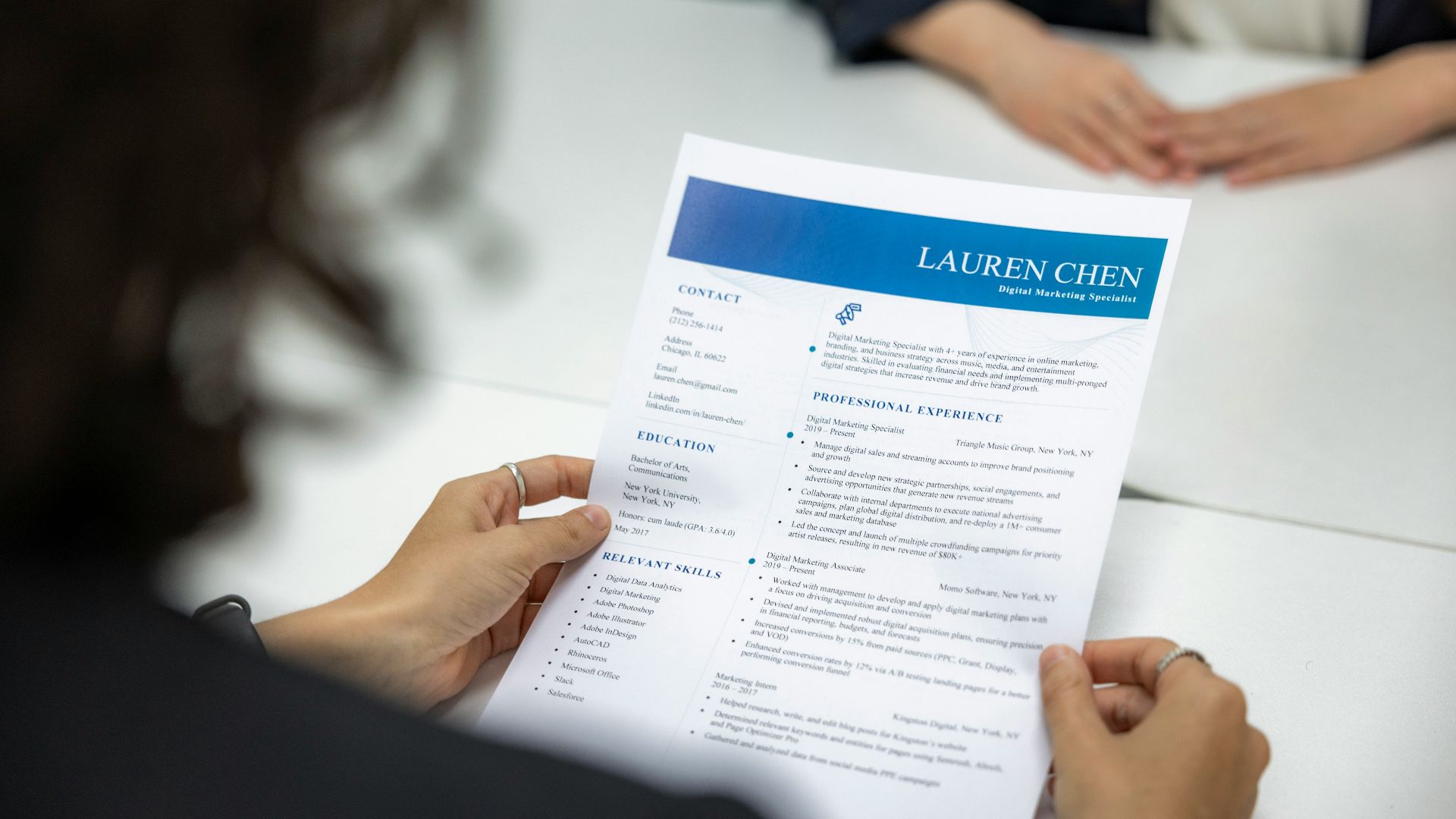
4. You Keep Your Resume Updated
Remember scrambling to recall everything you accomplished at your previous job? That experience probably convinced you to keep your resume updated, even when you're perfectly happy with your current position. Whenever you finish an important project or pick up a new skill, you make a point of adding it to your professional records. This way, you won't have to start from scratch if an unexpected opportunity or setback comes along.
5. You Pay More Attention to Office Politics
Workplace relationships can have a bigger influence on your career than you might initially expect. After losing a job, you may find yourself paying closer attention to how decisions are made, who holds influence, and how different personalities get along. Rather than involving yourself in every disagreement, you become better at recognizing situations that aren't worth your time. Understanding the social dynamics of an office can save you from getting caught up in unnecessary drama.

6. You Become More Careful About What You Say at Work
An unfortunate comment or poorly timed joke can sometimes cause problems that stick around much longer than you'd like. After experiencing a professional setback, you might start thinking twice before venting in meetings or joining in on workplace gossip. That doesn't mean you stop expressing your opinions, but you become more mindful of how and when you share them.

7. You Start Tracking Your Accomplishments
Instead of assuming your manager notices everything you contribute, you begin keeping your own record of professional achievements. Successful projects, improved results, positive client feedback, and extra responsibilities are all worth writing down. Having these examples ready makes performance reviews and salary negotiations much easier to handle. Plus, looking back at everything you've accomplished can be reassuring when you're having a particularly frustrating week.

8. You Take Deadlines More Seriously
Missing the occasional deadline might not seem like a huge deal until you've experienced the consequences of workplace dissatisfaction. At your next job, you're more likely to organize your schedule carefully and speak up early if something might take longer than expected. Instead of hoping your manager won't notice a delay, you address potential problems before they get out of hand. Being someone others can rely on becomes a priority rather than something you take for granted.

9. You Learn to Read Your Manager's Expectations
Not every manager is great at communicating their priorities, which can cause trouble when employees make assumptions about what's expected. After being fired, you might become more comfortable asking questions and clarifying what good performance actually looks like. You also start noticing whether your supervisor prefers independence, regular updates, or specific ways of completing assignments. Getting familiar with these preferences helps you do your job more effectively without constantly wondering if you're meeting expectations.

10. You Stop Taking Constructive Criticism Personally
Negative feedback can be frustrating, especially when you've put a lot of effort into your work. However, getting fired may help you understand that criticism of your performance isn't necessarily criticism of you as a person. Rather than immediately getting defensive, you start asking questions about what you could do differently next time.

11. You Build Better Relationships Outside Your Company
Relying entirely on your current employer for professional opportunities can start to feel risky once you've experienced unemployment. You become more intentional about staying connected with former coworkers, industry contacts, and people you've met at networking events. Even a quick conversation every now and then can help you stay informed about what's happening in your field, introducing you to opportunities you never would've found on your own.

12. You Become More Observant About Changes at Work
A sudden increase in closed-door meetings or an unexpected shift in responsibilities might grab your attention faster than it used to. Having been fired before, you're naturally more interested in understanding what's going on behind the scenes. You may start following company announcements more closely and keeping an eye on leadership changes or business performance. While these developments don't always mean trouble is coming, being informed allows you to make smarter career decisions.

13. You Start Taking Workplace Policies Seriously
Employee handbooks aren't exactly thrilling reading material, but they often contain information that can directly affect your career. After being fired, you might take more interest in understanding attendance rules, performance expectations, and disciplinary procedures. Knowing the policies makes it easier to ask questions when something isn't clear and avoid mistakes that could've been prevented. You also become more familiar with your rights and responsibilities as an employee.

14. You Become More Willing to Admit Mistakes
Trying to cover up an error can sometimes cause more trouble than simply acknowledging it in the first place. Once you've experienced a serious workplace consequence, you may become more comfortable admitting when something hasn't gone as planned. Instead of wasting time coming up with excuses, you focus on explaining what happened and figuring out how to fix it. Most managers appreciate employees who take responsibility and show they're willing to learn from their mistakes.

15. You Make an Effort to Learn New Skills
Losing a job can be a reminder of how quickly professional expectations and industry requirements change. Even after getting comfortable in a new position, you might continue taking courses, learning new software, or developing skills outside your usual responsibilities. Expanding your knowledge gives you more flexibility when you're ready to explore other career opportunities. It can also make your current job more enjoyable, especially if you've been doing the same tasks for years.
 Lyubomyr Reverchuk on Unsplash
16. You Become More Strategic About Speaking Up
There's a difference between offering valuable input and questioning every decision your manager makes. Following a difficult employment experience, you may become more selective about which issues are actually worth addressing. You learn to handle disagreements professionally, back up your suggestions with evidence, and recognize when a conversation isn't going anywhere useful. Being more intentional about how you communicate can actually make people take your opinions more seriously.

17. You Start Setting Better Professional Boundaries
Getting fired can change how you feel about sacrificing your personal time for a job. You might become less willing to answer emails late at night or constantly take on extra responsibilities without discussing your workload first. Instead, you prioritize doing quality work during reasonable hours and making your availability clear to others. Establishing healthier boundaries can help you remain productive without letting your career take over your entire life.
18. You Take Performance Reviews More Seriously
Rather than treating performance evaluations as just another piece of paperwork, you begin seeing them as an opportunity to understand where you stand professionally. You come prepared with examples of your accomplishments, ask questions about expectations, and take note of areas that could use improvement. If your manager brings up a concern, you're more inclined to discuss specific ways you can address it. These conversations also become particularly helpful when you're considering promotions or planning your long-term career.

19. You Always Have a Backup Plan
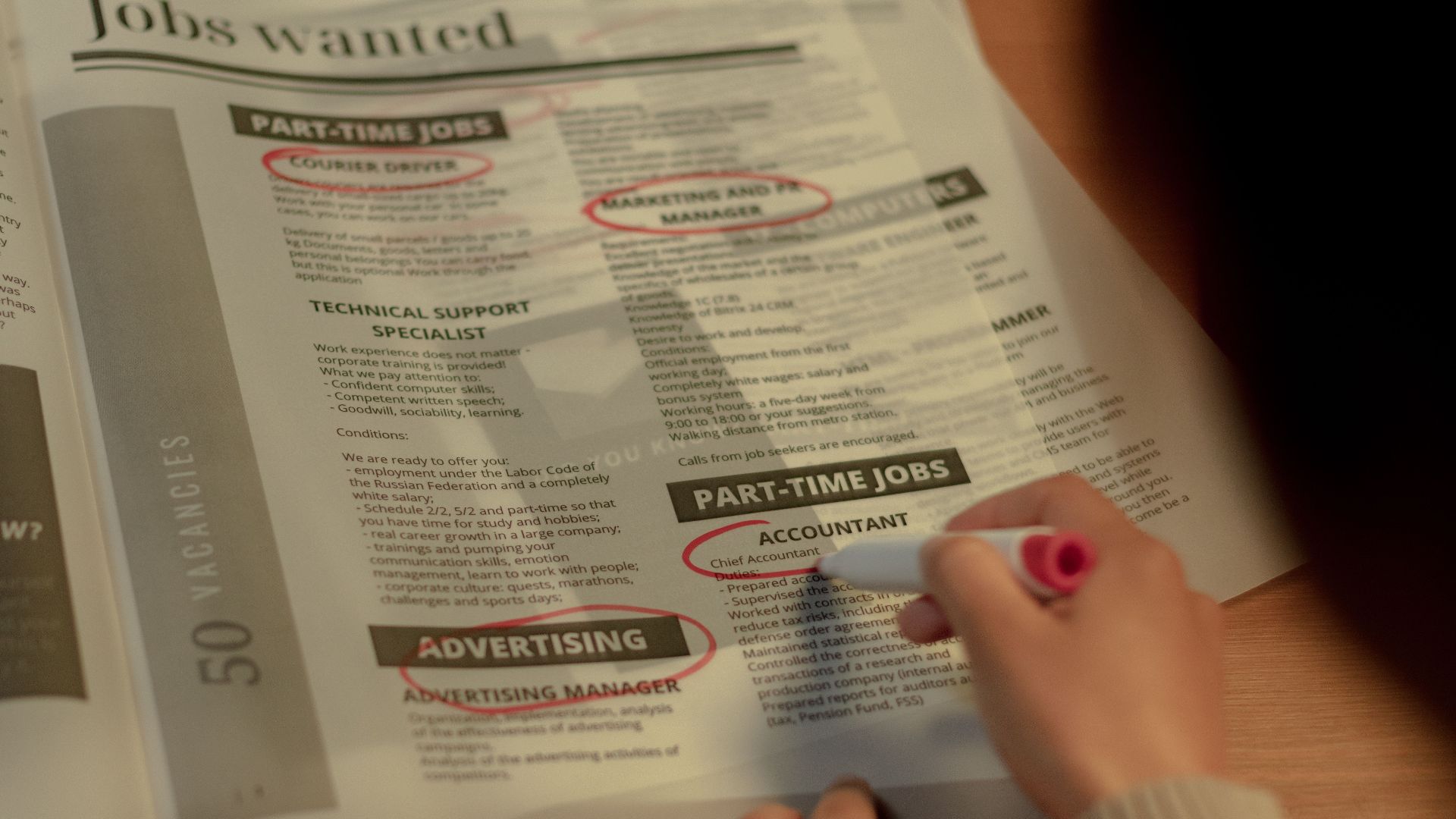
Once you've experienced an unexpected termination, the thought of being completely unprepared for unemployment becomes untenable. You may start building emergency savings, keeping an eye on job opportunities, and making sure your professional references are up to date. Even when everything seems stable at your current job, you feel better knowing you have options if things change. Having a backup plan gives you some much-needed peace of mind.
20. You Stop Letting Your Job Define Your Entire Identity
Perhaps the biggest adjustment comes from how you view your career in general. Getting fired can feel devastating at first, especially when you've spent years putting time and effort into a position you genuinely cared about. Eventually, though, you might come to realize that your professional worth isn't determined by one employer's decision. You still want to do well at work, but you're less likely to let your job title determine how you feel about yourself.