What Your Grip Says About You
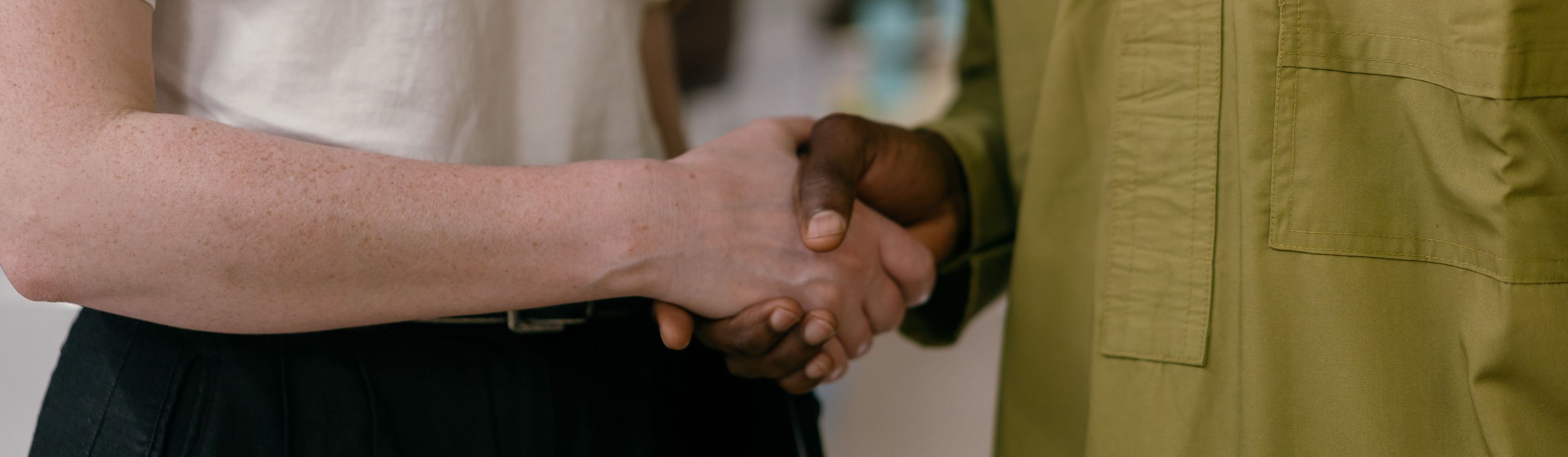
A handshake lasts maybe two seconds, but people form real judgments in that window without even meaning to. Recruiters, first dates, and new neighbors are all quietly reading something into the way you extend your hand. It's not superstition, either; body language researchers have spent decades tracking how grip strength, eye contact, and timing line up with personality traits. Some of these signals are obvious once you notice them, while others are the kind of thing you'd never catch unless someone pointed it out. Here's 20 things your handshake might be revealing before you've said a single word.
1. The Bone-Crusher
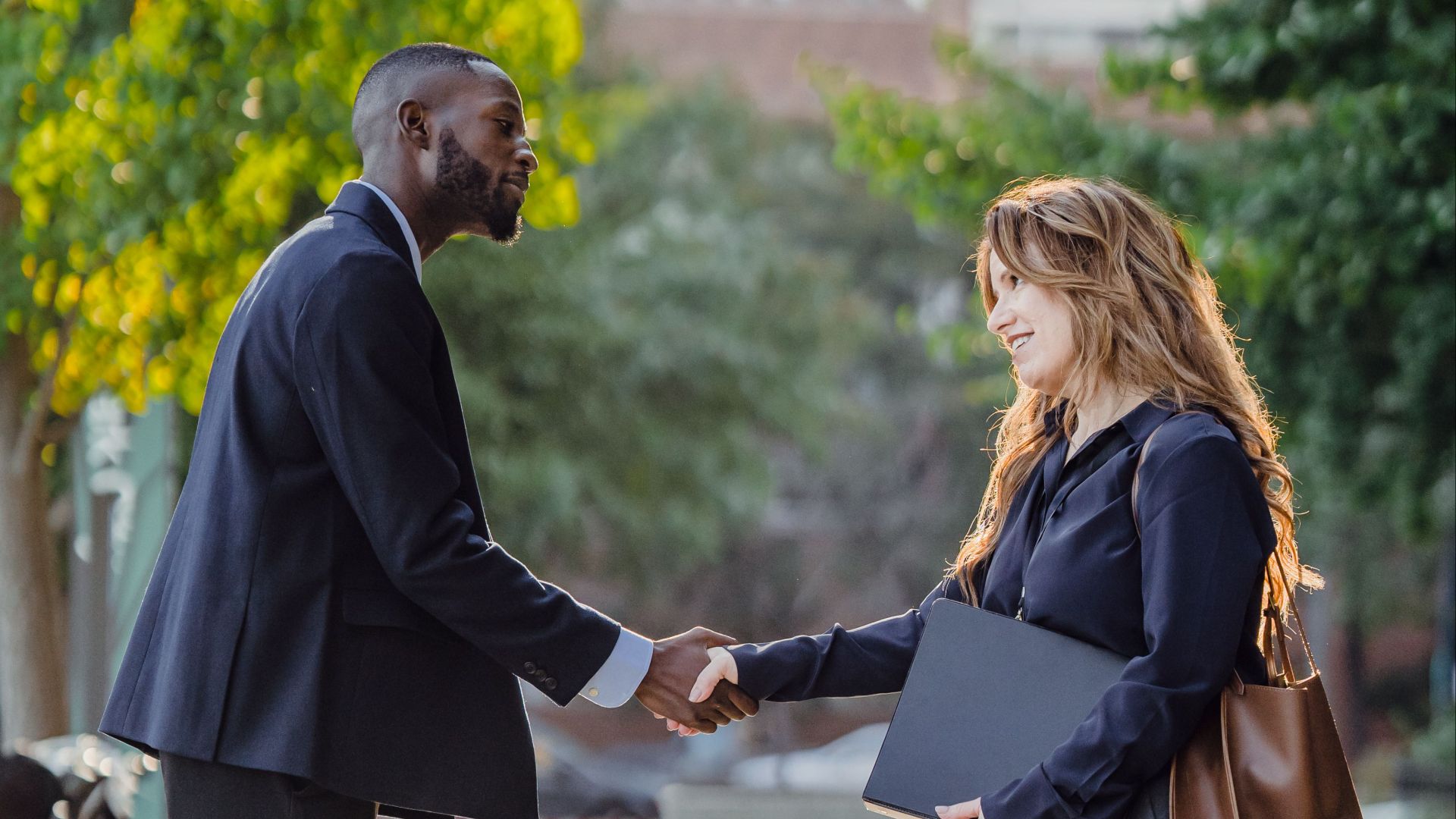
Someone who grips too hard, almost to the point of discomfort, is often compensating for insecurity rather than showing real confidence. It reads as an attempt to dominate the interaction before it even starts. True confidence usually feels steadier and doesn't need to prove anything through force.
2. The Limp Fish
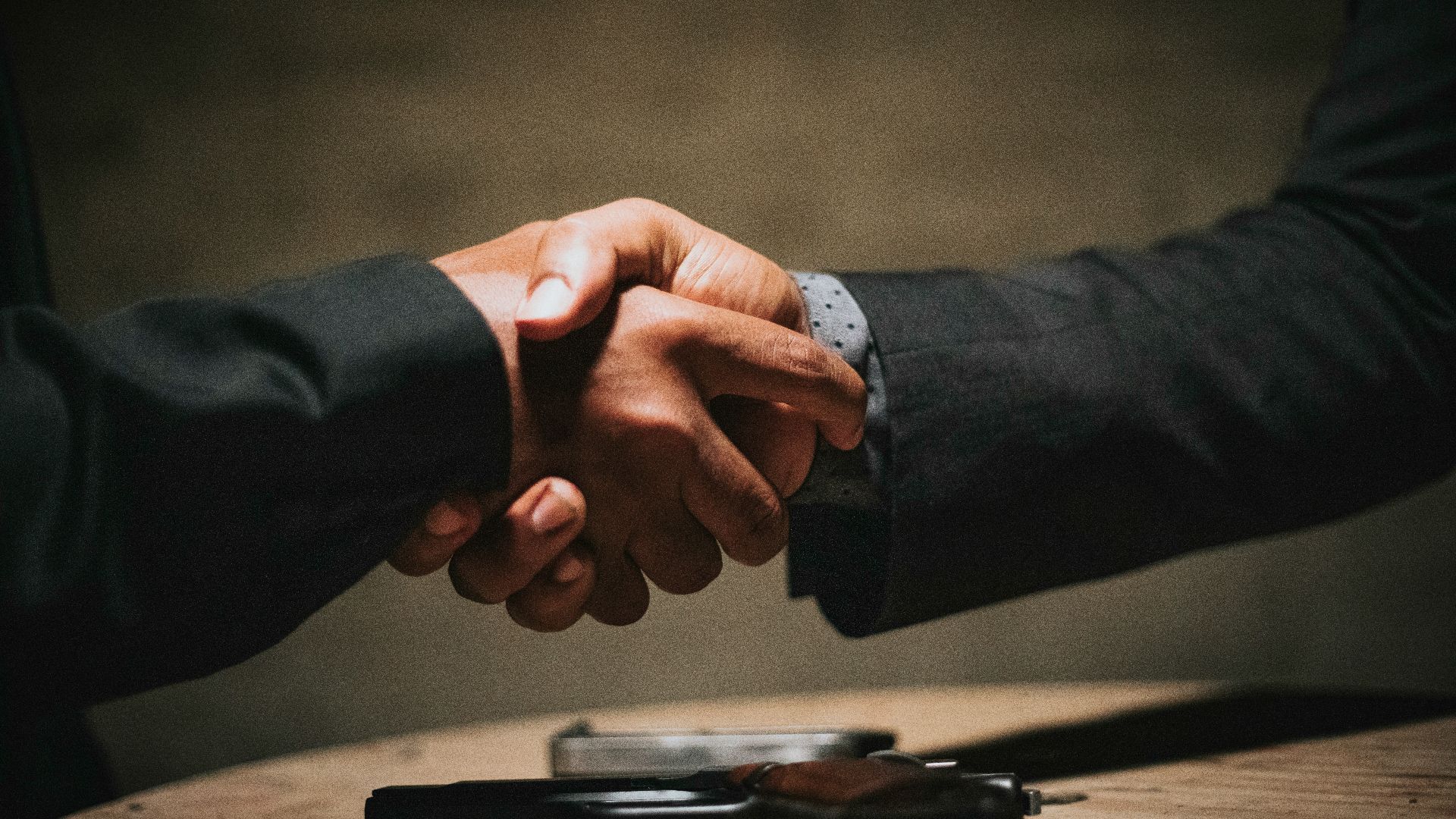
A weak, barely-there handshake tends to signal discomfort or a general reluctance to engage. It's not always shyness, though; sometimes it just means the person wasn't taught a firmer grip growing up. Either way, it can come across as detachment even when that's not the intention.
 https://kaboompics.com/ on Pexels
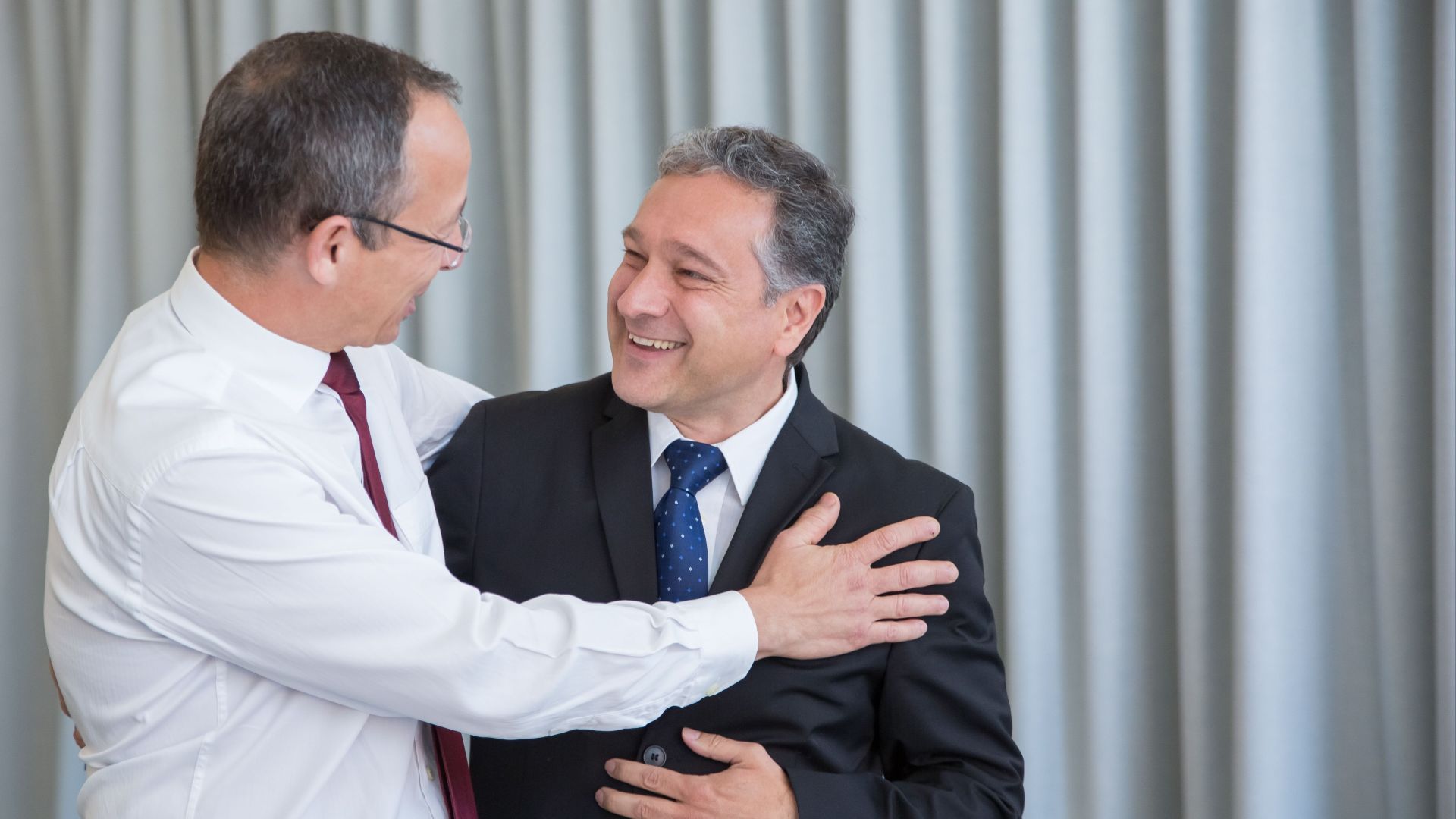
3. The Two-Hander
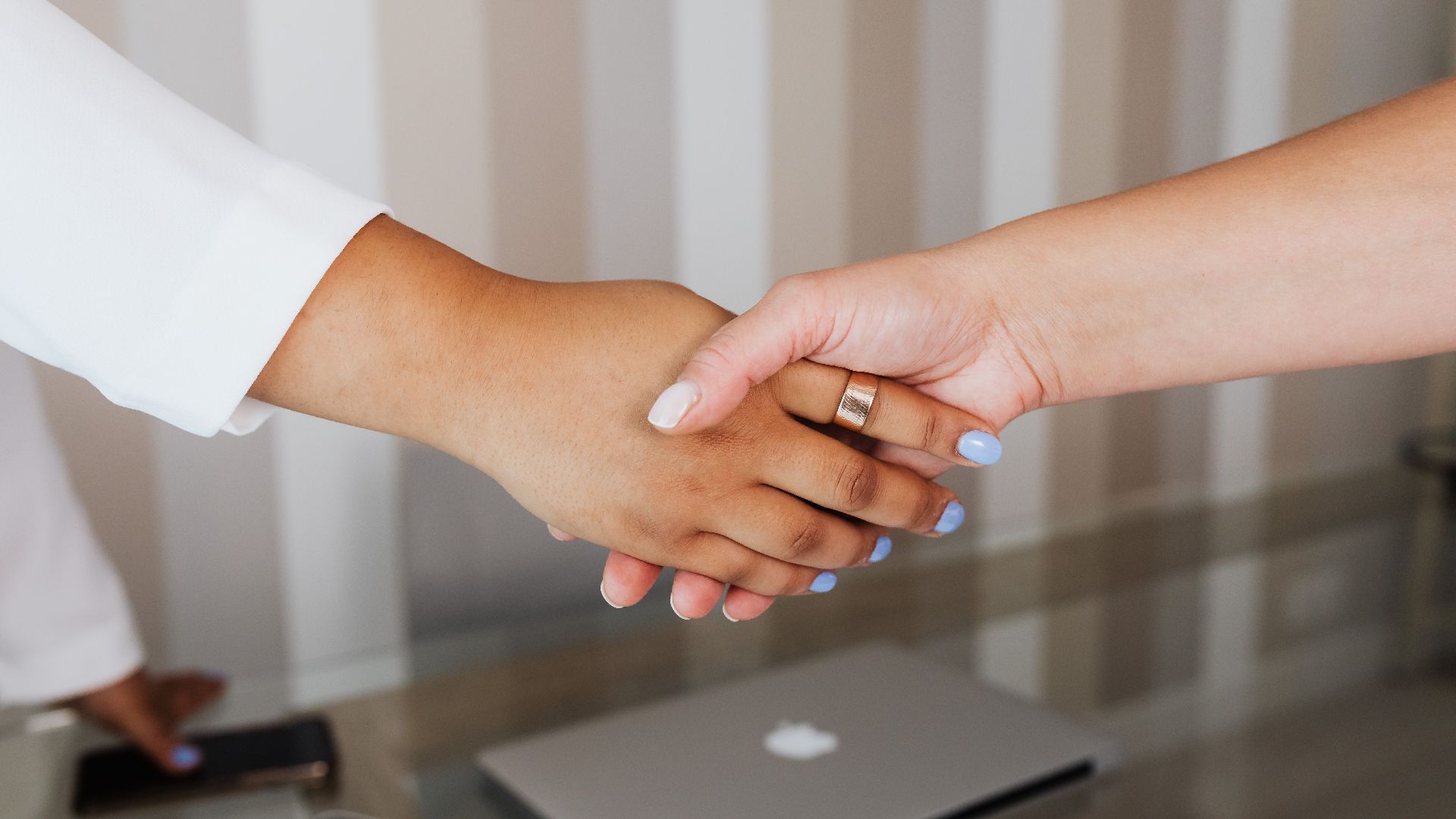
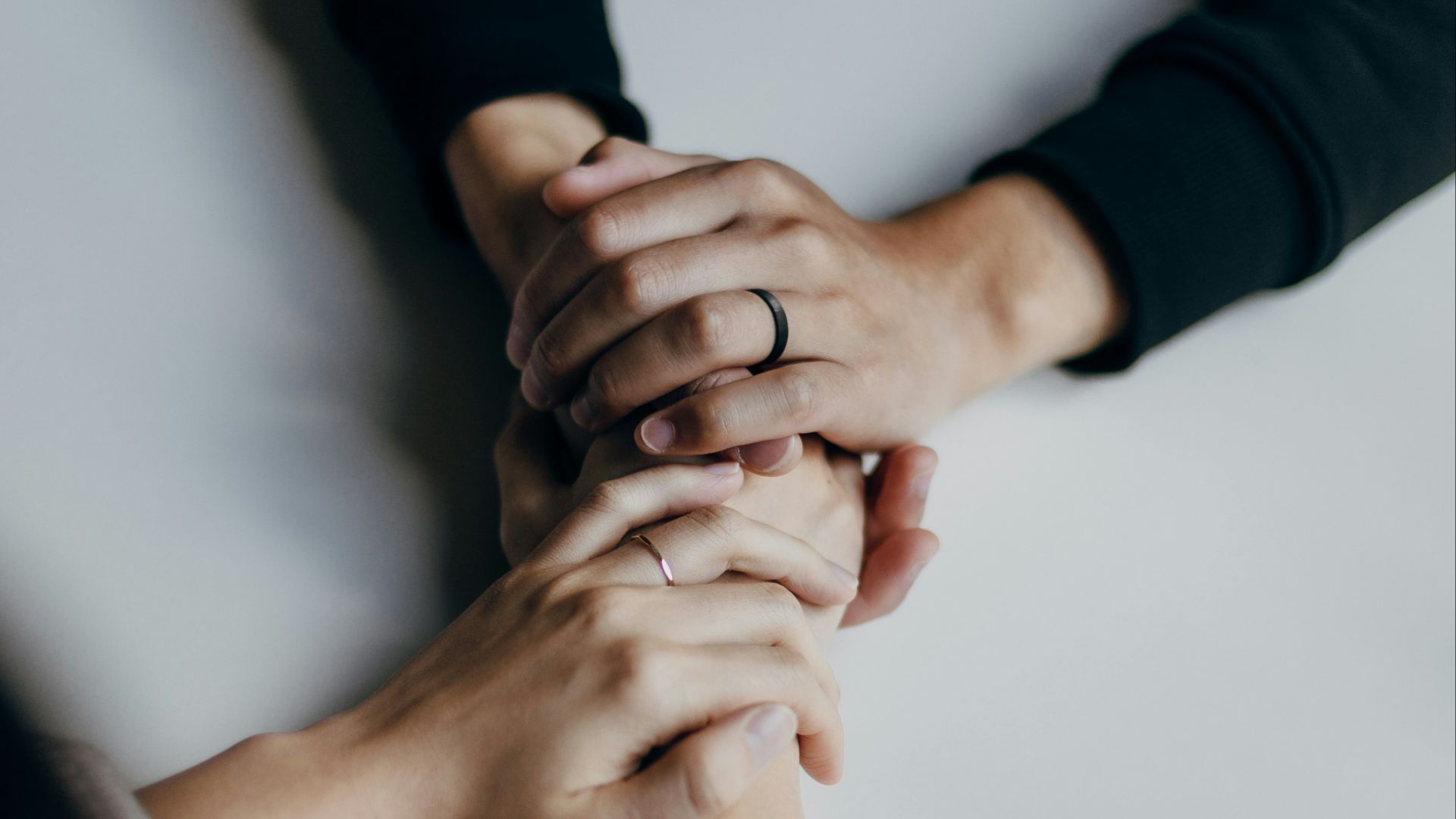
Wrapping your free hand around someone else's during a handshake is meant to convey warmth, but it can tip into feeling manipulative if used too often. Politicians lean on this move constantly, which is part of why people grow suspicious of it. Used sparingly, though, it genuinely does read as sincere.
 Priscilla Du Preez 🇨🇦 on Unsplash
4. The Quick Release
Pulling your hand back almost immediately after contact usually points to someone who's eager to keep things moving or slightly uncomfortable with prolonged touch. It's common among people who value efficiency over small talk. There's nothing wrong with it, but it can unintentionally feel a little cold.
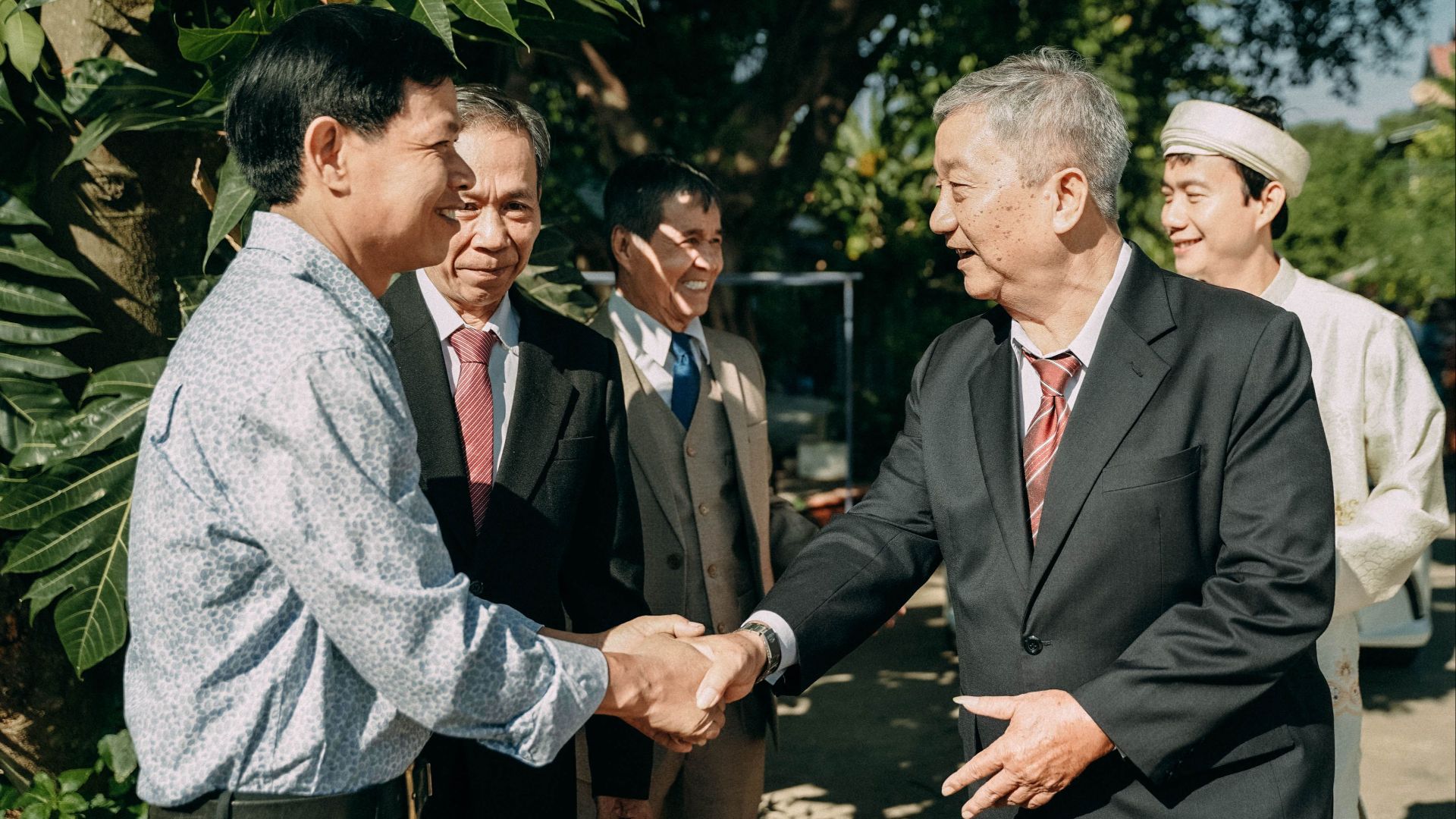
5. The Lingerer
Holding on a beat too long tends to unsettle people, even if the intent behind it is friendliness. It often shows up in individuals who crave connection more than the moment calls for. The awkwardness isn't really about rudeness, it's more about misreading social pacing.
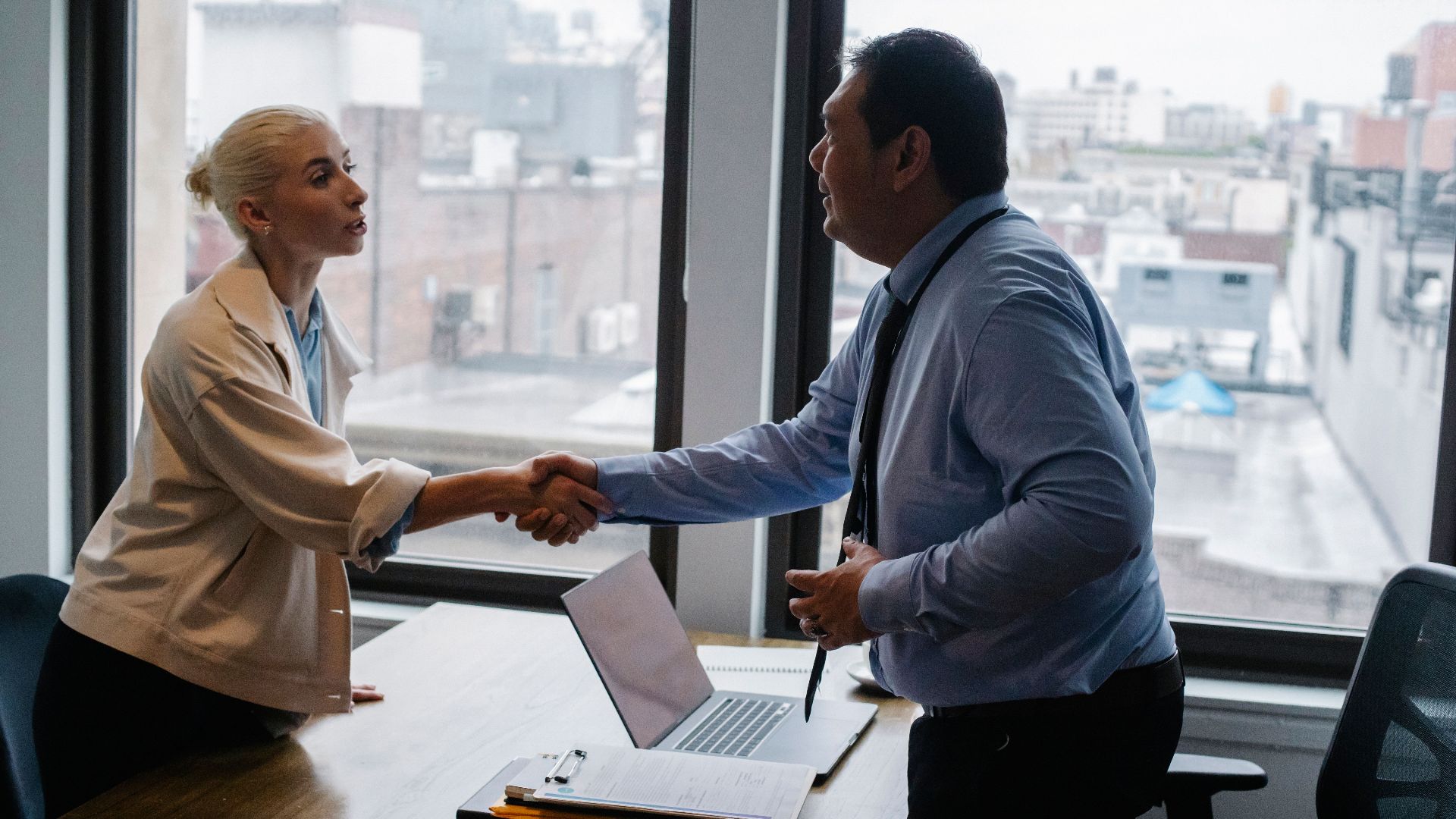
6. The Sweaty Palm
Nervous sweat during a handshake is involuntary, so it's not fair to read too much into it, but people do anyway. It usually just means someone's anxious in the moment rather than generally unreliable. Context matters here more than almost any other handshake trait.
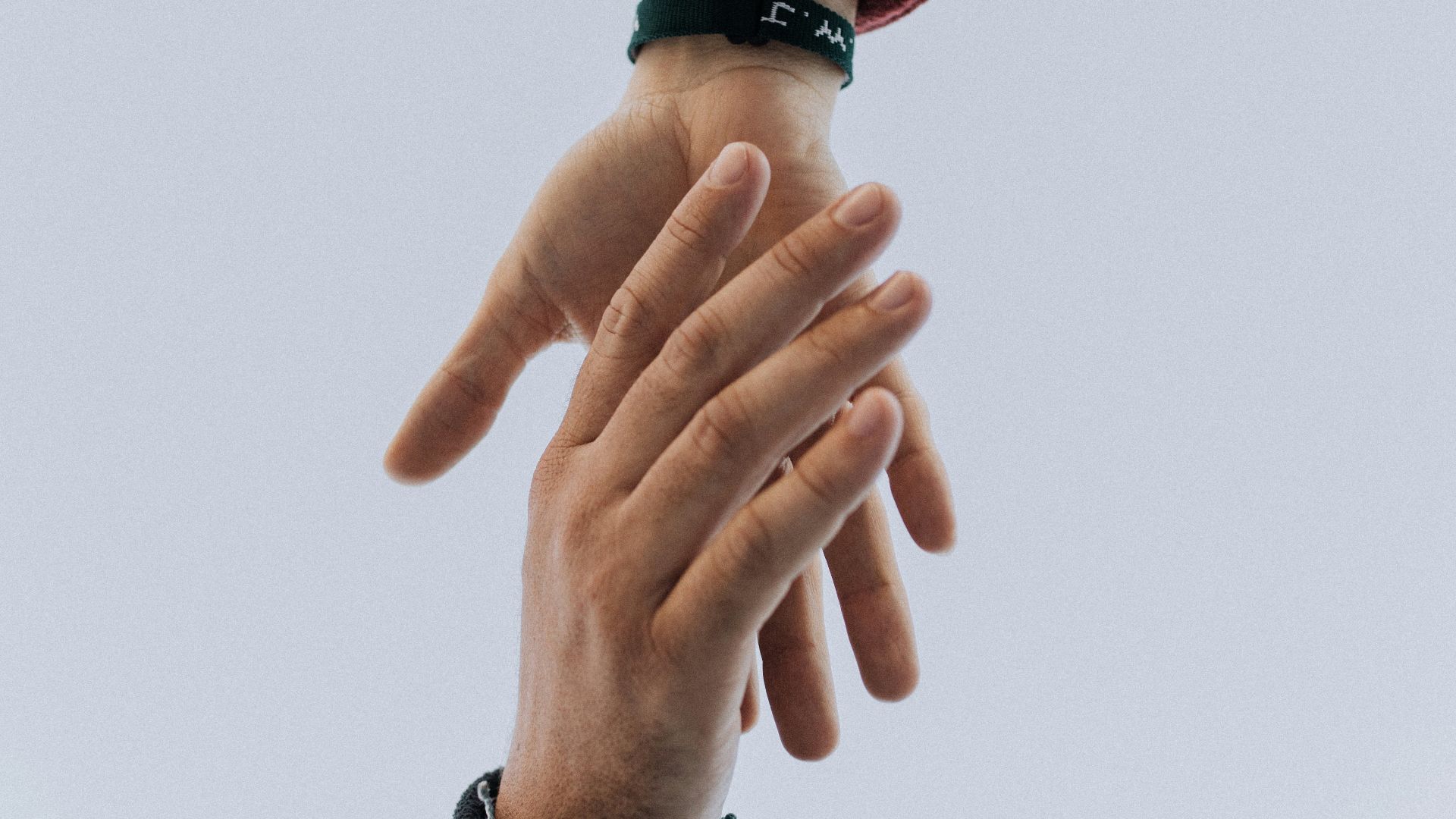
7. The Eye-Contact Avoider
Someone who shakes hands while looking anywhere but at you is often dealing with social anxiety or a genuine lack of confidence in the interaction. It's rarely about disrespect, even though it can be misread that way. This habit tends to soften once the person feels more comfortable with you.
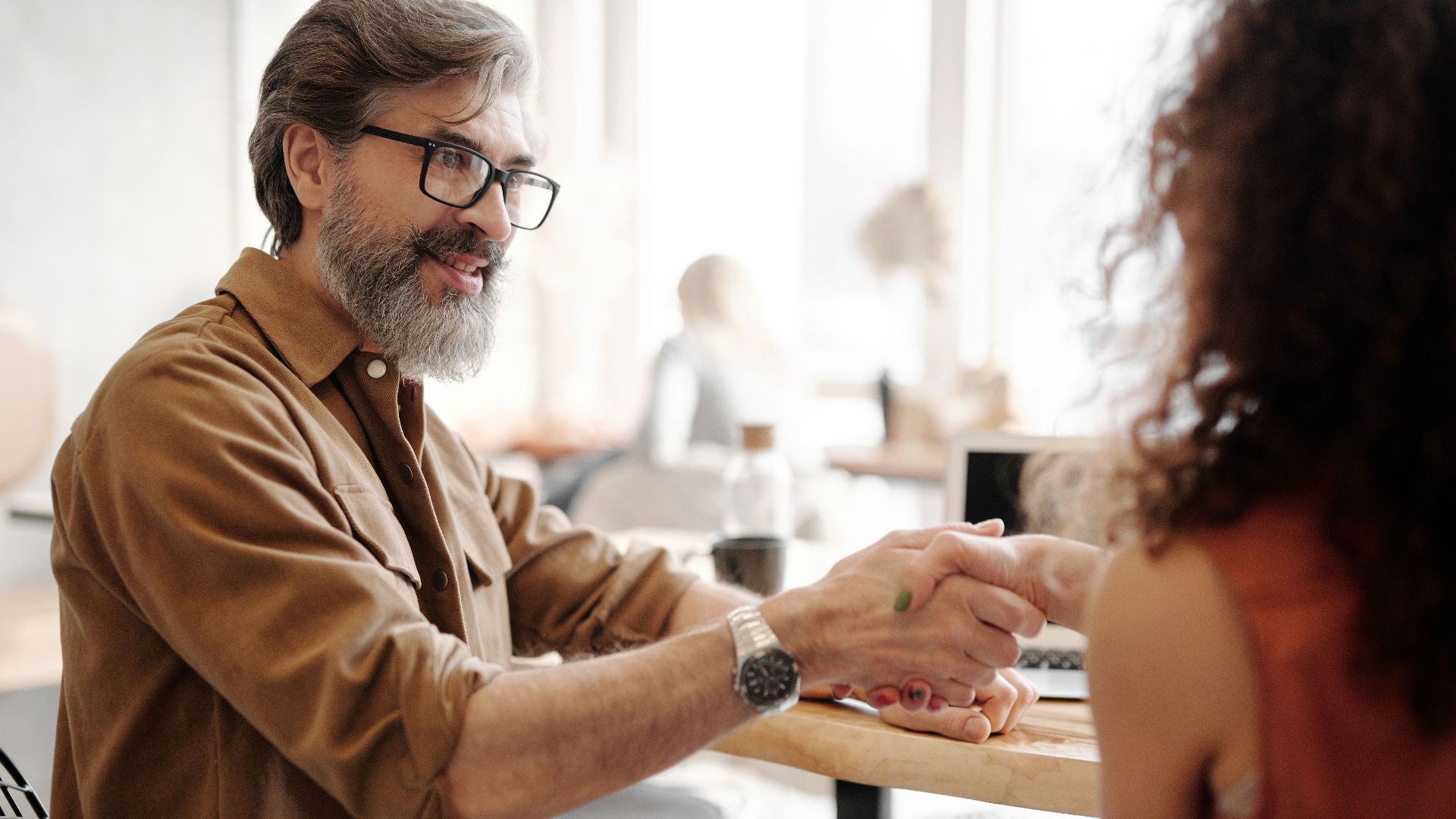
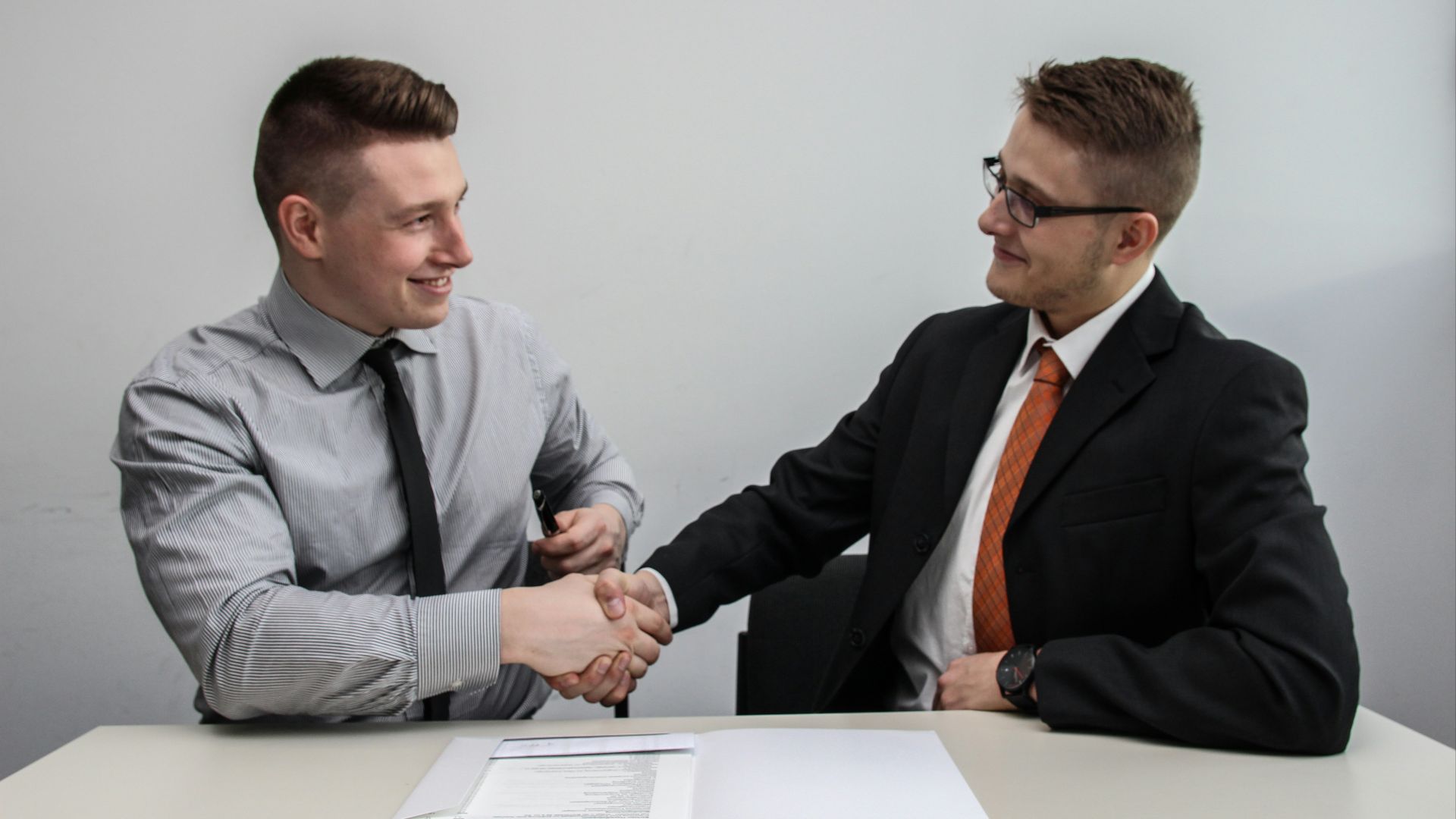
8. The Overly Formal Nod-And-Shake
Pairing a stiff little nod with a handshake usually points to someone raised with strict social expectations around etiquette. It can come across as reserved or even guarded at first meeting. Once you get past the formality, these people are often warmer than the greeting suggests.
 Sebastian Herrmann on Unsplash
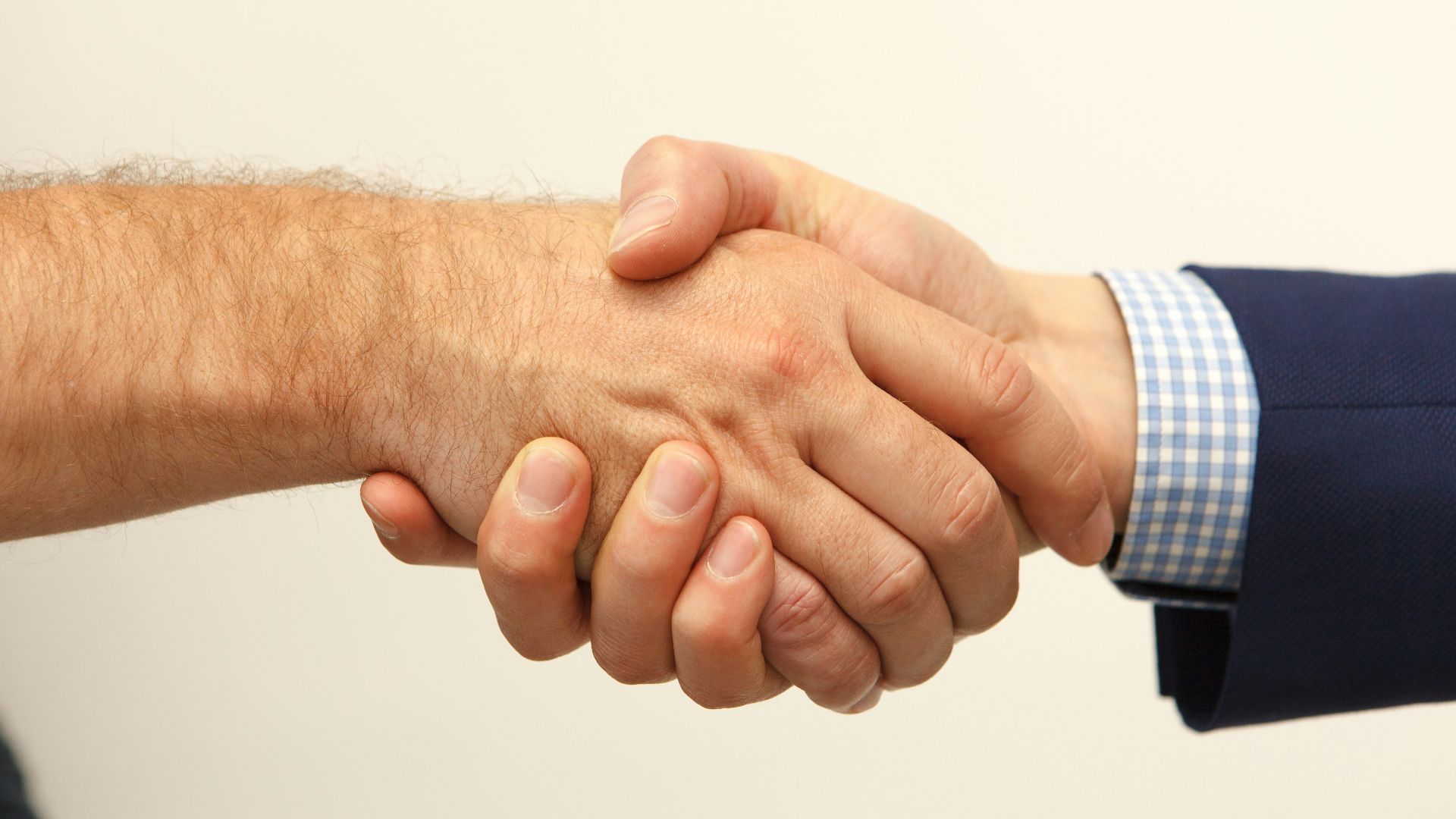
9. The Palm-Down Dominator
Turning your hand slightly downward so the other person's palm faces up is a subtle but well-documented power move. It's common in negotiation settings and among people who like to set the tone early. Most people don't consciously notice it happening, but they feel the imbalance anyway.
 Constantin Wenning on Unsplash
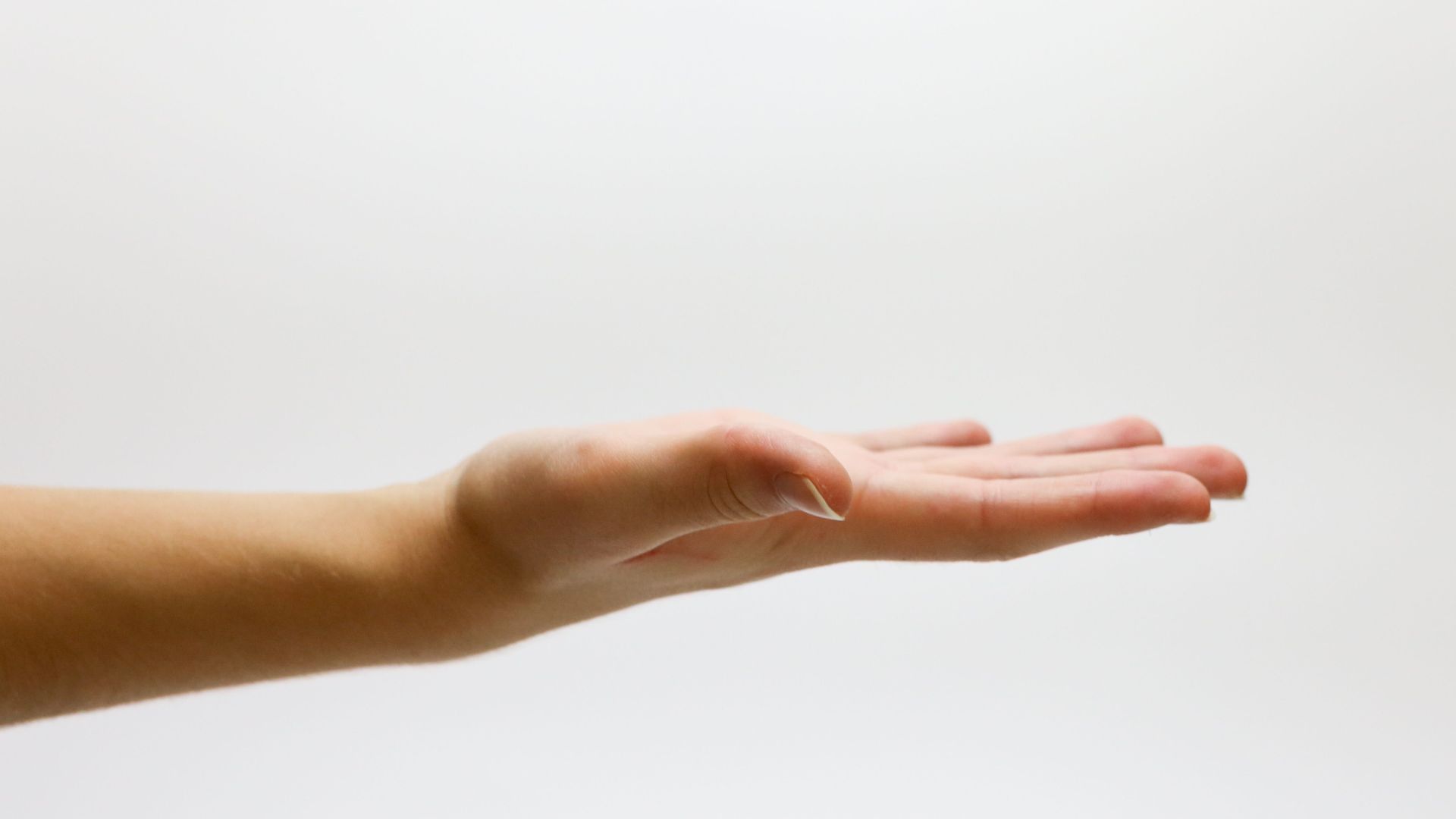
10. The Palm-Up Submitter
The opposite gesture, offering your hand palm-up, tends to signal deference or a desire to avoid conflict. It's frequently seen in customer-facing roles where people are trained to appear approachable. On its own, it's not a weakness, just a different way of managing the interaction.
11. The Distance-Keeper
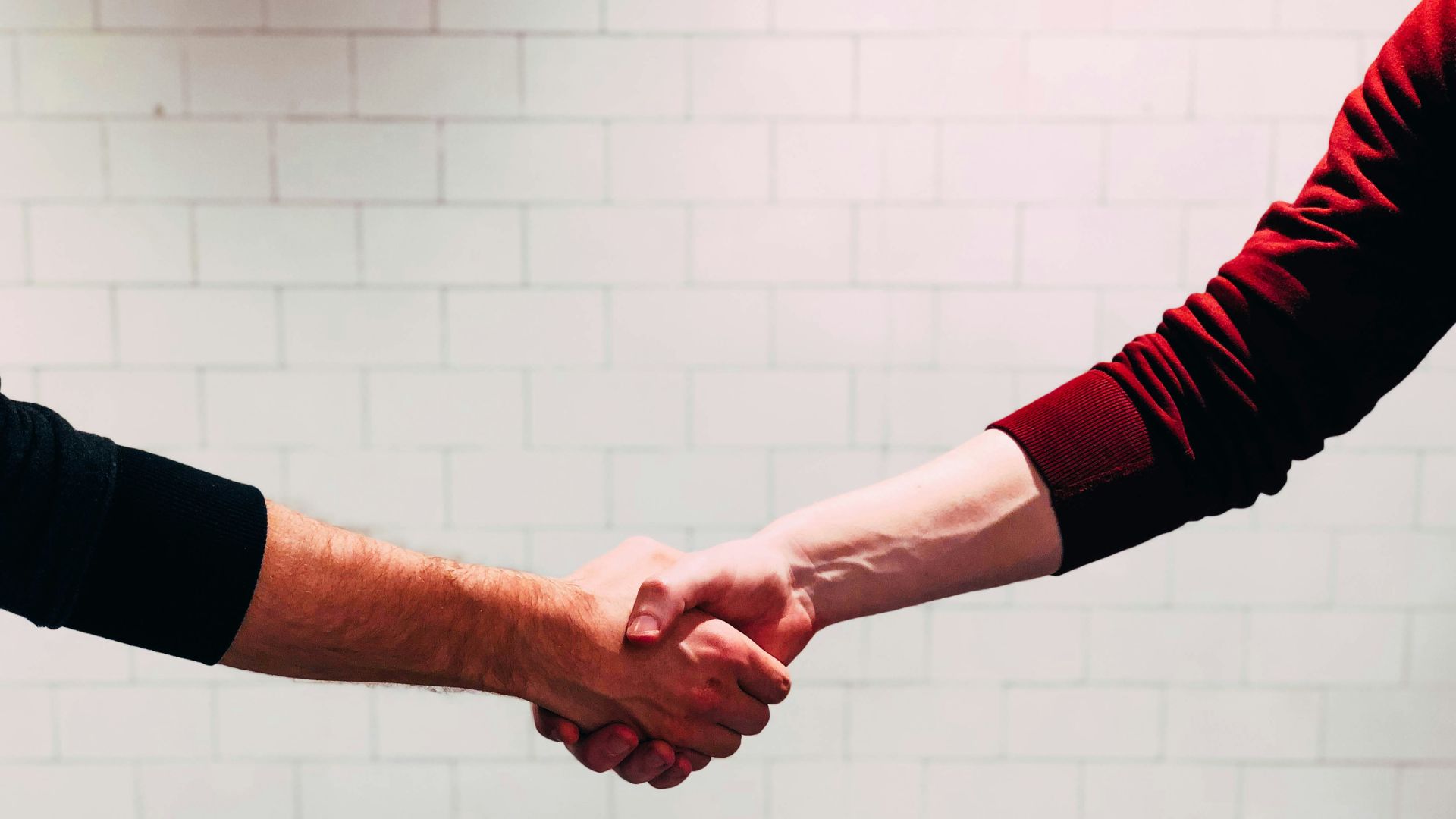
Someone who leans back or keeps extra space during a handshake is usually protective of personal boundaries. It doesn't necessarily mean they dislike you, they might just need more physical space than average to feel at ease. This trait shows up often in people who value independence generally.
12. The Full-Body Lean-In
Stepping in close during a handshake, sometimes closing more distance than expected, often points to an extroverted, high-energy personality. These people tend to build rapport quickly and aren't fazed by physical closeness. It can feel intense to more reserved types, though it's rarely meant that way.
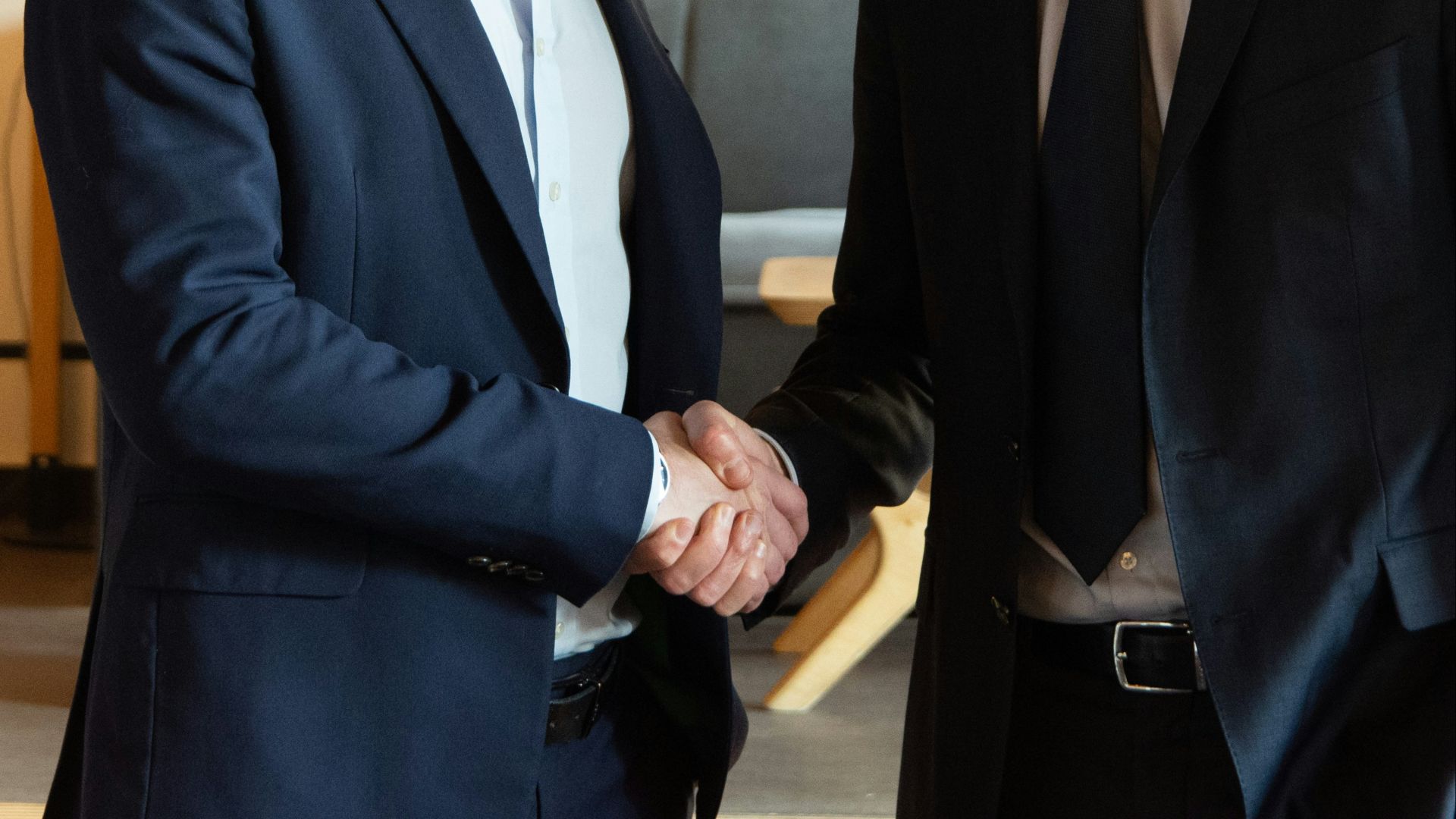
13. The Double-Pump
Shaking hands with two firm pumps instead of one is associated with decisiveness and a preference for clear, efficient communication. It's a pattern common among people who like closure and dislike lingering in ambiguity. You'll notice it a lot in fast-paced business environments.
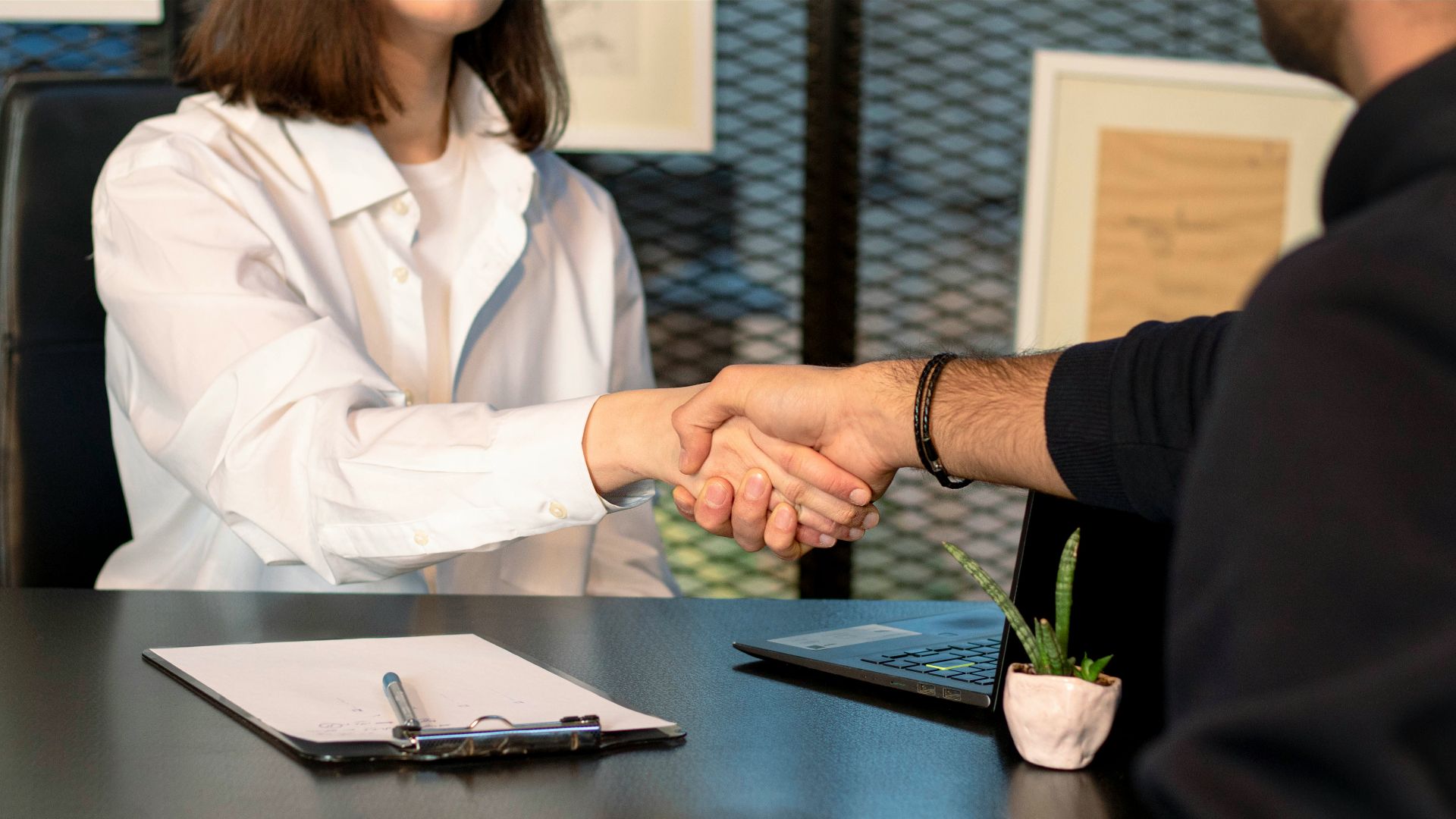
14. The Single Slow Shake
One deliberate, unhurried shake tends to belong to people who think before they speak and generally move through life at their own pace. It can read as calm or, less generously, as detached, depending on the rest of their body language. Patience is usually the more accurate read.

15. The Finger-Only Grip
Offering just the fingers instead of a full palm-to-palm grip often signals discomfort with physical contact altogether. It's sometimes cultural, and sometimes just personal preference with no deeper meaning attached. Either way, it tends to create a slightly awkward, incomplete feeling for the other person.
16. The Smiler
Handshakes paired with a genuine, relaxed smile are strongly linked to openness and emotional warmth. It's one of the more reliable positive signals, since forced smiles are notoriously hard to fake convincingly. People who do this naturally tend to put others at ease almost instantly.

17. The Interrupted Shake
Someone who gets distracted mid-handshake, checking a phone or glancing away, is usually signaling divided attention rather than rudeness. It happens most in busy environments where people are juggling too much at once. Still, it tends to leave a small, lingering impression of carelessness.
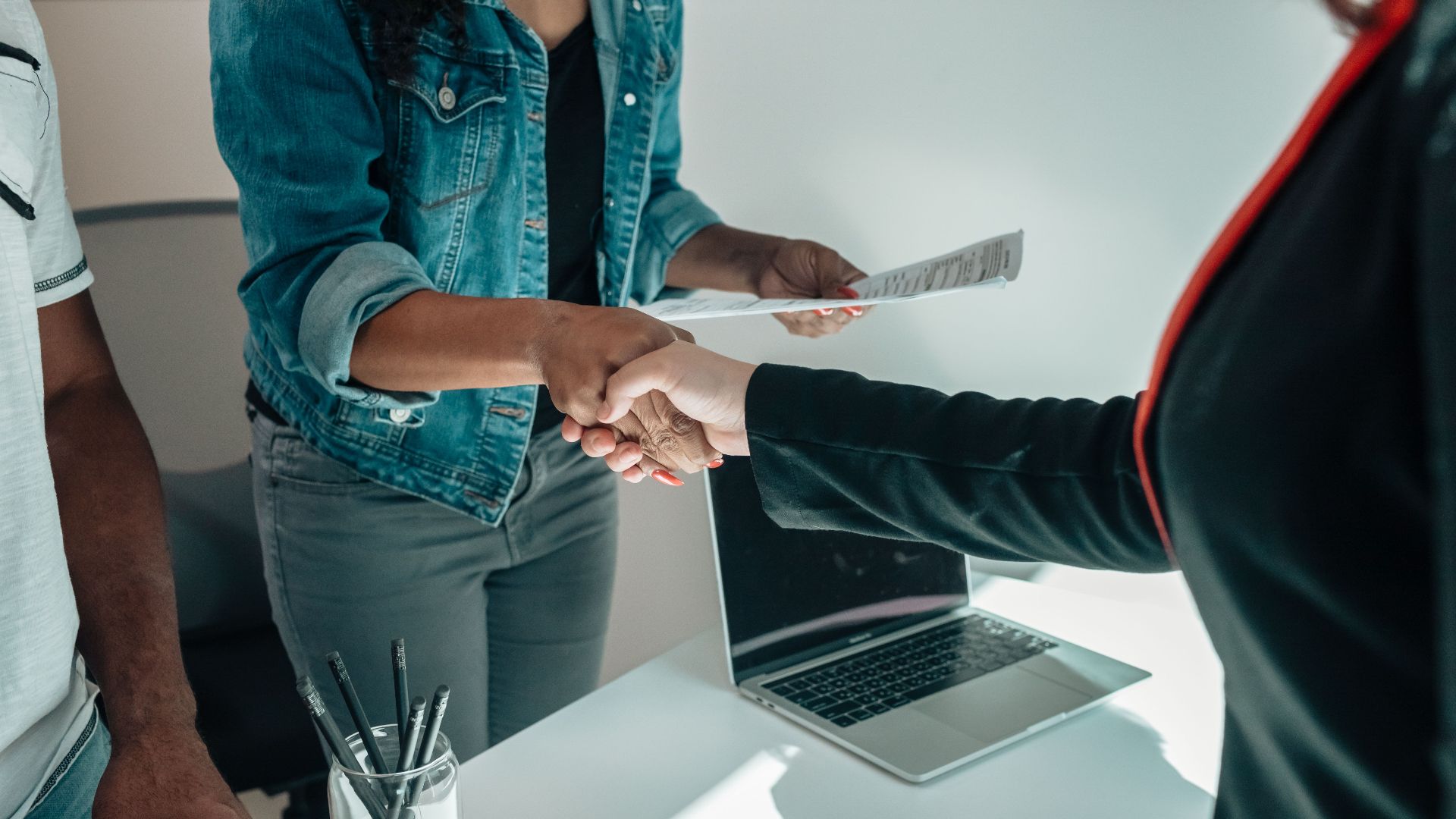
18. The Perfectly Timed Shake
A handshake that matches the other person's pace and pressure almost instinctively usually belongs to someone with strong social awareness. These people read a room quickly and adjust without even thinking about it. It's a subtle skill, but it makes a noticeable difference in how trustworthy they seem.

19. The Vertical Straight-Arm
Keeping the arm rigid and fully extended during a handshake, almost like a barrier, often points to someone guarded or unwilling to let people in easily. It creates literal distance in an interaction meant to build connection. This pattern is common among people who've been burned by trusting too quickly before.
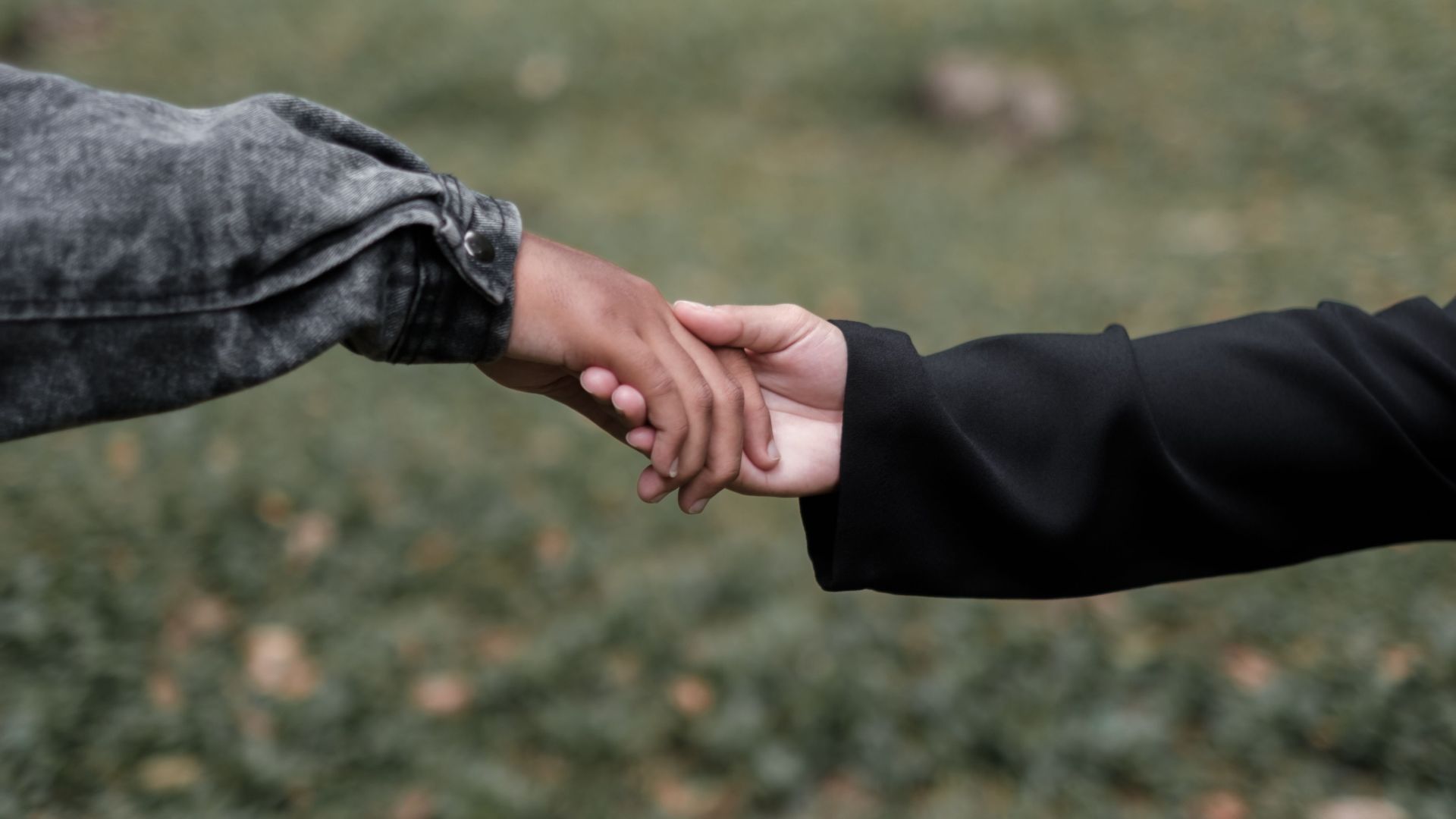
20. The Warm Wrap-Up
Ending a handshake with a light pat on the shoulder or arm signals a desire to leave a lasting, positive impression. It's common among natural networkers who think carefully about how interactions end, not just how they begin. Done sincerely, it tends to make people feel genuinely valued rather than worked.