
Looking To Avoid Costly Mistakes?
Buying a home is often one of life’s biggest milestones, but excitement can easily overshadow caution. Many buyers jump in with enthusiasm, only to encounter costly surprises that could have been avoided if they paid attention to the right things. When buying a new home, each choice shapes the long-term comfort and value of your purchase, and here, we offer a thoughtful look at 20 common missteps that can impact both your wallet and your peace of mind. Let's dive in!

1. Skipping Mortgage Pre-Approval
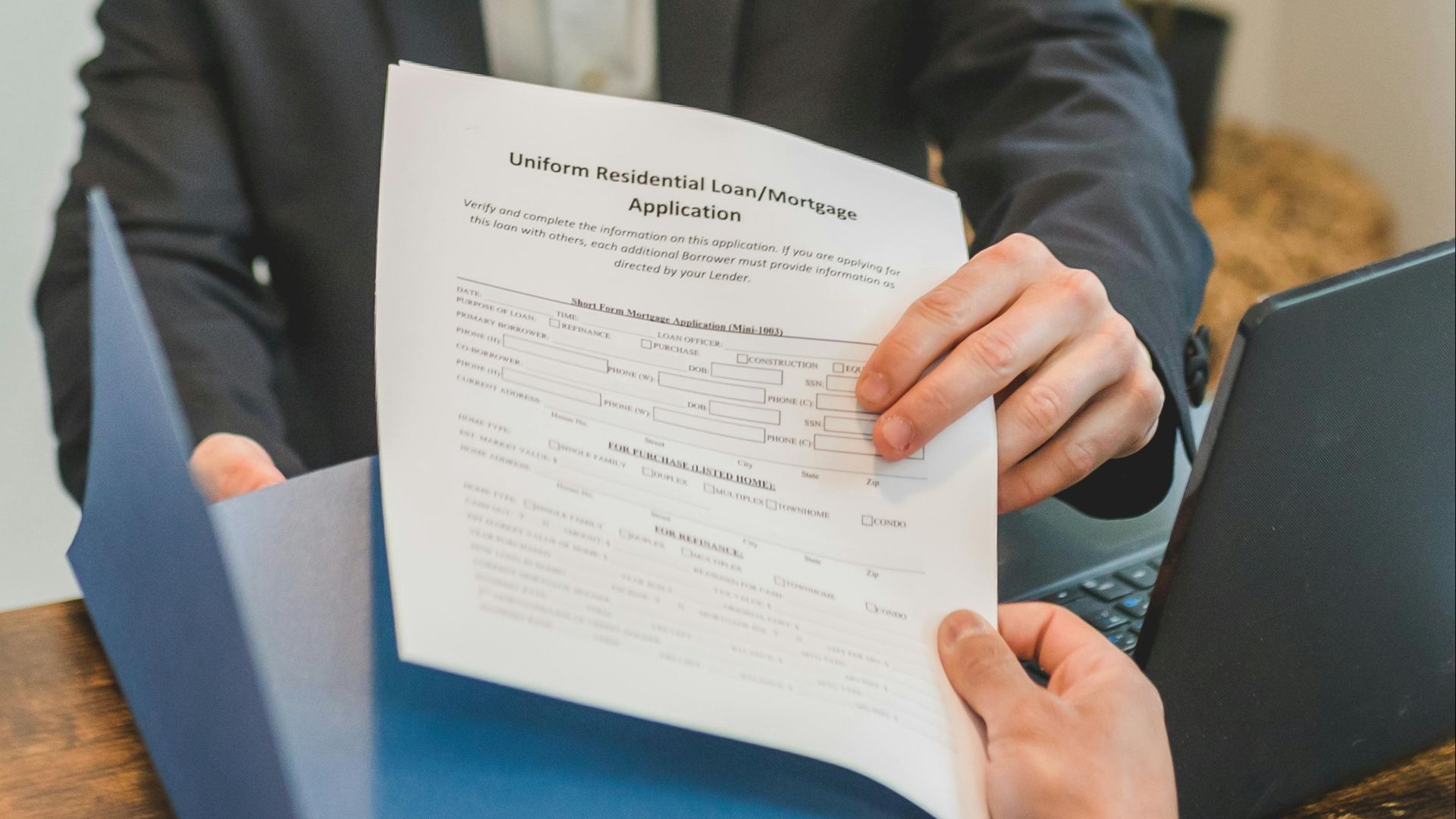
Before you start touring dream homes, getting pre-approved is essential. Without it, you risk chasing properties beyond your budget and losing credibility with sellers. Some buyers are even pleasantly surprised to learn they qualify for more than expected during pre-approval.
2. Neglecting A Home Inspection
A professional inspection can uncover serious issues like roof damage or structural problems before you commit. However, skipping it leaves you with no repair leverage and costly surprises. On a single home purchase, home inspections can actually save buyers tens of thousands.

3. Making Large Purchases Before Loan Approval
Big buys before closing may sink your mortgage. New debt lowers credit scores, and lenders re-check finances before approval. Even a new car can ruin a deal, and lenders can see some of these purchases in real time, not just during application.
 Antoni Shkraba Studio on Pexels
4. Making Emotional Decisions Over Logical Ones
Falling for a home’s charm can blind you to costly flaws, and emotional buys often push budgets higher than planned. Many buyers feel regret just weeks later, once the emotional high fades and the financial and other realities set in.

5. Not Considering Seasonal Market Trends
Timing matters in real estate. Prices and competition peak in busy seasons, while winter often brings better deals and fewer buyers. Spring listings tend to shine with blooming natural beauty, and many families move before a new school year starts, creating hot demand.

6. Failing To Compare Loan Options
Lenders can differ drastically in rates and terms, and even a slight rate drop can save tens of thousands over the life of your loan. Some banks offer perks like waived fees, and online mortgage calculators can reveal “hidden” lender fees most people miss.

7. Forgetting About Closing Costs
Closing costs often sneak up on unprepared buyers and can total 2–5% of the purchase price. Without planning, this last-minute bill may cause chaos. Sometimes sellers will cover part of them, but only if you know how to negotiate before signing the deal.

8. Buying Beyond Your Budget
When lenders can approve more than you can comfortably afford, overspending on a home can quickly turn into “house poor” living—plenty of house, but little left for anything else. Bidding war wins fade fast when bills arrive and can even strain relationships.
 Photo By: Kaboompics.com on Pexels
9. Underestimating Repair And Maintenance Expenses
Homeownership comes with ongoing costs, often 1–3% of the property’s value each year. Skip maintenance, and those costs multiply. A new roof can rival the price of a small car, while a leaky faucet wastes hundreds of gallons yearly.
 Antoni Shkraba Studio on Pexels
10. Not Checking The Home’s Resale Potential
What you love in a home might not charm future buyers, and poor resale value can trap you when life changes. Homes on cul-de-sacs commonly sell faster, while those with overly customized features, like built-in aquariums, can lower appeal.

11. Overlooking Property Taxes And Insurance
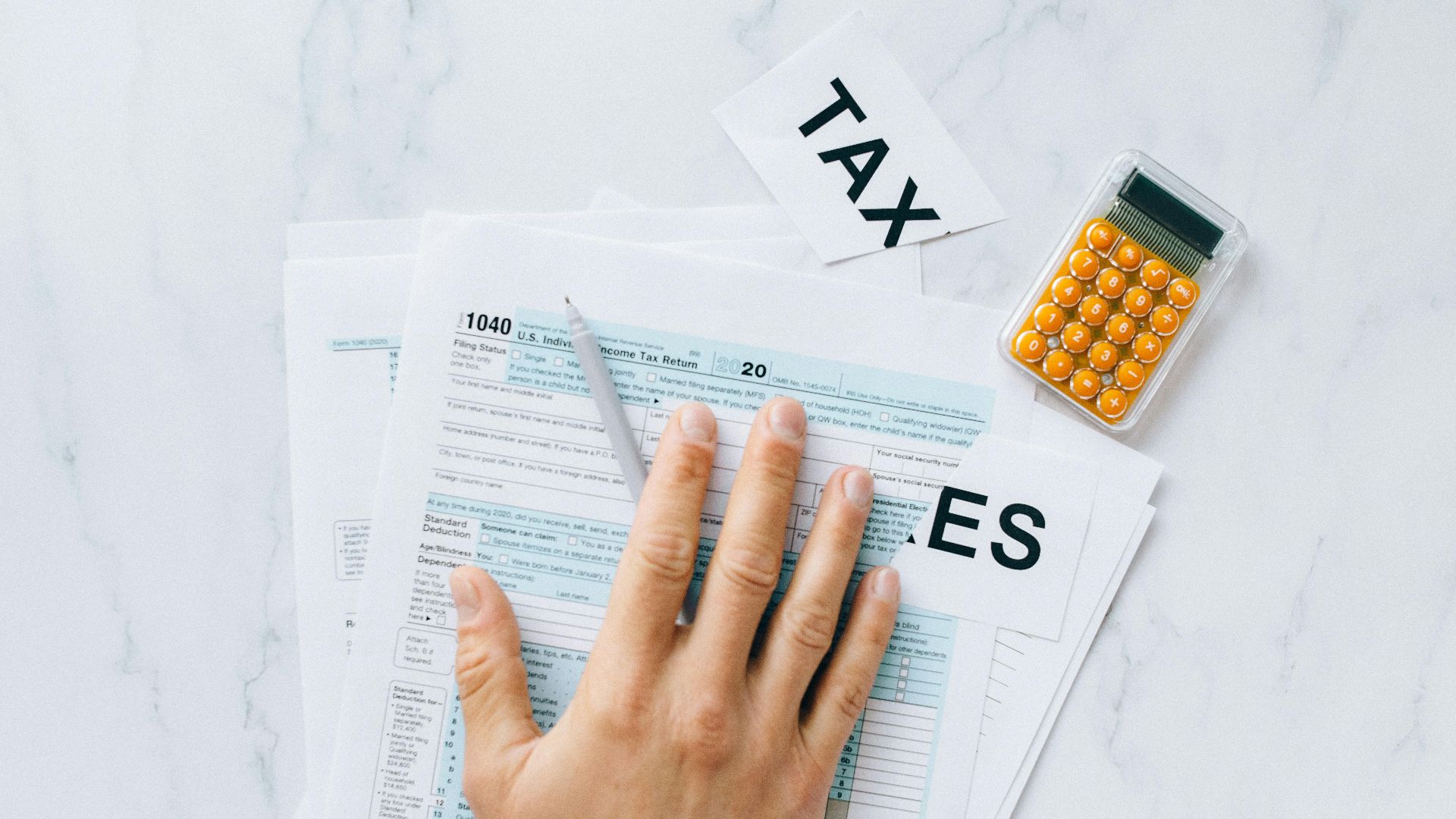
Property taxes can rise over time, inflating monthly costs, and insurance rates vary with location and risk factors like natural disasters. Some states cap tax increases, which saves homeowners thousands, but insurance may exclude disasters such as floods or earthquakes unless you buy separate policies.
12. Ignoring Future Development Plans Nearby
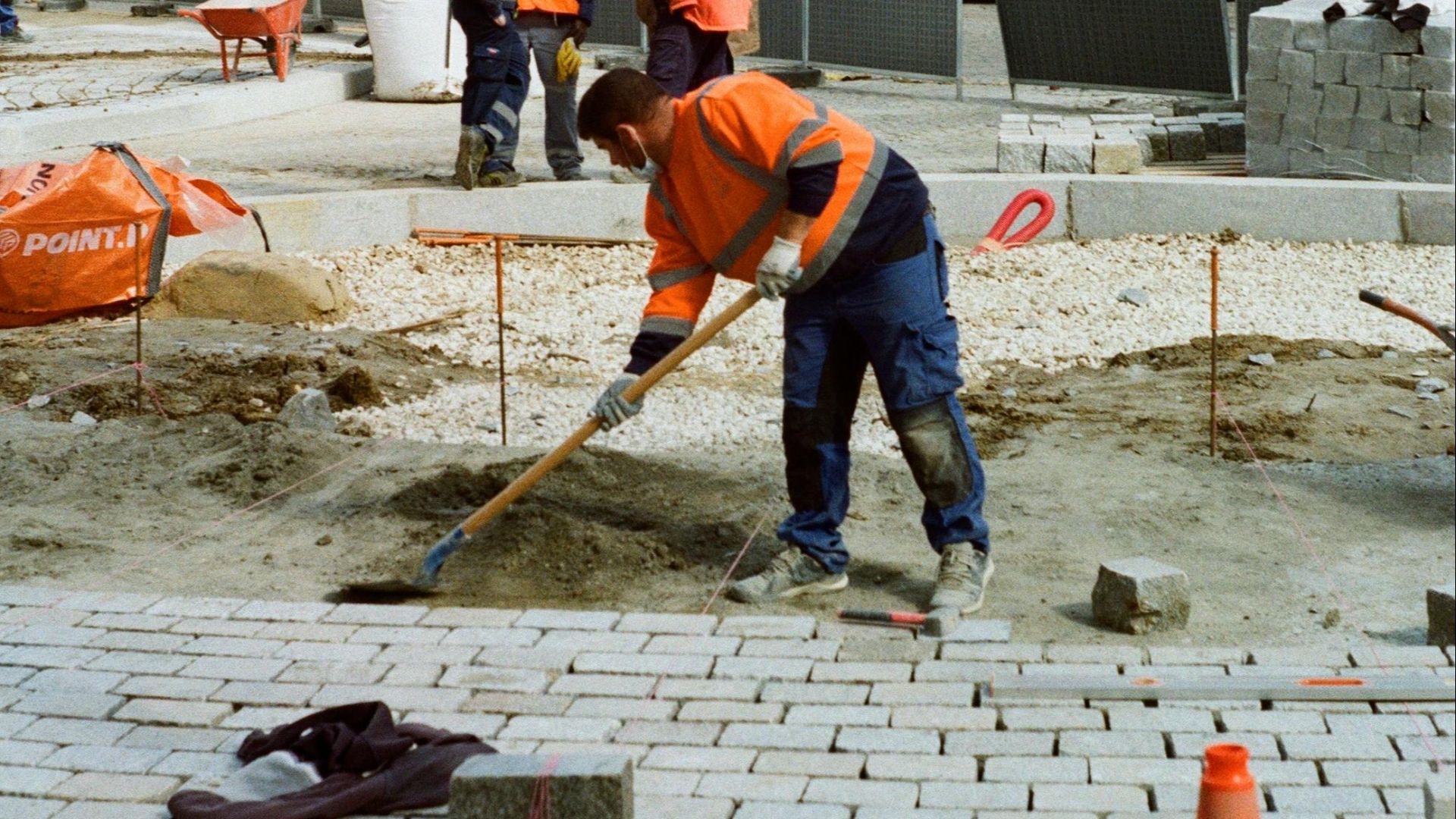
What’s coming to the neighborhood matters. New highways or commercial projects can impact value, traffic, and noise. A well-designed shopping center may boost appeal, but long-term construction can lower rental income. City planning meetings are public, so you have a chance to spot changes ahead.
13. Failing To Review The HOA Rules And Fees
HOAs can set strict rules on property use, from paint colors to pet limits. Monthly or yearly fees also add to your costs. Some communities even regulate how long holiday decorations can stay up. Knowing the rules up front helps you avoid unpleasant surprises.

14. Not Understanding The Mortgage Terms
Mortgage jargon may hide costly surprises. For example, a confusing term like “adjustable rate” can spike payments, while prepayment penalties can cost thousands. Balloon loans may also demand a huge lump sum unexpectedly. Also, reading the fine print may reveal perks, like free refinancing.

15. Skipping A Title Search And Insurance
Title issues can date back decades, even to previous owners you’ve never met, and without title insurance, you’re liable for hidden legal claims on the property. This one-time cost can save you from legal bills that might otherwise wipe out money for other important things.

16. Relying Solely On Online Listings
Online photos may deceive you. Wide-angle lenses make small rooms look spacious, and clever lighting can brighten gloomy basements. Private networks often sell homes without listing online, so in-person visits and local agent connections are key to finding true opportunities.

17. Underestimating The Time To Move In
Moving in isn’t always instant. Renovations, repairs, or delayed paperwork can add weeks or months. Appliance or furniture deliveries may be backlogged for months, and some buyers even end up in hotels, waiting for the day they can finally call their home theirs.

18. Ignoring Commute And Accessibility Factors
Long travel times increase expenses and erode quality of life. Also, poor public transport may hurt resale value, while proximity to train stations can boost it despite noise. Bike-friendly routes also make neighborhoods more attractive to modern, lifestyle-conscious buyers.

19. Forgetting To Check School District Ratings
School ratings influence property values—homes in well-rated districts can command higher prices and sell faster. Some buyers pay more just to be on the “right” side of a street for school zoning. Award-winning schools can also deliver a strong resale advantage.

20. Overlooking Energy Efficiency And Utility Costs
An older home with poor insulation or outdated systems can mean sky-high bills, but energy-efficient features may qualify for tax credits and incentives, saving money long term. Drafty windows alone can waste as much heat as leaving a small window open all winter.