How Did We Think These Things Were Real?
It's safe to say we all had wild imaginations when we were kids. Whether it was having an imaginary friend who always stayed by our side on the playground, or conjuring up burning lava all over the living room floor that we had to avoid, our childhoods were shaped by our creativity and ability to make anything exciting.
And if we take a look at these 20 crazy myths we all likely believed as children, you'll see just how fascinating our brains truly were. From believing in holiday characters like Santa Claus and the Easter Bunny, to thinking that swallowing chewing gum would stay permanently in our stomachs, there's a lot we didn't question growing up.
And while some of these might make you laugh at the ridiculousness of it all, we're sure you'll be reading along with a smile on your face, too. After all, there's something so sweet and lovely about childhood innocence and ignorance. It was when life was much simpler, and we accepted things for what they were. Now let's dive in deep to revisit our past, shall we? We can guarantee there'll be plenty on this list you can relate to.

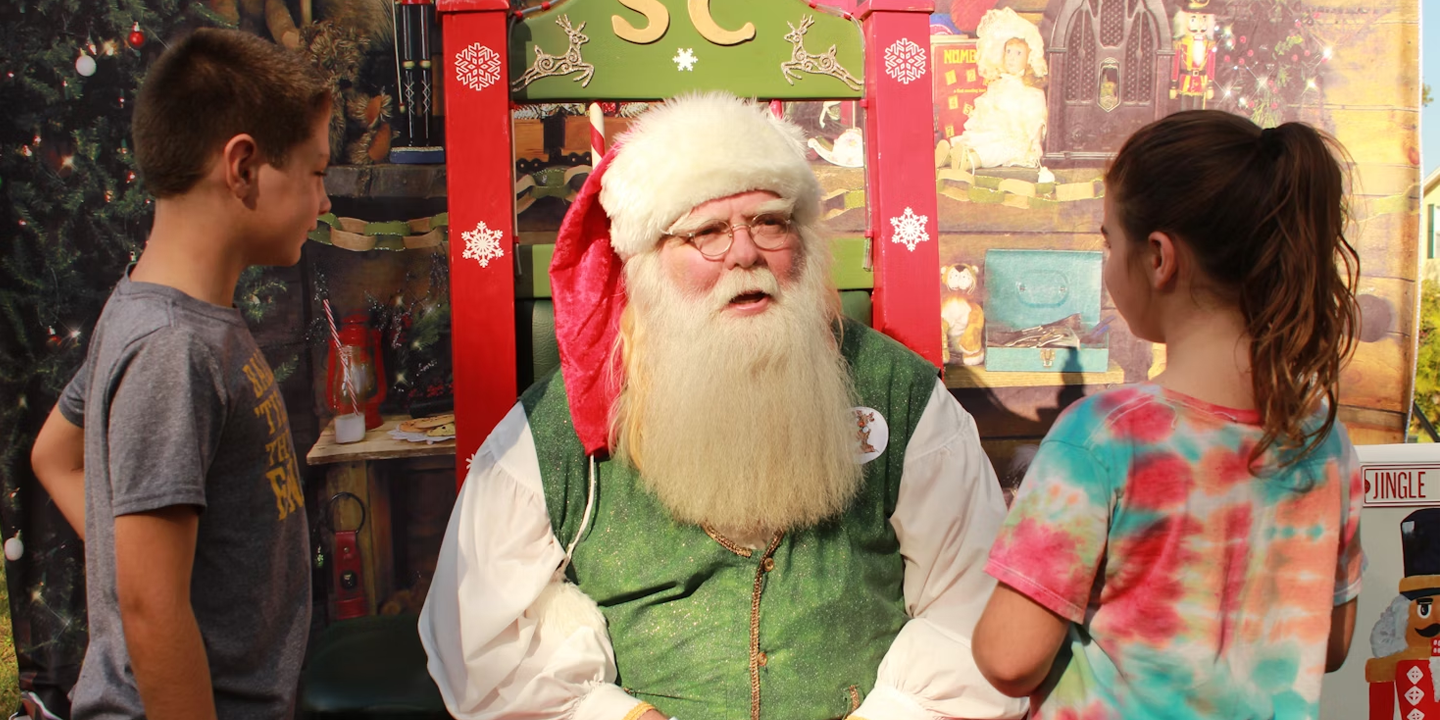
1. Santa Claus
We all love the spirit of Christmas and what this festive holiday brings, but really? Thinking that a big old man would jump down our chimneys, give us free gifts, and magically fly away? Definitely not in this economy! While it's a sweet myth that teaches our children to behave their best all year, it's pretty hilarious thinking back on how we once believed it too.
As kids, we didn't question a single detail about Santa's logistics. The idea that he monitored children all year long, maintained a workshop of highly skilled elves, and still had time to chow down on every plate of cookies left on the planet seemed entirely reasonable to our imaginative brains. That's because back then, the world was simple: be good, get presents. Be bad, get nothing. A fair system, really—if only real life operated this way.
Looking back, though, the whole operation feels less like a heartwarming tradition and more like the world’s most unrealistic startup model. One guy, unlimited toys, zero budget, and somehow he manages global overnight shipping? Amazon could never. And the chimney thing? Most houses don’t even have chimneys anymore.
Still, despite the plot holes big enough for Santa's sleigh to crash through, the myth sticks around because it makes childhood feel magical. Believing in Santa lets kids indulge in pure imagination, the kind where everything is possible and no one worries about how physics works. And honestly, Santa is less about the literal story and more about the tradition—cookies, gift-giving, staying up too late, and waking up to surprises.
So yes, it's funny that we once took the whole tale as 100% truth, but the magic of it all still lingers. Maybe that's the part of childhood we never truly outgrow.

2. Flying Reindeer
And to top things off, it's funny thinking we believed that Santa was being carried by magical reindeer that would fly across the entire world on Christmas night. Because if you really think about it, flying reindeer were the most visually chaotic part of Santa's story. Not only were these animals pulling a sleigh through blizzards and storms, but they were supposedly doing it at speeds that would make NASA jealous. And we, as children, accepted this with no questions asked.
Furthermore, the idea that an entire herd of reindeer could lift off the ground solely because of Christmas spirit—and maybe some magical sleigh dust—felt completely normal. We even memorized their names as if they were celebrities. And Rudolph, of course, was the star of the show. Who needs GPS when you have a reindeer with a built-in headlight?
As adults, we now understand that reindeer are fluffy, adorable, and very much earth-bound creatures who spend most of their time eating plants, not flying across the planet. And Rudolph's red nose? More likely a case of mild frostbite than a supernatural lantern.
But what made flying reindeer so believable as kids was how vividly the story was told, from books, movies, school plays, and holiday songs. It created this warm, comforting illusion that Christmas magic was real, and it truly shaped our childhoods for the better.

3. The Tooth Fairy
If you really think about it, does it make much sense that a flying fairy is traveling around the world collecting kids' teeth? What would she even do with them all? We were all just too focused on making a quick buck or two that we didn't realize the craziness of it all.
The Tooth Fairy was basically our first introduction to the concept of passive income—lose a tooth, go to bed, wake up richer. What a system. We didn't care who she was, how she got into the house, or why she had such a strange dental obsession. All that mattered was the payout under the pillow.
But now, imagining some sparkly winged creature hoarding millions of tiny teeth raises more questions than answers. Is she building a castle out of them? A side business? A black-market enamel trade? The logistics get disturbing pretty fast. Yet as children, this made perfect sense because adults presented it with the same enthusiasm they had when explaining Santa or the Easter Bunny. It felt official.
And let's be real—kids are not exactly careful with their teeth. They lose them at school, drop them down sinks, or even accidentally swallow them, and still expect the Tooth Fairy to honor the deal. And she does! She's surprisingly flexible for someone running a one-woman global operation.
The magic of the Tooth Fairy worked because it turned a mildly unsettling childhood milestone into something fun. Instead of freaking out about losing body parts, kids got excited about it. Money made everything better, even if it was just a dollar or two.

4. Swallowing Gum Lasts Forever
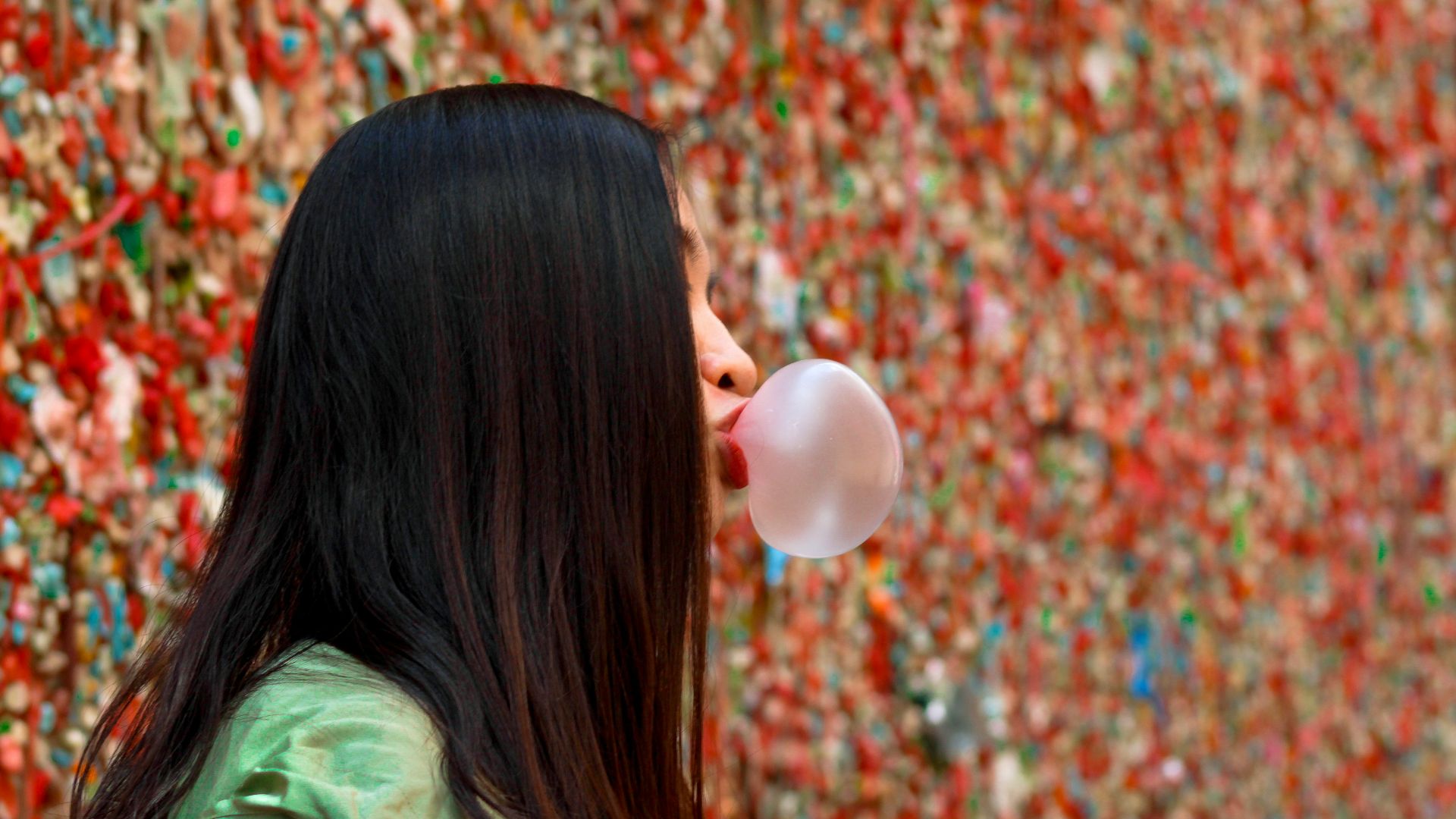
Remember being told never to swallow gum because it'll stay in your tummy forever? While it might take longer to digest than other foods, don't worry, it'll pass through your system within a few days. It was just a way for parents to protect their kids from a choking hazard. But as a kid, this warning felt like a life-or-death rule. Accidentally swallowing gum sent us into full panic mode, convincing us that our stomachs would turn into sticky, mint-flavored storage units for eternity.
The funny thing is, the truth is far less dramatic, just as we mentioned. The myth likely originated because parents didn't want kids turning gum into snack food or choking on it while running around. A little fear can be an effective parenting tool.
Still, the idea of gum staying in your stomach “forever” was powerful. It made us hyperaware of every chew. One wrong move and you were doomed, or at least that's how it felt. Some kids even claimed they could feel the gum stuck inside them if they made the mistake!
Of course, once we grew up and learned basic biology, the myth fell apart instantly. If gum stayed in our systems permanently, half the human population would be 50% bubblegum by now. Thankfully, that's not how it works. The myth may have been exaggerated, but it did its job—kids kept their gum in their mouths, and parents avoided unnecessary chaos. Not the worst trade-off.
5. Cooties
Every kid was always terrified of catching cooties despite not knowing what they were. And to be honest, there's no real answer. It's just some made-up disease children thought they would catch when touching the opposite gender or someone they disliked.
Just think of cooties as the childhood version of a highly contagious imaginary plague. No symptoms, no cure, no scientific explanation—just pure fear and playground folklore. The rules were always changing too. Sometimes, cooties spread by touch, sometimes by sitting too close to someone, and sometimes they were transferred through shared pencils or crayons. It was chaos.
The funniest part is that kids enforced these rules with total seriousness. There were strategies, preventative measures, and even rituals like the infamous "cootie shot," which involved drawing circles and dots on someone's arm while chanting nonsense. Suddenly, you were immune, at least until recess ended, that is.
Looking back, cooties were less about health (obviously) and more about early social boundaries. Kids used the concept to navigate friendships, avoid people they didn't like, or tease someone they secretly did like. It played into that classic childhood idea that the opposite gender was basically radioactive.
And even though cooties weren't real, the social impact kind of was. Entire playground politics revolved around who had cooties, who they got them from, and how to get rid of them. It was dramatic, theatrical, and incredibly entertaining in hindsight. But now, as adults, it's easy to laugh at how seriously we took this imaginary illness. No one was ever at risk. There was no outbreak. But for a bunch of seven-year-olds, cooties felt like a genuine threat.
 Anastasia Vityukova on Unsplash
6. The Easter Bunny
While we love the idea of a bunny hopping around everywhere hiding chocolate eggs for children to find, at the end of the day, bunnies are just bunnies. It's just a fun little legend that makes Easter more exciting and fun for the kids.
The Easter Bunny was one of those myths that felt oddly normal despite being completely bizarre when you stepped back and analyzed it. Rabbits don’t even lay eggs, let alone chocolate ones, but we never questioned it. If anything, we probably thought the Easter Bunny was some sort of magical hybrid creature with special candy-producing powers. After all, when you're a kid, anything involving chocolate is automatically believable.
The idea that a giant rabbit could sneak into the house, hide eggs in clever little spots, and then hop away undetected was practically a superhero story. We'd wake up excited, basket in hand, ready to hunt for treats like tiny sugar-fueled detectives.
But as we all got older, the story just couldn't hold up for obvious reasons. The Easter Bunny supposedly traveled the entire globe in one night, yet we never saw him, heard him, or even spotted paw prints. And why was he so invested in our candy consumption? It was all so delightfully nonsensical.
But despite how strange the myth is, it adds a magical element to a holiday that might otherwise feel simple. Kids don't think too deeply about mythology—they focus on the thrill of the hunt, the surprise of the chocolates, and the joy of believing that something extraordinary visited their backyard.

7. Storks Carried Babies
Before kids are old enough to learn about the birds and the bees, it's easier just to tell them they were carried by storks to their parents. No one wants to get into the thick of it so early on, meaning you might as well pass on a cute story they'll believe until they're older.
And if you really think about it, the stork delivery myth was one of the most elegant solutions adults invented to avoid uncomfortable conversations. With just one sentence like, "The stork brought you!", parents could dodge a hundred awkward questions. It was simple, sweet, and strangely believable for young minds that had no grasp of biology.
As children, the idea made our own origins feel magical rather than messy or complex. We imagined storks as loyal, hardworking creatures dedicated to delivering joy to every home. No wonder the myth stuck around for so long—it was whimsical, harmless, and far easier to explain than the actual process.
Eventually, of course, we learned the truth, and the stork story suddenly felt like the weirdest cover-up in history. Why a bird? Why a cloth bundle? Why the sky route? Adults basically invented an entire baby-delivery ecosystem instead of just saying, “We’ll explain it when you’re older.”
Still, in retrospect, the stork myth is kind of charming. It allowed parents to preserve innocence a little longer and gave kids a storybook explanation they could wrap their minds around. And honestly, imagining a polite bird hand-delivering a baby might still be less stressful than the actual realities of childbirth.

8. Teachers Sleep At School
As children, we tended to think of adults as background characters in our story, especially teachers. They seemed permanently glued to the school building, forever surrounded by textbooks, chalk dust, and the lingering scent of dry-erase markers. Seeing a teacher anywhere outside of school felt like spotting a rare animal out of its natural habitat.
That's why the idea that teachers slept at school made perfect sense to young minds. Why wouldn't they be? They were always there before we arrived and still there after we left. It didn’t help that teachers acted like all-knowing beings who existed solely to enforce rules and teach lessons. Adults never really explained that teachers had entire lives beyond multiplication tables and spelling quizzes. So we filled in the gaps with imagination, and the simplest explanation was that teachers just… stayed.
Looking back, the whole misconception is adorably naive, but the innocence of it all makes our hearts melt. It reflects how children see the world: everything is categorized, simple, and centered around what they directly experience. Teachers were school people, so of course they lived there.

9. Sitting Close To The TV Will Make You Go Blind
While yes, sitting close to the TV won't do anything good for your eyes, you certainly won't go blind because of it. Telling such a tall tale just makes it easier for kids to believe it. After all, no one wants to risk losing their vision over something so silly!
This myth was practically a universal household rule, too; it felt like every single parent in every single household enforced it! The moment you sat too close to the TV—even by an inch—someone would call you out for it.
Kids, of course, had no reason to question it. The threat of going blind was terrifying, and adults stated it with such confidence that we accepted it as fact. It sure was a powerful strategy to keep children from turning into tiny gremlins pressed against the television screen.
The reality is much less dramatic though. Sitting too close might cause temporary eye strain, but that's about it. No lifelong vision loss. No permanent damage. Just a reminder that maybe staring into bright screens for hours isn't ideal—but not the doomsday scenario we were led to believe.
The myth likely came from older TVs that emitted small amounts of radiation, which worried parents at the time. The risk disappeared as technology improved, but the warning stuck around like an old superstition passed from generation to generation.
And even though we now know better, most of us still instinctively sit a reasonable distance away—proof that childhood warnings have long-lasting effects. Myths may fade, but habits? Those stay forever.

10. Cracking Your Knuckles Is Bad
No matter how much you wanted to crack your knuckles as a kid, we bet you held back as hard as you could. Why? Because you were probably told that it was bad for you, maybe even hearing that it could give you arthritis. But in reality, it causes you no such harm or pain.
That's why you might remember cracking your knuckles always came with a strange mix of satisfaction and fear. The popping sound felt so strangely rewarding, but the instant someone overheard it, you'd get the classic warning.
As children, the concept of arthritis sounded terrifying. We didn't really know what it meant, but we understood it had something to do with pain, stiffness, and it sounded like such a complicated medical term. So, we held back, suppressing the urge every time a knuckle felt tight, all because we thought we were preventing a lifetime of suffering.
Of course, now we know the truth: that little popping noise is just gas bubbles releasing from the joints. No permanent harm, no structural damage, no arthritis involved. It's fun thinking about how some childhood myths have a way of sticking around though, because we're pretty certain some of us still hesitate out of old habit.
Looking back, the fear feels almost comical. Kids were out here protecting their future joint health with more dedication than most modern adults. Meanwhile, cracking your knuckles remains one of those oddly satisfying, completely harmless habits people love to judge even today.
11. Eating Carrots Gives You Night Vision
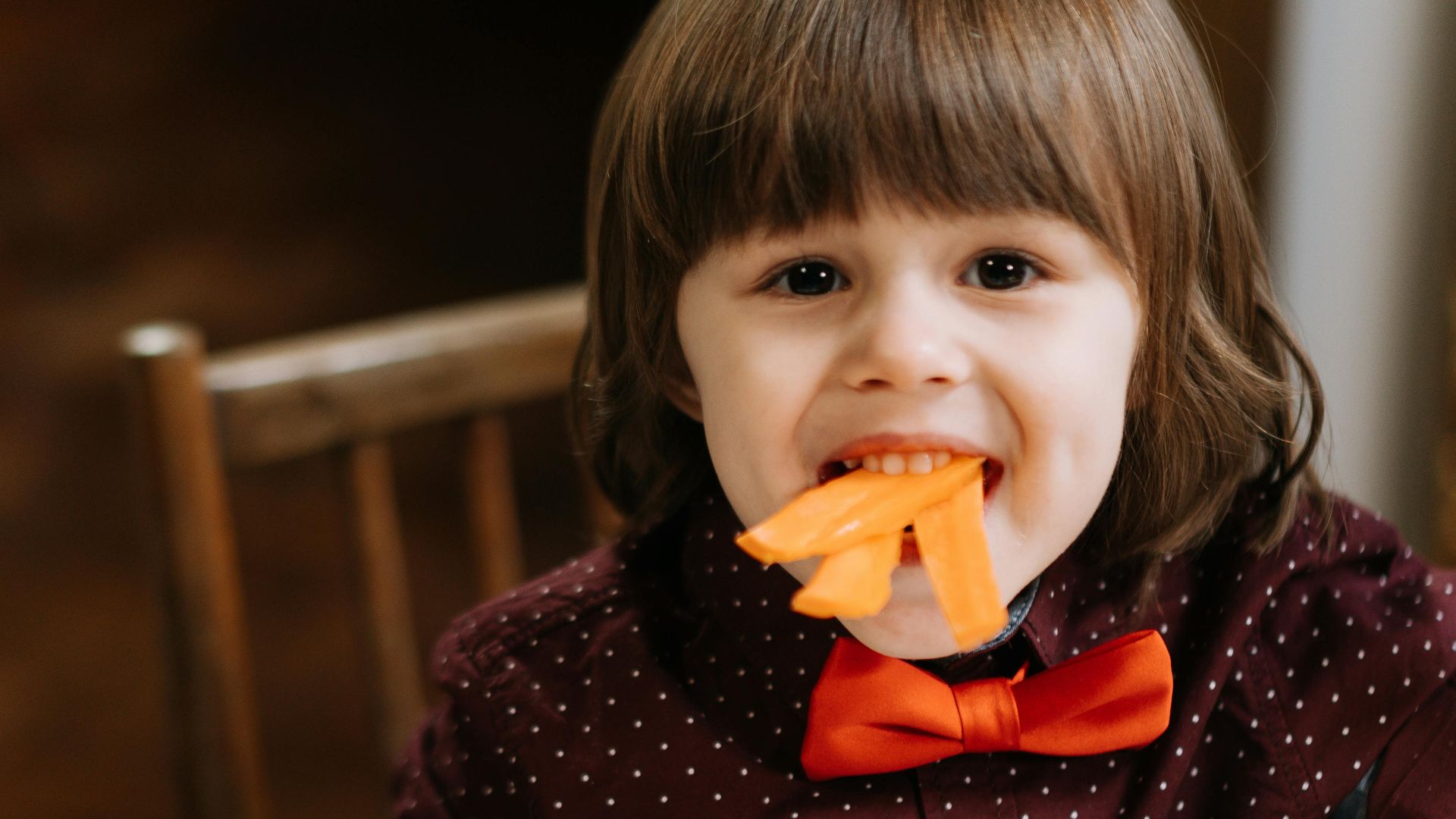
Although it's true that carrots can help improve your overall eyesight, getting night vision from them is a bit of a stretch. And we're sure this is something you realized as a kid yourself—no matter how many you ate, you just weren't getting any better at seeing in the dark.
But to put it simply, as kids, this myth felt like a cool life hack. The idea that you could crunch on a carrot and suddenly see like a superhero in the dark was incredibly appealing. Who wouldn't want built-in night vision? It sounded like one of those cartoon power-ups, like Popeye—eat a vegetable and instantly gain a special ability.
Parents, of course, loved this myth because it tricked kids into eating something healthy. A few exaggerated promises of superhuman eyesight were definitely worth the half-hearted complaints about vegetables at dinner. And we, being gullible little children, believed every word.
Interestingly, the myth does have roots in truth! For one, carrots do contain Vitamin A, which helps keep your vision healthy. But the idea of night vision actually stemmed from World War II propaganda, where pilots were said to eat carrots to improve their ability to see enemy aircraft at night. Spoiler: the real reason was radar, but the carrot story made for great public cover.
12. Chocolate Milk Comes From Brown Cows
Chocolate milk was one of childhood's greatest joys, and the idea that it came from brown cows was just the perfect explanation our developing brains needed. It was elegant, simple, and made visual sense, too. Brown cows made brown milk—logic at its purest childhood level. There was nothing more to it and nothing less.
Kids weren’t thinking about food science or milk processing. They were thinking about colors. It was as straightforward as believing strawberries came from red cows and vanilla from white ones. We didn’t consider that all cows, regardless of color, produce the exact same thing.
Besides, adults weren't eager to correct the misconception. Why? Because it was adorable. There's something undeniably wholesome about a child imagining a farm full of cows producing different flavored milks. No one was in a hurry to ruin that whimsical mental picture.
Eventually, though, we grew up and discovered the disappointing truth: chocolate milk is just regular milk mixed with cocoa and sugar. Suddenly, the world felt a little less magical. The cows went from being mythical beverage dispensers to… well, just cows. Even though we know better now, the memory of once believing such a silly idea still makes us smile.

13. Crossing Your Eyes Will Get Them Stuck
When we were young, any time we saw someone cross their eyes, we'd immediately shout out in fear, "Don't do it! Your eyes will get stuck!" The fear we felt surrounding crossed eyes was always intense because we genuinely believed they'd get stuck there forever. The moment someone twisted their gaze inward, it felt like an emergency. Kids would panic, adults would scold.
As children, we imagined the worst-case scenarios. What if the wind blew at the wrong moment? What if your eyes “locked into place” permanently, like a glitching cartoon character? We had vivid imaginations, and this myth fed into them perfectly.
The real reason adults discouraged eye-crossing was much simpler: it looked silly, and kids tended to overdo it. Instead of explaining that eye muscles work just like any other muscles, adults found it easier to say, “Your eyes will get stuck that way!” It was dramatic, effective, and required zero biology.
But the myth was memorable because it tapped into childhood fears of accidental lifelong consequences. Just like how chewing gum would be stuck in your stomach forever. One wrong move and suddenly we were doomed to a future of permanently impaired vision. It sounds ridiculous now, but back then, it felt entirely possible.

14. Candy Makes You Unbelievably Hyper
This myth was practically a staple of childhood warnings that kids heard from their parents all the time. The second you tore open a candy wrapper, adults started counting down like you were a ticking time bomb. And that's because it was believed that sugar transformed mild-mannered children into wild, uncontrollable creatures bouncing off the walls.
And to be fair, kids often did get hyper at parties and holidays, where candy was abundant. But it wasn't the sugar doing the heavy lifting; it was the excitement, the company, and the thrill of celebration. Adults simply blamed the easiest target: candy.
Ironically, many kids believed it too. So as a result, this myth became a self-fulfilling prophecy. If you're told that candy makes you hyper, you start acting that way because you think you're supposed to. That's the power of the placebo effect. However, real science will show you that sugar gives a quick burst of energy, followed by a crash - not a chaotic explosion of hyperactivity. Kids aren't suddenly rewired by a gummy bear; they're just having fun.
Looking back, it's hilarious how seriously we all believed this. But the truth is quite simple at the end of the day: kids are loud, fun, and wild with or without candy.

15. We Only Use A Little Bit Of Our Brains
Ever heard of the childhood myth, 'we only use 10% of our brains every day?' Yeah, that's a lie. All parts of our brain are constantly working together to make things happen. Maybe we wanted to believe we had some hidden, untapped potential, but sorry, it's simply not true.
In fact, this myth was one of childhood's most dramatic misunderstandings of science. It made our brains sound like mysterious, underutilized supercomputers, as if we were walking around with hidden psychic or genius powers we simply hadn't unlocked yet. Movies, cartoons, and books loved to reinforce this too, making it even more believable.
It's not hard to see why kids loved the idea because it suggested anything was possible. The fantasy of discovering that “other 90%” was exciting, and it made us feel secretly powerful, like superheroes in the making.
Still, even though the truth is less fun, it is actually reassuring. We're using our brains to their fullest, complex potential every day, and while there's no secret vault of hidden power, it is cool knowing we have billions of neurons working hard from morning to night, keeping us functioning, thinking, dreaming, and living.
So while the myth isn't real, the fascination with the human brain remains. It just turns out we're already operating closer to full capacity than we thought growing up.

16. The World Used To Be Black & White
We know black and white TV and photos were a thing of the past, but some kids took it one step further in believing that the whole world was once colorless. Because it was hard to wrap their heads around not seeing color on a screen, to children, it meant the only possible answer was that color just didn't exist. Right?
In all fairness, this is easily one of childhood’s most charming misunderstandings of history. When all you’ve seen are old photos and videos in black and white, it’s easy to assume that’s simply what life looked like back then. Kids aren’t thinking about camera technology or film limitations, they’re thinking visually. If the world appeared grayscale in older footage, then naturally the world itself must have been grayscale too.
The idea makes perfect sense through a child's lens. And honestly, imagining the entire world living in black and white gives history this weirdly artistic vibe, like everyone was starring in an old movie. We, for one, love how imaginative and creative kids are with these kinds of things.
It's hilarious thinking about how deeply some of us grew up believing this, especially given what we know now. It shows how literally children interpret what they see. We assumed our screens showed reality, not a limited version of it. And honestly? Part of the charm is how innocent and imaginative the misconception is.

17. Dogs Were Male & Cats Were Female
Looking at all the different myths we believed as kids, it seems like we didn't quite understand the meaning of gender back then. So much so that some kids believed all dogs were male and all cats were female. It likely has to do with stereotypes and what we perceived as being feminine and masculine.
This misconception was surprisingly widespread, proof that kids love organizing the world into neat, simple categories. Dogs were seen as loud, energetic, protective, and tough—all qualities children often associated with boys. Cats, on the other hand, seemed graceful, quiet, gentle, and clean—traits kids linked to girls. So naturally, the conclusion became: dogs = boys, cats = girls.
It didn't help that cartoons tended to reinforce these stereotypes even further. Male characters were often portrayed as goofy dogs, and female characters as sleek, elegant cats. Stories and illustrations unintentionally shaped the way we understood the animal kingdom long before we grasped the concept of biological sexes.
Thinking about it now, the whole thing is simply kind of adorable. It shows how children use whatever tools they have—stories, observations, character traits—to make sense of the world. The myths weren't harmful; they were just another example of how literal and imaginative kids can be.

18. You Can't Swim After Eating
We're pretty sure you've heard of the rule, "No swimming for 30 minutes after eating!" Turns out, there's no legitimate evidence proving that you'll get a cramp and put yourself in danger, but back then, this myth was practically a universal law of summer. Whether you were at the beach, the pool, or a family barbecue, adults enforced it like it was the most serious thing in the world. The moment you finished eating, you were banished from the water until the invisible clock ran out.
As kids, the reasoning sounded terrifying. The truth, though, is much less intense. While it’s possible to get a mild cramp if you exert yourself too hard right after eating, it’s not dangerous. You won’t sink like a stone. You won’t be pulled to the bottom by some mysterious digestive force. At worst, you might feel a little uncomfortable—and even that depends on what and how much you ate.
So where did the myth come from? Likely, cautious parents wanting to prevent accidents. Swimming with a full belly might make kids uncomfortable or rowdy, and adults probably wanted a short break before supervising a chaotic pool again. The "cramp danger" explanation simply made it easier for kids to accept.
It's amazing yet funny how seriously we followed the rule. We sat on the sidelines wrapped in towels, watching the fun and counting the minutes until we were “safe” again. All because we believed our stomachs needed time to negotiate with our limbs. In hindsight? A little break wasn’t so bad—even if the reason behind it wasn’t entirely true.

19. Shaving Your Hair Makes It Grow Back Thicker
To all the kids who refused to shave their hair because they were worried it would come back thicker, sorry, you were lied to. It doesn't grow faster and there's no actual change in the way it grows back! This was just one of those myths that felt like absolute fact when we were young. Adults said it with such confidence that it became an undeniable truth: shave a spot, and it will return with the strength and density of a forest. The fear was very real.
Of course, now we understand the science. Shaving cuts hair at the surface, making the ends blunt rather than tapered. And when the hair grows back, those blunt ends can feel thicker or look darker—but it’s an illusion, not actual increased density. The follicles aren’t multiplying. The growth rate isn’t speeding up. It’s all just simple optics.
The myth likely started because adults didn't want their kids shaving too young. And honestly? The explanation worked extremely well. Nothing makes a kid avoid something more than the fear of accidentally growing a full beard at age twelve.
Thinking back, the idea is kind of hilarious. We imagined hair returning like some magical regrowth spell gone wrong. But the truth is much more boring, and much more relieving! So no, shaving doesn’t turn you into a werewolf, it just trims the hair that was already going to grow back anyway. A very anticlimactic ending to a very dramatic myth.

20. Newborn Siblings Came With Presents
If you had a sibling born while you were also a child, we bet you fully believed that they showed up at your door with a present in hand. Of course, parents do this so you get a good first impression of them, so how were you supposed to know?
This myth was less a misunderstanding and more a cleverly executed parental strategy. It's done because when a new baby arrives, older siblings often feel threatened, confused, or jealous. So, what better way to ease the tension than presenting the baby as a tiny gift-giver? It reframes the whole situation: you weren't losing attention, you were gaining a new friend that gives presents!
The logic seemed perfect for kids, too. Babies couldn't talk, couldn't walk, and couldn't hold their own heads up, but somehow, they had the ability to shop, wrap gifts, and choose things that magically matched our interests. Suspicious? Maybe. But when you're a kid and presents are involved, you don't question the mechanics.
Suddenly, meeting your new sibling felt exciting rather than intimidating, and you associated them with happiness, surprises, and new toys. This led to any resentment softening before it could even form. Parents knew exactly what they were doing, and honestly? It worked brilliantly.
Looking back, it’s actually pretty sweet. The myth wasn’t about deception, it was about love. It helped smooth the transition during a huge family change and made a potentially confusing moment feel magical.