Dry shampoo feels like a modern miracle, the kind of thing you toss in a gym bag and forget about until a sweaty emergency strikes. The funny part is that the "no-water hair refresh" idea is way older than trendy aerosol cans. Long before anyone argued about "training" their hair, people were using powders and clays to keep scalp oil under control. Then a tiny mid-century product with a name that still makes people do a double-take helped kick off the American obsession.
That product was Minipoo, a powder dry shampoo produced by the Stephanie Brooke Company in Jersey City, New Jersey, starting in the early 1940s and sold through the late 1960s. No sink required. It was marketed straight to women navigating packed schedules and elaborate hairstyles, and the concept was simple: soak up oil, brush it out, keep your look intact. The impact was bigger than that little box suggested, because Minipoo helped turn a niche trick into a mainstream habit.
Minipoo's Ten-Minute Fix
 Margaret Mixter, photographs by Joel Feder on Wikimedia
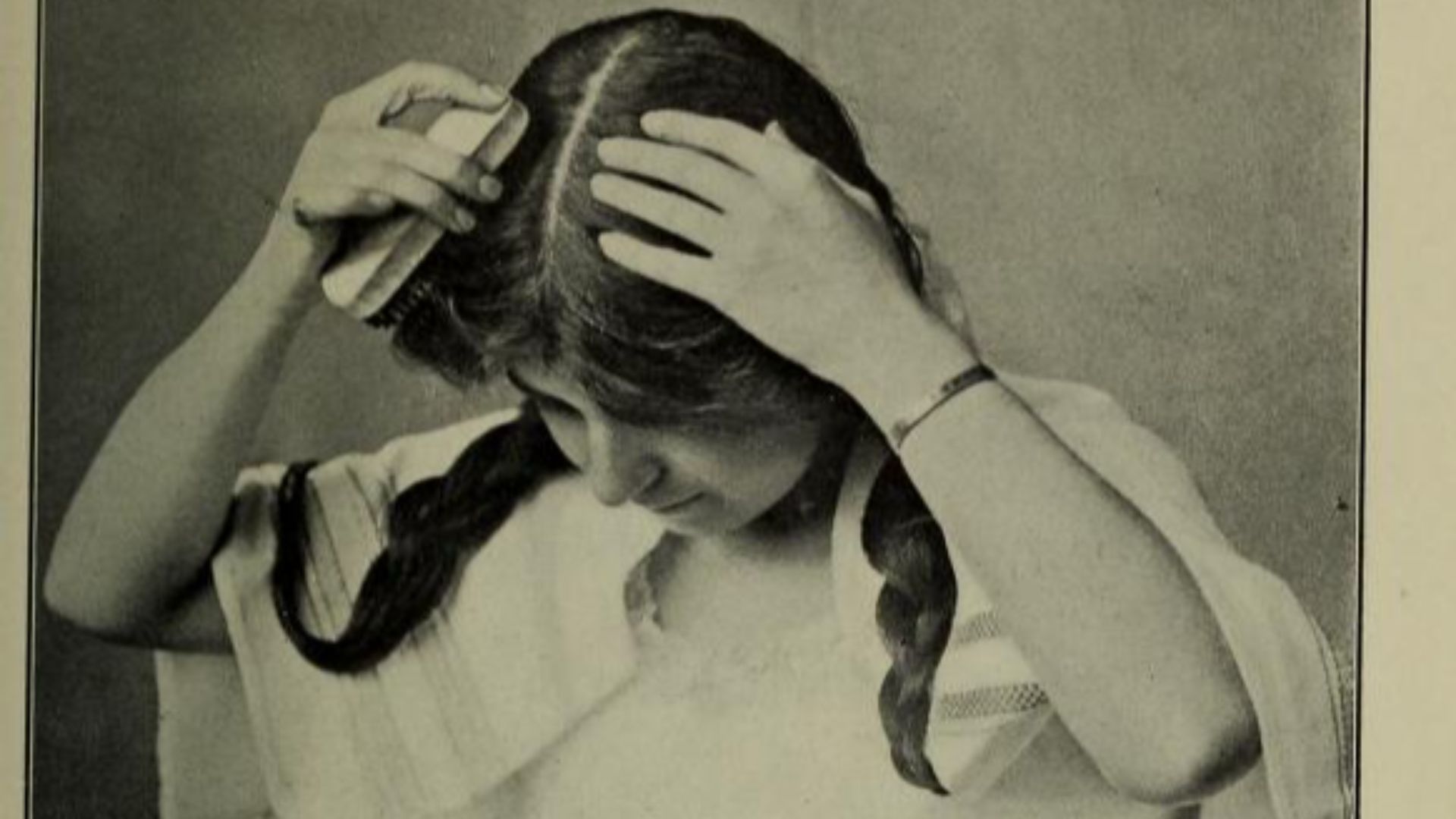
Minipoo was a dry shampoo powder, and museum documentation notes that dry shampoos of its era commonly used fuller's earth, an oil-absorbing clay. Fuller's earth is a highly absorbent clay mineral mix, which is why it shows up in everything from industrial cleaning to personal care. Minipoo's own ingredient listings also include talc and magnesium carbonate, both classic powders used to absorb moisture and oil.
The application came with a disposable mitt, which helped press powder onto the hair and scalp so the product could do its grease-grabbing job before you brushed it out. Instructions and ads leaned hard into speed and convenience, the same core promise brands still make today. The difference is that Minipoo's routine was more centered around a powder puff than a spray can.
Marketing copy from the period spelled out the situations Minipoo was made for, including being sick in bed, dealing with surprise dates, and helping kids who hated soap in their eyes. It even claimed it would help protect a permanent wave. An example ad preserved on the Internet Archive is dated 1946 and was published in Woman's Day, tying the product to the everyday, middle-class magazine world that shaped postwar consumer life.
Waterless Hair
Dry shampoo did not begin with Minipoo. Humans have always been resourceful when water, time, or privacy were limited. Historical summaries note evidence of clay powders used in Asia as early as the late 15th century, and starches used to deodorize wigs in the United States in the late 1700s. Even barbers were using foam and powder-like substitutes by the late 1800s. Really, centuries of home care ideas were just waiting to be created into a consumer product.
That moment was mid-century America, when consumer goods boomed, and beauty routines got more standardized through mass-market magazines and advertising. Minipoo's Smithsonian listing makes it clear the product was aimed at women, and the scenarios in its ads speak to a culture that expected polished appearances even during illness, childcare chaos, or sudden social plans. Hairstyles also mattered enormously. Set styles, curls, and later 1960s volume trends made frequent washing feel like a threat to the whole operation. If a look took a long time to create, any shortcut that stretched it another day was going to win hearts.
There's also a bigger theme that still hits close to home: the line between "convenience" and "laziness," especially when the target customer is a woman. Minipoo's ads framed the product as a smart solution for busy people, not a replacement for hygiene, and that messaging is recognizable in modern beauty marketing. The language has evolved, and the packaging has gotten sleeker, but the underlying promise has held.
Modern Day Inventions
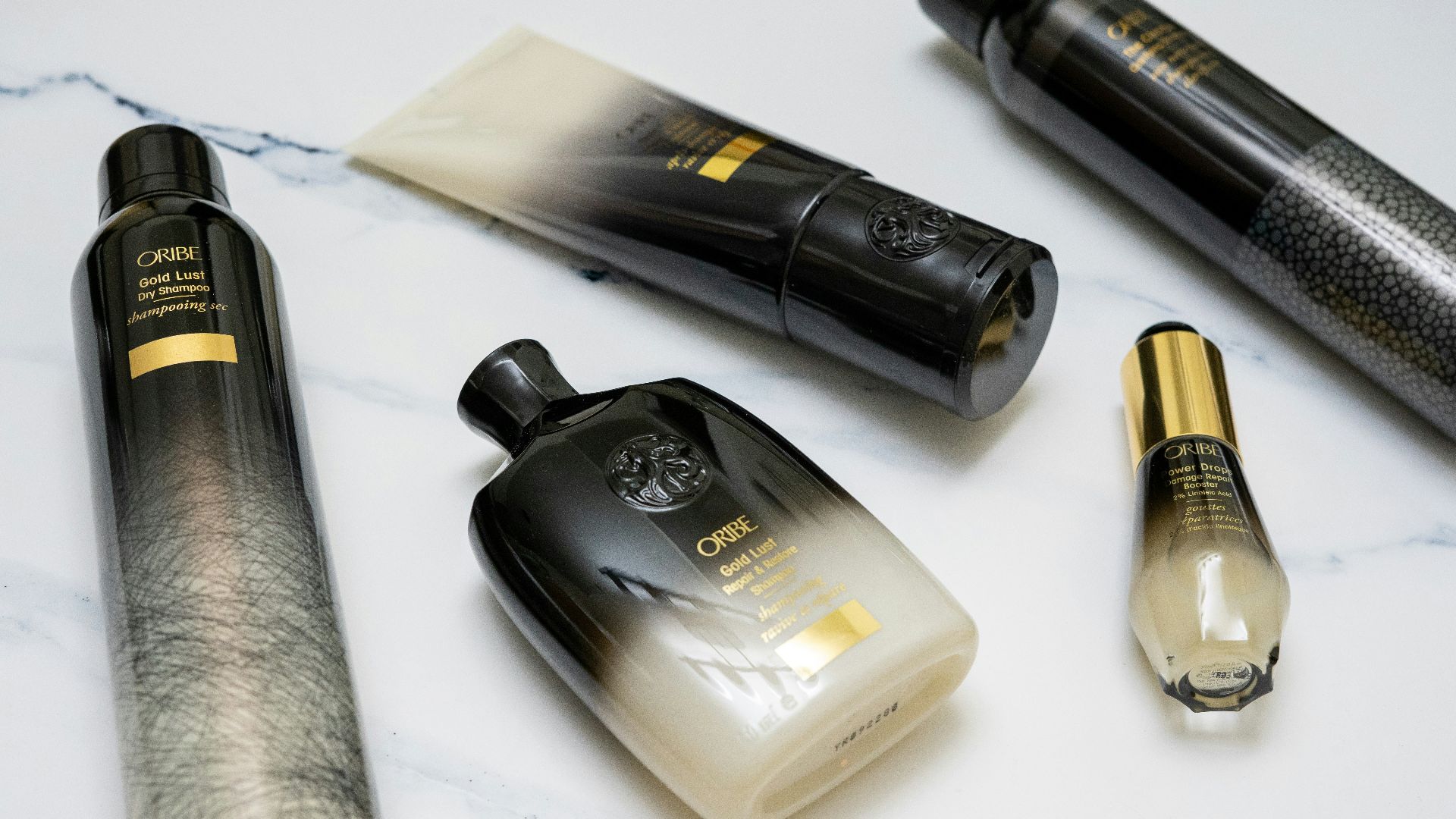
Minipoo's biggest legacy is proof-of-concept: a commercial product could sell the idea of cleaning hair without water to a wide American audience. They build from small, adoptable habits that spread. Even the patent trail tells a story of ongoing tinkering, with Wikipedia's overview counting 71 U.S. dry shampoo patents filed since 1790. The craze is really a long chain of experiments, improvements, and relaunches.
Later decades swapped powder puffs for aerosol technology, which made application faster and a lot less messy. One of the most famous spray-era products, Psssssst Instant Spray Shampoo, is widely associated with 1970s popularity. Vintage commercials and print ads from the early 1970s are easy to find, and they show how the message stayed consistent: quick refresh, no water, brush and go. The format changed; the emotional hook did not.
Modern dry shampoos got more complex, too, often adding alcohol-based carriers, fragrance systems, and specialized powders designed to disappear more cleanly in different hair colors, as Wired broke down in 2015. That evolution is part chemistry, part culture, and part pure marketing. Still, the core mechanism is basically Minipoo's original pitch: absorb oil, reduce the look of grease, and buy yourself time. The next time a can saves your plans, a little powder box from the 1940s helped start a decades-long trend.