
A Tiny Glass Panic Machine
It’s not that your phone is evil. It’s that it’s unbelievably good at keeping you slightly on edge, the way a café can keep the espresso machine hissing in the background so you never quite settle. You can be standing in line for tacos, thumb hovering over the screen, and feel a weird, low-grade urgency as if something important is happening just out of view and it would be irresponsible not to check. The phone doesn’t create anxiety out of thin air; it takes normal human wiring—curiosity, social awareness, pattern-seeking—and turns the dial up a few notches all day. Over time, the body starts treating that dialed-up setting as the default. Here are twenty ways that training sneaks in, quietly, like a notification you didn’t even notice you heard.

1. The Buzz That Isn’t There
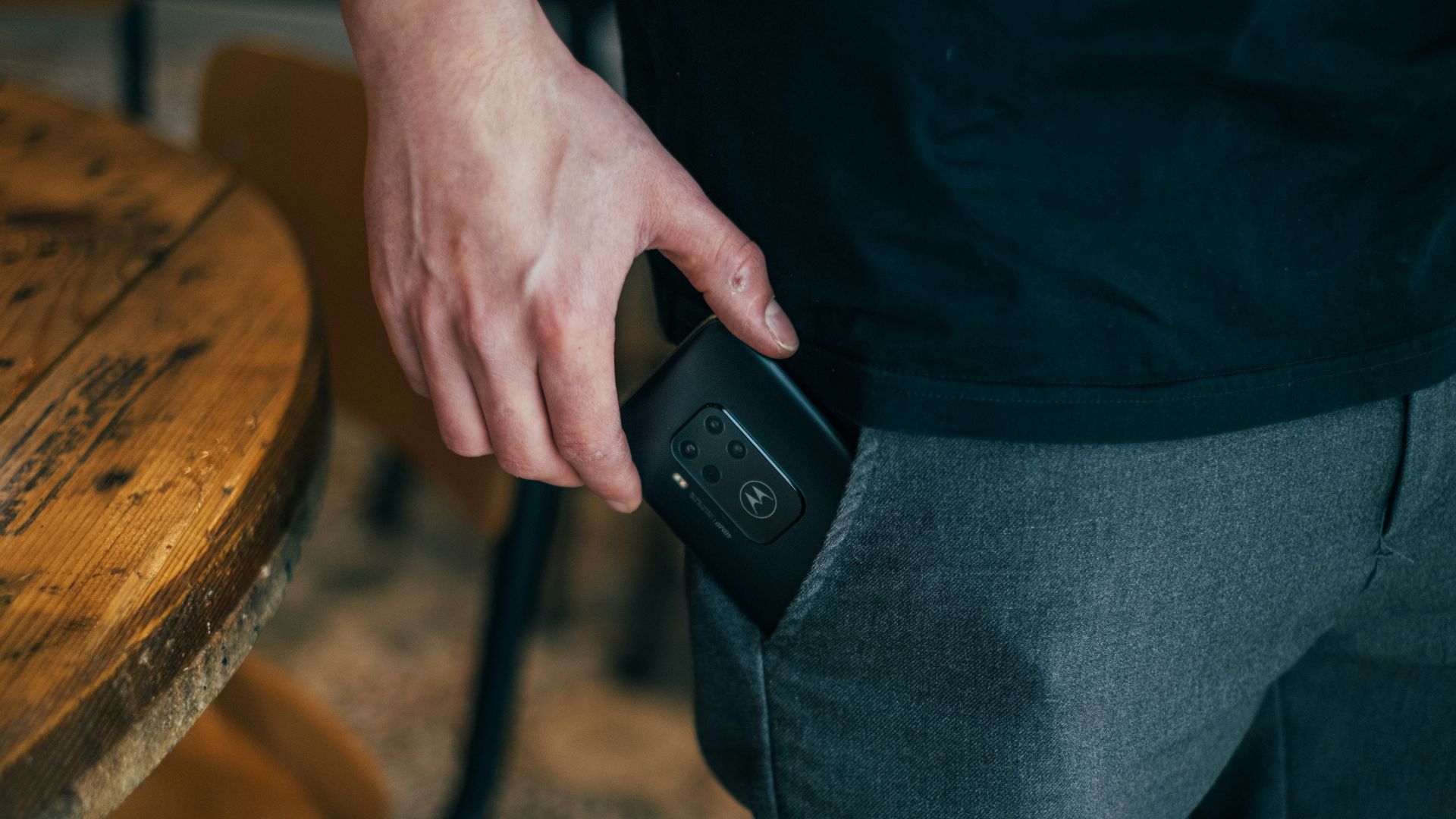
Phantom vibrations are a real little horror: a twitch of the thigh, a whisper of movement, and suddenly the brain goes, Something happened. Even when the phone is silent, the expectation of interruption lingers like background static. The body learns to scan for signals, and scanning is basically anxiety’s favorite hobby.
2. The Endless “Just In Case” Check
You unlock your phone “just to see,” not because you have a plan. That kind of checking is rarely satisfying, which means it repeats, and repetition teaches the nervous system that relief is always one more glance away. Eventually, not checking feels like leaving the stove on, even when nothing is cooking.

3. The Red Dot Reflex
Those little badges are tiny alarms dressed up as design. They don’t say, “When you have a moment,” they say, “A thing is unresolved,” and the brain hates unresolved things. After enough reps, a single red dot can make the chest tighten the way a missed call used to.
4. The Group Chat Timing Trap
Group chats train you to be on someone else’s schedule, even when you’re technically off the clock. There’s always a chance you’ll miss the joke, the plan, the update, the subtle shift in tone. Silence becomes suspicious, and the phone becomes the tool for managing social weather.

5. The Scroll That Never Ends
Scrolling is a slot machine that never tells you the game is over. The brain keeps expecting the next swipe to reveal the “right” post, the useful tip, the confirmation that things are okay. When a system offers infinite input, the mind responds with infinite vigilance.

6. The News That Arrives Like Shrapnel
Headlines show up in the middle of everything, dropped into your day like a sharp object in a pocket. There’s no gentle ramp-up, no context, just a punchy line designed to spike emotion. Getting hit with emergency energy at random times teaches the body that calm is temporary.

7. The Algorithm That Finds Your Soft Spots
Phones learn what makes you linger: outrage, envy, fear, longing, the slow ache of comparison. Then they serve more of it, neatly portioned, because attention is the currency and discomfort is sticky. Over time, what you see becomes what you anticipate, and anticipation is where anxiety likes to live.
8. The Calendar That Never Stops Negotiating
Even your free time gets turned into a block that can be moved, optimized, rescheduled, or squeezed. There’s always another reminder, another invitation, another quick call that looks harmless until it lands on top of dinner. The phone makes life feel like a constant negotiation with a clock that never blinks.

9. The GPS That Makes Everywhere Feel Urgent
Navigation apps don’t just tell you where to go; they tell you how late you are. One missed turn and suddenly there’s a reroute, a new arrival time, and the subtle sense you’ve failed a tiny test. Even a simple drive can feel like a timed exam, with the phone as the proctor.
10. The Email That Leaks Into Everything
Work messages creep into weekends. Even if you don’t reply, you still read them, and that’s enough to flip your brain into work mode. The phone teaches a nasty reflex: if you could deal with it right now, why are you letting it sit?

11. The Social Feed That Turns Life Into A Scoreboard
Photos and posts look effortless, which is exactly why they land like a quiet accusation. It’s not just comparing vacations; it’s comparing energy, confidence, friendships, bodies, careers, and how “together” everyone seems at 7:42 p.m. on a Tuesday. The phone trains you to see your own life from the outside, and that perspective can be brutal.

12. The Read Receipt Mind Game
“Seen” is such a small word for how loud it can feel. Once the phone shows who read what and when, every pause becomes a story the brain writes in the darkest ink. You’re not just waiting for a reply; you’re waiting for reassurance about the reply.

13. The Silence After Posting
You post something, and then you hover over it like it might break. Each like feels like a quick nod of approval, and when nothing happens, it’s like the room went quiet right after you spoke. The phone trains you to treat attention as a verdict on your value, and that’s a heavy thing to carry around.
 Aleksandra Sapozhnikova on Unsplash
14. The Notification Pile-Up
Even harmless alerts stack into a sense of being behind. Weather updates, app promos, “memories,” streaks, packages, suggestions—each one is another tap on the shoulder. Being tapped all day teaches the body to tense preemptively, because the next tap is always coming.
 Himanshu Choudhary on Unsplash
15. The Late-Night Brightness Ritual
A bright screen at night doesn’t just keep you awake—it keeps you curious. Your body is trying to shut down, but your phone keeps handing you new stuff to look at. Sleep gets lighter, and when you’re tired, everything feels more stressful and easier to worry about.

16. The “Quick Search” Rabbit Hole
Looking up one thing turns into seven tabs, two arguments in the comments, and a vague sense that there’s more you should know. The phone makes uncertainty feel solvable, but only if you keep digging. Eventually, not knowing something immediately feels unsafe, even when it’s completely fine.
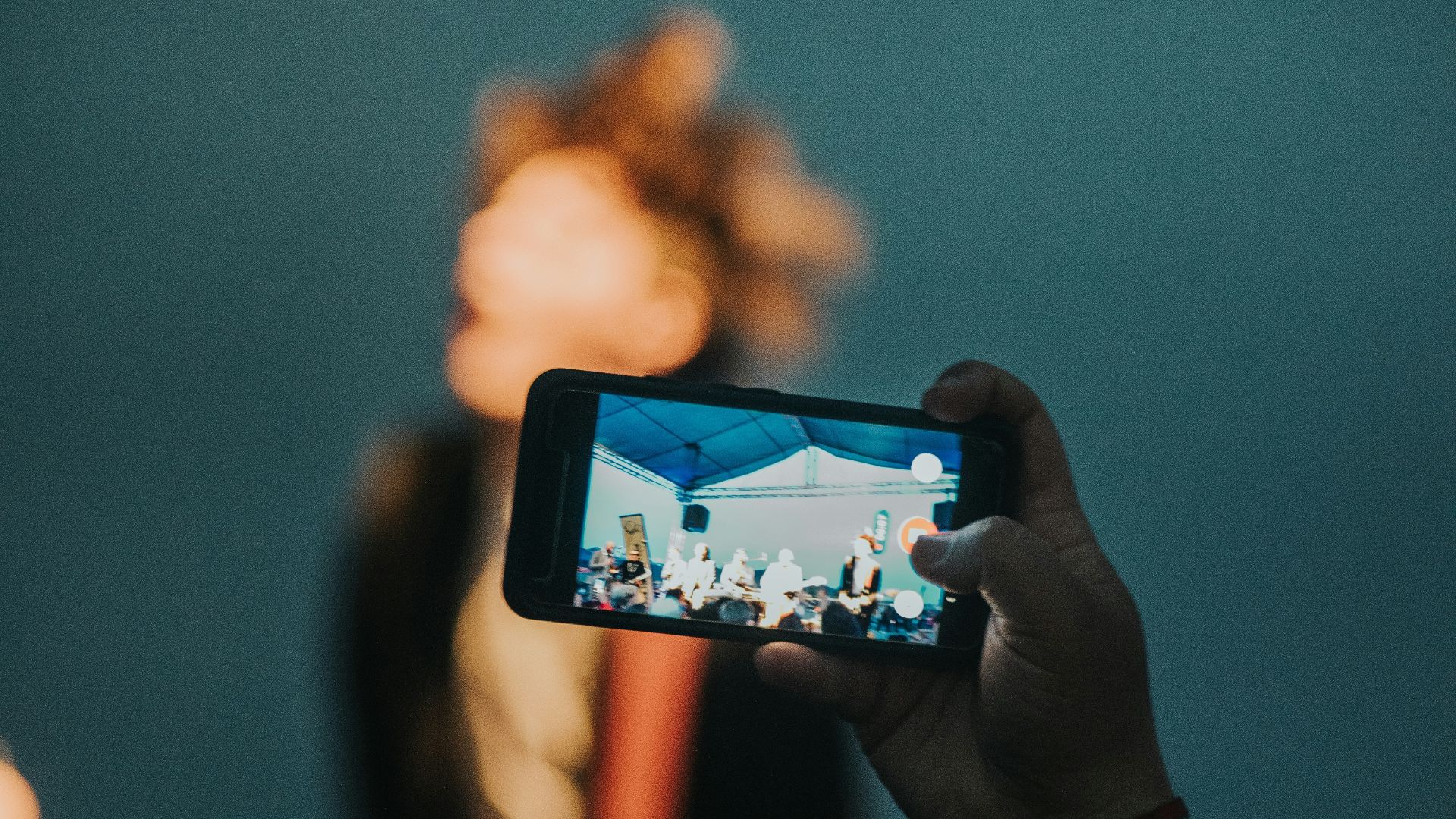
17. The Camera That Turns Moments Into Tasks
Instead of being at the concert, you’re also documenting the concert, selecting angles, checking the clip, and deciding if it’s good enough. The phone trains you to split your attention into performer and audience at the same time. That split creates a low-level pressure: don’t miss it, don’t mess it up, don’t waste the moment.
18. The Constant Micro-Decisions
Reply now or later. Like or don’t. Save it, ignore it, mute it, leave the chat, buy the thing, resist the thing, click, scroll. The phone throws a nonstop stream of tiny decisions at you, and even when they seem harmless, they wear you down. After a while, that decision fatigue shows up as irritability, restlessness, and the anxious feeling that your brain is too full.

19. The Dopamine Whiplash
A funny video rolls straight into something upsetting, then an ad, then an engagement, then a rant, then a baby’s first steps. Your emotions keep getting tugged in different directions, and your body isn’t built to switch gears that fast without feeling keyed up. The phone trains your nervous system to bounce from hit to hit instead of settling.

20. The Feeling That You Should Be Reachable
Maybe the biggest lesson is the quiet one: the assumption that access to you is normal. When being unreachable starts to feel like a problem, anxiety steps in to manage the imaginary consequences. The phone doesn’t just keep you connected—it teaches you to fear disconnection.
 Centre for Ageing Better on Unsplash