Small Changes That Add Up
Most people assume that saving money requires serious sacrifice, but the truth is that some of the most effective changes you can make are also the simplest. Sometimes, it's as easy as making a grocery list before heading into the store! You don't need to give up your favorite things or completely rethink how you live; you just need a few smarter habits working in your favor. Ready to stuff your piggy bank? Here are 20 easy and practical ways to save money.
 Public Domain Pictures on Pexels
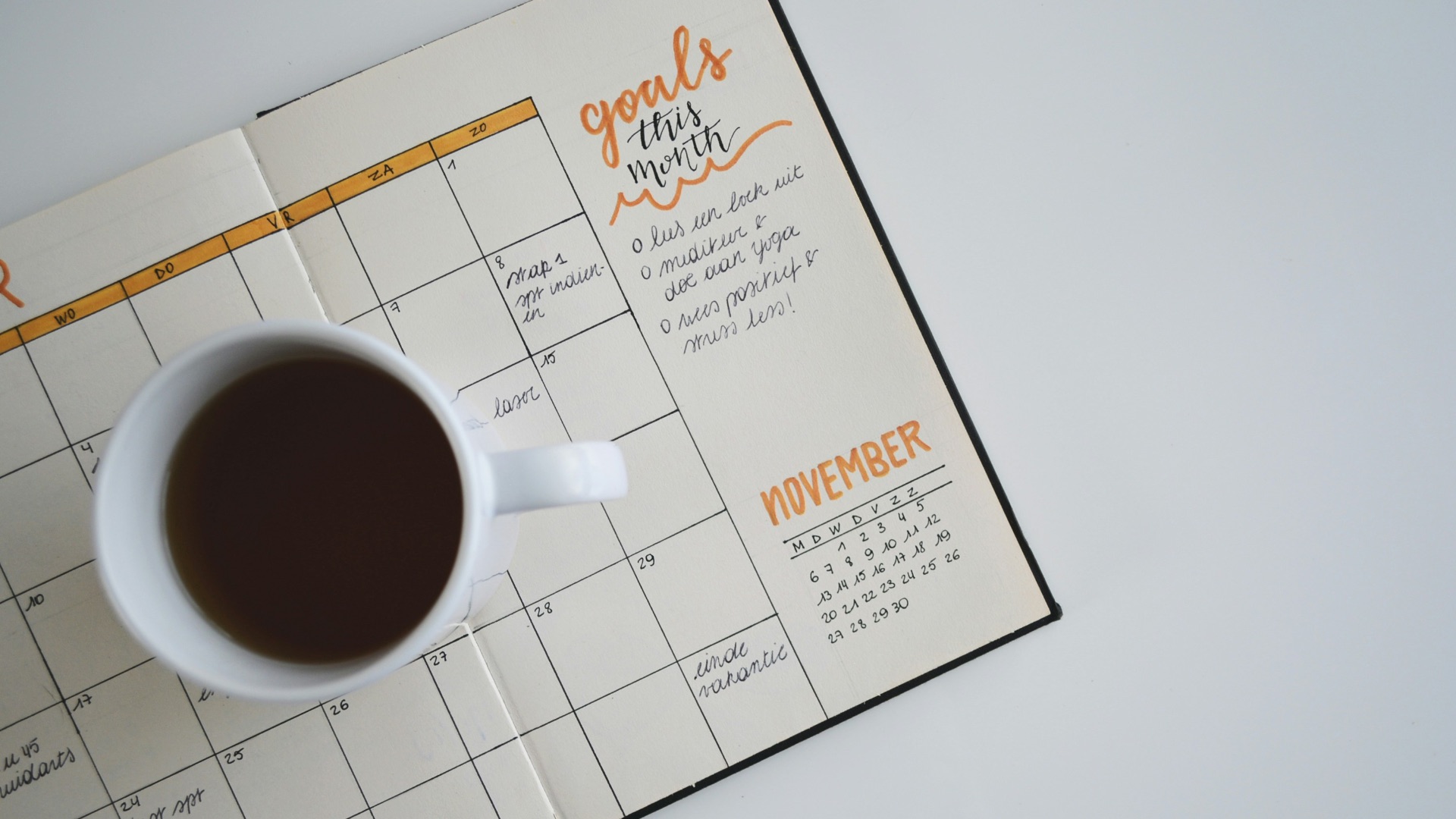
1. Create a Monthly Budget
Knowing exactly where your money is going each month is one of the most powerful steps you can take toward saving more of it. A simple budget helps you spot areas where you're overspending and gives you a clear picture of what's left over after your essential expenses are covered. You don't need fancy software to get started; a basic spreadsheet or even a notebook will do the job just fine.

2. Cook More at Home
Dining out regularly is one of the quickest ways to drain your bank account without realizing it, since those restaurant markups (and tips) add up fast. Cooking at home is almost always cheaper, and it gives you more control over what you're eating, which is a nice bonus. Even replacing just two or three takeout meals per week with home-cooked ones can lead to noticeable savings over the course of a month.

3. Cancel Subscriptions You Don't Use
It's surprisingly easy to forget about monthly subscriptions that are charging your account, especially when they've become part of the background noise of your finances. Take a few minutes to review your bank and credit card statements and identify any services you haven't actually used in the past few months. Canceling even two or three unused subscriptions can free up a meaningful amount of money each month.

4. Shop with a Grocery List
Heading to the grocery store without a plan is almost a guaranteed way to spend more than you intended, because impulse purchases tend to sneak into the cart. Writing out a list before you go keeps you focused and helps you avoid buying things you already have at home. Sticking to that list consistently is one of the simplest habits you can build to reduce your weekly grocery bill. And remember: never shop hungry!

5. Switch to Generic Brands
Brand-name products often cost significantly more than their generic counterparts, even when the quality is essentially the same. This is especially true for pantry staples, cleaning supplies, and over-the-counter medications, where the difference in ingredients is often minimal. Making the switch on even a handful of items can shave a decent amount off your shopping total each week.

6. Automate Your Savings
Setting up an automatic transfer to your savings account each payday is one of the most effective ways to save consistently, because the money moves before you even have a chance to spend it. You can start small and increase the amount gradually as your budget allows, making the transition feel more manageable. Over time, those automated deposits can grow into a solid financial buffer without requiring much effort on your part.

7. Use Cashback and Rewards Apps
There are plenty of free apps and browser extensions that offer cashback or rewards points on purchases you'd be making anyway, so there's really no reason not to take advantage of them. Many grocery stores and retailers also have their own loyalty programs that provide discounts and perks to regular shoppers. Getting into the habit of checking for cashback opportunities before you buy can add up to real savings over the course of a year.

8. Lower Your Energy Bills
Reducing your energy consumption is good for both your wallet and the environment, and it often requires only minor changes to your daily routine. Turning off lights when you leave a room, adjusting your thermostat by a few degrees, and unplugging devices that aren't in use are all easy wins. Over a full year, these small reductions in energy use can translate into a noticeable difference on your utility bills.

9. Plan Your Purchases Around Sales
Timing your bigger purchases to coincide with sales events can result in substantial savings, particularly for clothing, electronics, and home goods. Many retailers follow predictable sale cycles, so it's worth doing a little research before buying something at full price. Patience really does pay off when it comes to non-urgent purchases, and waiting for the right moment can save you a significant percentage of the original cost.

10. Brew Your Own Coffee
If you're in the habit of stopping at a coffee shop every morning, the cost of that daily cup is likely adding up to more than you'd expect over a month. Investing in a decent home coffee setup and brewing your own is far more economical, and many people find they prefer the convenience of having coffee ready at home. You can still treat yourself to the occasional coffee shop, just don't make it a daily expense.

11. Negotiate Your Bills
Many people don't realize that certain recurring bills are actually negotiable, including things like your internet service, insurance premiums, and even your cell phone plan. A quick phone call to your provider, mentioning that you've been looking at competitor pricing, is often enough to prompt a better offer (that, or you can pretend to cancel your plan). It takes a little bit of effort, but the payoff can be a lower monthly bill for the exact same service you already have.

12. Buy Secondhand When Possible
Thrift stores, online resale platforms, and local buy-and-sell groups are great places to find furniture, clothing, books, and household items at a fraction of their retail price. Plenty of secondhand items are in excellent condition, and buying used is an easy way to stretch your budget further without compromising on what you need. Once you get comfortable shopping secondhand, it can become a surprisingly enjoyable way to find good deals.

13. Limit Impulse Purchases
Impulse buying is one of the most common ways that otherwise careful budgeters end up overspending, and it tends to happen most often during online shopping sessions. A practical approach is to add items to your cart and then wait at least 24 to 48 hours before completing the purchase, which gives the initial urge to buy time to pass. You'll often find that the item didn't feel as essential a day later, and skipping the purchase keeps more money where it belongs.

14. Review Your Insurance Policies
It's worth taking a periodic look at your home, auto, and health insurance policies to make sure you're getting the best rate available and that your coverage still matches your current needs. Shopping around for quotes every year or two can reveal better deals that you'd otherwise miss simply by staying with the same provider out of habit. Even a small reduction in your annual premiums can add up to meaningful savings over time.

15. Pack Your Lunch
Buying lunch every workday might not seem like a major expense, but the total cost over a full work year is often surprisingly high. Packing your own lunch a few times a week is a straightforward way to cut that expense down considerably, and it gives you more control over what you're eating as well. Talk about a win-win!
 Antoni Shkraba Studio on Pexels
16. Use the Library
Libraries offer far more than just books these days, with many providing free access to movies, music, audiobooks, magazines, and digital resources. If you're currently paying for services that your local library could replace, it's worth checking what's available with a free library card. Taking advantage of what's already available in your community is one of the easiest ways to cut entertainment costs without giving anything up.

17. Track Your Spending Regularly
Reviewing your spending on a weekly basis helps you stay aware of your habits and catch any areas where costs are creeping up before they become a bigger problem. It doesn't need to be a lengthy process; even a quick five-minute check-in can keep you on track and aligned with your financial goals. The more consistent you are with tracking, the easier it becomes to make informed decisions about where your money goes.

18. Carpool or Combine Errands
Transportation costs, including fuel, maintenance, and parking, can take a significant chunk out of your monthly budget if you're not paying close attention to them. Carpooling with coworkers or neighbors, and planning your errands so you handle multiple stops in a single trip, are practical ways to reduce how much you're spending on getting around. These habits also reduce wear and tear on your vehicle, which contributes to lower long-term maintenance costs.
 Jaxon Matthew Willis on Pexels
19. Avoid Paying Bank Fees
Many banks charge monthly maintenance fees, ATM fees, and overdraft charges that are entirely avoidable with a little bit of planning. Switching to a no-fee checking account, keeping a close eye on your balance to avoid overdrafts, and using in-network ATMs are simple steps that can eliminate those unnecessary costs. It's money you're handing over for essentially nothing, so it's well worth taking the time to remove those fees from your budget.

20. Set Clear Financial Goals
Having a specific goal in mind, whether it's building an emergency fund, saving for a vacation, or paying off debt, gives you a much stronger reason to stick to your money-saving habits. After all, when you know what you're working toward, it's easier to stay motivated and make decisions that align with your priorities. Writing your goals down and revisiting them regularly keeps them at the front of your mind and helps you measure the progress you're making.