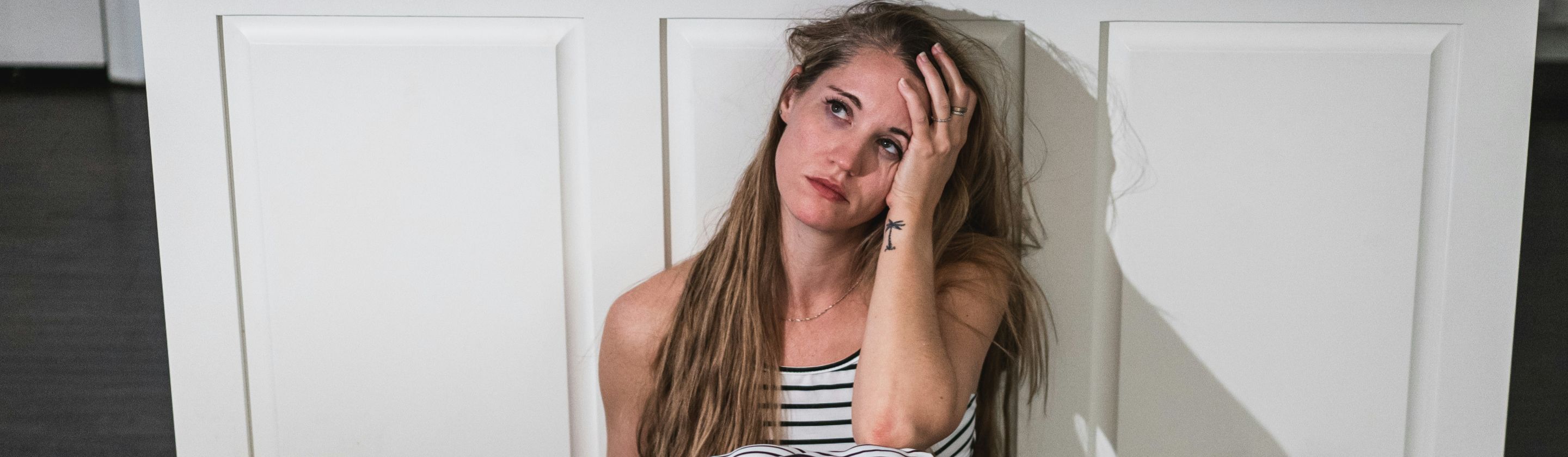
You’re Not You When You’re Frazzled
Work follows you home like a stray cat, doesn't it? Even when the laptop's shut, the shoes are kicked off, and you're technically done for the day, your brain hasn't gotten the memo yet. You're still carrying that meeting that dragged on forever, the messages that kept piling up, the whole mental juggling act of tomorrow's list. And then somebody asks, "What's for dinner?” If you're exhausted from being the cranky, frayed version of yourself every evening... if you're tired of taking it out on the exact people you love most... these 20 little resets are for you.

1. Mini Meditation
Before you even say hello to anyone, just breathe. In through your nose, slow now, and then let the exhale go longer than the inhale. Do a few rounds. Keep your shoulders down. Unclench that jaw (yes, you're doing it right now).

2. Take The Long Way Home
If you commute, park a little farther away or hop off one stop early and walk the rest. Work from home? Step outside, do a loop around the block, and then come back in. That tiny little transition helps your brain stop acting like you're still on the clock.

3. Stretch
We all carry the day in the same spots: the neck, the shoulders, the lower back, the hips. Spend five slow minutes stretching those out, especially if you've been hunched over a screen all day. When your body stops clenching, you stop snapping.

4. Do A Yoga Flow
You do not need a candle, a special playlist, and the best leggings to do a bit of yoga. A few simple poses in whatever you're already wearing is enough. The whole goal is just to feel less wound up.

5. Have A Shower
A warm shower can ease the gross feeling that clings to you after work. Let your muscles get the memo to relax. If you can soften the lighting, even better. Let your face unclench under the water.
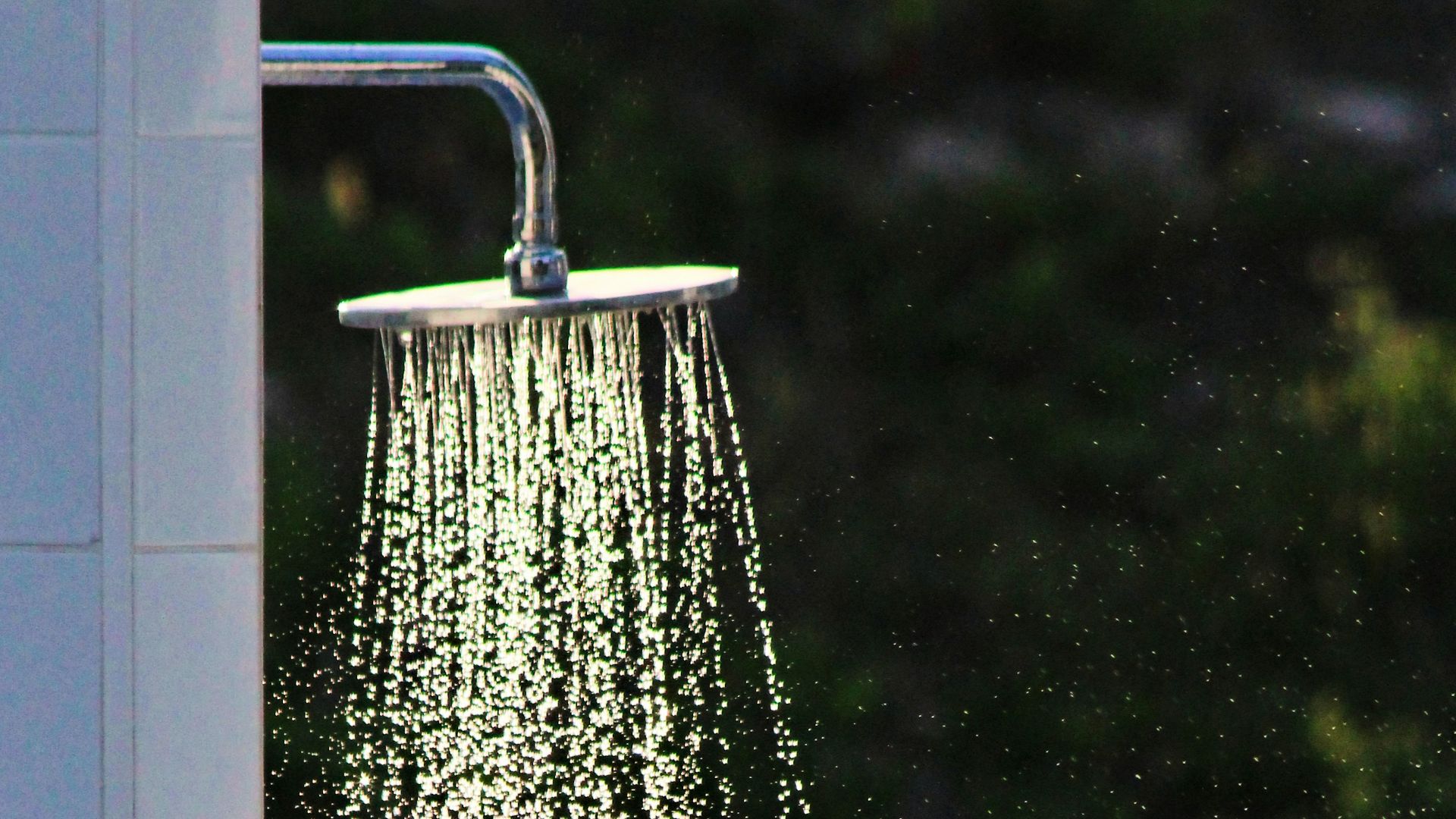 Chandler Cruttenden on Unsplash
6. Vibe To Good Sounds
Calming music, something mellow, nature sounds, whatever works for you, especially in those first fifteen minutes home. Sound affects your mood faster than you'd think, and sometimes plain silence can actually make you more reactive.

7. Do A Brain Dump
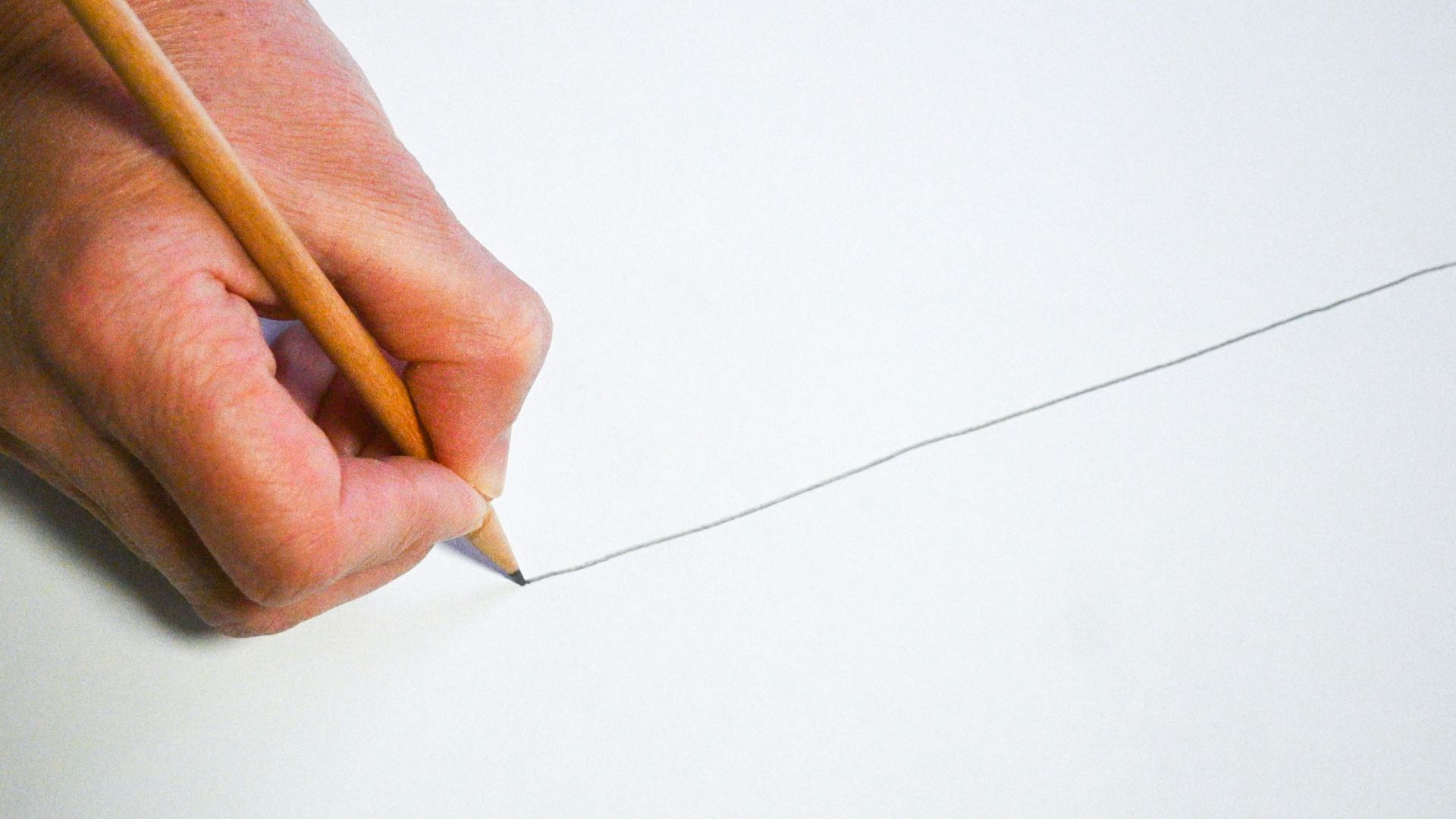
Grab a notebook and just write the messy, unfiltered version of what's rattling around in your head. Bullet points are fine. It doesn't have to make sense. Getting those thoughts out of your body and onto paper takes the edge off, and then you can actually be present with the people around you.

8. Eat A Snack
Hunger is sneaky. It turns tiny things into massive problems, and after-work irritability absolutely loves an empty stomach. Grab something with a bit of protein and fiber: yogurt, some nuts, or a quick sandwich.

9. Do A Quick Workout
If your day was mentally draining, something physical like a brisk walk, a short jog, or a bit of strength work can help you discharge all that built-up stress. If your day was physically exhausting, gentle movement might serve you better than more intensity.
 LOGAN WEAVER | @LGNWVR on Unsplash
10. Set A Boundary
Give yourself a short window, even just ten minutes, where you don't answer questions, solve problems, or explain your day to anyone. Something simple like "Give me ten minutes to decompress" keeps you from biting someone's head off. People can handle a clear, kind boundary far better than they can handle your sharpest tone.
11. Do Not Disturb Mode
Those last-minute work pings can keep your whole nervous system revved up long after you're technically off duty. Turn the notifications off. Set an app timer. Stick the phone in a drawer while you come down.

12. Create A Home Entry Ritual
Wash your hands, change into something comfortable, light a little kitchen candle, and make a cup of tea. Whatever it is, pick one small thing and repeat it. Your brain starts to recognize that action as the shift into your personal time.

13. Cook Something Simple
Making dinner can be calming if you stop trying to multitask through it. Pick something you can almost make on autopilot. Focus on one step at a time: the chopping, the stirring, the tasting.

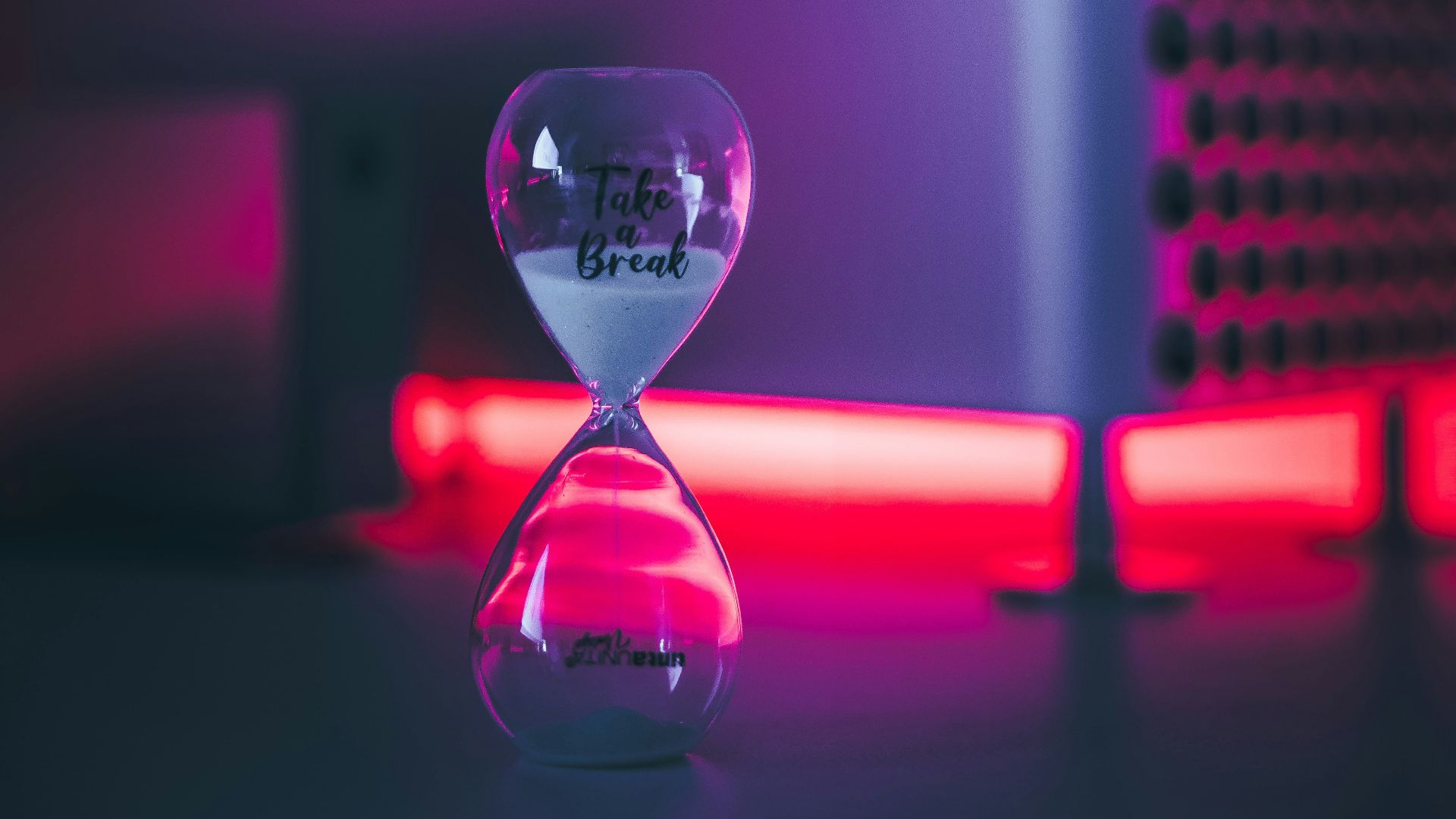
14. Take A Break
The moment you feel that irritation climbing, physically move yourself away from whatever triggered it. Go to the bathroom, step onto the porch, walk into another room, and take a few slow breaths. That bit of distance protects the people you love and keeps you from saying something you'll genuinely regret.
15. Count To 10
And you are, really, buying time. Count slowly, with a steady exhale, and let your brain come back down from problem-solving mode. You return to the conversation sounding like yourself again. It's old advice for a reason.

16. Name The Problem
Here's a big one. Sometimes you're not actually annoyed at your partner, your kid, your housemate. You're overstimulated. You're exhausted. You're coming down from a brutal, stressful day. Try mentally labeling what's really happening: fatigue, hunger, sensory overload, "deadline hangover," whatever it is. When you can name it, you can respond to it instead of snapping at whoever just happens to be closest.

17. Use Some Humor
A funny little video, a silly meme, a light show you've watched a hundred times: these things can genuinely interrupt the spiral. Keep it gentle, keep it private. You're not avoiding the day. You're just turning the volume down so you can act like a reasonable human being again.

18. Speak Honestly
Try this: "I'm feeling a bit agitated right now, and it's not about you." Say it before you start interacting. That's it. It's not making excuses. It's a heads-up. It stops people from taking your mood personally. And it makes you notice your tone before it lands badly on someone you care about.
 Volodymyr Hryshchenko on Unsplash
19. Plan For Tomorrow
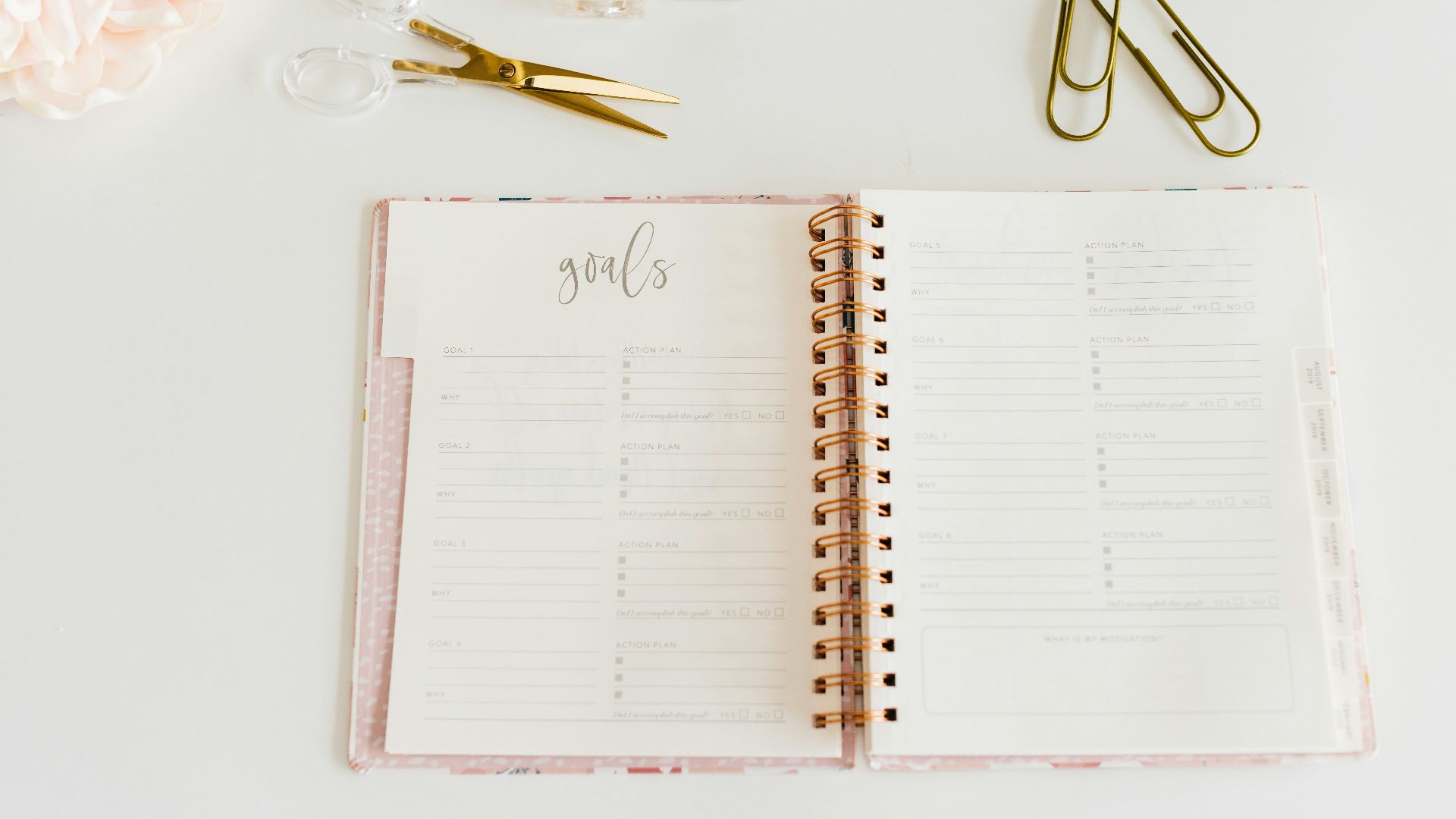
If your brain is spiraling around everything you've still got to do, write down just the first three priorities for tomorrow. Realistic ones. Leave the rest. A small, manageable plan can reduce that trapped, pressured feeling that so often makes us snippy at home.
20. Build Tiny Breaks Into Your Workday
A lot of the after-work snapping starts with stress you never got to release during the day. If you can, take short breaks as you go. You’ll end the workday with less pressure in your system, and you show up at home, for the people who matter most, with a little more patience left to give.