
Sweet Words, Sharp Edges
Some phrases sound like they were dipped in honey, then quietly sharpened on the underside. They show up at work, at family dinners, in group chats that suddenly go silent, and in those cheery emails that somehow make the stomach drop. The tricky part is that the words are technically polite, which means calling them out can make you look like the one who forgot how manners work. But the tone, the timing, and the little invisible emphasis do all the real communicating, and everyone in the room feels it. Here are 20 classics that pretend to be civil while gently pressing a thumb on the bruise.

1. With All Due Respect
This rarely signals respect is on the way. It usually means a critique is about to arrive wearing a blazer and a smile. The phrase gives the speaker a running start, like they’re trying to outrun the consequences.
 LinkedIn Sales Solutions on Unsplash
2. No Worries
Sometimes it’s genuinely friendly, like a verbal shrug and a good vibe. Other times it lands like a bright sticker slapped over a crack in the wall. When it’s passive-aggressive, it means you should have worried, actually.

3. Just Checking In
On paper, it’s a gentle nudge. In practice, it can feel like a spotlight swinging your direction, especially if it’s the third time today. The word just is doing that sneaky thing where it pretends to be small while making the message heavier.

4. Per My Last Email
This is the written equivalent of pointing at the receipt. It’s not information, it’s a reminder that someone believes you should already know better. Even when it’s justified, it still carries a faint scent of finger-wag.

5. Whatever You Think Is Best
The words offer freedom, but the subtext offers a trap. It often means there is a right answer, and everyone will know if you pick the wrong one. You can almost hear the silent follow-up: and if it goes badly, it’s on you.
 Christina @ wocintechchat.com M on Unsplash
6. Must Be Nice
It sounds like a compliment until it doesn’t. This phrase tends to show up when someone wants to point out your luck without admitting they’re jealous or annoyed. It’s praise with a little hook hidden inside.
 Christina @ wocintechchat.com M on Unsplash
7. Good For You
When it’s sincere, it’s warm and supportive. When it’s passive-aggressive, it’s a tiny pat on the head delivered with a straight face. The difference is in the pause before you, which can be loud enough to rattle dishes.

8. Interesting
This is a word that can mean anything, and that’s why it’s dangerous. In its passive-aggressive form, it means that idea is going into a mental folder labeled absolutely not. It’s the conversational version of slowly closing a laptop.

9. If That Works For You
It sounds accommodating, like a polite nod. But it often implies that it wouldn’t work for any reasonable person with standards. The phrase makes your choice feel like a personal quirk instead of a valid decision.

10. I’m Sorry You Feel That Way
This apology never actually touches the speaker’s behavior. It shifts the focus onto your reaction, like the real issue is that you experienced feelings at all. It’s an I’m sorry with the sorry removed.

11. Bless Your Heart
In some places, it can be genuinely sweet, the way someone might fuss over you and refill your tea. But it can also translate to you tried, and it shows. When it’s passive-aggressive, it’s a hug that quietly comes with a head shake.

12. That’s One Way To Do It
The compliment is technically present, somewhere, in theory. But the phrase usually suggests your method was wildly unnecessary, slightly embarrassing, or both. It’s applause with raised eyebrows.

13. Just Saying
This shows up right after someone says something they very much want to count. It’s a little disclaimer meant to make a jab look casual and unintentional. If it were truly just saying, it wouldn’t need the label.
 Mental Health America (MHA) on Pexels
14. As You Probably Know
This can be a harmless filler in a friendly conversation. Passive-aggressively, it’s a way to call you uninformed while pretending to assume you’re informed. It’s the polite version of how did you miss this.

15. Let’s Circle Back
Sometimes it’s a real plan. Other times it’s a burial at sea for your idea, with a calendar invite as the funeral hymn. You can almost hear the conversation being gently pushed into a drawer.

16. Just To Clarify
Clarifying can be useful, even generous. But it can also be a neat way to say you messed this up without saying it. The phrase arrives with that crisp, tight cheerfulness that makes you re-read your own message three times.

17. I’ll Let You Figure That Out
It sounds empowering, like someone believes in you. In reality, it can mean you’re being left alone with the mess, the ambiguity, and the deadline. It’s guidance withheld with a grin.
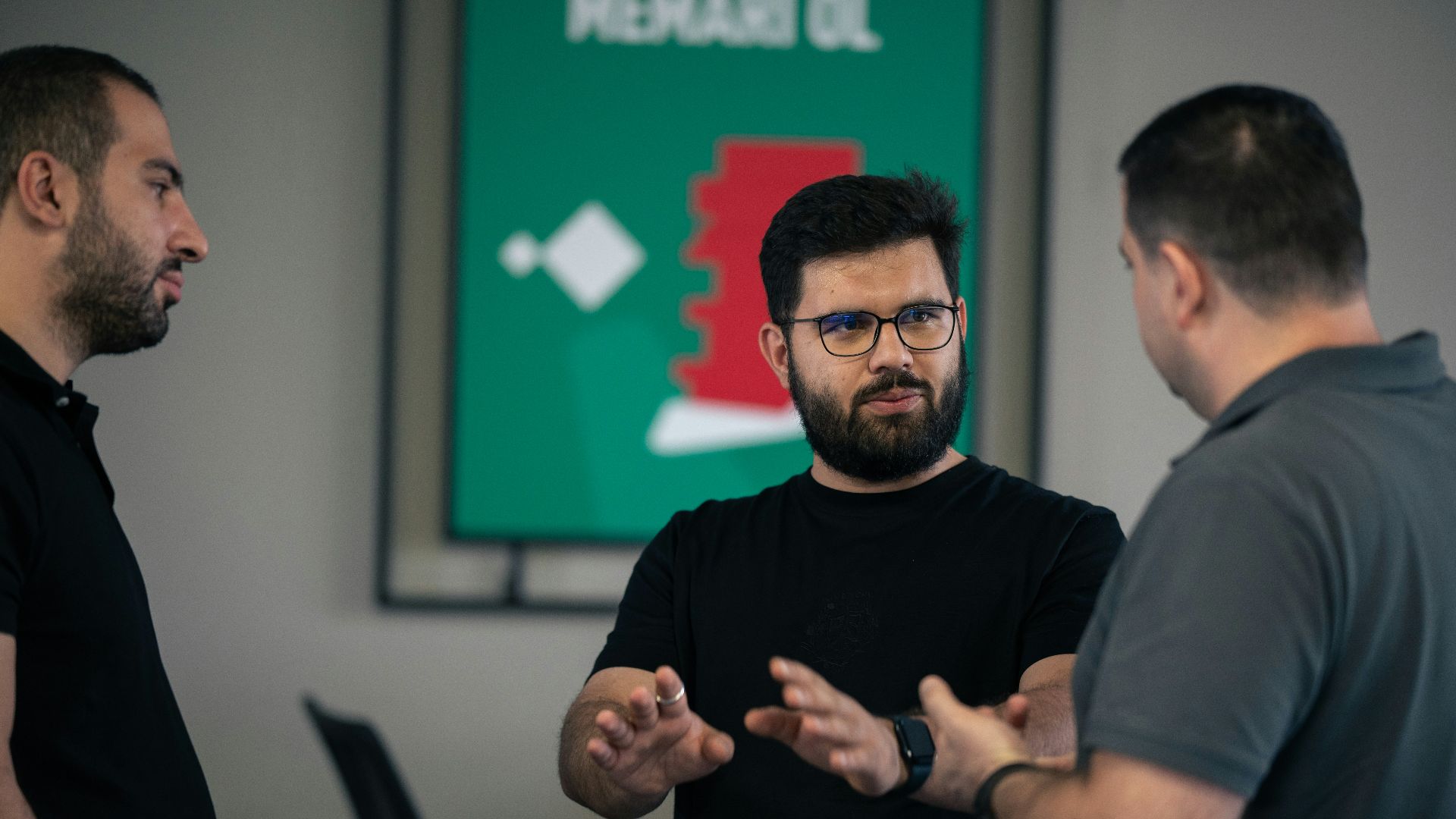 Mushvig Niftaliyev on Unsplash
18. Thanks In Advance
This can be genuinely efficient, a nice way to signal appreciation early. Passive-aggressively, it’s a preemptive victory lap that assumes compliance and discourages questions. You’re being thanked for doing the thing before you’ve agreed to do the thing.

19. I Thought You’d Want To Know
Sometimes this is thoughtful and considerate. Other times it’s the setup for an update delivered with a side of judgment, like you should have known already. The phrase frames the message as a favor, even when it’s clearly a scold.

20. Take Your Time
In the best case, it’s permission to breathe. In the passive-aggressive case, it’s a clock tapping its foot, pretending to be relaxed. The words say calm, but the timing says hurry up.