 Victoria Priessnitz on Unsplash
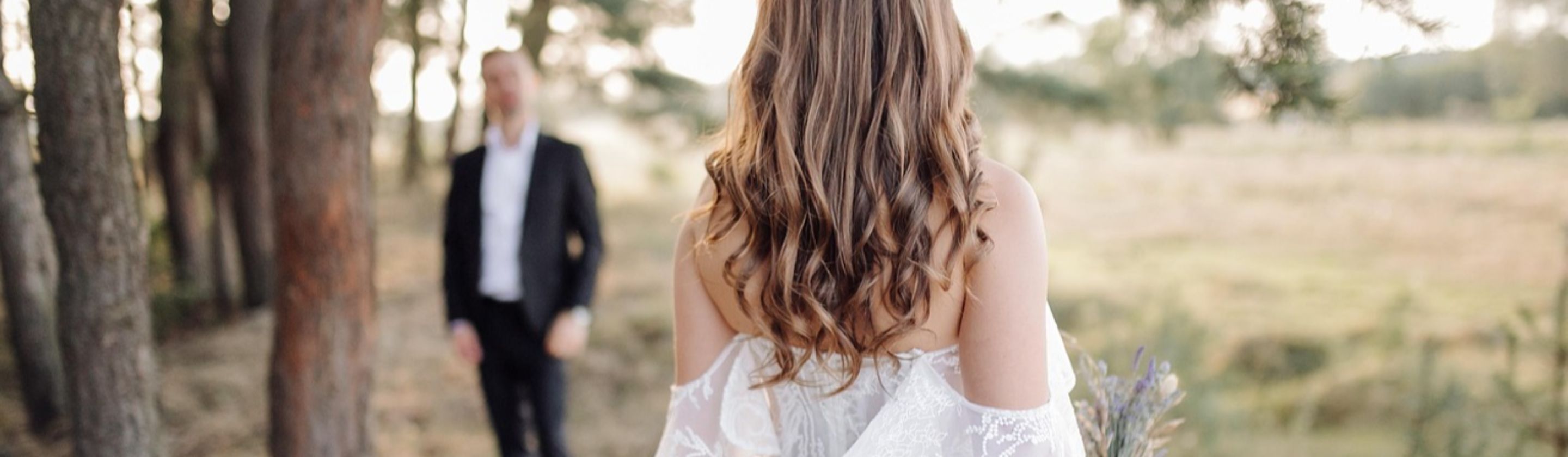
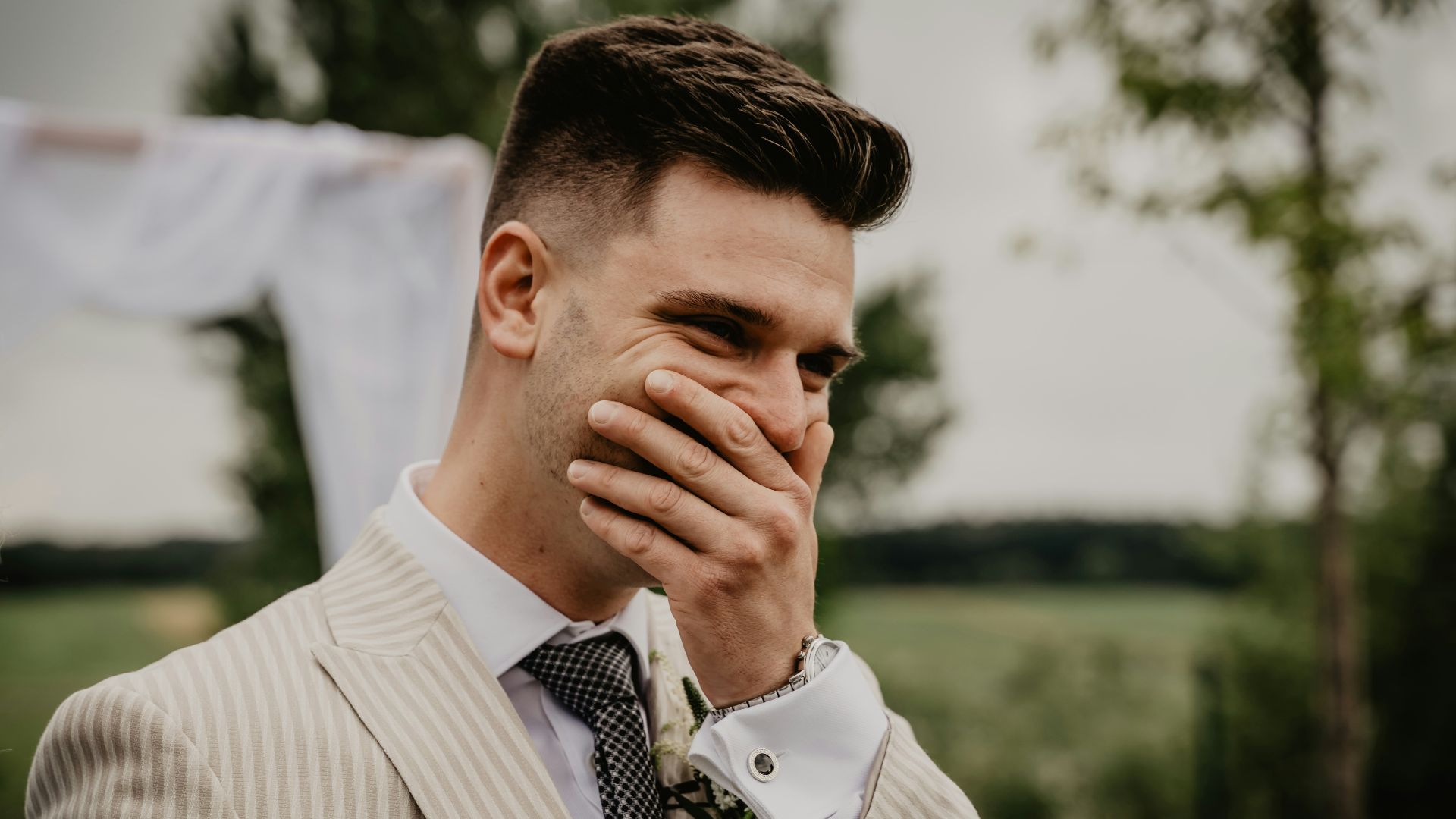
When the doors open and you step into view, it’s an emotional moment. Wedding culture loves to frame the bride's journey to the altar like a grand visual reveal. They also want us to believe that the groom is taking in the dress, the veil, and every carefully chosen detail. But in public groom accounts and wedding features built around those reactions, the first response often feels more personal than that. What seems to hit first is the person, and especially the face coming toward him.
That doesn’t mean every groom thinks the same way. Some say they cried, some say they felt relief, some say they went blank, and some admit their minds were all over the place. Still, one thread comes up again and again: your expression tends to register before the accessories do.
Why Your Face Is First
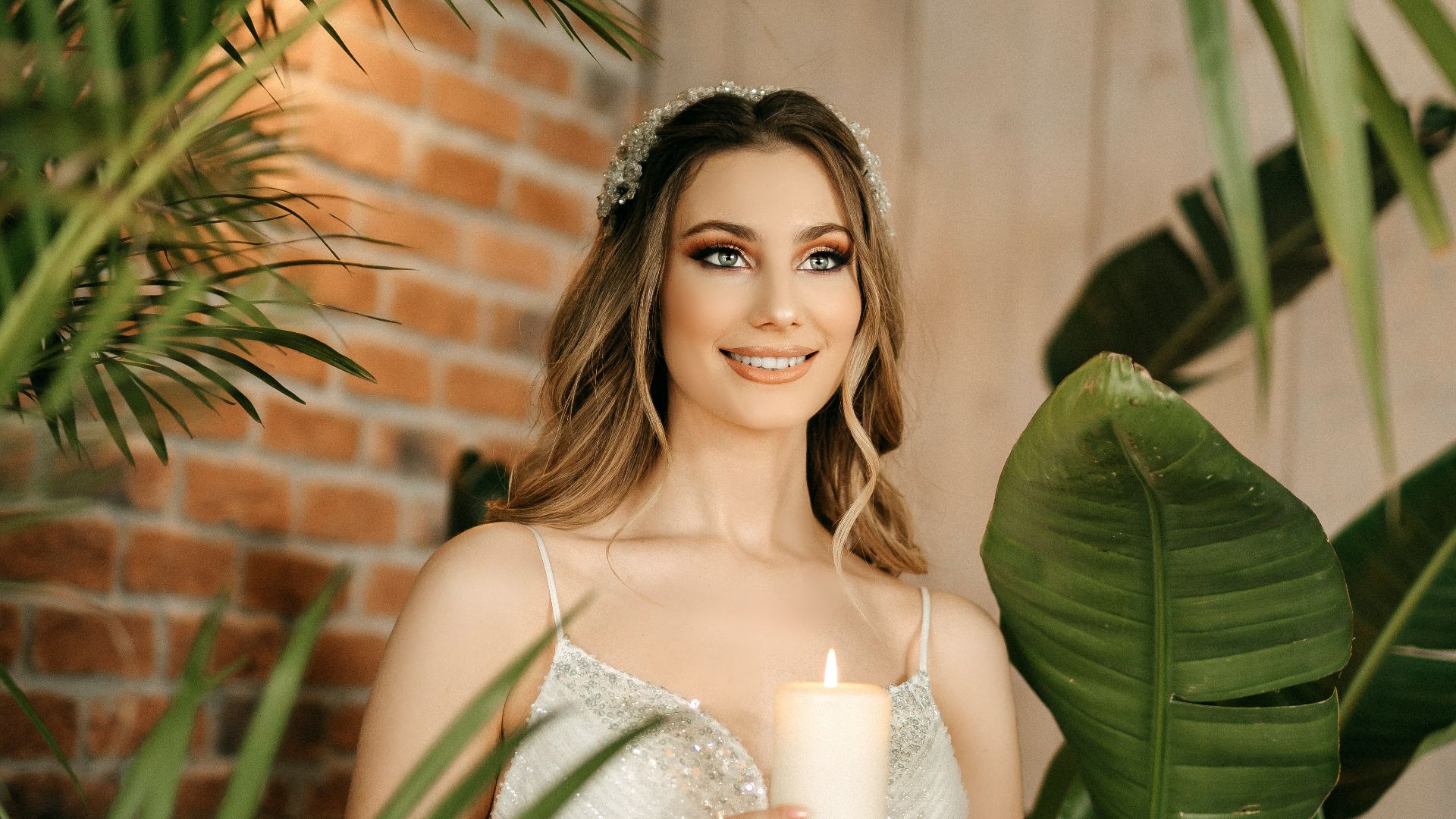
There’s a pretty simple reason why he sees your smile before he notices the veil. A 2024 Scientific Reports paper found that more facially expressive people were more well-liked. So when someone sees a real smile in a loaded, emotional moment, they aren’t just seeing a face. They’re reading warmth, openness, and feeling all at once.
That lines up with the way grooms talk about the 'aisle moment.' The language is usually pretty blunt. Men talk about crying, staring, feeling lucky, feeling relieved, or suddenly feeling the weight of what’s happening. These emotional retellings all point in the same direction: the emotional read tends to come before they even see the dress.
Even when the dress does register right away, it’s often described through the person wearing it. One groom said he wasn’t prepared for how much his soon-to-be wife would “bring that dress to life,” while others focused on beauty, awe, or the surreal feeling of seeing her in that setting. The dress matters, clearly, but in these accounts it usually lands as part of the whole person.
What He’s Picking Up On Emotionally
A smile does a lot of work in a moment like this. It can read as joy, relief, confidence, tenderness, and that quiet little sense of yes, we’re really here. That doesn’t make it magical, exactly, but it does make it one of the clearest emotional signals a person can send across a room without saying a word. And that helps explain why so many aisle-moment recollections are about feeling before they’re about styling.
The eyes matter for a similar reason. Research on first impressions from faces shows that people make these judgments fast, sometimes in as little as 100 milliseconds, even if those judgments aren’t always accurate. That helps explain why eye contact can feel so intense during a ceremony, and why couples so often describe the room fading out for a second.
Aside from the gendered comments we can make on men recognizing fashion, this is also the reason why grooms don't focus on the "look" of their betrothed. Men talk about trying not to cry, feeling their nerves drop once she arrives, or realizing that yes, they're getting married. It's subjective, sure, but it still supports the same softer conclusion: the face, the expression, and the overall feeling of the moment often outrun the smaller details.
Why Nerves Are Part Of The Picture
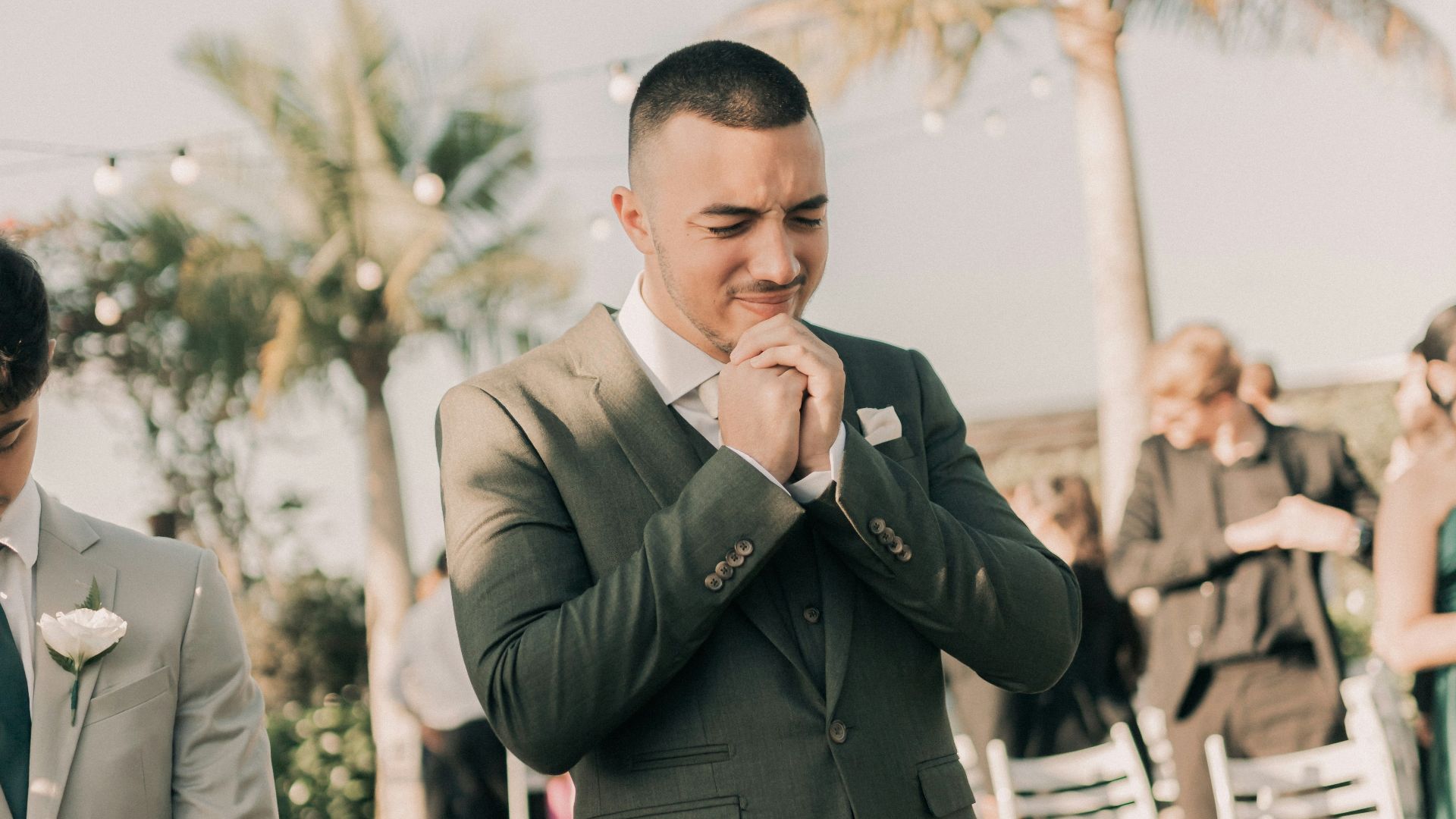
None of this happens in a calm, perfectly centered state, and that matters too. American Marriage Ministries says weddings are emotional and that “there will be plenty of nervousness to go around,” while The Knot says wedding-day nerves are “beyond normal” for couples. So the groom standing at the altar may look composed, but that doesn’t mean he actually feels composed.
By the time the aisle walk starts, he may already be dealing with stress, poor sleep, a jacked-up nervous system, caffeine, an empty stomach, and the pressure of having all eyes on him. The Knot’s advice for calming wedding-day nerves talks about people fretting over details, struggling with sleep, feeling heightened anxiety, and even increasing their chances of fainting at the altar if nerves and not eating collide. So that shaky, emotional, overwhelmed feeling in groom accounts isn’t some weird outlier. It fits the wider picture pretty well.
That’s why the safest version of the claim is still the strongest one. It’s not that every groom ignores the dress, and it’s not that every man notices the same feature first. It’s that many public accounts suggest the first real impact comes from your expression, especially the smile, the eyes, and the visible joy, while everything else tends to come into focus a beat later.