
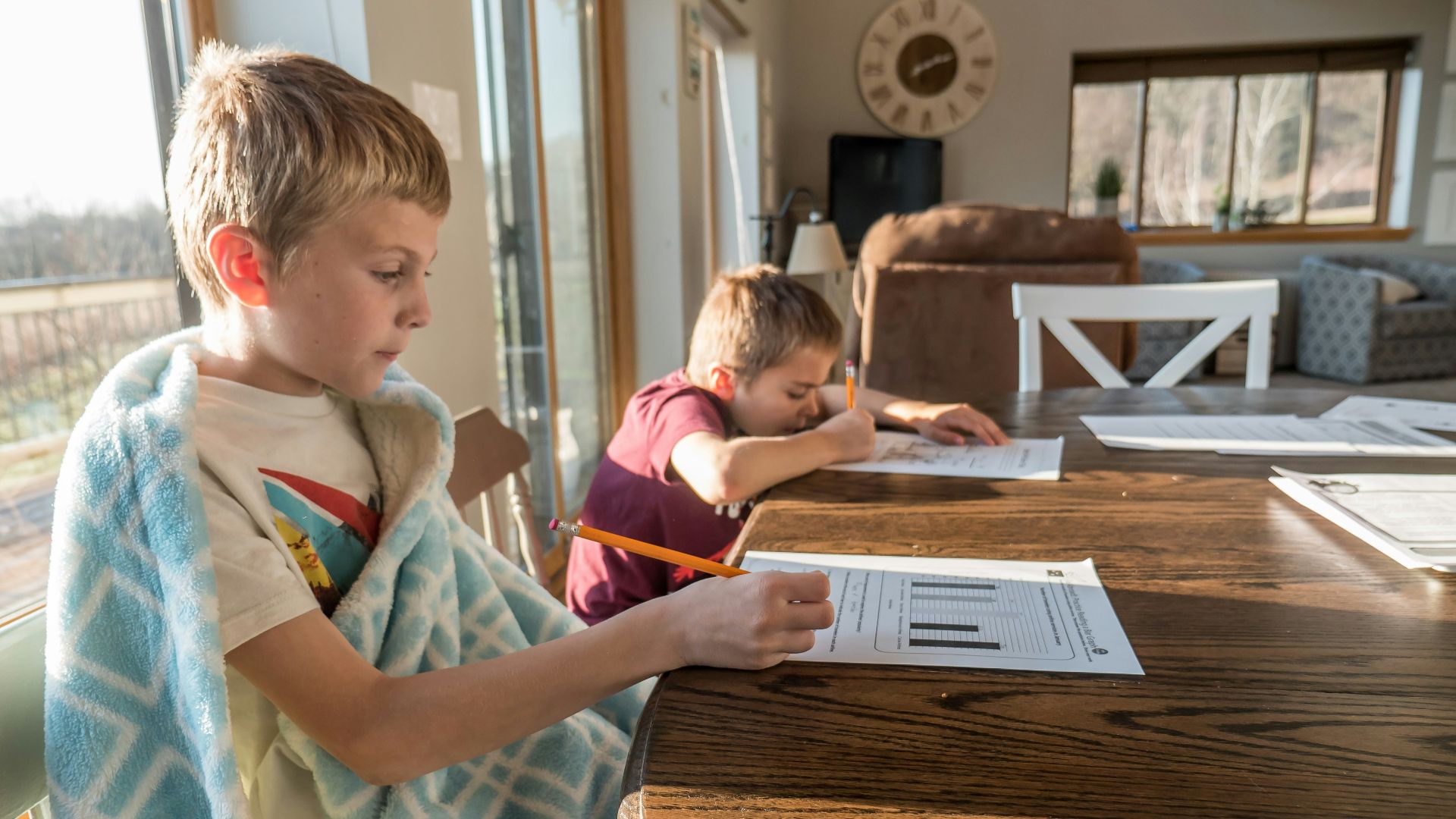
 Jessica Lewis 🦋 thepaintedsquare on Unsplash
Kids spend roughly seven hours at school, then come home to another two or three hours of worksheets, reading logs, and problem sets. We've built this system where we measure education in assignments completed rather than curiosity cultivated, and maybe that's exactly backwards. The research on homework effectiveness has always been shakier than we'd like to admit, especially for younger students, yet we keep piling it on like more is automatically better.
The Homework-Achievement Link Is Weaker Than You Think
Harris Cooper's comprehensive 2006 meta-analysis of homework studies found virtually no correlation between homework and achievement for elementary students. None. For middle schoolers, the correlation was modest at best. High schoolers showed some benefit, though with seriously diminishing returns after two hours per night. More recent studies confirm that Cooper’s findings remain true twenty years later .
Yet Challenge Success-Stanford Surveys from 2018 onward note an average of 2.8 hours per night across students, rising to 3.2 hours for those taking Advanced Placement courses . That's an hour past the point of usefulness, spent grinding through busywork that won't improve grades or comprehension.
As for elementary kids, they're bringing home thirty to forty minutes of homework despite zero evidence it helps them academically. That's time they could spend building with Legos, reading for pleasure, or engaging in creative pursuits that actually benefit their intellectual development.
Creative Downtime Isn't Optional for Brain Development
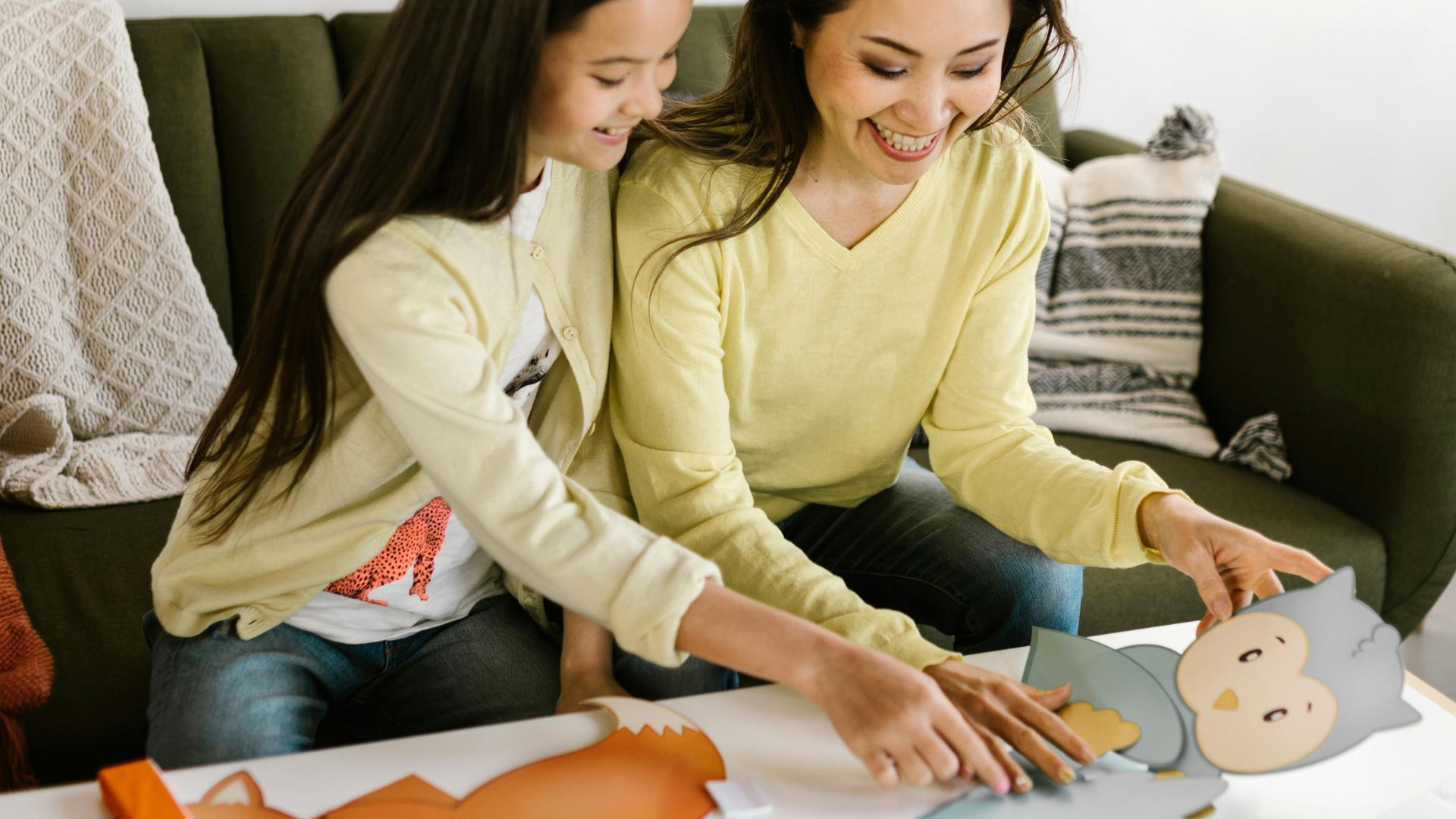
Neuroscientists have been pretty clear about the fact that brains need unstructured time to consolidate learning and make unexpected connections. The default mode network—the part of your brain that activates during daydreaming and free play—is where creative insights happen. It's not laziness; it's essential cognitive processing.
Dr. Sandra Russ at Case Western Reserve has spent decades researching play and creativity in children. Her work consistently shows that kids who engage in more pretend play demonstrate better problem-solving abilities, emotional regulation, and divergent thinking. These aren’t frivolous skills but the foundation of innovation and adaptability .
Real-World Skills Don't Come From Worksheets
You can complete a thousand math worksheets and still freeze when faced with an actual problem that requires mathematical thinking. Homework tends to emphasize rote practice over application, which might explain why students can pass tests yet struggle to transfer knowledge to new situations.
Meanwhile, creative time—building a treehouse, putting on a backyard play, cooking dinner with family—teaches planning, collaboration, resourcefulness, and persistence. These are the competencies employers actually want, according to basically every workforce survey conducted in the past decade.
The National Education Association's own homework guidelines acknowledge this, recommending the "10-minute rule": ten minutes per grade level per night, maximum. A third-grader should do thirty minutes, then be done. Anything beyond that is borrowed time from more valuable activities .
The Stress Factor Is Real and Measurable

A 2025 paper analyzing parental involvement in homework found that emotional strain and conflicts often arise, exacerbated by parental overinvolvement or unrealistic expectations. Kids reported feeling physically ill from stress, with symptoms such as headaches, stomach problems, and sleep deprivation .
Sleep especially takes a hit. The CDC reports that only about half of middle schoolers get the recommended nine hours of sleep, with homework cited as a primary reason for late bedtimes . Sleep deprivation affects memory consolidation, emotional regulation, and physical health.
Parents aren't equipped to teach every subject, which turns homework time into battles over material the adults don't fully understand themselves. What could otherwise be quality family time is transformed into manufactured tension over polynomial equations nobody will use again.
Creativity Compounds in Ways Homework Doesn't
A kid who spends afternoons writing stories, making videos, or coding games is building skills that actually transfer. They're learning to see projects through and iterate on ideas. These capabilities stack and grow in ways that completing assigned problem sets simply don't.
The arts especially suffer when homework dominates. Skills like drawing, music, and dance take practice and experimentation, but they're the first things cut when there's three hours of homework waiting. We say we value well-rounded students, then structure their time so they can only be well-rounded at academics, which is really just being one-dimensional in multiple subjects.