
Your House Isn’t A Courtroom
One day, you're hearing about lunch-table drama or some weird science project, and the next you're getting one-word answers, a shrug, and a closed bedroom door. The silence hurts. You want to chase it down, fix it, force something. Of course you do. You love them. Such as the life of a parent. Unfortunately, fixing or forcing conversation won’t do you much good here. In this case, connection works better than control, especially when emotions are running hot. These 20 moves are about staying steady, dropping the pressure, and making it a little easier for your kid to find their way back to you.

1. Switch From Manager Mode
Try switching up your general attitude towards your kid. Keep your door open, keep the conversations productive, but don’t become a helicopter parent. Keep an eye on the big stuff, but let smaller choices go. Kids tend to open up more when they feel trusted rather than tracked.

2. Create Side-By-Side Time
Face-to-face at the kitchen table, nowhere to look, conversation expected — that's a lot. Car rides, dog walks, folding laundry, working a puzzle together: these softer settings have fewer social demands. These less-in-your-face moments tend to let your kid open up more than a structured, sit-down conversation.

3. Practice Active Listening
Phone down. Face matching the moment. Let them finish, then reflect on what you heard in plain, simple language, even if you disagree with every word of it. Feeling heard is usually the thing that opens the door to sharing more and trusting your opinion.
4. Validate The Feeling, Before The Facts
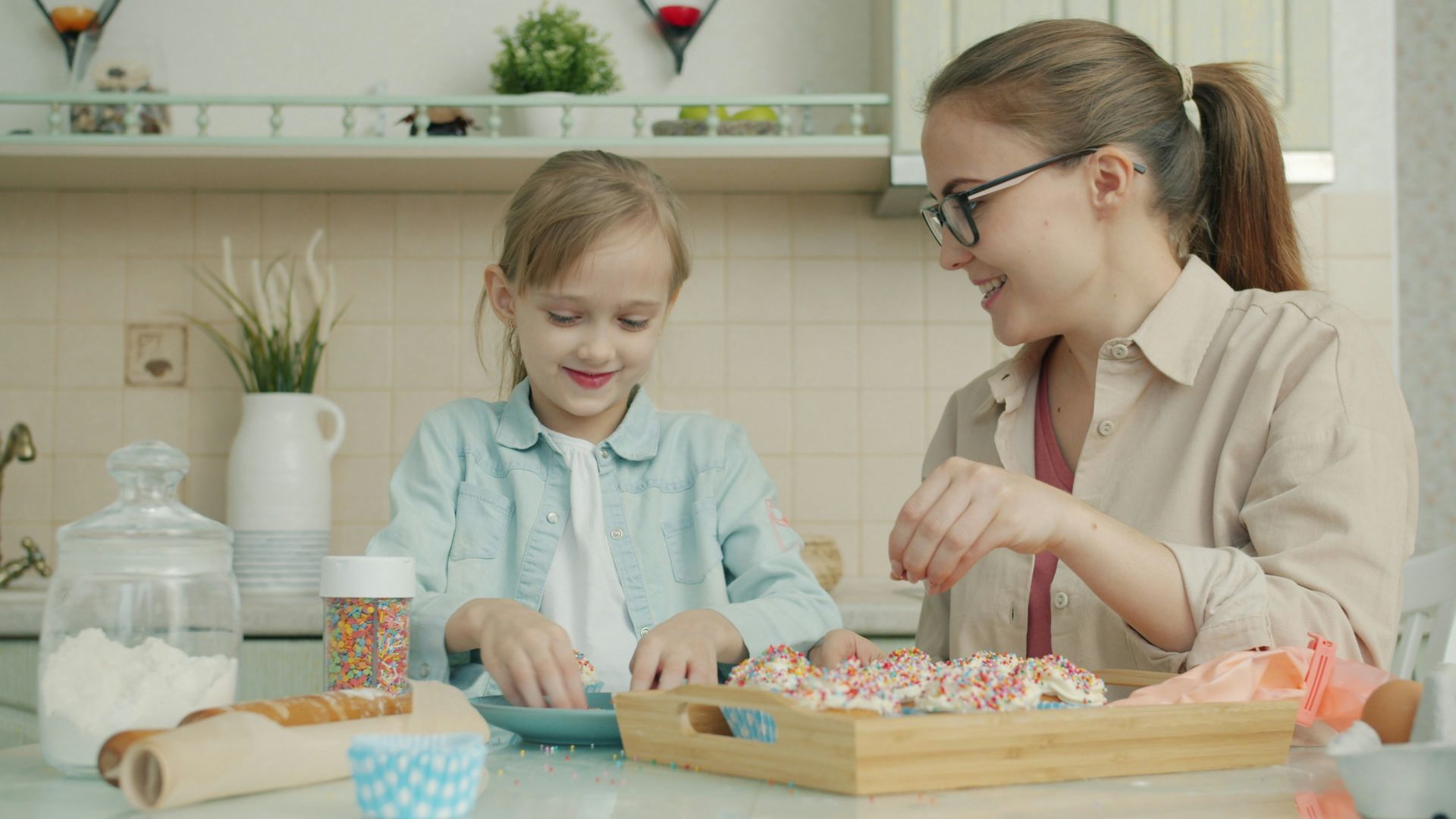
You can acknowledge the emotion without signing off on every detail of the story. Name what seems true on the inside: the frustration, the embarrassment, the disappointment. This simple act makes kids feel less alone, and often leads to them lowering their defensiveness.

5. Use Easy Prompts With A Clear Exit
A kid who's shut down won't respond well to interrogation. Try something gentle: "Tell us one hard part of today," or "Give us the headline version." If you’re still not getting anything, then accept silence as a perfectly acceptable answer. The goal is to offer an opening, not to collect a full report.

6. Share About Your Day
Kids notice when adults perform pure competence all the time. Share a short moment, a stressful meeting, a missed train, a day you felt a bit left out, and then stop talking. A little honesty models emotional language without turning your child into your therapist.
 Land O'Lakes, Inc. on Unsplash
7. A Window Of Connection
Pick a consistent window where you're fully present: no multitasking, no lecturing, no agenda. Let your child choose the activity, even if it's scrolling through funny animal videos or sitting on the couch with a snack. Consistency communicates that they matter, without demanding conversation.

8. Keep Showing Up
Deep chats aren't required every night to keep the relationship warm. Meals, rides, errands, game nights, keep them on the calendar so your kid still has you as a part of their day-to-day — outside of the basic structure and routine.
 Hoi An and Da Nang Photographer on Unsplash
9. Give Them Some Space
Sometimes silence is a need, not a punishment. Say, "You don't have to talk right now, and you can come to us when you're ready," and mean it. This removes the pressure for conversation, but still keeps the door open.

10. Watch Your Tone
When a kid shares something vulnerable, they're scanning your reaction, not your logic. A calm, steady voice helps your child stay in the conversation instead of retreating. If you feel a reaction rising, slow down before you choose to respond.

11. Own Your Part
If you've interrupted, dismissed, or jumped to punishment in the past, own up to it. A direct apology is easier to trust than a vague "we all make mistakes" speech. If you want to trust your kid, your kid also needs to trust you.

12. Cut The Lecture Down
Even with good intentions, a long lecture doesn’t actually do any good. Go ahead and make your point, then return to curiosity and listening. Kids re-engage more readily when they don't feel trapped in a monologue.

13. Engage With Their Interests
Watch the show they're bingeing. Ask them to teach you a game. Let them pick the playlist on the drive. Make comments that show you're paying attention to actual details, not just tolerating the things they enjoy. Shared interest creates closeness without demanding emotional disclosure.

14. Use Observations Instead Of Accusations
"You seem quieter than usual" is easier to hear than "You've been impossible lately." Observations invite reflection without cornering your child, and they keep you grounded in what you actually know rather than what you're assuming.

15. Start With Something Light
Silence can break when the first words are low-stakes. A small, mildly funny detail — the grocery store playing an old throwback song, the neighbor's dog in a sweater — then a pause. Kids often slip into talking when a bit of humor eases the tension.

16. Consider Mental Health Issues
A major drop in communication can come with overwhelm, mood issues, or social pressure, especially in adolescence. Watch for changes in sleep, appetite, energy, school avoidance, or loss of interest in things they used to love. If the silence comes with persistent signs that worry you, a pediatric or mental health professional is a practical next step.

17. Time Your Moments Around Natural Decompression
A lot of kids need a buffer after school or practice before they can handle much conversation at all. Bedtime routines, the drive home, post-shower downtime, these calmer windows reduce the chance of a shutdown before you’ve even opened your mouth.

18. Separate Discipline From Connection
Rules still matter. Clear, consistent boundaries still matter. Keep consequence conversations in their own lane, though, and protect other moments that are only about being together. When every interaction feels like a correction, kids often go quiet to protect themselves.

19. Ask For Feedback
Kids clam up when they assume they'll be dismissed or corrected. Try: "Tell us whether you feel heard when you talk to us," and really take in what their response is. Listening well in that specific moment can do more than any prepared speech.

20. Handle Distance With Respect
When an older child pulls away, pushing for immediate closeness usually backfires. Offer specific accountability, respect the limits they're setting, and reach out in small, simple ways. Time and consistent care tend to matter more than finding the perfect wording.