
The “Digital Age,” often discussed as part of the Digital Revolution, describes the broad shift from analog systems to digital technologies that changed how information is created, stored, and shared. That shift has been unfolding for decades, but it keeps accelerating as more of daily life moves onto networks, devices, and software.
What makes it feel like we’re “entering” the Digital Age right now is the way digital tools are becoming unavoidable, not optional. The International Telecommunication Union estimates that about 6 billion people were using the internet in 2025, around 74% of the world’s population. When that many people and services depend on connectivity, digital becomes the default environment you’re operating in, whether you asked for it or not.
E-Connectivity Is Becoming Default
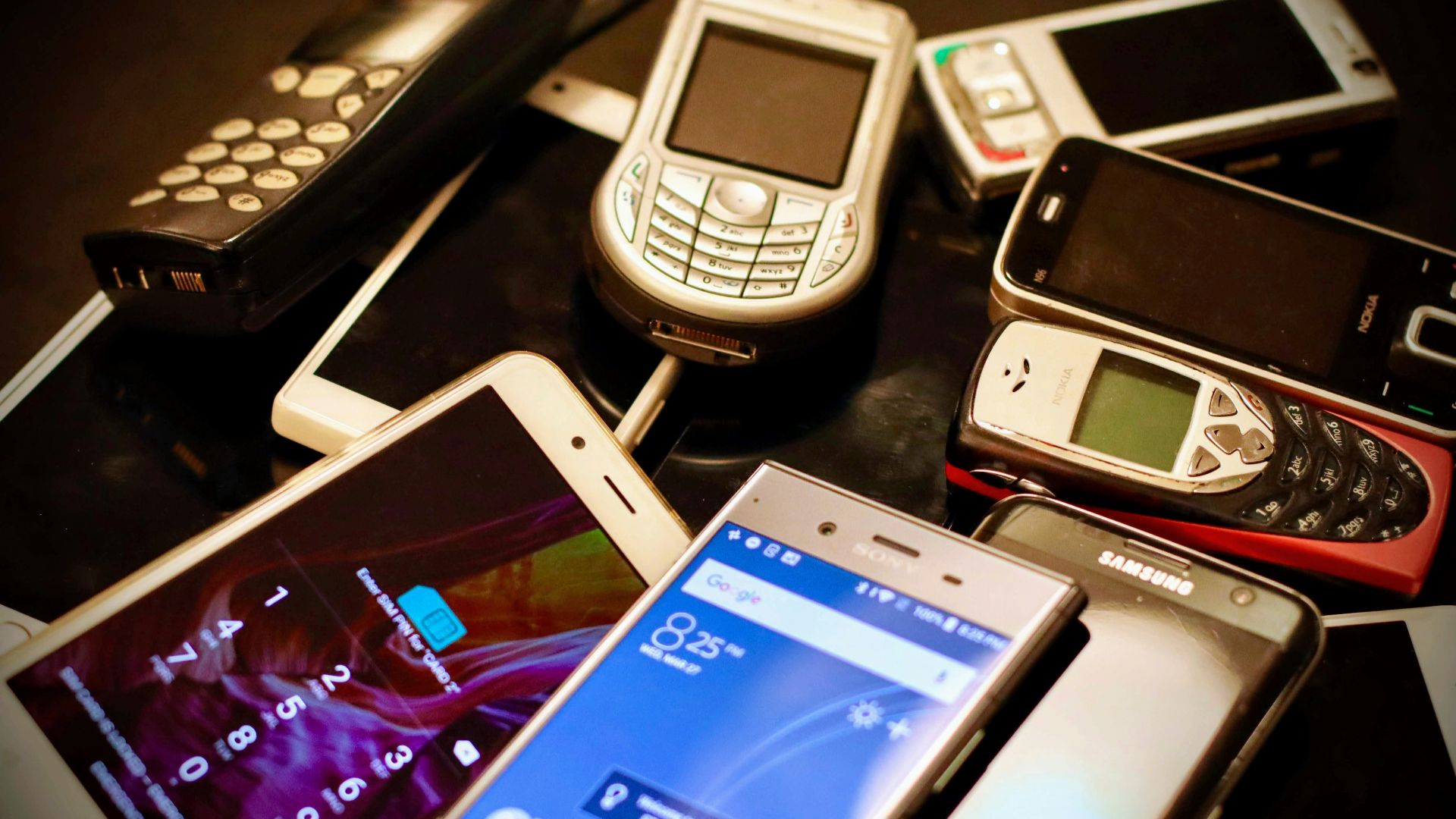
Internet access keeps expanding, and the scale alone changes what societies can build. ITU’s recent reporting shows global internet use rising year over year, with progress paired with persistent gaps between regions and income levels. Even if you personally feel “always online,” large groups still face barriers related to affordability, infrastructure, and skills.
Mobile connectivity is a huge part of why the Digital Age now reaches people far beyond traditional desktop computing. In the United States, Pew Research Center’s mobile fact sheet highlights how widespread smartphone ownership has become. This comes as no surprise to most of us, but our lifestyle has shifted severely since our phones became our little pocket computers.
You can also see the transition in how “internet use” is measured and discussed as a basic social indicator. The World Bank tracks “individuals using the internet (% of population),” and its latest world figure shows a clear majority online, with noticeable differences by region and income group.
At the same time, the digital divide is not just about access, because quality and affordability matter too. ITU emphasizes that disparities remain, including stubborn gaps affecting low-income countries and rural communities. If you want a realistic view of where we are, the right frame is “rapid expansion with uneven benefits,” not “everyone is connected and thriving.”
Cloud, Data, And Platforms
A big reason digital life feels inescapable is that more computing happens remotely, not on your personal device. The NIST definition of cloud computing describes it as on-demand network access to a shared pool of configurable resources that can be provisioned quickly with minimal management effort. In plain terms, you’re not just using apps, you’re using networks of rented computing power that can scale up and down behind the scenes.
Once cloud services become the backbone of digital information storage, software starts to behave differently in your day-to-day life. Updates arrive continuously, storage follows you across devices, and collaboration becomes normal because your files are designed to be shared. That convenience is real, but it also means outages, account lockouts, and subscription changes can affect you more than they would in a purely local setup.
Platforms also reorganize how people work, buy, and communicate, and that shift is easy to underestimate until it hits you. Payments, customer support, appointments, and even government services increasingly assume you can log in, verify identity, and complete steps online. When more systems are built around accounts and data trails, digital participation becomes a practical requirement for basic tasks, not just entertainment.
Security and privacy become more central in this kind of environment because “your stuff” is rarely just on one device. Cloud-based models can be safer than personal storage in some ways, but they also concentrate risk if credentials are weak or scams succeed. If you reuse passwords or ignore account alerts, you could lose precious memories forever.
AI And The Next Shift
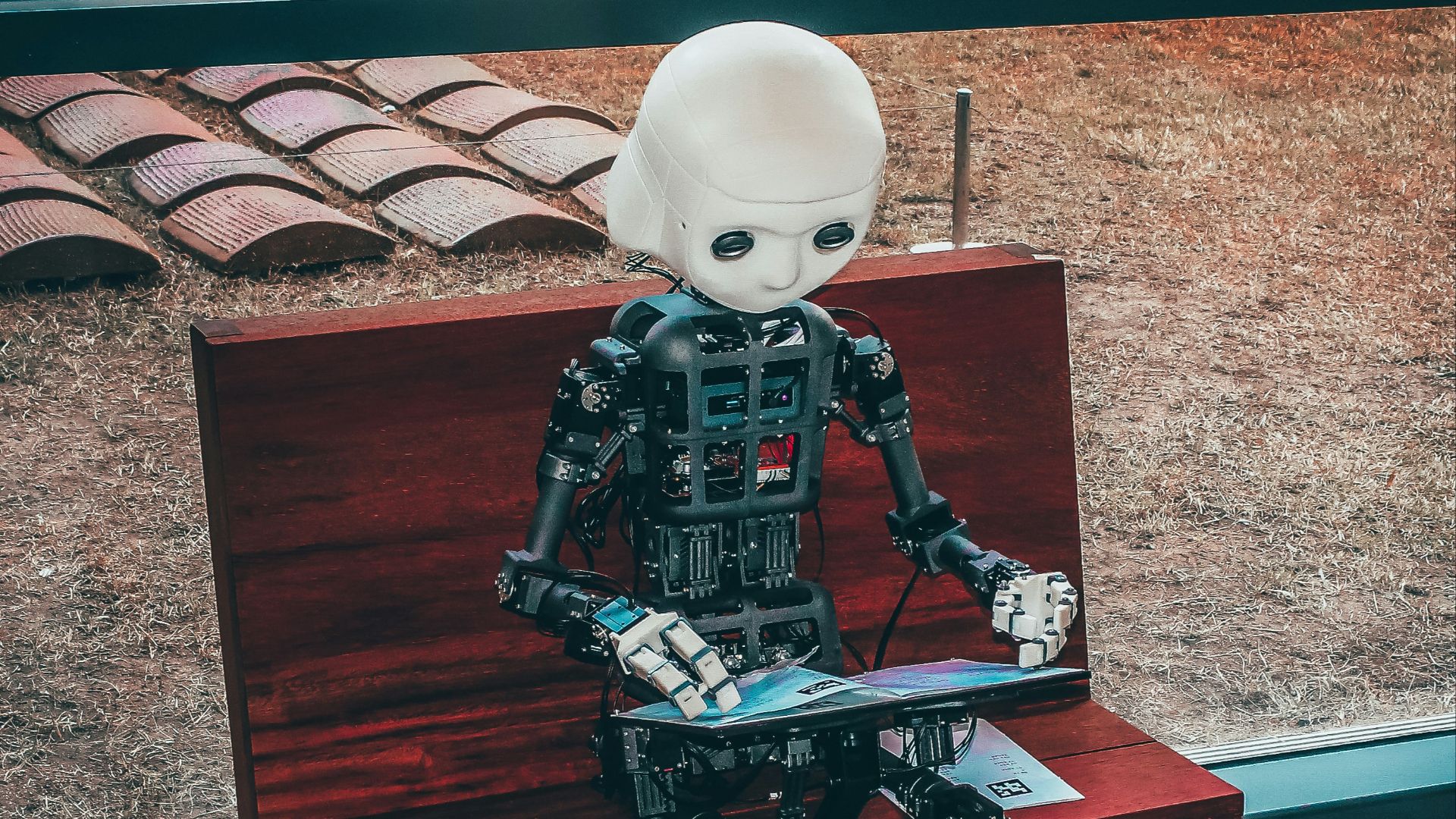
Artificial intelligence is one of the strongest signals that we’re moving into a new phase of digital life, because it changes not only tools but also decision-making. Stanford’s 2025 AI Index Report notes that 78% of organizations reported using AI in 2024, up from 55% the year before, alongside major investment growth in generative AI. That pace matters because it means AI is not confined to research labs; it is being embedded into everyday business operations.
Work patterns are also part of this transition, especially as digital systems reshape where and how work happens. The U.S. Bureau of Labor Statistics notes that 6.5% of workers in the private business sector worked primarily from home in 2019, and the pandemic triggered a much larger remote-work experiment after that. Add cloud tools, collaboration platforms, and AI assistance, and you get a work culture that is increasingly designed to function through software first.
The shift brings real pressure to decide what “trustworthy tech” should look like at scale. The OECD AI Principles, adopted in 2019 and updated in 2024, emphasize innovative and trustworthy AI that respects human rights and democratic values. When governments and institutions talk about standards like this, it’s a sign that digital systems are no longer treated as neutral tools; they are treated as forces that need governance.
All this to say that it should come as no surprise to most of us that we are entering a new phase in how our day-to-day society functions. While it's neither good or bad objectively, many folks find this tech-focused shift to be quite unnerving, upsetting, and downright scary. For others, it seems like the natural progression in human evolution.