
Every Month, It’s Always Something
When it comes to your cycle, your body knows what to expect. However, that doesn’t mean you won’t get a surprise symptom every once in a while. Even without a nasty little shock showing up every so often, the larger issue of getting a period has more to do with planning your life around your cycle, and not the other way around. Here are the most common period problems we’d happily retire forever.
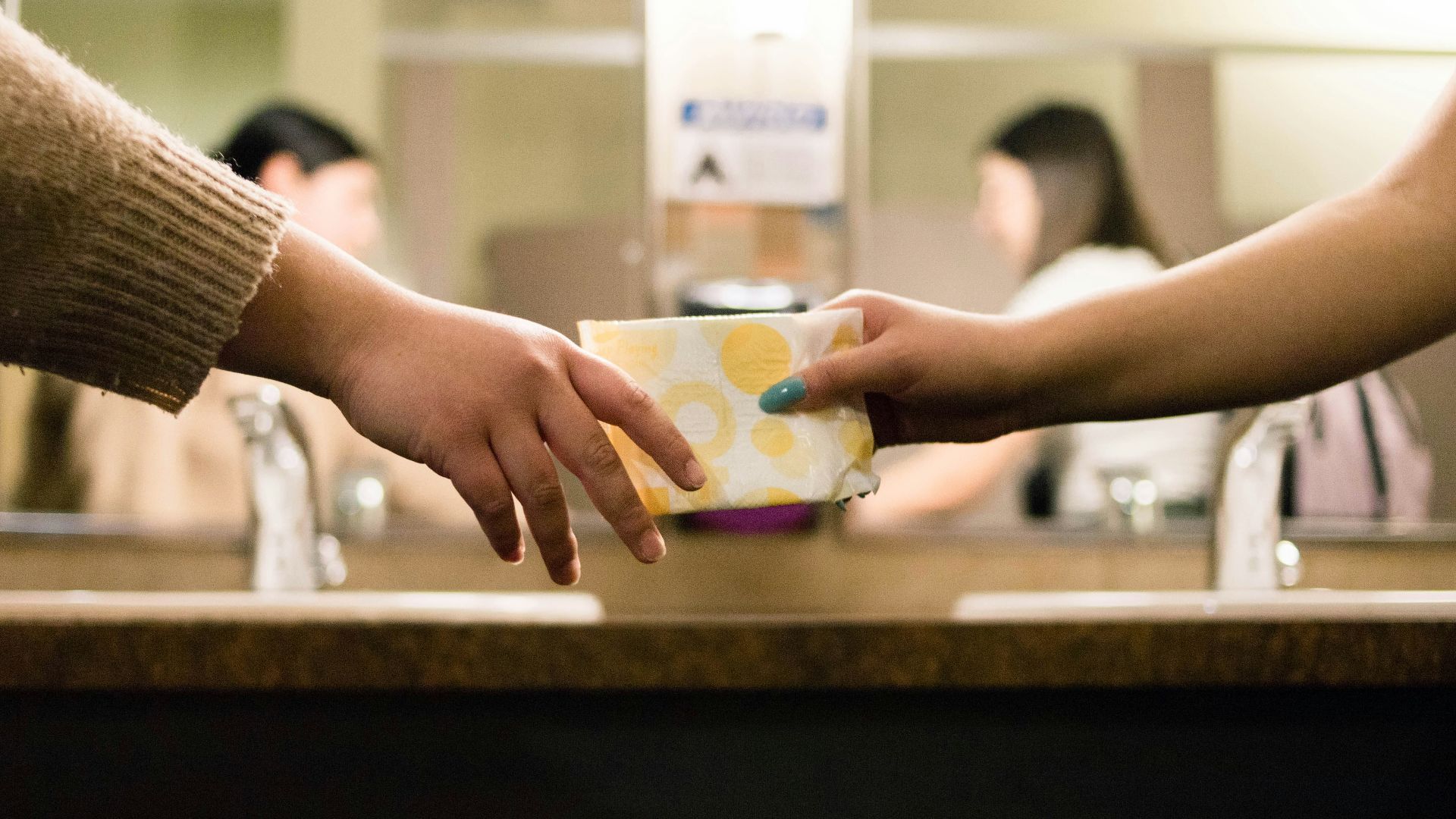
1. Cramps Out of Nowhere
Cramps can show up hard and fast, and basically require you to call off anything you had planned for the day. They’re caused by the uterus contracting to shed its lining, and the intensity can vary a lot from person to person. Some months you barely notice them, and other months you’re wrapped around a heating pad like your life depends on it.
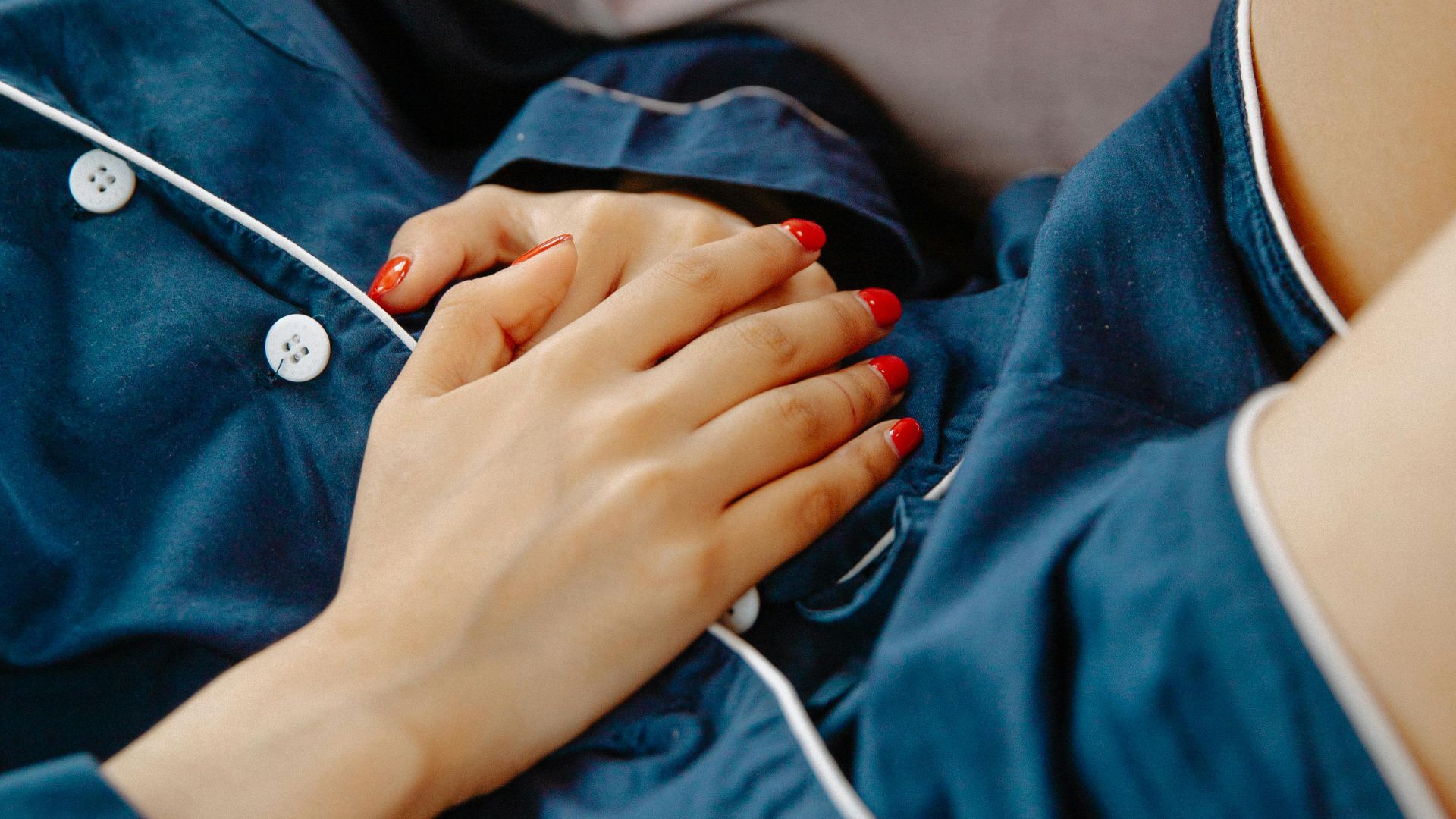
2. Surprise Early Arrival
Even with tracking apps, your period can decide to arrive a day or two early. Stress, travel, illness, and normal hormonal variation can all shift timing, which can throw things off for the month after that, and the month after that, and so on and so forth.
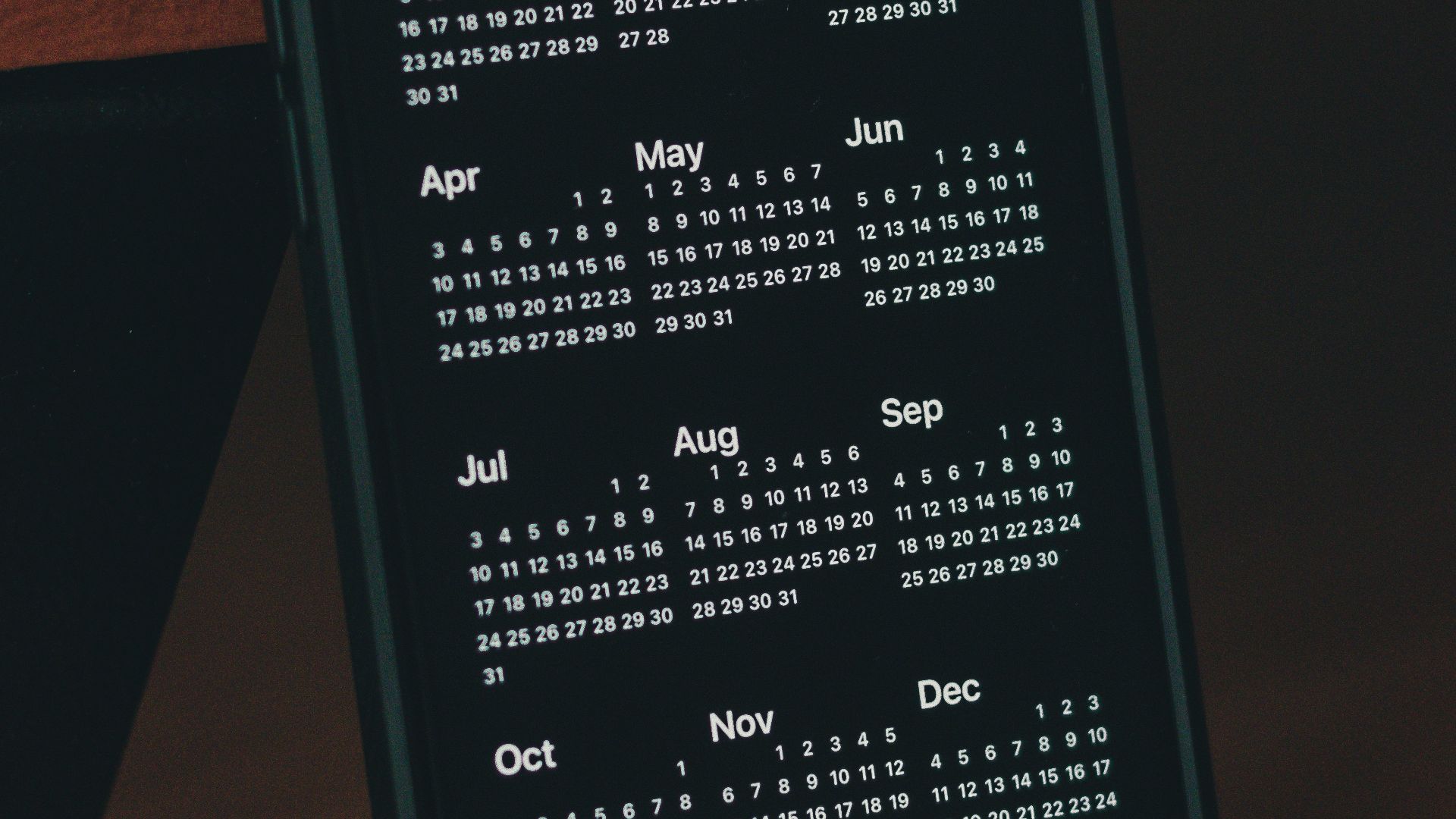
3. Late With No Warning
A delayed period can be just as annoying as an early one. Cycles don’t always run like clockwork, especially with stress, changes in routine, or certain medications. The waiting can mess with your plans and your peace of mind at the same time.
4. Heavy Flow Days
Some days, the flow is so heavy that you plan your schedule around bathroom access. Heavy bleeding can be common for some people, especially in the first couple of days, but it’s still exhausting to take care of. Combine this with some pretty serious cramping, and you’re better off calling in to work.
5. Overnight Leaks
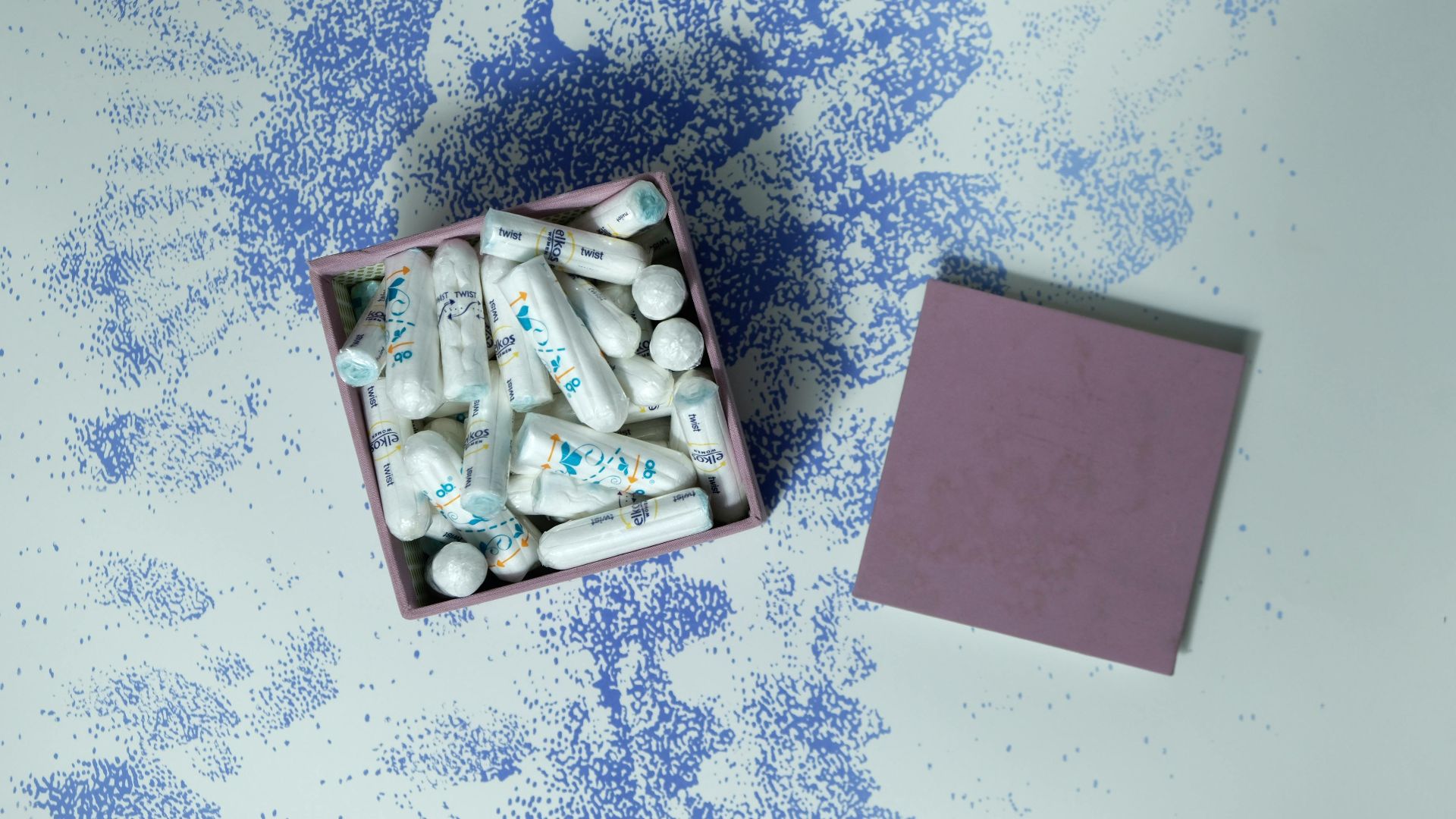
Sleeping through the night should not require some intense strategizing, but when it comes to your cycle, you know that it has to be done. Lying down can change how blood pools and moves, which can lead to leaks even when you were able to avoid them all day long. And we guarantee, it's one of the worst feelings ever when you wake up to stained sheets.
 Karolina Grabowska www.kaboompics.com on Pexels
6. Stain Panic
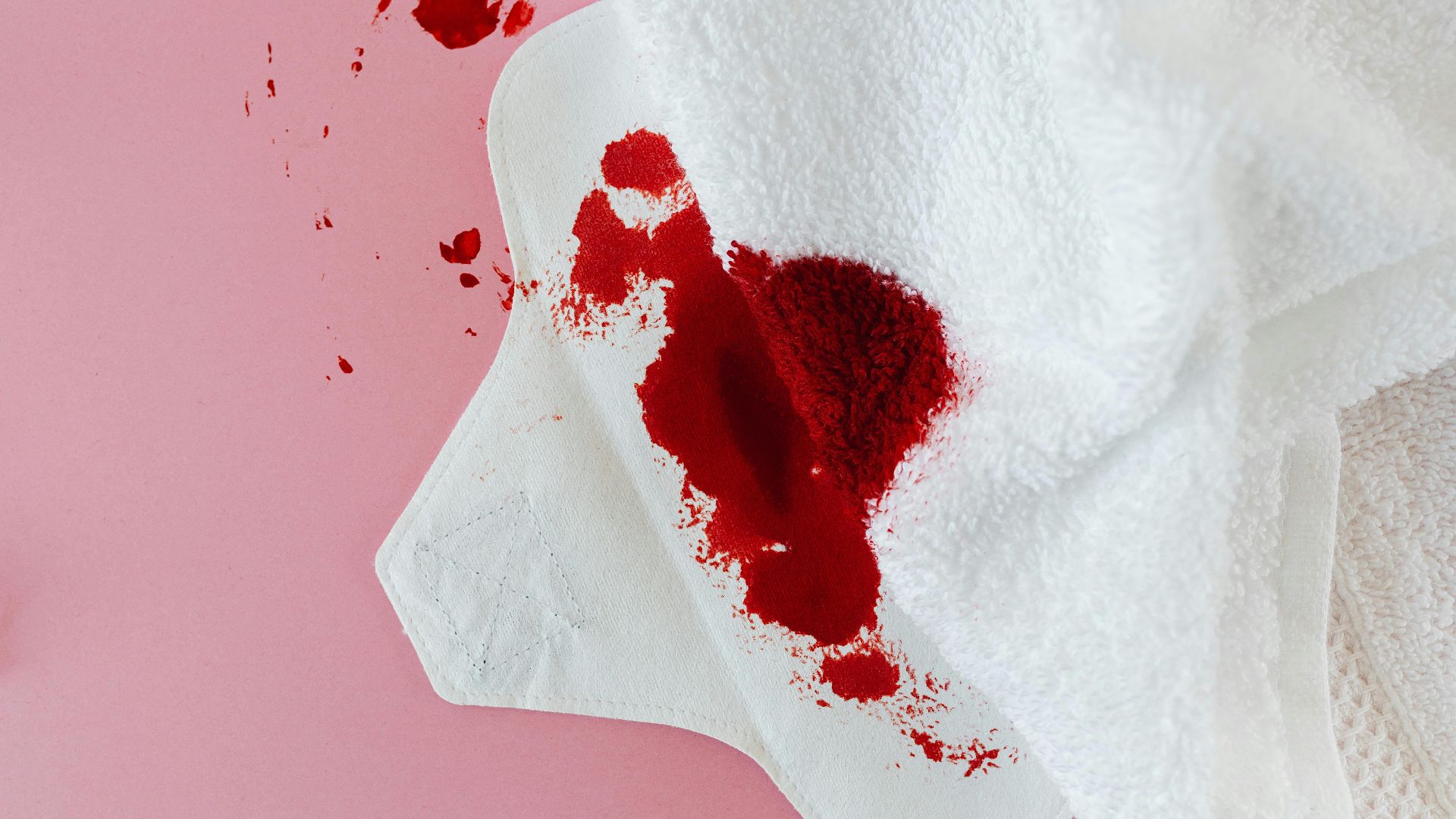
The fear of a visible stain is one of the most stressful parts of having a period in public. It’s not about being dramatic; it’s about the fact that it can happen quickly and without you noticing. You end up checking your clothes, your chair, and your posture more in three days than you do the rest of the month.
 Karolina Grabowska www.kaboompics.com on Pexels
7. Digestive Upset
Digestive changes around your period are real and common. Hormone-like compounds called prostaglandins can affect the uterus and also influence the intestines, which can lead to diarrhea or simply the need to go more. This is especially fun when you’re dealing with cramps at the same time.
8. Constipation Instead
Some people get the opposite problem and feel backed up for days. Hormonal shifts before and during your period can slow digestion, and bloating can make it feel even worse. The discomfort alone makes you not want to do anything.
9. Bloating That Won’t Quit
Bloating can make your clothes feel tight, and your self-esteem drop way down. Fluid retention and digestive changes during your cycle can contribute, even if your eating and drinking habits haven’t changed.

10. Breast Tenderness
Sore breasts can show up before bleeding starts and linger longer than you’d like. Hormonal fluctuations during the menstrual cycle can make breast tissue feel swollen or sensitive to the point where you can’t seem to lie down comfortably.
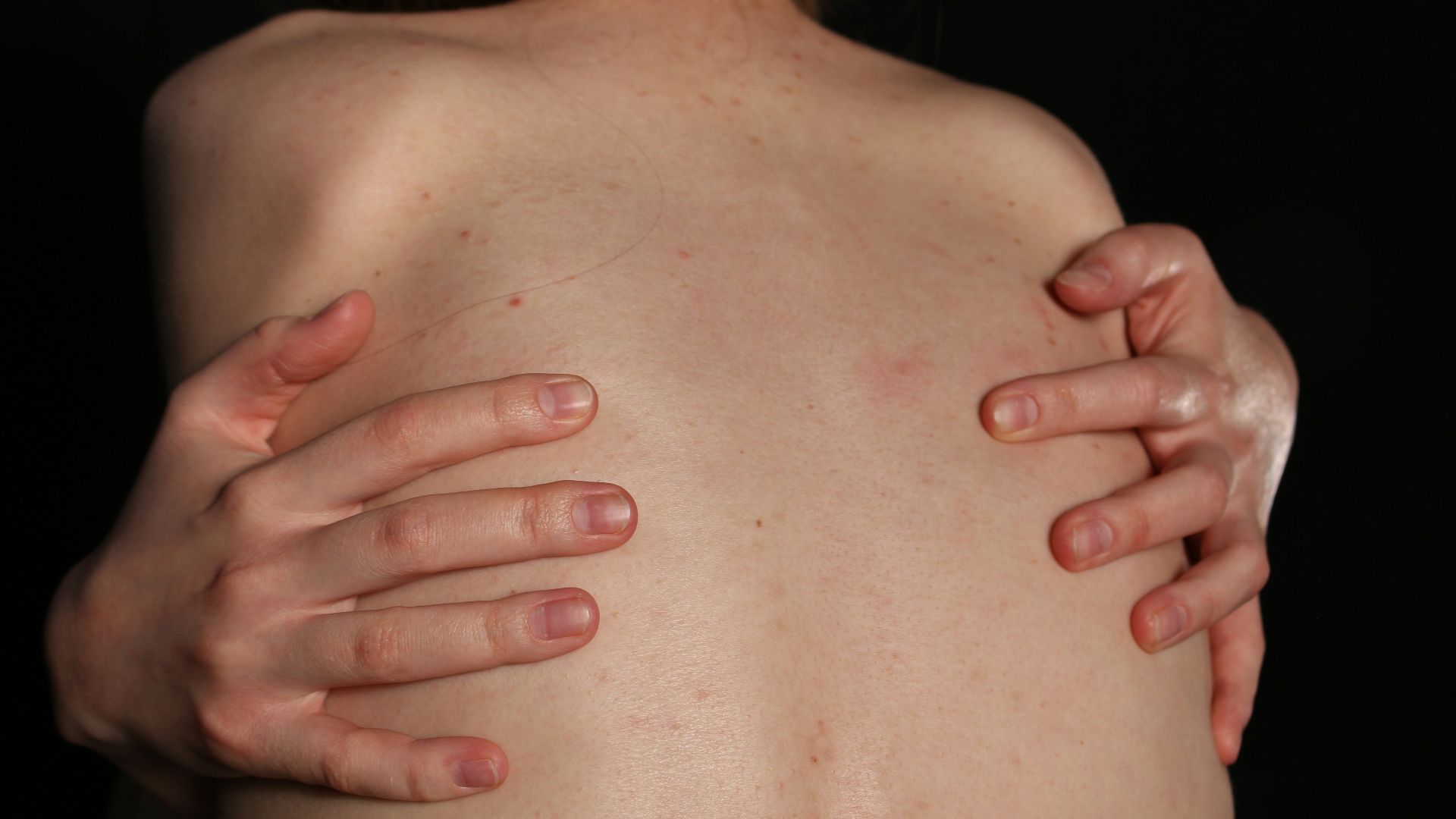
11. Hormonal Breakouts
Acne around your period is common, especially along the jawline and chin. Shifts in estrogen and progesterone can affect oil production and inflammation. These breakouts also always seem to come before you have to attend something important.
 Barbara Krysztofiak on Unsplash
12. Headaches and Migraines
Many people notice headaches around their period, and some get menstrual migraines. Hormonal changes, including drops in estrogen, can play a role. It’s kind of the icing on the cake in terms of bodily badness.
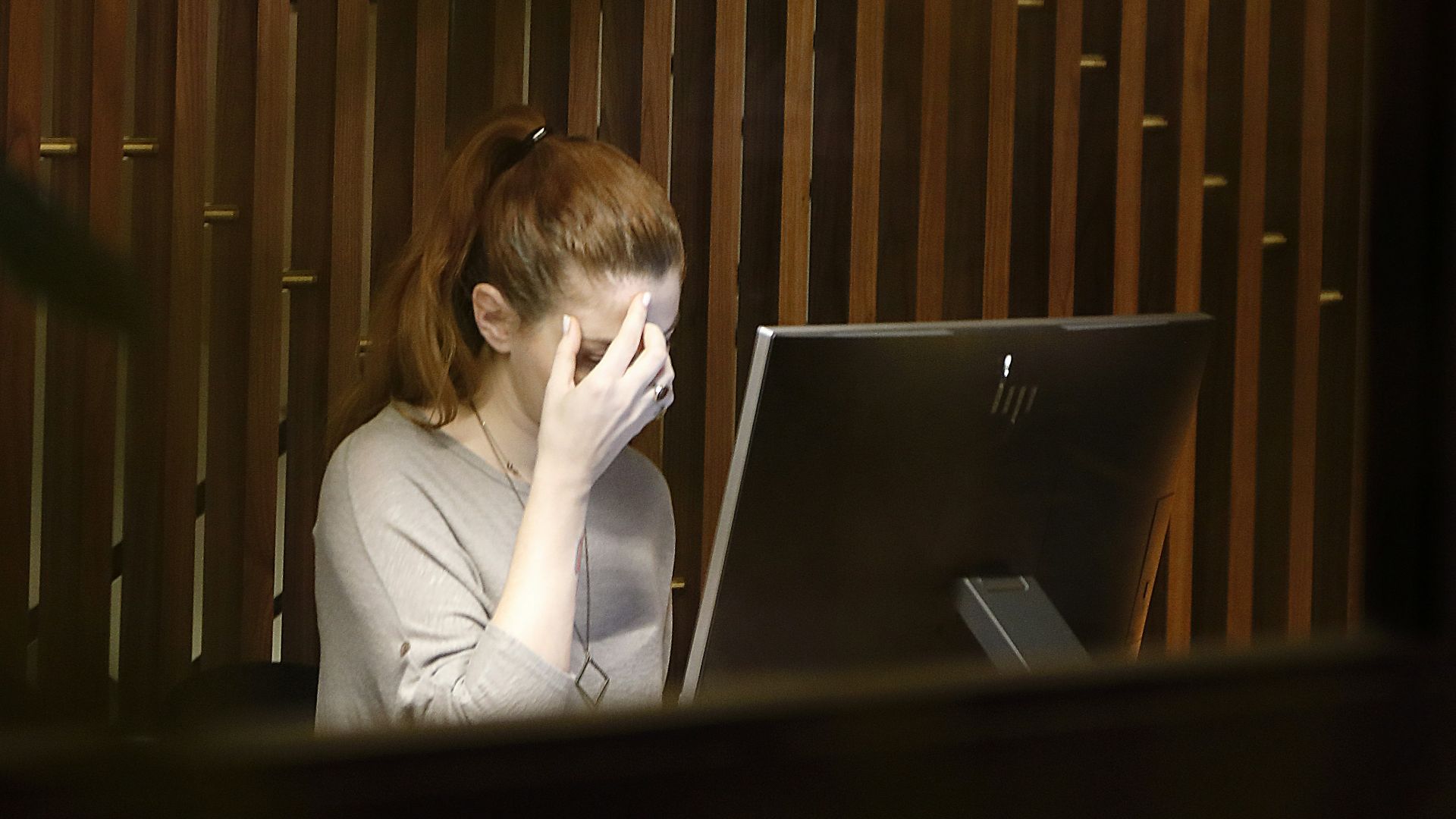
13. Random Nausea
Nausea can happen during your period, especially if cramps are intense. Pain, prostaglandins, and changes in appetite can all contribute. It’s hard to get through a day when the idea of food also makes you throw up.
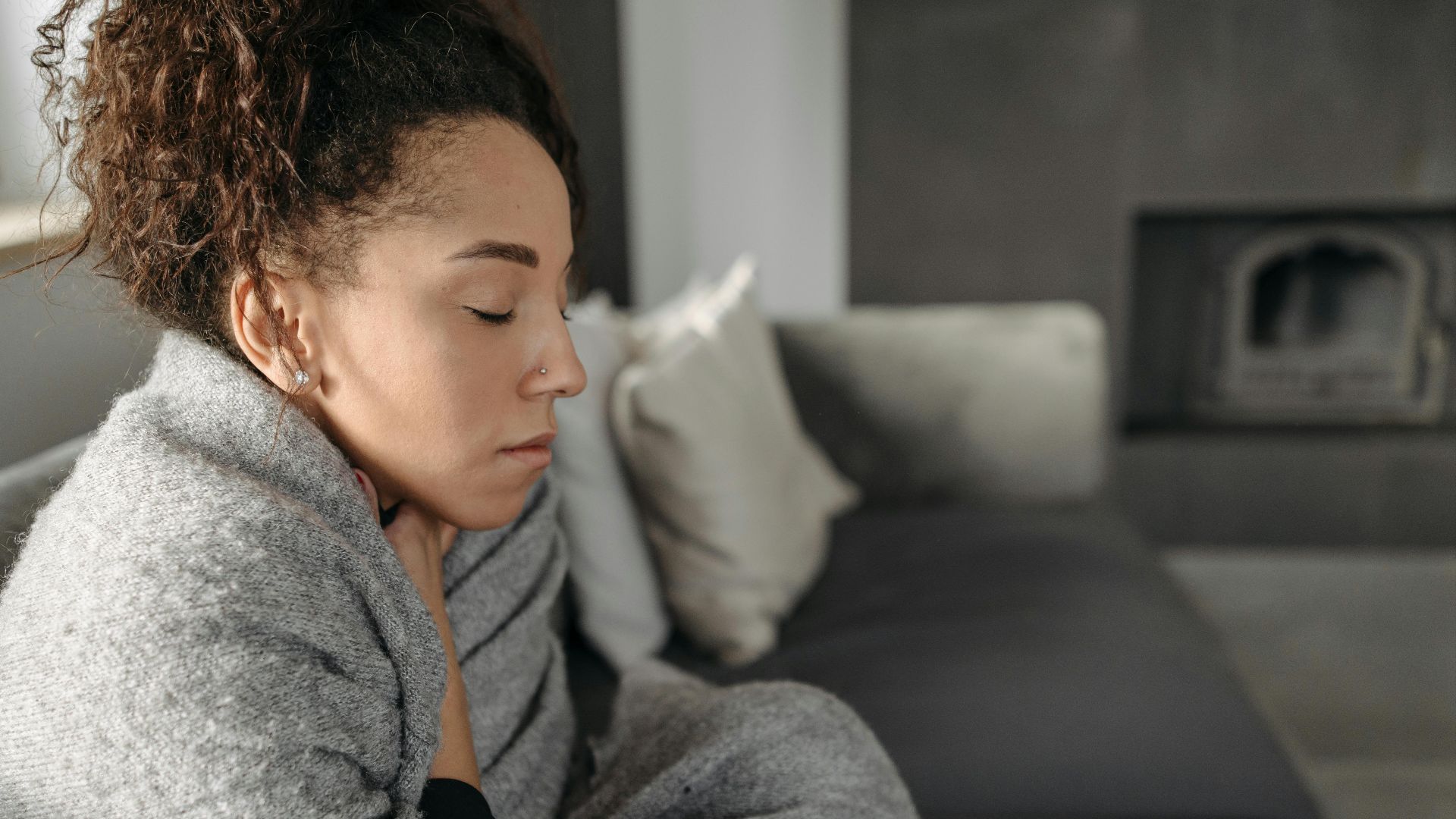
14. Crushing Fatigue
Period fatigue can hit even if you slept fine the night before. Hormonal shifts, pain, and blood loss can all leave you feeling drained, and it's even worse when you’re not even able to take a midday nap.
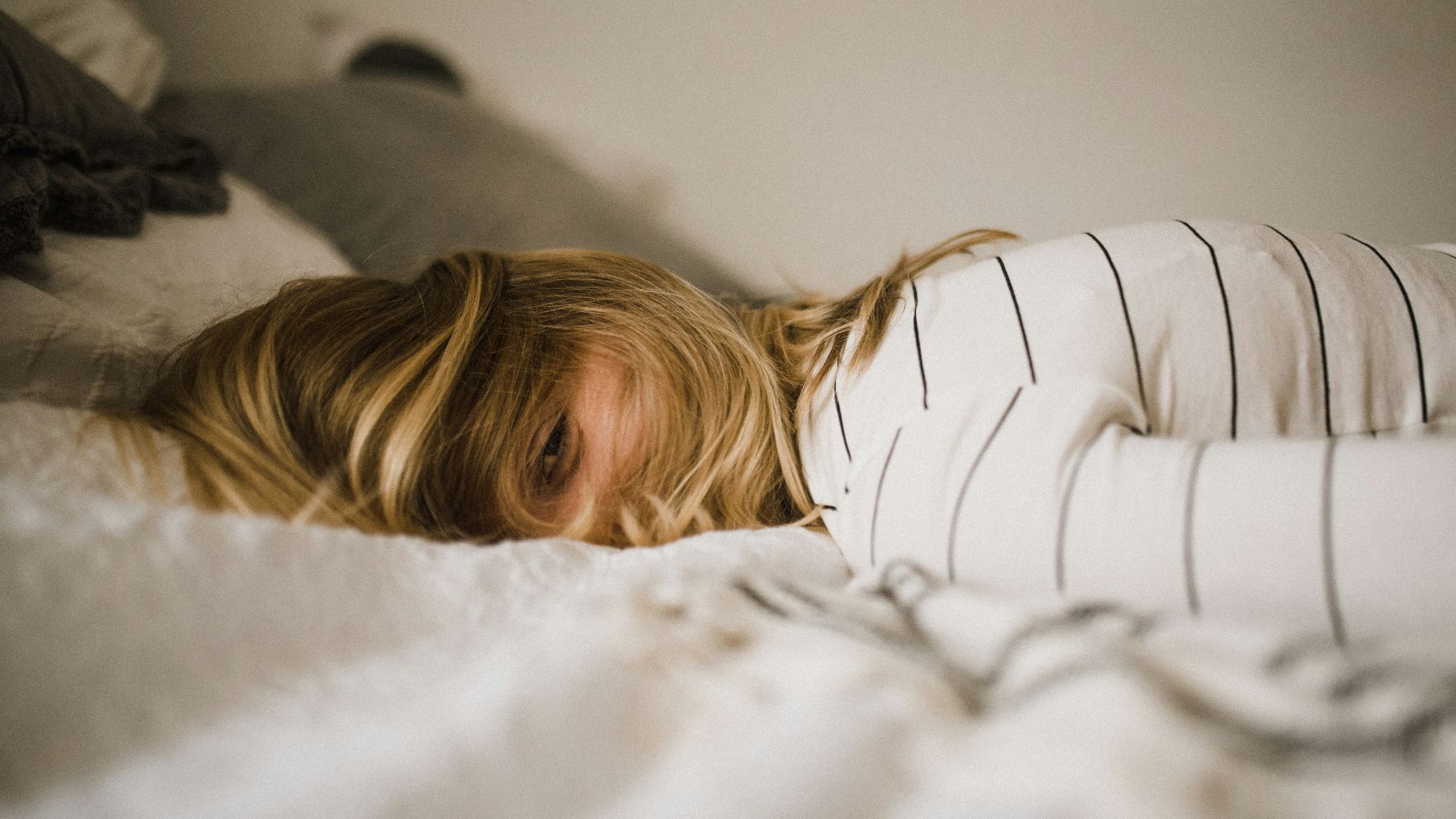
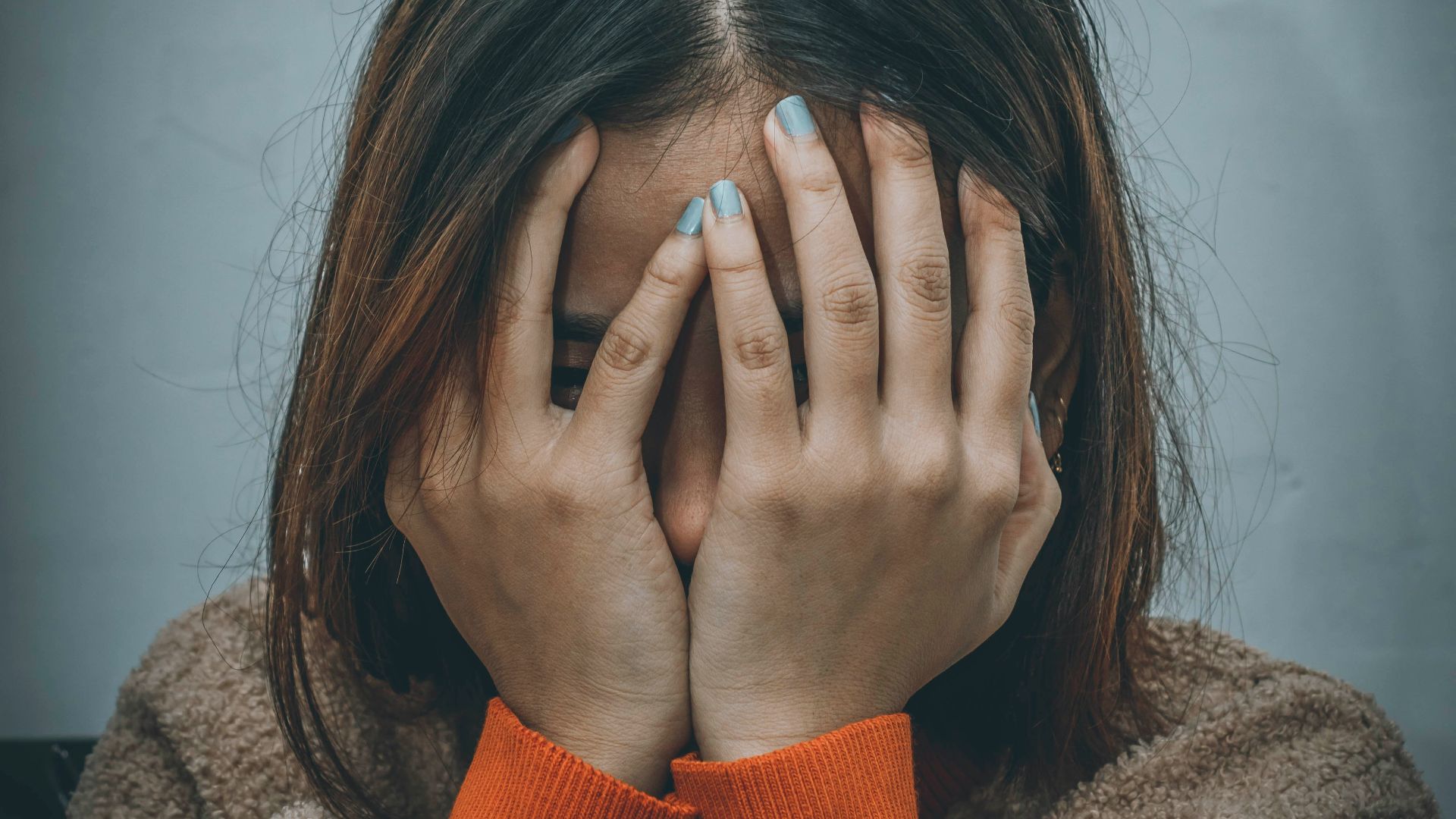
15. Mood Swings
Emotions can feel sharper before and during your period. PMS symptoms can include irritability, sadness, and anxiety, and the intensity ranges widely. It sucks when you’re feeling like crying for absolutely no reason, or are angry at a loved one for what may be the smallest mistake.
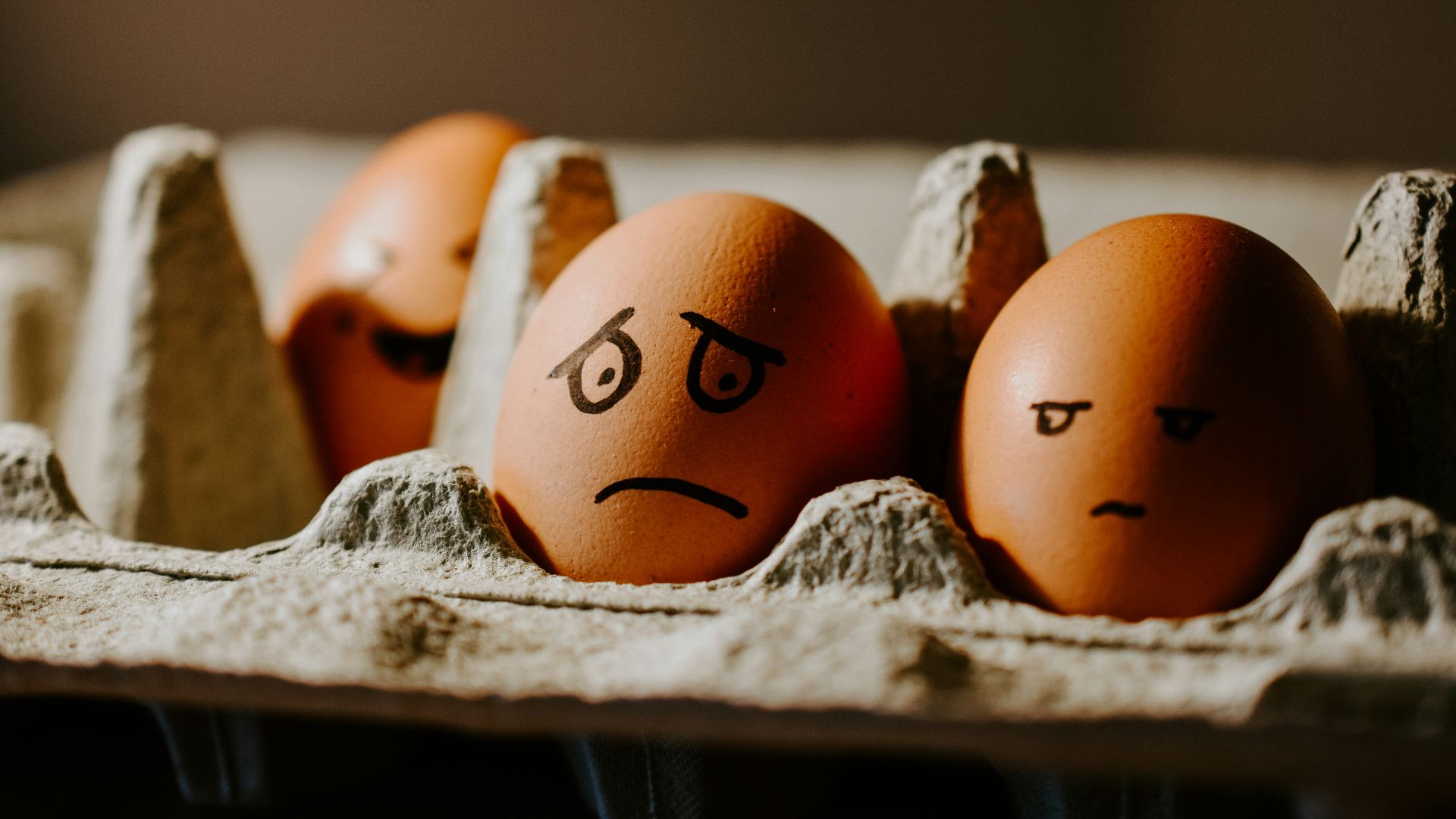
16. Low Patience Levels
Sometimes it’s not sadness, it’s a short fuse. Hormonal changes and physical discomfort can make small annoyances feel bigger than they normally would. You may find yourself needing extra space, extra quiet, and fewer people asking you questions.
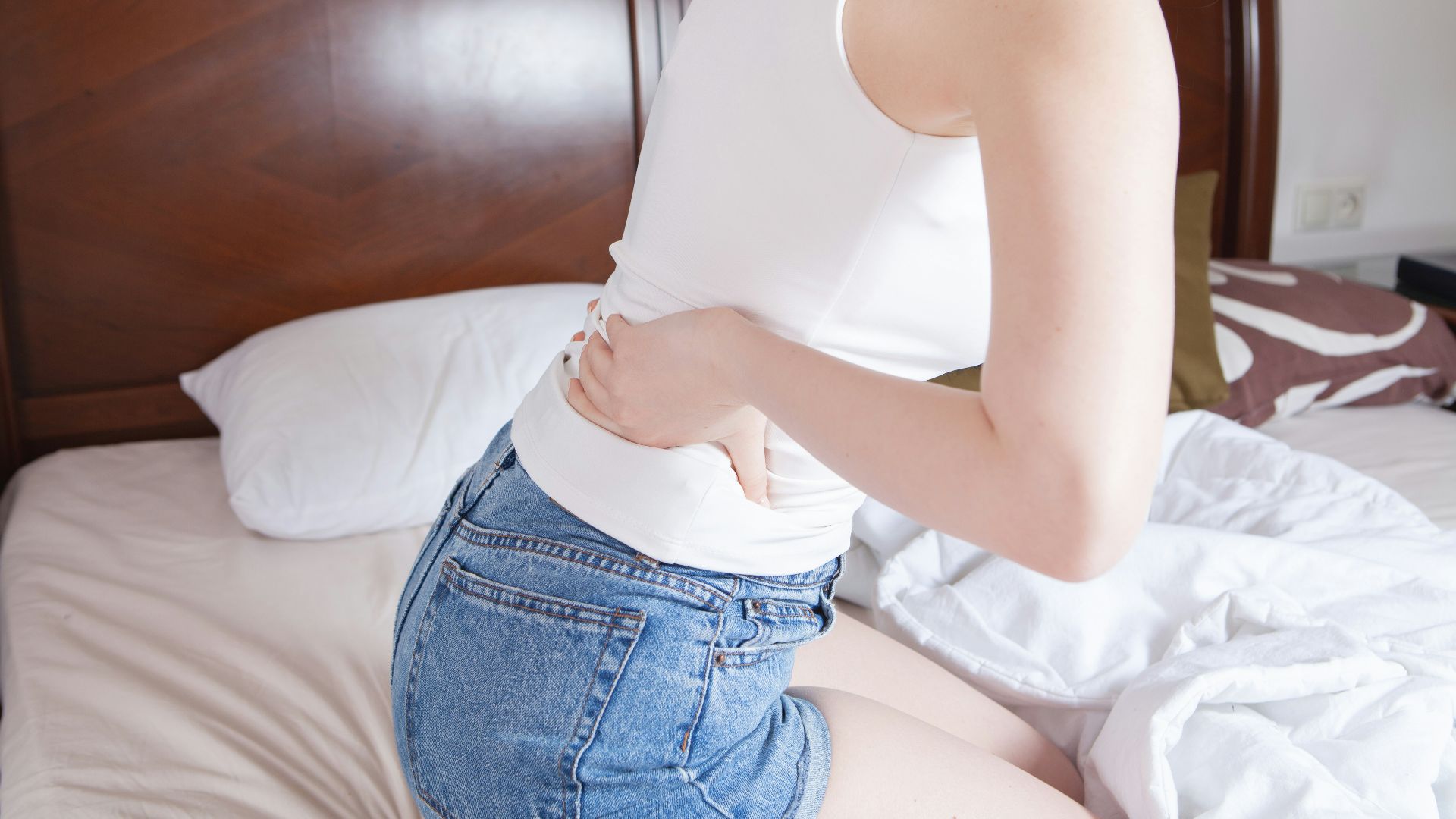
17. Back or Hip Pain
Lower back pain can show up alongside cramps and make sitting feel uncomfortable. The uterus sits near muscles and nerves that can cause pain in the back and hips. Stretching can help some people, but it's rather a question of why it has to happen in the first place.
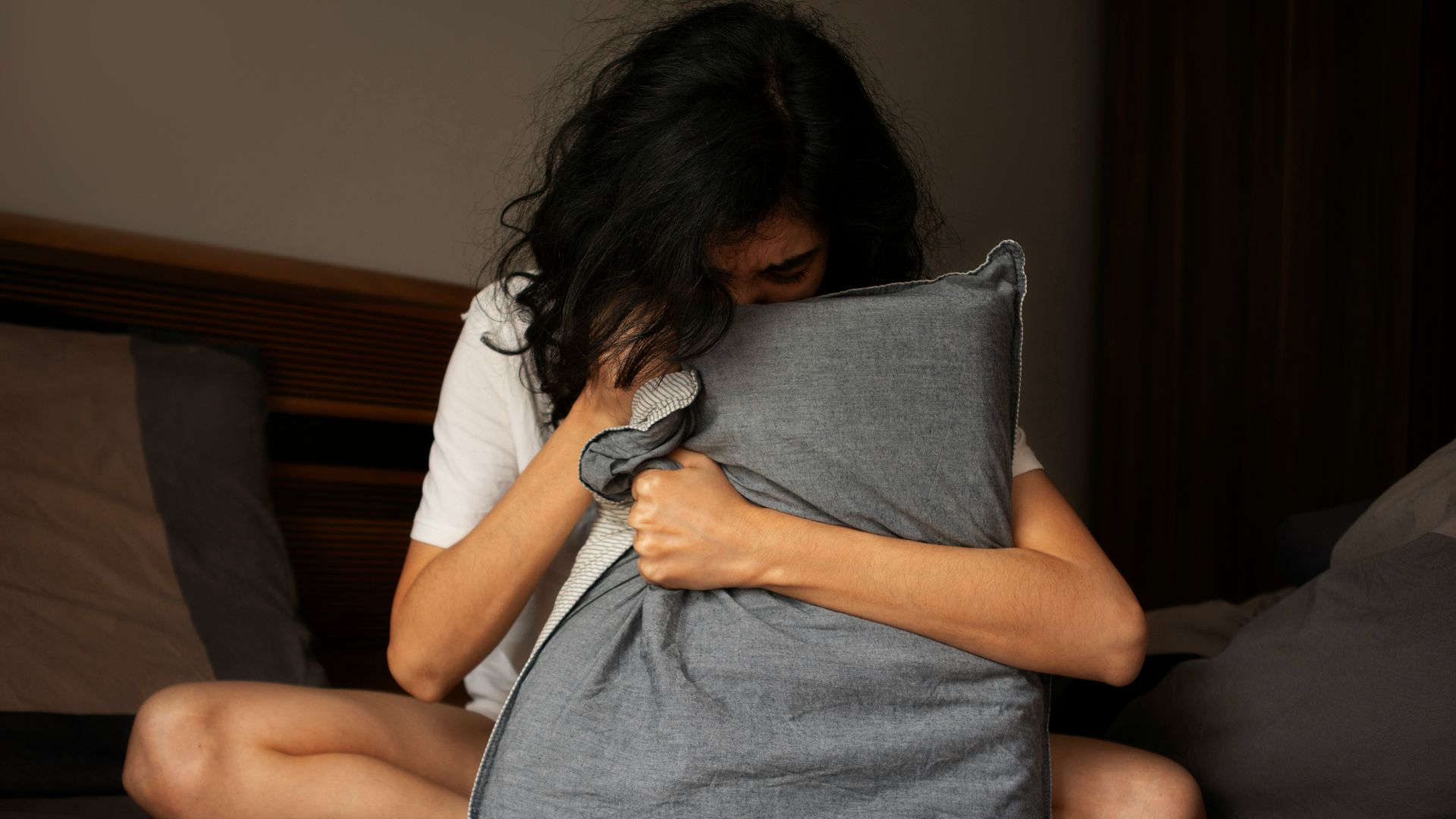
18. Weird Sleeping Patterns
Some people sleep worse during their period because of cramps, temperature changes, or frequent bathroom trips. Even if you fall asleep easily, staying asleep can be the problem.
 Solving Healthcare on Unsplash
19. Brain Fog Moments
It’s common to feel less focused or mentally sharp during your cycle. Pain, fatigue, and shifting hormones can all affect concentration. You might catch yourself rereading the same sentence and wondering why you can’t seem to absorb the information.

20. The “Is This Normal?” Spiral
Clots, spotting, and irregular symptoms can trigger worry, even when they’re often normal variations. Small clots can indeed be typical during heavier days, but very large clots or sudden major changes deserve attention. Having to constantly judge what’s normal for your body is exhausting, especially when you have to do it every 28 days.