
Some Secrets Aren't Meant For Sharing
As much as you might love gossip, it's important to know where the line is between innocent storytelling and dangerous information sharing. The truth is, not every thought, confession, and opinion needs an audience, especially if sharing them could damage trust or make your life more complicated. That's why these are 20 things you should never tell another living soul.

1. Your Passwords
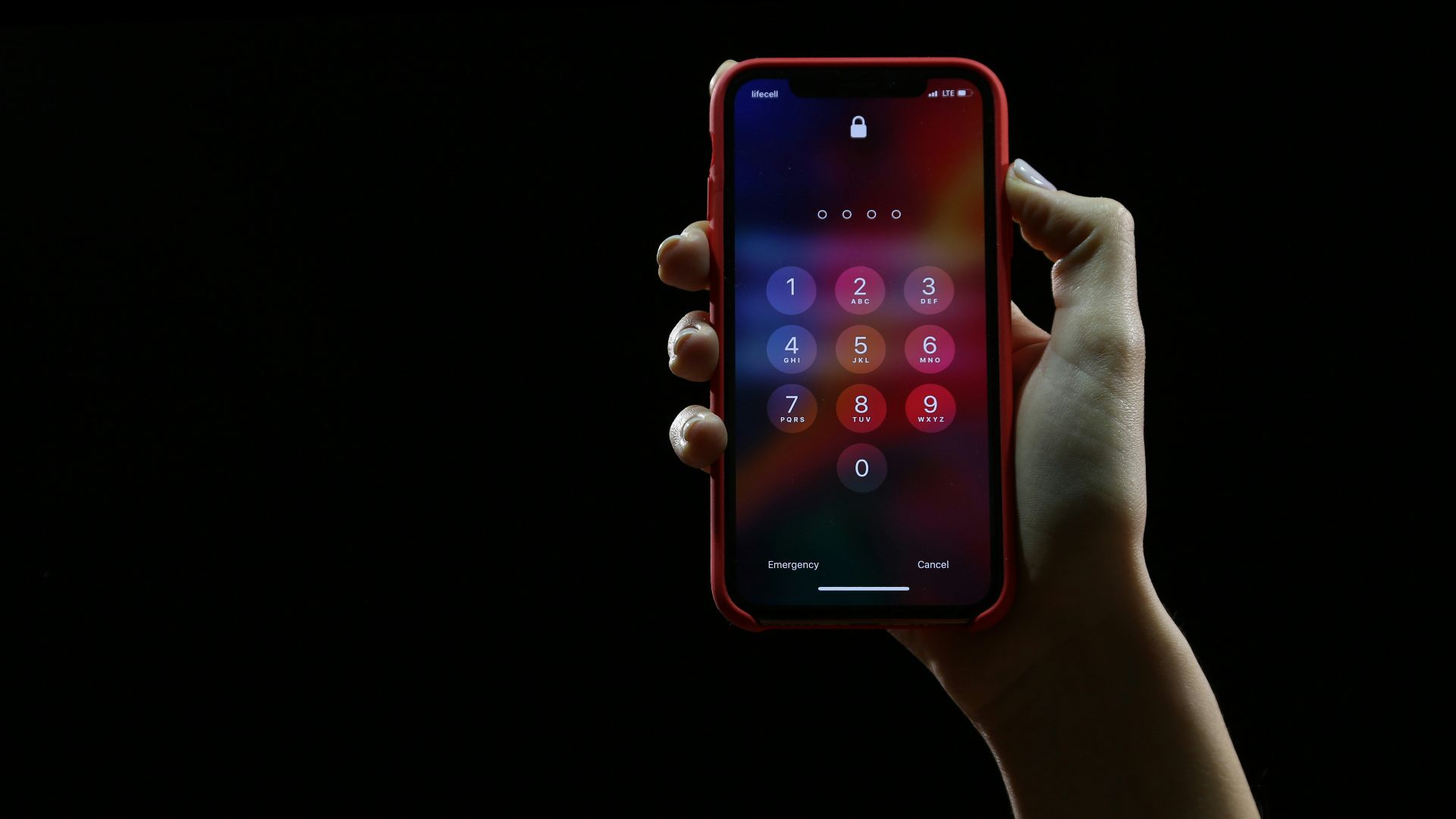
Never hand out your passwords, even to your closest friends and family. It might seem harmless, or someone might insist it's not a big deal, but once that information leaves your mouth and someone hears it, you can't take it back. Trusting others isn't enough, especially when circumstances can always alter relationships.
2. Your Friend's Personal Secrets
If someone trusted you with something deeply personal, that confidence doesn't become public property because the story is interesting. You might be tempted to pass it along just to "share something juicy," but if you go through with it, just know you'll permanently damage that friendship and your reputation.

3. Your Exact Financial Situation
There's nothing wrong with talking about your salary or savings with people you trust, but you don't need to give them a full detailed account. You probably want to save your misdoings, your debt, and poor spending habits to yourself unless there's a real reason to discuss it. Money's just a sensitive topic for many people.

4. What You Truly Think of Someone's Partner
Listen, you're not always going to like the people your friends date. But unless there's a serious safety issue or clear harm involved, sharing your true opinion might create resentment that lingers for longer than you anticipated. Relationships are already messy enough without extra commentary from the sidelines.

5. The Full List of Your Future Plans
If you share every detail of your future plans before they've even been set in motion, you just open the door to doubt, unsolicited opinion, and awkward follow-up questions if things change. You should let your ideas fully develop first before bringing them to other people's attention.
 Glenn Carstens-Peters on Unsplash
6. How Much You Despise Your Job
Everyone complains about work, but if you do so in the wrong way, it has a way of biting back. A casual remark might be okay here and there, but if you start really digging into the nitty gritty, you'll find it'll take on a life of its own. Don't even think about making an online post or saying something in a work environment—you should know that's a recipe for disaster.

7. The Insult You'd Like to Deliver in the Heat of the Moment
There are some thoughts that should remain thoughts, especially when you're angry enough to say something memorable for all the wrong reasons. What might feel satisfying in the moment, might just leave you with a lifetime of regret. Not everything can be fixed with an apology.

8. Your Security Answers and Personal Identifiers
Following the same line as sharing your passwords, everything from your mother's maiden name to PINs, verification codes, and account recovery answers should be kept private. These aren't innocent facts about yourself; someone can easily abuse them!
 Philipp Katzenberger on Unsplash
9. The Mean Version of a Joke About Someone in the Room
Jokes stop being funny the moment someone's feelings genuinely get hurt. Using someone as easy entertainment is just plain rude, so if you have a mean version of a joke, keep it to yourself. Humor is always better when it doesn't leave someone else paying for it.

10. What Was Said in Confidence During Someone's Worst Moment
People often say vulnerable things when they're scared, grieving, embarrassed, or overwhelmed, and those words aren't stories for later use. Repeating them after the fact is one of the quickest ways to prove you're disloyal. After all, private pain should never become social material for someone else.
 Transly Translation Agency on Unsplash
11. Your Entire Strategy Before a Sensitive Negotiation
Whether it's a salary discussion, a family dispute, or a business deal, revealing your bottom line too early only weakens your position. Keep your own goals to yourself! No one else should know what you're willing to accept or where you'll bend.

12. The Details of Someone Else's Medical Situation
Even when you mean well, sharing another person's diagnosis, treatment, or health concerns isn't your call to make. Medical information is deeply personal, and people facing those issues deserve to control how and when they want to tell others.

13. The Petty Comparison You Make Between Friends
No one likes being compared to someone else, least of all by someone you love and trust. Telling one friend how they measure up against another will never result in anything good. All it does is create insecurity, competition, and awkwardness that will never go away.

14. The Secret You Promised a Child
If a child tells you something private and important, it means that they trust you beyond measure. Your first instinct should be to protect them, not to use it as entertainment for later. You need to treat their trust with the utmost seriousness and care; children don't just open up to anyone after all.

15. The Exact Location of Your Valuables
What reason would you have to ever share the whereabouts of your expensive items, important documents, spare keys, and other sensitive valuables? Information like that can be harmless in the right hands, but incredibly reckless and dangerous in the wrong ones.

16. The Thoughtless Criticism You Have About Someone's Appearance
Many people are dealing with self-confidence issues already, so commenting negatively about someone else's appearance, whether it's their body, face, clothes, or age, is incredibly senseless. Even when framed as "honesty" or "constructive criticism," you'll find it'll never land the way you want it to.

17. The Favor Someone Did for You
Not every kind act is meant for public knowledge; some people help because they care, not because they want the attention that comes with doing a good deed. If they've explicitly told you they don't want it announced, don't disrespect their wishes.

18. The Unfiltered Opinion You Have About Family Conflict
It's not hard: family disagreements and arguments should be kept, well, in the family. These can already be incredibly emotional and difficult without outside commentary on how matters should be dealt.

19. The Embarrassing Story That Isn't Yours to Retell
Just because something happened in front of you doesn't mean you were granted lifetime storytelling rights. Sharing another person's humiliating moment for laughs can make you seem careless, especially if it's someone you know. People don't like being used as content.

20. The Private Thing You'd Hate to Hear Repeated About Yourself
We all have our own secrets, and while opening up to others can help us feel better about ourselves, some things are just meant to be kept quiet forever. A simple test to help you decide whether or not it's worth sharing is to ask yourself if you'd be comfortable hearing this story being repeated publicly later. If the answer's no, don't tell anyone else.