
Strange Little Glitches
Most of us have had the strange experience of being absolutely sure about something, only to find out that reality doesn’t quite match what we remember. Maybe you were convinced a logo looked different, a song lyric said something else, or a word suddenly appeared everywhere after you learned it. Maybe you've seen faces in things where there were none. Or maybe you've walked into a room and forgotten what you went in there for. These odd phenomena can sometimes feel unsettling, but they usually come from very human processes: memory shortcuts, attention patterns, social influence, and the brain’s constant effort to make sense of limited information. If you've ever felt something was just a little bit off, it was probably due to one of these 20 mental and perceptual experiences.

1. The Mandela Effect
The Mandela effect happens when a large number of people share the same false memory, like believing the children’s book series was spelled "Berenstein Bears" instead of "Berenstain Bears." It often comes from the brain filling in familiar patterns, especially when one version of a name or phrase feels more common than the real one. Once enough people repeat the mistaken version, it starts to feel even more convincing. It's a result of how easily memory can be shaped by expectation.
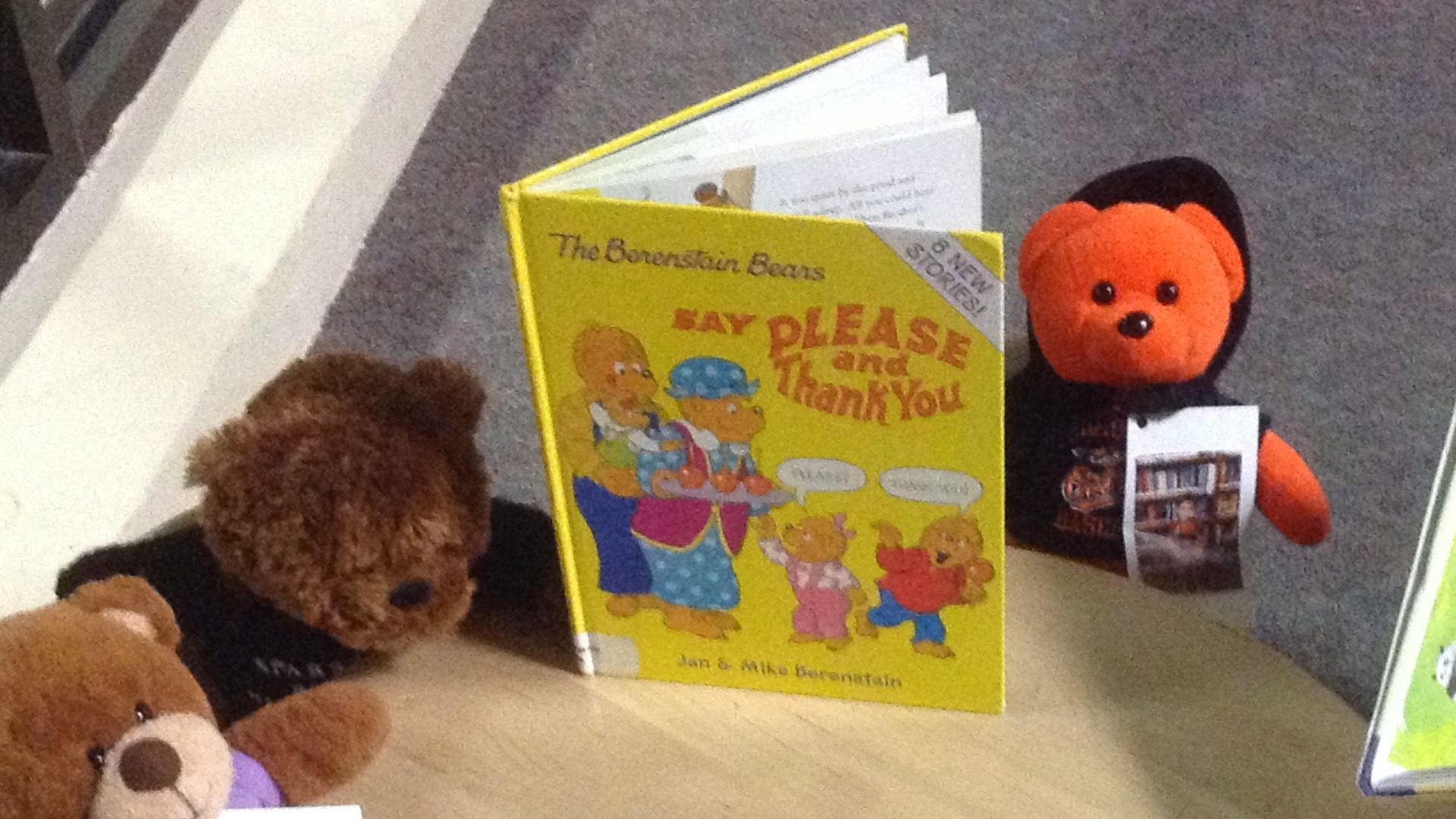 Baltimore County Public Library on Wikimedia
2. The Baader-Meinhof Phenomenon
The Baader-Meinhof phenomenon, also called the frequency illusion, is what happens when you learn about something and then suddenly notice it everywhere. A new word, car model, fashion trend, or name can seem to appear constantly after it enters your awareness. The thing probably isn’t occurring more often; it's just that your brain has simply started tagging it as important. Once your attention has a target, it’s much better at picking that target out of the background.

3. Déjà Vu
Déjà vu is the feeling that you’ve already lived through a moment, even though you know you probably haven’t. Researchers often connect it to a brief mismatch between familiarity and conscious recall, where a situation feels known without a clear memory attached to it. A room layout, tone of voice, or small sensory detail may resemble something from the past. Your brain registers that familiarity so quickly that the present can feel like a repeat.

4. Jamais Vu
Jamais vu is almost the reverse of déjà vu: something familiar suddenly feels strange or unfamiliar. You might stare at a common word until it looks wrong, or briefly feel disconnected from a place you know well. This can happen when the brain’s usual recognition process gets disrupted, especially through repetition or fatigue. The object hasn’t changed, but your sense of familiarity has temporarily dropped out.

5. Tip-of-the-Tongue Moments
A tip-of-the-tongue moment occurs when you know you know a word, name, or fact, but you can’t quite retrieve it. You may remember the first letter, the rhythm of the word, or related details while the answer itself stays out of reach. This happens because memory isn’t stored as one complete file; it’s spread across connected pieces. Sometimes enough pieces activate to tell you the answer is there, but not enough to bring it forward.

6. Phantom Vibration Syndrome
Phantom vibration syndrome is the feeling that your phone buzzed when it didn’t. It’s common because many of us are trained to monitor small bodily sensations for possible notifications; a muscle twitch, clothing movement, or pressure shift can be misread as your phone demanding attention. Your brain is trying to avoid missing something, so it sometimes over-detects a signal that isn’t there.

7. The Doorway Effect
The doorway effect describes the way you can walk into a room and immediately forget why you went there. Moving through a doorway can act as a mental boundary, nudging your brain to update its context. That shift can make the intention you formed in the previous room harder to access. It’s a side effect of how memory is tied to place and situation.

8. Semantic Satiation
Semantic satiation happens when you repeat a word so many times that it starts to sound meaningless. The word "spoon," for example, can become oddly detached from its meaning after enough repetition. This occurs because repeated exposure can temporarily weaken the connection between sound and meaning. Your brain is still processing the word, but the familiar link begins to feel worn down.

9. Pareidolia
Pareidolia is the tendency to see meaningful patterns where none were intentionally created, such as faces in clouds, outlets, or tree bark. Human brains are especially sensitive to faces because recognizing them quickly has long been useful for social life and safety, and that sensitivity can lead us to detect faces even in random shapes. The result can be amusing, unsettling, or oddly hard to unsee.

10. Change Blindness
Change blindness happens when you fail to notice a change that seems obvious once someone points it out. A person’s shirt color, an object on a table, or a detail in a video might shift without you catching it. This is because attention is limited, and the brain doesn’t record every visual detail with equal care. You experience the world as complete, but much of that completeness is constructed from what seems most relevant.

11. Inattentional Blindness
Inattentional blindness occurs when you miss something visible because your attention is focused elsewhere. The classic example involves people failing to notice an unexpected figure while counting passes in a basketball video. Your eyes may technically receive the information, but your awareness doesn’t fully register it. This shows that seeing isn’t just about vision, but it also depends on what your mind has decided matters more.

12. False Memories
False memories are recollections that feel real but include details that never happened or happened differently. They can form through suggestion, repetition, imagination, or hearing other people describe an event. Because memory is reconstructed each time you recall it, small changes can become part of the story. The confidence you feel about a memory doesn’t always prove its accuracy.

13. The Spotlight Effect
The spotlight effect is the belief that other people notice your mistakes, appearance, or awkward moments far more than they actually do. You may feel certain everyone saw you trip, stumble over a sentence, or wear the wrong thing. In reality, most people are focused on their own concerns and don’t track your actions as closely as you imagine. The effect happens because your own experience is naturally most vivid to you.

14. The Cocktail Party Effect
The cocktail party effect is your ability to tune into one voice among many, especially when something personally relevant comes up. You might not be listening to a nearby conversation, but if someone says your name, your attention snaps toward it. This happens because the brain filters background information while still monitoring for important cues. It’s one reason crowded rooms can feel overwhelming yet still oddly selective.

15. Cryptomnesia
Cryptomnesia happens when you remember an idea but forget where it came from, causing it to feel like your own original thought. A phrase, joke, melody, or concept you encountered earlier may resurface without its source attached. This doesn’t always involve intentional copying; it can be a source-monitoring error. The brain retrieves the content but loses the label that says, "You heard this somewhere else."

16. The Zeigarnik Effect
The Zeigarnik effect is the tendency to remember unfinished tasks better than completed ones. An unanswered email, half-done chore, or unresolved conversation can keep returning to your mind. The brain often treats incomplete goals as active, which makes them harder to fully set aside. Once the task is finished or clearly scheduled, the mental pull often weakens.

17. The Recency Illusion
The recency illusion is the feeling that something is new just because you’ve only recently noticed it. A slang term, behavior, or trend may seem like it appeared out of nowhere, even if it has existed for years. Your awareness has changed, not necessarily the world around you. This effect often overlaps with the Baader-Meinhof phenomenon, but it adds the mistaken belief that the thing itself must be recent.

18. Choice-Supportive Bias
Choice-supportive bias is the habit of remembering your own decisions as better than they may have been. After picking a restaurant, buying a product, or choosing a route, you might downplay the downsides and emphasize the positives. This helps protect your sense that you made a reasonable choice. It can be useful for confidence, but it can also make it harder to evaluate past decisions fairly.

19. The Illusion of Explanatory Depth
The illusion of explanatory depth is the belief that you understand something better than you actually do. Everyday objects like zippers, toilets, or locks can seem simple until someone asks you to explain exactly how they work. The feeling of familiarity can be mistaken for real understanding. Once you try to describe the process step by step, the gaps become easier to see.

20. The Availability Heuristic
The availability heuristic is the tendency to judge how common or likely something is based on how easily examples come to mind. After hearing about plane delays, shark attacks, or a string of burglaries, you may overestimate how often they happen. Vivid, recent, or emotional examples are easier to retrieve, so they can feel more representative than they are. It’s a useful mental shortcut, but it can distort your sense of risk and frequency.