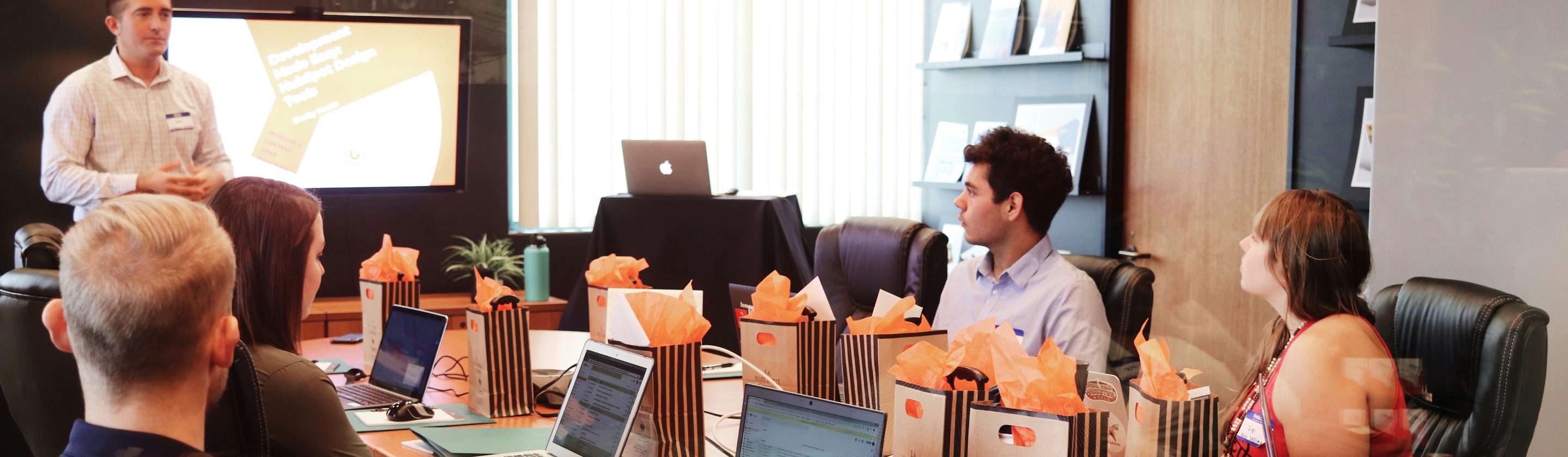
Meetings might feel mundane, and probably every single person in the room (except maybe your boss) would've rather had a summary of important points sent to their inbox than to block off an entire hour, but still, they're one of the clearest windows into how you show up as a professional. From your punctuality to your tech setup and even how you carry yourself in the room, you can easily end up on the bad employees list if you're not careful.
So, how should you show up at meetings? Well, first things first, make sure you actually show up. Then, you'll want to never, ever do the three things below during a work meeting. Seriously: commit any of these mistakes, and your boss might just send you packing.
Arrive Late
You might think that as long as you show up, you're in the clear. But that's not quite how it works. If you regularly pop into a meeting right on the dot or a few minutes after the start time, that can throw off the entire flow of the discussion. Put yourself in your colleagues' shoes: if you constantly had to wait for them to show up before the presentation can start, which only tacks on more unnecessary minutes to the already long hour, it would probably be pretty annoying.
There's also a ripple effect that extends well beyond the meeting itself. One analysis of workplace tardiness notes that when an employee frequently arrives late, it disrupts the collective rhythm of the team, since meetings might start late or proceed without key participants which ultimately affects the quality of decisions made. That's a lot of consequence riding on something as simple as leaving your desk or clicking the "Join Meeting" link just five minutes earlier.
Chronic lateness can also erode trust in ways that are hard to repair. When you're consistently the last one in the room, coworkers may start to feel their time isn't valued, and that perception tends to stick around long after the meeting ends. If your tardiness is due to back-to-back meetings, try building in a five-to-10 minute buffer between each scheduled call; that can go a long way toward protecting your reputation.
Forget to Mute Your Mic
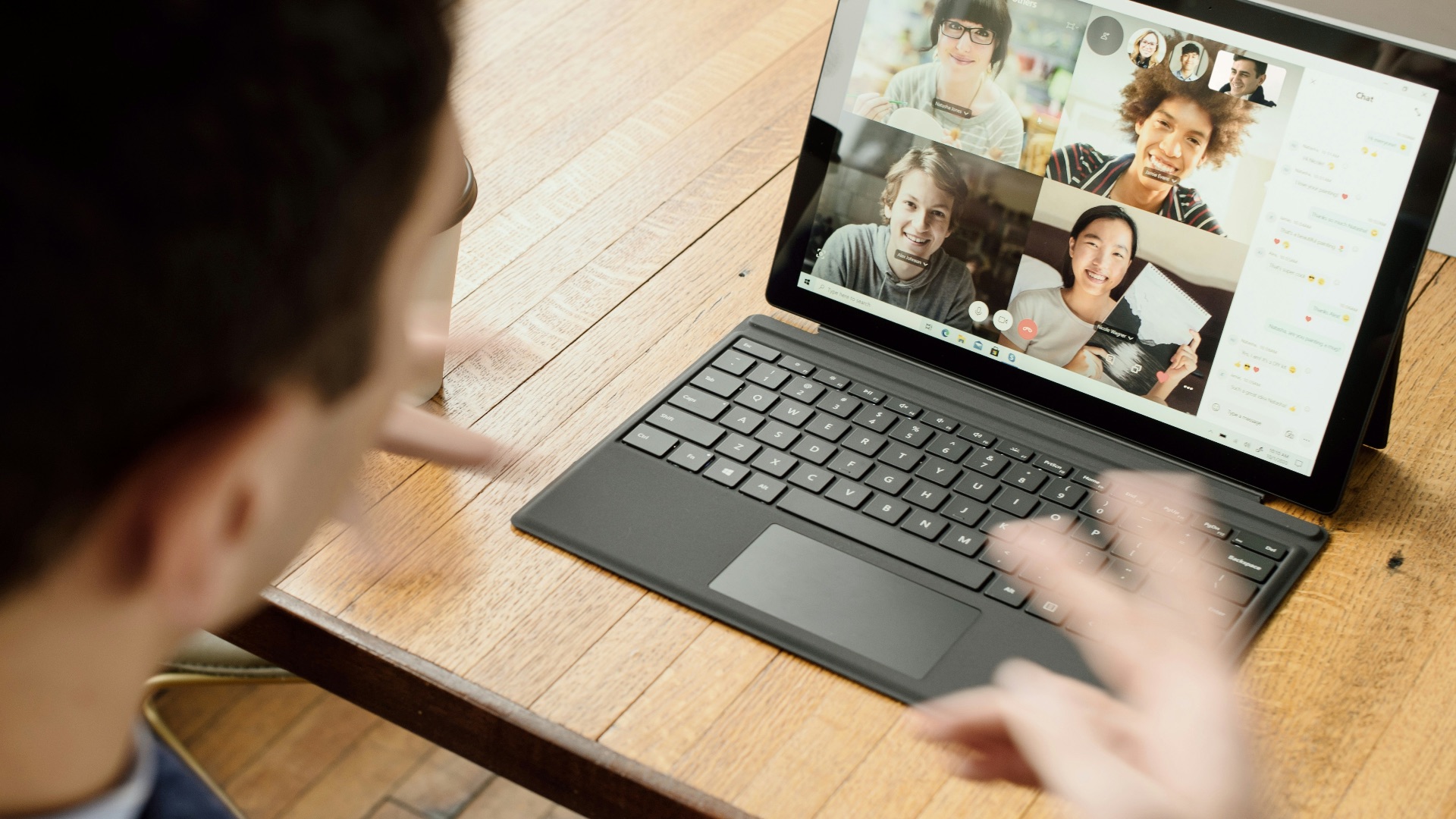
If you're joining a meeting virtually, your microphone habits say more about you than you might realize. It's always recommended to mute yourself as soon as you join and only unmuting when you're invited to speak, largely because background interruptions can happen at any moment without much warning. A barking dog, a ringing doorbell, or a family member walking in can turn your professional call into an unintentional distraction for everyone else on the line.
Beyond the obvious noise issues, an open mic carries a risk that's far more serious: you might say something you never meant for the group to hear. It's easy to forget you're still connected once you start multitasking or gossiping with someone nearby, and by the time you realize your mic was live, the damage is already done. Comments meant to stay private, whether they're about a colleague, a client, or the meeting itself, can suddenly become very, very public. Also, your coworkers probably don't want to hear you do your laundry.
Appear Unprofessional
Whether you're sitting across a conference table or staring into a webcam, how you present yourself sends a message before you say a single word. If you're on camera, that means dressing the part; even if you're working from home, a disheveled look, like messy hair or a scruffy appearance, can suggest you're not fully engaged in your work, even if that's not your intent. It's also worth double-checking your surroundings and camera angle before you join, since an inappropriate background or an awkward moment caught on video can be difficult to walk back once it's happened.
In-person meetings come with their own version of this challenge, and it centers almost entirely on body language. Slouching, crossing your arms, or repeatedly checking your phone can communicate that you'd rather be anywhere else, even if you're actually paying close attention. According to nonverbal communication research from Indeed, the way you hold your body, make eye contact, and use gestures all send signals that can work with or against the impression you're trying to make, often before you've spoken at all.
So, what should you do? Easy: sit up straight, keep your phone out of sight, and maintain steady eye contact, whether that's with the people around the table or through your webcam—these will all help signal that you're actually invested in what's happening.
We get it: meetings can be boring. But that's a thought you should keep to yourself. If you want to keep your job, make sure you always arrive on time and stay professional both in-person and on-camera; how you present yourself to the wider team plays a bigger role in how you're perceived than you might expect. Meetings will always be a mix of substance and impression, so it's worth making sure the impression you leave is one you'd actually want to stick around.