Get Off Your Phone: 20 Better Hobbies To Do Instead Of Doomscrolling
A Better Way To Spend An Hour
Doomscrolling means repeatedly consuming upsetting news or social posts, even after it stops being useful or enjoyable. Phones make that cycle way too easy, especially when you only planned to check one alert before bed or while waiting for coffee. A hobby won’t solve the world’s problems, but it can give your mind something worthwhile to do. These 20 ideas can help you step away from the feed and spend part of the day doing something that feels like a real part of it.

1. Take a Route You’ve Never Taken
Choose a side street, neighborhood path, or nearby park that you usually pass without much thought. Put your phone on silent and take a long walk. A familiar area can feel different when you give it your full attention.

2. Make A Big Dinner
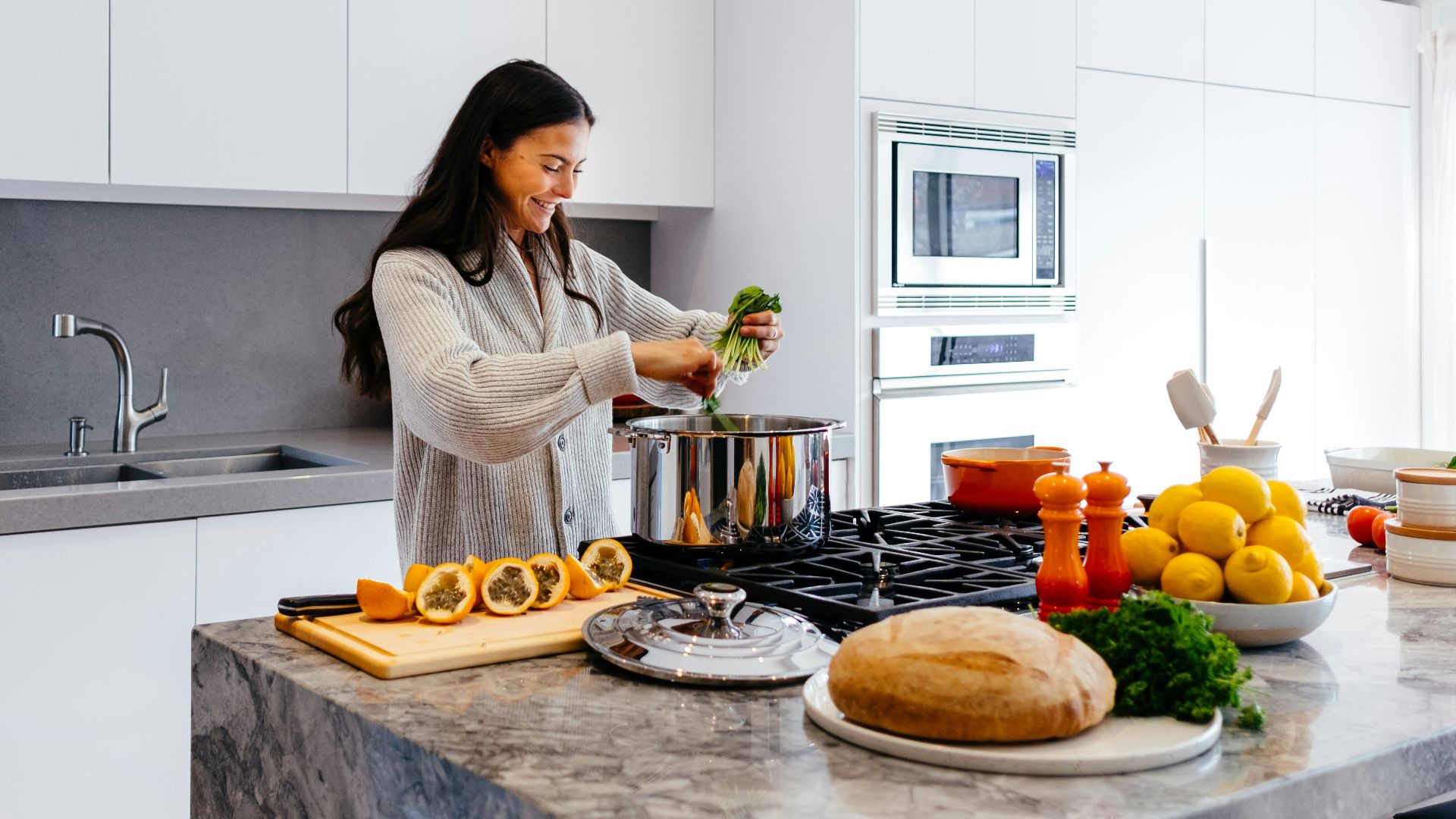
Pick a recipe that takes a little time, like soup from scratch, homemade pizza dough, or roasted vegetables with a good sauce. Measuring, chopping, tasting, and cleaning up give you plenty to do with your hands. When you’re finished, dinner is ready, and you’ve spent the hour doing something useful.
3. Grow a Few Herbs
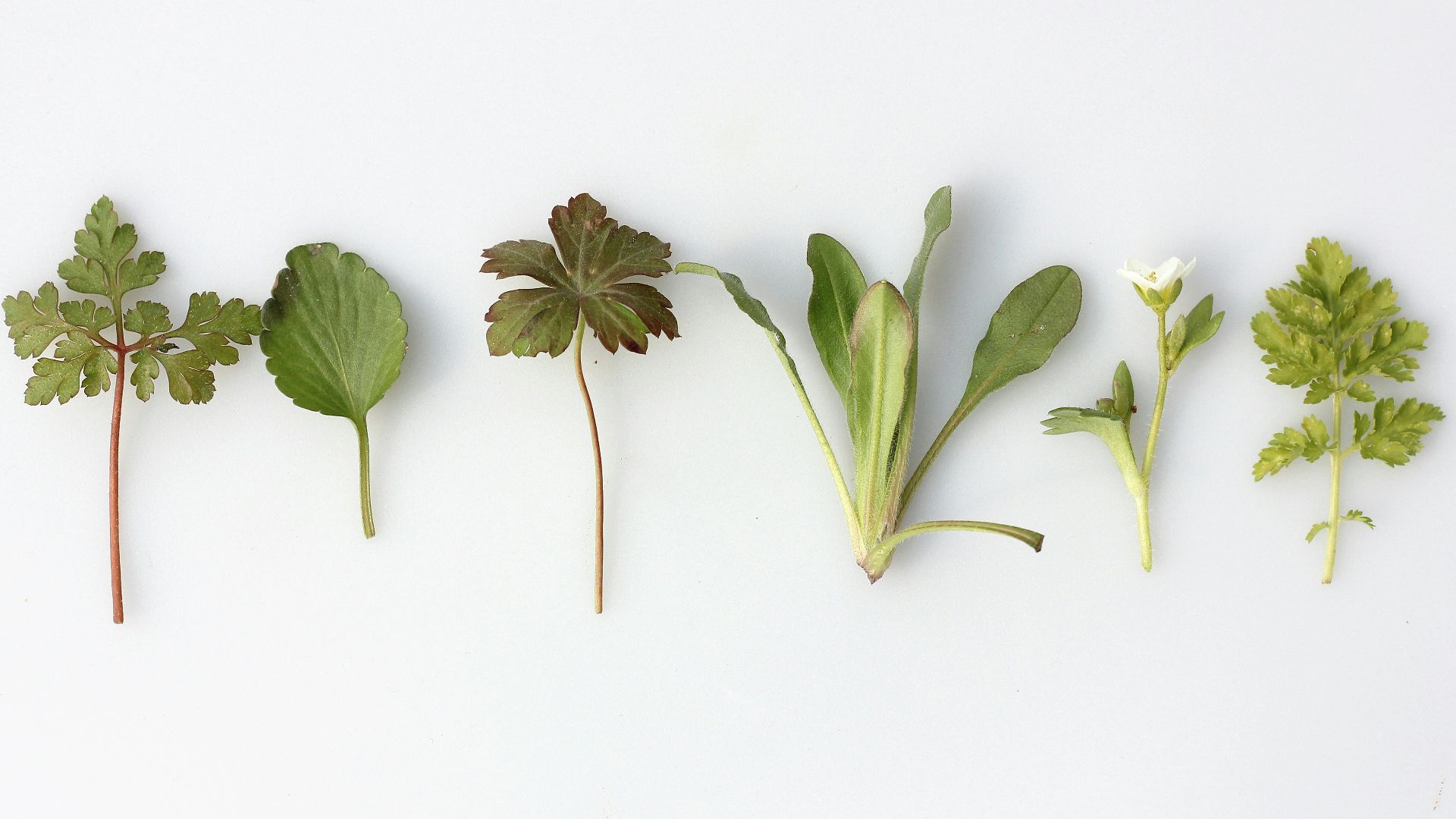
Basil, mint, chives, and parsley can brighten a sunny windowsill without making your home feel like a greenhouse. Water them, trim them, and use a few leaves for dinner when you can. Those small jobs give you a simple routine that feels better than another idle scroll.
4. Set Up a Jigsaw Puzzle
Clear a spot on a spare table, tray, or desk corner, then leave the puzzle out so you can come back to it whenever you have a few minutes. You only need to think about one task at a time. That’s a welcome break from taking in an endless stream of unrelated information.

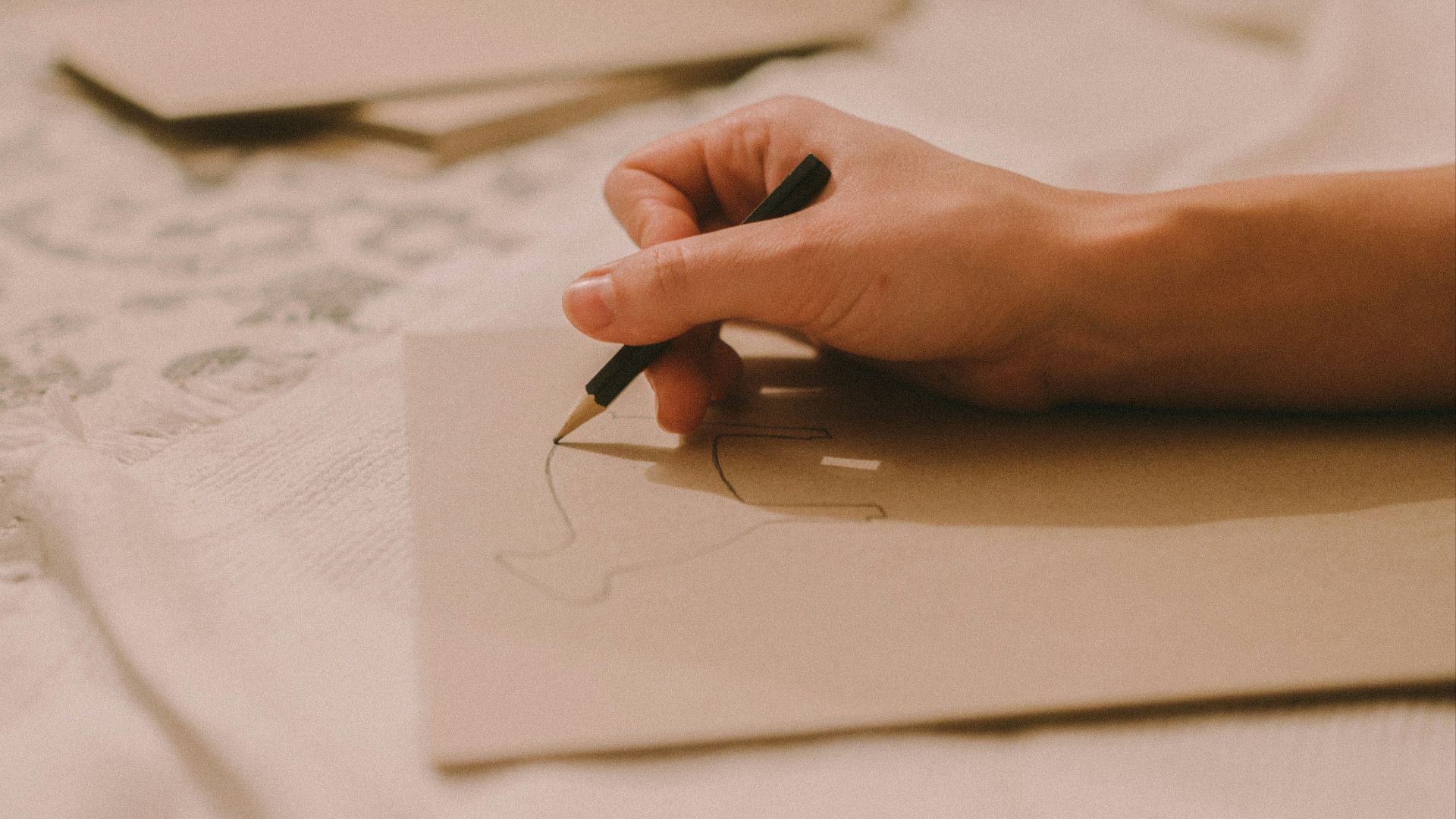
5. Draw
Keep a sketchbook nearby and draw whatever is already in front of you, including your coffee cup, a shoe, the view from the window, or the kitchen table after breakfast. It doesn’t need to be good, but it’s better than mindlessly scrolling.
6. Read Something You Can Hold
Try a library novel, graphic memoir, cookbook, or a stack of old magazines that you’ve been wanting to read. A physical book gives you a natural place to stop, even if you only read a few pages. Closing it feels more final than deciding when to close an app.

7. Learn an Instrument
Borrow a guitar, pull a keyboard out of storage, or try a small instrument that doesn’t take up much room. Start with a simple melody or a few chords, and don’t worry if it sounds rough at first. The slow process of getting better is part of the activity.

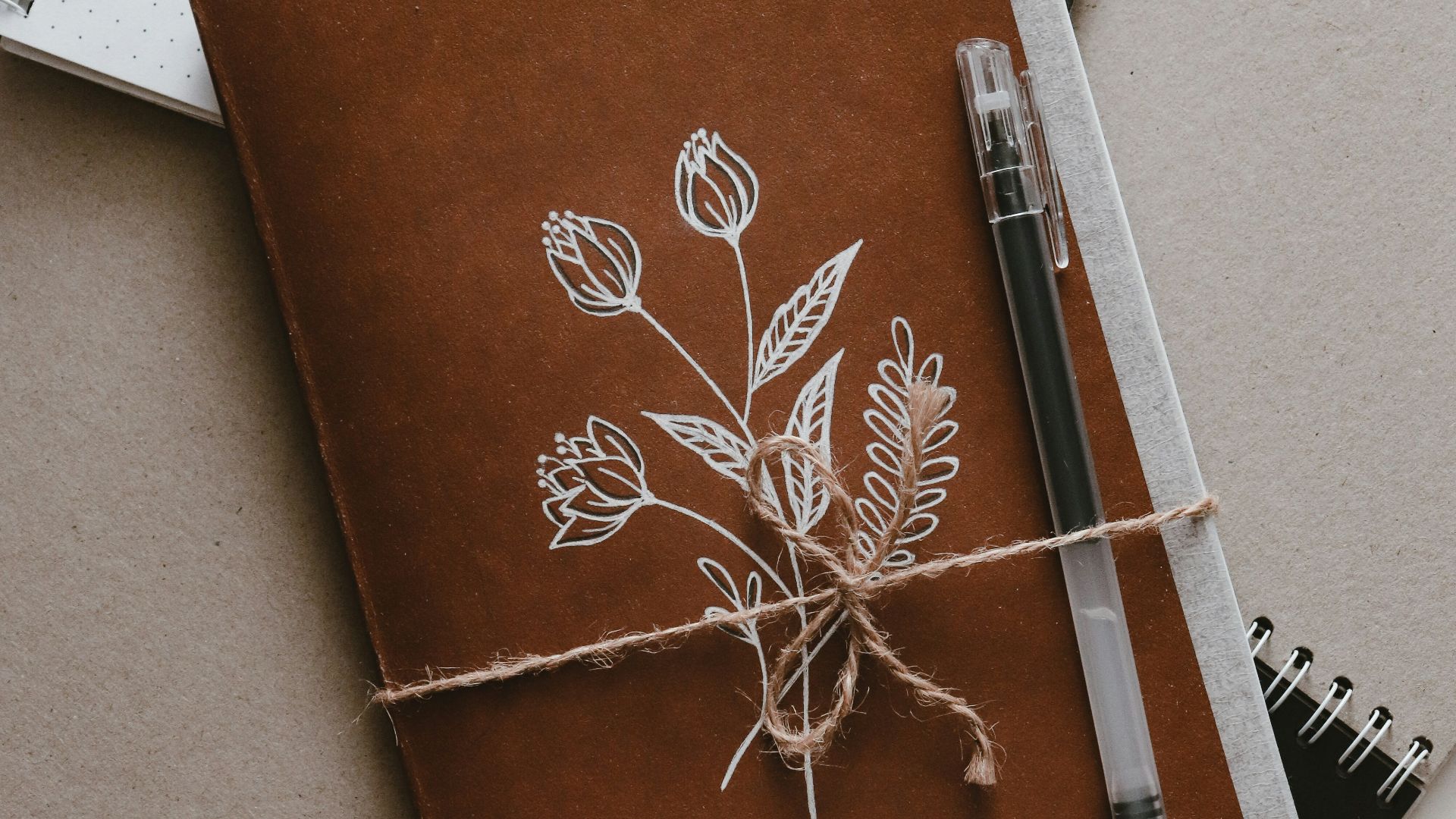
8. Keep a Handwritten Journal
Write about the day, make a list of things you want to try, or fill a page with your random thoughts. A notebook won’t judge your spelling or ask you to explain yourself. It gives restless thoughts somewhere to go without turning them into a public post.

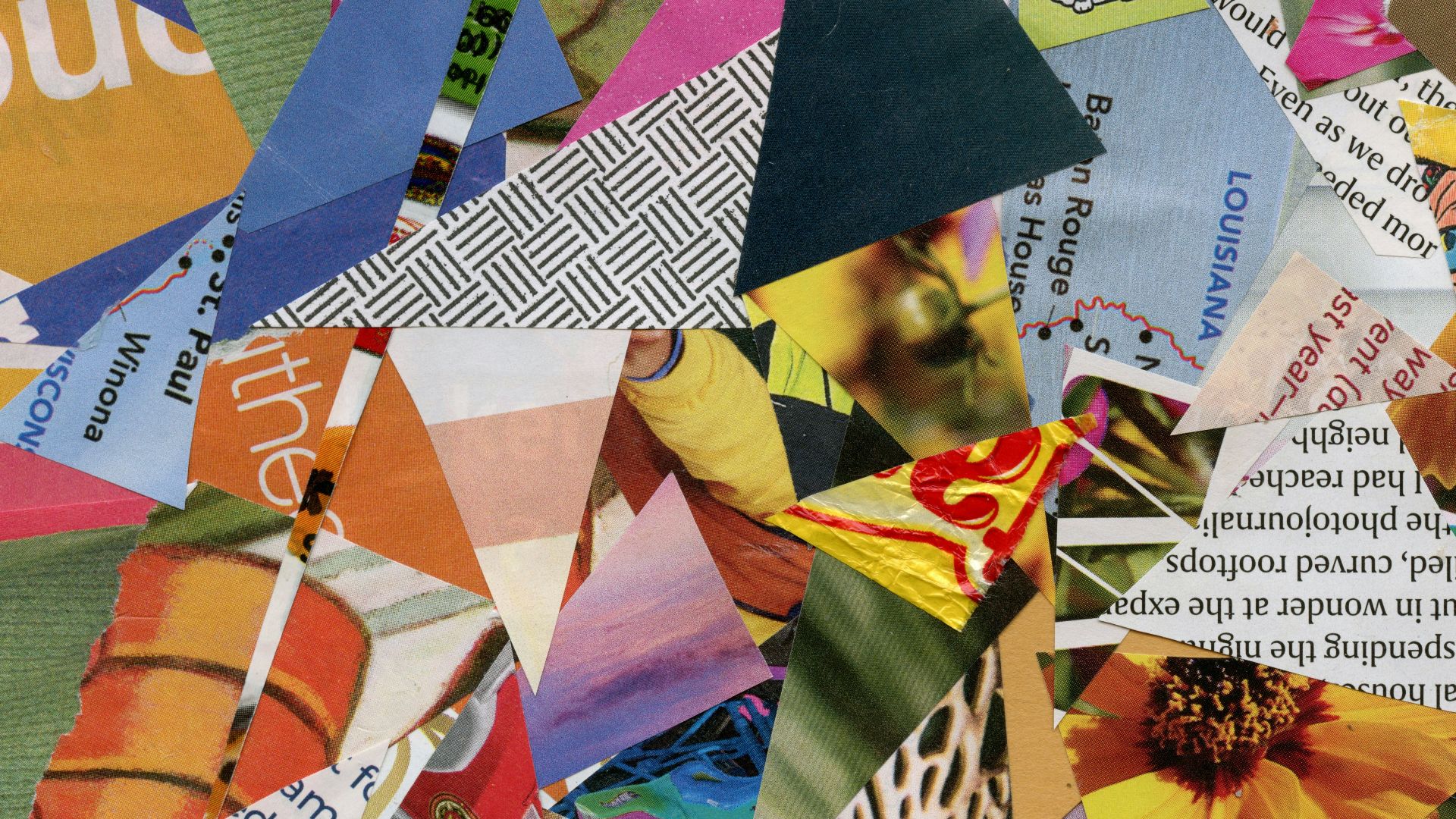
9. Make a Collage or Tiny Zine
Gather magazine clippings, ticket stubs, wrapping paper, receipts, and anything else with an interesting color or texture. Put the pieces together on a page without worrying about making a big statement. A strange little collection of images can be enough on its own.
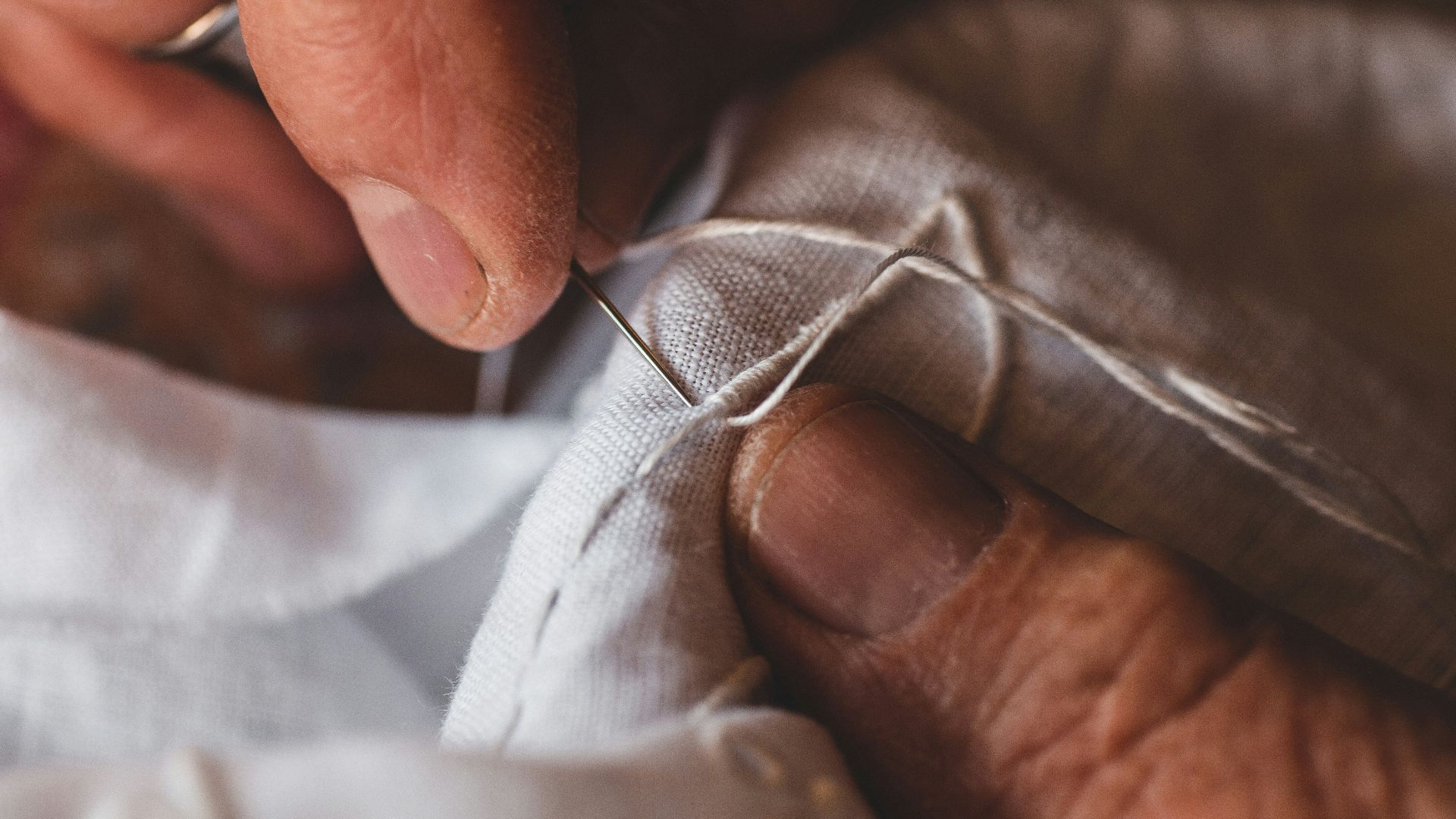
10. Learn Basic Mending
Sew on a button, patch a worn elbow, hem a pair of pants, or fix a small tear. The work is practical and pleasantly repetitive, especially when you can see the change as you go. It’s also a useful reminder that not everything needs to be replaced when it looks a little tired.
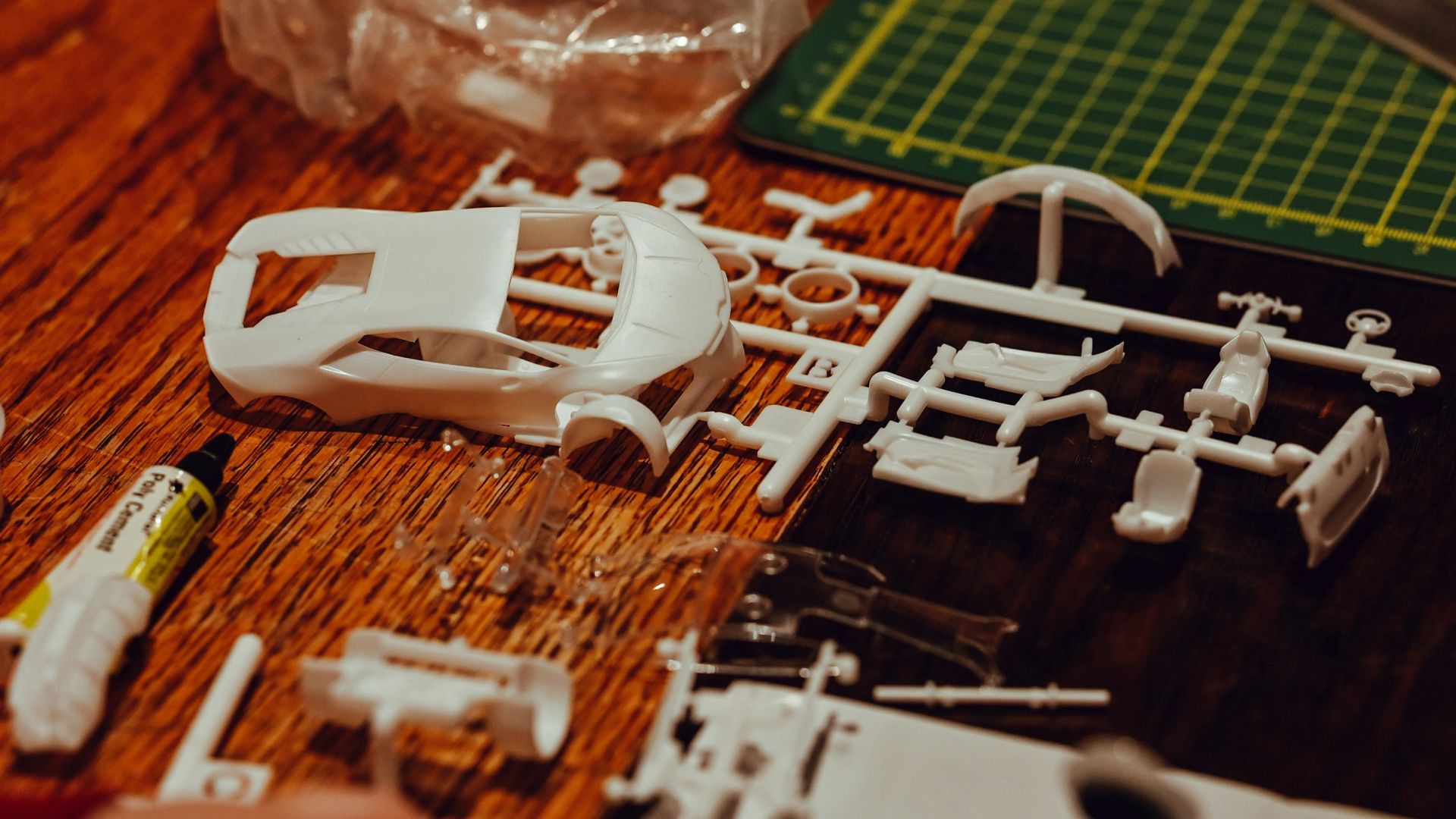
11. Build a Model or Miniature Kit
A model car, miniature room, simple wooden kit, or paint-by-number set gives your hands something specific to do for a while. Follow the directions closely if that feels calming, or improvise when a piece disappears under the couch and refuses to come back. Either way, you’ll have something to return to when you’re tempted to pick up the phone.
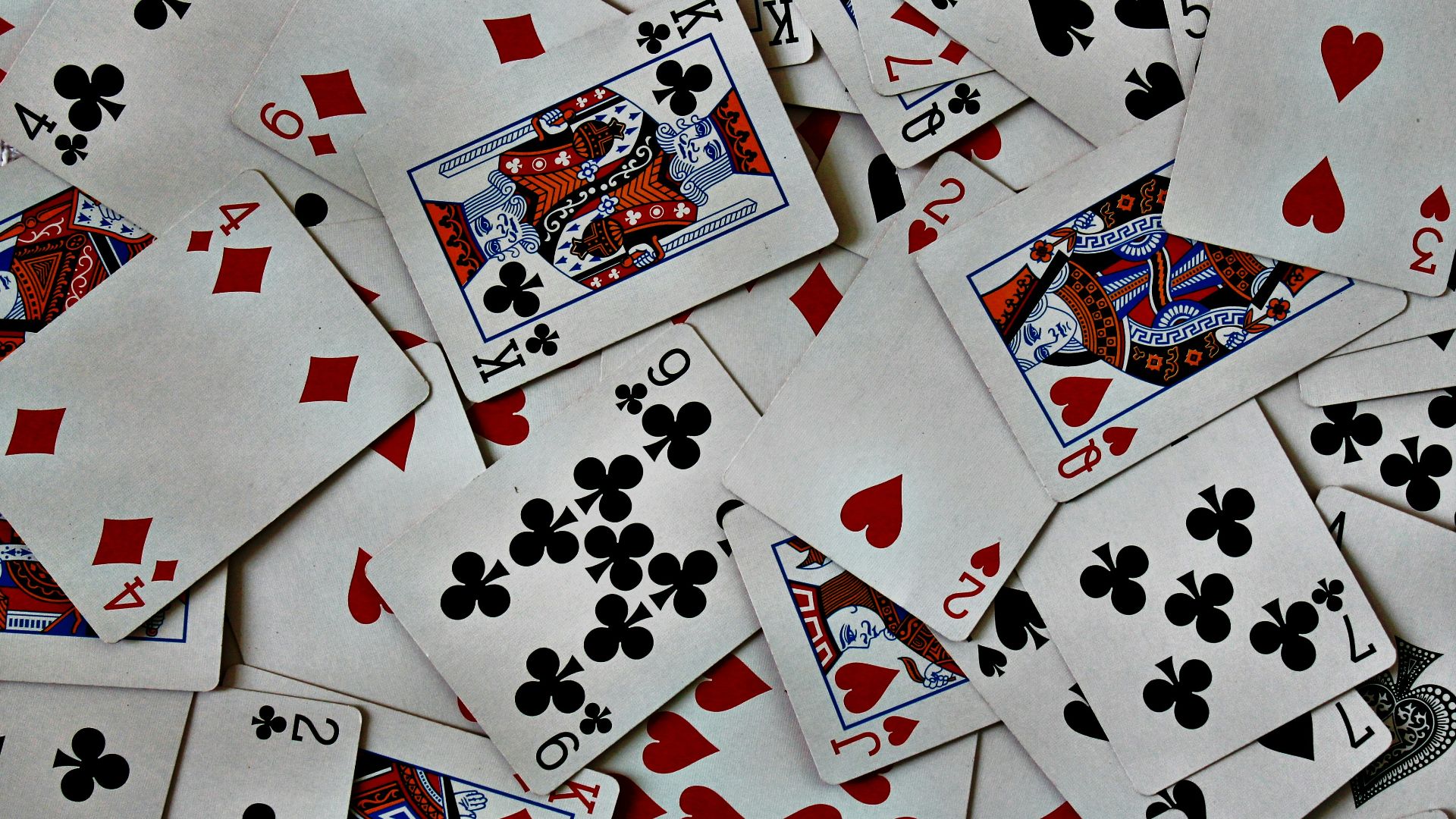
12. Learn a New Card Game
Choose something more involved than a quick round of solitaire, then teach it to a friend, partner, roommate, or family member. A good card game fills an evening with conversation, friendly competition, and enough strategy to keep everyone from going through the motions. It also gives people a reason to spend time together without staring at separate screens.
13. Join a Casual Recreation League
Look for bowling, pickup soccer, a walking group, pickleball, or another low-pressure activity in your area. You don’t have to be naturally athletic to take part. The appeal comes from showing up regularly and having a reason to move around with other people.

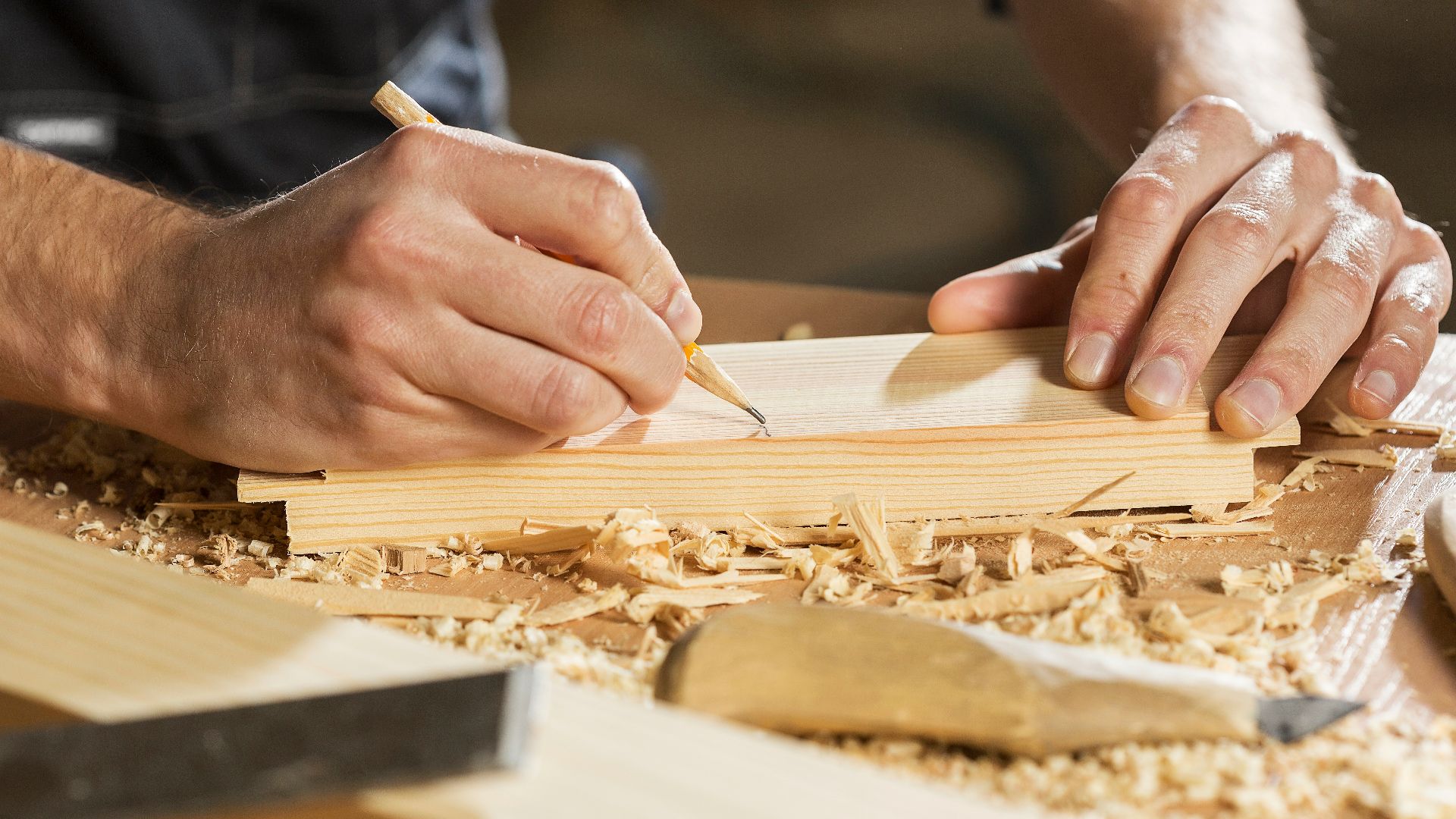
14. Sign Up for a Beginner Class
Try pottery, baking, dance, woodworking, conversational language practice, or any class that has always sounded interesting from a distance. It’s still a welcome break from watching other people do everything online.
15. Volunteer
Spend an afternoon helping at a food pantry, animal shelter, community garden, or neighborhood cleanup. The work may be simple, though it puts you in a real place with real people. It also gives you something concrete to do with your time.

16. Keep a Nature Notebook
Bring a small notebook on walks and write down birds, flowers, weather changes, odd clouds, or funny overheard lines. Your usual route can start to feel different when you’re looking for details worth recording. It’s a simple way to move through the same place without keeping your eyes on a screen.
17. Take a Photo Walk
Use a camera, a disposable film camera, or your phone with notifications turned off, then choose a theme before you leave. Photograph interesting shadows, red doors, neighborhood dogs, or signs of the season. Having a theme gives you a reason to keep looking outward as you go.

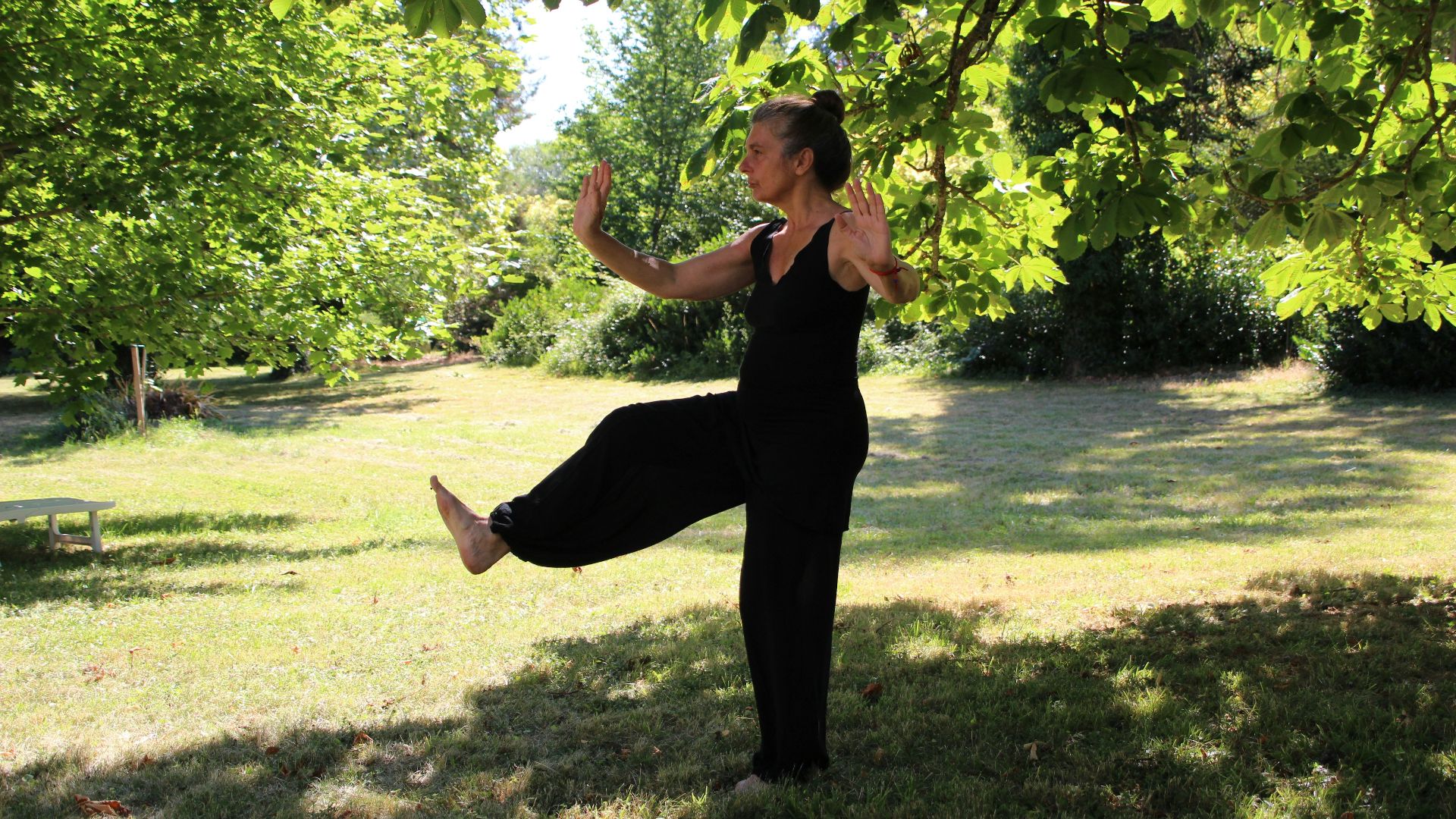
18. Try Yoga or Tai Chi
Choose a beginner-friendly routine and move at a pace that feels comfortable for your body. Yoga and tai chi both combine physical movement with attention to breathing. Either one can be a good option when you want a quieter activity.
19. Spend Five Minutes Practicing Mindfulness
Set a timer and pay attention to your breathing, the sounds in the room, or the feeling of your feet against the floor. Your mind will wander, but it’s great practice at feeling present.

20. Play Tourist
Make a list of nearby places you keep meaning to visit, including used bookstores, small museums, walking trails, farmers markets, and unfamiliar restaurants. Pick one for the weekend and keep the phone tucked away while you’re there. You’ll get to enjoy the novelty of a place that has been there all along.