
When Professional Interest Starts Feeling Personal
Workplaces naturally create familiarity, so friendliness, teamwork, and attraction can sometimes look surprisingly similar. No single behavior proves that a colleague has romantic feelings, but repeated patterns that seem noticeably different from how they treat everyone else may suggest something more personal is developing. It’s still important to respect workplace boundaries, avoid making assumptions, and consider company policies before acting on any possible attraction. Here are 20 signs a co-worker is attracted to you.

1. They Volunteer Personal Information Without Being Asked
Most workplace conversations stay fairly practical until someone deliberately makes them more personal. A colleague who frequently tells you about their childhood, family, ambitions, or private concerns may be trying to create emotional closeness.

2. They Check Whether You’re Attending Social Events
Their first question about an office party, team dinner, or company outing may be whether you’ll be there. They might appear more enthusiastic once you confirm or lose interest when you say you can’t attend.

3. They Delay Leaving When You’re Still Working
A co-worker may repeatedly remain at the office after finishing their own responsibilities because you’re still there. They’ll often find another email to answer, organize their desk, or start a casual conversation before leaving.

4. They Ask Carefully About Your Relationship Status
Instead of directly asking whether you’re single, they may approach the subject through casual questions about weekend plans, vacations, or who you live with. The conversation can sound innocent while still collecting useful information. When they seem unusually interested in the answer, attraction may be influencing their curiosity.

5. They Become More Animated When You Arrive
You may notice their energy change as soon as you enter a meeting, lunchroom, or group conversation. Someone quiet might suddenly become talkative, attentive, or noticeably cheerful.

6. They Try to Establish Shared Interests
Once they learn that you enjoy a particular show, sport, restaurant, or hobby, they may begin exploring it themselves. This doesn’t necessarily mean they’re pretending to like everything you do, since genuine curiosity can grow naturally.

7. They Remember Surprisingly Small Details
A colleague who recalls the name of your childhood pet, an appointment you mentioned weeks ago, or your preferred lunch order is paying close attention. People generally remember information that feels important or emotionally relevant to them. That attentiveness may indicate attraction when it extends well beyond normal professional courtesy.

8. They Look for Your Reaction First
During presentations, announcements, or funny moments, their eyes may immediately move toward you. They could be checking whether you’re amused, impressed, surprised, or in agreement.

9. They Treat Your Approval as Especially Important
Constructive feedback matters at work, but this person may seem unusually pleased when you praise their ideas or performance. Likewise, mild criticism from you might affect them more than similar comments from someone else. Their investment in your approval can reveal that they care about how you see them personally.

10. They Introduce You Enthusiastically
When speaking with visitors, new employees, or contacts from another department, they may describe you with noticeably warm language. Rather than simply giving your name and job title, they mention your talents, accomplishments, or personality.
 The Jopwell Collection on Unsplash
11. They Create Reasons for One-on-One Conversations
Even when a question could be answered in a group chat, they may come directly to you or suggest discussing it privately. The subject might be work-related, but the conversation often continues after the practical issue has been resolved.

12. They Seem Curious About Your Life Outside Work
They ask how you spend your evenings, what you do on weekends, or where you’d like to travel next. Their questions go beyond polite small talk because they follow up and show genuine interest in the answers.

13. They Develop Small Rituals With You
Perhaps they stop by every morning, send you a midday check-in, or expect to share a particular break. These routines may appear ordinary, yet they create reliable moments of connection that belong mainly to the two of you. Someone who protects these rituals may value the relationship more than they openly admit.

14. They Notice When You’re Absent Immediately
A co-worker who quickly realizes that you’re working remotely, running late, or taking a vacation may be monitoring your presence more closely than others do. They might ask teammates where you are or message to see whether everything is fine.

15. They Contact You When Work Isn’t the Real Reason
Their messages may begin with a practical question before shifting into jokes, personal updates, or casual conversation. Eventually, they might contact you without mentioning work at all.

16. They Act Differently When Someone Else Shows Interest
A normally relaxed colleague may become quieter, more competitive, or unusually attentive when another person is talking with you. They might join the conversation abruptly or ask questions about the person afterward.

17. They Seem Nervous During Personal Moments
Professional discussions may come easily to them, yet conversations about dating, feelings, or spending time together make them fidget or lose their usual confidence. They could stumble over words, speak too quickly, or abruptly change the subject.

18. They Try to Learn Whether the Interest Is Mutual
Rather than taking a direct risk, they may test the situation with hypothetical questions or carefully worded jokes. They might ask what qualities you find attractive or whether you’d ever date someone from work.
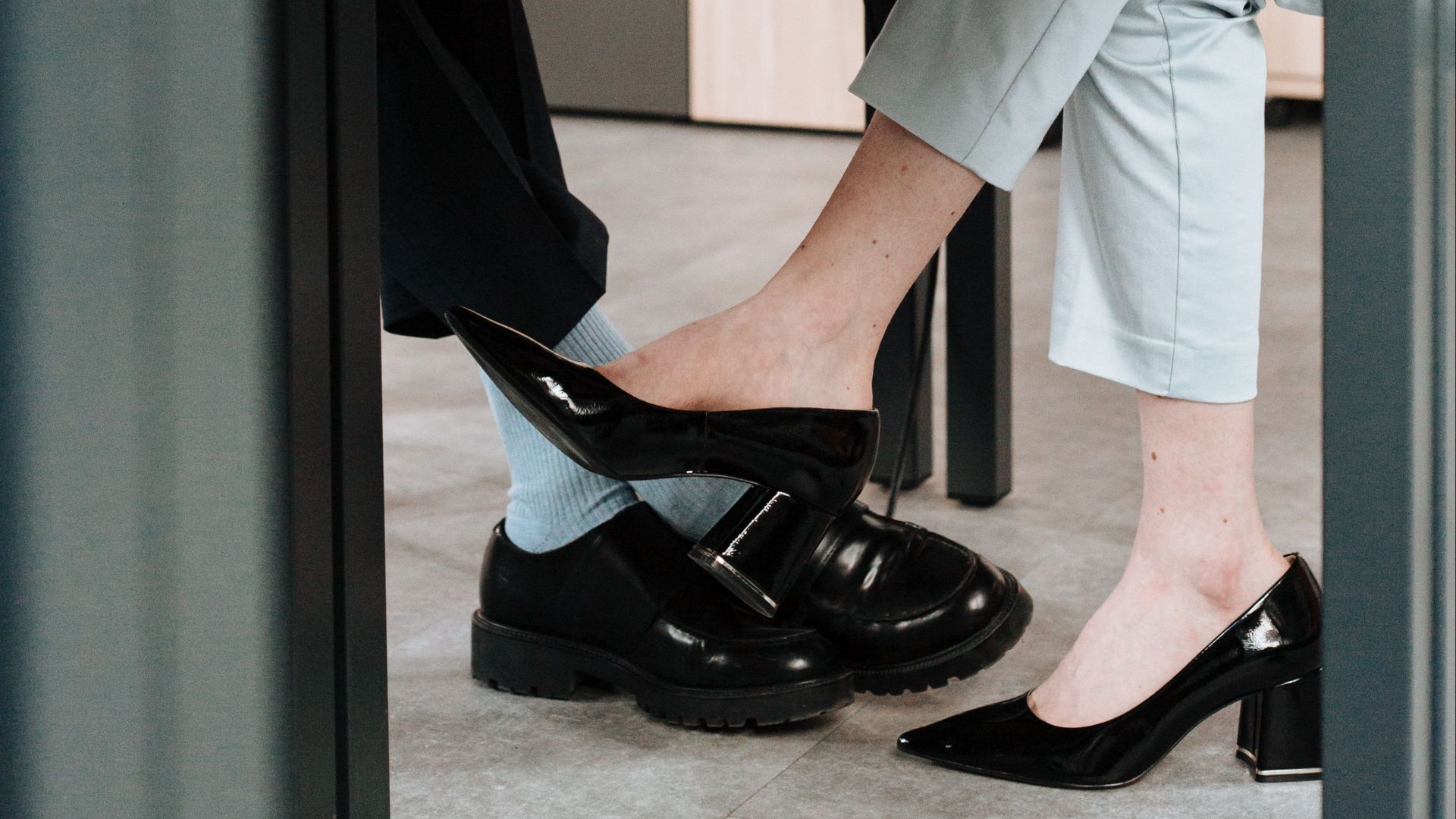
19. They Make Personal Plans Sound Casually Available
They frequently mention having no plans after work, wanting to try a nearby restaurant, or needing someone to attend an event with them. The invitation may remain unstated, but the opening is clear enough for you to respond.

20. They Consistently Make You Feel Singled Out
The strongest clue is often not one dramatic gesture but a steady difference in how they interact with you. They give you more time, attention, warmth, or emotional energy than they offer other colleagues.