
If you’re desiring a change of pace, moving to a new country seems pretty appealing. A fresh start, a different skyline, and a life that’s about to feel a lot more interesting. Once you’re there, though, the change often shows up in smaller ways, like finding the right bus stop, getting used to store hours, or learning that a quick trip to the pharmacy isn’t so quick anymore.
An international move changes much more than your address. It can affect your job, money, routines, relationships, and your connection to home. The big tasks matter, of course, though the smaller adjustments are often what make a new country feel truly new. A place starts to feel familiar through everyday errands, habits, and choices that you barely had to think about before.
An Administrative Reset
 Kit (formerly ConvertKit) on Unsplash
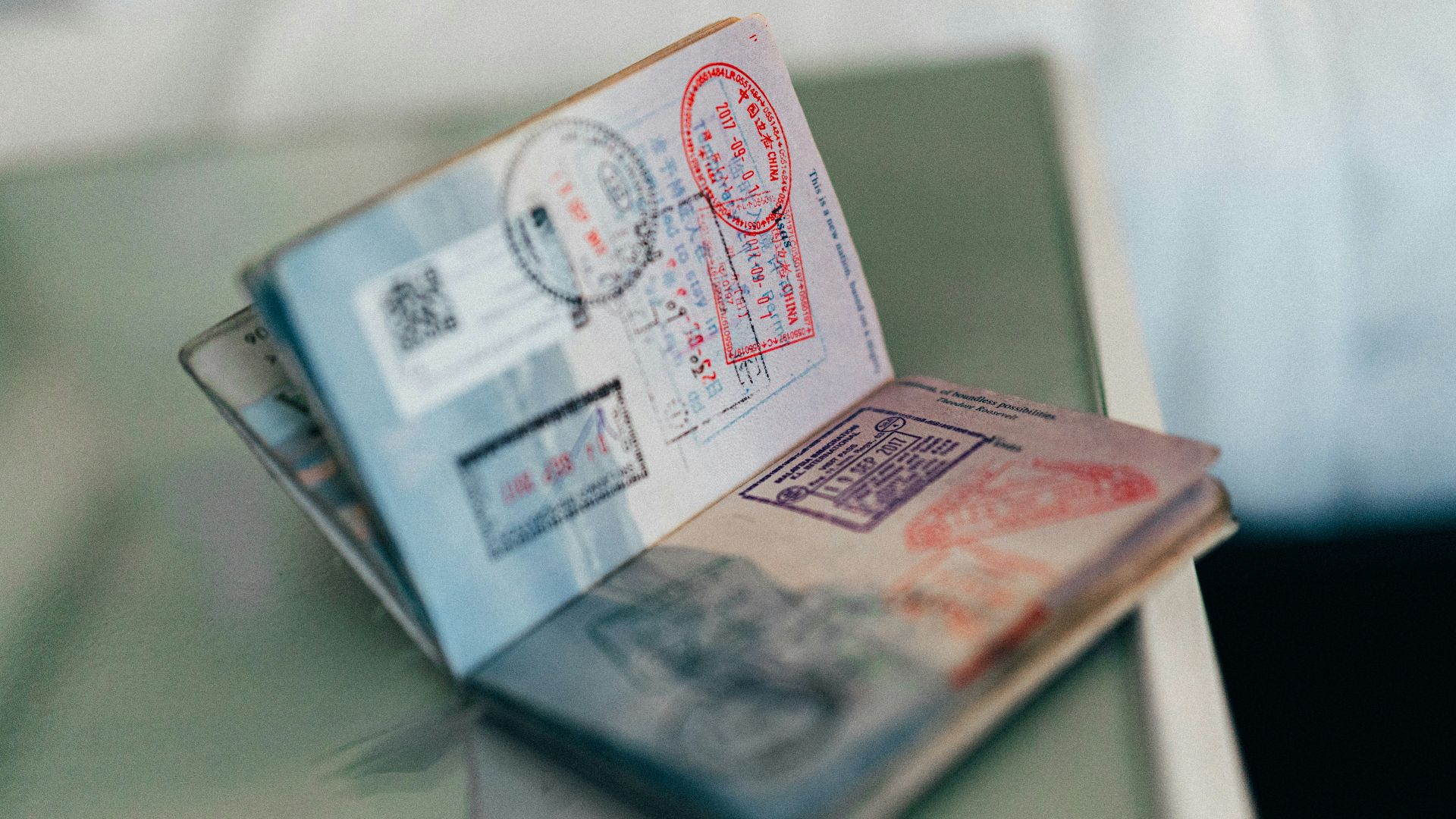
A visa or residence permit may get you into the country, though it’s not permanent. New residents often have to sort out proof of address, local registration, banking, phone service, insurance, and other basic accounts before their days start to feel normal. These jobs can take longer than you’d expect, especially when you’re still learning where to go and what paperwork a local office wants. Keeping passports, employment letters, birth certificates, prescriptions, and other important records in both paper and digital form can make this stage easier to manage.
The first few months can also cost more than you expect. Rental deposits, temporary places to stay, furniture, document translations, transit, insurance, and international transfers can pile up before you’ve found your footing. The expenses don’t always arrive at the same time, which can make them hard to plan for when you’re already paying for the basics of a new home. A realistic budget gives you space for those everyday costs without making every surprise feel like a major problem.
Housing affects much more than where you sleep. The International Organization for Migration identifies secure, affordable, and well-located housing as a foundation for employment, education, health, and social participation. Where you live can shape how easily you get to work, reach services, and take part in the life around you. A short-term rental can help at the start because it gives you time to see how a neighborhood really works before you sign a long lease. A place may look great online, though a listing can’t show you how a commute feels, how nearby shops fit into your routine, or how long it takes to get where you need to go.
Work, Health Care, and Language
The small things add up when you’re looking for work as well. Employers can expect a different résumé format, local references, or experience that makes sense in their own industry, while regulated fields may require credentials to be reviewed before you can practice. That can be frustrating when you already know your job well and have built experience somewhere else. The International Labour Organization reports that migrant workers can face underused skills, limited access to training and employment opportunities, and trouble getting qualifications recognized. A work change can affect more than the job search itself, since work often gives your week structure, gives you routine conversations, and makes a new city feel less anonymous.
Health care is another thing you’ll want to understand before you need it. Coverage, cost, eligibility, prescription rules, and access to specialists can vary widely from one country to another, so doing some homework ahead of time can help. The World Health Organization notes that migrants may deal with language and cultural barriers, along with policies that limit access to or use of health services. Learning how the local system works before you’re sick or need a refill can make an unfamiliar situation feel much easier to handle.
Language matters far beyond ordering coffee or asking for directions. It comes up in rental contracts, work meetings, school emails, repair appointments, and automated phone menus that somehow get even more confusing when you’re already having a long day. UNHCR’s integration guidance explains that language skills support independence in banking, health care, education, employment, and community participation. Being able to read a notice, make a call, or follow a conversation at work can change how comfortable you feel getting through the day. Language also helps with the less formal parts of life, including quick chats in shops and casual conversations in the neighborhood, and that comfort builds little by little.
Belonging
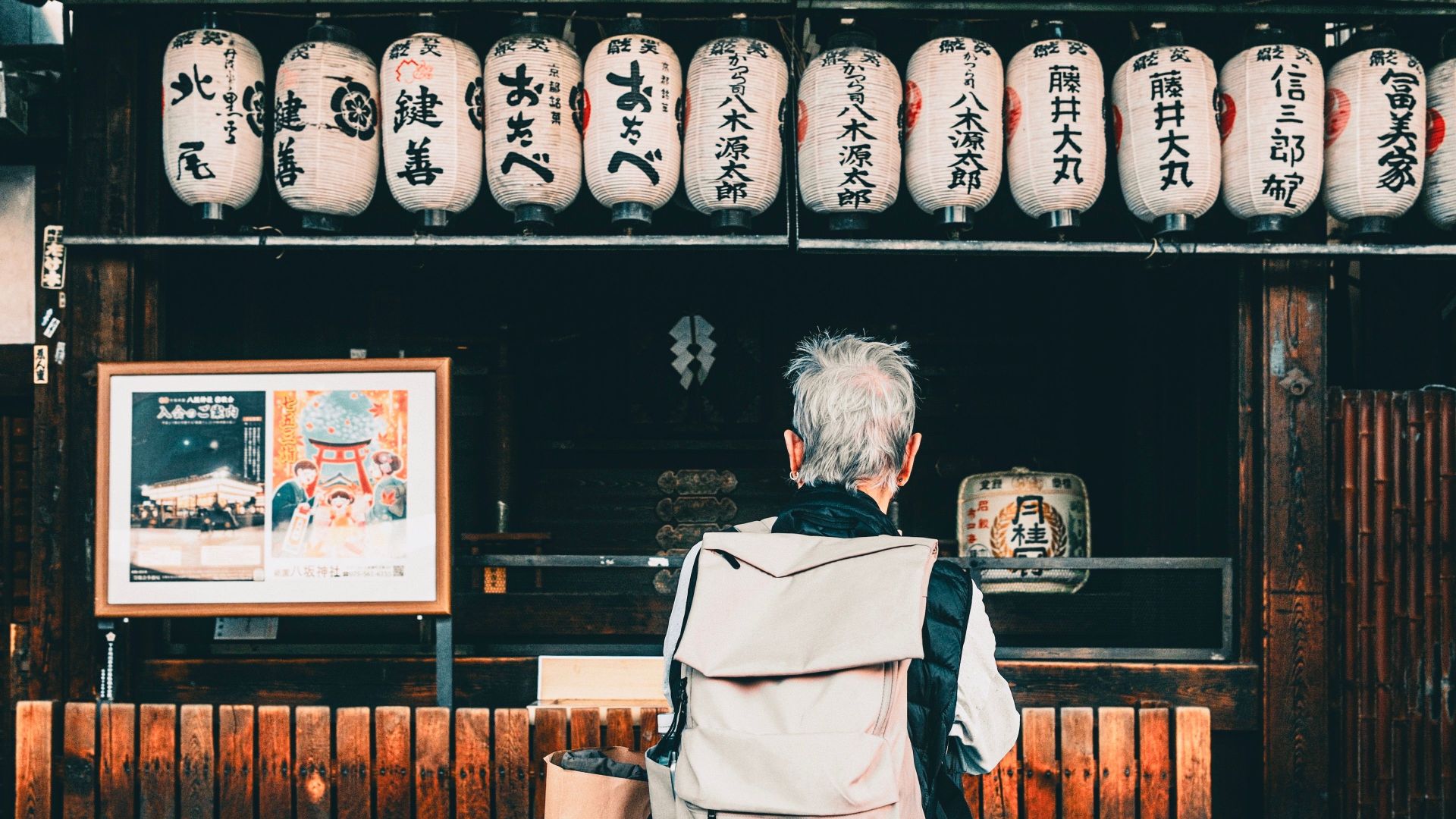
Culture shock is an expected part of this shift. You may find that people communicate more directly, socialize differently, or follow unspoken rules around work and family life that take time to understand. The American Psychological Association recognizes that loss, separation from family, language difficulties, and adjusting to a new culture can all contribute to distress. You may notice those differences right away without always knowing how to put them into words.
Missing home can happen even when you love your new surroundings. You can be grateful for the opportunity and still miss an old friend’s sense of humor, a familiar grocery aisle, or the easy confidence that comes from knowing exactly how things work. A new city can offer plenty to enjoy while still leaving room for the people, places, and routines you knew before. Friendships usually take effort in a new place, and showing up regularly at a class, local event, volunteer group, or neighborhood spot can slowly turn unfamiliar faces into real connections. UNHCR notes that social ties can help newcomers access employment opportunities, volunteering, community activities, and wider networks.
Your old country may remain part of your life long after you leave. U.S. citizens and resident aliens abroad generally remain subject to U.S. tax rules on worldwide income, according to the Internal Revenue Service. Other countries have their own rules around taxes, pensions, benefits, voting, property, and residency, so moving abroad can mean staying organized in two places at once. Over time, the unfamiliar parts of daily life become ordinary. You’ll learn which route gets you home fastest, where to find your favorite foods, and how local life works when nobody’s explaining it to you. Those almost boring moments are often when a new country starts to feel like home.