Built to Last
Marriage has changed quite a bit across generations, and it's easy to look at older couples and wonder how they stayed together for so many years. Baby Boomers grew up with different expectations around dating, marriage, work, family, and commitment than Gen Z has today. That doesn't mean every Boomer marriage was happy or that every modern relationship is doomed, but several cultural habits from earlier generations may help explain why some older marriages lasted for decades.
 LOGAN WEAVER | @LGNWVR on Unsplash
1. Marriage Was Often Seen As A Lifelong Commitment
There were a lot of people who grew up thinking that marriage was something you just worked on. If a marriage wasn't going well, there was a higher chance they would try and make things work. That mindset could encourage couples to spend more time trying to resolve problems before deciding that the relationship was over.
 Beatriz Pérez Moya on Unsplash
2. Couples Had Fewer Digital Distractions
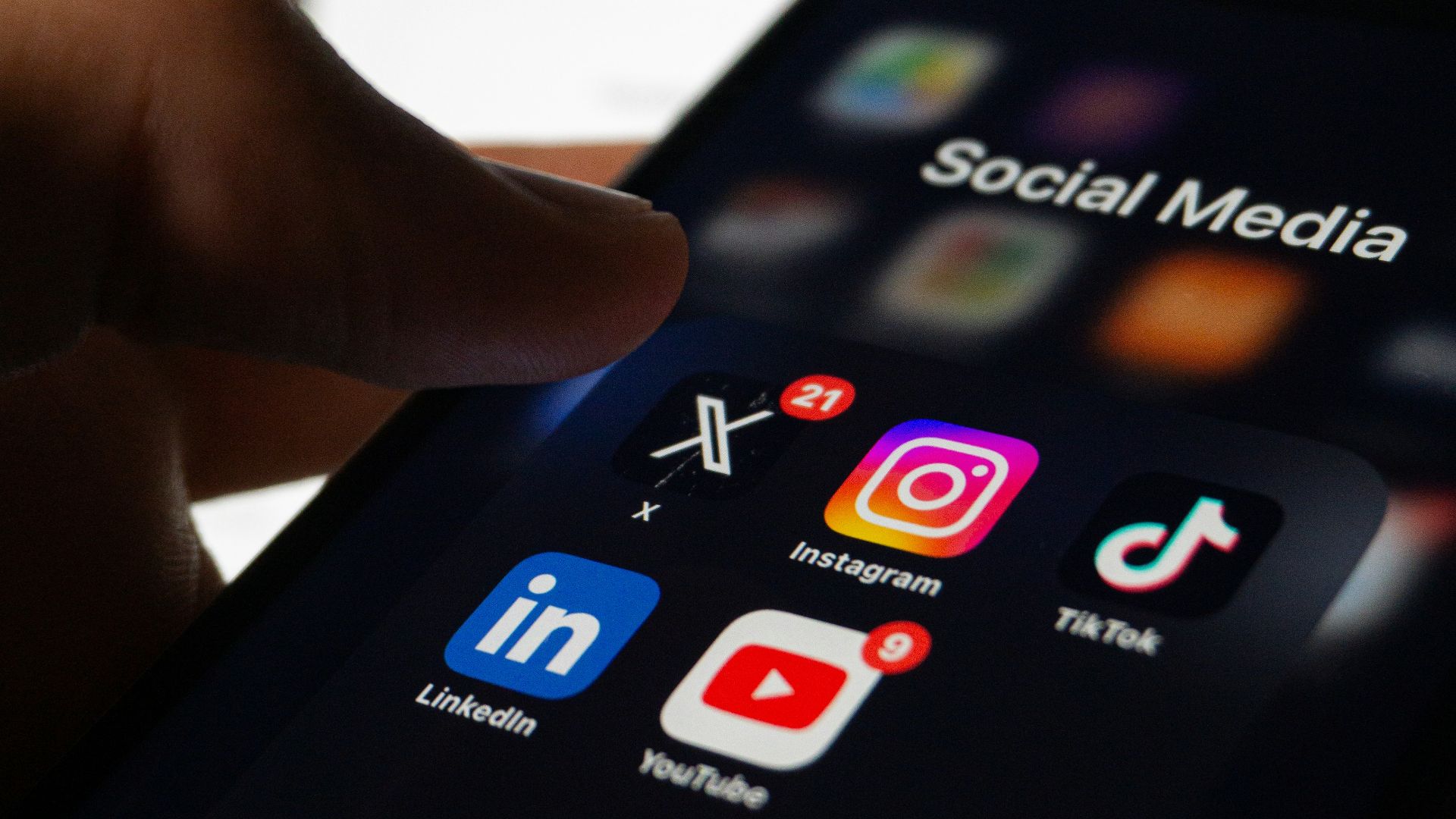
There weren't phones in the middle of the dinner table or your phone buzzing every two minutes. So when you're spending time with your spouse, there are fewer distractions. Gen Z has had access to all this from a young age, whether it be social media, video games, texting, etc.

3. Social Media Didn't Create Constant Comparisons
You're not looking at thousands of other couples on social media. Seeing them post pictures of their vacations, anniversaries, big expensive gifts, and proposals can create unrealistic expectations. Without that constant comparison, couples had fewer outside images influencing their expectations.
4. People Often Dated In Person
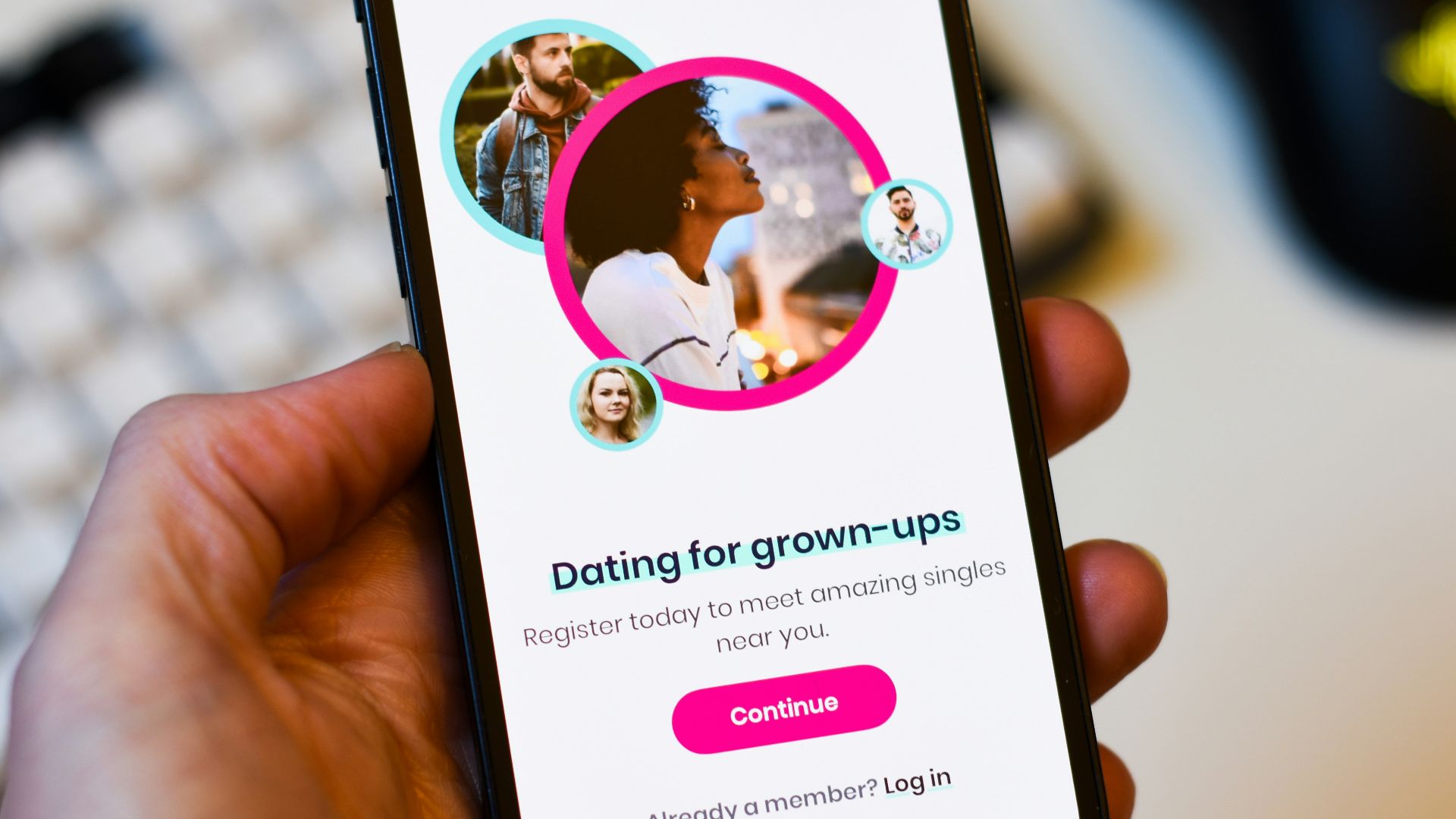
Meeting someone usually required actually going somewhere and talking to them. There weren't dating apps offering an endless stream of potential matches based on a few photographs and a short biography. That slower process gave people more opportunities to get to know someone's personality before deciding whether to pursue a relationship.

5. Commitment Was Taken Very Seriously
For many people in earlier generations, getting married was a major life decision rather than something that could easily be postponed indefinitely. They felt like they had to be ready to get married at a certain point in their life. Once you got married, there was more pressure on yourself to succeed in that relationship.

6. Couples Didn't Have Endless Dating Options
There's always another girl or boy out there for you if you have your phone. When you were growing up, if you left someone, you had to start over and find someone else to date. So there's a higher probability that you'll stick it out with small problems.
7. They Often Had More Defined Household Roles
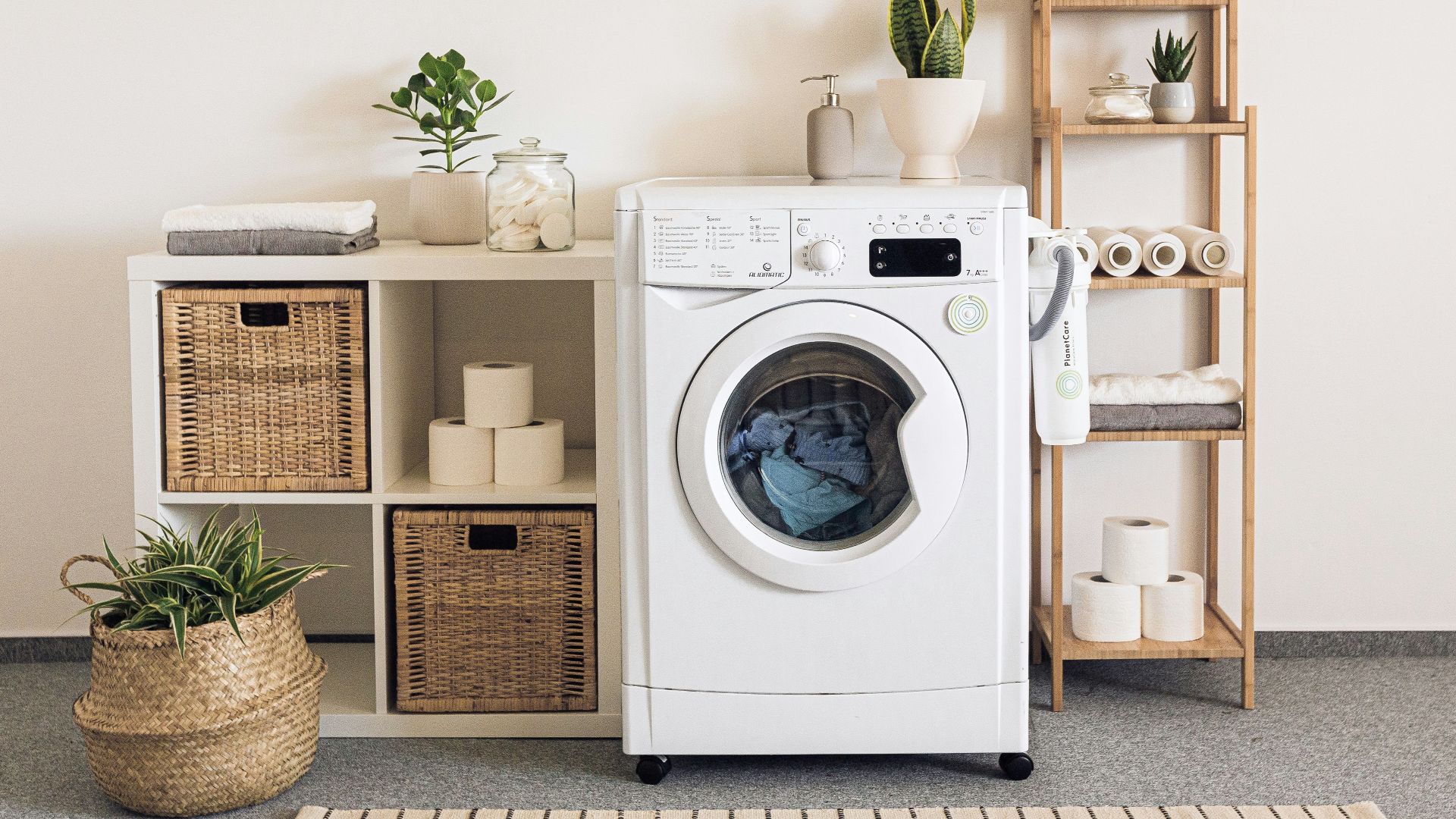
Marriages back then usually had set roles for each gender. Those arrangements weren't necessarily fair or desirable for everyone, but they did provide couples with a straightforward division of duties. Today, couples often have to negotiate everything from cooking to finances to childcare, which can create more opportunities for disagreement.
8. Families Often Encouraged Couples To Stay Together
There's always that one uncle or aunt who will tell you to work things out with your spouse. Or maybe your parents will pressure you to stay with that person. It's never a good thing to have someone pressure you, but they could help you want to stay.

9. Marriage Happened Earlier For Many People
Since the Boomer generation grew up at a time when people got married younger, you're more likely to spend your whole life with that person. Whereas Gen Z is taking their time to get through college, get jobs, and buy homes. This means they may be entering marriage at a different stage of life than earlier generations did.
10. Couples Had More Shared Daily Routines
Older married couples often spent a large portion of their free time doing the same everyday activities. They might eat dinner together, watch television, visit relatives, run errands, or attend community events as a couple. Those ordinary routines created plenty of opportunities for interaction that didn't require planning a special date.

11. People Had Less Relationship Advice Coming At Them
Right now, there are countless videos that will help you understand your relationship better. But you also have more information that can lead you to believe that your relationship isn't normal. Older couples had fewer strangers online telling them what every argument supposedly meant about their relationship.

12. Couples Were Often More Connected To Their Communities
Whether it be church, neighbors, or clubs you joined, there were more chances that you knew some of the same people as your spouse. Having a shared social world could make a marriage feel more deeply connected to everyday life. It also gave couples more opportunities to spend time around people they both knew.

13. There Was Less Pressure To Have A Perfect Relationship
Older generations weren't constantly exposed to relationship content showing couples having flawless communication and picture-perfect lives. As a result, an ordinary marriage could simply be an ordinary marriage. Couples didn't necessarily have the same expectation that a healthy relationship should feel exciting, romantic, and emotionally fulfilling every single day.

14. Financial Expectations Were Often Different
When Boomers were growing up, things were cheaper, from homes to schooling and even raising kids. Money is always going to be a problem when it comes to relationships. Money remains one of the major practical issues couples have to navigate.
 micheile henderson on Unsplash
15. Couples Often Had More Patience With Boredom
You're going to be bored some days when you're with your spouse. Maybe back then people were okay with that and knew that their marriage was going to have those days. Since we have so many things to keep us entertained, we may not enjoy the boredom as much.
 Free Walking Tour Salzburg on Unsplash
16. Personal Independence Wasn't Always The Same Priority
Maybe you and your spouse both want to have your own time. You want to go out with friends and pursue your own hobbies and career. But back then, they probably spent more time with each other.

17. Couples Were Less Likely To Publicize Their Arguments
If your spouse and you were arguing, it stayed between you and them. You probably didn't have your best friends' group chat or Facebook pages asking for advice. So you may not have argued as much.

18. They Often Had A Stronger Expectation Of Sacrifice
Marriage has always required compromise, but older generations were frequently taught that personal sacrifice was simply part of being a spouse. People might accept inconvenience or adjust their plans for the sake of their partner or family. Modern relationships tend to place greater emphasis on individual fulfillment, which can create different expectations about compromise.

19. Couples Had Fewer Opportunities To Mentally Escape
You may have had nothing to do once you're done arguing with your spouse. You didn't have your phone to play games or scroll through social media for hours. So you're more likely to stay and work things out with your partner.

20. They Often Saw Marriage As Something You Learned Over Time
They didn't know everything about being married. You have to learn how to communicate with your spouse and manage money. Gen Z couples are entering relationships with different expectations, but the basic lesson still applies: a lasting marriage usually requires learning how to be partners as life changes.