The Old Rules Had a Good Run
Your first job comes with rules nobody writes down. For a long time, that meant keeping quiet about your salary and answering your manager's email at 10 p.m. on a Sunday. Gen Z started pushing back on many of them, and in several cases the law has moved in the same direction. Some of these fights look petty from the outside until you take into account your grocery bill. Here's 20 things Gen Z is right to refuse to put up with.
1. Unpaid Internships
Working for free is a hard sell when rent is due on the first of the month. Unpaid internships also tilt the field toward students whose parents can cover a summer in an expensive city like New York or San Francisco. The National Association of Colleges and Employers has found for years that paid interns land more job offers than unpaid ones.

2. Salary Secrecy
Colorado started requiring pay ranges in job postings in 2021, after years of candidates negotiating blind. New York City and California followed within two years, and suddenly you could see what a job paid before the third interview. Talking about your pay with coworkers has been legally protected for most private-sector workers since the National Labor Relations Act passed in 1935.

3. Fees That Appear at Checkout
Concert tickets that jump from $40 to $68 on the final screen are a bait and switch with better graphics. The Federal Trade Commission's rule requiring upfront total prices for live-event tickets and short-term rentals took effect in May 2025. The first number you see is now supposed to be the number you pay, fees and all.

4. Answering Slack at Midnight
Being reachable at all hours used to count as dedication, especially in your first job. France gave workers a legal right to disconnect from work email after hours in 2017, and Australia's version took effect in 2024. A message that lands at 11:48 p.m. can wait until morning, when everyone's had coffee.

5. The Five-Day Week as a Law of Nature
The five-day week is younger than some people's grandparents. Henry Ford standardized it at his factories in 1926, partly so workers would have free time to spend their wages. In a 2022 trial run by the nonprofit 4 Day Week Global, 56 of the 61 British companies that tested a shorter week chose to keep it going after the trial ended.

6. Open-Plan Offices
The open office was sold as a way to get coworkers talking to each other and trading ideas. When Harvard researchers Ethan Bernstein and Stephen Turban tracked two companies that tore down their walls, face-to-face interaction dropped by about 70 percent. People put on headphones and sent emails to the person sitting four feet away.
7. Drinking as a Networking Requirement
Happy hour after work was where careers got made for decades. Gallup found that 62 percent of adults ages 18 to 34 drink, down from 72 percent two decades earlier. Ordering a club soda at the company mixer shouldn't cost anyone a promotion or a seat at the next client dinner.

8. Loyalty for a 3 Percent Raise
Company loyalty sounds great in an onboarding video. The Federal Reserve Bank of Atlanta's wage growth tracker has shown for years that people who switch jobs tend to get bigger raises than people who stay put. Staying put out of loyalty alone can cost real money over a decade.

9. Software That Tracks Your Mouse
Monitoring software can log every keystroke and grab a screenshot of your screen every few minutes, then send the whole report to your manager. In 2024 Wells Fargo fired more than a dozen employees after investigating them for simulating keyboard activity. Workers bought mouse jigglers because they were being graded on cursor movement instead of finished work.

10. Phones You Aren't Allowed to Fix
Your cracked screen shouldn't mean buying a whole new phone. New York passed the first state right-to-repair law for electronics in 2022, and Minnesota's went further the next year. Manufacturers there now have to sell parts and repair manuals to regular people and independent shops on fair terms.

11. Subscriptions for Heated Seats
In 2022 BMW started charging a monthly fee in some countries to switch on heated seats that were already built into the car. The backlash was loud enough that the company dropped the plan the following year. Paying rent on hardware sitting under you is a tough idea to sell, especially in January.

12. Shrinkflation
Chip bags keep getting lighter while the price stays put. Toblerone spread out the triangles on some of its UK bars in 2016 to cut the weight, and shoppers spotted the gaps right away. Checking the unit price on the shelf tag has become a small act of self-defense in the snack aisle.

13. The Tip Screen at the Counter
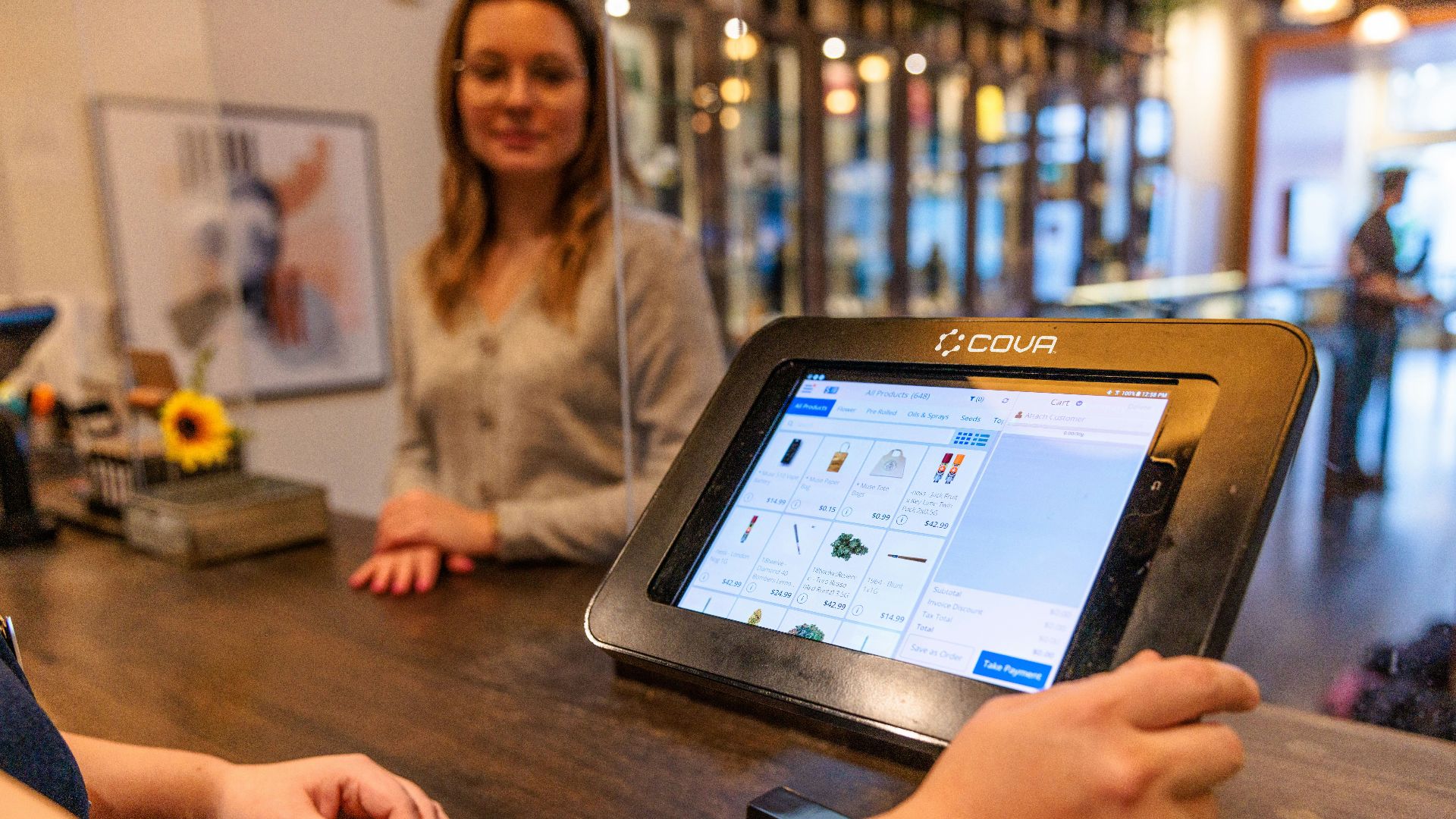
Tablets at coffee counters now suggest a 25 percent tip for a bottle of water handed across the register. Tipping used to follow table service, where someone brought your food and checked on you. Tapping the custom button and typing zero doesn't make you a bad person.
14. Pizza Parties Instead of Raises
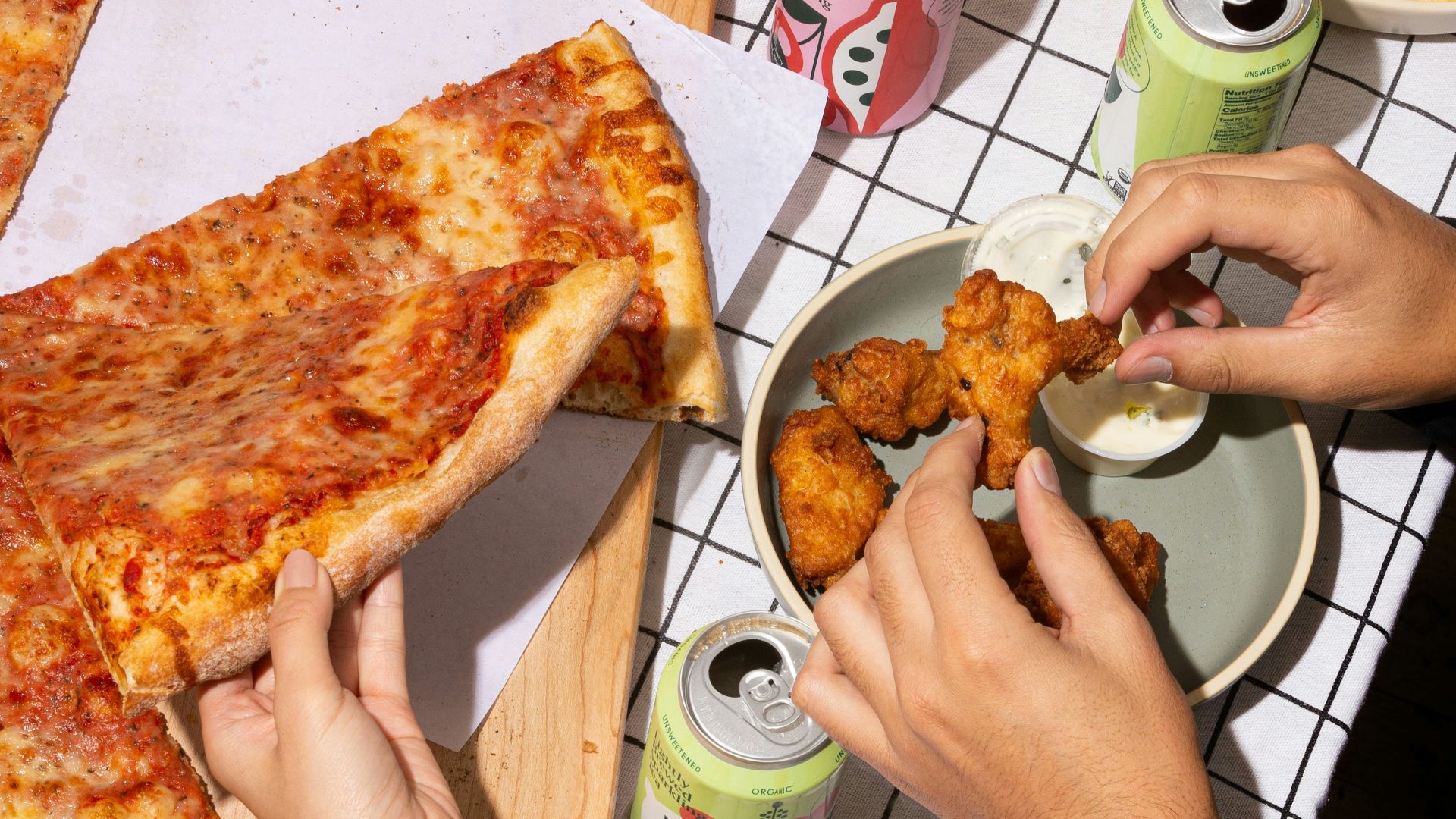
Pepperoni doesn't cover a rent increase, even the good kind from the place downtown. Recognition is nice, and it lands better next to a paycheck that kept up with inflation over the past few years. The math on one slice versus a 4 percent raise isn't close.
15. Ghost Jobs
Some companies leave job postings up for months with no plan to hire anyone, sometimes long after the role was filled internally. The listings can make a company look like it's growing and keep a fresh pile of resumes on hand. For the person who spent an evening tailoring a cover letter, it's a wasted night.

16. Six Rounds of Interviews
Five or six interview rounds for a mid-level job can eat up weeks of vacation days and invented dentist appointments while you still hold down your current job. By round four, you're repeating the same answers to someone new. A company that can't decide after three conversations is showing you how it makes decisions in general.

17. Subscriptions That Take Ten Steps to Cancel
Signing up takes one click and a card number. Canceling can mean a phone call during business hours and a retention script about exclusive offers you never asked for. The FTC passed a click-to-cancel rule in 2024, and a federal appeals court threw it out in 2025, so the fight isn't finished.
18. Powering Through Burnout
Oregon passed a law in 2019 letting students take mental health days as excused absences, and Illinois added a similar rule in 2022. Adults deserve at least the same deal their teenage siblings get. A sick day for your head counts as a sick day.

19. Surprise Phone Calls
A text asking if you have five minutes takes three seconds to send and gives the other person a chance to find a quiet room. An unscheduled call from an unknown number can make your stomach drop before you even pick up, especially during work hours. Scheduling a call first is ordinary courtesy, and it usually makes for a better conversation.

20. Unpaid Take-Home Projects
Some hiring processes ask candidates to spend a weekend building a full marketing plan or redesigning a product page for free. Nothing stops the company from using the work and never calling back, and the candidate rarely finds out either way. A short, paid test task treats a candidate's time like it's worth something.