A Few Hours of Sorting Can Make Anyone Feel Better
Decluttering can feel like an all-or-nothing project, complete with overflowing donation bags, a long afternoon of sorting, and the urge to reorganize every cabinet in the house from front to back. A better place to begin is with the everyday stuff that makes routine tasks harder. By Sunday night, you don’t need a showroom-ready home or a bunch of half-sorted piles. You only need fewer things making daily life more difficult than it has to be. These 20 categories are a great place to start when you want to see a real difference, without giving up your whole weekend.

1. Unused Medication
Clear out the medicine cabinet and gather expired, duplicate, or unwanted prescription and over-the-counter products. A take-back option is the preferred route for most unused medicine, so you don’t need to keep old bottles behind the items you use regularly.

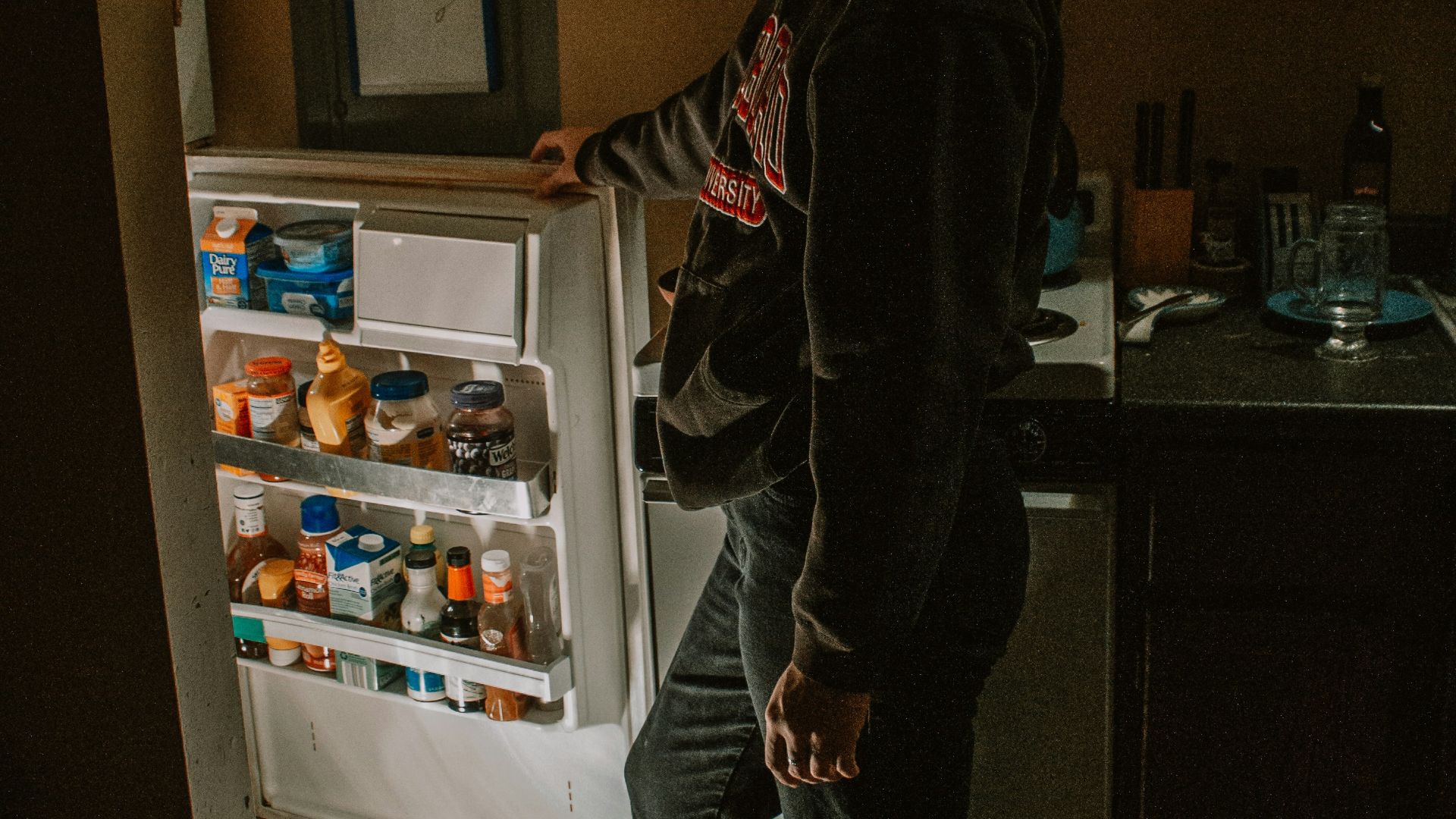
2. Mystery Leftovers
Get rid of the foil-covered dishes and plastic tubs you can’t identify. Cooked leftovers that have been safely refrigerated are generally best used within three to four days, so label anything you plan to keep before it gets pushed to the back of the fridge.
3. Pantry Food
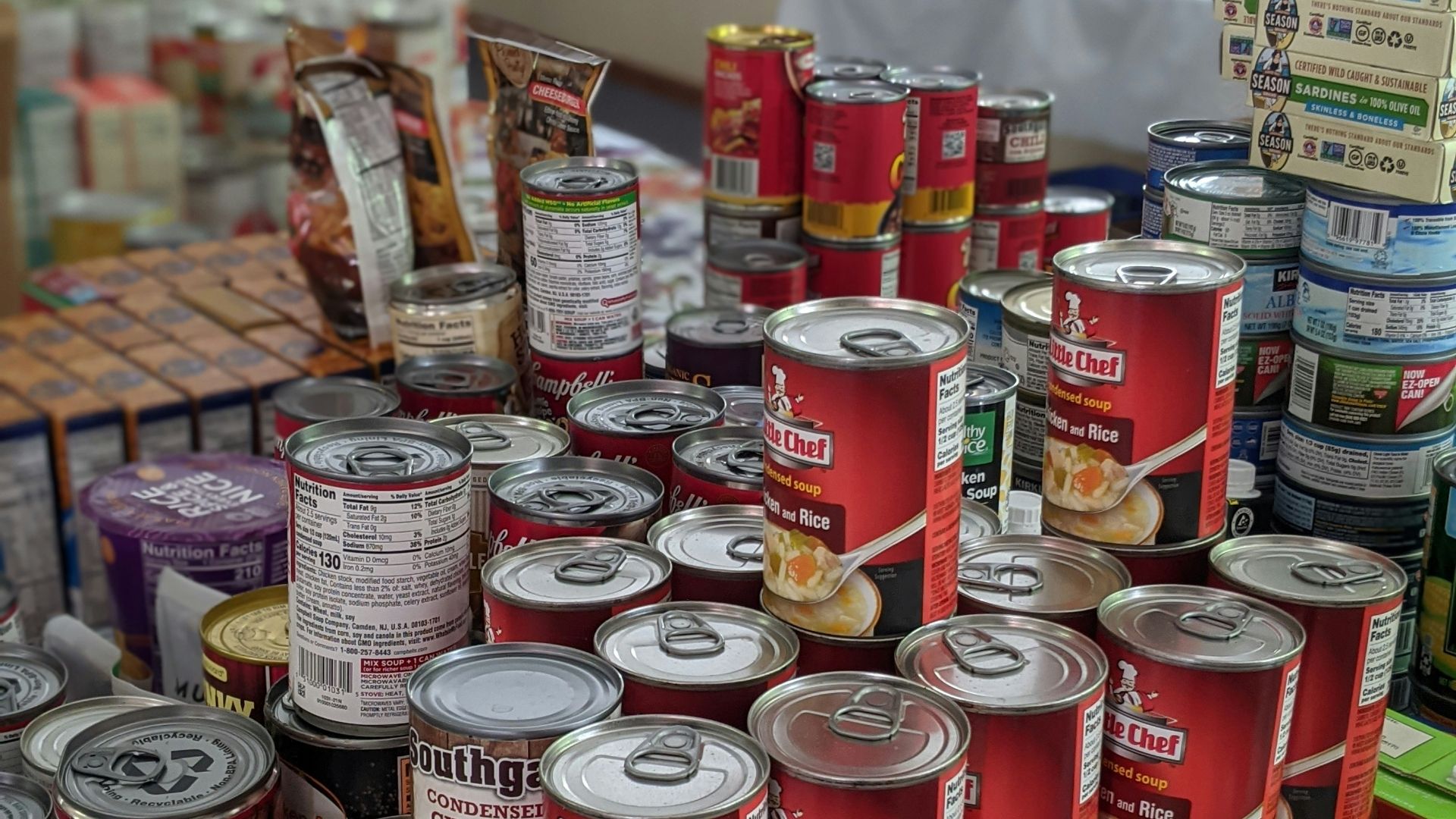
Pull out duplicate spices, forgotten baking supplies, and canned goods that keep getting shoved to the back. Donate unopened food you won’t use if a local pantry accepts it, rather than keeping it around for a recipe you don’t plan to make.
4. Lidless Food Containers
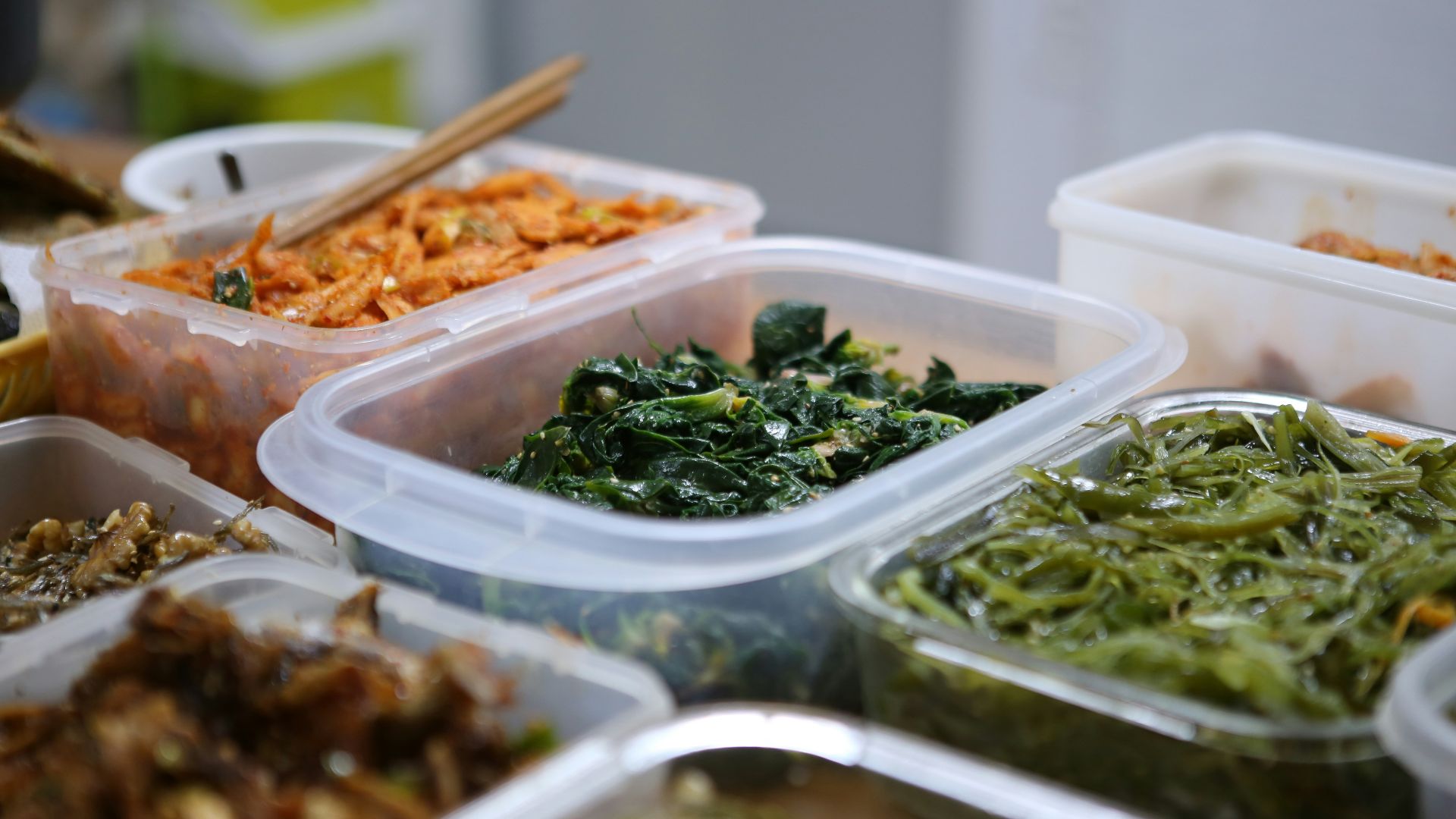
Match each container with its lid, then deal with the extras that are taking up room in the cupboard. Keep a practical set in the shapes you use most, and recycle or discard cracked, warped, stained, or incomplete pieces.
5. Water Bottles And Travel Mugs
Kitchens can easily collect more bottles and mugs than a household will use in a regular week. Keep the ones that you love the most, and pass along the rest if they’re still in good condition.

6. Takeout Packets And Freebie Cutlery
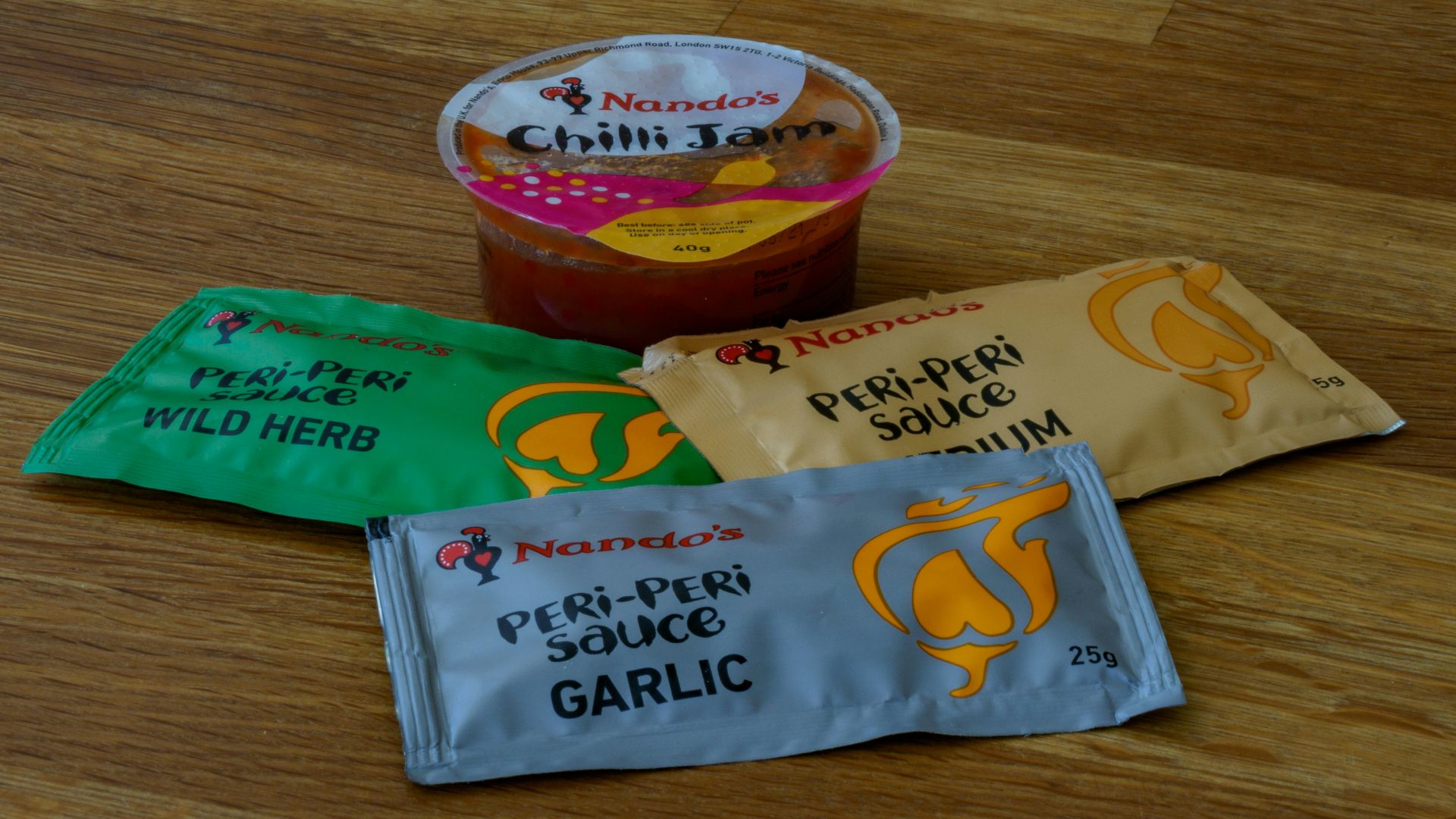
A small stash can come in handy for packed lunches or road trips, though a drawer full of condiment packets usually isn’t very useful. Keep the amount you’ll actually use, and skip extras with future orders when you don’t need them. It’s a quick drawer to sort, and you’ll be surprised by how much space opens up.
7. Kitchen Gadgets
Single-use tools can be fun to buy, but frustrating to store. Donate clean, usable gadgets you never reach for, along with duplicate peelers, bent spatulas, and serving pieces that create more work than they save. Keep the tools that make everyday cooking easier, and let the rest go.

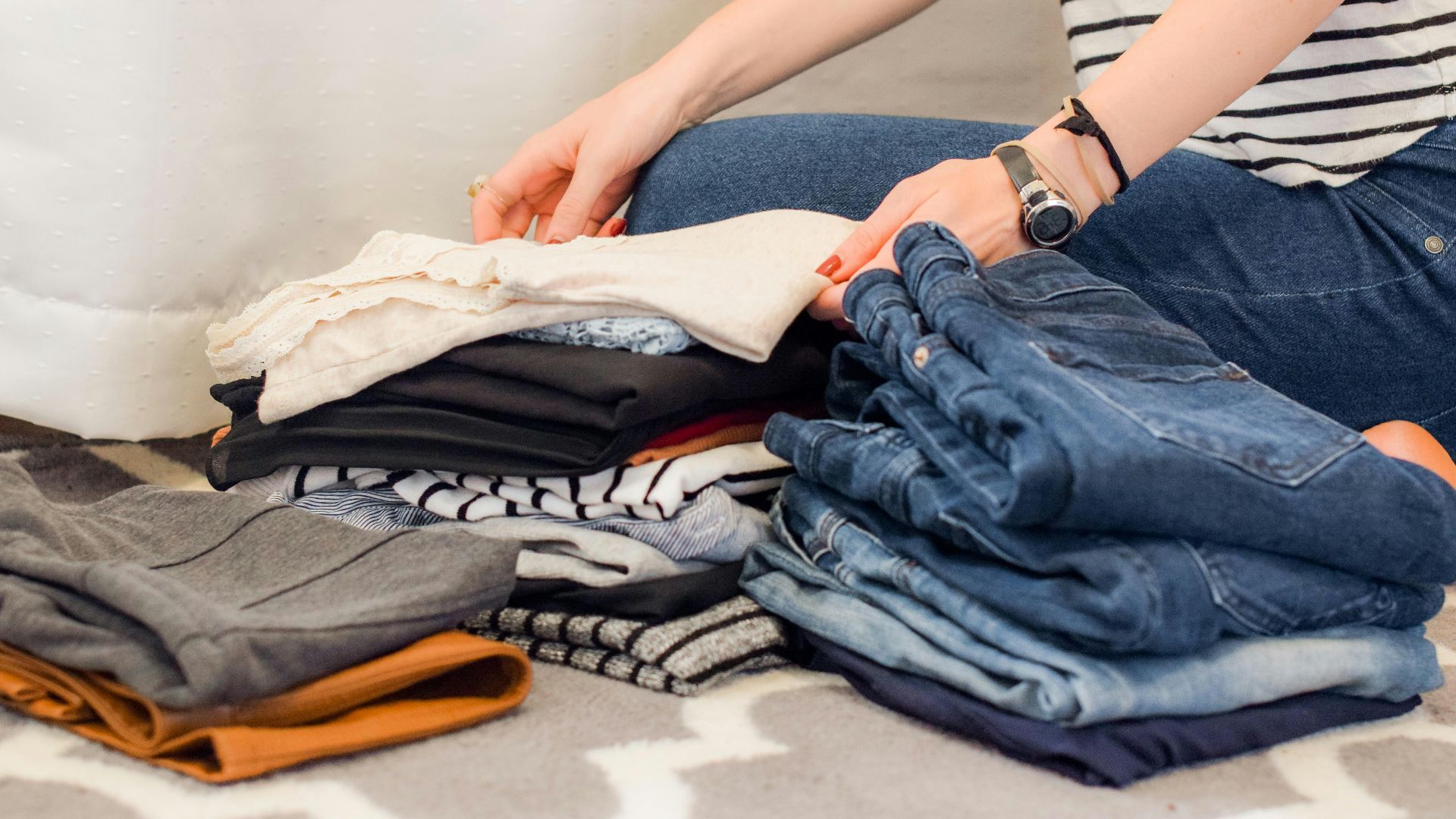
8. Clothes
Try on the pieces that make you hesitate every time you see them. If an item no longer fits, needs a repair you won’t do yourself, or belongs to a lifestyle you’ve moved beyond, it can go into a resale, donation, or textile-recycling pile.
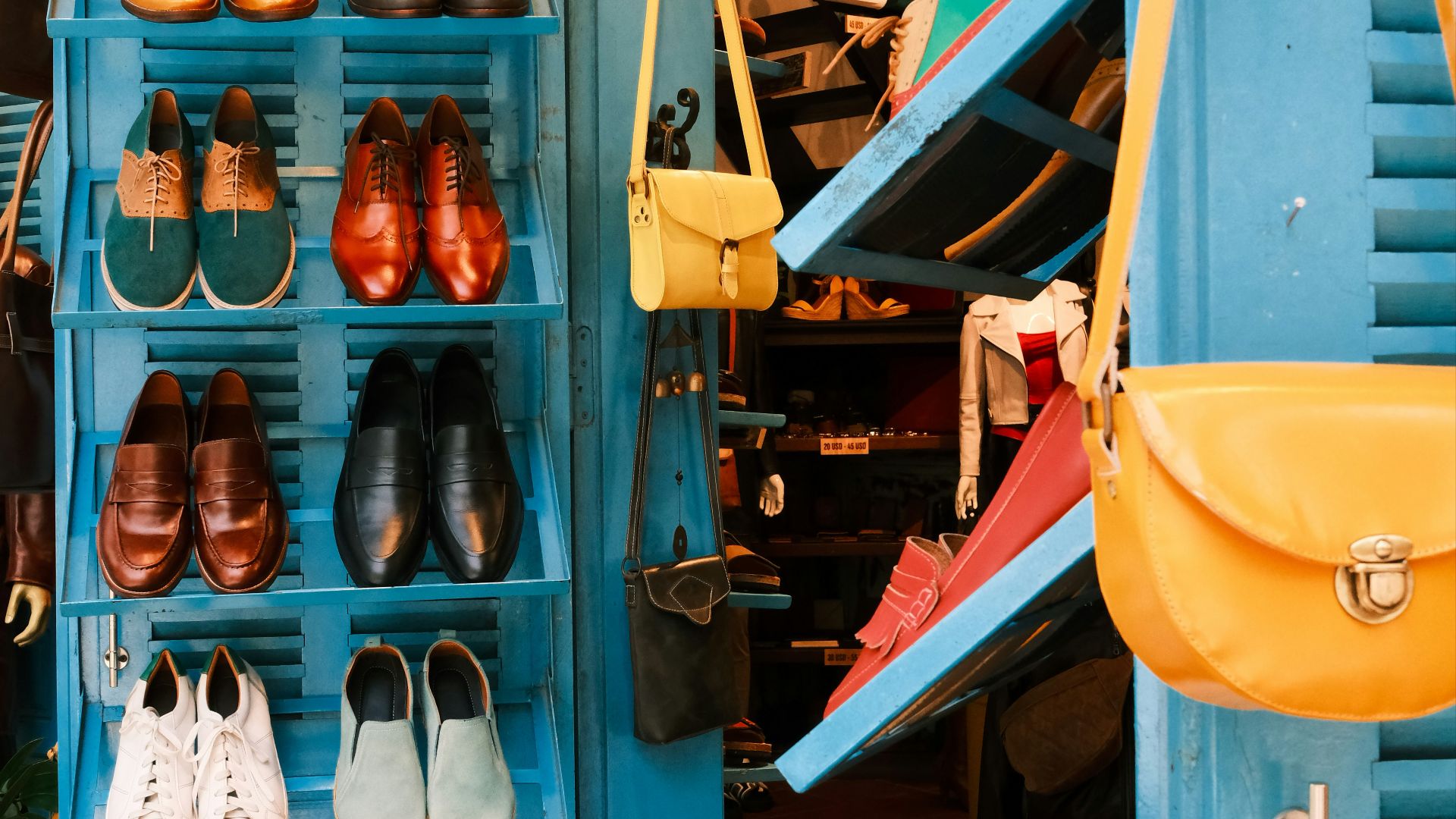
9. Shoes And Bags
Shoes that pinch and bags with broken straps don’t become more useful after another year in the closet. Keep the stuff you like, and donate the rest.
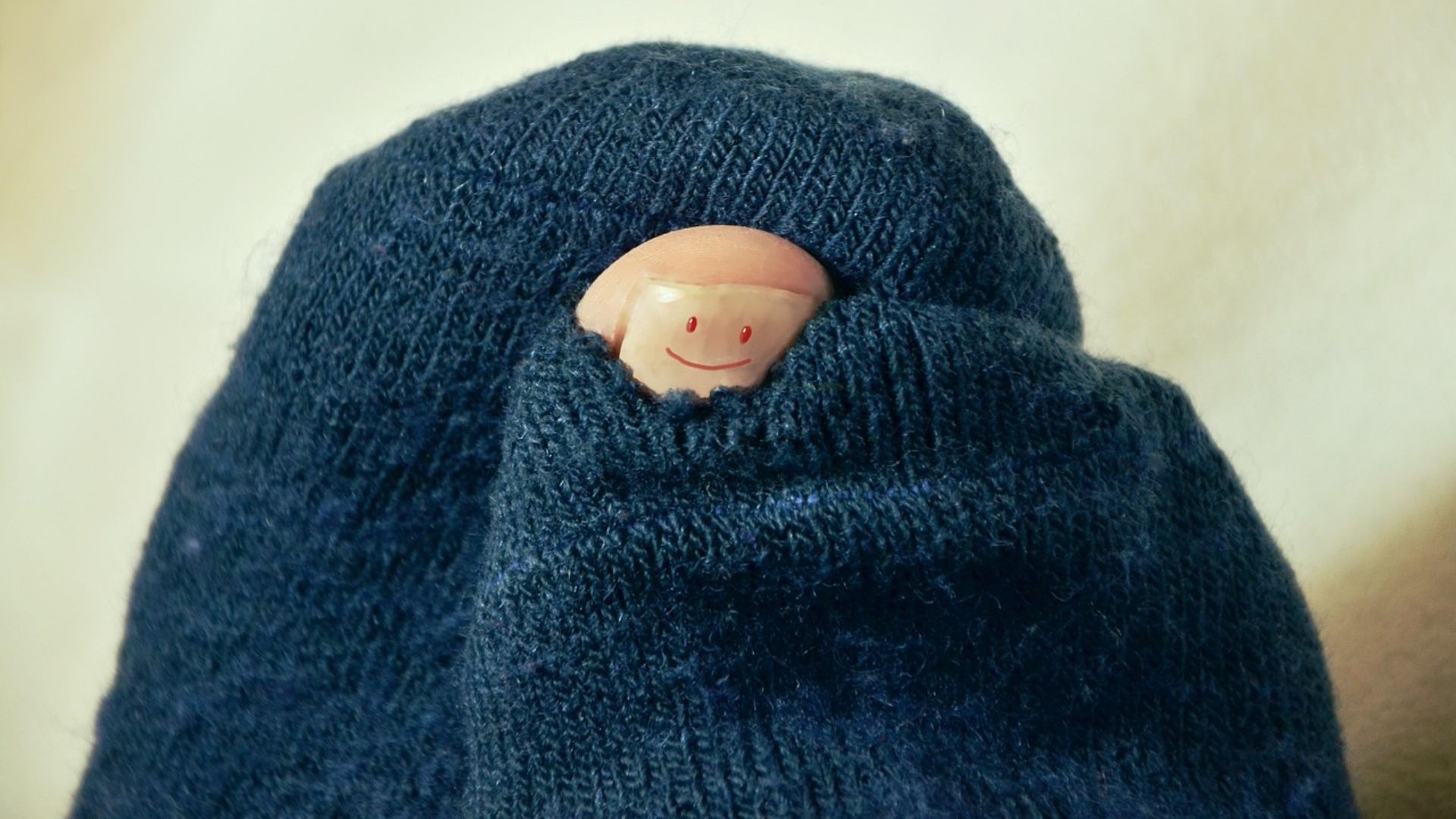
10. Worn-Out Socks, Underwear, And Pajamas
These basics are easy to ignore because they stay tucked away in drawers. Clear out holes, stretched elastic, scratchy fabric, and sleepwear that’s well-past its prime.
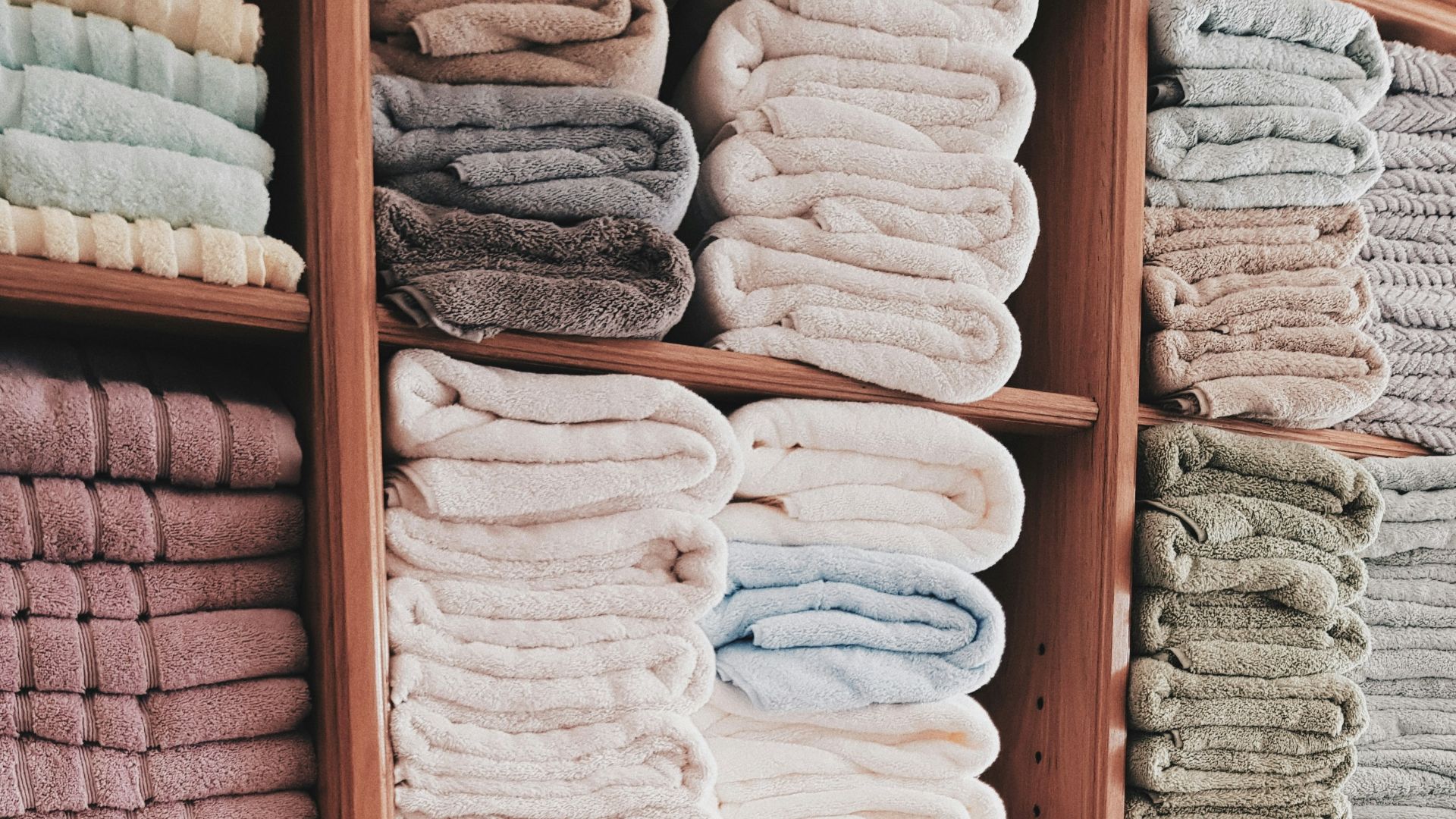
11. Extra Towels, Sheets, And Blankets
Keep enough for your household, guests, and a normal laundry cycle, then sort through what remains. Clean, usable extras may be useful to a local shelter or animal rescue, while threadbare pieces can become cleaning rags or go through a textile-recycling program. You don’t need a shelf packed with linens that never make it into regular use.
12. Old Makeup And Toiletries
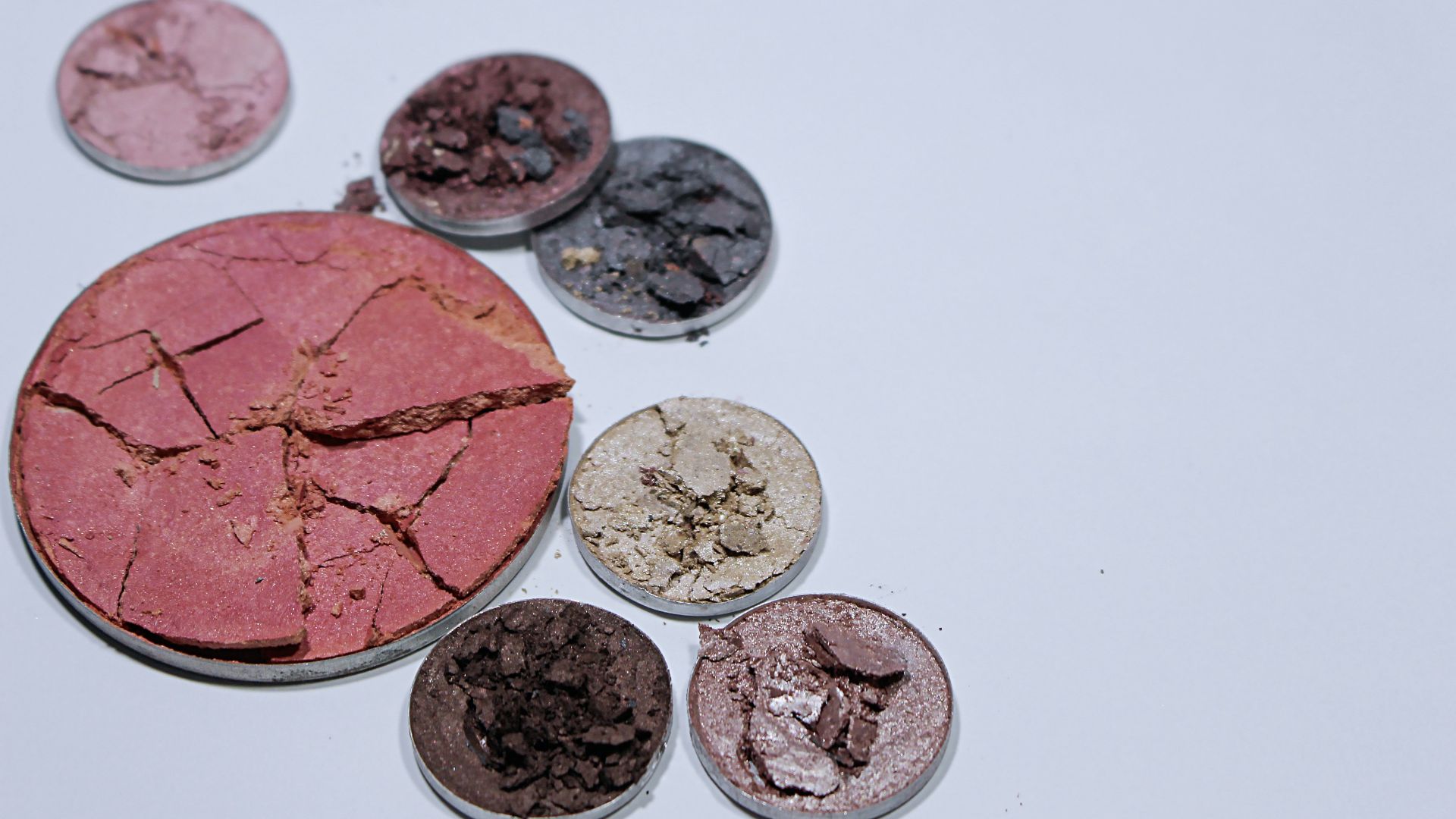
Toss products that have dried out, separated, changed color, or developed an odd smell, and replace eye products according to their recommended use period. The bottle with one stubborn pump left in it can go, too.
 melanfolia меланфолія on Unsplash
13. Half-Used Cleaning Products And Old Paint
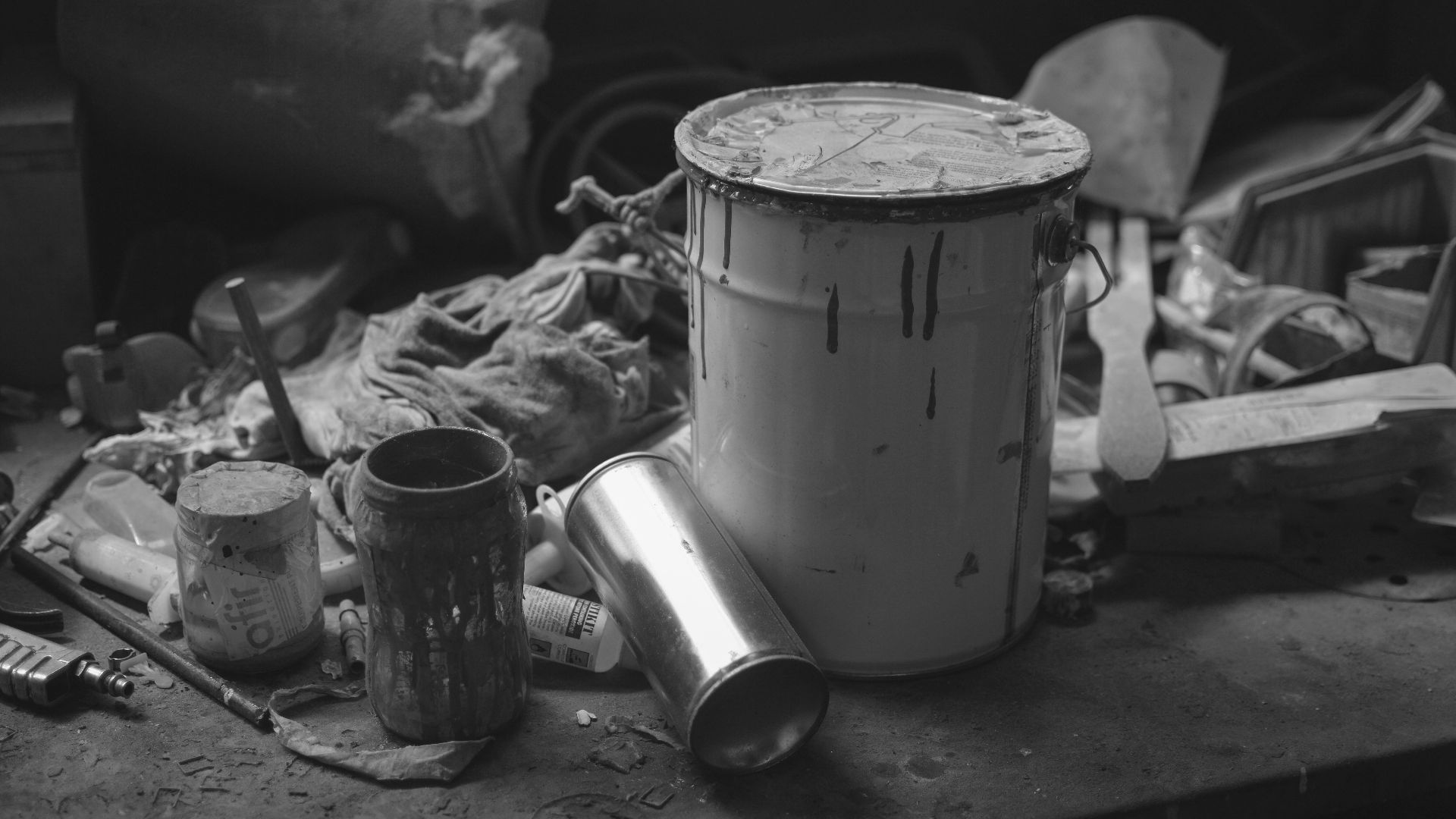
Gather these supplies in one place and keep only what you’ll realistically finish. Use a local household hazardous-waste program for products that need special disposal.
14. Old Paperwork
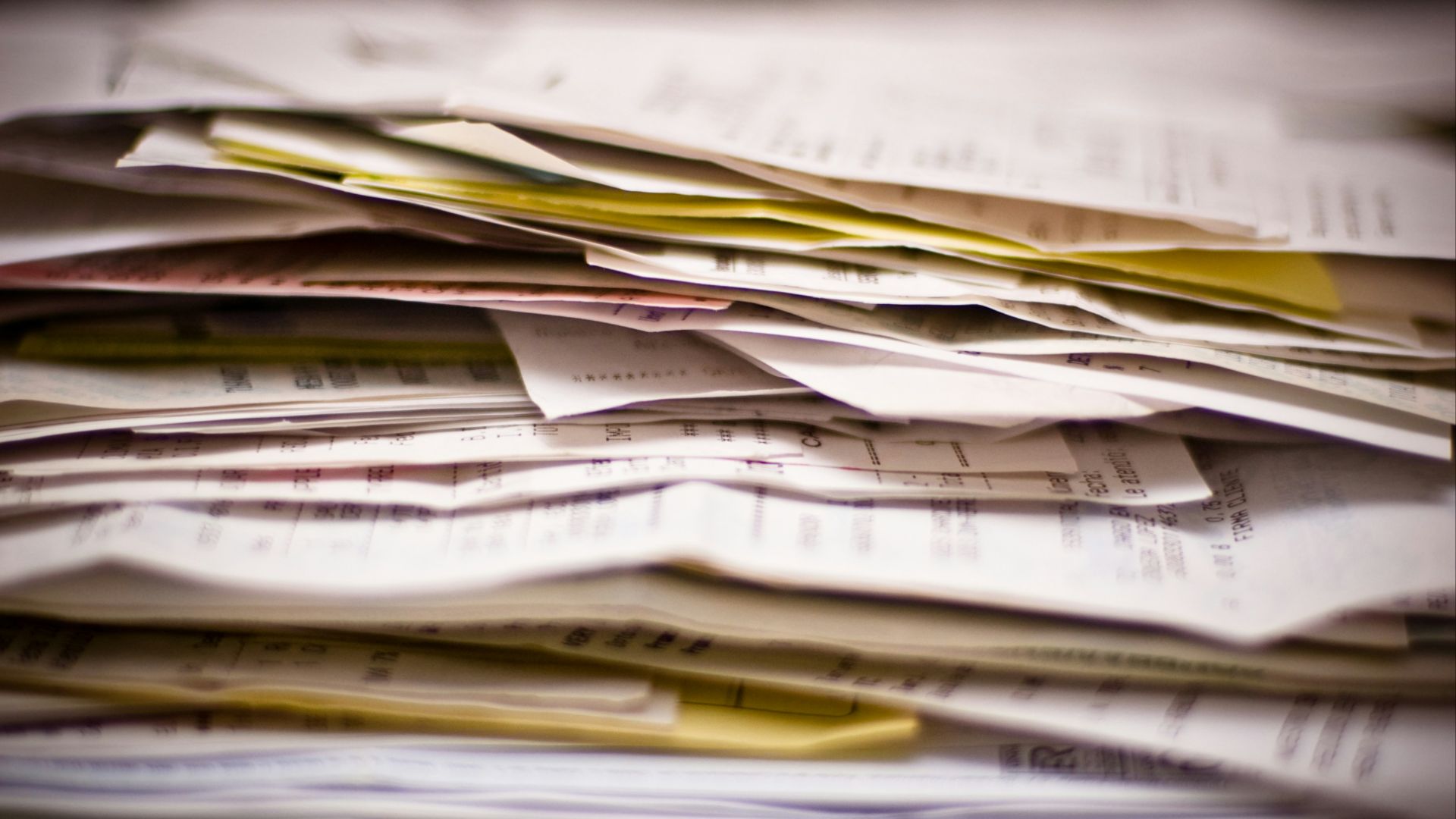
Sort papers into keep, shred, and recycle piles before you start reading every line. Keep the records that still matter, and shred documents with account numbers, medical details, or other sensitive information. This gives the papers you need a clear place to live and clears out the rest without turning the job into an afternoon of rereading old bills.
 Camilo Rueda Lopez on Unsplash
15. Junk Mail And Credit Offers
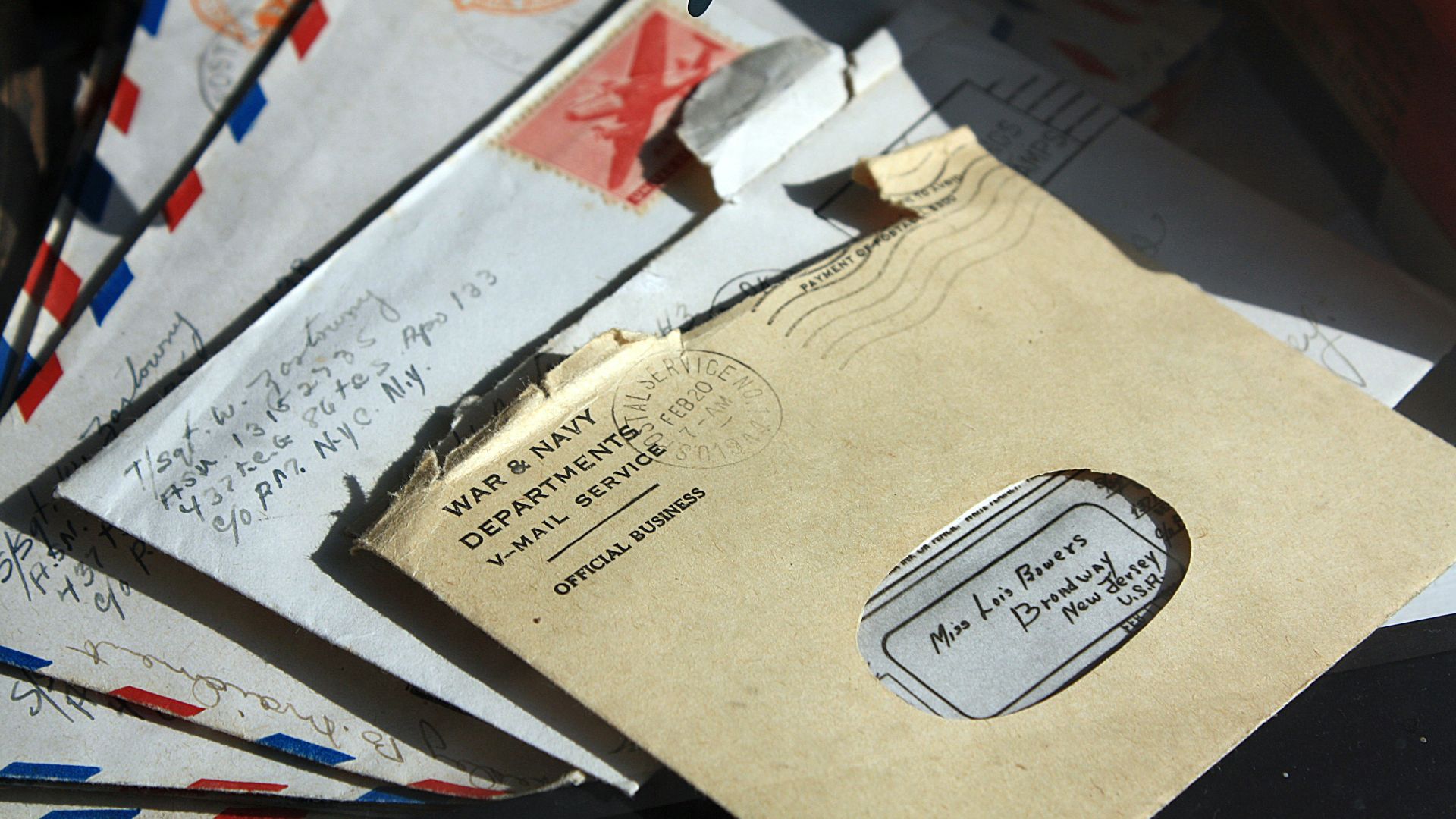
Recycle catalogs and flyers as they arrive instead of moving them from the counter to a growing stack of paper. U.S. households can opt out of many prescreened credit and insurance offers, which can help reduce future mail clutter. Clearing out the paper already in the house helps, and slowing down the flow of new paper makes it easier to keep things tidy.
16. Manuals, Warranty Papers, And Empty Boxes
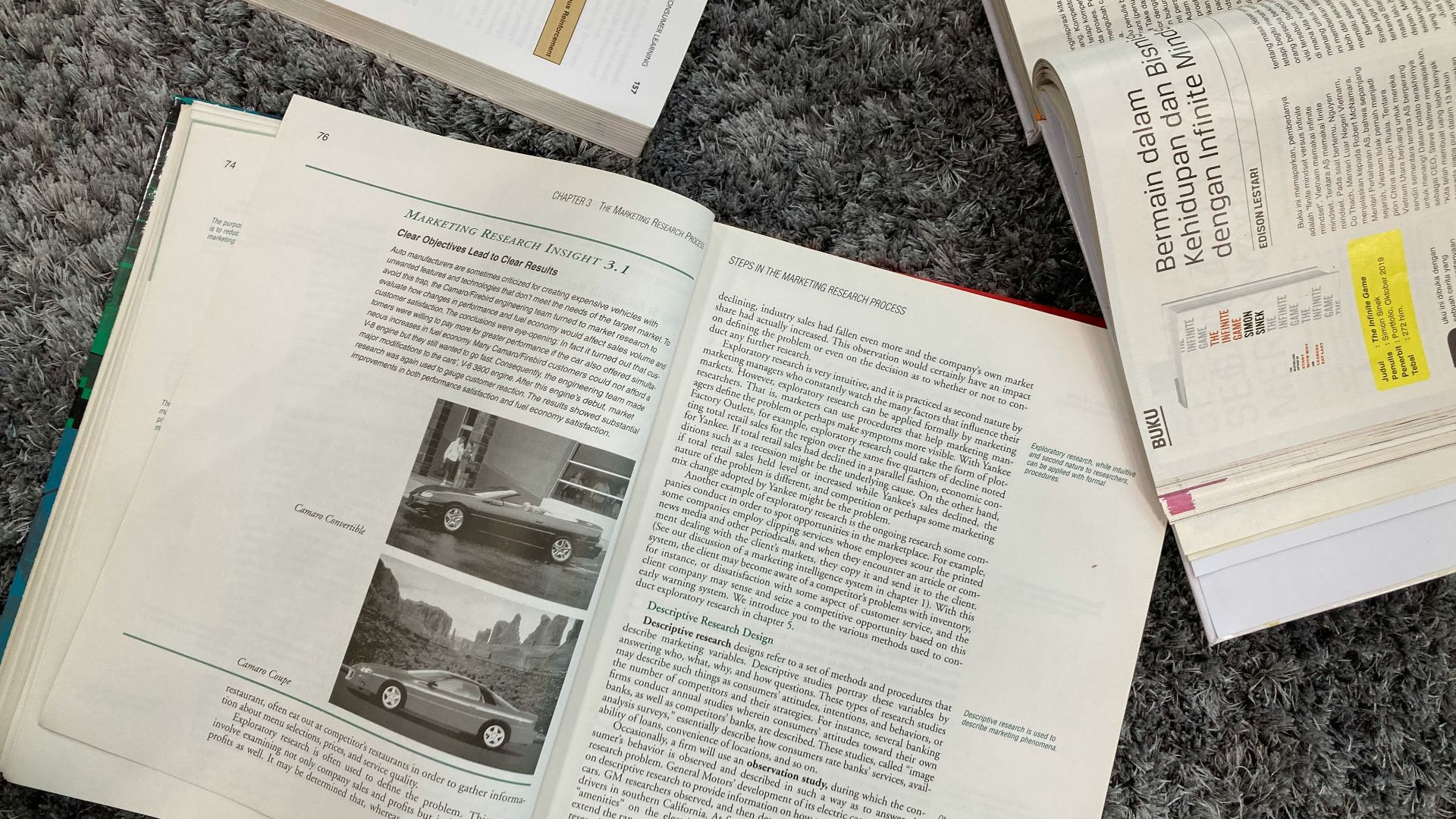
Keep warranty information and instructions for products you still own, especially anything you may need to repair or maintain. Check whether a digital manual is available before recycling a paper copy, and let go of empty boxes once a return window has passed.
 Josuanstya Lovdianchel on Unsplash
17. Old Electronics, Chargers, And Cables
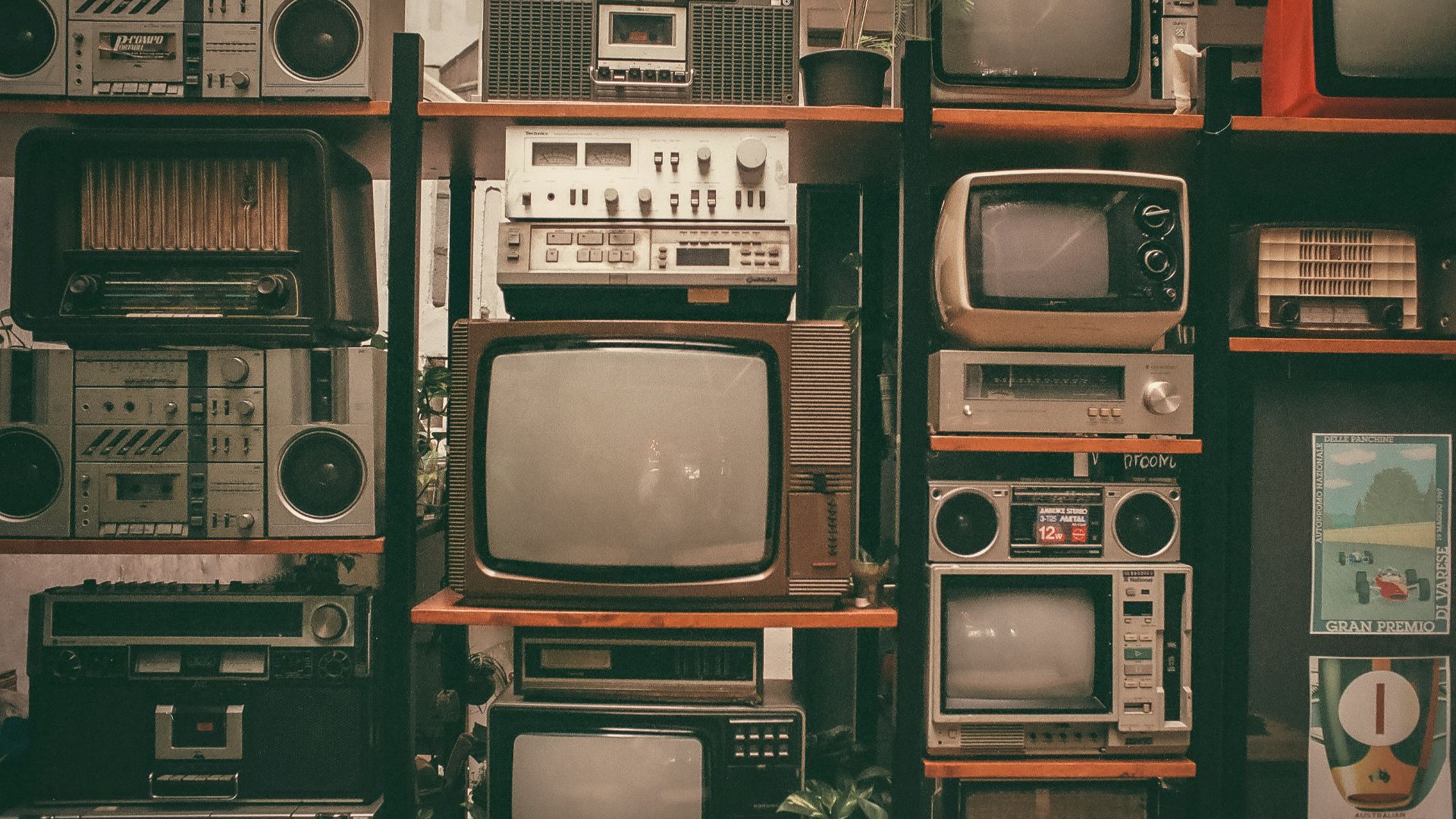
Gather unused phones, tablets, headphones, chargers, and mystery cords in one place. Back up and erase personal data before donating or recycling a device. Devices containing lithium-ion batteries belong at an approved electronics recycler or collection point, not in household garbage or curbside recycling.
18. Loose Batteries
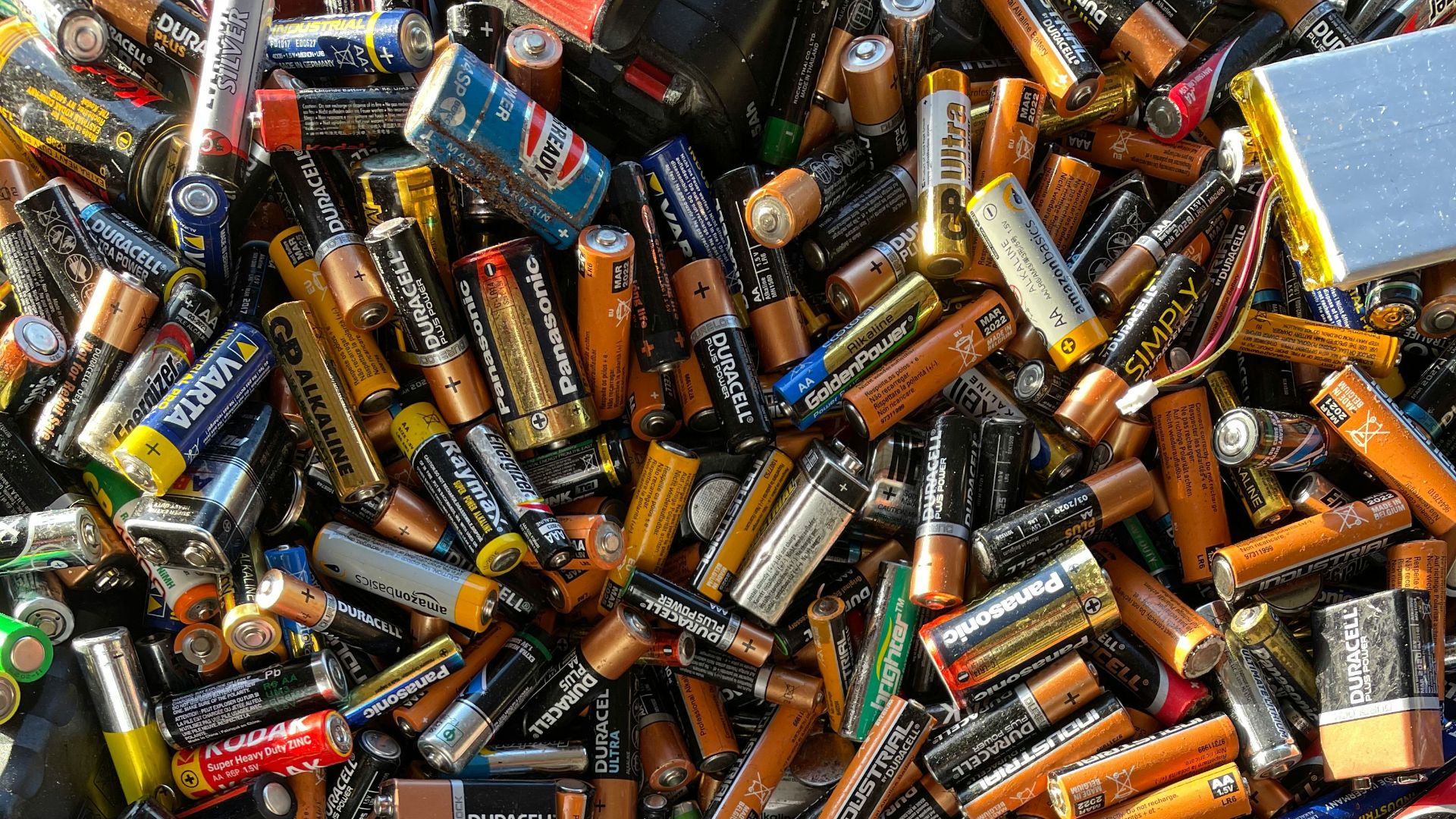
Check junk drawers, desk organizers, and the bottoms of tote bags for loose batteries. Lithium-ion batteries need separate collection because they can cause fires in the waste stream. Your local recycling guidance will tell you how to handle other battery types. Keep loose batteries together in one spot until you’re ready to take them to the right collection point.
19. Books, Magazines, And Catalogs
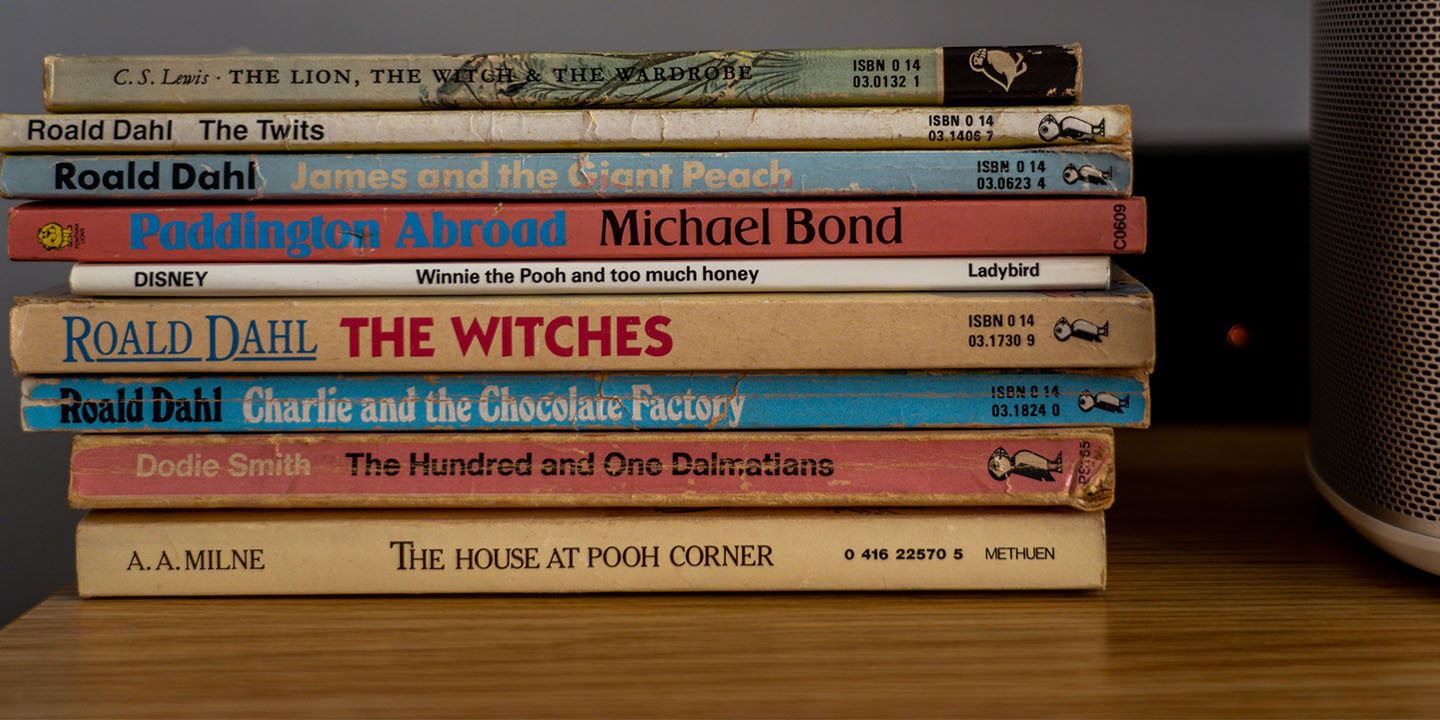
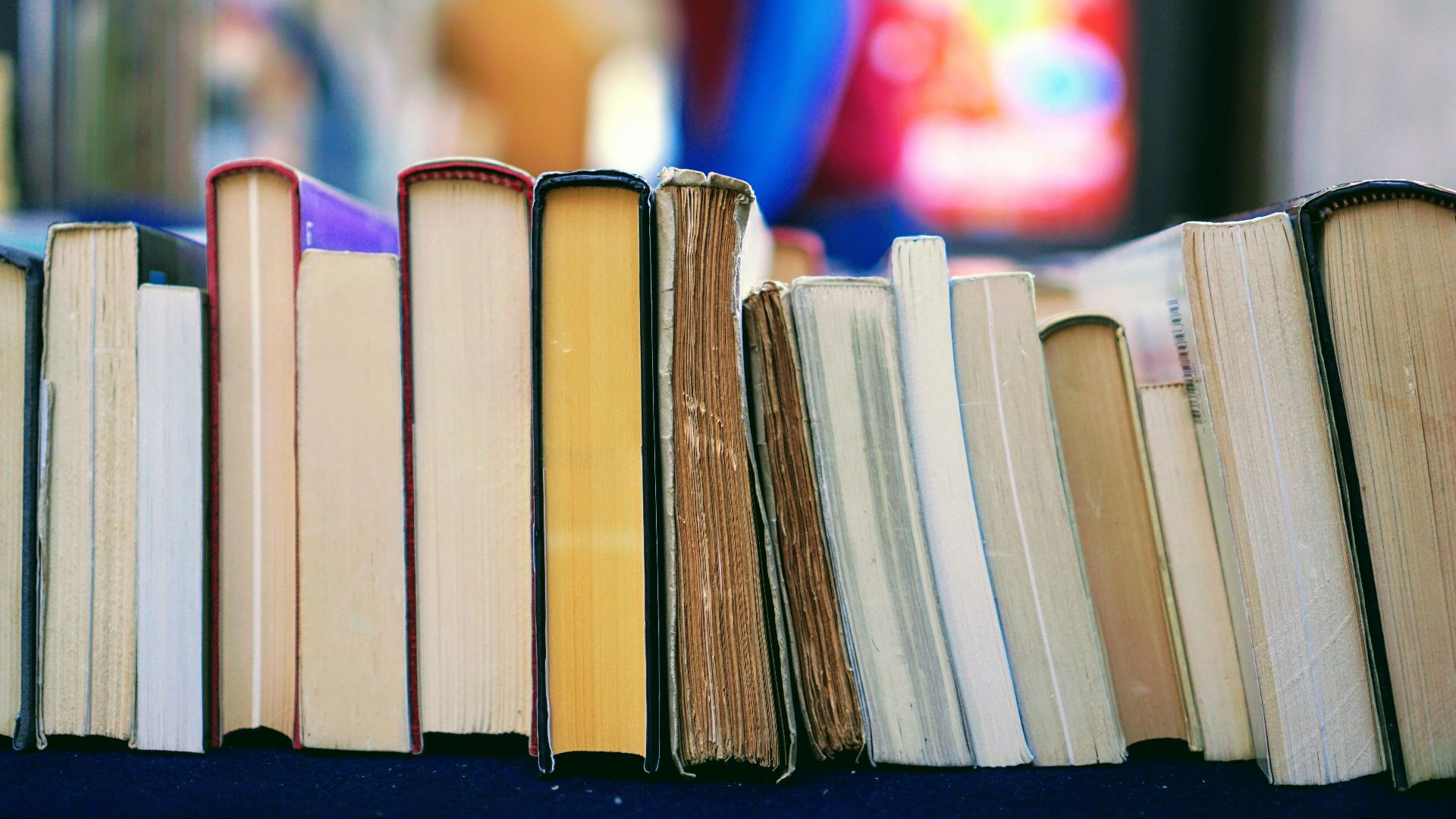
Keep the books you love, use, or fully expect to read soon, then donate the rest while they’re still in good shape. You can easily recycle outdated magazines and catalogs, and you may even be able to put some books into your neighborhood’s Little Free Library.
20. Damaged Or Recalled Household Products
Before donating an old appliance, toy, baby item, or piece of exercise equipment, search the official product-recall database for your country. Recall notices may offer a repair, replacement, or refund, and damaged goods that can’t be safely repaired should leave through the appropriate disposal route. It’s a simple final check before an item goes to someone else or leaves your home.