A Nursery Should Work for Parents Too
Setting up a nursery can make the approaching arrival feel wonderfully real, but it’s easy to focus on colors and decorations while overlooking everyday practicality. The most useful rooms balance safe sleep guidance, convenient storage, comfortable nighttime care, and enough flexibility to accommodate a baby whose needs will change surprisingly quickly. Here are 20 things new parents forget when setting up a nursery.
1. Leaving Space Beside the Crib
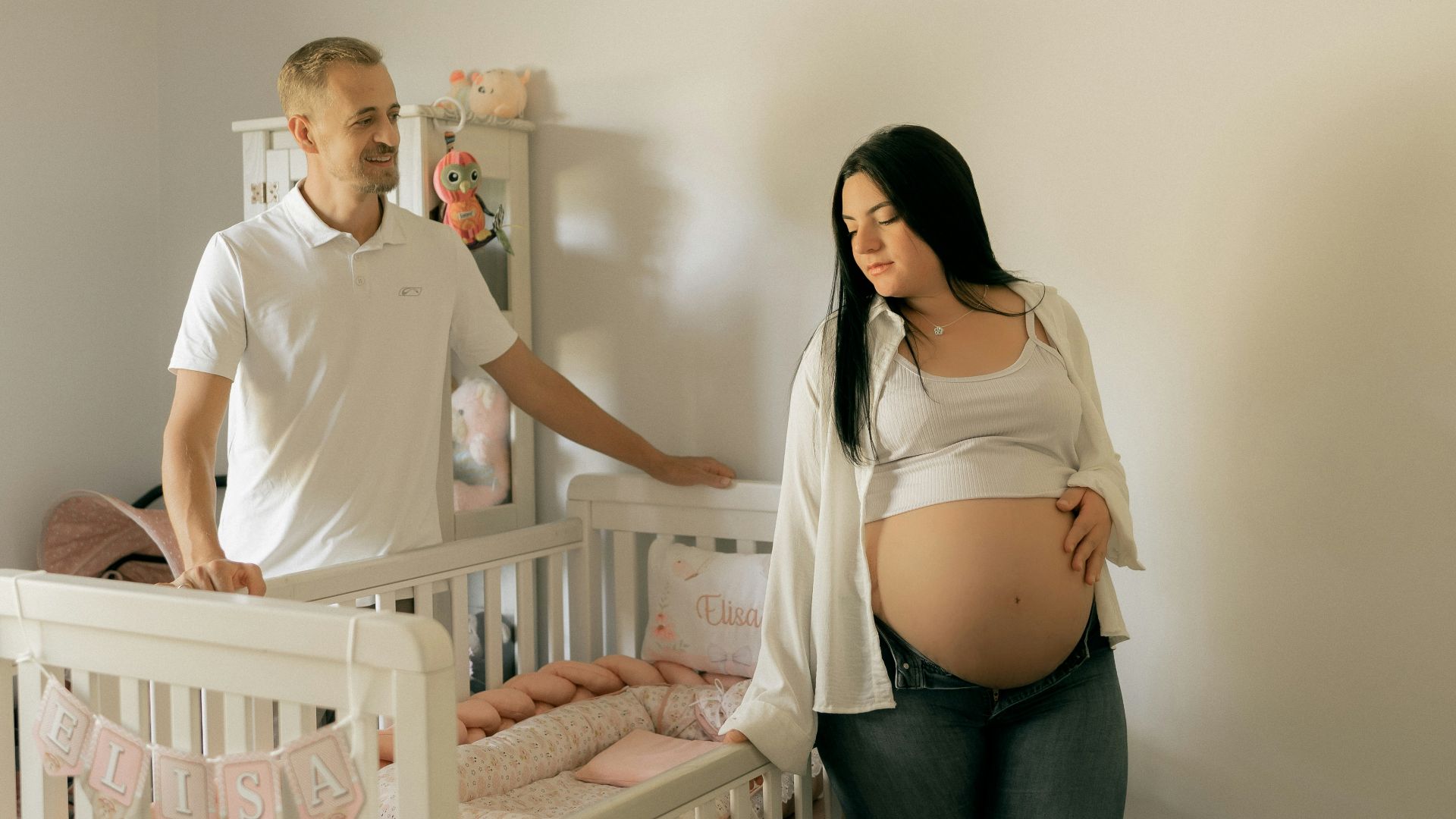
Parents sometimes position the crib wherever it looks best without considering how easily they can approach it at night. Leave enough room to stand comfortably, bend safely, and reach the mattress from a natural angle. This becomes especially important when you’re tired, recovering from delivery, or holding a restless baby.
2. Keeping the Crib Completely Clear
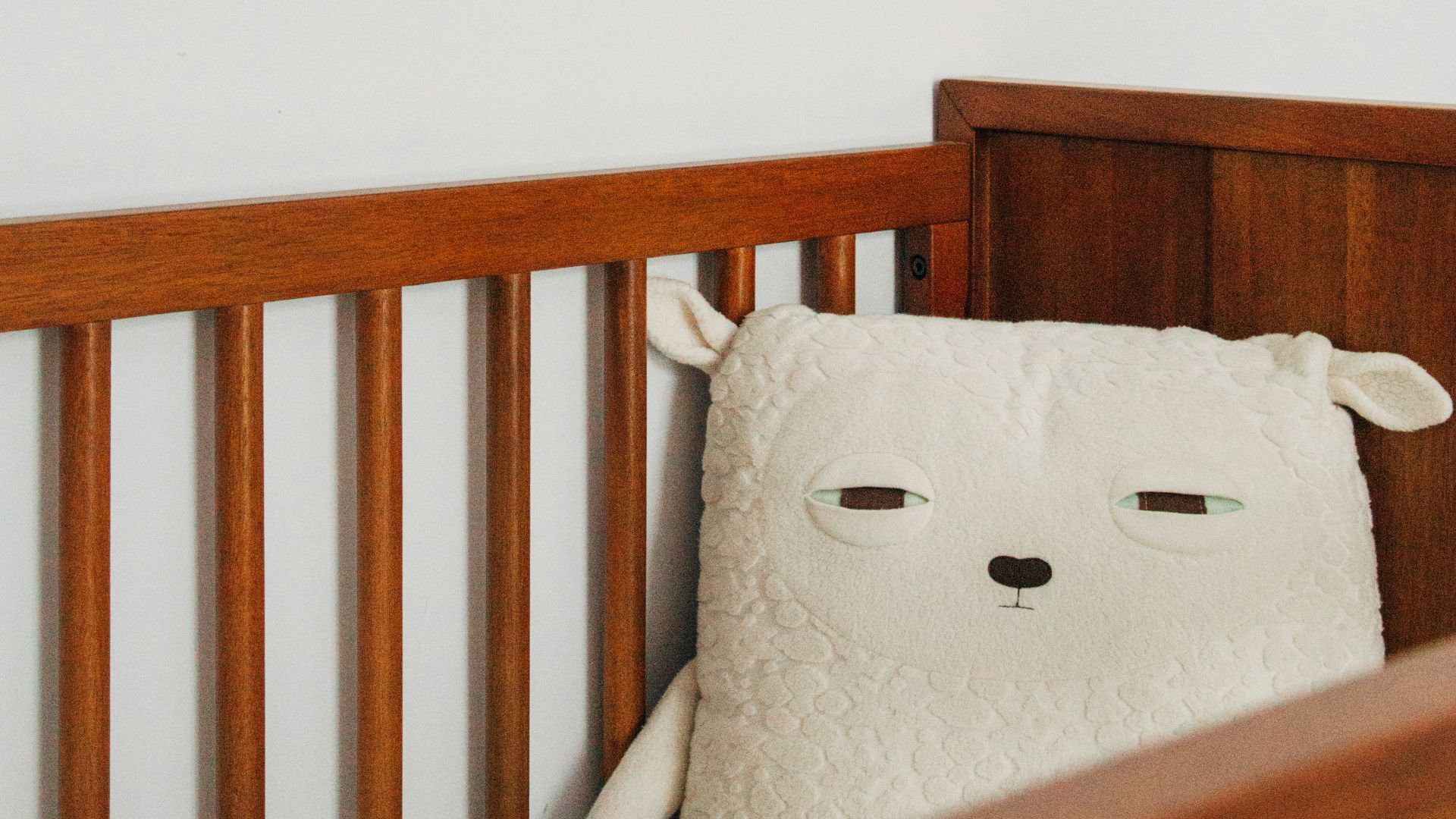
Decorative pillows, stuffed animals, blankets, bumpers, and sleep positioners may photograph beautifully, but they don’t belong in an infant’s sleep space. A baby should sleep on their back on a firm, flat mattress covered by a fitted sheet. Keep decorative items elsewhere until they’re developmentally appropriate.

3. Planning for Room-Sharing
Many parents prepare a beautiful nursery and then discover their baby will initially sleep in a bassinet or crib in their bedroom. Health authorities generally recommend room-sharing without bed-sharing for at least the first six months.

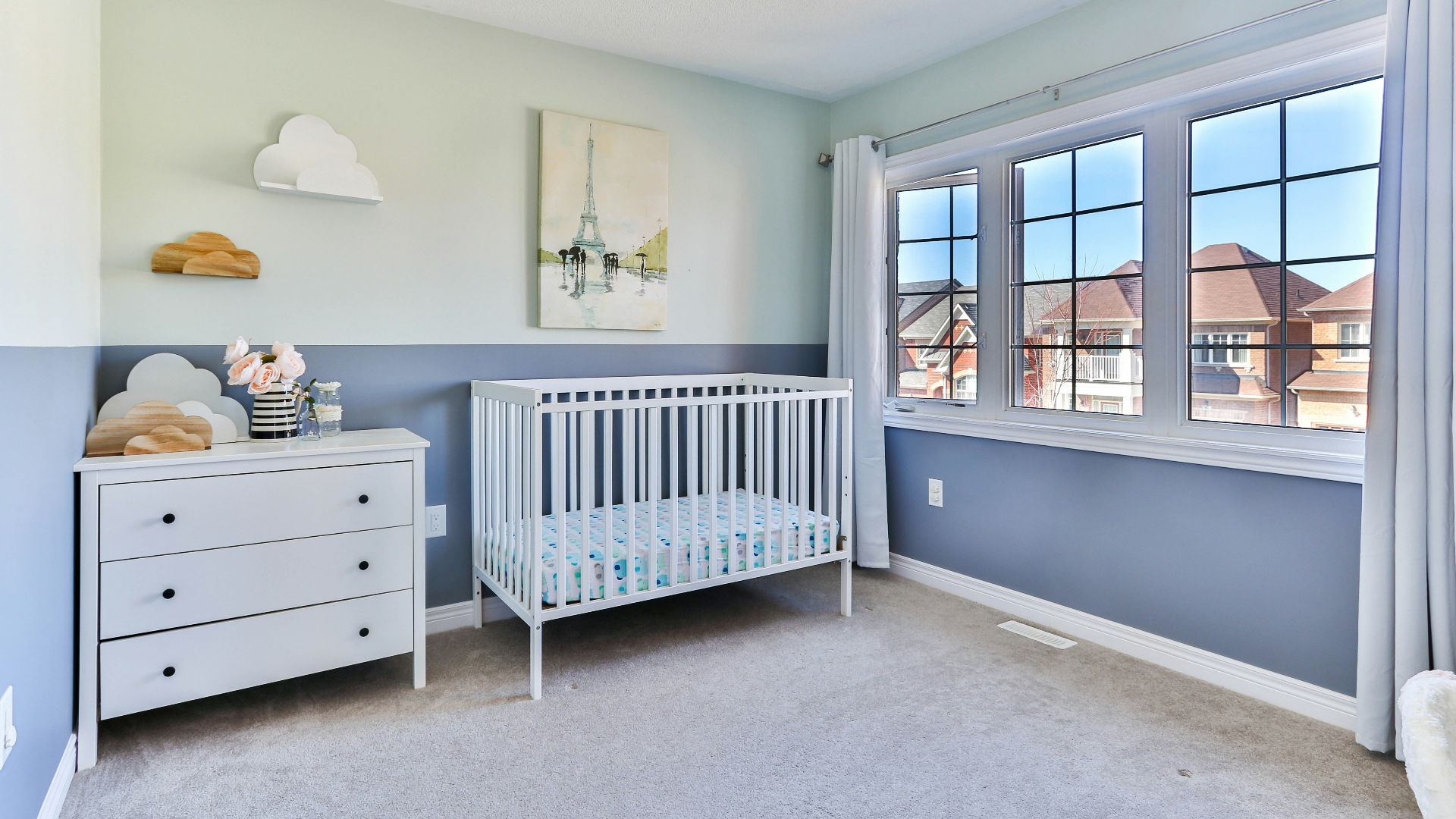
4. Anchoring the Furniture Early
A newborn won’t climb a dresser, but that stage arrives faster than most parents expect. Secure dressers, bookcases, changing units, and other tall furniture to the wall according to the manufacturer’s instructions.
 Lotus Design N Print on Unsplash
5. Considering the Location of Cords
Monitor cables, lamp cords, chargers, and window-blind cords can become strangulation hazards when they’re within a child’s reach. Position the crib and changing area well away from them, even if your newborn currently can’t move independently.

6. Adding Gentle Nighttime Lighting
The nursery’s main ceiling light may be too bright for nighttime feedings and diaper changes. Add a dim, securely positioned lamp or night-light that provides enough visibility without fully illuminating the room.

7. Testing the Chair Before Buying It
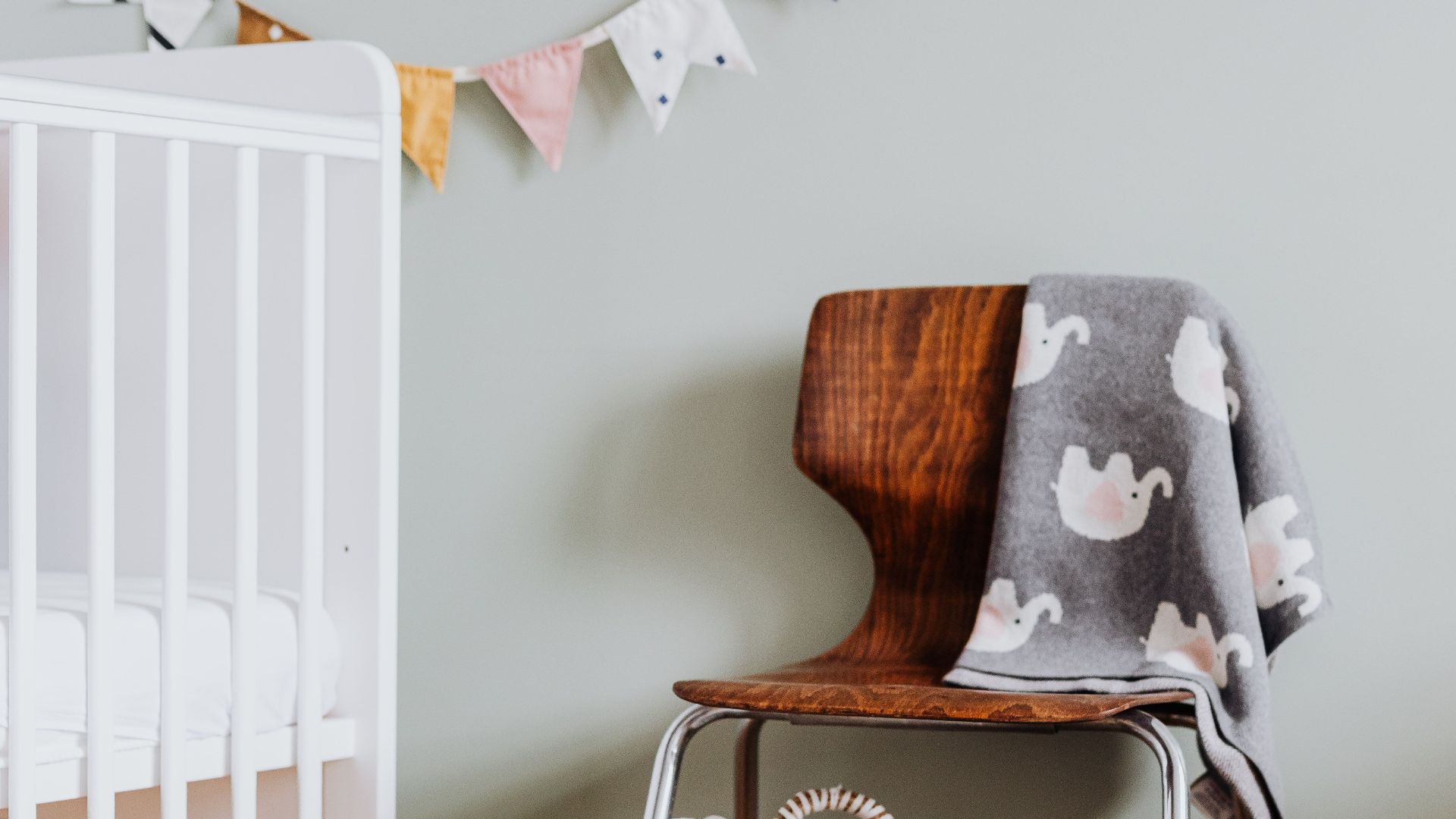
An attractive nursery chair isn’t necessarily comfortable after forty minutes of feeding or soothing. Test the back support, arm height, seat depth, and ease of standing before making a decision.

8. Creating a Parent Supply Station
Diapers and baby clothes receive plenty of attention, while supplies for exhausted adults are often forgotten. Keep water, shelf-stable snacks, tissues, lip balm, charging cables, and feeding necessities within reach of the chair. This prevents you from wandering through the house during lengthy feeding or soothing sessions.
9. Storing Diapers in More Than One Place
A carefully arranged drawer won’t help much when you’re already standing at the changing surface with a messy baby. Keep a smaller backup supply of diapers, wipes, cream, and clean clothing within immediate reach.

10. Providing Covered Trash Storage
Nursery trash fills up quickly, even during the earliest weeks. Choose a bin that can be opened with one hand and closes securely enough to contain odors. Place it near the changing area without putting it where a mobile baby could eventually reach the contents or play with the lid.

11. Making Laundry Easy to Sort
Babies produce a surprising amount of laundry through spills, diaper leaks, and frequent outfit changes. A hamper with washable lining makes cleanup simpler, while separate sections can help distinguish ordinary laundry from heavily soiled items.
 Collov Home Design on Unsplash
12. Checking the Room Temperature
Parents often concentrate on making the nursery feel cozy, which can lead to an overly warm room or too many clothing layers. Use lightweight sleepwear that suits the temperature and watch for signs of overheating, such as sweating or a hot chest. Fans and vents should circulate air without blowing directly on the baby.

13. Installing Effective Window Coverings
Daytime naps become harder when sunlight pours directly into the room, particularly during longer summer evenings. Properly installed blackout shades or curtains can make the space more adaptable without requiring complete darkness for every nap.

14. Planning Storage for Outgrown Clothing
Newborn sizes may stop fitting within weeks, leaving parents with piles of clothing that no longer belong in everyday drawers. Keep a labeled container ready for items that have become too small.
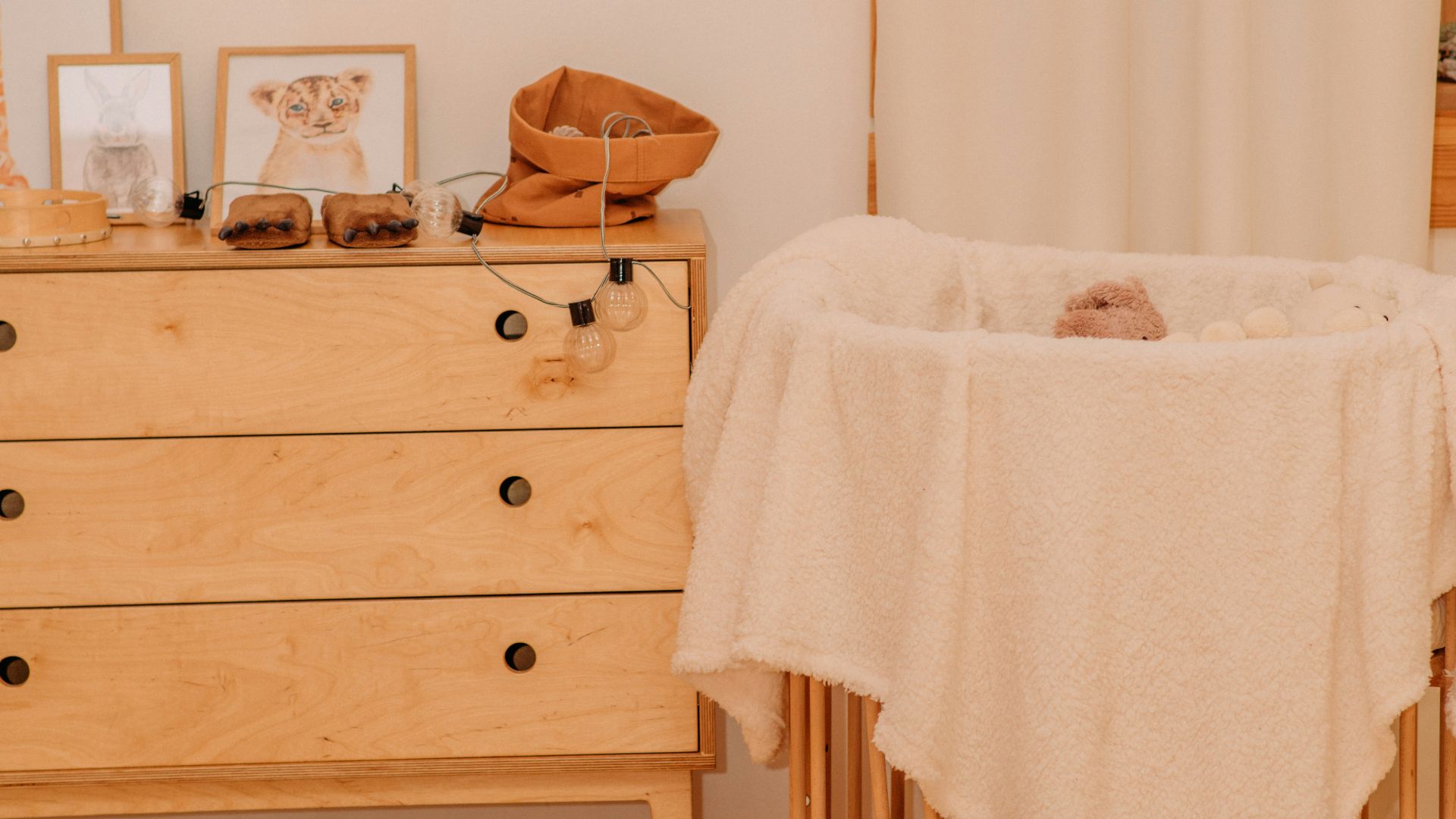
15. Organizing Clothes by Current Size
Folding every gifted outfit into the same drawer can cause smaller garments to disappear beneath clothing intended for much later. Separate items by size and keep only the current size, plus the next one, readily accessible. Labels are useful because sizing can vary considerably between different baby-clothing brands.
 Jennifer Kalenberg on Unsplash
16. Protecting the Changing Surface
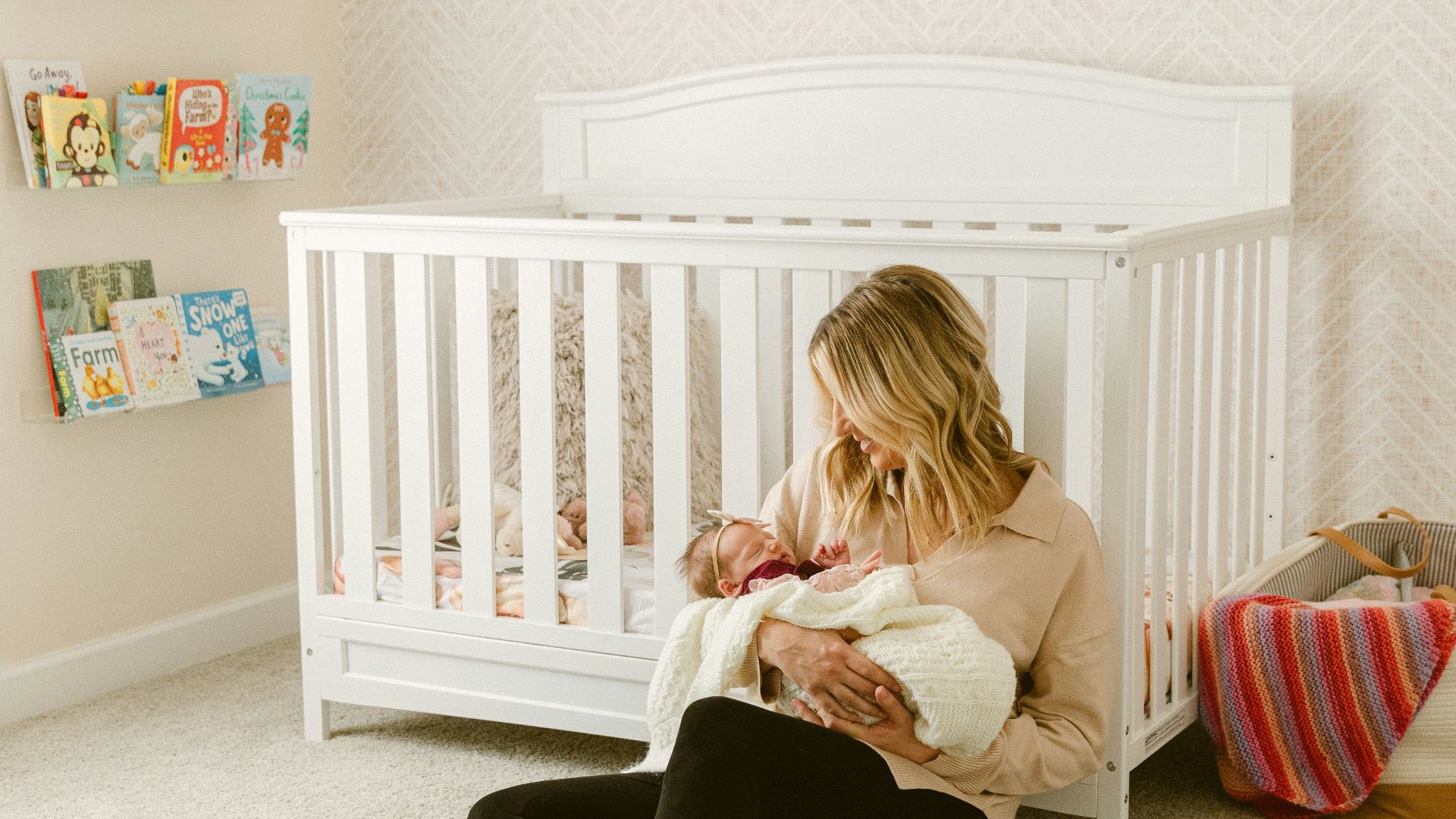
Changing pads and nearby furniture will eventually encounter creams, spills, and unexpected messes. Use a secure changing pad with a washable cover, then keep an additional cover or waterproof liner available. Confirm that the pad is installed according to its instructions, and always keep one hand on the baby during changes.

17. Leaving Open Floor Space
It’s tempting to fill every empty corner with baskets, furniture, and decorative accessories. Babies eventually need safe floor space for supervised play, stretching, rolling, and tummy time.

18. Checking Smoke and Carbon Monoxide Alarms
Nursery decorating shouldn’t overshadow basic household safety. Replace batteries and expired units before the baby arrives rather than postponing the task until the room is occupied.
19. Preparing for Growth
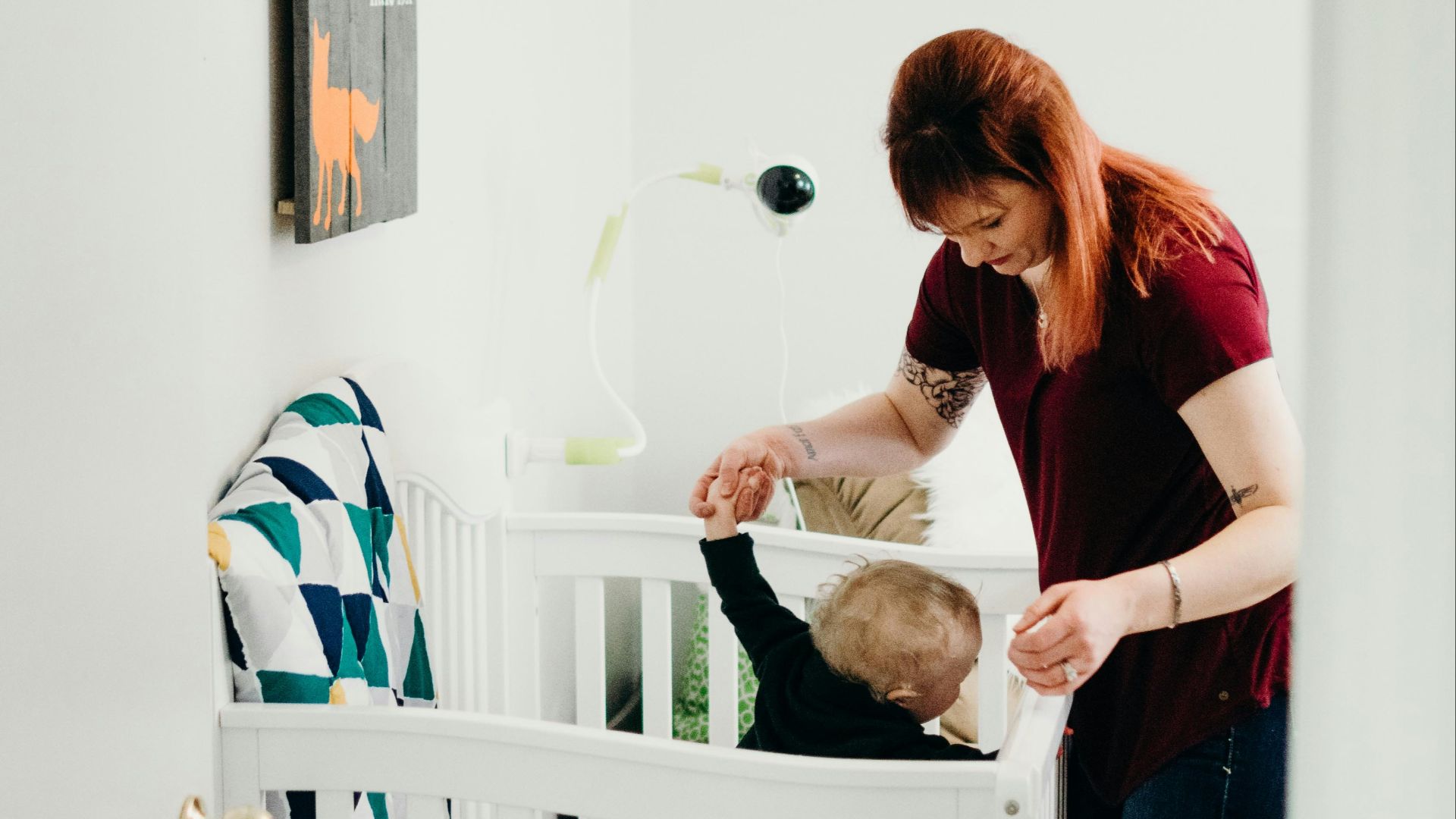
A nursery designed exclusively around a tiny newborn can become impractical within a year. Choose adjustable shelving, flexible storage, and furniture that can adapt as clothing, toys, and books accumulate.
20. Practicing the Nighttime Routine
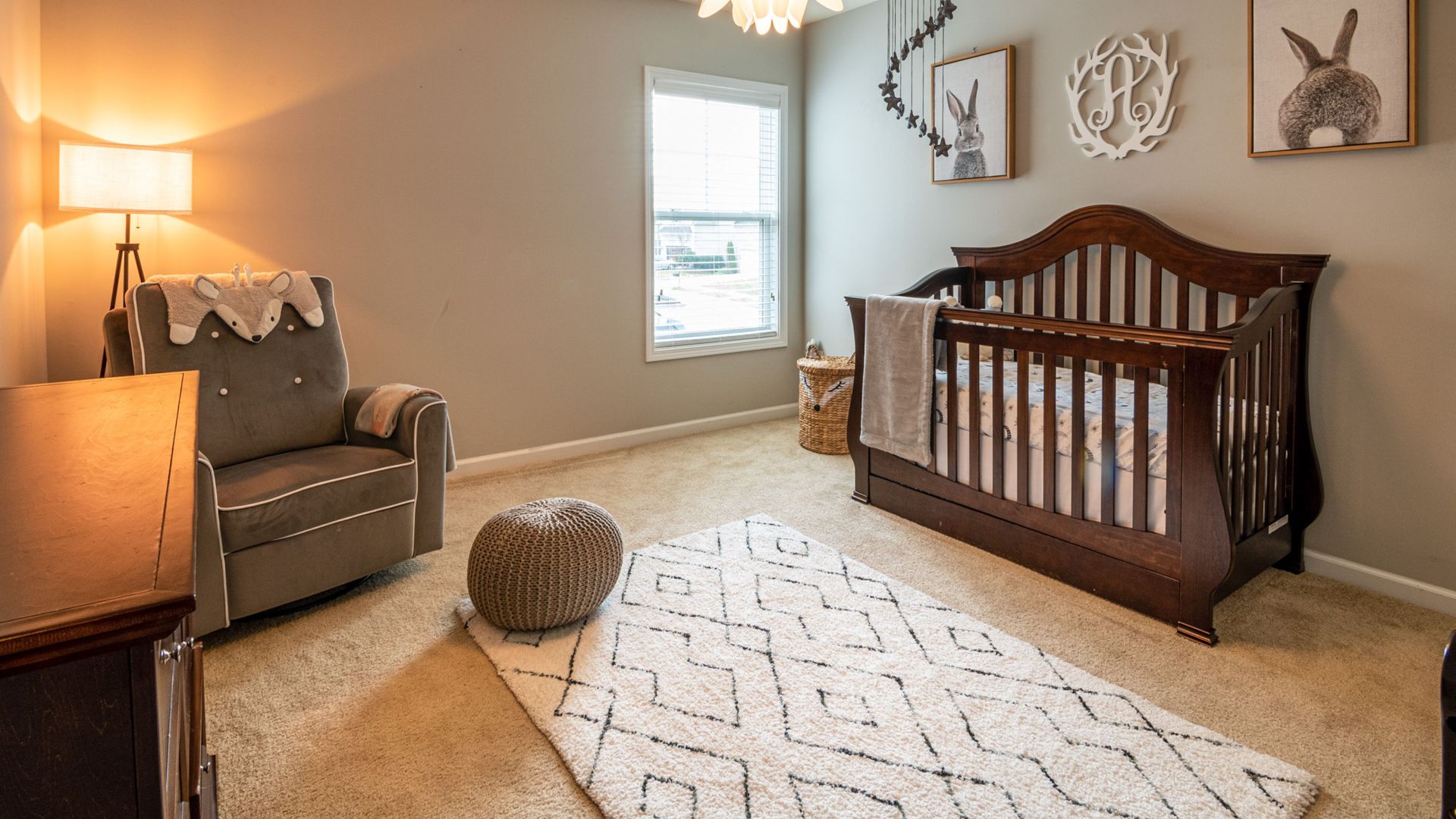
Before the baby arrives, walk through a pretend feeding and diaper change using only the light and supplies you expect to use overnight. Check whether essentials can be reached with one hand and whether furniture creates awkward obstacles.