How the Heck Do You Say That?
If you've ever come across names like Margaux and Nguyen (or even some of the more notorious Vietnamese ones, like Phuc Dat Bich), you've probably attempted to sound them out to no avail. But what if we told you there were even harder-to-pronounce names? That's right, from accented letters to strange spellings, some names will make you question if you know how to speak at all. Don't believe us? If you're up for a challenge, try sounding out the 20 names on this list without reading the blurbs on how they're actually pronounced. How many will you get right?
1. Saoirse
At first glance, Saoirse looks like it should have several more syllables than it actually does. This Irish name is commonly pronounced “SEER-sha” or “SUR-sha,” with actress Saoirse Ronan using the latter pronunciation. Since the written vowels don’t behave as many English speakers expect, guessing correctly without prior knowledge is difficult.

2. Caoimhe
You might be tempted to begin Caoimhe with a hard “C,” but that won’t get you particularly close. Depending on the Irish dialect, it’s often pronounced “KEE-va” or “KWEE-va.” The combination of “aoi” and the unexpected “mh” sound makes it one of those names that’s much easier to remember after hearing it aloud.

3. Niamh
The spelling of Niamh offers few recognizable clues to someone unfamiliar with Irish pronunciation. It’s said approximately “NEEV,” with the final combination producing a “v” sound rather than separate “m” and “h” sounds. Once you learn the rule, the name becomes simple, but an unprepared reader could invent several creative alternatives.
 Christopher Campbell on Unsplash
4. Siobhán
Siobhán has become familiar in many English-speaking countries, although its spelling still causes hesitation. The usual pronunciation is “shi-VAWN,” rather than anything beginning with “see” or ending in “ban.” Its accented final vowel and unfamiliar consonant combinations demonstrate why names shouldn’t always be approached with English phonetic rules.

5. Aoife
With four vowels and only one visible consonant, Aoife can feel more like a pronunciation test than a name. It’s generally said “EE-fa,” making the correct version considerably shorter than many first attempts. English speakers who haven’t encountered Irish orthography are unlikely to predict that opening sound from the spelling alone.

6. Tadhg
There’s no obvious reason that Tadhg should rhyme with “tiger” without the final “er,” yet that’s fairly close. This traditional Irish name is usually pronounced “TIGE” or “TYG,” as one compact syllable. Anyone trying to sound out every letter separately will almost certainly end up far from the intended result.

7. Domhnall
Fans of actor Domhnall Gleeson may already know how this Irish name works, but many people still pause before attempting it. Domhnall is commonly pronounced “DOH-nuhl,” resembling the name Donald with a slightly different middle sound. The “mh” combination doesn’t receive the distinct pronunciation that an English reader might instinctively give it.
 Gage Skidmore from Peoria, AZ, United States of America on Wikimedia
8. Eoghan
Eoghan can be particularly confusing because its spelling appears unrelated to its familiar English form. It’s usually pronounced “OH-in,” much like Owen, although regional differences can slightly alter the vowels. Without that explanation, you could spend quite a while trying to determine where the “g” and “h” went.

9. Llywelyn
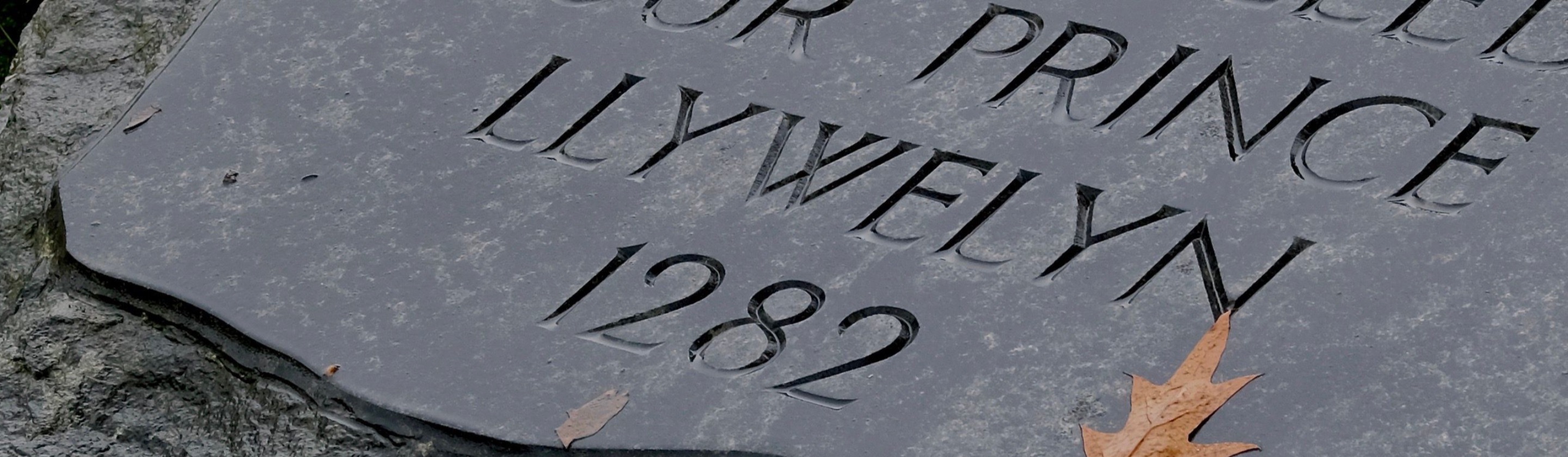
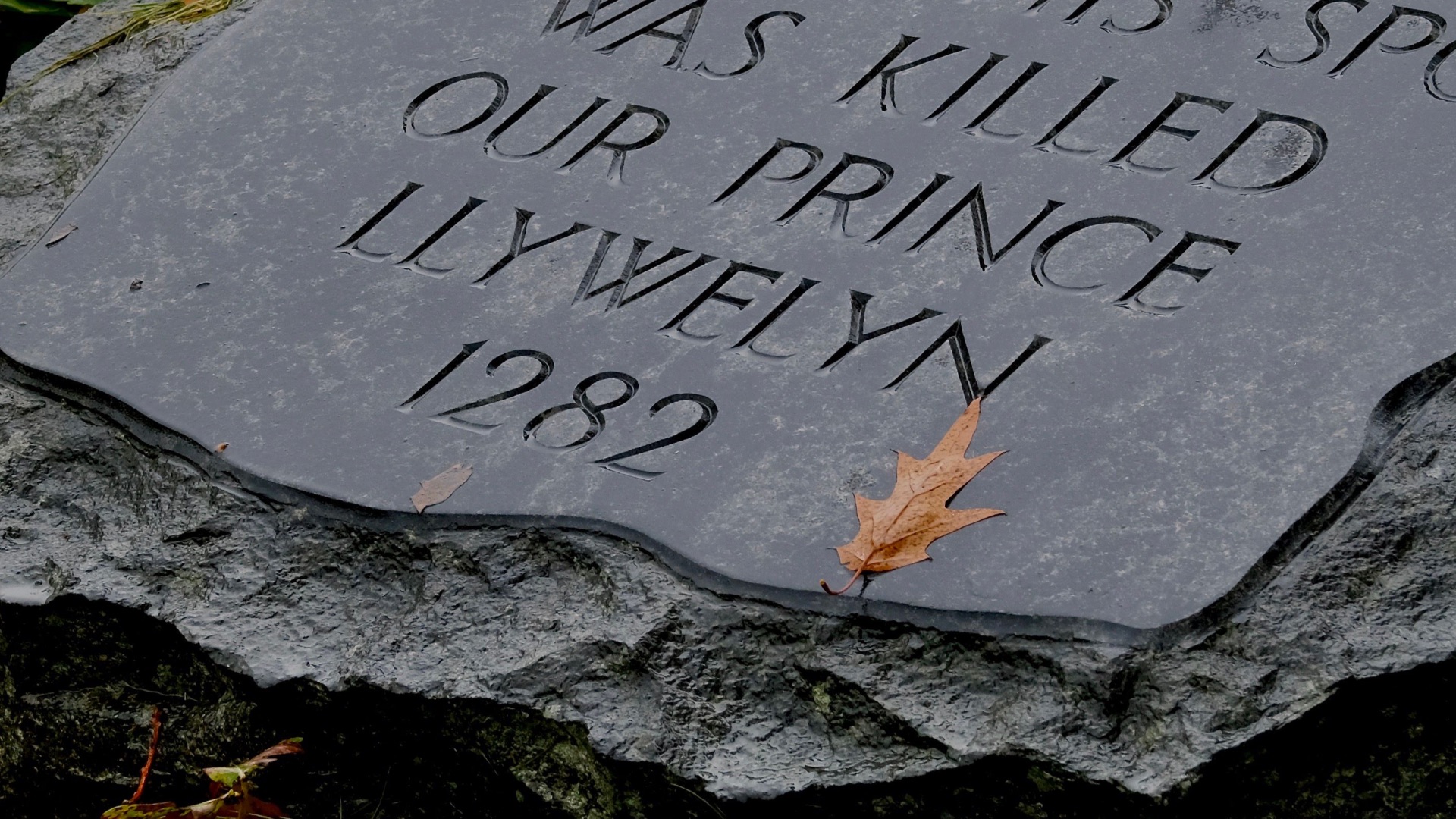
The double “Ll” at the beginning of Llywelyn represents a Welsh sound that doesn’t have a direct English equivalent. Speakers create it by placing the tongue as though making an “L” while allowing air to pass along its sides, and the full name is roughly rendered “hluh-WEH-lin.” An English approximation can help, but reproducing the original Welsh pronunciation takes practice.
10. Rhys
Rhys contains only four letters, yet its appearance regularly leads to incorrect guesses such as “rice” or “riss.” The Welsh name is pronounced “Reese,” which is also a common anglicized spelling. Its brevity doesn’t make it obvious, especially when readers aren’t accustomed to the Welsh use of “y.”

11. Nguyễn
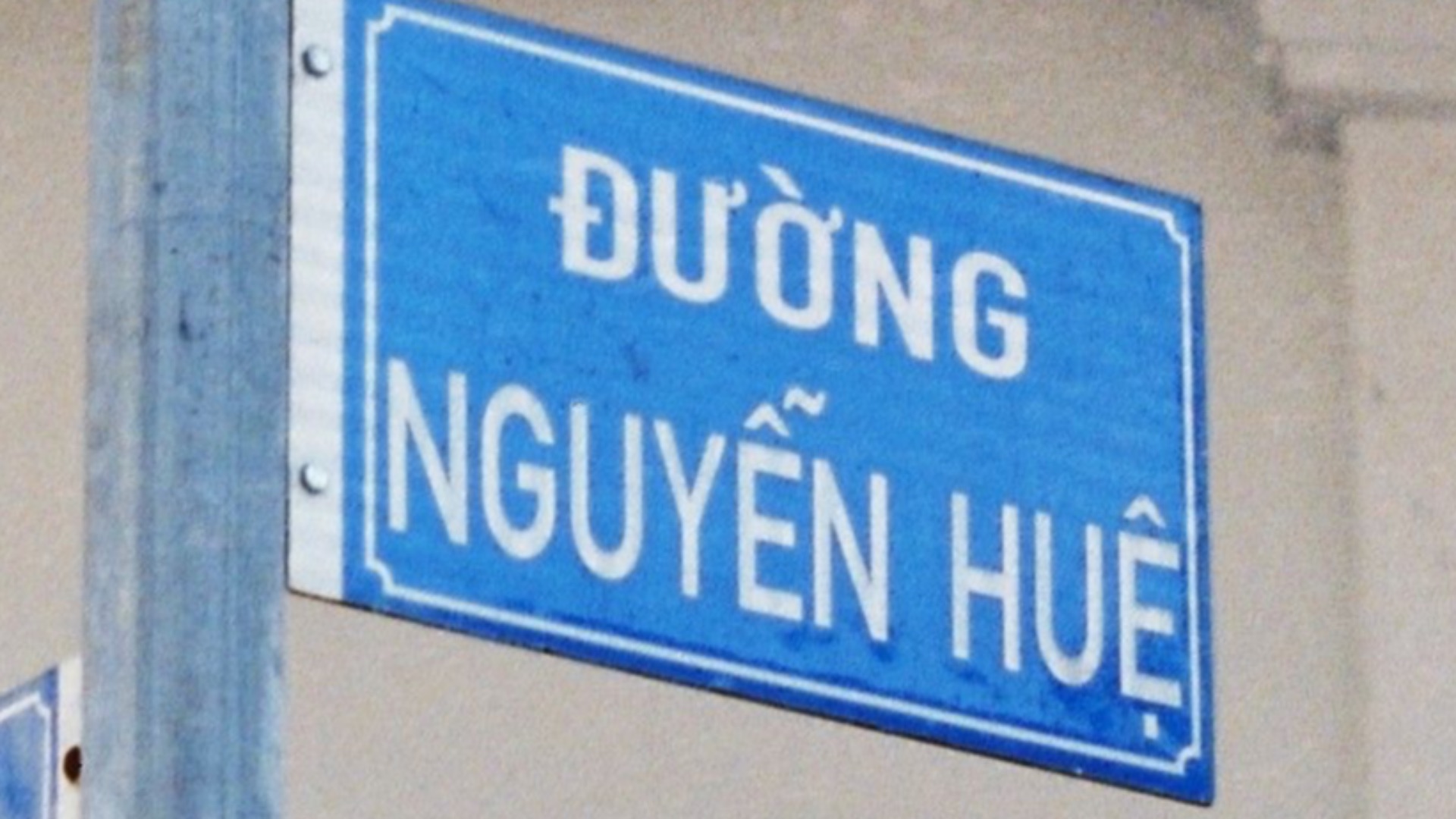
Few surnames generate as many competing English pronunciations as Nguyễn. Its Vietnamese pronunciation varies by regional dialect and includes sounds and tones that can’t be represented perfectly with ordinary English spelling, though “ngwin,” “nween,” and “win” are common approximations. The best pronunciation will also depend on how the individual bearing the name says it.

12. Xochitl
The opening “X” in Xochitl doesn’t behave like the one in “xylophone” or “extra.” This Nahuatl-derived name is often approximated in English as “SO-cheel” or “SO-chee,” though pronunciation varies among speakers and regions. Its Indigenous linguistic origins mean English spelling habits provide little useful guidance.

13. Xiomara
Readers may disagree about Xiomara before they’ve even moved beyond its first letter. In Spanish, the name is commonly pronounced approximately “see-oh-MAH-ra,” although “hee-oh-MAH-ra” and other regional versions can also be heard. That variation makes asking the person directly more reliable than confidently choosing one universal answer.
14. Joaquín
Although Joaquín is widely recognized, it remains easy to stumble over when you’ve only seen it written down. The Spanish pronunciation is approximately “hwah-KEEN,” with the initial “J” producing a sound quite different from its usual English value. The accent mark also indicates that the stress belongs on the final syllable.

15. Wojciech
The Polish name Wojciech contains familiar letters arranged in ways that don’t correspond neatly with English pronunciation. A reasonable approximation is “VOY-chekh,” with the ending involving a rougher sound than a standard English “k.” Trying to pronounce it as “wodge-ee-ech” might seem logical from the page, but Polish phonetic rules lead somewhere else entirely.

16. Krzysztof
Krzysztof presents English speakers with an opening consonant cluster they may not know how to approach. It’s pronounced approximately “KSHISH-tof,” though the Polish sounds can’t be reproduced exactly through a simplified English respelling. The familiar English equivalent is Christopher, but the two names sound far less alike than their shared origin might suggest.

17. Grzegorz
Even after hearing Grzegorz, many learners need several attempts to reproduce it accurately. This Polish form of Gregory is approximately pronounced “GZHEH-gosh,” with consonant sounds that are difficult to capture using English letters. The repeated combinations make both the beginning and ending challenging for anyone new to Polish.
18. Chiwetel
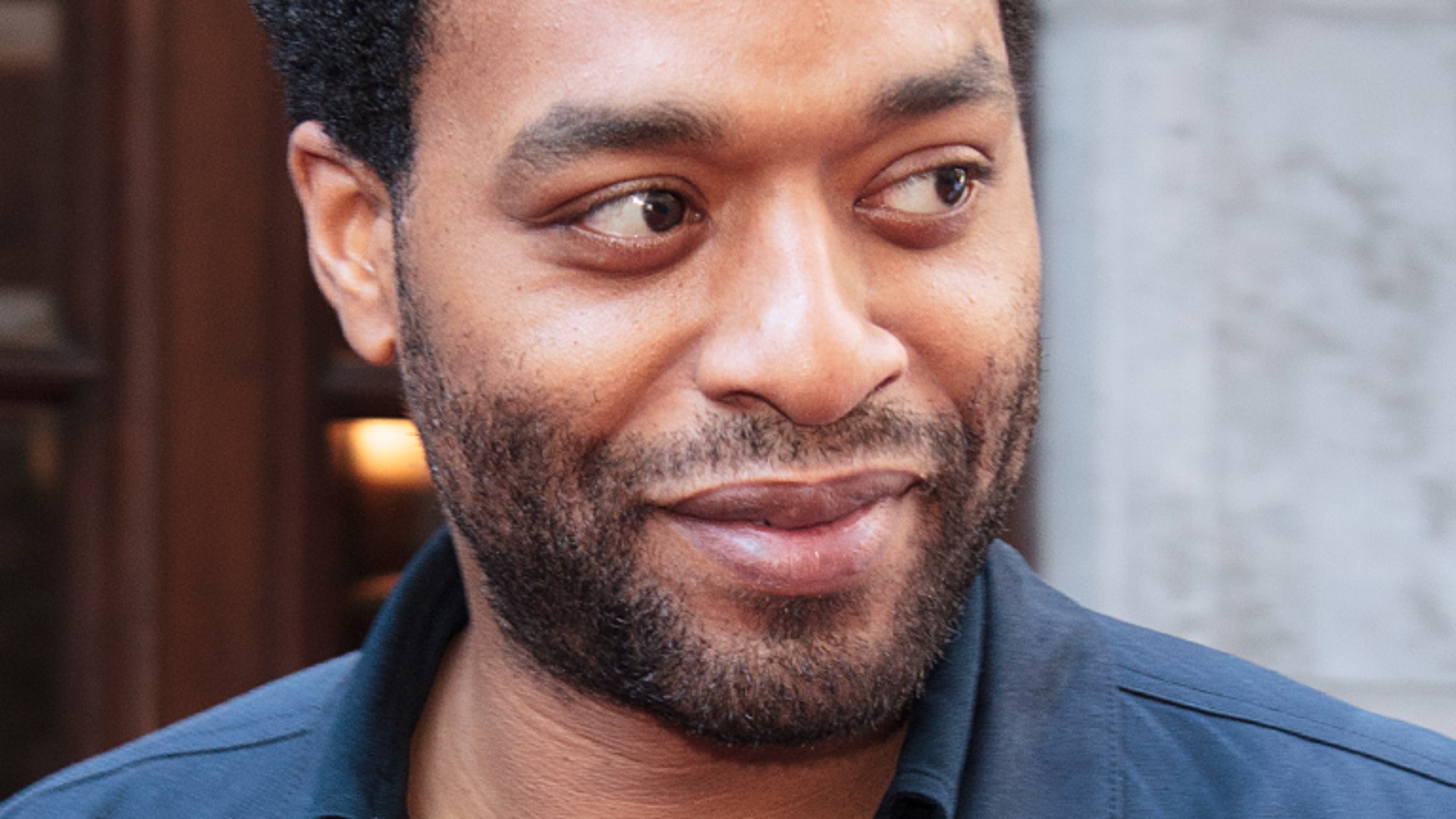
Actor Chiwetel Ejiofor’s first name is usually pronounced approximately “CHOO-ih-tell,” although simplified guides may represent the middle vowel differently. Many readers initially divide it into the wrong syllables or place the stress in an unnatural spot. Ejiofor has acknowledged that people frequently struggle with his name, so the confusion is certainly widespread.
19. Ejiofor
You're probably curious, too, about Chiwetel's last name, and unfortunately, the second half of the actor's name doesn’t become much easier for unfamiliar readers. Ejiofor is commonly approximated as “EDGE-ee-oh-for,” though the original Igbo pronunciation contains nuances that an English rendering may not fully preserve. Seeing the full name on a cast list can therefore create two separate pronunciation challenges in immediate succession.
 Gage Skidmore from Peoria, AZ, United States of America on Wikimedia
20. Nyong’o
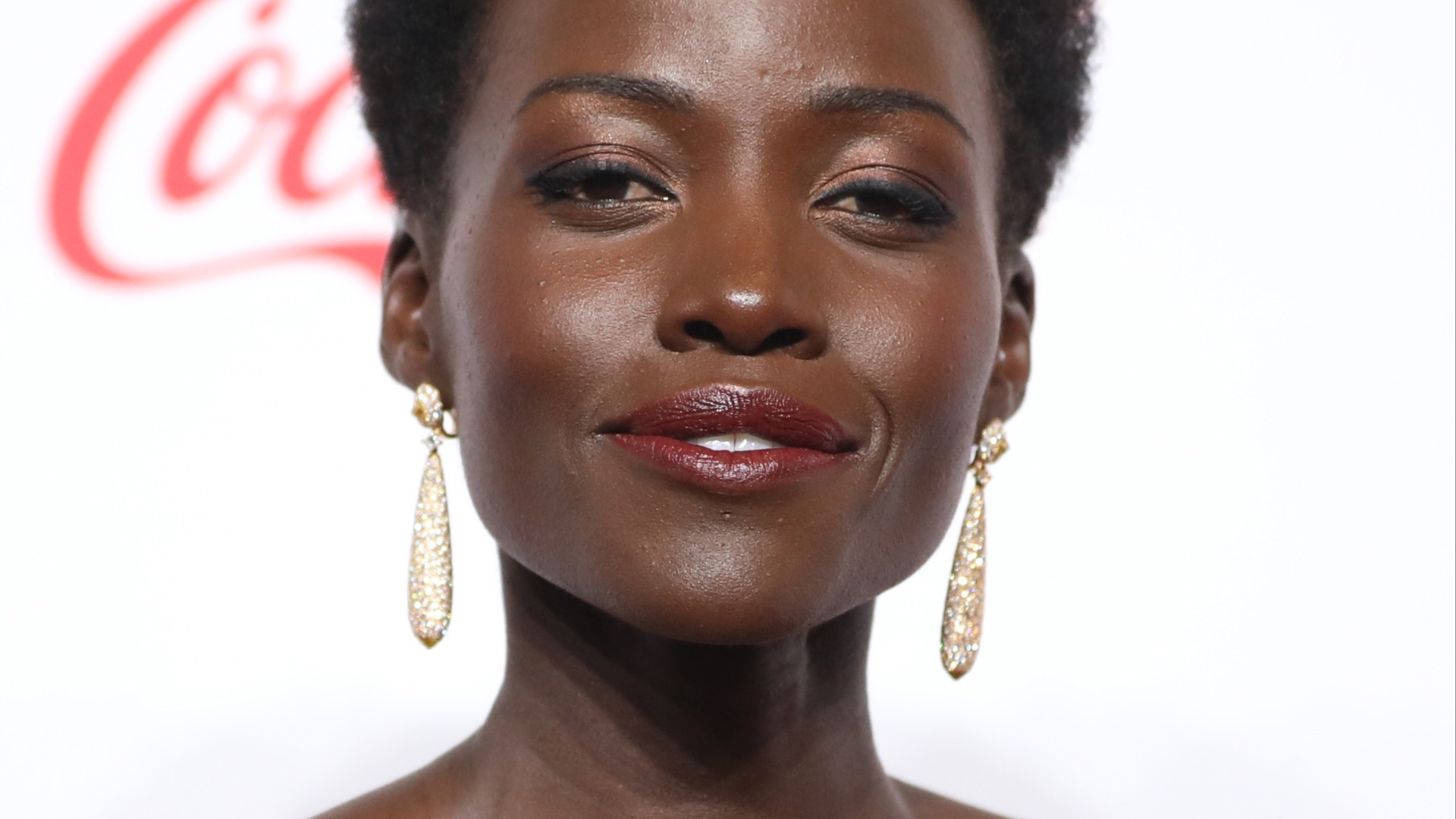
The apostrophe in Nyong’o represents an important distinction rather than decorative punctuation. Kenyan-Mexican actress Lupita Nyong’o, for example, pronounces her surname approximately “nee-ONG-oh,” with the first two sounds flowing together and the stress landing in the middle. Readers who treat the initial “Ny” like an ordinary English consonant combination often end up with a noticeably different version.
 Gage Skidmore from Surprise, AZ, United States of America on Wikimedia