
Working Your Way Up Used To Be Expected
Baby boomers entered adulthood during a period of major economic expansion, but that didn’t mean every opportunity arrived quickly or easily. Many workplaces, schools, households, and institutions operated with rigid hierarchies, limited technology, and customs that required younger people to wait their turn, accept unpleasant assignments, and prove themselves over long periods. Some of those expectations encouraged patience and practical skills, while others simply created unnecessary barriers that later generations no longer face. Here are 20 ways boomers had to pay their dues that have disappeared.

1. Starting With the Worst Workplace Assignments
New employees were often given the least appealing tasks because seniority determined who received better work. A young hire might spend months filing papers, cleaning equipment, fetching supplies, or handling duties that experienced workers didn’t want.

2. Waiting Years for Meaningful Responsibility
Promotions commonly depended on time served rather than on how quickly someone demonstrated ability. Workers could perform well and still be told they weren’t ready because an older colleague was ahead of them in line. Today, faster-moving industries and more frequent job changes have made it easier for ambitious employees to seek responsibility elsewhere.

3. Dressing Formally for Nearly Every Office Job
Even lower-level office workers were often expected to wear suits, ties, dresses, stockings, or polished shoes throughout the week. These clothes were expensive, uncomfortable in warm weather, and difficult to maintain without regular dry cleaning.

4. Learning Without Online Instructions
When a household appliance broke, or a workplace task seemed confusing, there wasn’t an instant video explaining every step. People relied on printed manuals, library books, knowledgeable neighbors, or trial and error. Finding the right information could take hours, which made practical knowledge valuable but also made simple problems unnecessarily frustrating.
 Lyubomyr Reverchuk on Unsplash
5. Standing in Long Lines to Handle Basic Errands
Paying bills, renewing licenses, buying tickets, and completing banking transactions often required appearing in person during limited business hours. Workers sometimes used their lunch breaks or vacation time to reach an office before it closed.

6. Accepting Strict Seniority Systems
In unionized workplaces and large companies, senior employees frequently received the best shifts, vacation dates, and assignments. New workers might spend years working nights, weekends, or holidays before gaining a more desirable schedule.

7. Working Without Flexible Scheduling
A standard workday usually began and ended at fixed times, regardless of family obligations, commuting problems, or personal productivity patterns. Arriving late could damage your reputation even when the work itself was completed properly. Flexible hours and hybrid arrangements have made attendance less rigid in many professional settings.

8. Relocating Without Digital Support
Moving to another city for work involved making decisions with limited information about neighborhoods, housing, transportation, and local services. Apartment searches relied on newspaper listings, phone calls, and brief visits rather than detailed photos and virtual tours. Newcomers often arrived knowing very little about the place where they were expected to build a life.
 Connor Scott McManus on Pexels
9. Staying in Unpleasant Jobs to Protect a Resume
Leaving a position after a short period could make employers question a worker’s loyalty or reliability. Many boomers remained in unhealthy workplaces because frequent job changes were viewed as a serious professional flaw.

10. Saving for Purchases Without Easy Credit Options
Although credit cards existed, they weren’t accepted everywhere, and consumer financing wasn’t as seamlessly built into every transaction. Many families delayed buying furniture, electronics, or household improvements until they had enough money saved. That habit reduced debt, but it also meant living without useful items for months or years.
 micheile henderson on Unsplash
11. Sharing One Telephone With the Entire Household
A single landline served parents, children, and sometimes extended family members, which required patience and negotiation. Teenagers often had to wait until everyone finished their calls before contacting friends.

12. Navigating Without Instant Directions
Drivers planned unfamiliar trips using printed maps, written instructions, and highway signs. A wrong turn could add significant time because there was no device immediately calculating a new route. You had to pay close attention, remember landmarks, and occasionally stop to ask a stranger for directions.

13. Waiting for Entertainment to Become Available
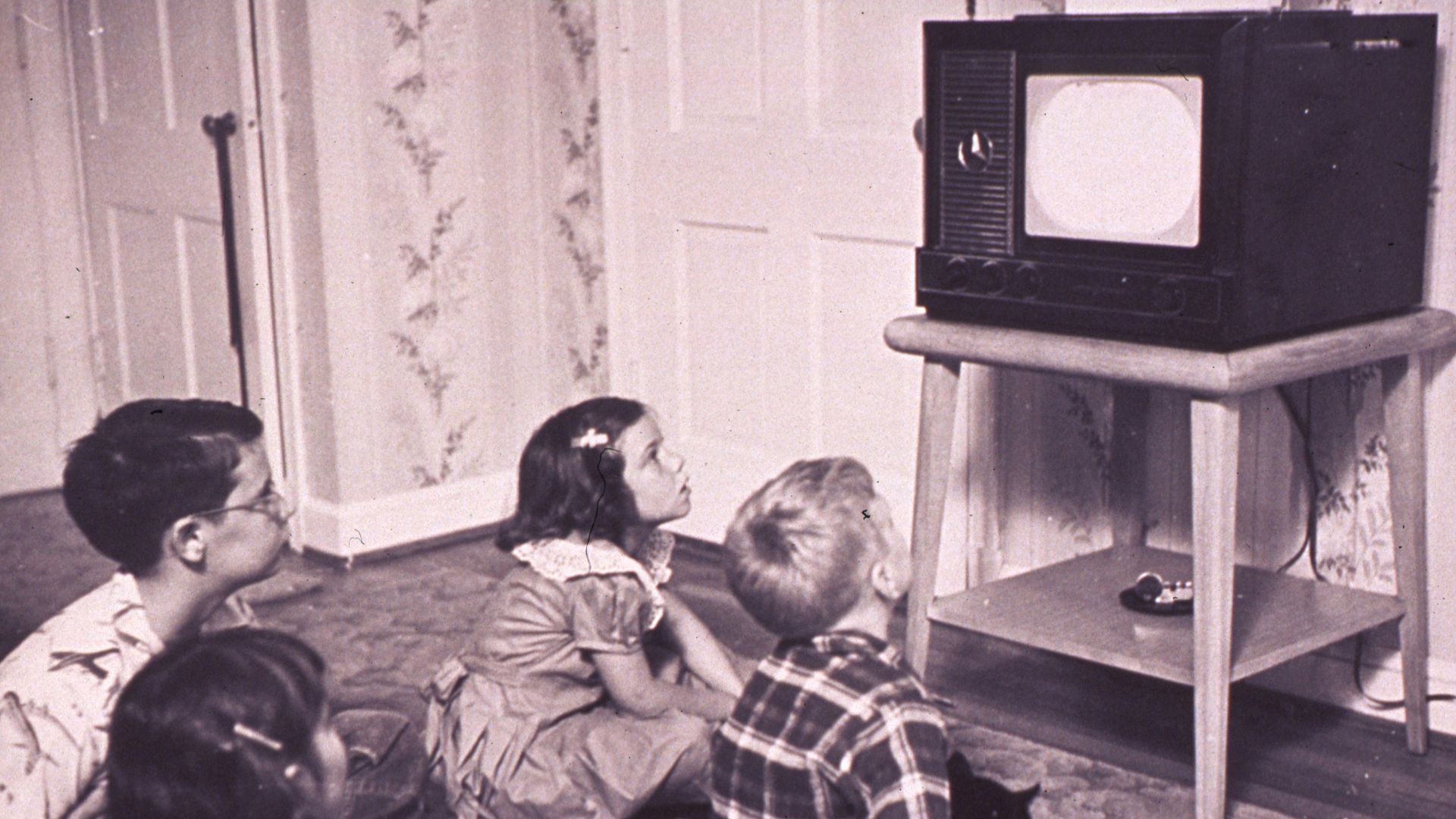
Television programs aired at scheduled times, movies took months to reach home viewing, and favorite songs weren’t available on demand. Missing a broadcast could mean waiting for a rerun that might not appear for weeks.
 National Library of Medicine on Unsplash
14. Completing Research With Physical Materials
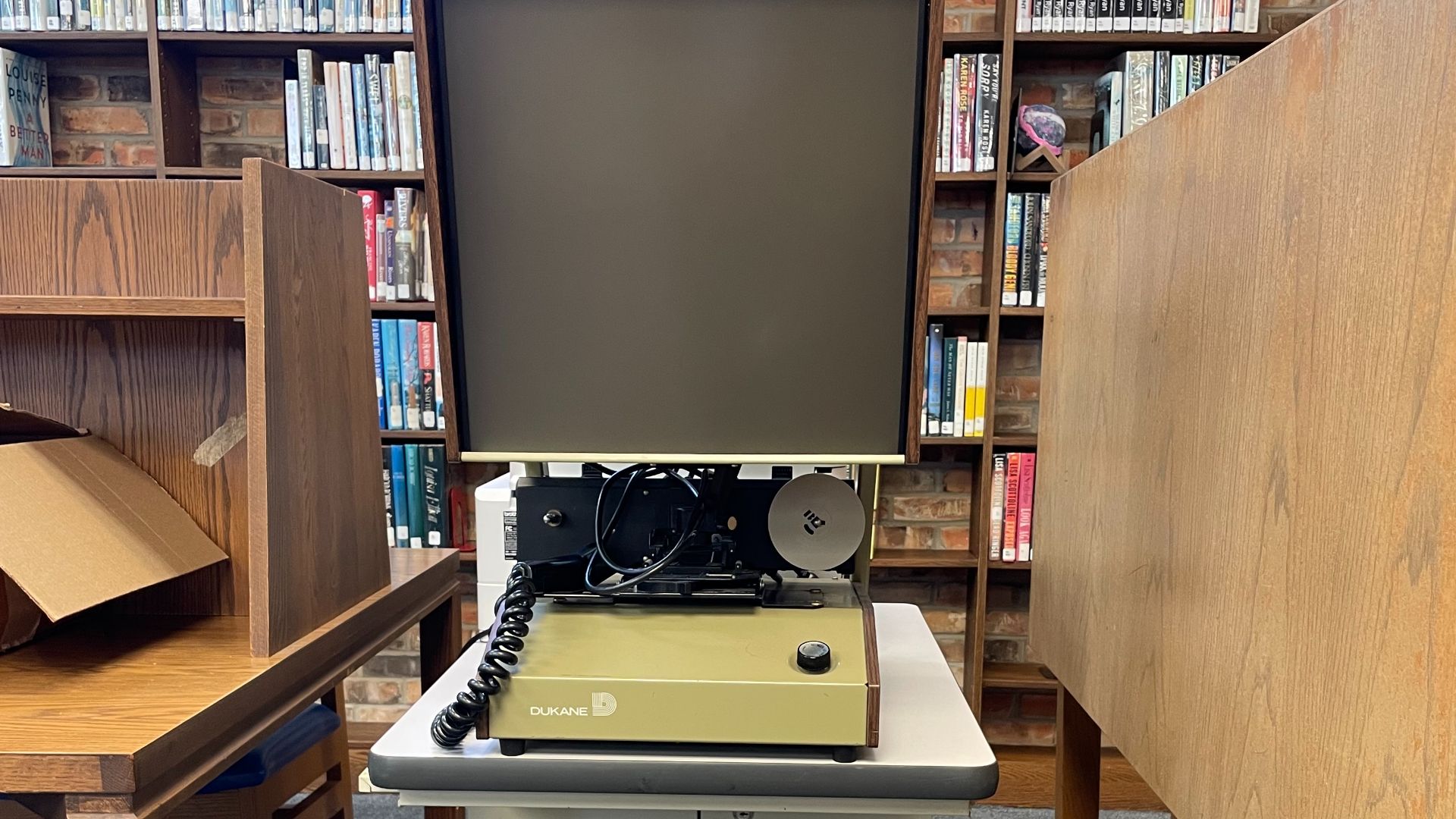
School and workplace research often required trips to libraries, where information had to be located through catalogs, indexes, and reference books. Popular materials might already be checked out, while older facts could be difficult to verify.
15. Enduring Hazing-Style Workplace Traditions
Some industries expected new workers to tolerate teasing, pranks, rough language, or deliberate humiliation as part of joining the group. Complaining could result in further ridicule or accusations that someone couldn’t handle pressure.

16. Waiting for Long-Distance Calls to Become Affordable
Calling relatives in another state or country could be expensive, especially during daytime hours. Internet-based communication has made regular contact far easier and, in many cases, effectively free.

17. Remaining Silent Around Senior Employees
Young workers were often expected to listen rather than challenge ideas presented by managers or experienced colleagues. Speaking too confidently could be interpreted as disrespect, even when the employee had useful information.

18. Managing Payroll and Banking on Paper
Workers received physical paychecks that had to be deposited during banking hours or through limited after-hours services. A forgotten deposit could delay access to money, while lost checks create additional paperwork and waiting.

19. Building Professional Connections Face to Face
Finding mentors, clients, or job opportunities depended heavily on local relationships, industry events, personal introductions, and telephone calls. Someone without family connections or access to professional circles faced a genuine disadvantage.

20. Proving Commitment Through Personal Sacrifice
Long hours, missed family events, and unused vacation days were often treated as evidence that an employee deserved advancement. Maintaining boundaries could be interpreted as a lack of ambition, particularly in competitive workplaces.