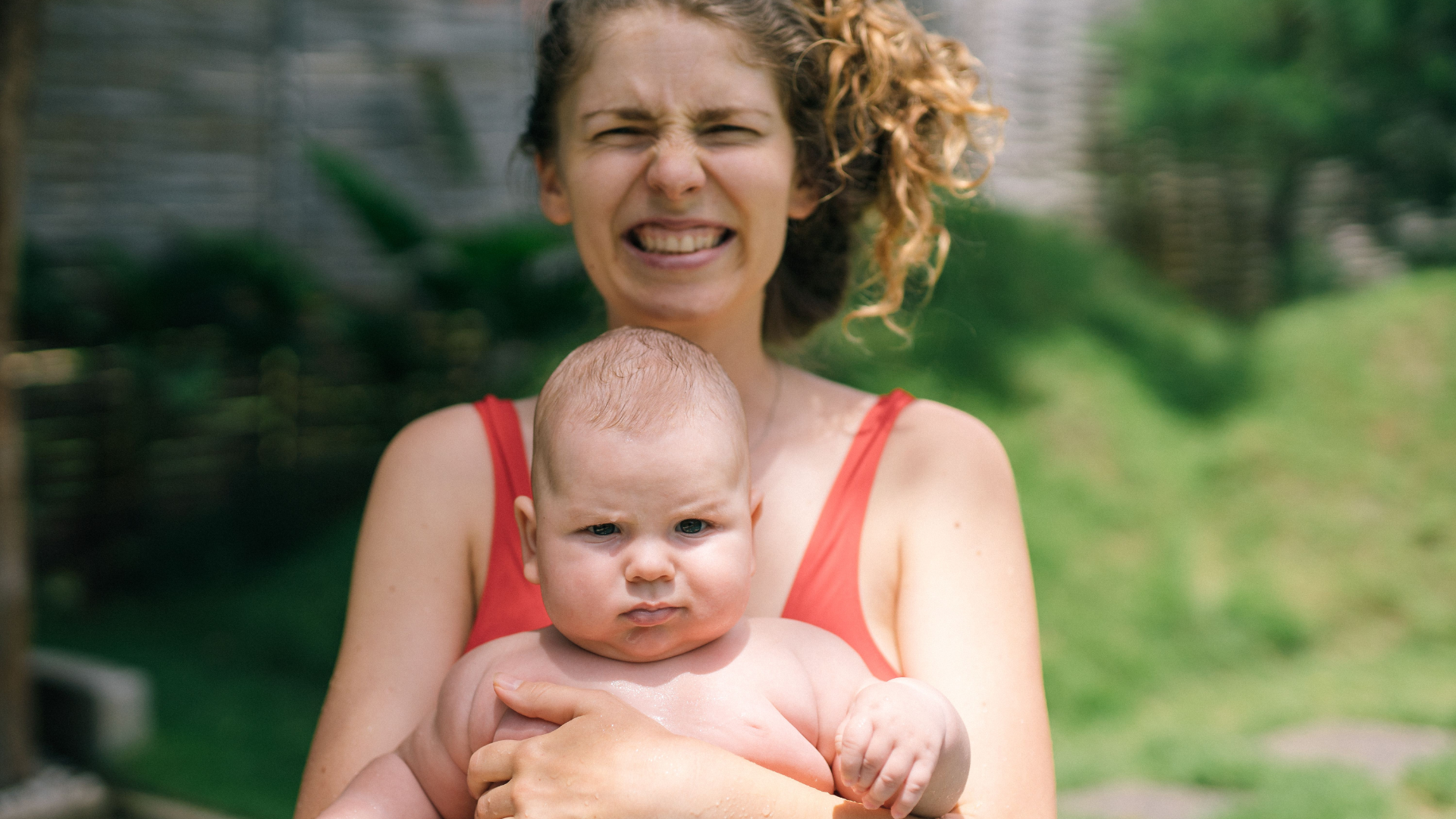

Children are surrounded by more entertainment, scheduled activities, and digital stimulation than previous generations could have imagined. While those options can be educational and enjoyable, they can also make ordinary quiet moments feel like problems that need to be solved immediately. As a result, many children have fewer chances to figure out how to occupy themselves without outside help.
Boredom isn’t always pleasant, but it can create the mental space children need to notice their surroundings, develop ideas, and decide what to do without constant direction. When adults resist the urge to fill every empty minute, children get valuable practice managing their attention and discovering their own interests. These small stretches of open time can support skills that become useful far beyond childhood.
Boredom Encourages Creativity and Independent Play
When a child says there’s nothing to do, they may really mean that no activity has been prepared for them. After the first complaints pass, many children begin looking for materials, rearranging familiar toys, or inventing games that wouldn’t have appeared on a schedule. That shift requires imagination because they must create the activity rather than simply consume it. Over time, this habit can make them more confident about generating ideas on their own.
Unstructured time can also make ordinary objects feel more interesting. A cardboard box might become a store, a vehicle, or part of a homemade obstacle course, while blankets and chairs can support an elaborate indoor hideout. The activity itself matters less than the fact that the child is generating possibilities and testing which ideas work. This type of play encourages experimentation without requiring expensive toys or complicated instructions.
Creative play often develops slowly, so adults may need to tolerate a period of restlessness before anything meaningful happens. Jumping in with immediate suggestions can accidentally return responsibility for entertainment to the parent. Offering access to safe materials is helpful, but allowing the child to choose how to use them supports genuine independence. A little patience from you can give the child enough time to move past frustration and begin creating.
Quiet Time Builds Patience and Problem-Solving Skills
Boredom gives children practice sitting with an uncomfortable feeling without escaping it instantly. That experience can strengthen patience because they learn that frustration, restlessness, and uncertainty usually change when they remain engaged with the situation. Children won’t enjoy every quiet moment, but they can gradually become less alarmed by having nothing planned.
Once children decide to create their own activity, they often encounter small problems that require practical solutions. A tower falls, a craft idea needs different materials, or a game’s rules turn out to be unfair. Working through those setbacks teaches flexibility and persistence in a low-pressure setting where the consequences are manageable. Each adjustment shows them that a failed first attempt doesn’t mean the entire activity has to end.
Parents can support this learning without taking over by responding calmly and asking simple questions. Instead of providing an entire activity, you might ask what materials the child could use or what they’ve enjoyed doing independently before. This keeps the thinking with the child while still providing reassurance when the initial frustration feels difficult. The goal is to guide their attention without becoming the person responsible for every solution.
Unscheduled Moments Help Children Understand Themselves
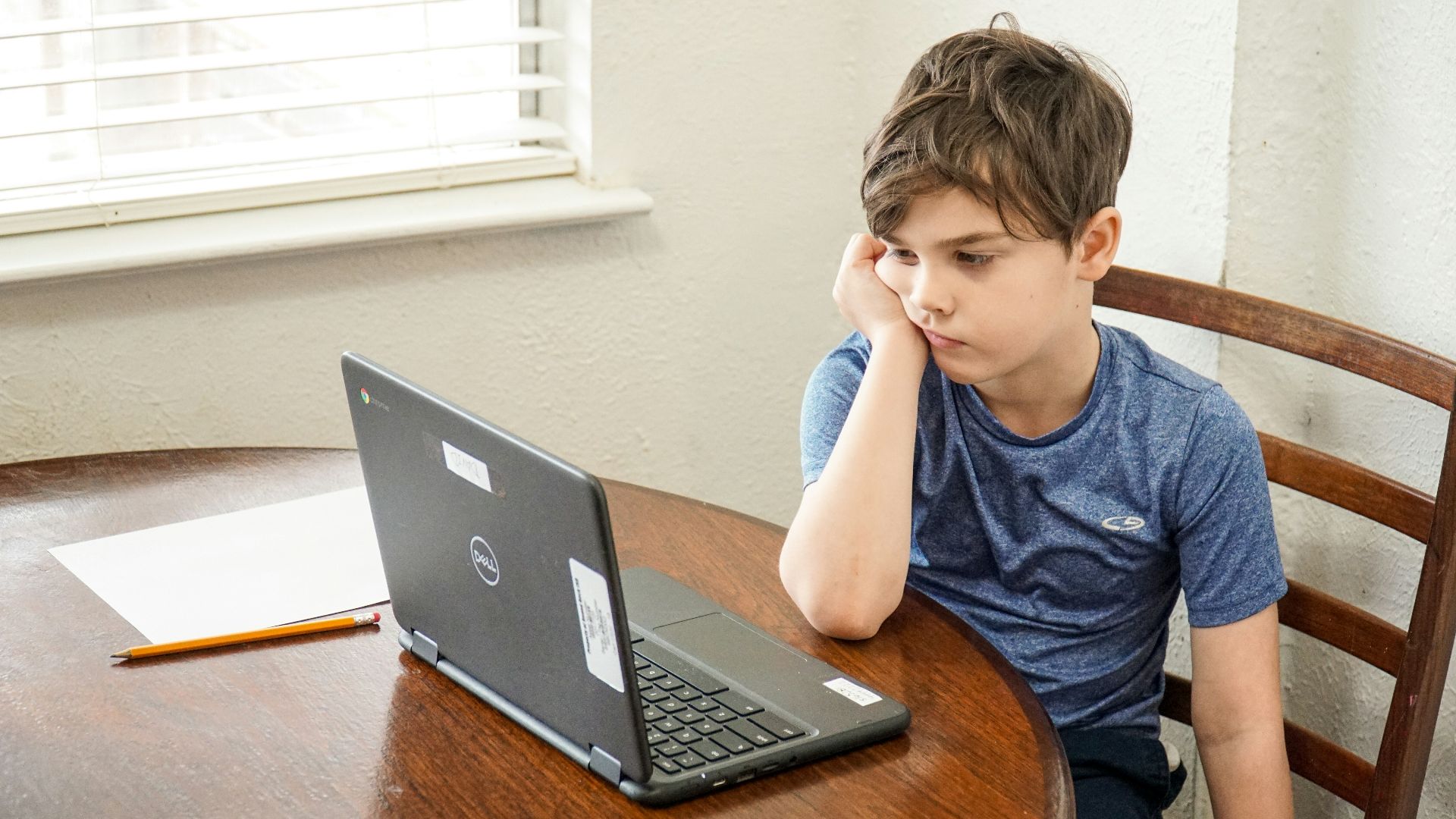
Children need opportunities to discover what holds their attention when nobody is directing them. A busy schedule may reveal what classes they attend, but it doesn’t always show what they would choose when given freedom. During open time, one child may draw repeatedly, another may organize collections, and someone else may prefer building, reading, or moving around outdoors.
These choices can help children develop a clearer sense of identity and competence. Repeatedly returning to an activity allows them to improve skills, set personal challenges, and notice progress without waiting for praise or grades. Internal satisfaction becomes more important because the child is following an interest that feels personally meaningful.
Boredom can also create room for reflection, particularly as children get older. Without constant noise or instruction, they may think about friendships, recent experiences, worries, or goals that haven’t received much attention. Adults should remain available for conversation, but they don’t need to interrupt every thoughtful silence or assume that a quiet child is unhappy.
Boredom shouldn’t mean neglect, isolation, or withholding healthy activities, and children still benefit from family interaction, exercise, learning opportunities, and supportive routines. Its value comes from allowing reasonable gaps between those experiences, when children can make choices and direct themselves. By leaving some time unfilled, you give them a chance to create, adapt, reflect, and learn that they’re capable of handling their own attention. Those moments may look uneventful from the outside, but they can quietly support independence, resilience, and self-awareness.