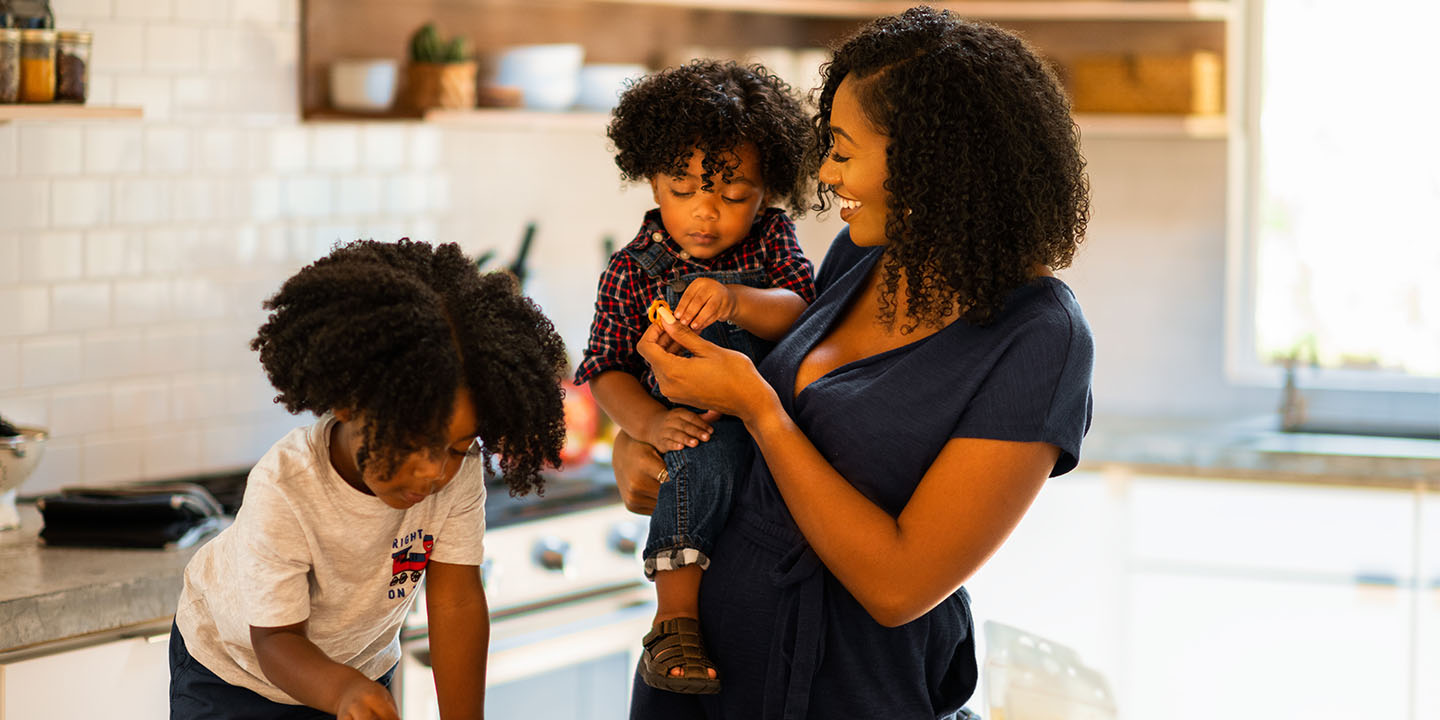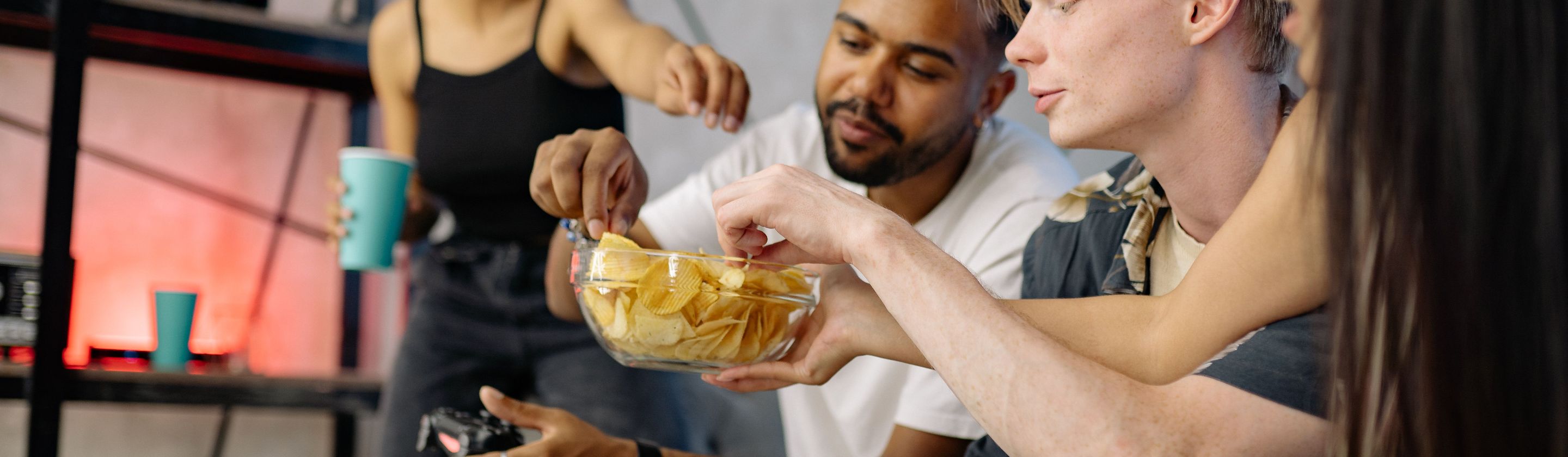

Walk into someone's kitchen and your eyes go to the counter before your brain even decides to look. A bowl of pretzels, a half-open bag of chips folded over with a clip, a plate of cut fruit nobody has touched yet. That quick scan happens almost automatically, and it tells you something about the house within about four seconds, long before anyone says a word about how the visit is going to go.
Snacks left out in a home carry a kind of message that goes well past hunger. They say someone thought ahead, and thought about a person who had not even arrived yet. Nobody sits down and plans this kind of impression on purpose, and most people who leave a bowl of nuts on the coffee table are not thinking about psychology at all. They are just doing what feels natural, and the effect lands anyway, changing the temperature of a room more than people give it credit for.
The Snack Cabinet As An Invitation
There is a particular kind of ease that comes from walking into a house and immediately being handed a snack without having to ask for one. It skips past the small formality of a first few minutes and gets straight to the part where you are allowed to relax. A grandmother's kitchen with a jar of something sweet already sitting open on the table has done this for generations without anyone writing it down as a rule.
The opposite is also true, and people notice it just as fast. A bare counter and an empty fruit bowl do not necessarily mean anything is wrong, but they leave a kind of blank space where a small gesture usually goes. Guests fill that space with their own assumptions, sometimes fair and sometimes not.
None of this requires effort on the scale people assume. A sleeve of crackers pulled out of the pantry and set on a plate takes about ninety seconds and changes the entire tone of a visit. The gesture matters more than the food itself ever does.
What Snacks Actually Signal
Kids figure this out long before adults ever put words to it. Every neighborhood has one house that becomes the default hangout spot, and it is rarely the house with the nicest furniture. It is the house where somebody always seems to have good snacks, stocked without anyone needing to be told twice to help themselves.
That instinct carries into adulthood almost unchanged. A guest who gets offered something to eat within the first few minutes tends to relax faster and stay longer, without necessarily noticing why. Somewhere in the back of the mind, the gesture reads as I planned for you, which lands differently than a room that was simply tidied up beforehand.
Research backs up why this feeling runs so deep. Psychologists Jordan Troisi and Shira Gabriel found that so-called comfort foods are closely tied to memories of the people we associate with them, and that these foods can genuinely ease feelings of loneliness by triggering a sense of connection. Their research also found that simply eating a food tied to a close relationship could make people think more about that relationship without being asked to. Food, it turns out, has been standing in for people for a lot longer than anyone gave it credit for.
Why The Feeling Lingers Long After The Food Is Gone
That connection helps explain why a snack-stocked house tends to stick in memory far longer than a spotless one. Nobody grows up reminiscing about a friend's perfectly organized linen closet. They remember the specific brand of cookies that always seemed to be sitting on the counter, or the exact bowl a particular candy lived in.
Small, repeated details like that end up doing more emotional work than people expect from something as simple as a snack. A bag of chips left out is not really about the chips. It is about a house that quietly kept saying you were expected here, and that message tends to outlast almost everything else from a visit.
Years later, the specific snack fades from memory a little, but the feeling of that kitchen rarely does. A stocked pantry says something a clean guest room never quite manages on its own, and most people can feel the difference the moment they walk through the door.