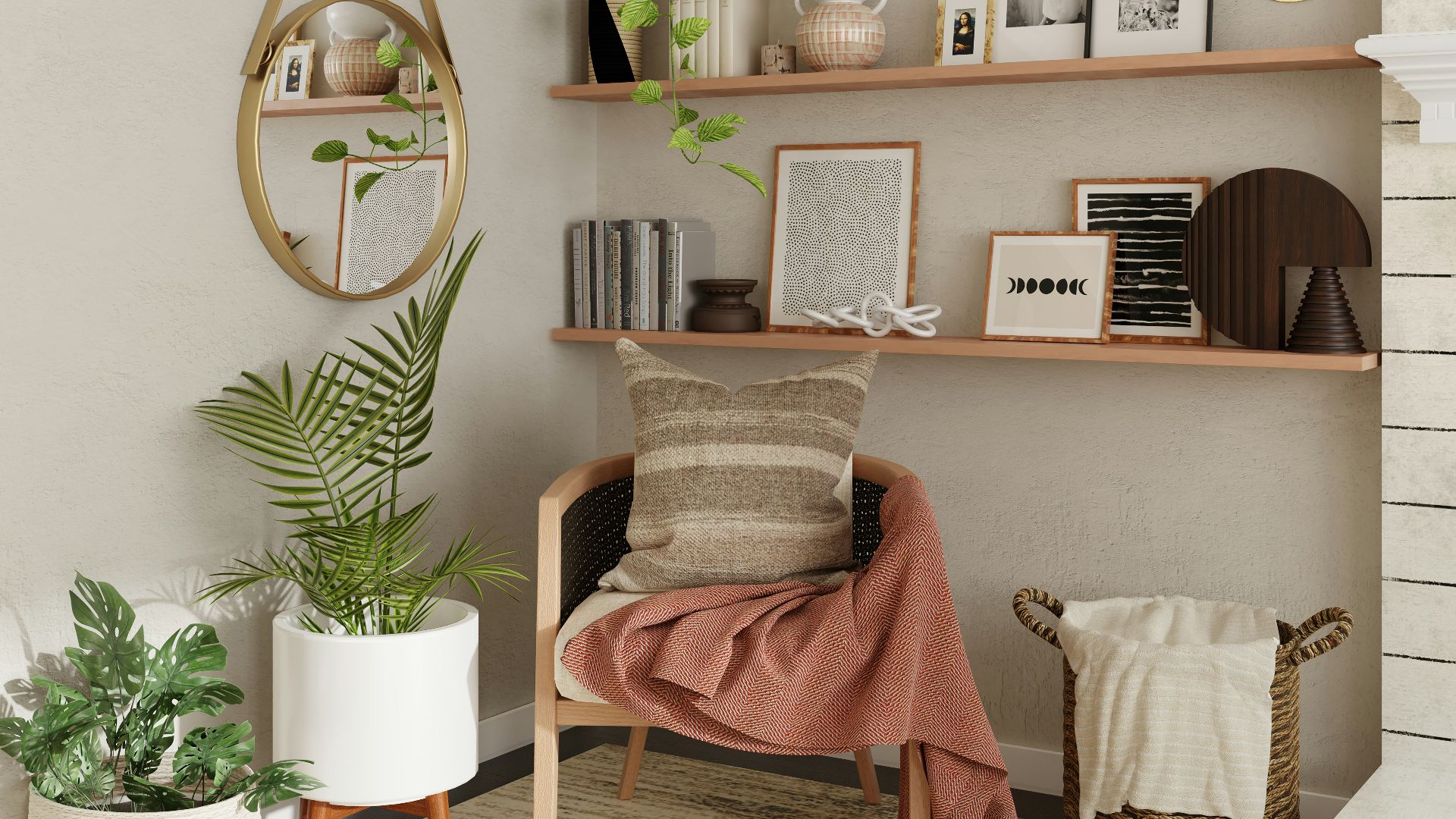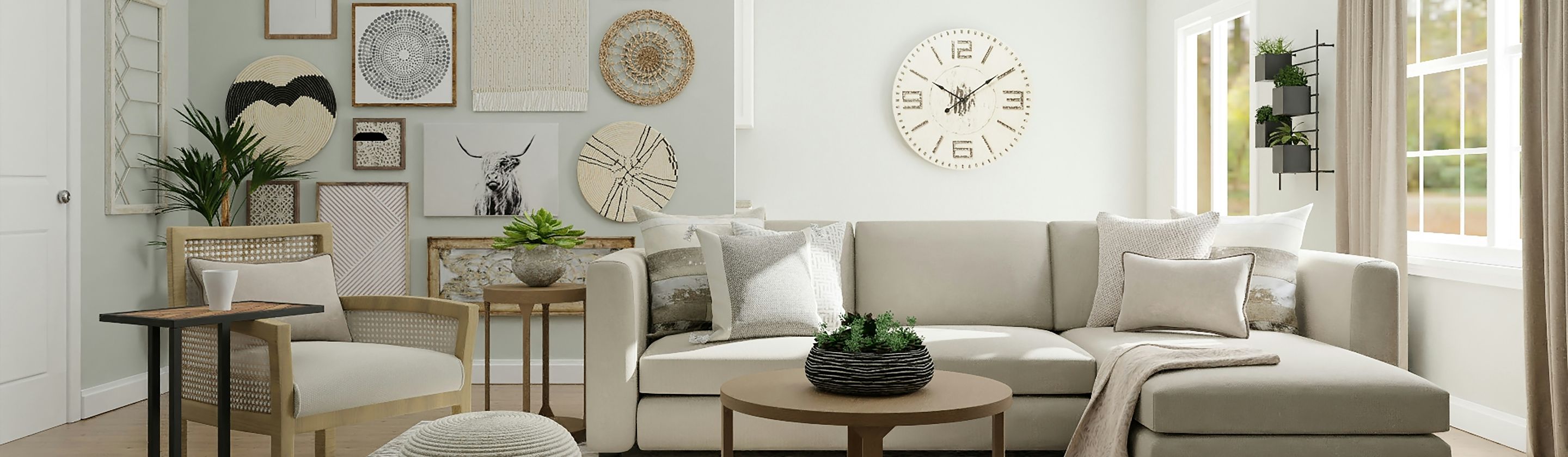
20 Ways To Refresh Your Living Room Without Buying New Furniture
Your Room Deserves A Face Lift
A living room can start to feel stale long before the furniture actually needs replacing. The sofa still works, the chair is still comfortable, and the coffee table is still useful, yet the room can look like it hasn’t changed in ages. A refresh doesn’t have to mean buying a new sectional or starting from scratch. It often comes down to clearing the clutter, moving things around, cleaning what you already own, and paying more attention to light, color, and how the room works for you. These 20 ideas can help your living room feel new again without adding another piece of furniture.
1. Start With a Clean Slate
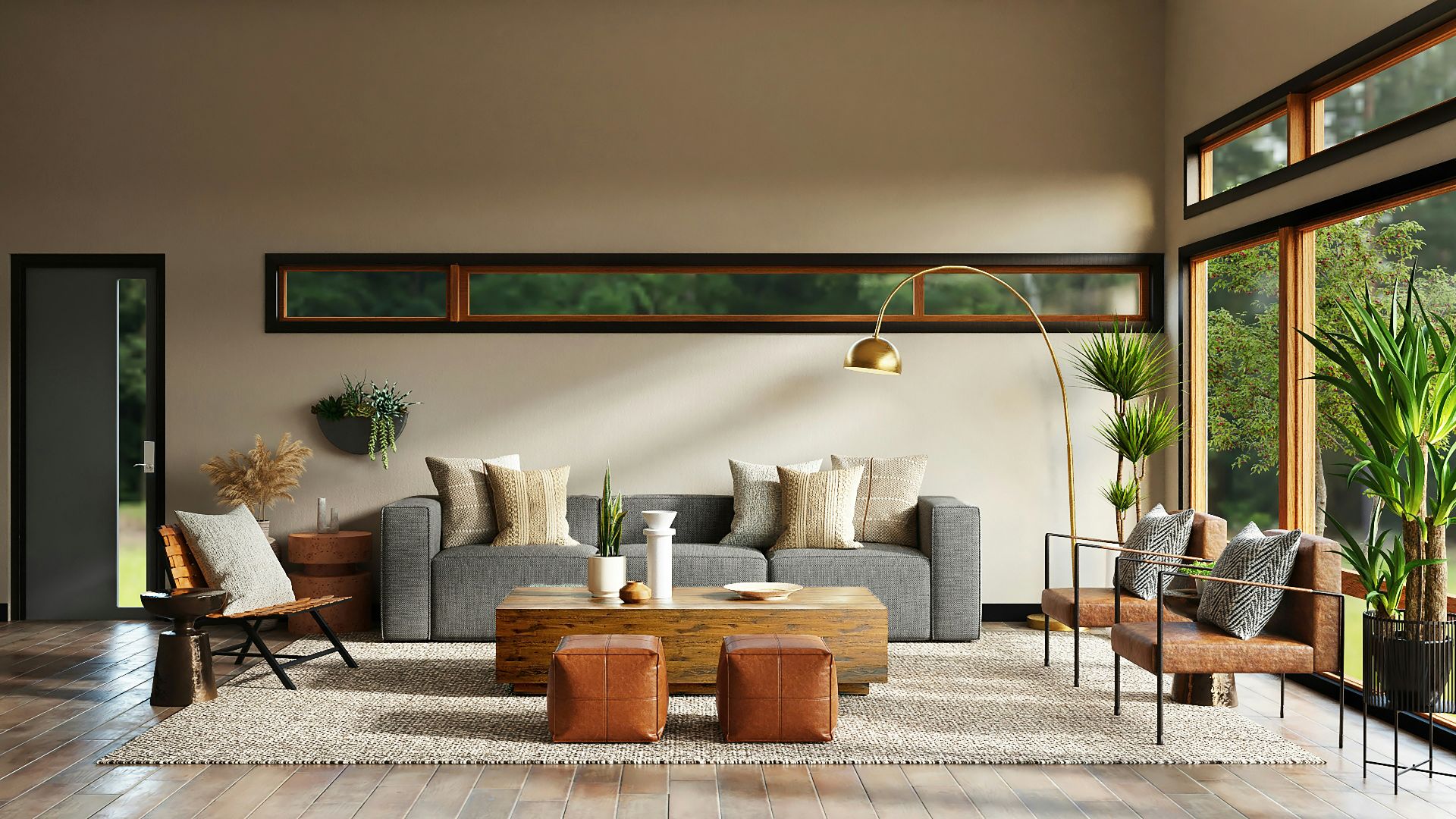
Clear off the coffee table, shelves, mantel, side tables, and any other surfaces that have collected small items. Once the room is stripped back, you’ll see the furniture, the light, and the open space more clearly. It’s a simple reset that makes it easier to decide what you actually want to keep out.
2. Give the Room a Good Clean
Vacuum the sofa, dust the lampshades, wipe down the baseboards, and clean the windows. When everything is clean, the room often looks better before you’ve moved a single piece of furniture.

3. Arrange the Room Realistically
Set the room up for what happens there most often. A layout is only as good as its effectiveness, so it needs to work with your everyday habits. Your living room should fit into your life, not make you work around it.
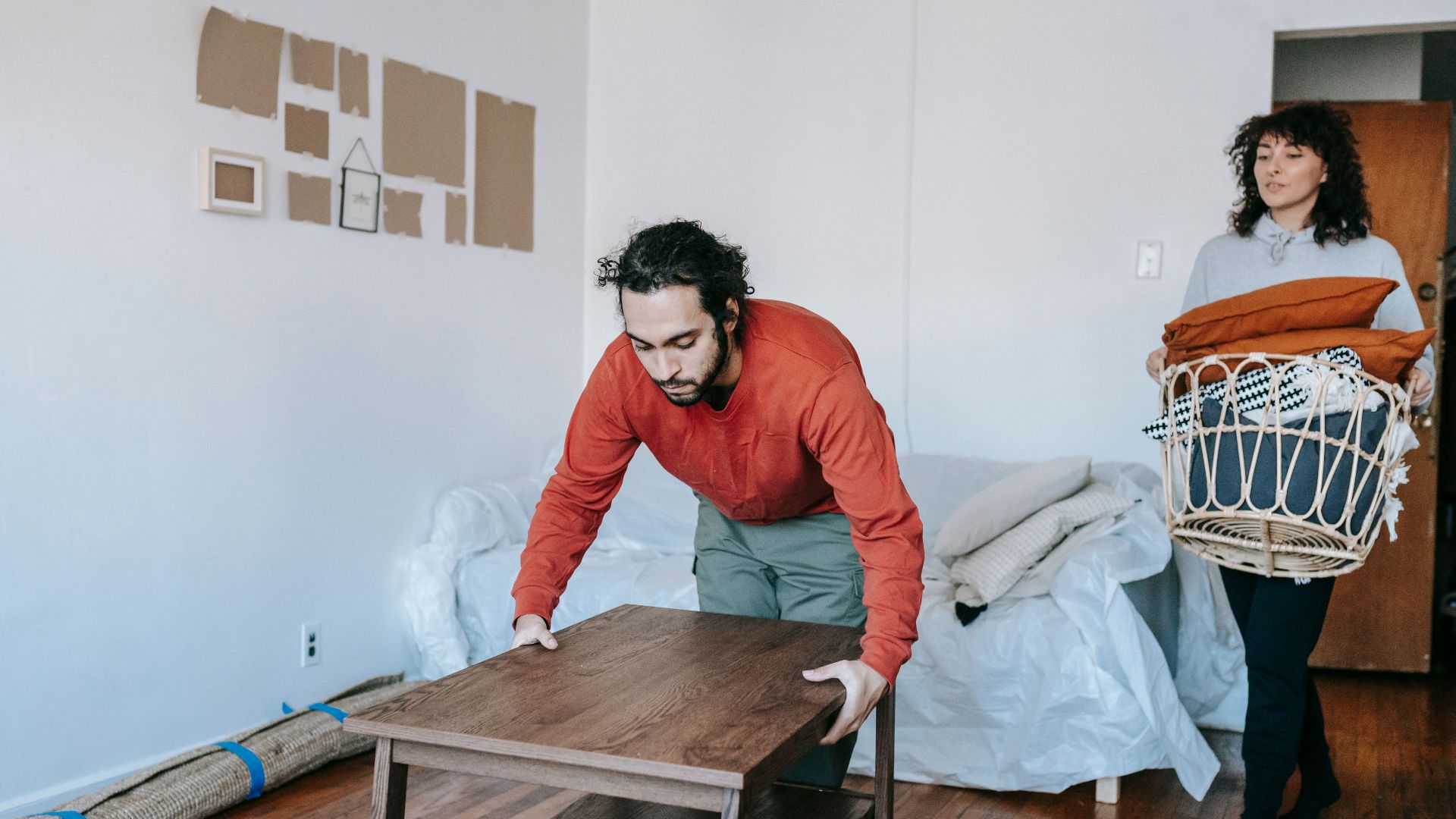
4. Pull the Sofa Away From the Wall
If you’ve got enough room, move the sofa away from the wall instead of keeping it pressed against the edge of the room. Even a small gap can make the seating area feel more situated. The change gives the sofa its own space without forcing you to rethink the whole room.
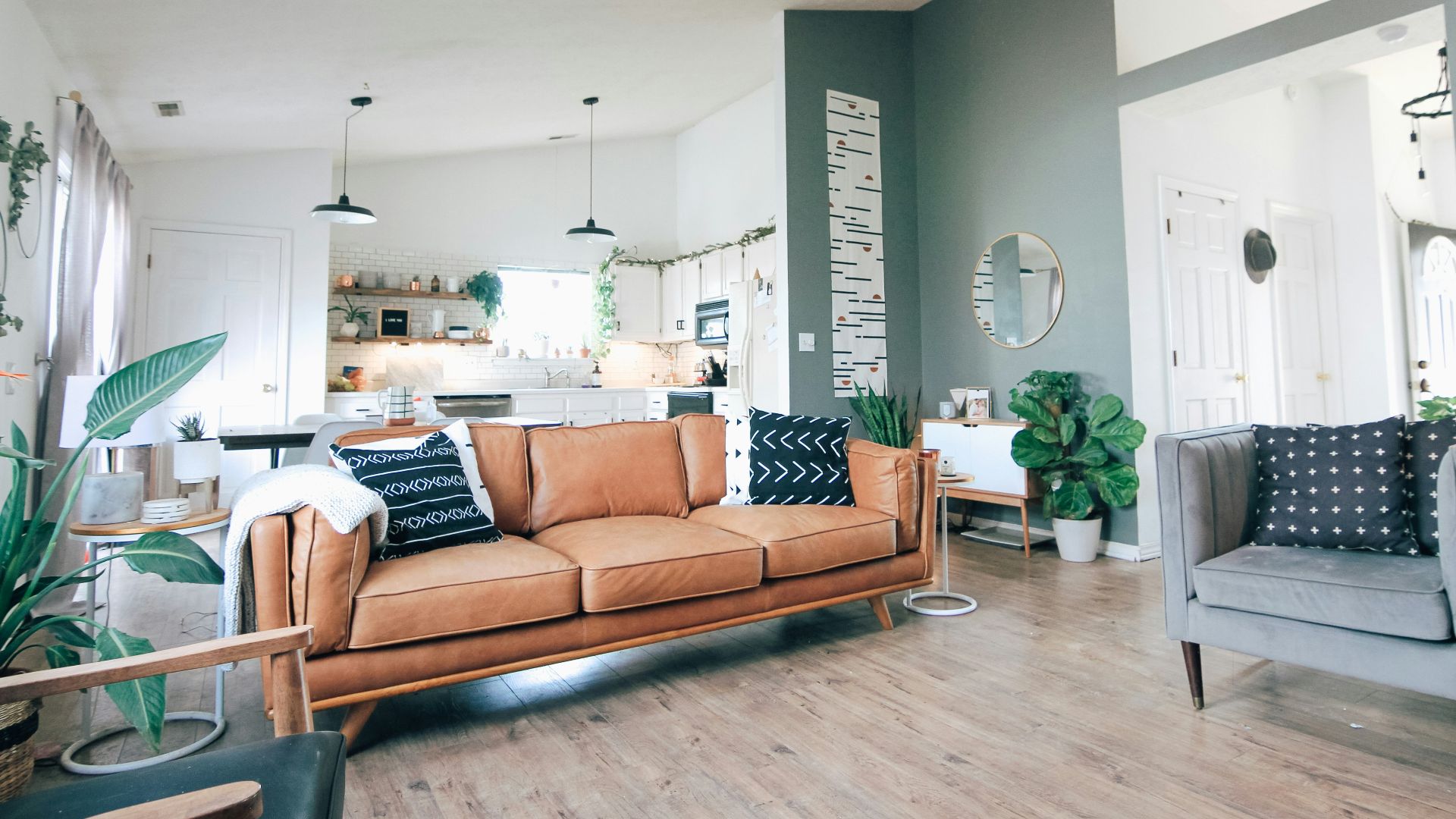
5. Turn the Chairs Toward Each Other
Angle chairs toward the sofa or toward one another instead of pointing every seat at the television. This makes it easier for people to talk without twisting in their seats or speaking across the coffee table. The television can still be part of the setup, yet it doesn’t need to control every part of the room.
 Tile Merchant Ireland on Unsplash
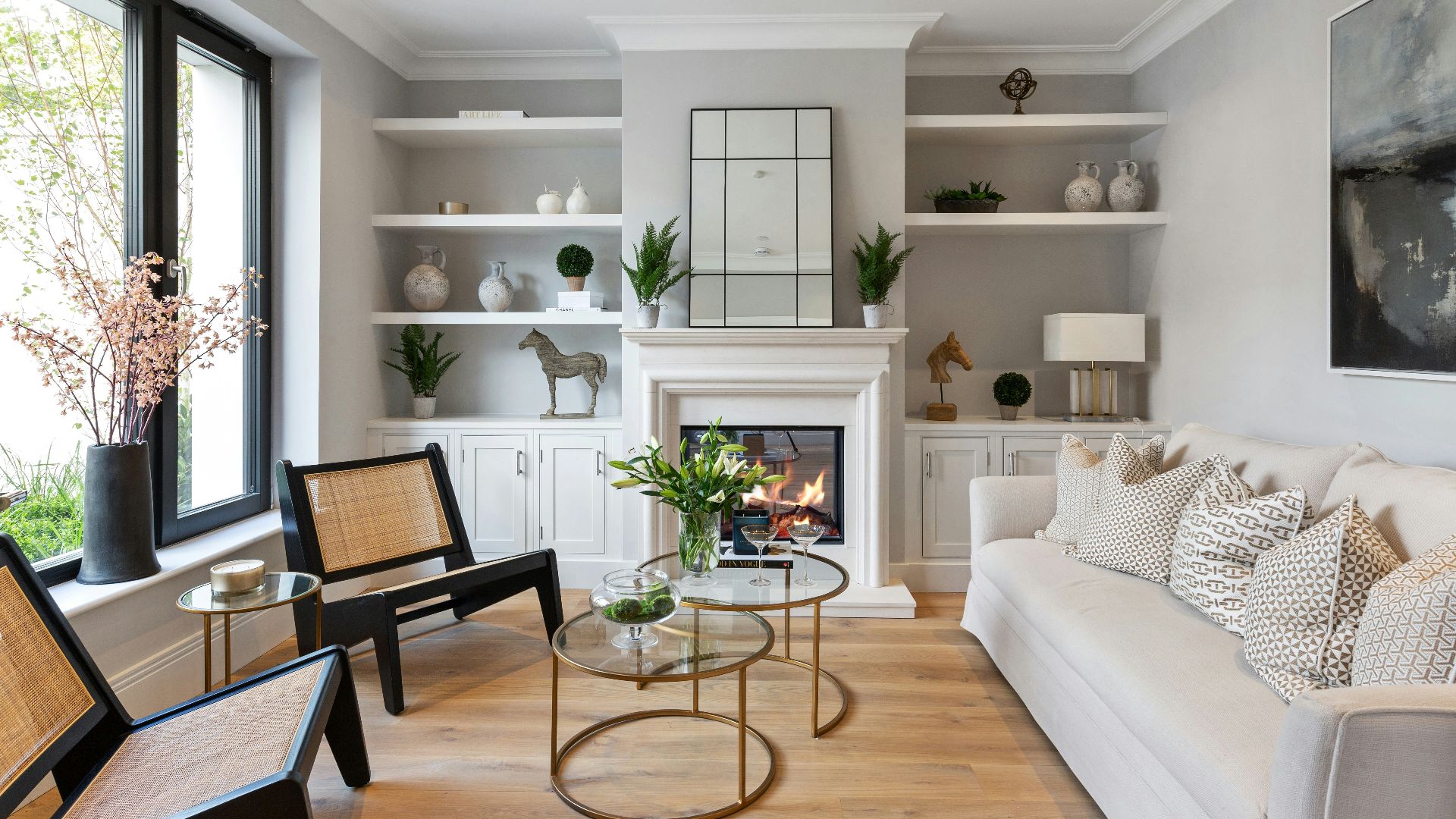
6. Make the Most of Your Windows
Open the curtains all the way, straighten the panels, and move anything that’s blocking the natural light. Clean windows can brighten the room, and more daylight also changes how the walls, furniture, and fabrics look throughout the day.
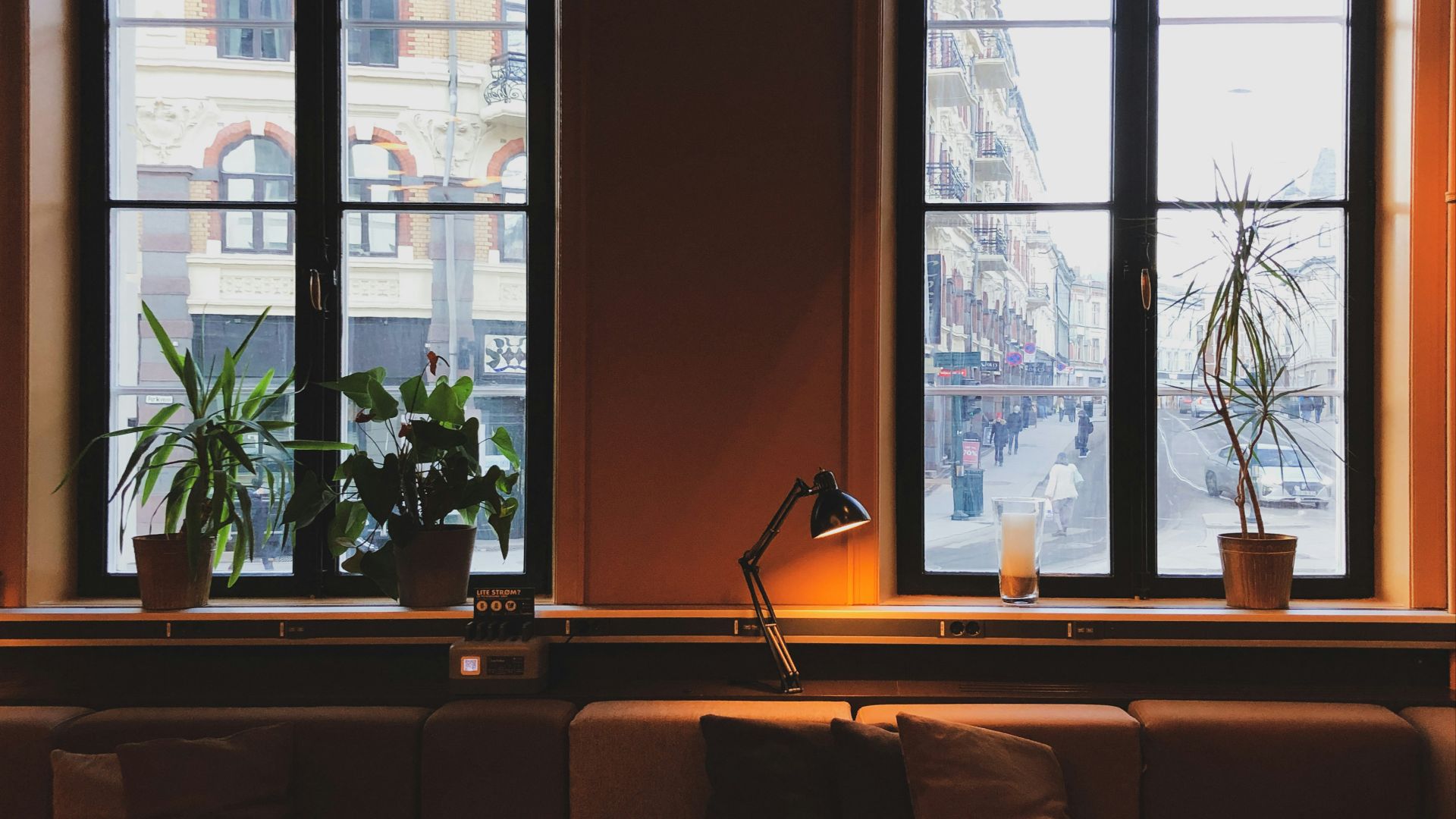
7. Use the Lamps
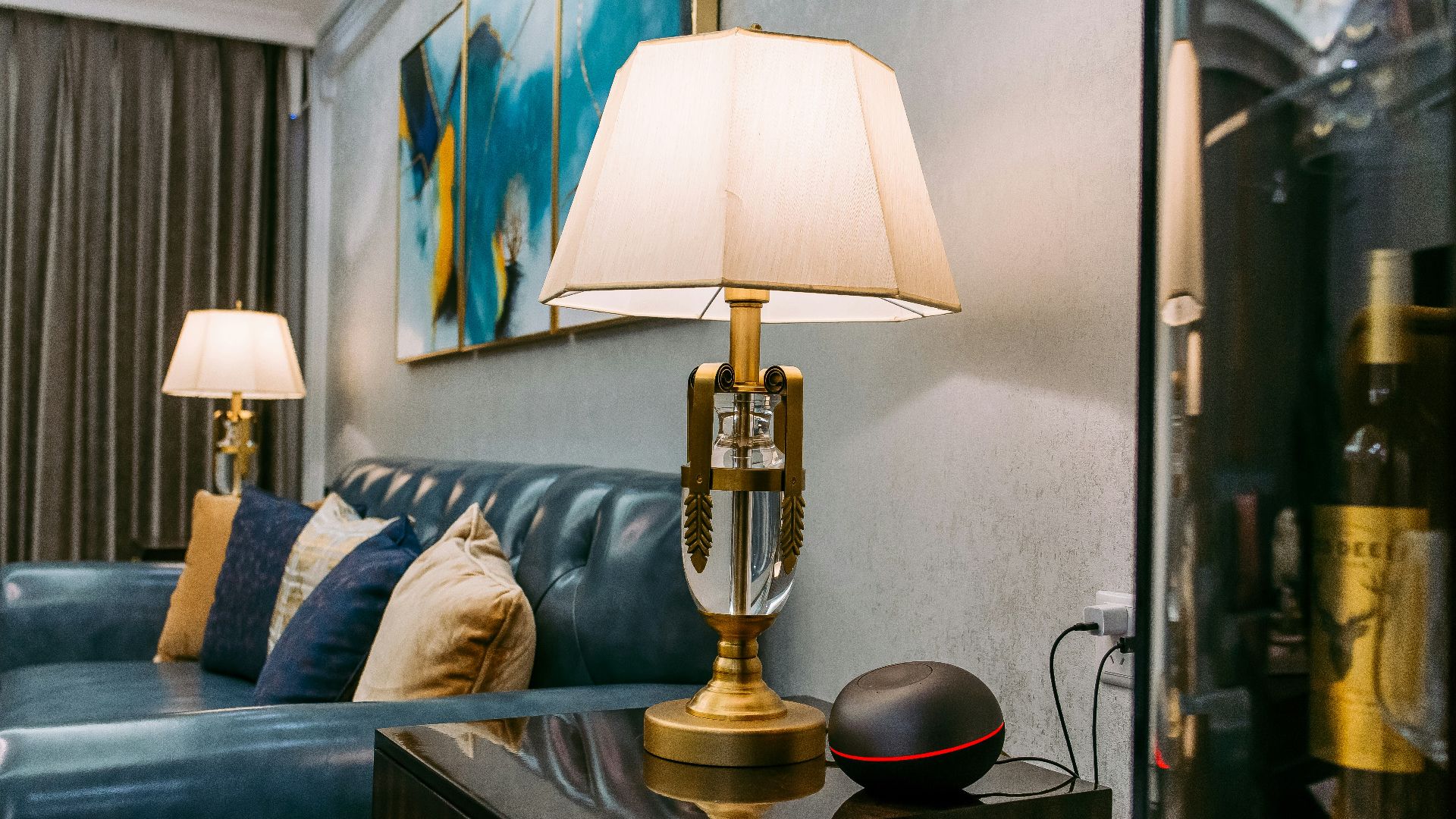
Turn on floor lamps and table lamps instead of relying only on the overhead light. Put one near a reading chair, use another to brighten a dark corner, and let another highlight a wall, bookcase, or piece of art you like. Using lamps this way makes the room feel more comfortable in the evening.
8. Pay Attention to Your Lightbulbs
Bulbs around 2,700 K give off the warm light commonly used in homes. Higher color temperatures look whiter or bluer, so keeping your bulbs in a similar range helps the room’s lighting feel more consistent. It’s a small change, though it affects how your wall color, wood furniture, and fabrics look after dark.

9. Move a Mirror
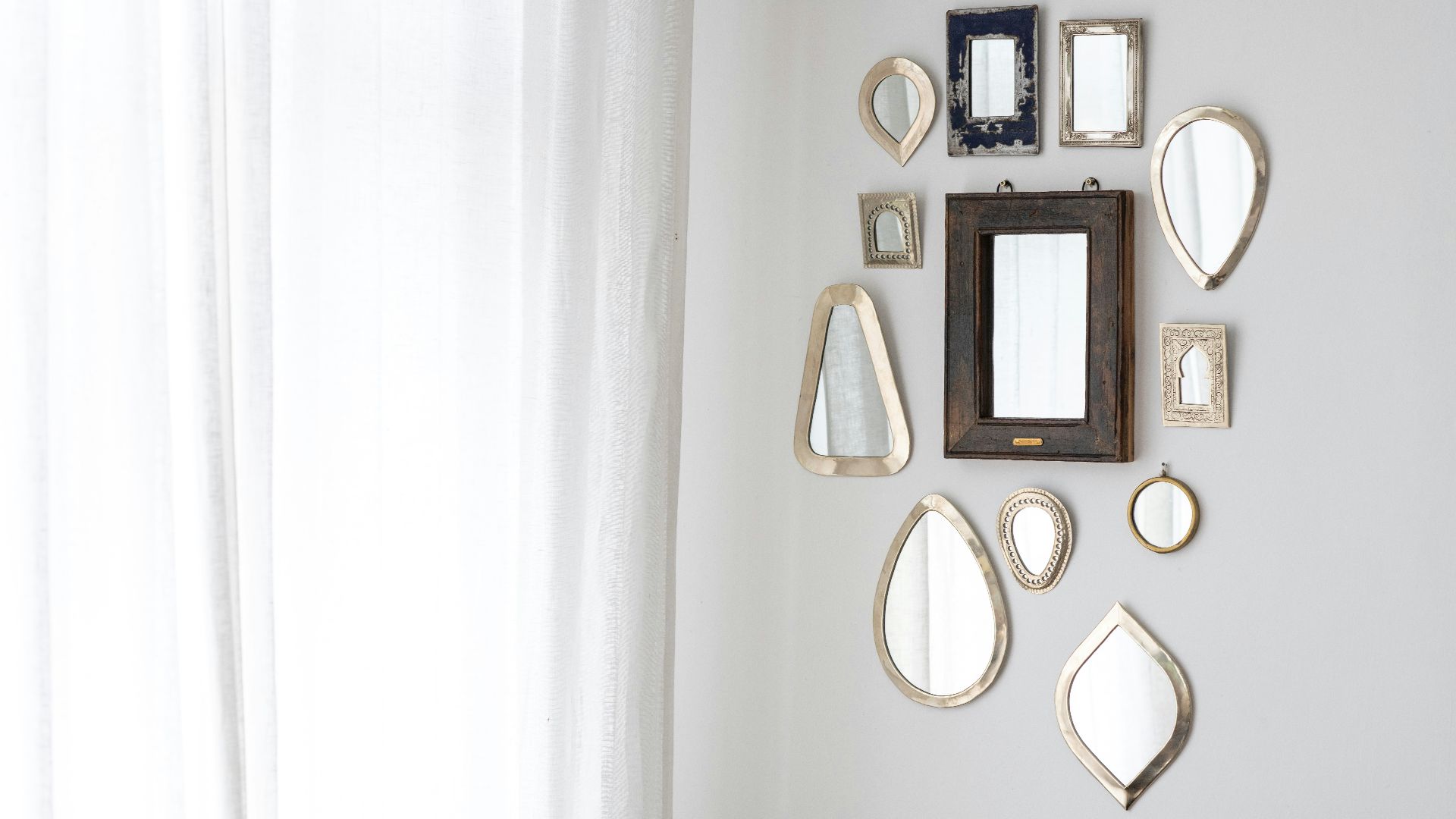
Put a mirror where it reflects daylight, a window view, or another part of the room you enjoy looking at. It does more for the space when it reflects something pleasant instead of a crowded entryway or a pile of everyday clutter. Before you hang it, stand in the spot and check what will show up in the reflection.
10. Rehang Art You Already Own
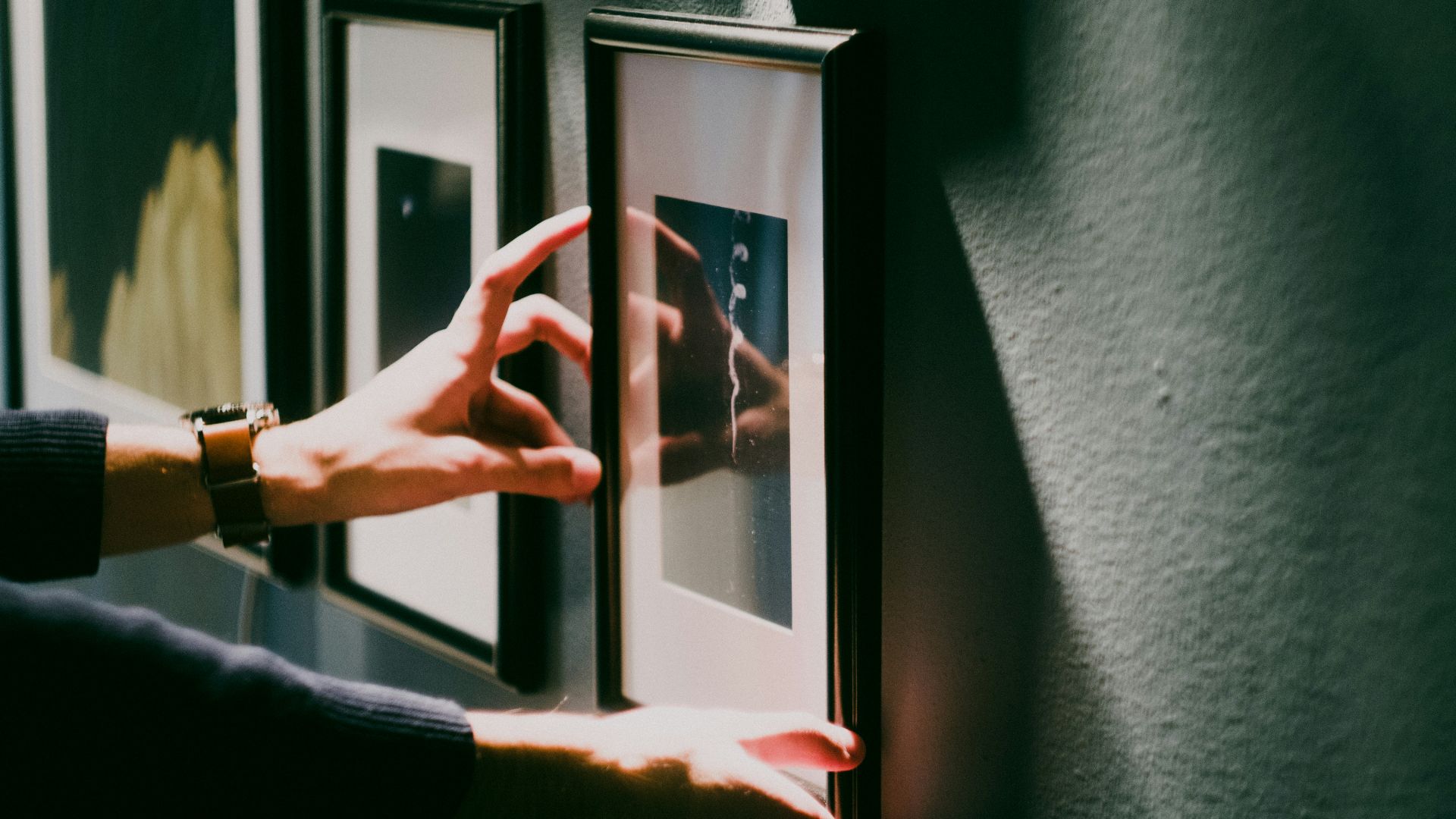
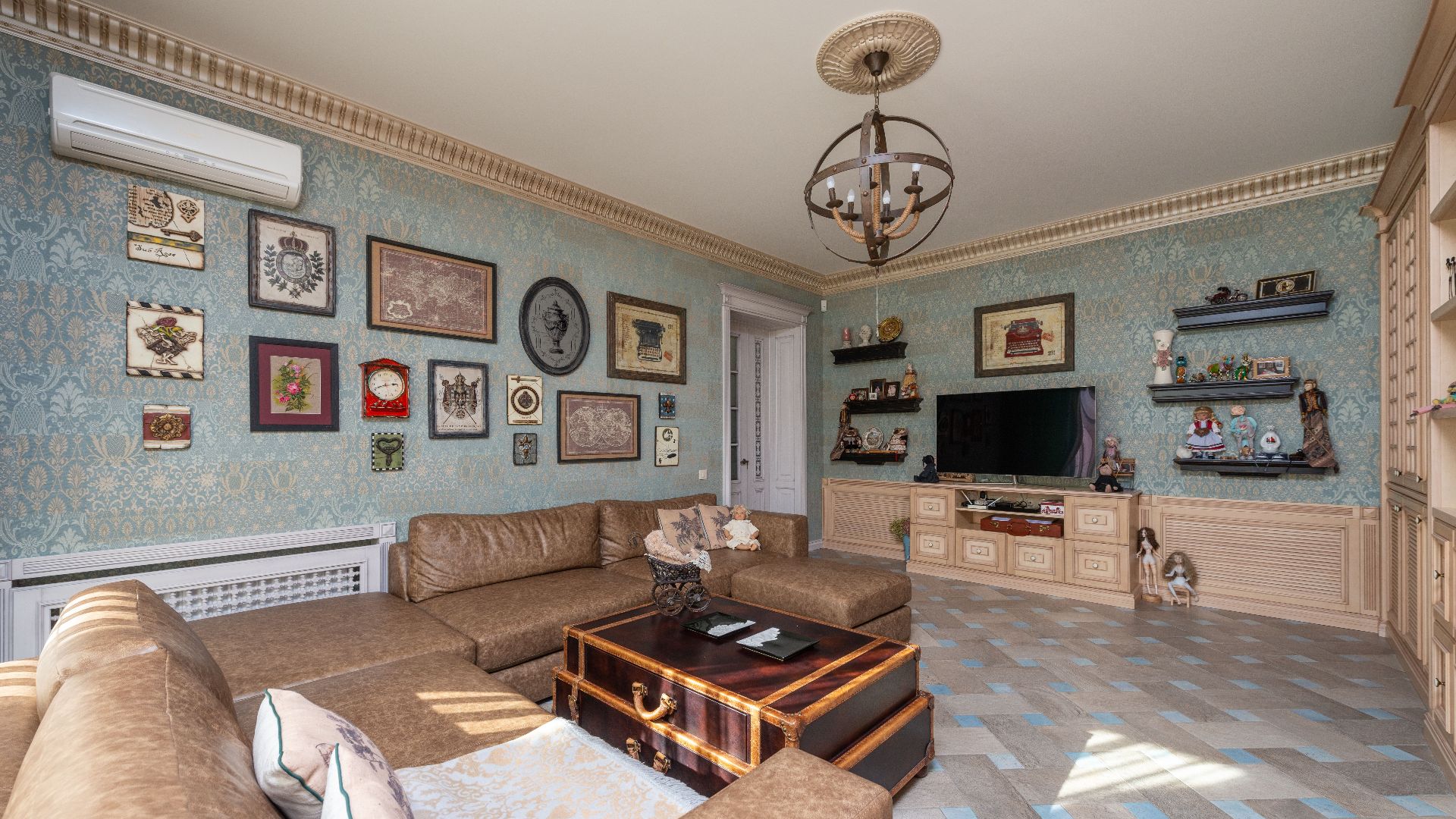
Gather framed photos, prints, postcards, and artwork from around the house, then arrange them on the floor before putting anything on the wall. A new setup can give a plain wall a more personal focal point without costing you anything. Moving art from one room to another also gives familiar pieces a new place to shine.
11. Restyle the Bookshelves
Take everything off the shelves, then put back only the books and objects you want to see every day. Leave some space, vary the heights, and add a few personal pieces without overcrowding the space.

12. Borrow Textiles From Other Rooms
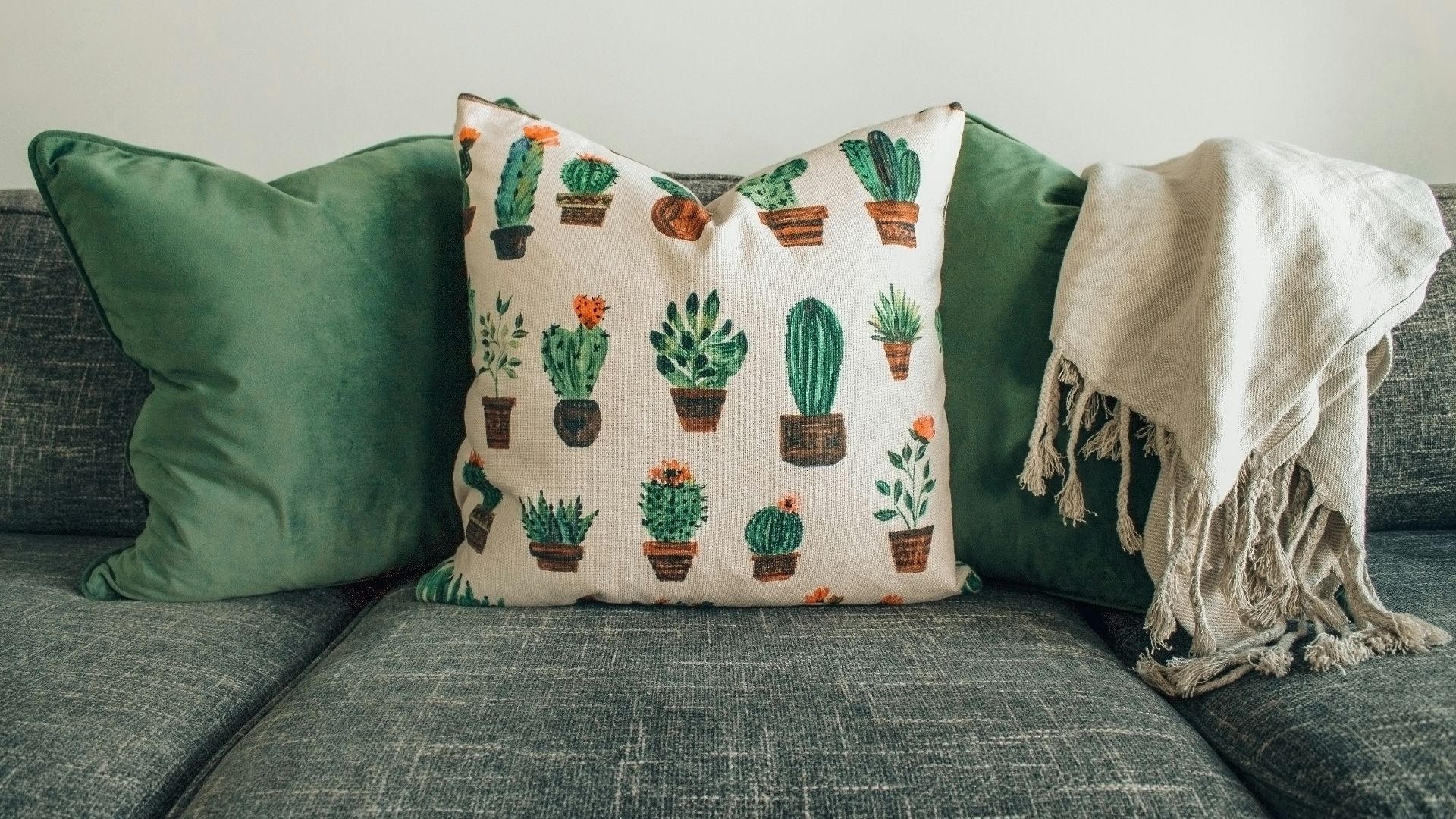
Bring in a throw from the bedroom, pillow covers from the guest room, or a quilt that’s been folded away in a closet. These pieces add color and texture, and even a small swap can change the look of the seating area. Try a few combinations until the room feels more put together.
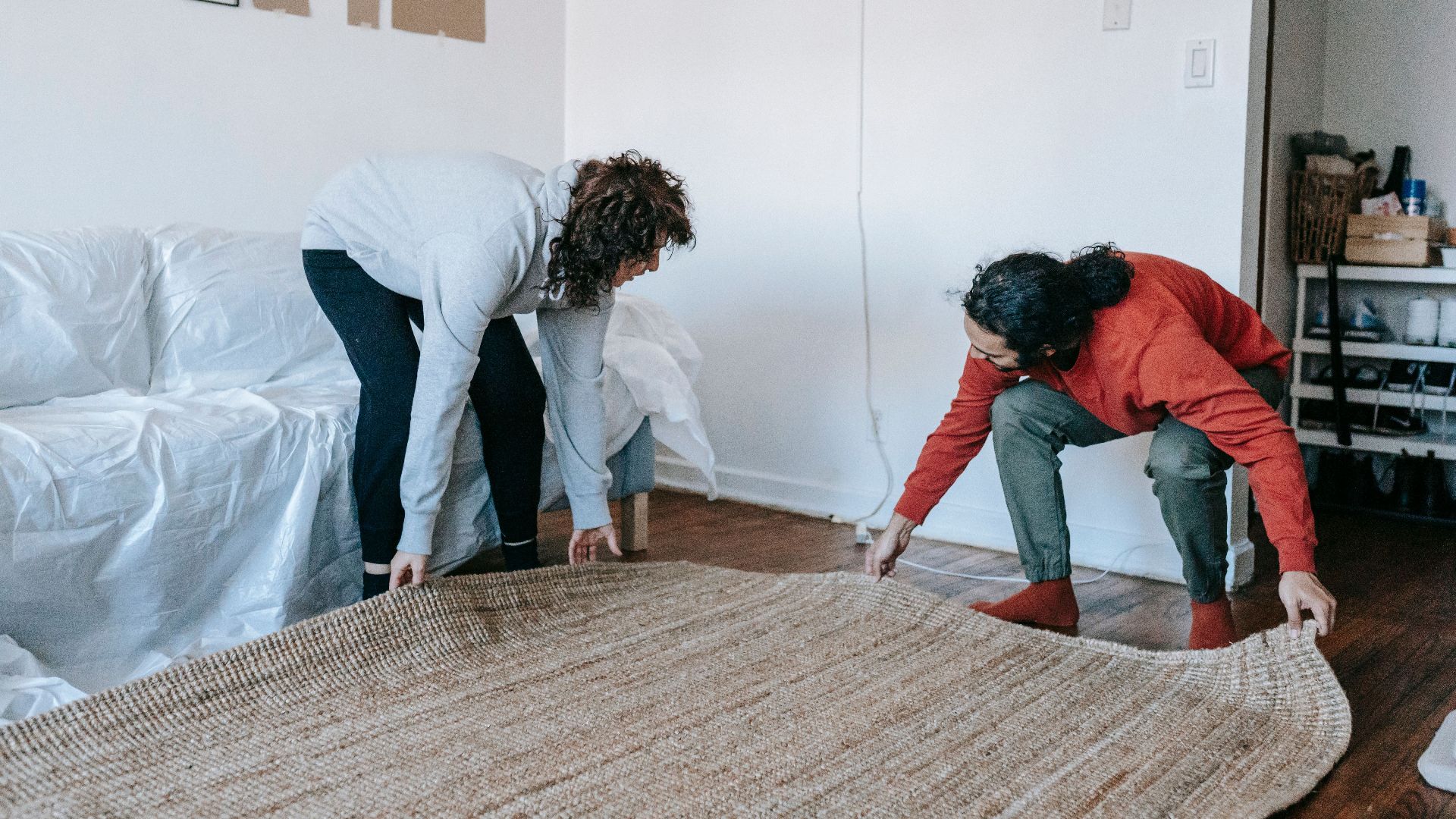
13. Turn the Rug Around
Rotate the rug 90 degrees and see how the room looks. Patterned rugs, striped rugs, and rugs with a noticeable border can feel completely different when they run in a new direction. The change also shifts how the rug works with the sofa, chairs, and coffee table.
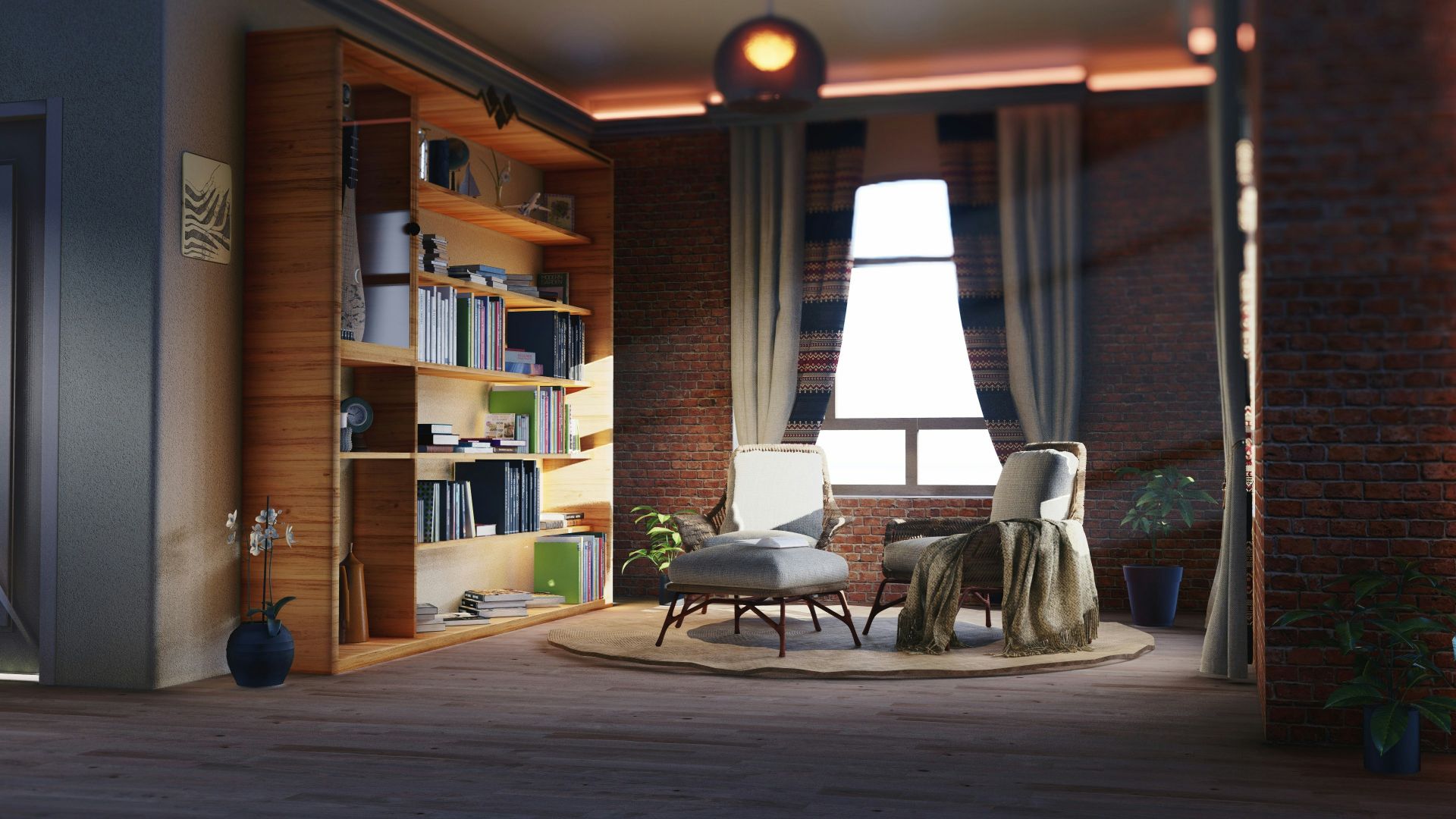
14. Give One Corner a Clear Job
Use a chair, lamp, and side table you already own to create a reading spot, coffee corner, or a place to take a phone call. Giving one part of the room a clear purpose makes the whole space feel more useful and organized. It also keeps the furniture from looking like it’s spread around without a plan.
 Waleed Nasser Al-Mujehli on Unsplash
15. Let the Television Blend In Better
The television doesn’t need to be the first thing you notice when you walk into the room. Add art, books, a plant, or other objects you already own around it, and keep the media area clear of loose cords and clutter.
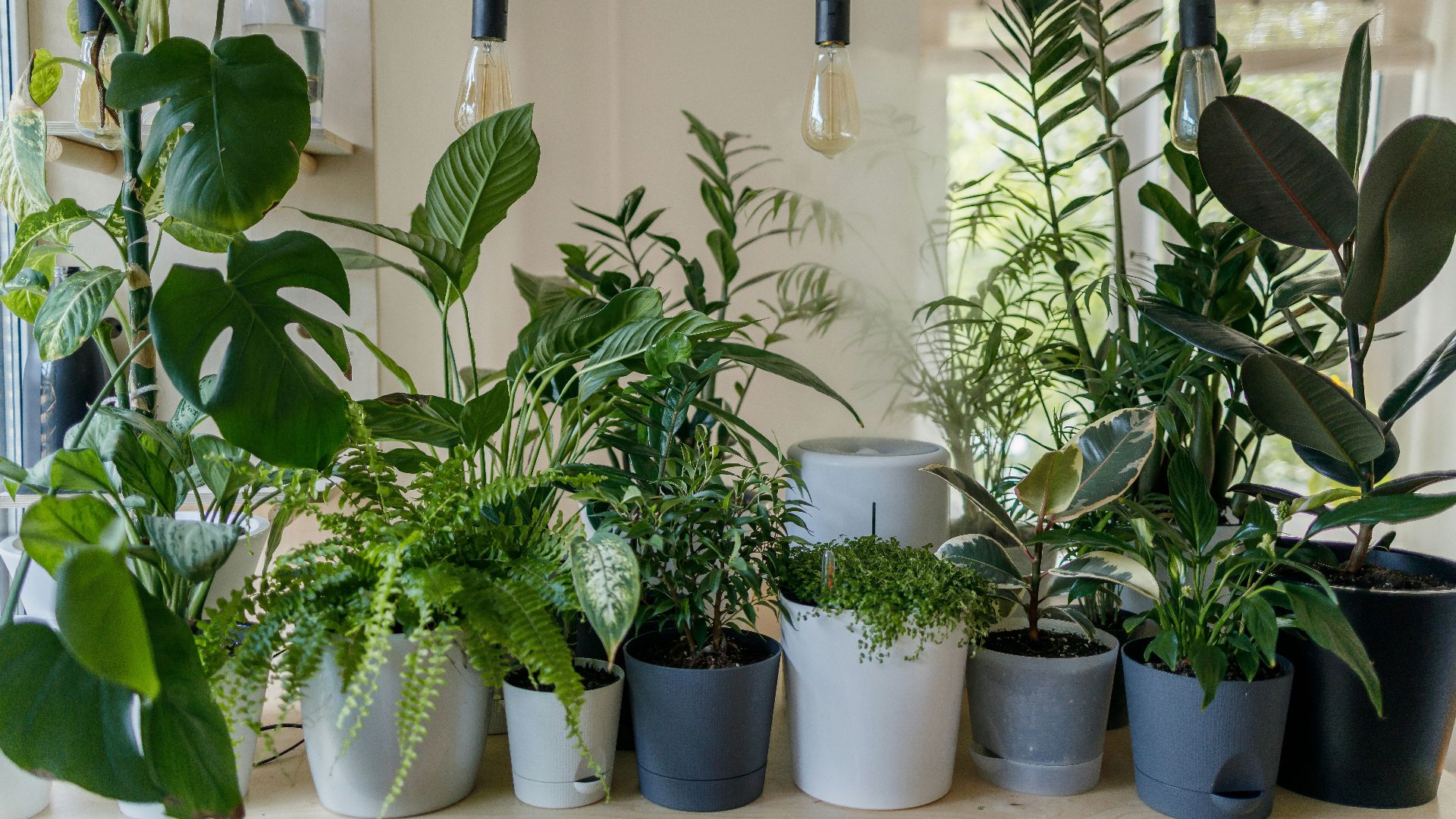
16. Houseplants
A healthy houseplant adds color and softness to a living room. Make sure the plant matches the light in its new spot, since bright-window, low-light, and shade-tolerant plants all need different conditions. The plant should suit the area where you place it, not the other way around.
17. Freshen Up the Curtains
Vacuum or wash the curtains according to their care labels, then rehang them evenly and open them fully during the day. Clean curtains can make the room look neater before you’ve changed anything else. Taking a moment to straighten the panels also helps the windows look more finished.

18. Paint A Wall
A fresh wall color, painted trim, or a simple accent area behind a bookcase can change the room’s energy without replacing furniture. A smaller paint project can still give the room a clear update.

19. Take Care of the Little Repairs
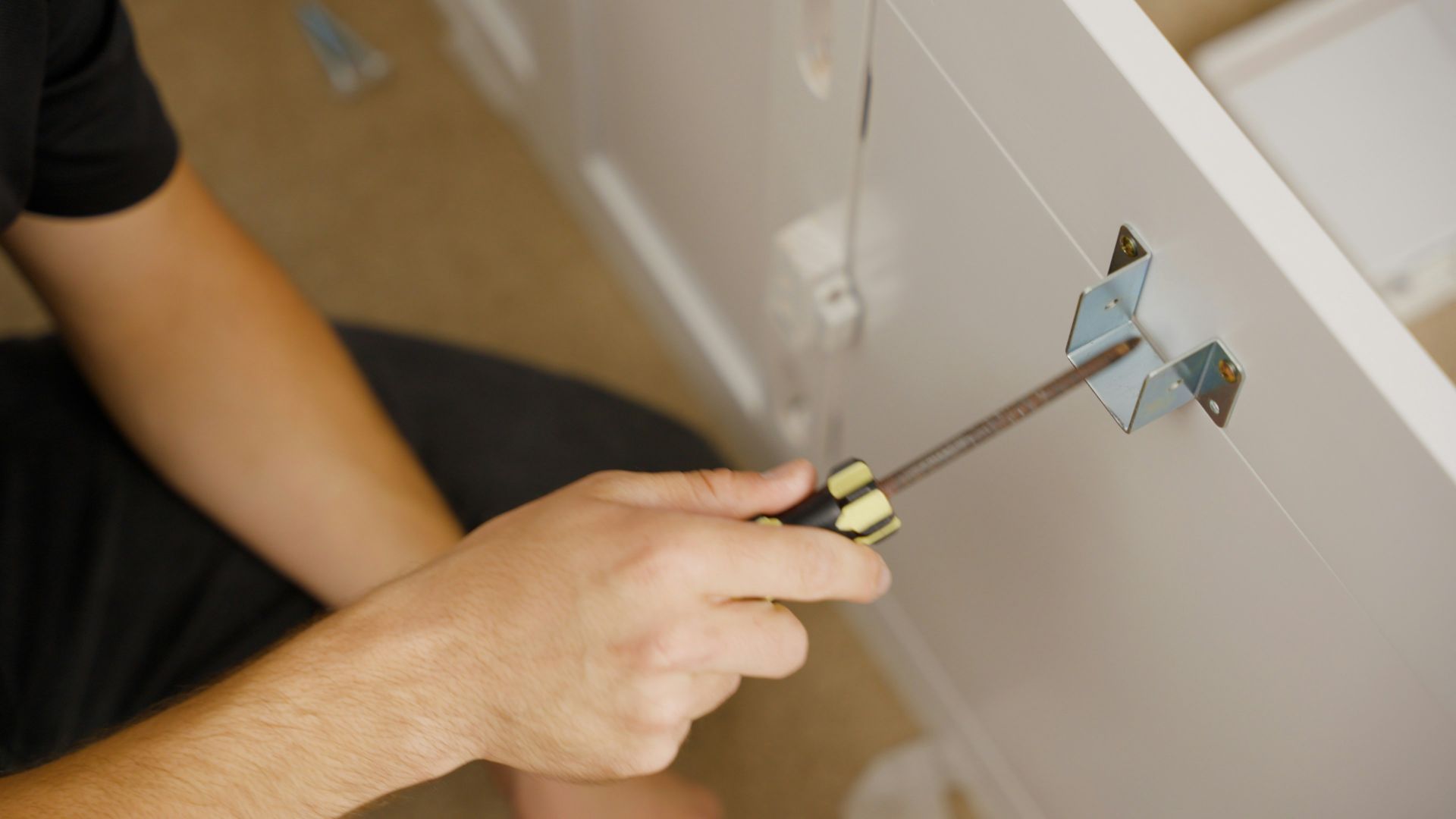
Tighten loose hardware, sew a dropped hem, straighten a leaning lamp, and fix the chair leg that wobbles. These small fixes make furniture feel cared for instead of worn out. Once you’ve handled those loose ends, the room looks more settled without adding anything new.
20. Rotate Your Decor Every Few Months
Set aside a box for decor that isn’t currently on display, then bring out different pieces every few months. A favorite vase, framed photo, throw, or tabletop item feels fresh again after it’s been out of sight for a while. This keeps the room from looking the same all year round, and lets you enjoy more of what you already own.