
Staying Busy Without Getting Much Done
Working 8 hours every single weekday can really start weighing down on you, and if you don't have anything urgent, we don't blame you if you feel like slacking off a little bit. The truth is, most offices have at least a few people who’ve mastered the art of looking productive without actually accomplishing very much. They know how to appear focused, move around with purpose, and keep the right windows open whenever someone walks past. If you want to follow in their footsteps, here are 20 ways people often fake working.
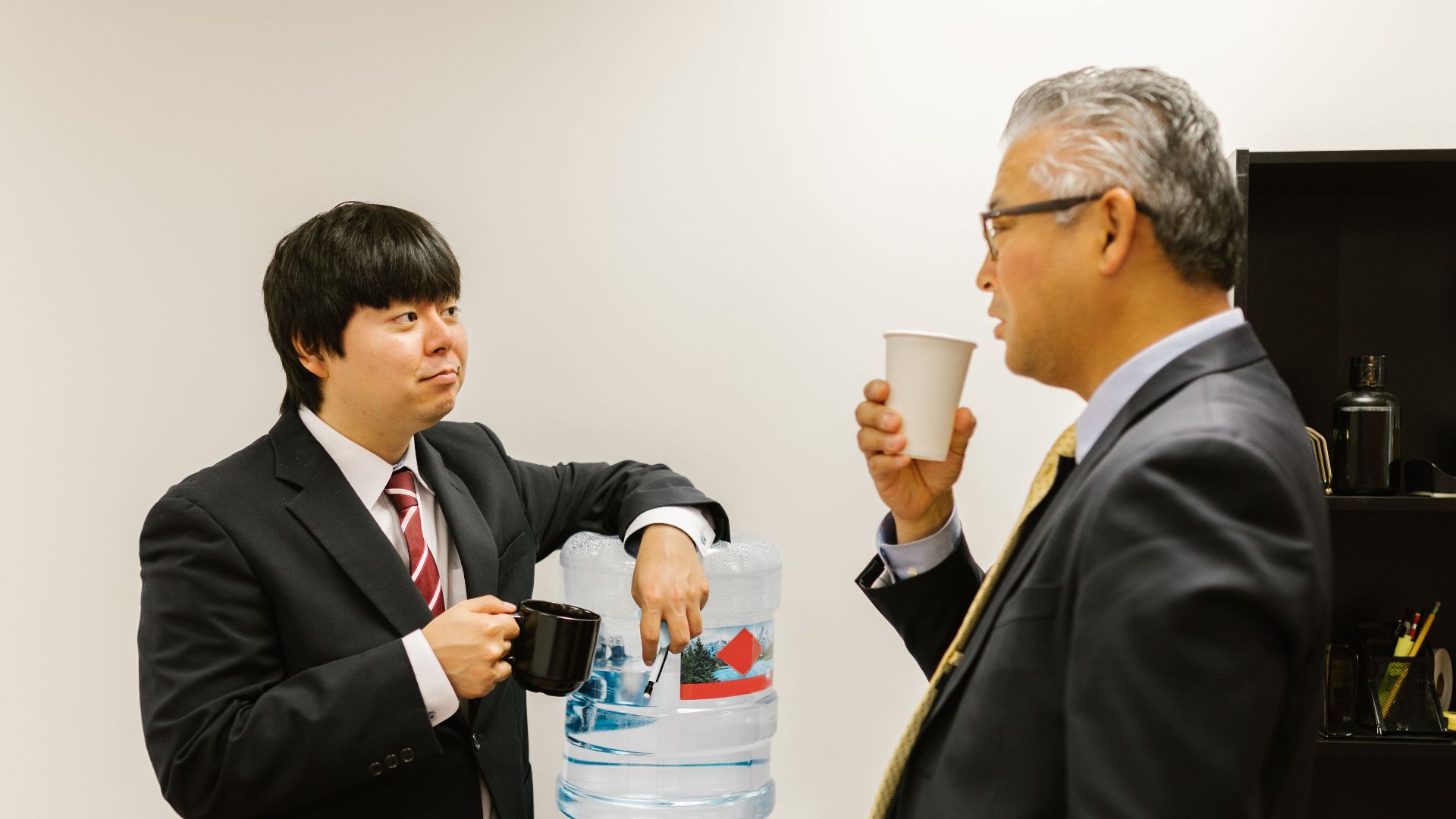
1. Typing Randomly When Someone Walks By
You could have absolutely nothing on your screen, but you'll still start to type the moment you see someone, particularly your manager, approaching you. It's a simple way to look busy in the moment, and it's easy to stop once that person leaves the room again.

2. Carrying Papers Around The Office
There's no simpler way to look busy and official than carrying a stack of papers or folders around the office. You instantly look occupied! You might walk around aimlessly just for fun, but the papers provide just enough visual evidence that no one will question what you're doing.

3. Keeping A Spreadsheet Open All Day
A complicated spreadsheet can make almost anyone appear productive from a distance. To make it look like they're hard at work, some employees leave one open even when they haven’t updated it for hours. A few colorful cells and complex formulas are enough to discourage curious coworkers from asking questions.
4. Scheduling Unnecessary Meetings
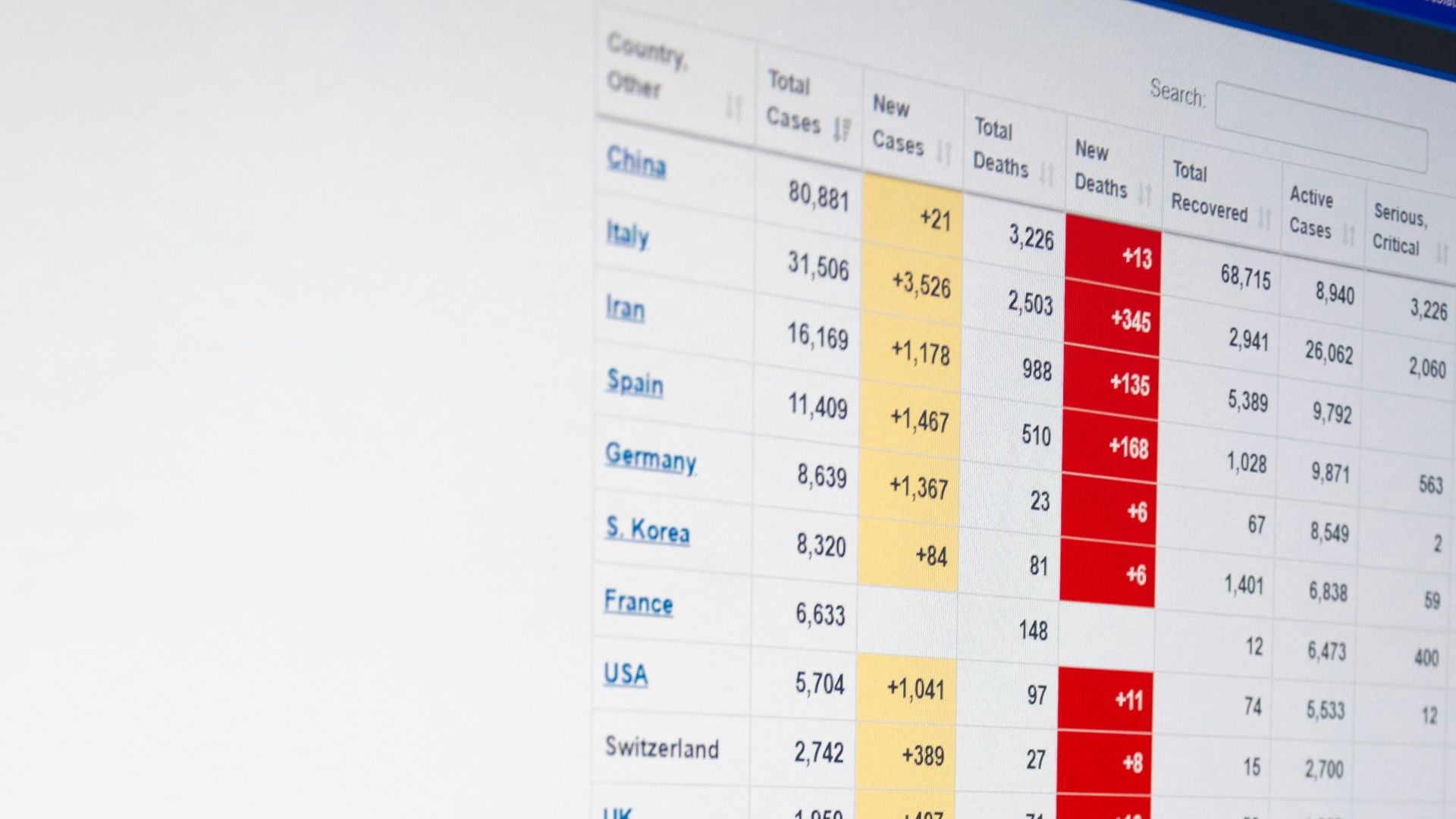
Let's be honest. A lot of work meetings just feel so unnecessary and definitely could've just been an email. But if you're someone looking to procrastinate working for just a little longer, there's no better move than to schedule a meeting that takes up time and fills the hour with absolutely pointless talk.

5. Sending Emails To Confirm Simple Details
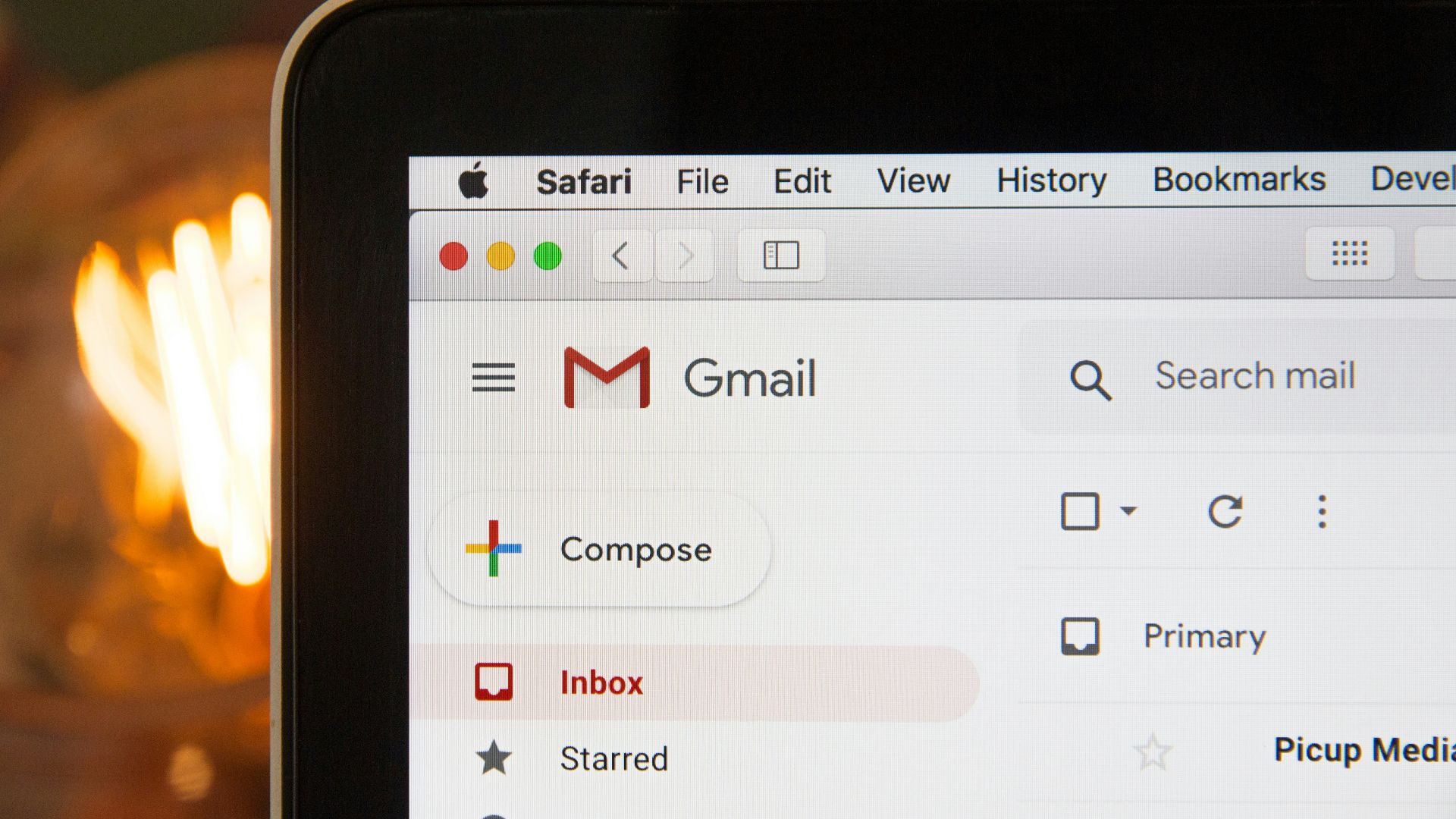
Some workers send long email chains about information that could’ve been confirmed in seconds. The next time you see that, just know they're likely trying to slack off and don't actually care! They may ask several follow-up questions, copy extra people, and repeat details that everyone already understands.
 Stephen Phillips - Hostreviews.co.uk on Unsplash
6. Taking Notes During Every Conversation
Writing down a few words during casual discussions can make someone appear attentive and organized. The likelihood of those notes getting reviewed again might be close to zero, in fact, the page might be filled with doodles and illegible scrawls, but hey, at least it makes you look busy.

7. Switching Tabs Quickly
Ah, the simple art of switching tabs. People who aren’t working often become very skilled at changing computer tabs in a heartbeat. What you'll find actually hiding in another page is likely social media, shopping sites, or personal inboxes that disappear the moment footsteps get closer.

8. Asking Questions They Already Know The Answer To
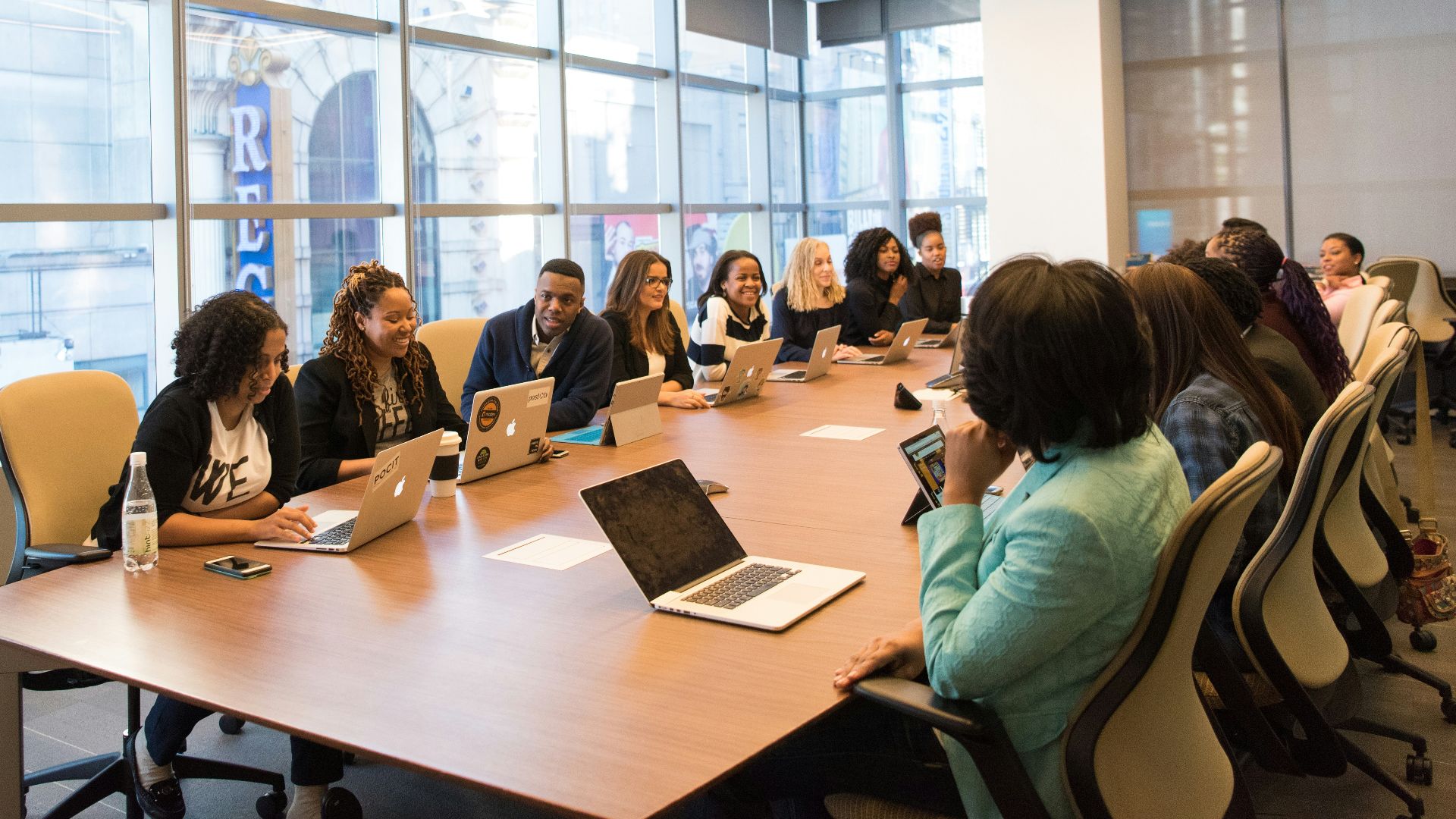
Asking obvious questions just to look like you're involved and paying attention is a common way workers like to pretend that they're working. This makes them appear careful, curious, and committed to the job, but in reality, they're likely daydreaming about something else entirely. After all, they already know the answers!
 Christina @ wocintechchat.com M on Unsplash
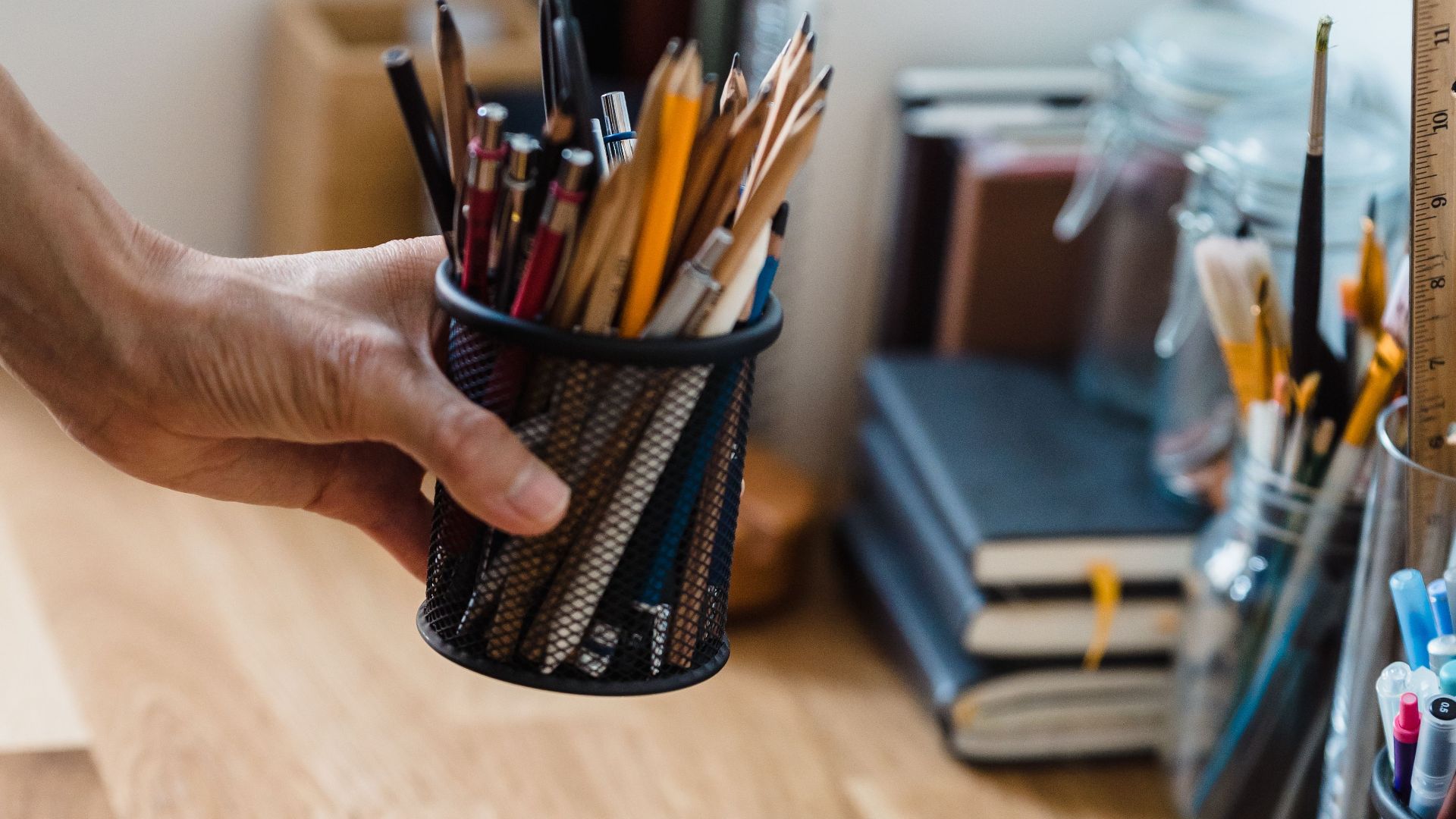
9. Organizing Their Desk Repeatedly
No one would complain about you trying to clear the clutter on your desk, especially if you claim that it's messing with your productivity. And if you're lucky, you might be able to turn it into an all-day project where you're trying to "reset" your workspace. The activity looks responsible while allowing more demanding tasks to remain untouched.
10. Walking Quickly Everywhere
When you walk with a fast pace that signals intention, it creates the impression that you're busy and about to handle an urgent matter. Maybe you're just hurrying to the kitchen, printer, or restroom, but hey, nobody's going to stop you to ask what the emergency actually is.
 Carrie Allen www.carrieallen.com on Unsplash
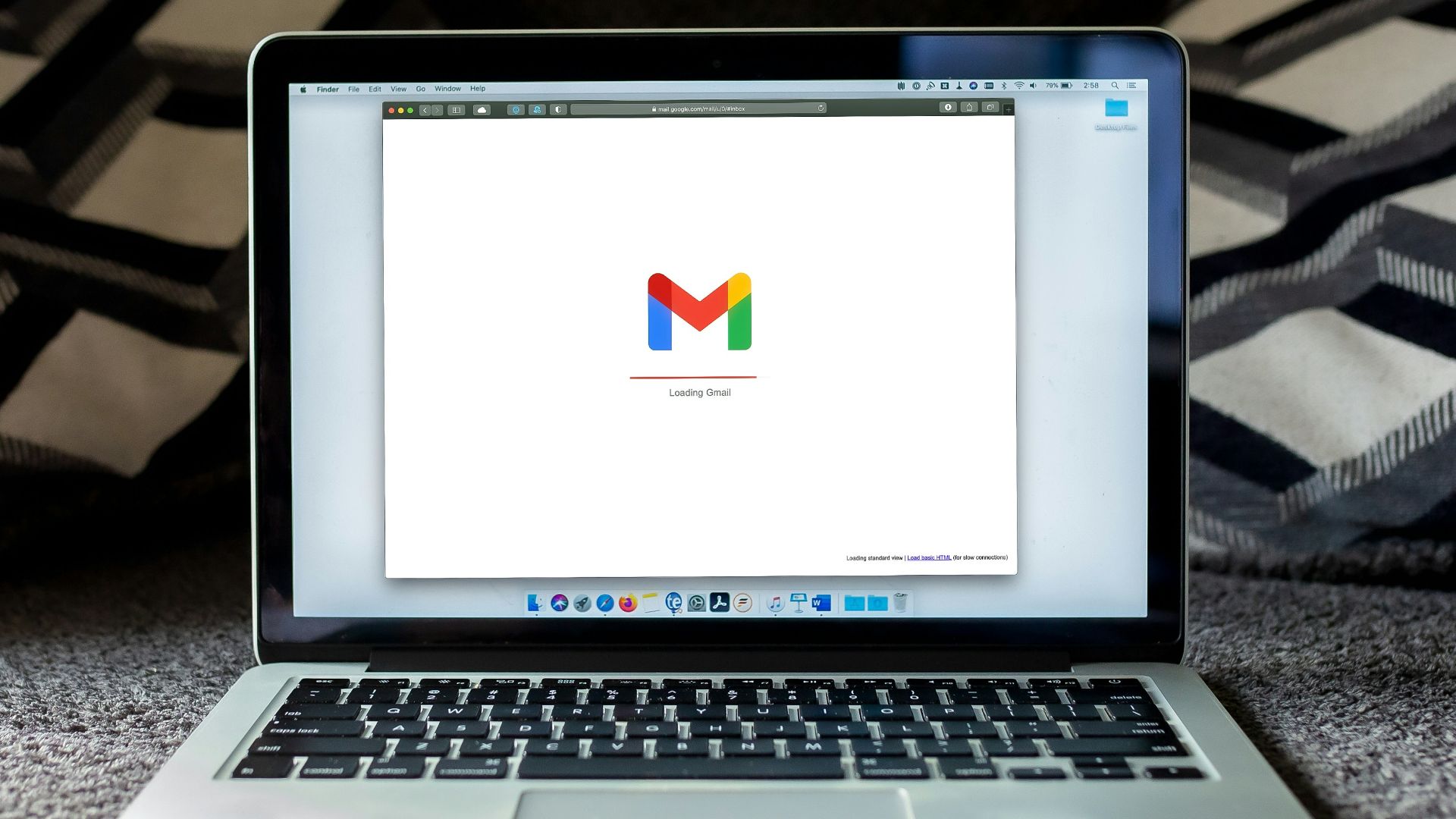
11. Refreshing Their Email Constantly
Checking an inbox can feel (and more importantly, look) productive because there’s always a chance that a new task has arrived. Besides, no one can critique you for paying attention to messages! This habit keeps you occupied while providing a convenient excuse for delayed progress.
12. Staring At The Screen Thoughtfully
When no one around you can see your actual screen, keeping a serious facial expression can make it look like you're in deep concentration. No one's going to want to disturb your line of "very serious" thought, which gives you at least a couple of minutes to think about something else entirely, like dinner or weekend plans.

13. Volunteering For Small Tasks
Instead of handling big, tedious jobs, taking responsibility for small and easy tasks is an easy way to do your "work" without actually "working." Maybe it's refilling supplies, distributing handouts, or updating a basic list, but whatever it is, it'll feel more like a break than an actual responsibility.
 Centre for Ageing Better on Unsplash
14. Complaining About Being Busy
Sometimes, the easiest way to pretend that you're working is to simply complain about it as if you're actually busy. Frequent comments about deadlines, emails, and packed schedules can create the impression you're working hard! The more you talk about being overwhelmed, the less likely others are to give you another assignment.
 Christina @ wocintechchat.com M on Unsplash
15. Revising The Same Document Repeatedly
If you really try, a simple document can take hours of your time if you repeatedly edit it for mistakes. Fonts, spacing, headings, and minor wording choices can all come into play if you're looking to delay submitting it. The file is technically being improved, but the actual content may remain almost unchanged.

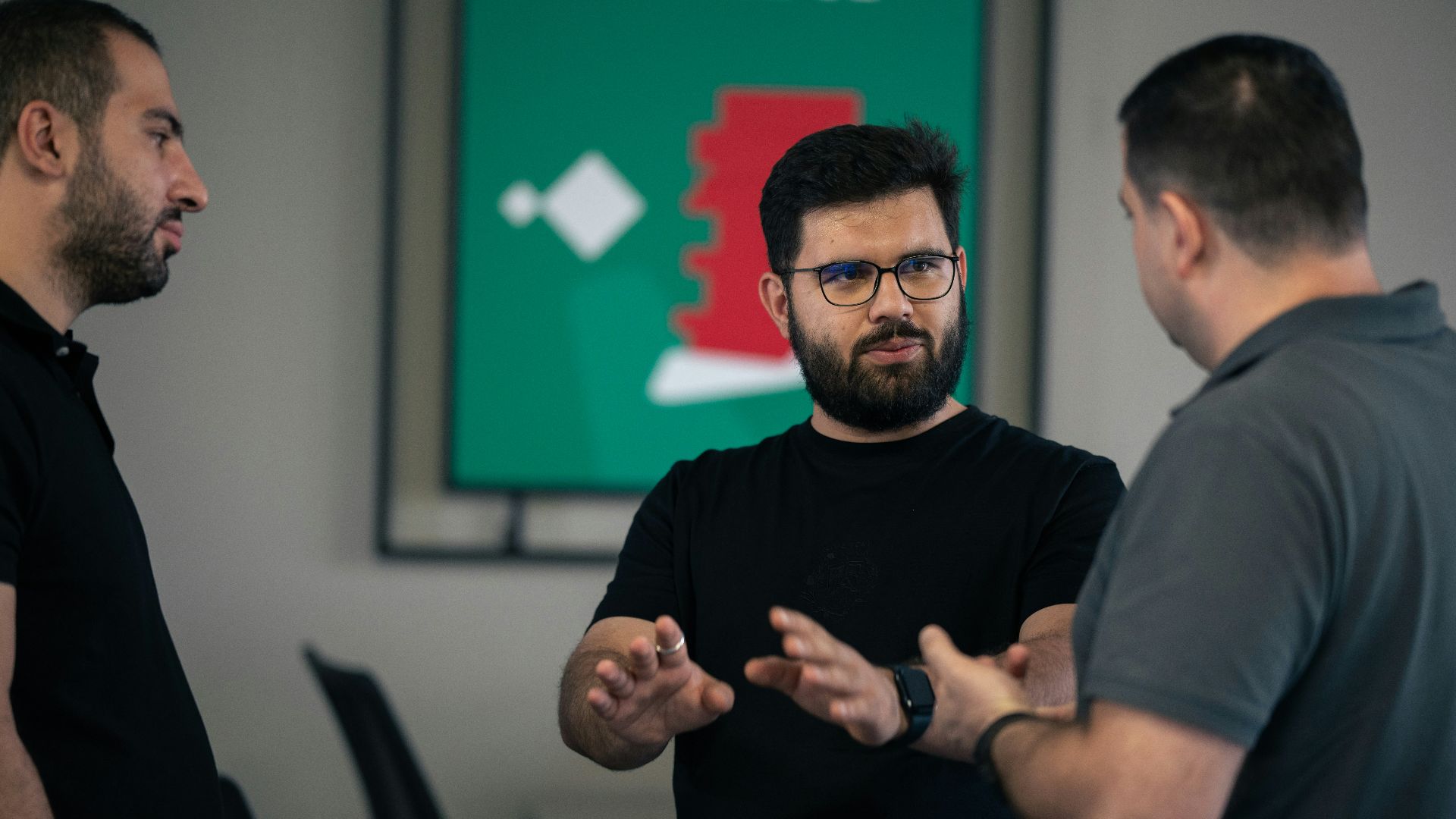
16. Visiting Coworkers For “Quick Questions”
Stopping by another desk, perhaps a work friend, can appear work-related when the conversation begins with a business question. But within minutes, the discussion may shift to television, weekend plans, or office gossip without anyone else paying attention.
 Mushvig Niftaliyev on Unsplash
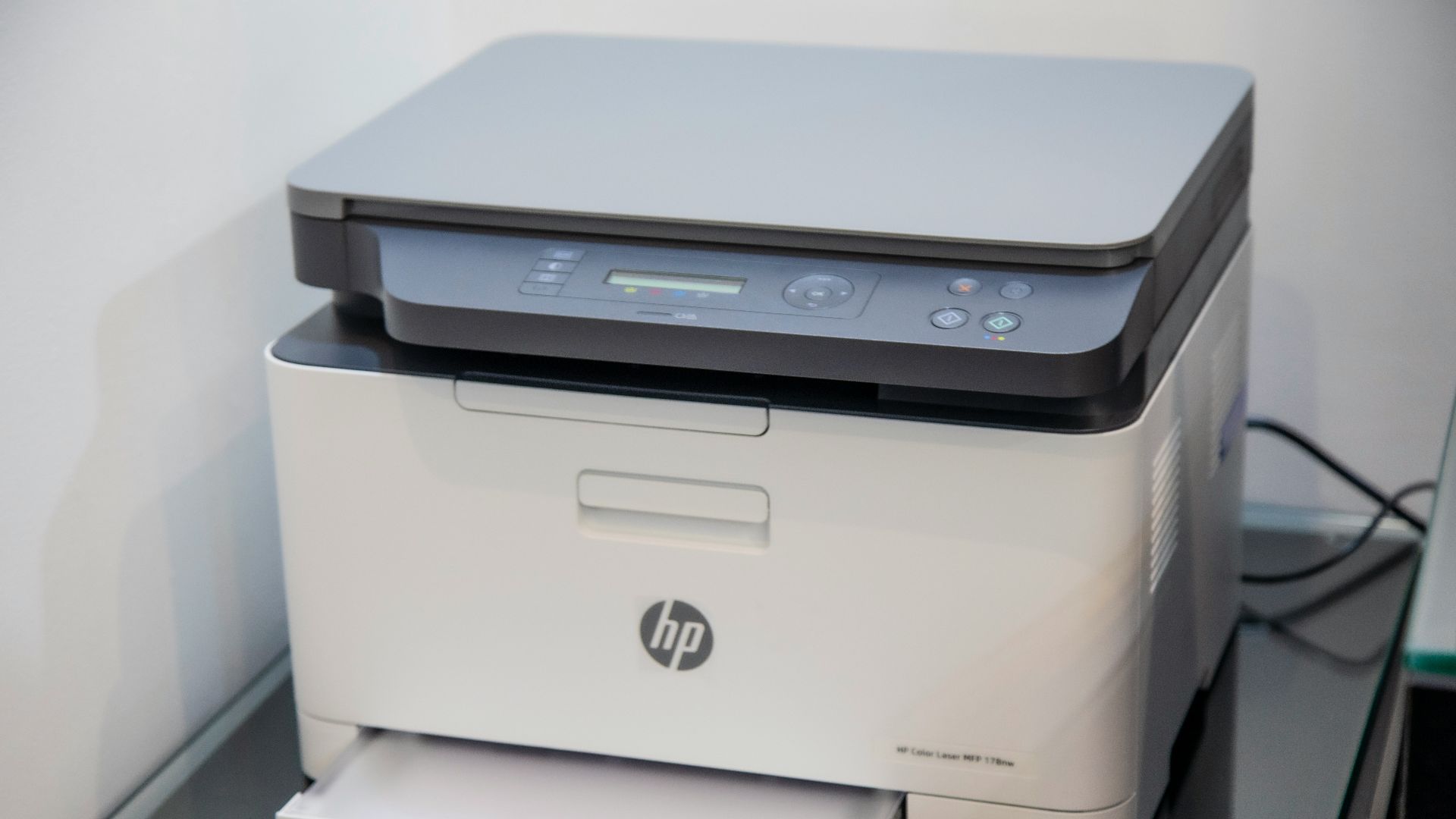
17. Printing Documents They Don’t Need
Using the office printer gives you a place to take a break while creating enough noise, movement, and visible sign of activity. Some workers print documents that could easily remain digital, then spend time collecting and sorting them just as an excuse to do something.
18. Updating Their To-Do List
No boss wants you to jump head into a work assignment without first creating a good plan, which is why putting effort into said plan can be treated as a task no one would judge you for. You're technically "working," you just haven't started the actual task yet.
 Volodymyr Hryshchenko on Unsplash
19. Joining Every Group Conversation
Office discussions can provide an easy break from individual responsibilities. A person might be contributing opinions to conversations that have little connection to their role, but staying involved helps you appear engaged while keeping you away from their own workload.
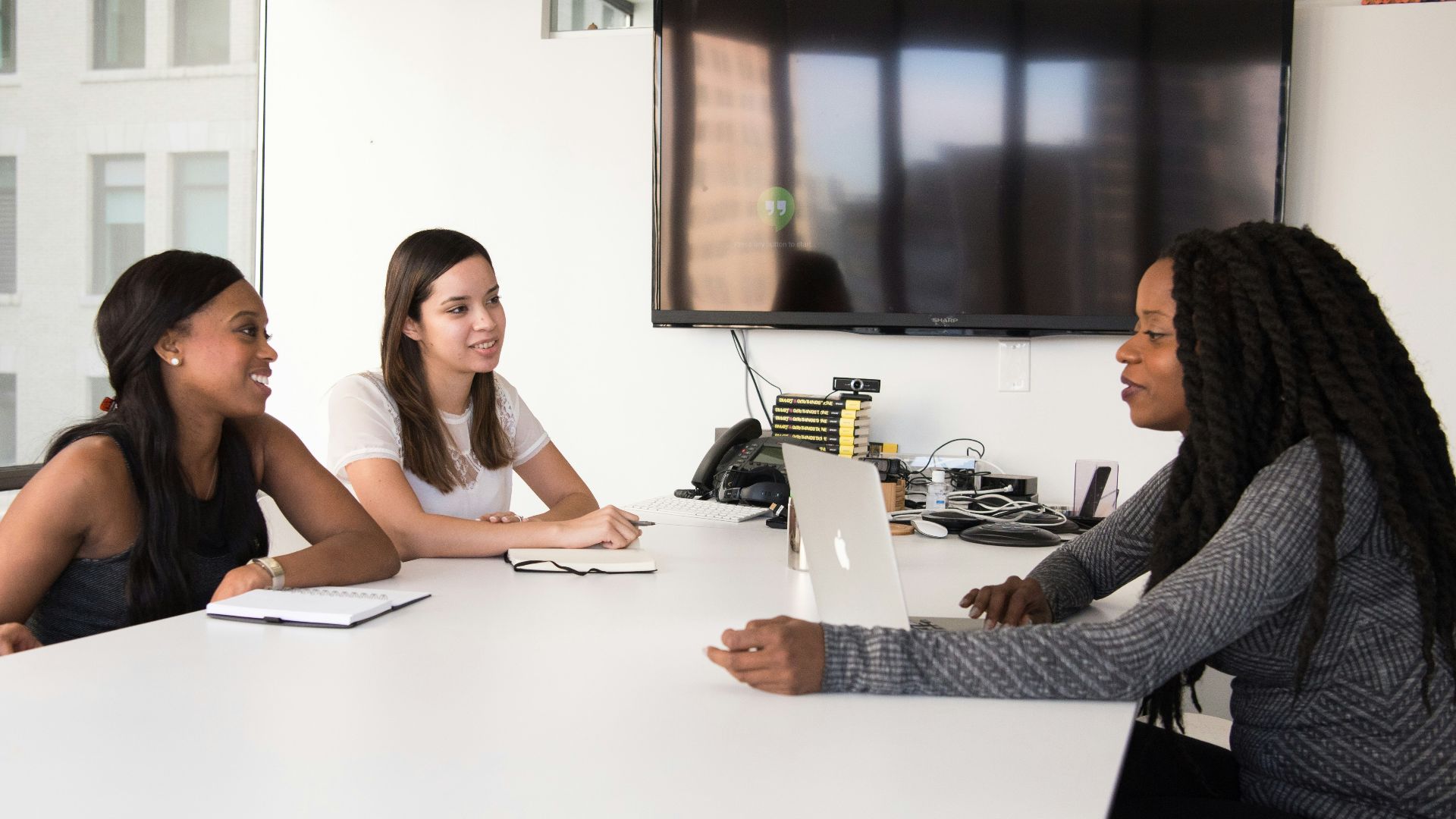 Christina @ wocintechchat.com M on Unsplash
20. Waiting Until The End Of The Day To Start
Some employees manage to remain casually busy for hours before suddenly becoming productive late in the afternoon. It's at this point that they might finally open important files or send messages, but it's this final burst of activity that makes the day look productive, even though most of the real work was postponed.