Small Fixes, Everyday Comforts, and a Room That Finally Works For You
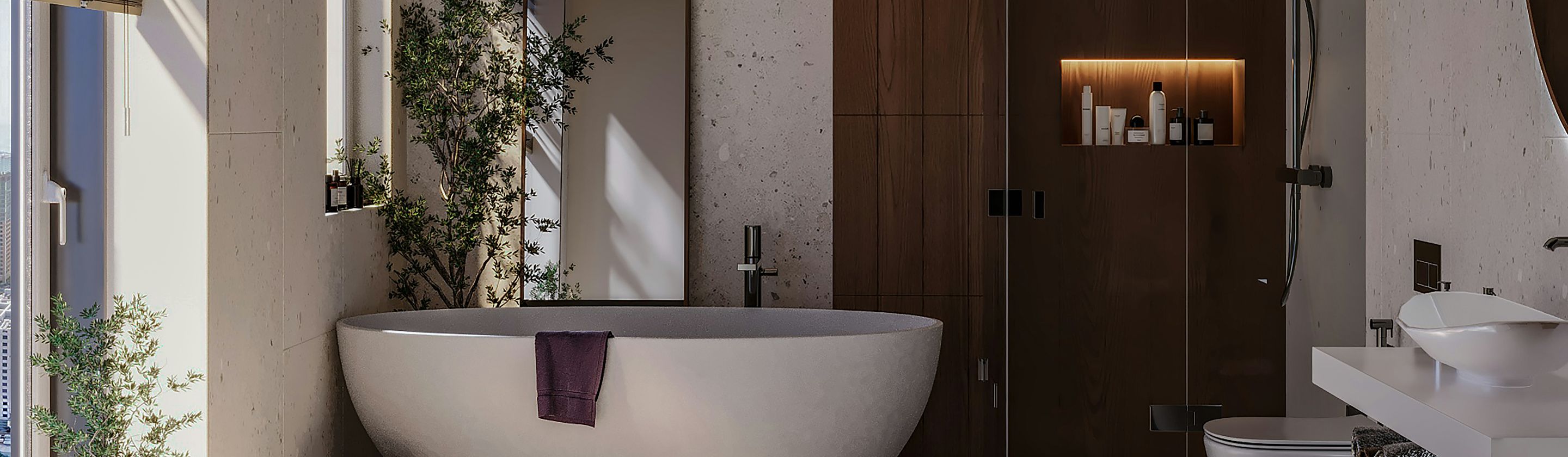
Think about how much living actually happens in your bathroom. It's where you shake off sleep at 6 a.m., where you patch yourself back together before a big meeting, where you stand under hot water at the end of a day that kicks your teeth in. And yet it's often the most neglected room in the house — the one that gets a new coat of paint and calls it a day. Sure, gorgeous tile is nice, but it's not what makes a bathroom work. The upgrades that actually change your daily life are less obvious. Done right, these changes will make even the worst of days feel a tiny bit better. You don't need to gut the place to feel the difference. A handful of smart, well-placed updates can transform the room from something you tolerate into something you actually enjoy. Here are 20 ways to get there.
1. Fix The Ventilation
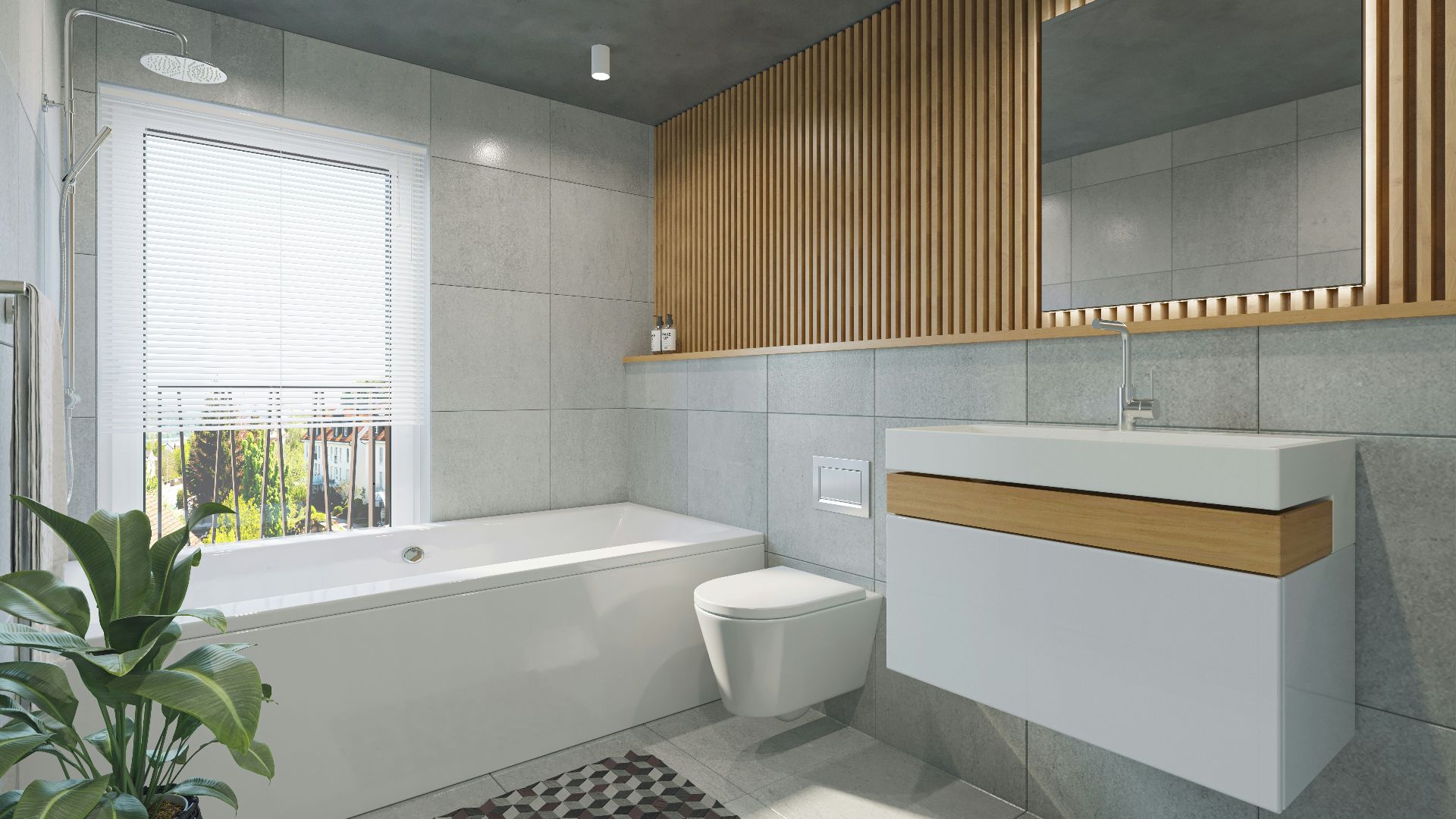
Before you fall in love with tile samples, deal with the unglamorous stuff: your fan. It should be pushing humid air all the way outside, not into your attic. Getting that moisture out is one of the best defenses against mold and other types of damage.
2. Deal With Leaks
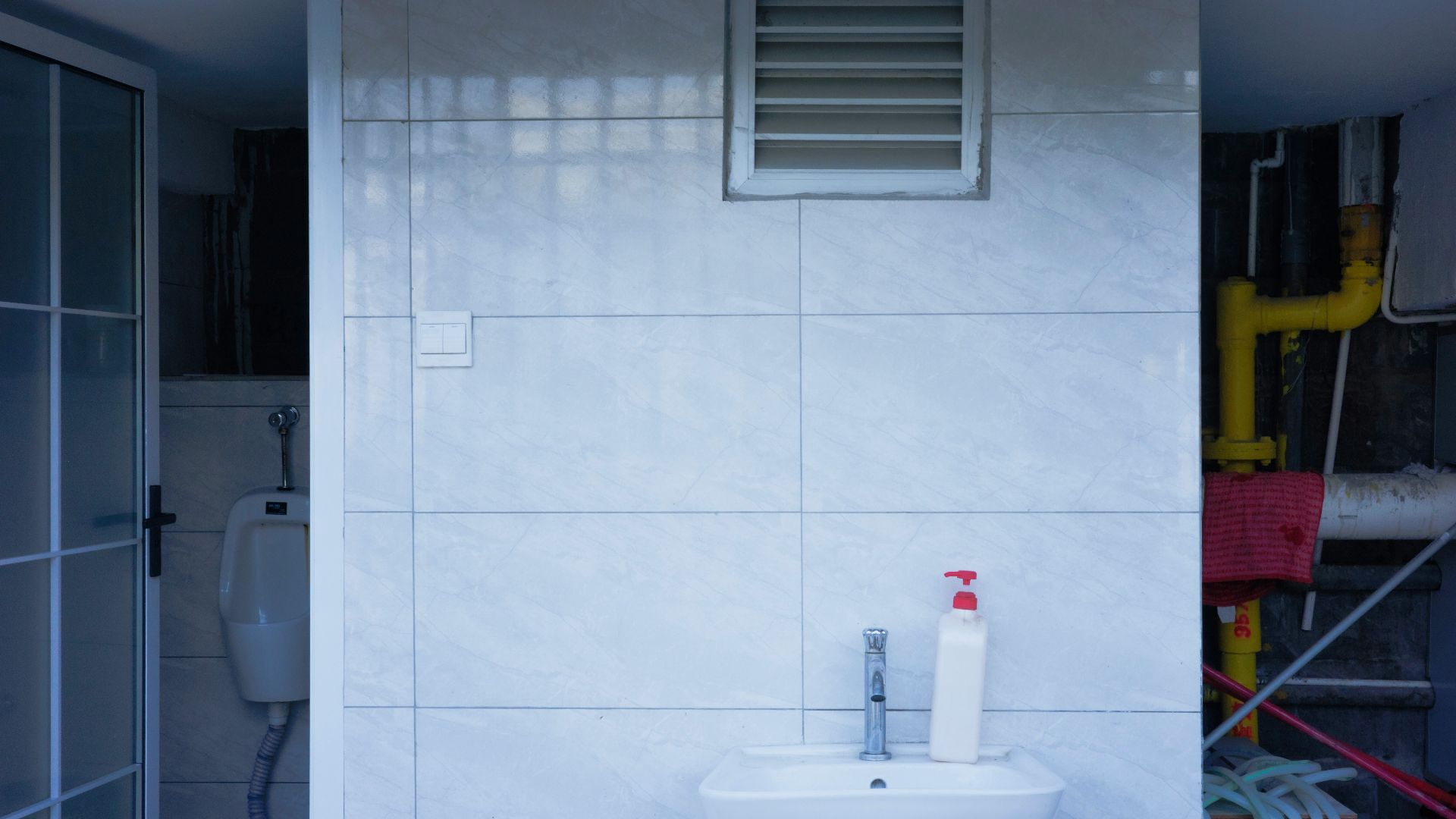
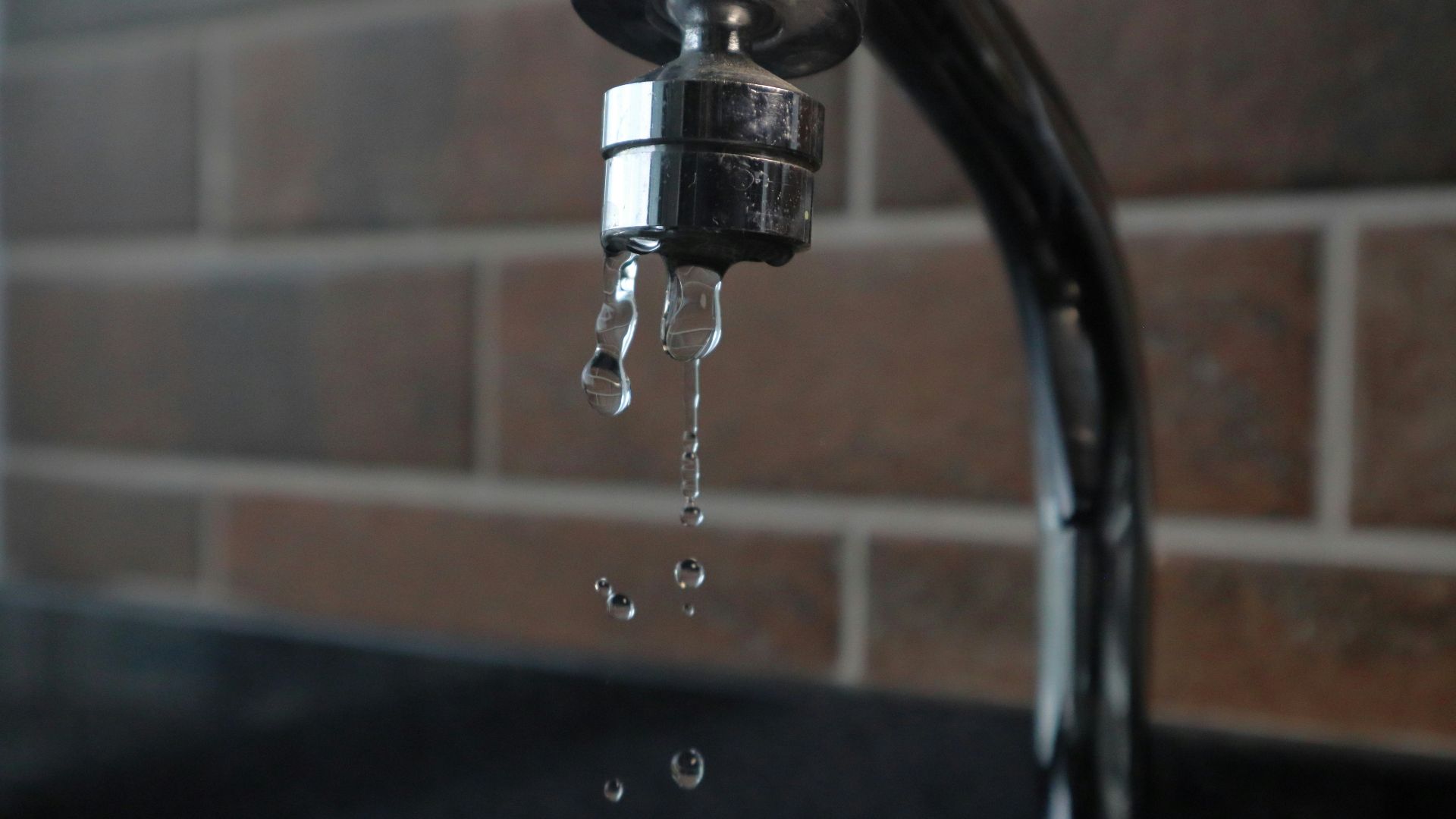
Before anything gets covered up, give the faucet, showerhead, toilet, and supply lines an honest inspection. A faucet that drips through the night or a toilet flapper that's seen better days can waste you money. Worse, a hidden leak can rot flooring or stain the ceiling below without you even noticing.
 João Paulo Carnevalli de Oliveira on Unsplash
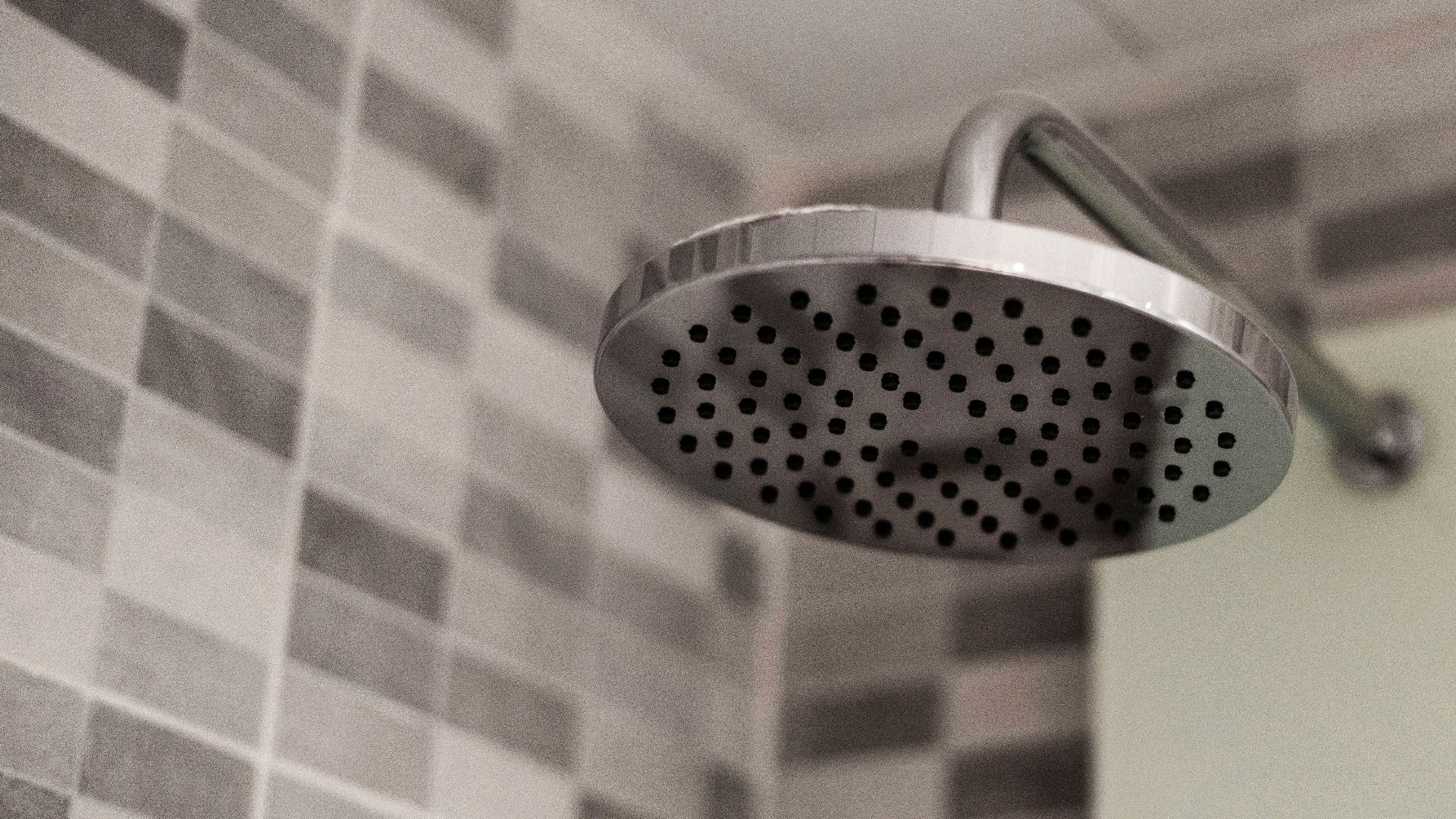
3. Upgrade The Showerhead
Swapping in a water-efficient showerhead doesn't mean settling for a weak trickle. Look for an independently certified model with solid coverage and pressure. The good ones feel just as satisfying while using noticeably less water.
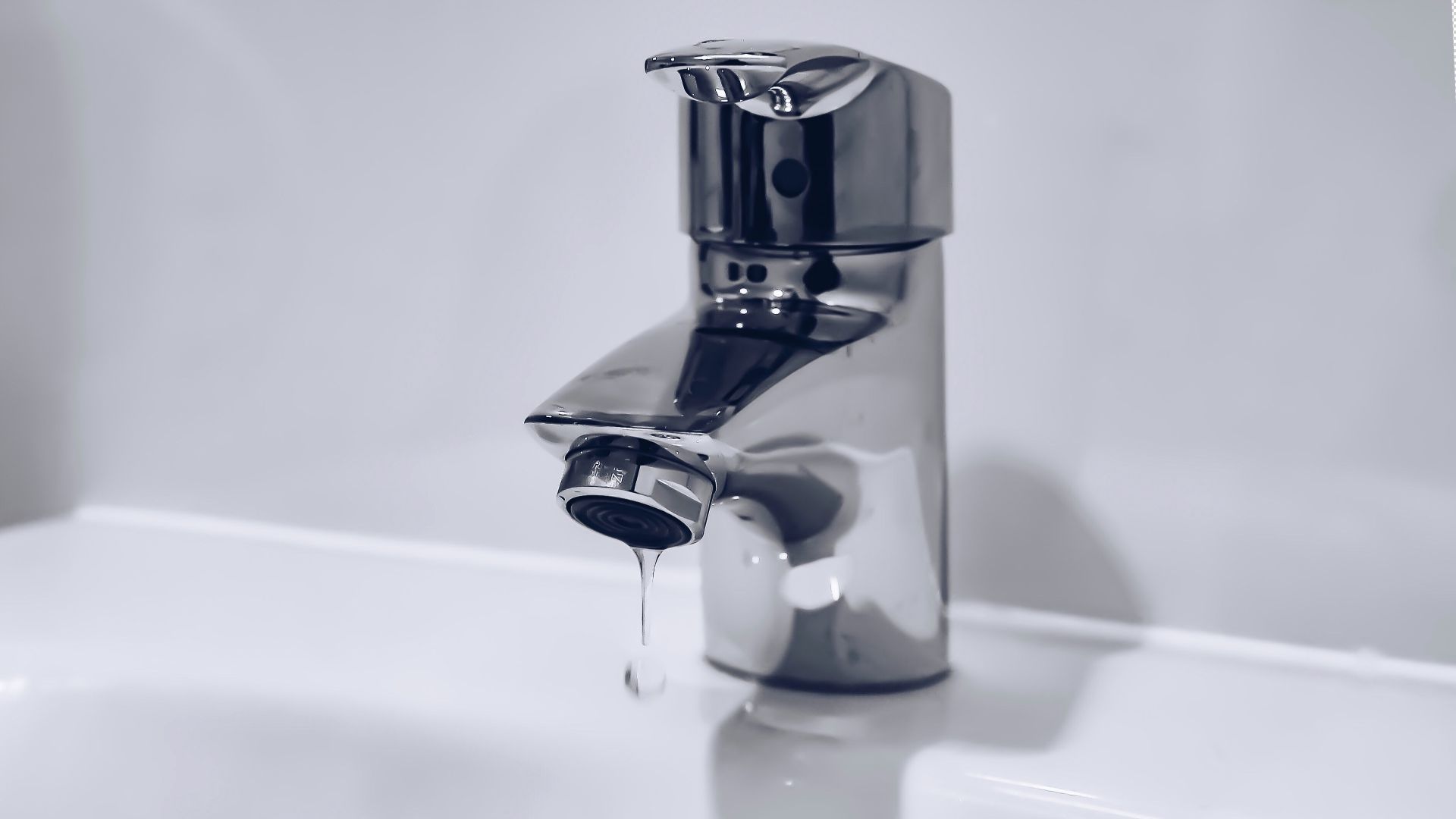
4. Swap The Faucet Or Aerator
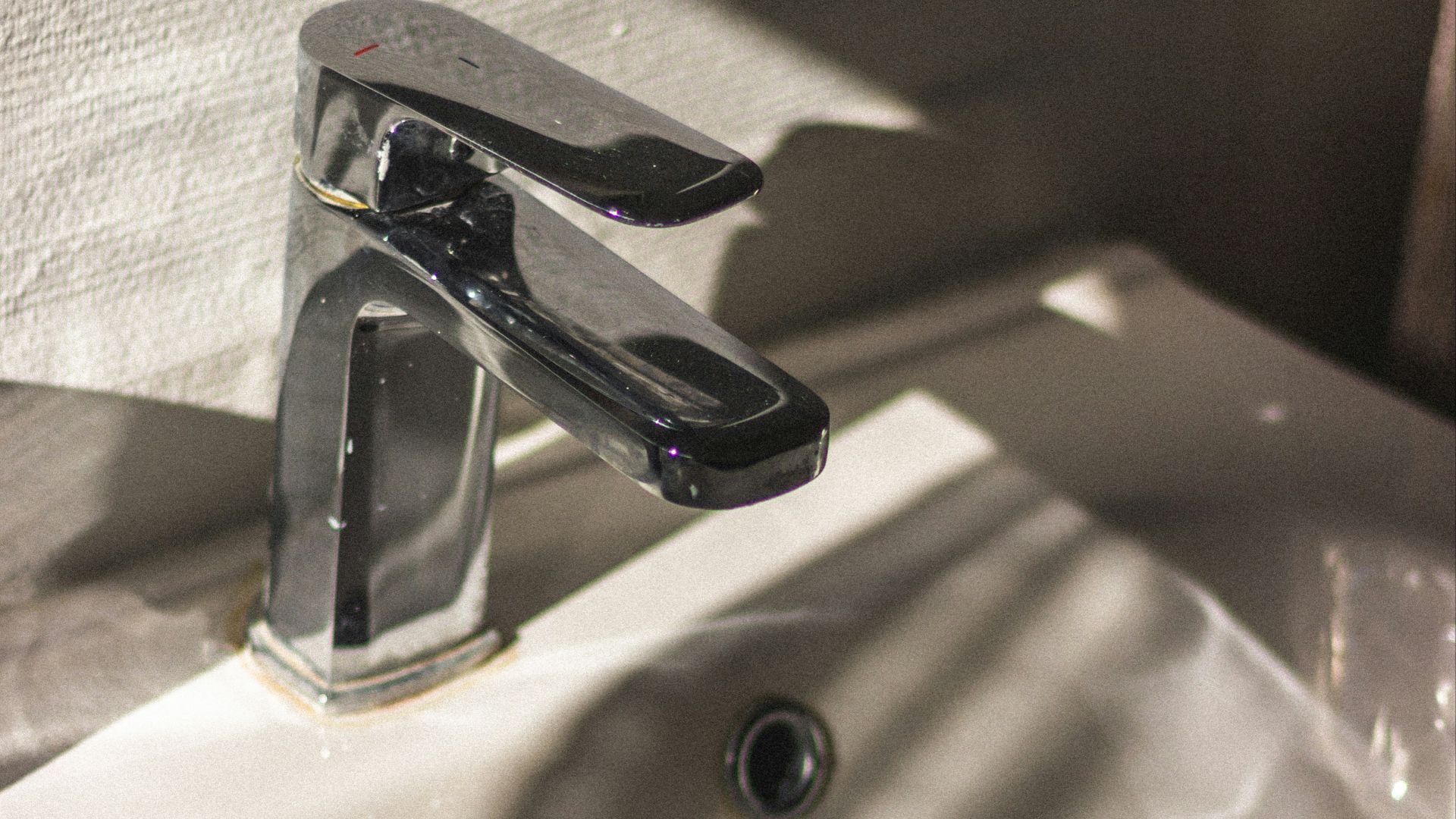
Not ready for a full faucet replacement? A water-efficient aerator is a five-minute fix that cuts your flow. Going bigger with a new faucet lets you rethink reach, handle placement, and finish; all small details that can make a shallow or awkward sink much easier to live with.
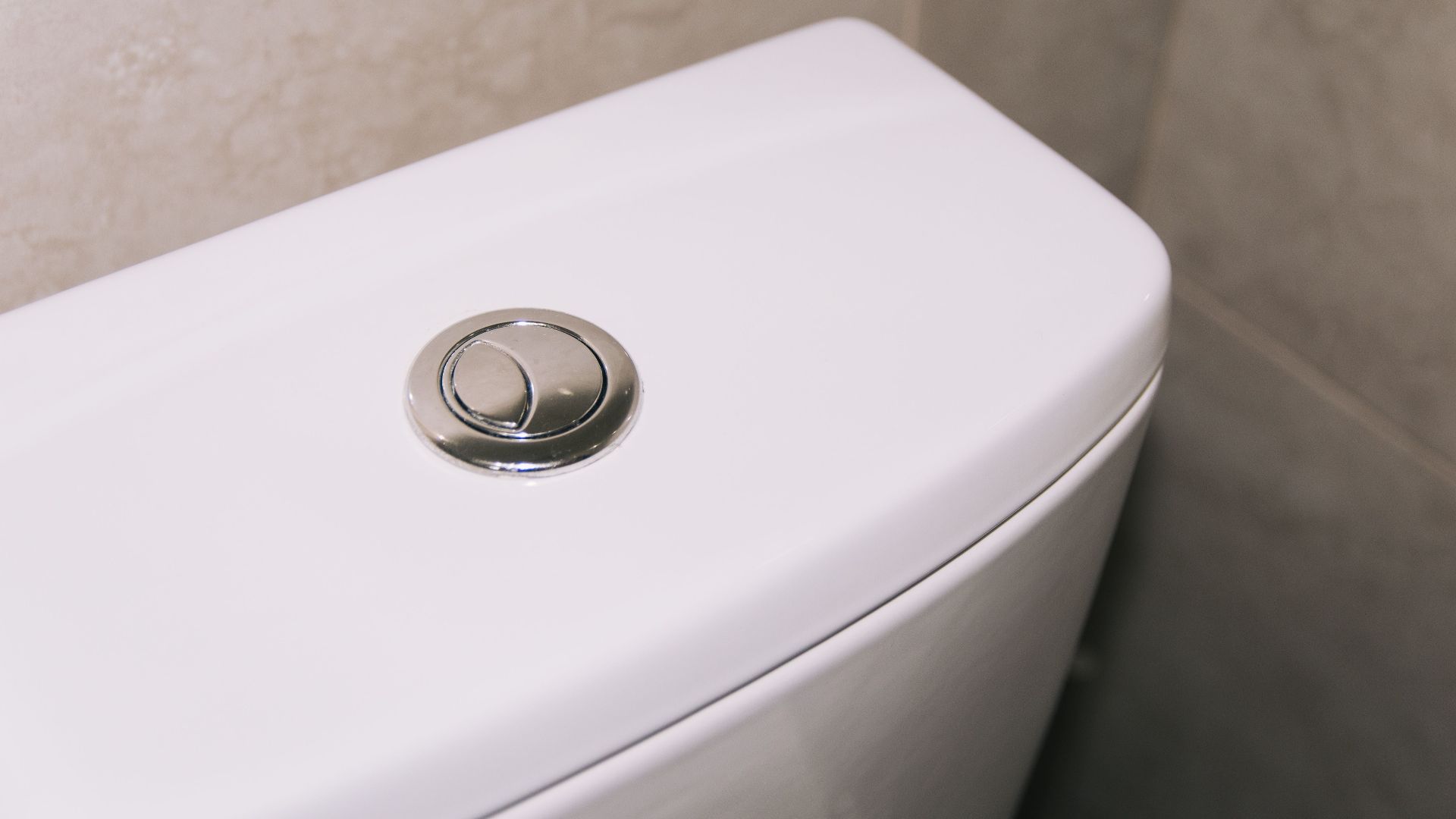
5. Choose An Efficient Toilet
Modern low-flow toilets have come a long way. Many independently certified models flush just as powerfully while using a fraction of the water older toilets do. A dual-flush option gives you a lighter setting for liquid waste, and seat height and bowl shape matter more than people expect.
6. Add A Leak Detector
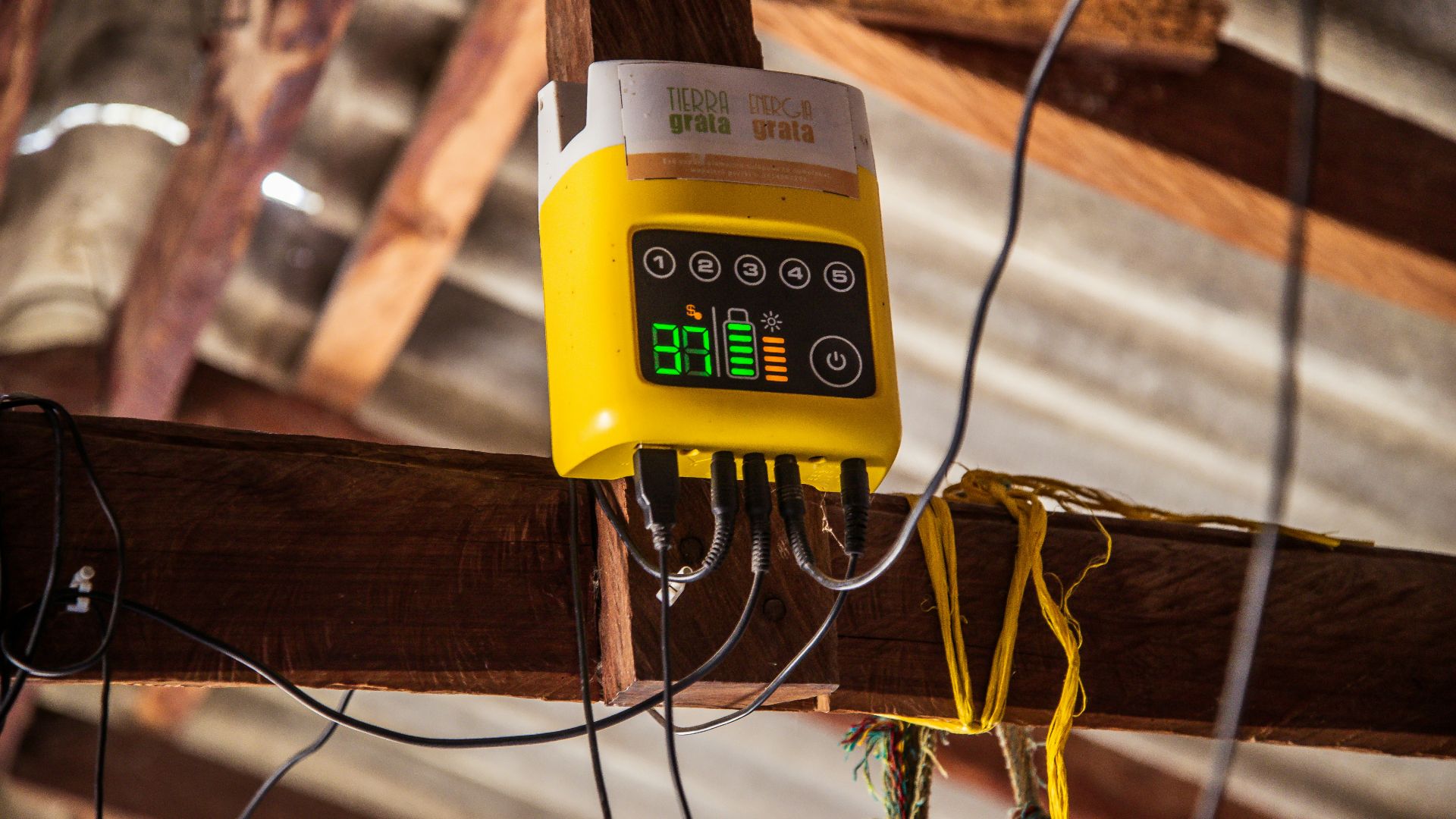
A cheap moisture sensor tucked under the vanity or behind the toilet can catch a leak before it becomes a disaster story. Flow-monitoring devices go a step further, flagging unusual water use that might mean something's wrong even when nothing looks wet.
7. Update Electrical
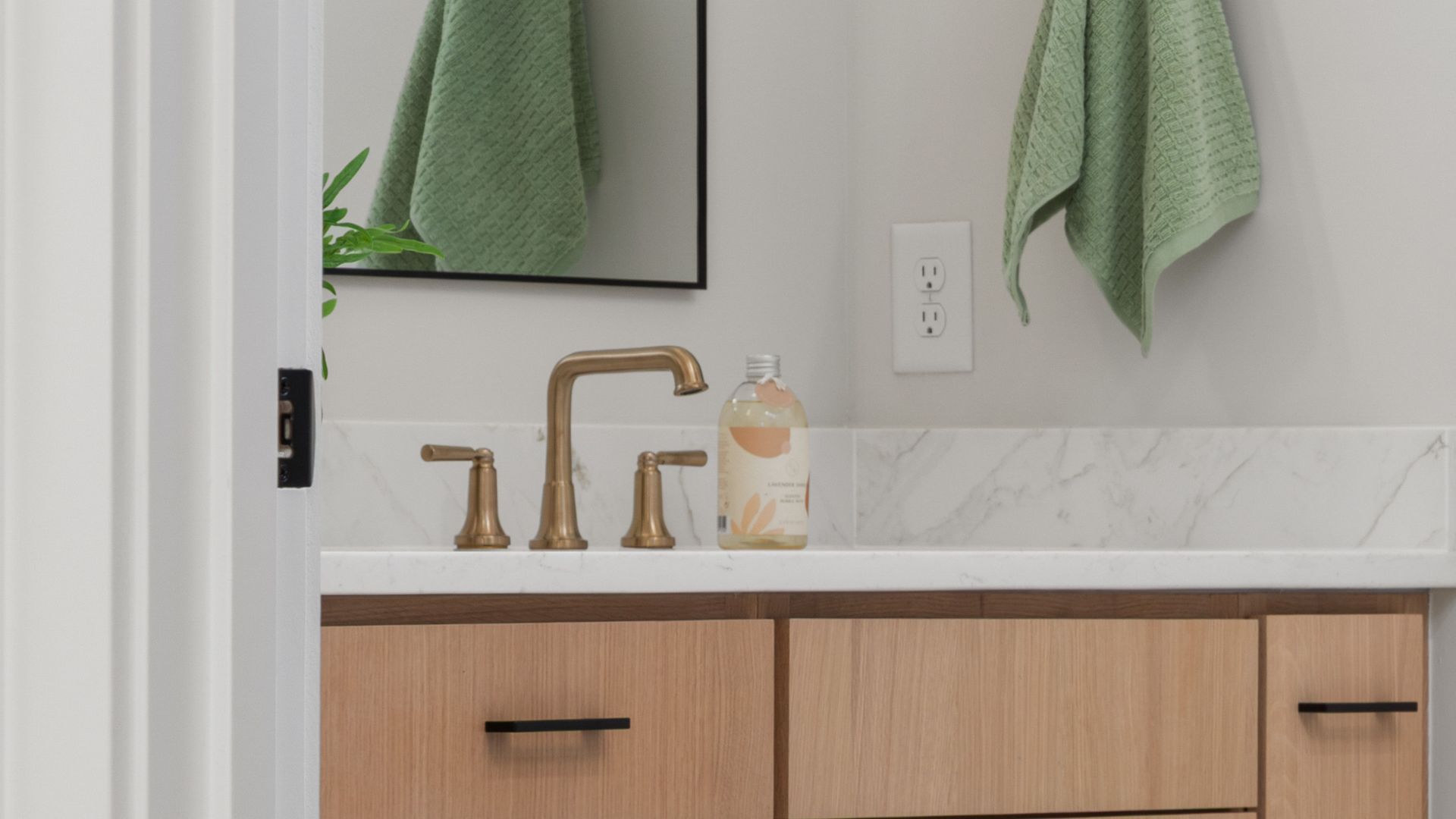
GFCI protection, the outlets designed to cut power the instant they sense a ground fault, is non-negotiable in a room full of water, hair dryers, and curling irons. Before tile and mirrors go in, have a licensed electrician check aging outlets and plan for whatever new power needs your renovation introduces.
8. Use Lighting
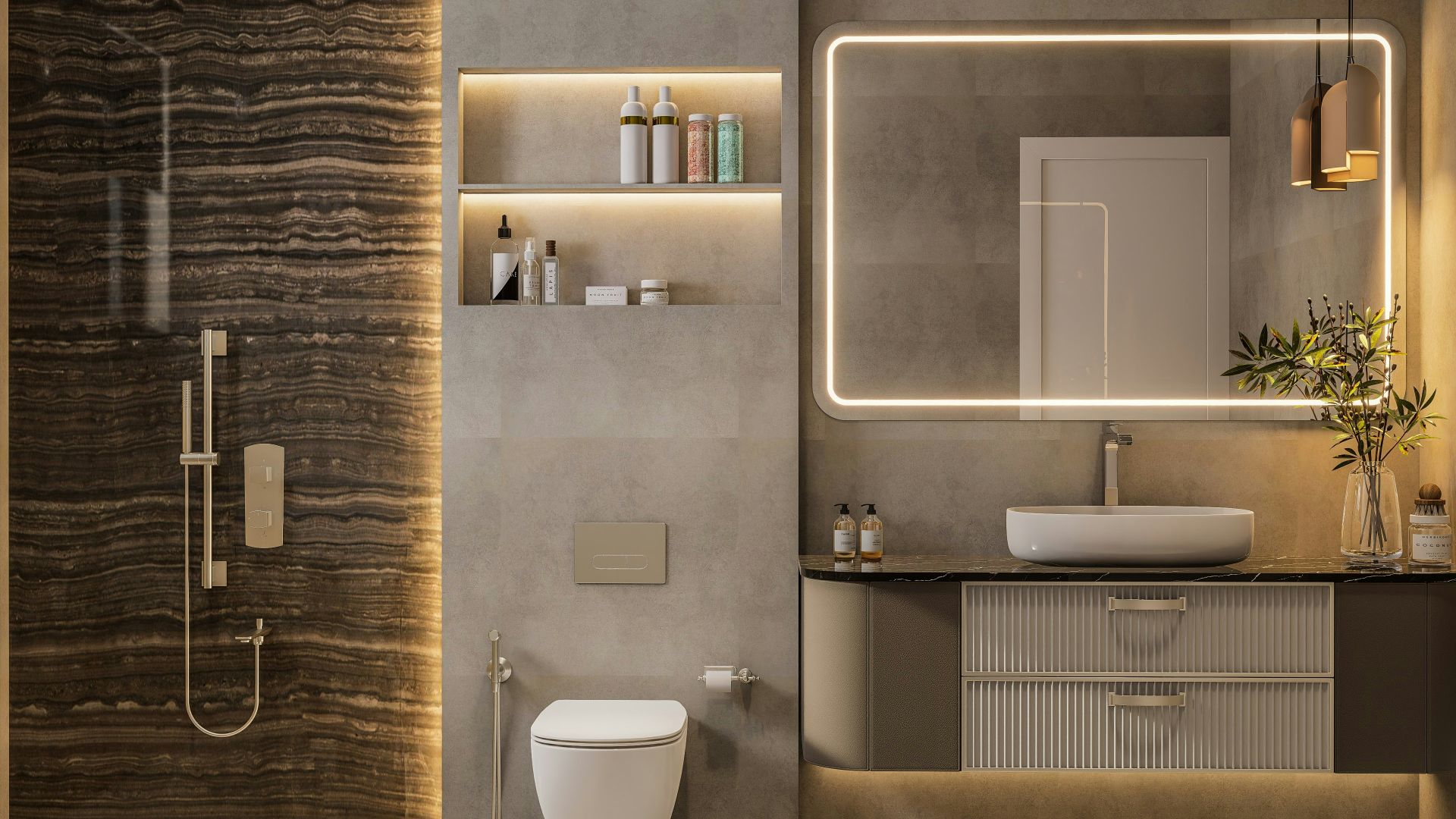
One glaring ceiling fixture turns every bathroom into an interrogation room. Layer your lighting instead: bright, even light at the mirror for actual grooming, softer ambient light for the rest of the room, and a dimmer or night light for your midnight trips.
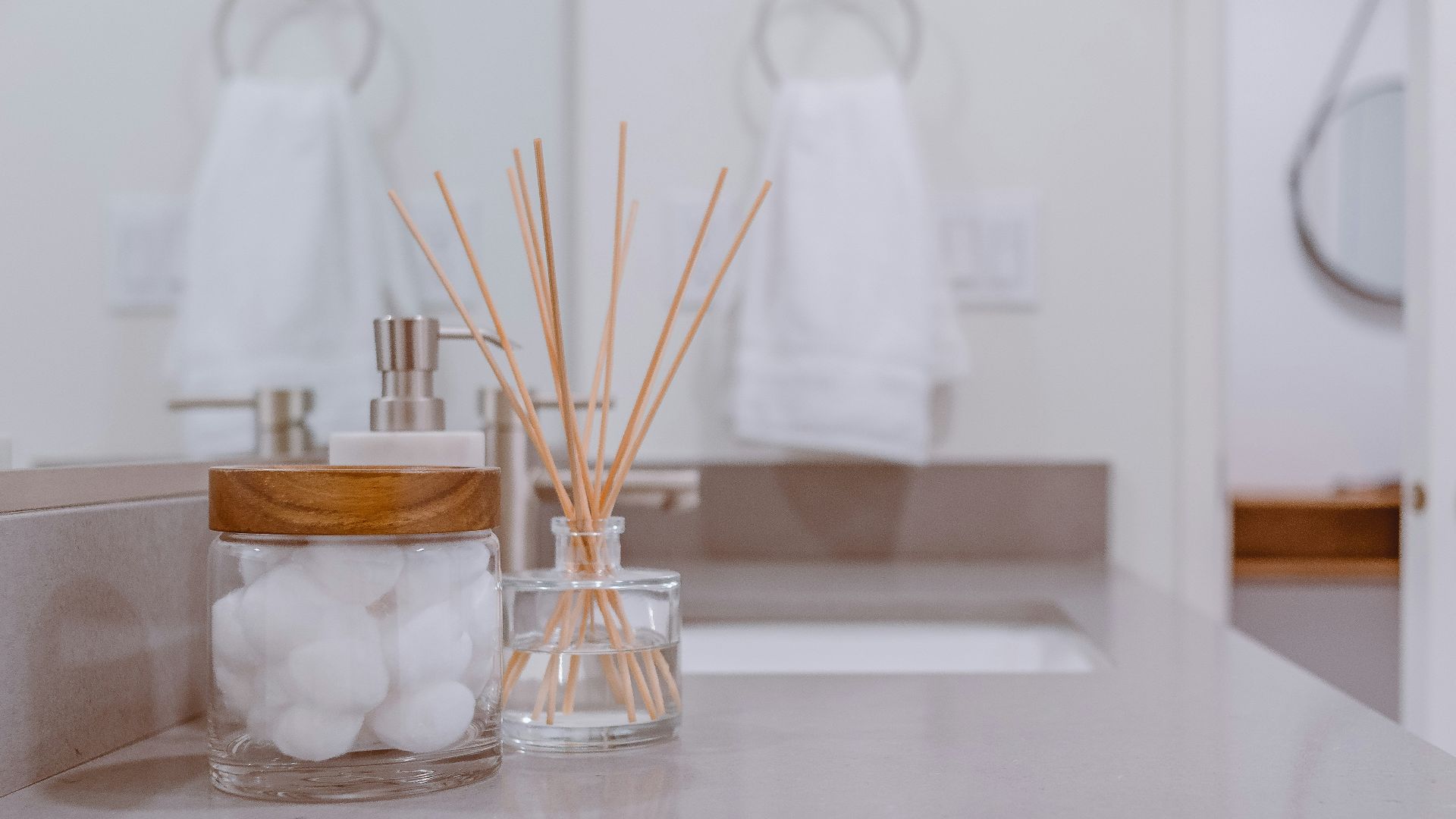
9. Plan For Storage
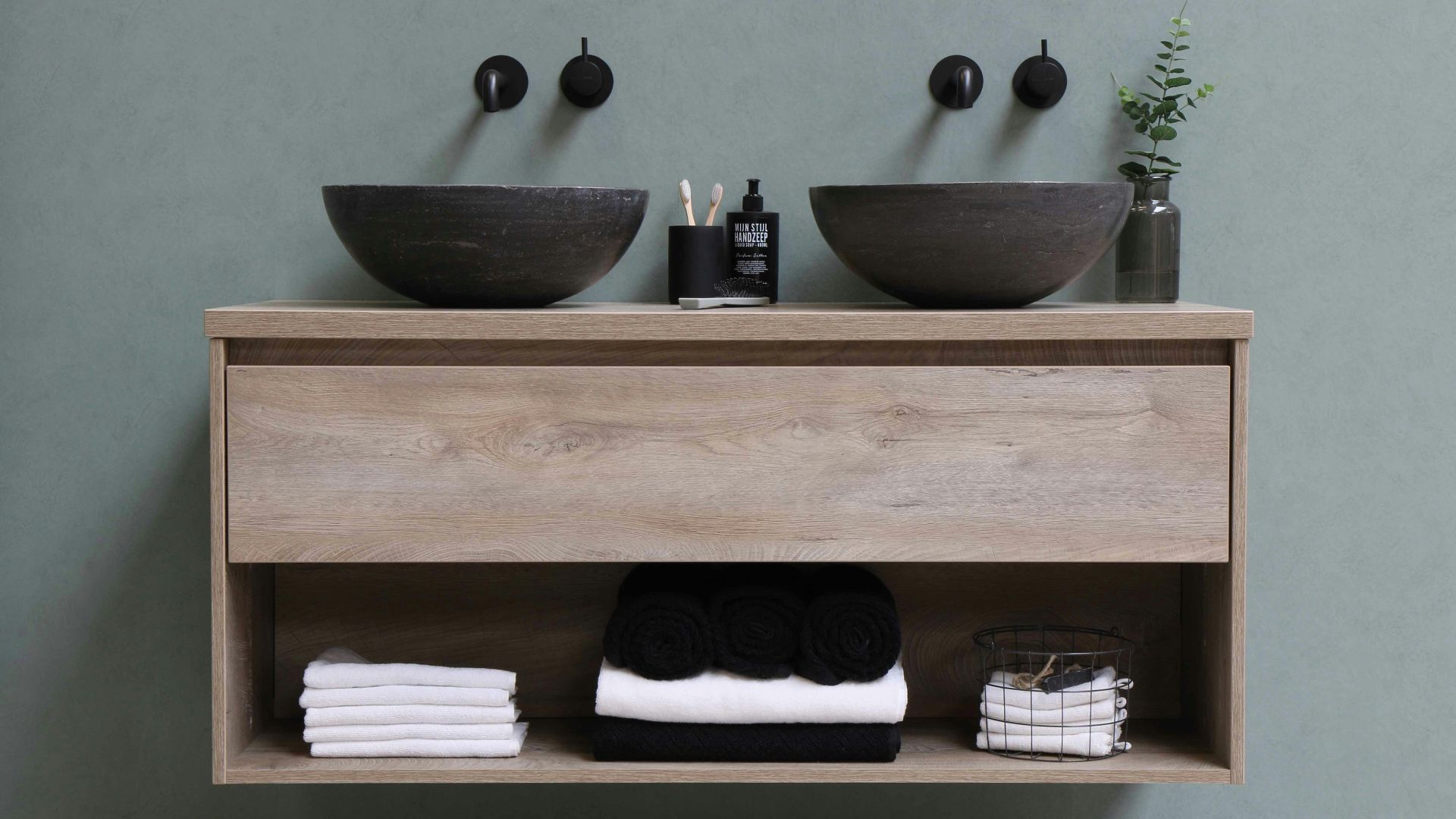
Look at what actually lands on your counter every morning and design around that. Shallow drawers, small dividers, and upright bottle storage keep clutter from creeping back within a day of you tidying up.
10. Recess A Medicine Cabinet
A recessed medicine cabinet gives you storage that doesn't eat into the room's footprint. Check what's inside the wall first; framing, plumbing, and wiring can all limit your options. That said, when it works, it makes even a small bathroom feel noticeably more open.

11. Vanities
Pick a vanity that makes sense for your lifestyle. One generous sink usually beats two cramped ones, and drawers tend to stay organized longer than a deep, dark cabinet. Leave yourself plenty of counter space as well.
12. Plan The Shower Layout
Nail down where the controls, showerhead, niche, hooks, and shelves go before a single tile is ordered. A recessed niche keeps bottles off the floor and out of your way, and controls placed thoughtfully mean you're never shocked by a blast of cold water just to get the shower started.
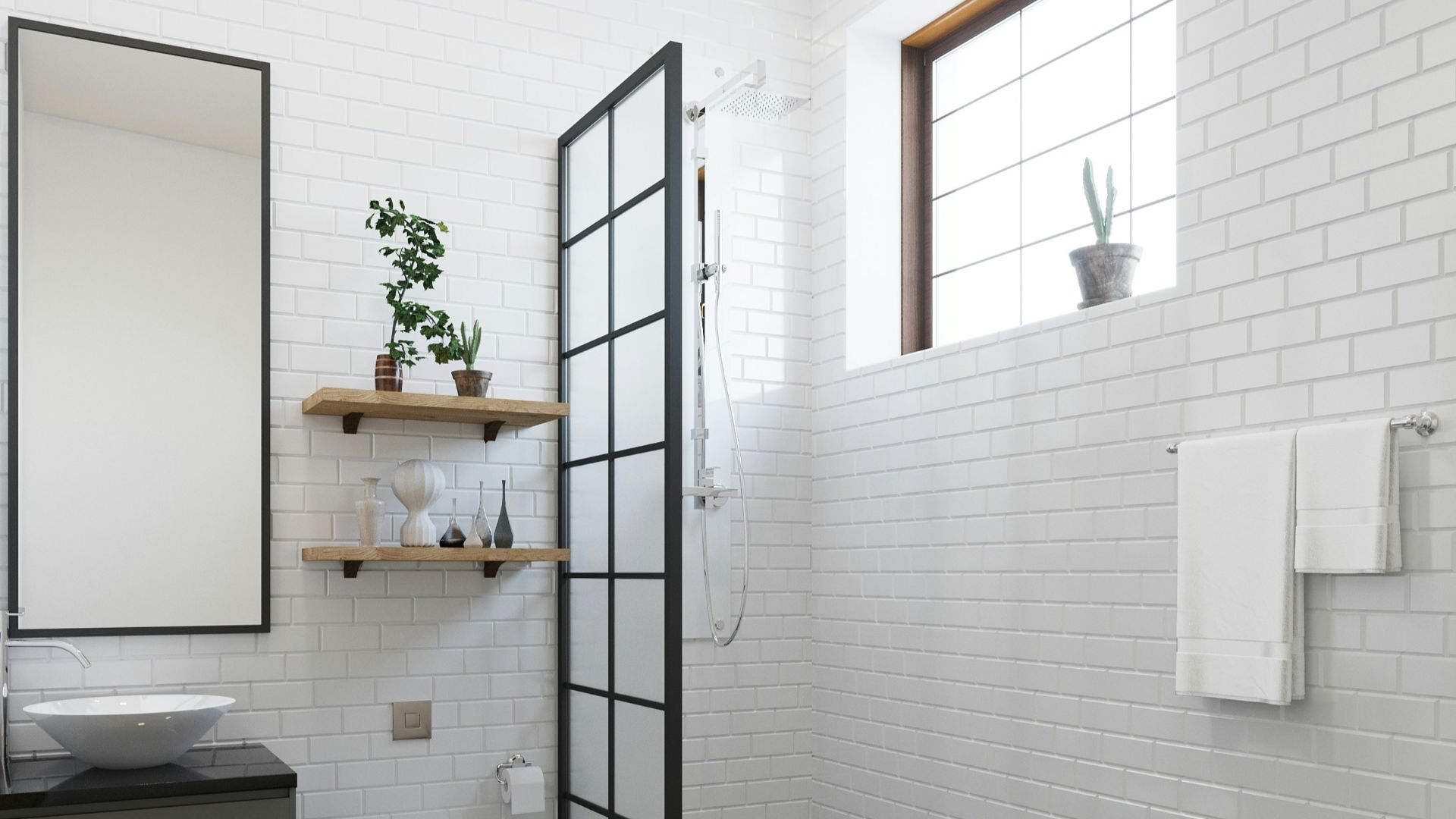
13. Add A Handheld Showerhead
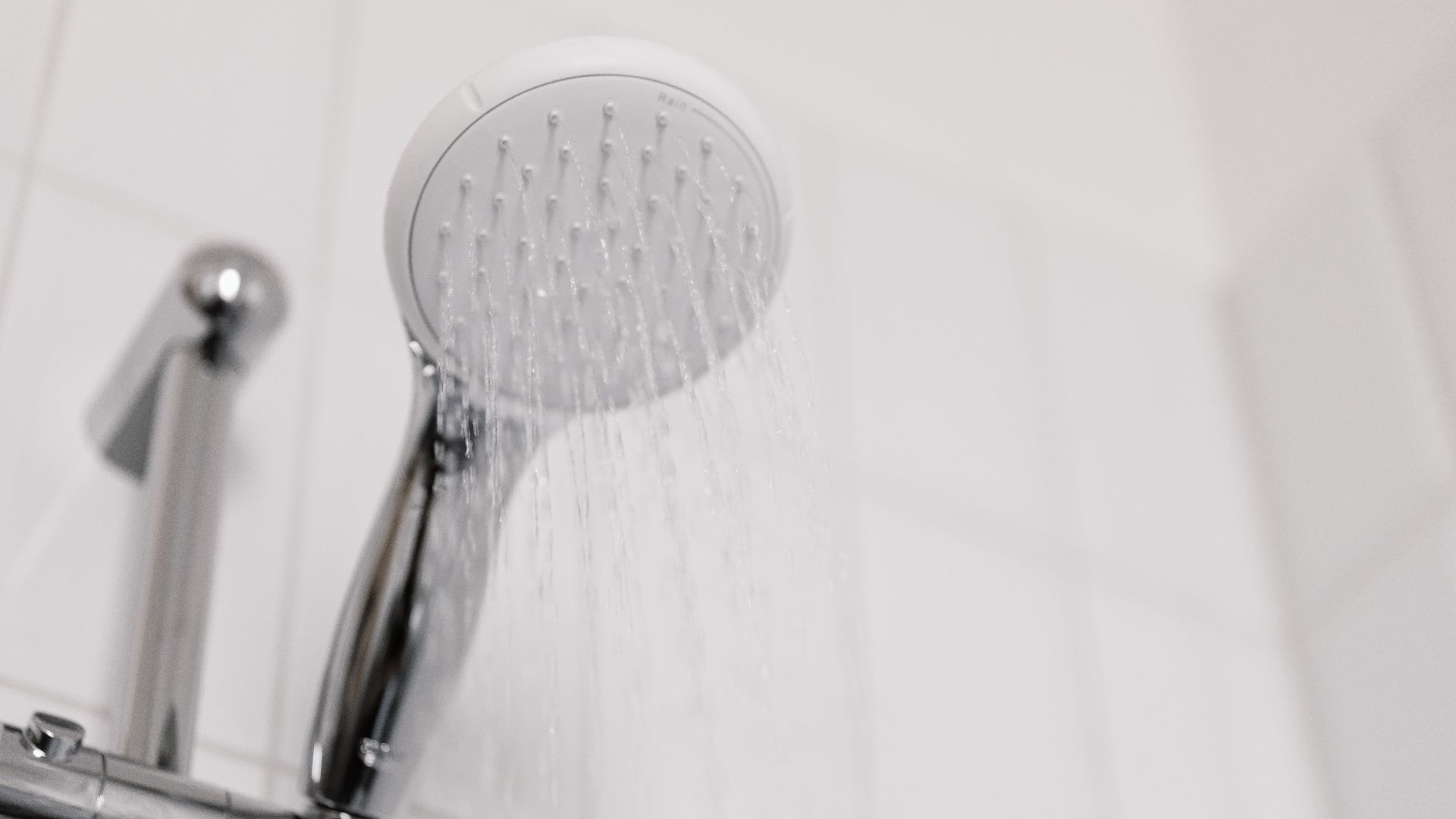
A handheld attachment turns awkward tasks into simple ones. Pair it with a fixed showerhead, and you get the best of both: a normal shower and a targeted rinse, whenever you need either.
14. Flooring
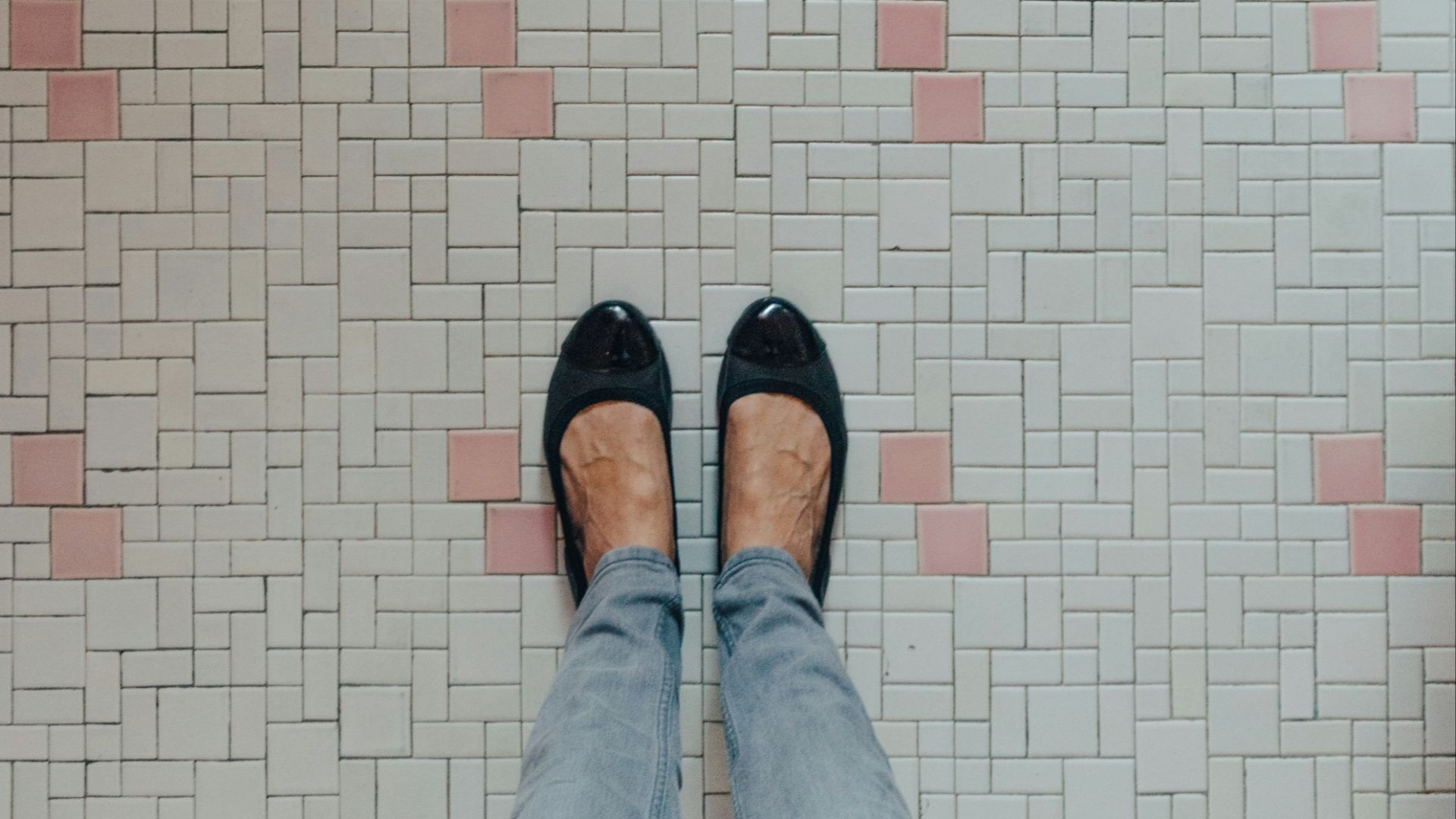
Bathroom floors have to perform when they're wet, not just look good under showroom lights. Ask specifically about traction in wet conditions, anchor small rugs so they can't slide out from under someone, and choose a bath mat that has a little grip.
 Point3D Commercial Imaging Ltd. on Unsplash
15. Build In Support
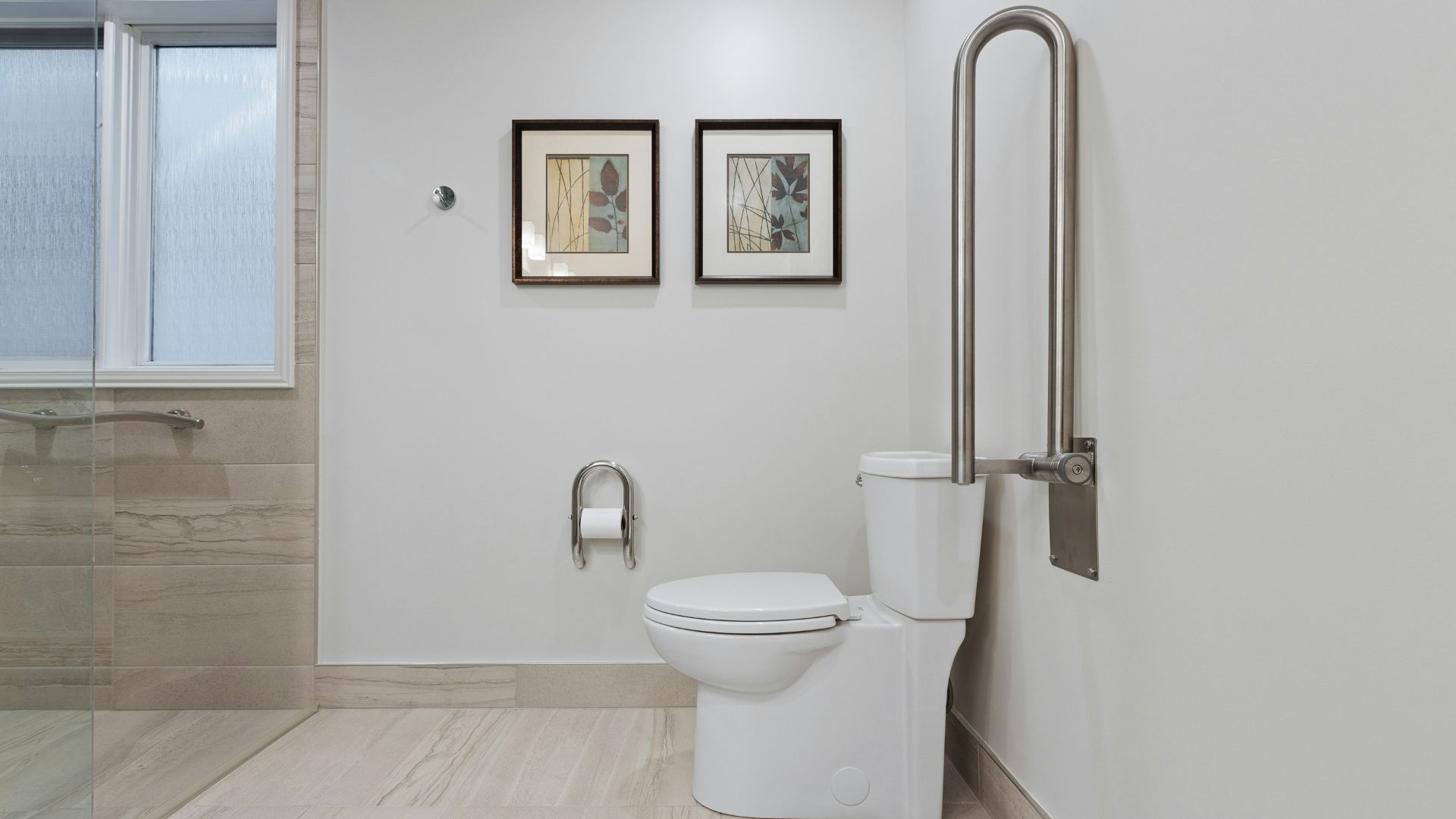
Properly anchored grab bars near the toilet and inside the shower or tub add a safety element to your bathroom. If the walls are already open during a renovation, that's the moment to add solid backing in smart spots. That way, bars can be securely mounted now, or added later without opening the wall again.
 Point3D Commercial Imaging Ltd. on Unsplash
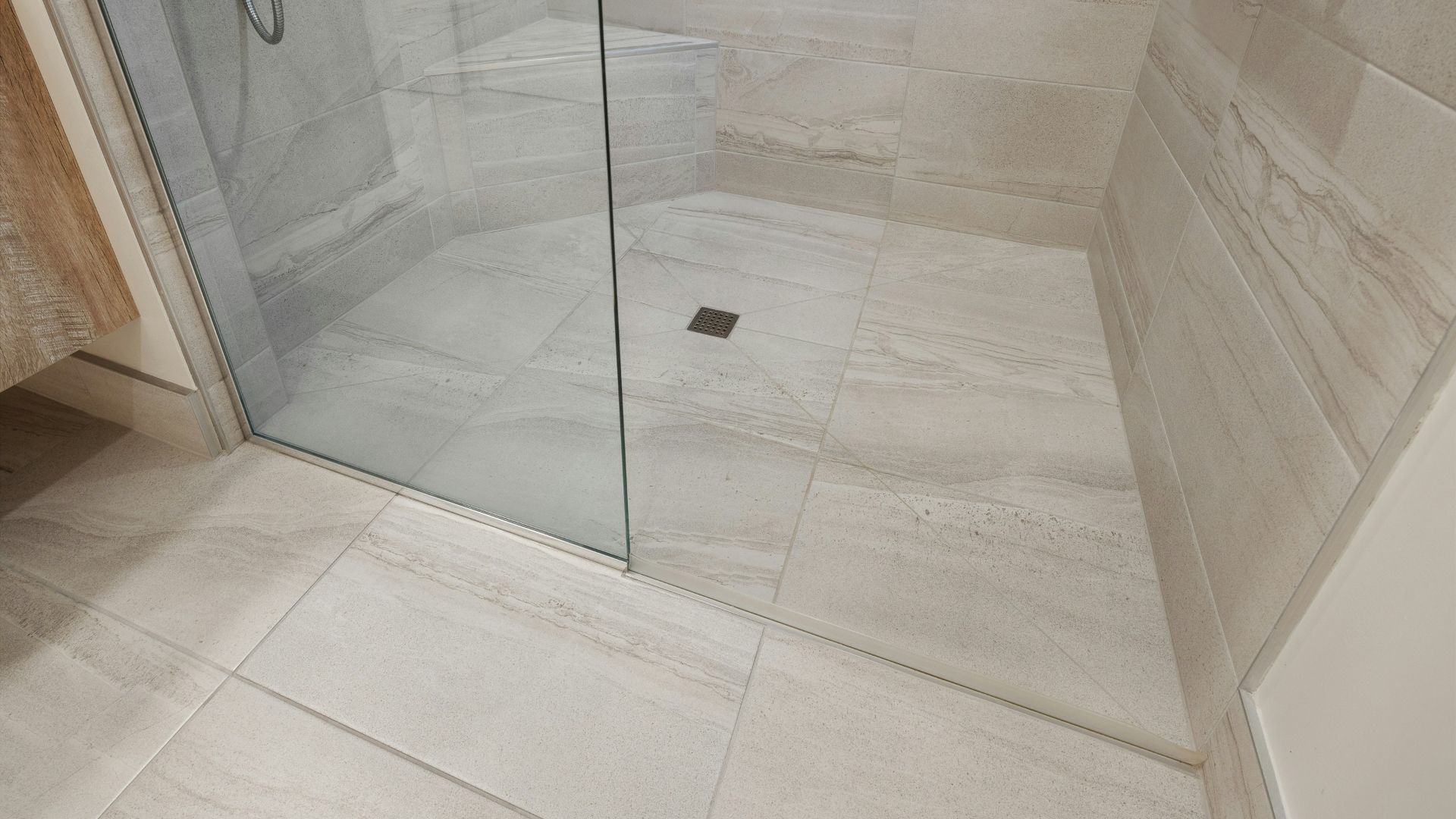
16. Design A Curbless Shower
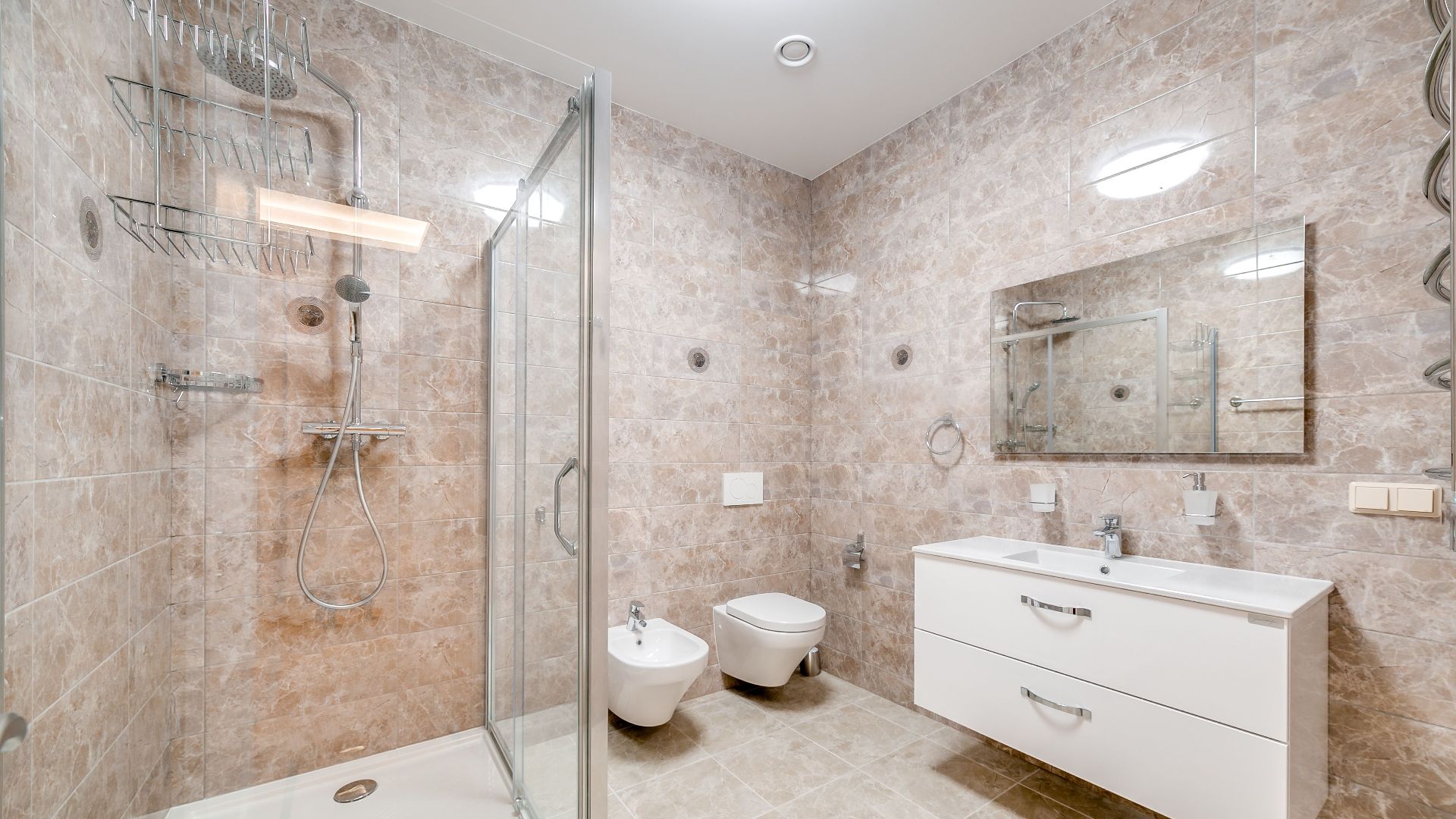
A curbless shower can make a small bathroom feel bigger and easier to step into, but it's more than just an aesthetic choice. The slope, drainage, and waterproofing all have to be planned before any finishings go down, or you’re in for trouble.
17. Add Warmth
Radiant floor heating makes even chilly days feel better. It has to be planned before the floor goes in, so build it into the process early, and pair it with a programmable control so the heat kicks in exactly when you need it.
18. Choose Low-Emission Materials
Paint, caulk, adhesives, and sealants all affect the air quality in a freshly finished bathroom. Choosing low-emission products with clear labeling and giving the space time to air out before you move back in is a simple step that pays off in comfort.
19. Coordinate The Finishes
Repeat a few signature details to make the room feel pulled together, without forcing every element to match exactly. Keep the big-ticket fixtures classic and timeless, then let hooks, art, towels, and a bath mat carry your personality. Those smaller pieces are easy to swap out later without touching the expensive stuff.
20. Start Construction With A Clear Plan
Before a single hammer swings, get scope, materials, timeline, permits, and payment schedule down in writing. If your home was built before 1978, ask about lead-safe practices before disturbing old painted surfaces. None of this is as fun as picking tile, but it's what keeps the project from turning into a nightmare halfway through.