Spotting The Real Deal
Coming across an old item kept away in storage can quickly turn into a fascinating moment, especially when opinions about its value can differ so dramatically. One person may see a valuable antique, while another dismisses it as outdated clutter. But the truth is, determining whether something qualifies as an antique involves looking beyond its age to consider its uniqueness. So, first, here are ten indicators that suggest an item has genuine antique value.

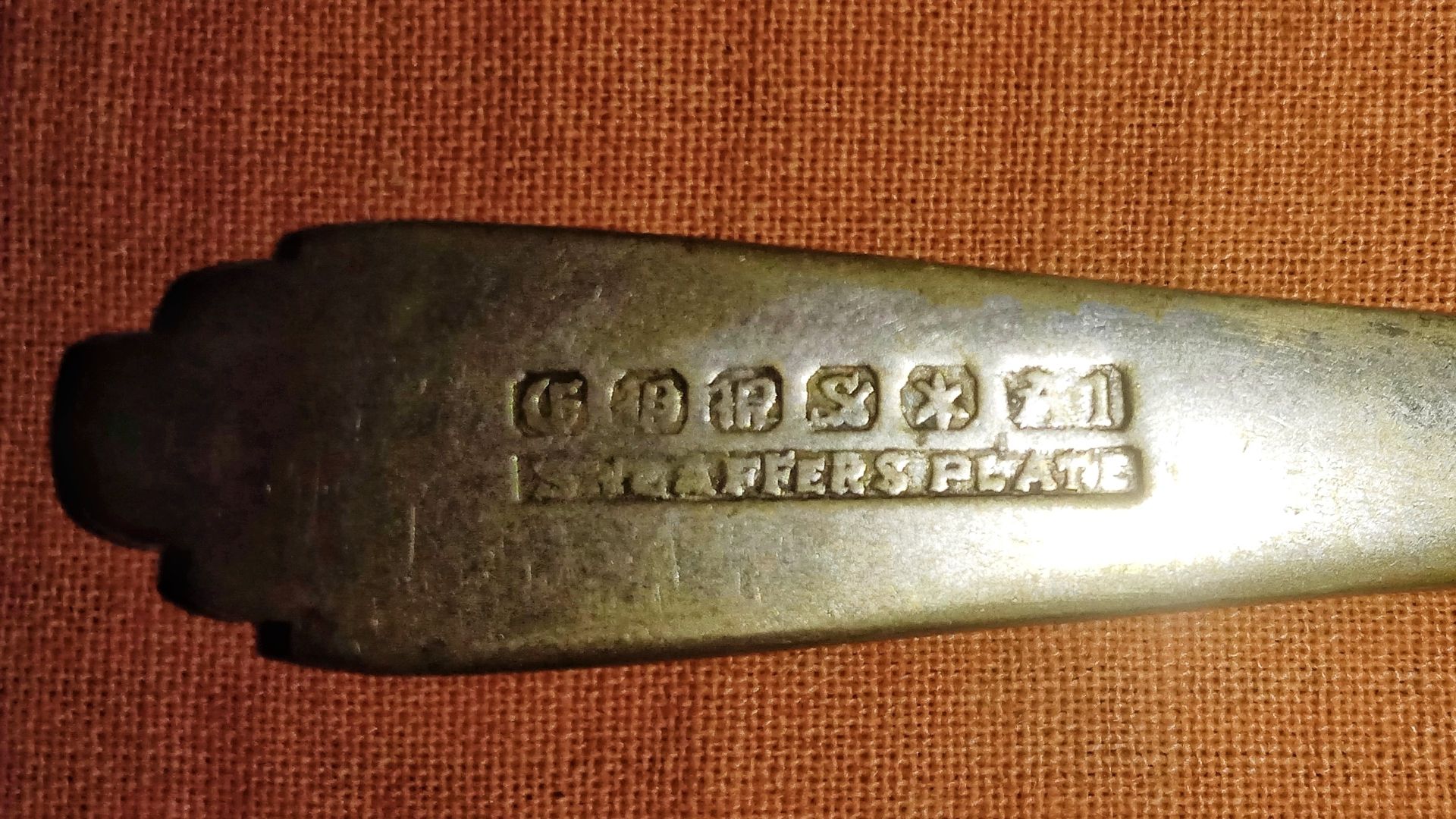
1. Hallmarked Silver With Pre-1940 Assay Marks
Pre-1940 assay marks on silver clearly state its origin, purity, and production year. These marks are stamped by hand with slight unevenness. Plus, letter codes identify exact years, and even after decades of polishing, their depth remains visible and verifiable.
2. Hand-Cut Glass Showing A Pontil Scar
Flip a piece of old glassware over, and a circular pontil scar at the base tells its story of hand-blown creation. That slight asymmetry in form comes from human shaping, while tiny trapped bubbles and a rough or smoothed base confirm its pre-machine origin.
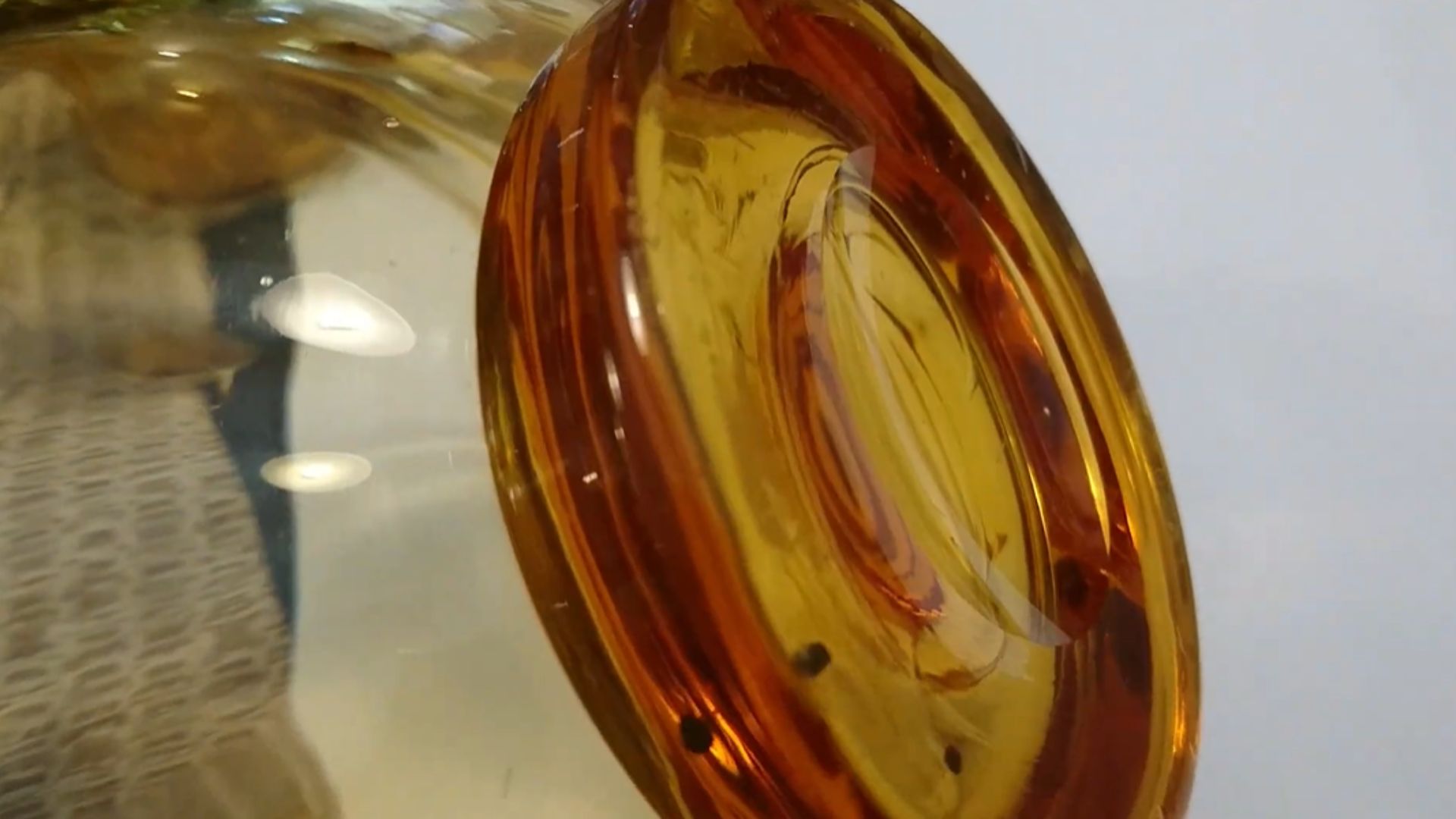 Glass Pontil Marks by Love Decanters
3. Furniture With Irregular Hand-Cut Dovetail Joints
Uneven dovetail joints can be a strong hint you’ve found pre-industrial craftsmanship. The fit often shifts from snug at one corner to slightly loose at another as the wood has expanded and contracted over the years.
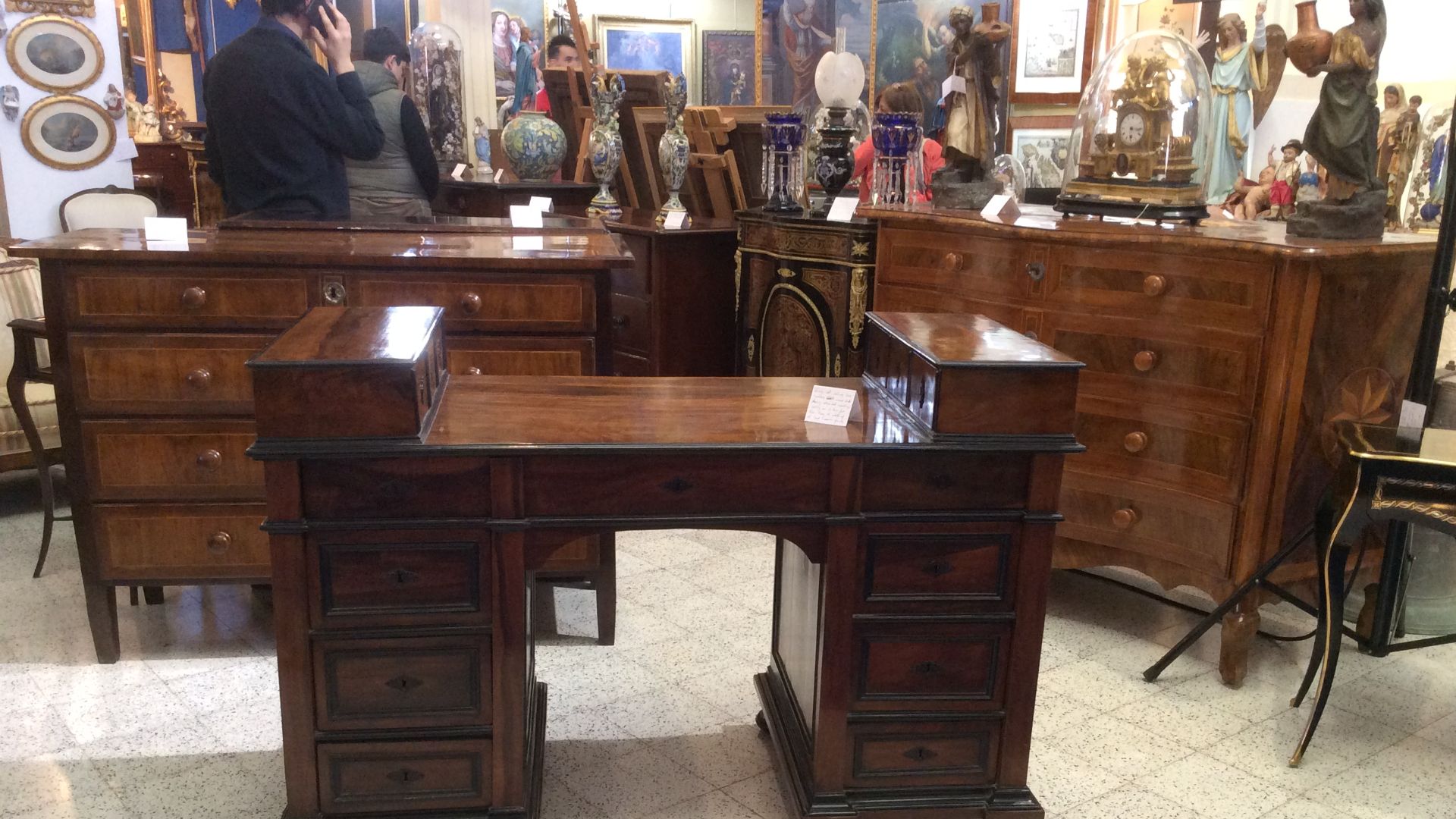 Continentaleurope on Wikimedia
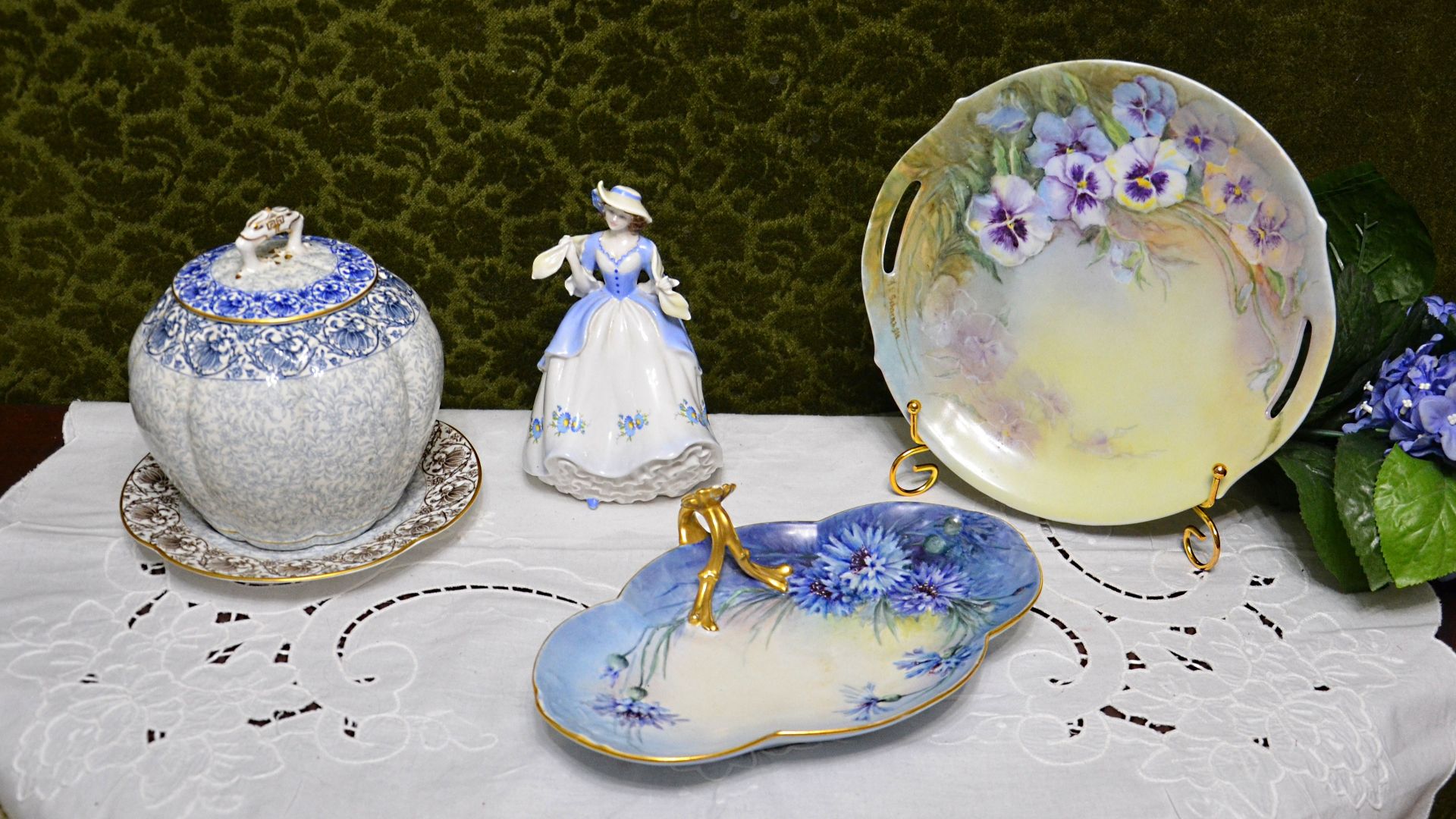
4. Porcelain Stamped With An Original Maker’s Backmark
Early manufacturers included full names or locations, applied by hand, pressed into the surface, or stamped in ink. Since the design itself no longer appears in modern production, it becomes a clear sign you’re holding something tied to a specific era.
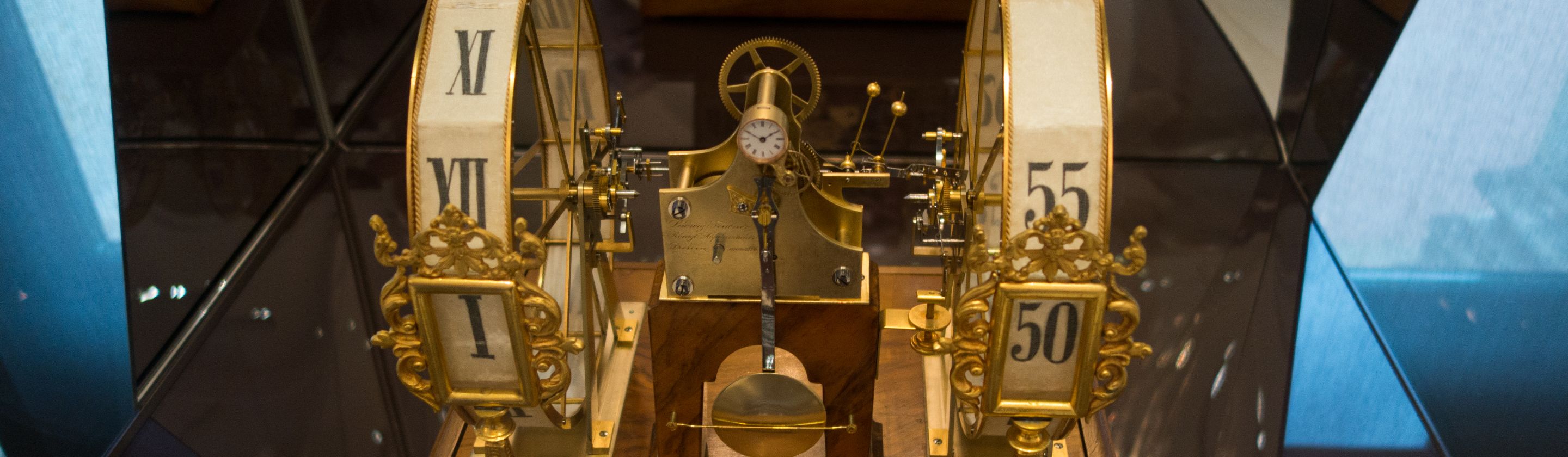
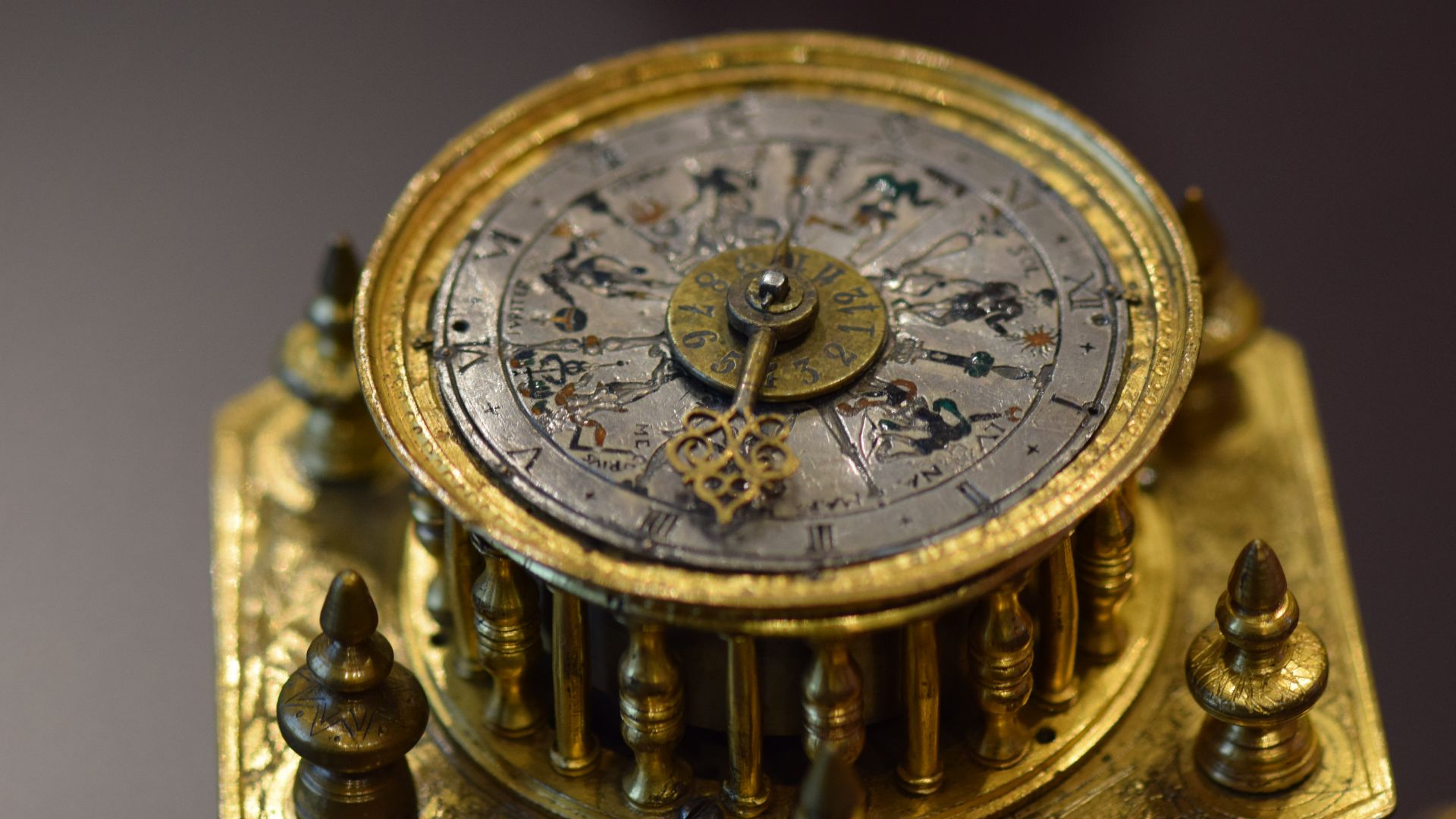
5. Clock Movements Engraved By The Maker
Look closely at the brass plates and you’ll notice letters carved directly by the maker’s hand. Each stroke shifts in depth and angle, as if the tool paused for a breath. Besides, years give the brass a rich patina, further deepening every line and curve.
6. Oil Painting On Wood With Natural Craquelure
An oil painting on wood with natural craquelure tells its own slow-burn story in fine, irregular lines. These cracks are the result of decades, sometimes centuries, of the surface expanding and contracting with temperature shifts.
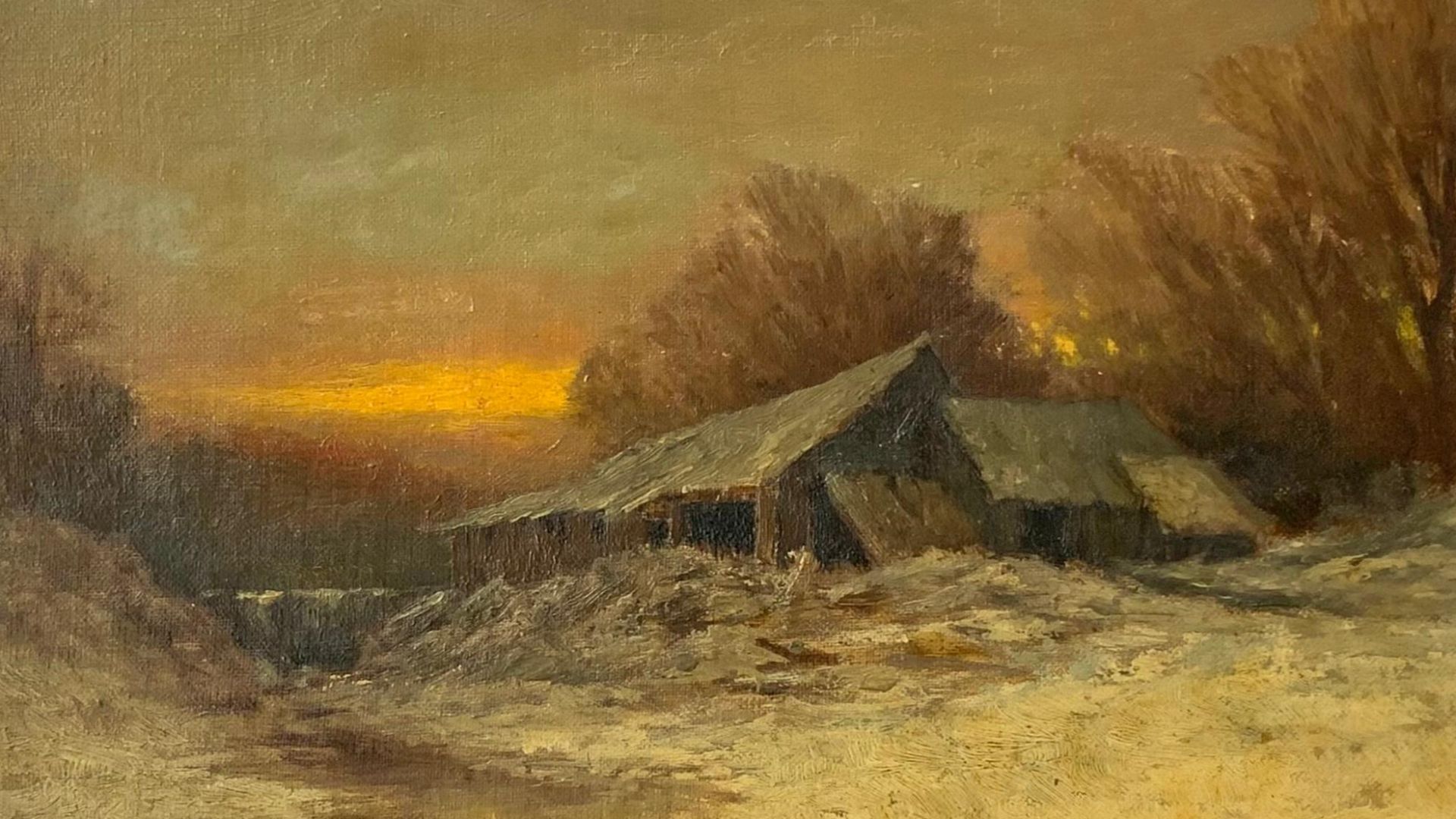 Thomas Lochlan Smith on Wikimedia
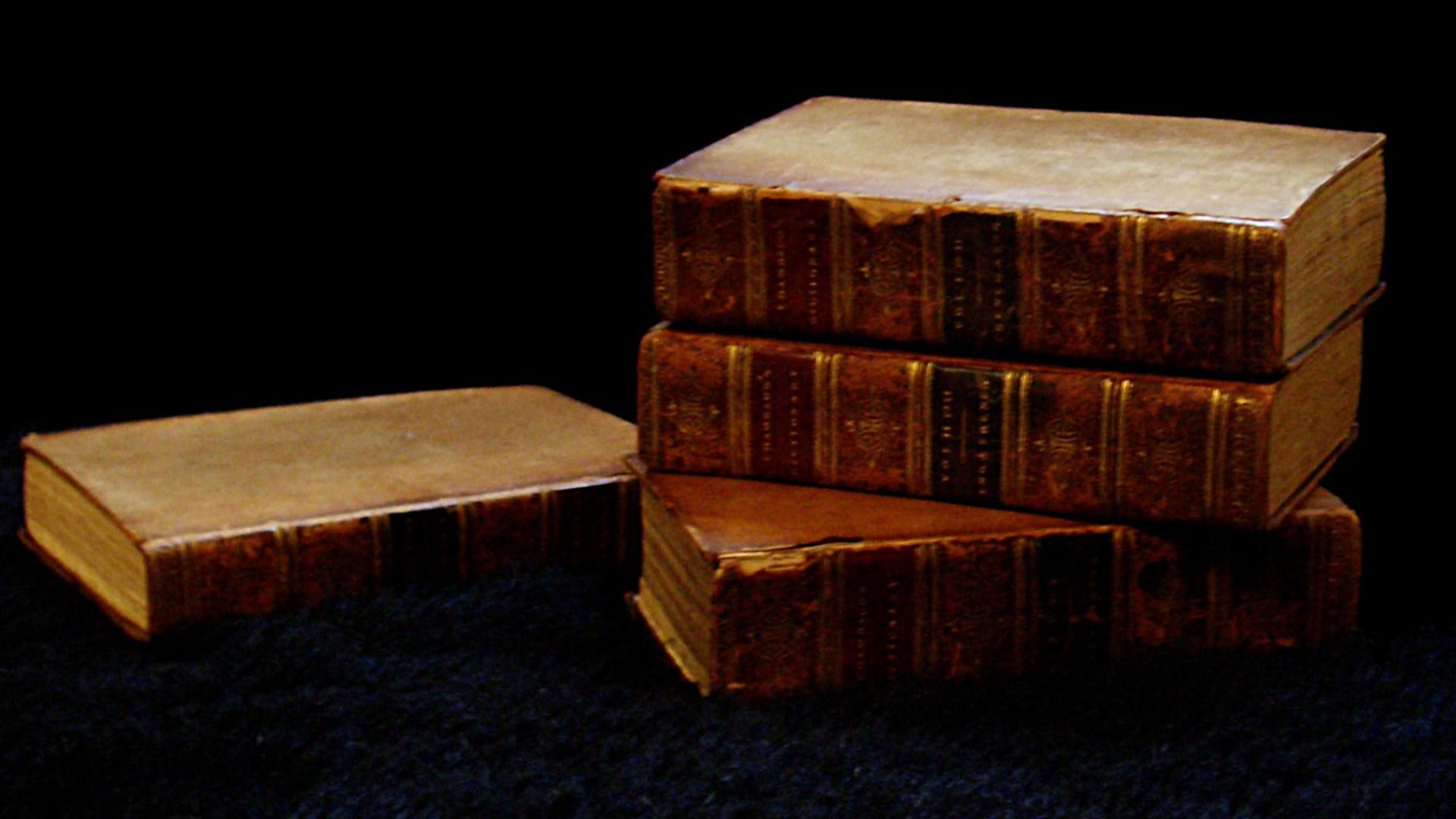
7. Leather-Bound Books On Rag Paper
Today, we fuss with burning page edges or splashing coffee to fake that “old book” vibe, but the real thing feels entirely different. The thick feel of rag paper stands apart, as its unevenly cut edges lead your eye to a spine of tooled leather.
8. Jewelry Featuring European Cut Stones
Old Mine and European cut stones are easy to spot once you know what to look for. Their larger, chunkier facets create a softer sparkle than modern cuts. And small irregularities in the settings often confirm their hand-crafted origins.
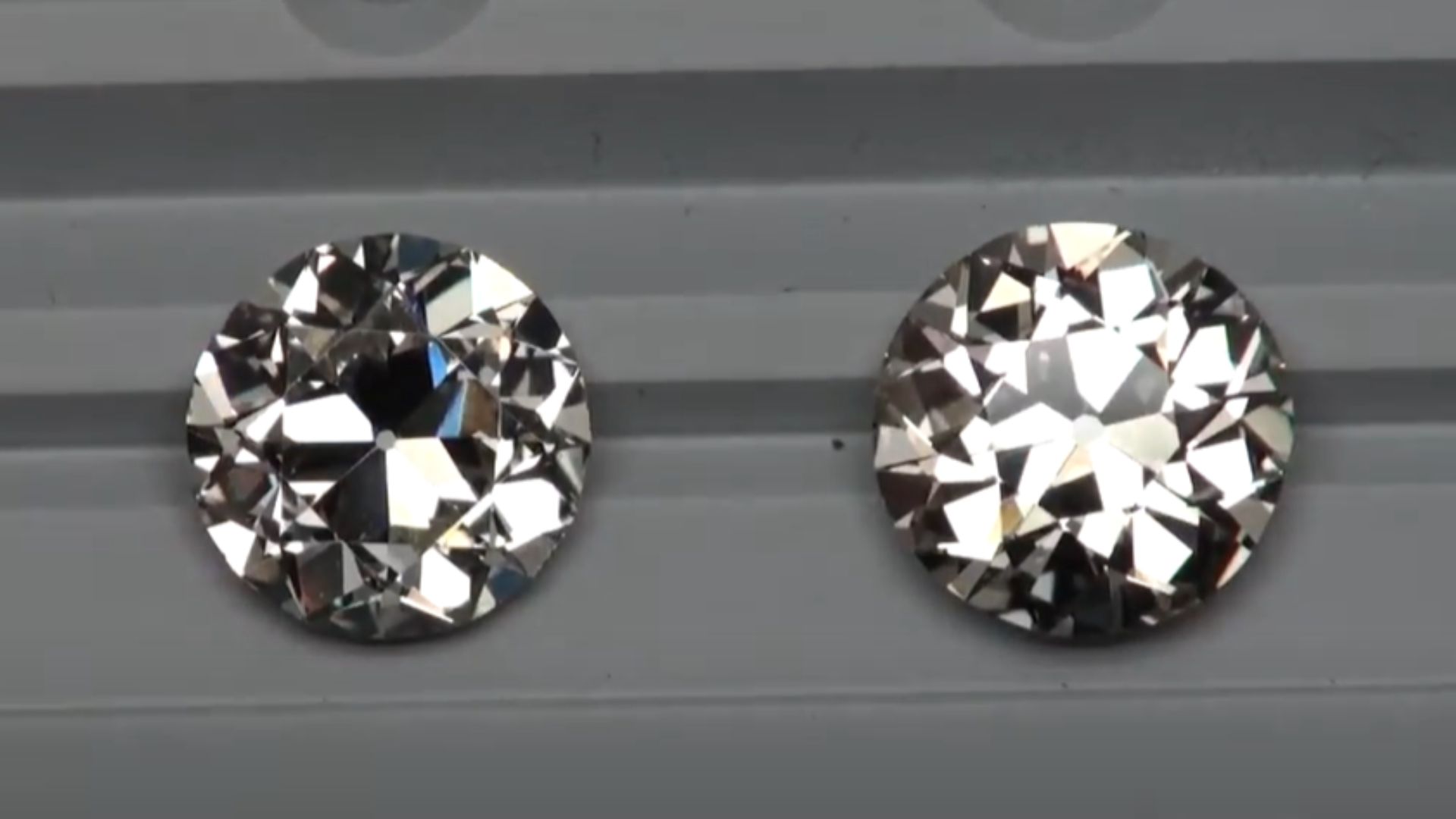 Old European Cut Diamonds: 3 1/2ct - 5ct in size by Good Old Gold
9. Ceramics In Discontinued Glaze Colors
Ceramics in discontinued glaze colors reveal themselves through hues that simply aren’t made anymore, sometimes because the original pigments contained toxic ingredients. Plus, many of these colors tie directly to specific historic periods.
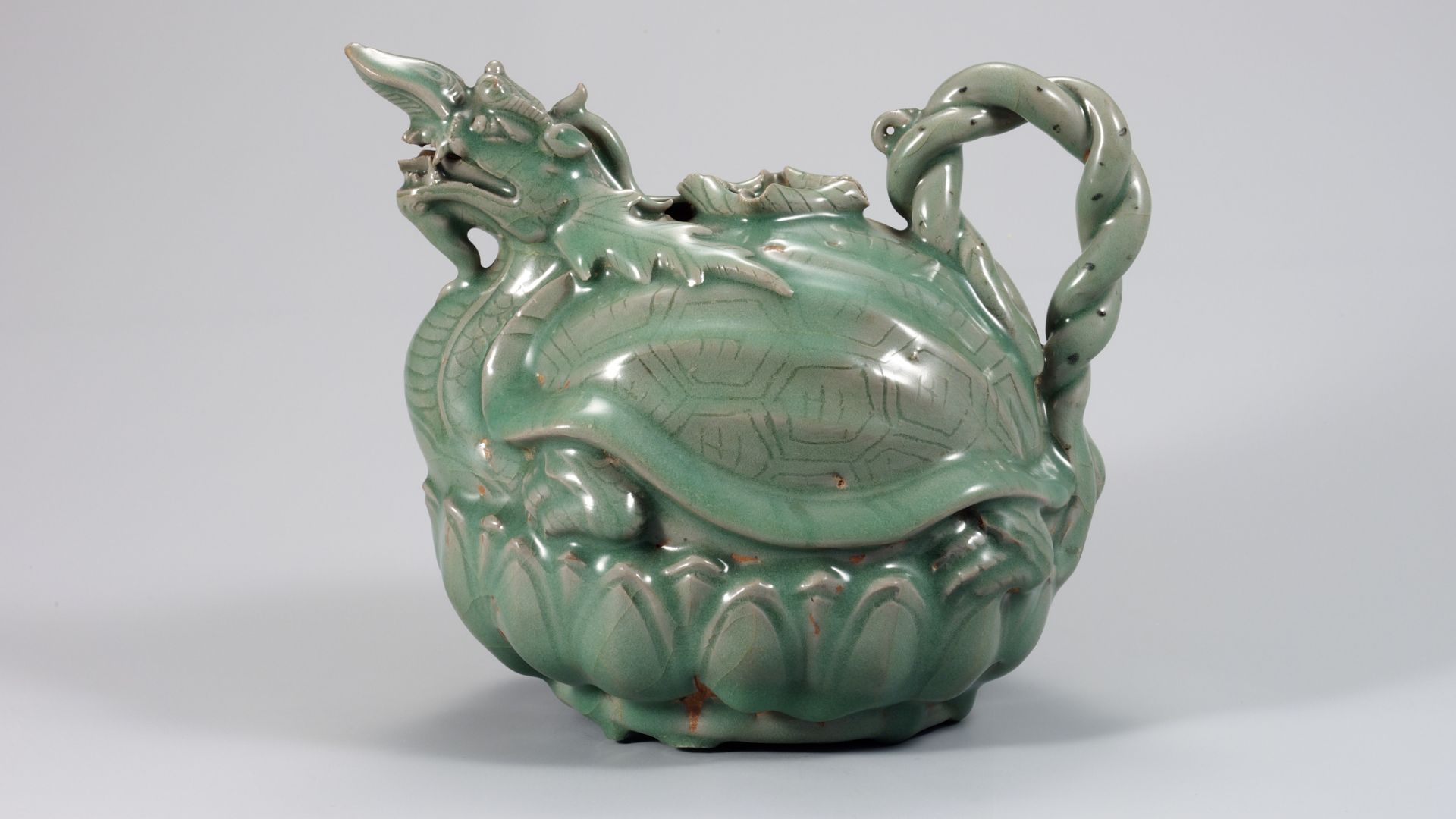 National Museum of Korea on Wikimedia
10. Photographs Printed On Albumen Or Tintype Plates
In an era before quick snapshots, photographs on albumen or tintype plates captured moments with deliberate care. Albumen prints glow with a soft sepia tone, and with age, the tones naturally warm, layering history into every image.
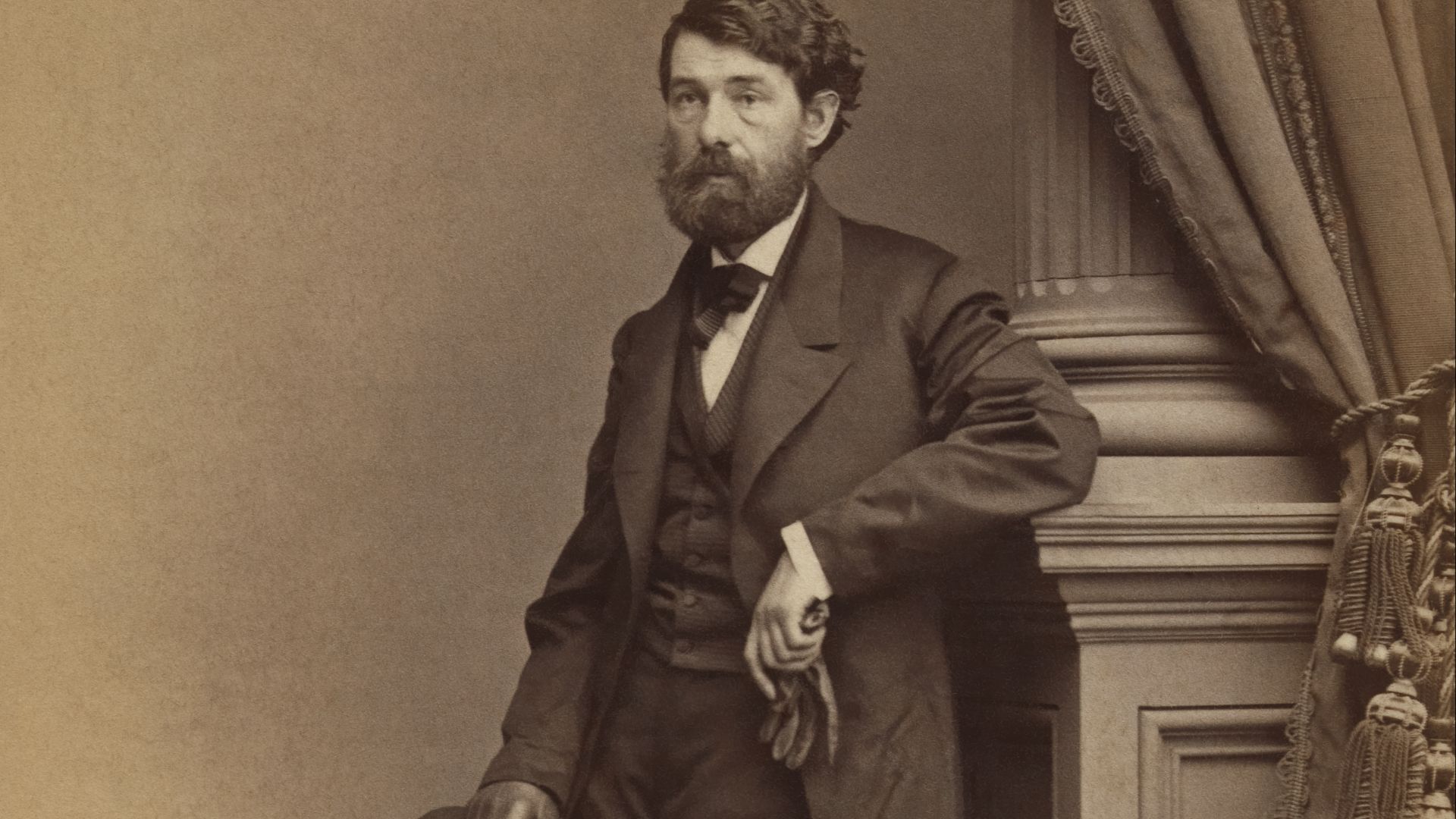 Mathew Benjamin Brady / Adam Cuerden on Wikimedia
Now that you know how to spot one, it’s time to explore ten practical things you can actually do with it.
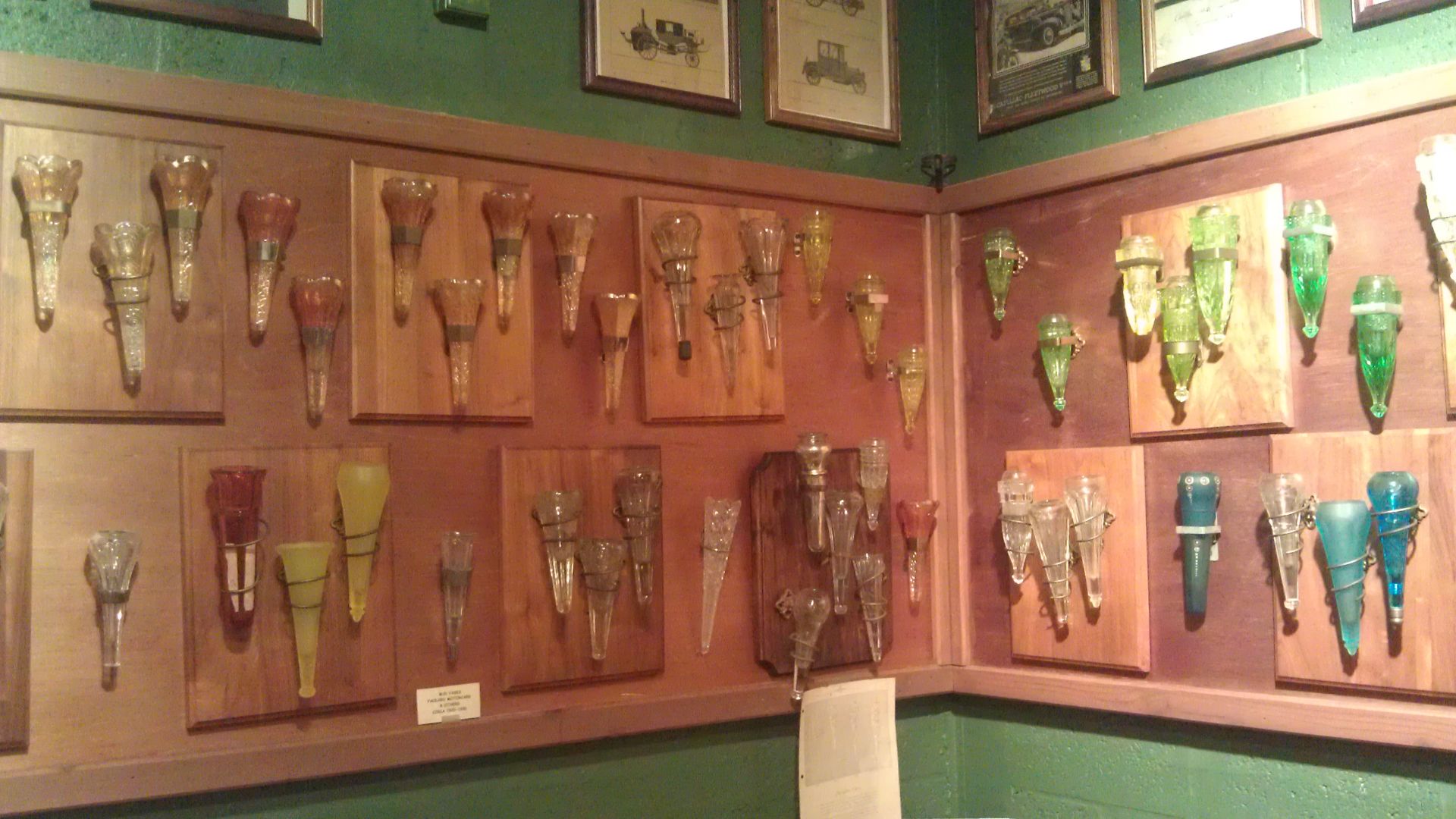
1. Display In A Shadow Box For Protection
Sometimes, the best way to enjoy an antique is to make it the star of its own stage. A shadow box turns protection into presentation, keeping dust and moisture far away while UV-filtered glass guards against fading.
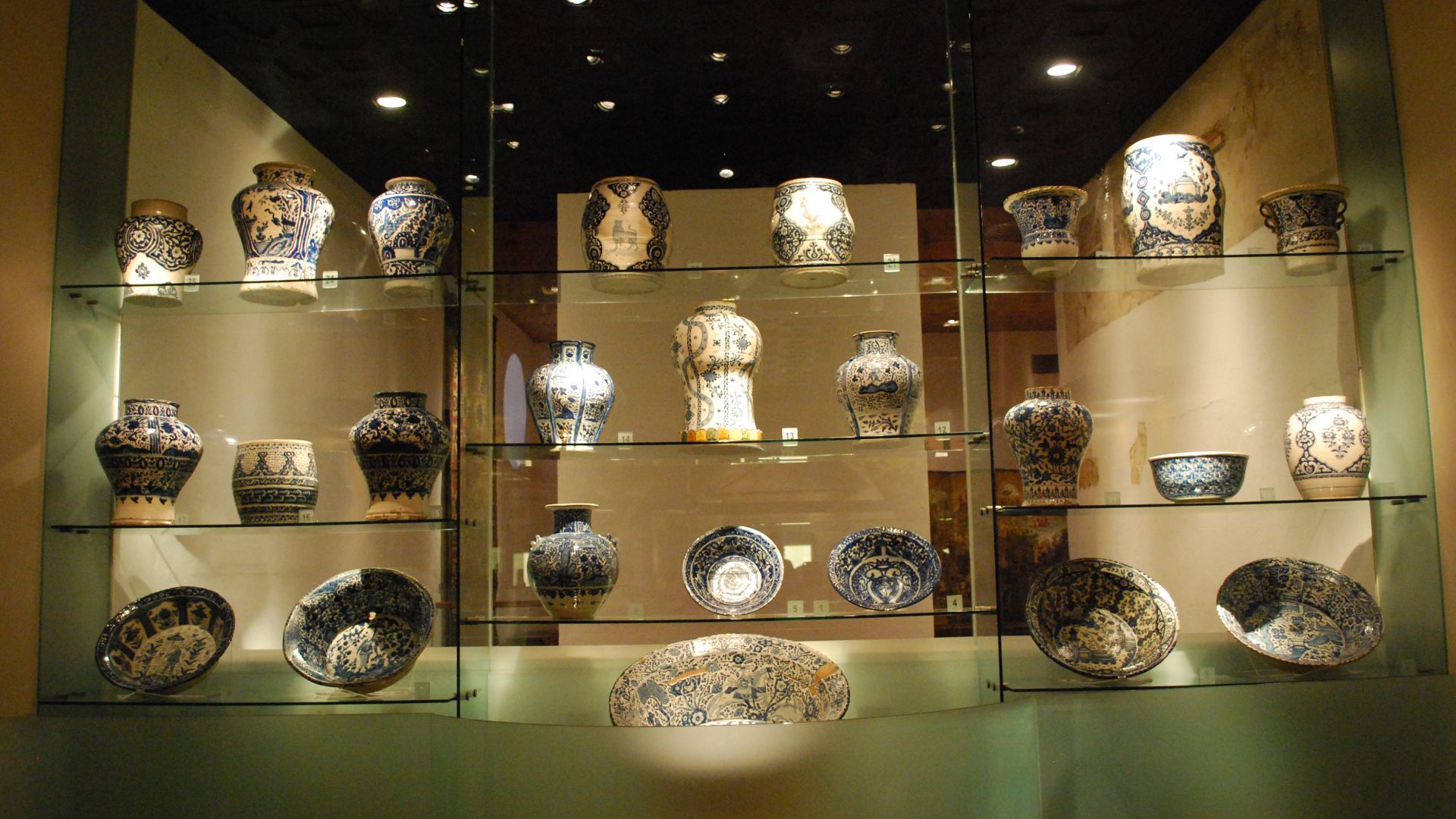 AlejandroLinaresGarcia on Wikimedia
2. Repurpose Silverware Into Wearable Jewelry
Old silverware has a way of telling stories, and turning it into jewelry lets those stories travel with you. For instance, fork tines bend gracefully into artistic shapes. So, what once served a table now serves as wearable art.
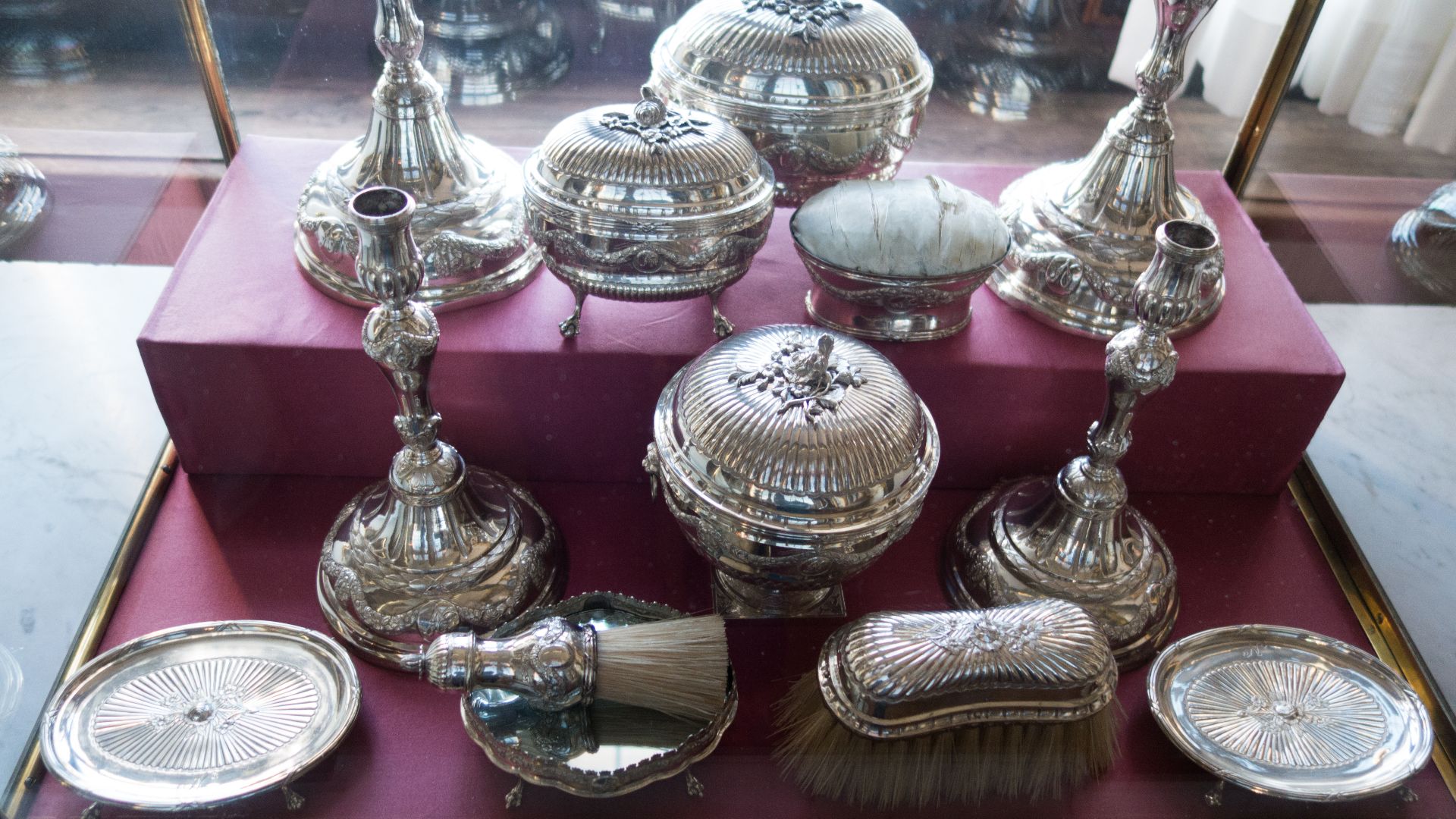
3. Restore Wooden Furniture
Nothing beats the satisfaction of watching a worn wooden heirloom regain its former glory. Shellac brings back that rich, period-perfect sheen, and matching the exact wood species keeps the look seamless. And by skipping aggressive sanding, the patina remains—a living record of its years.
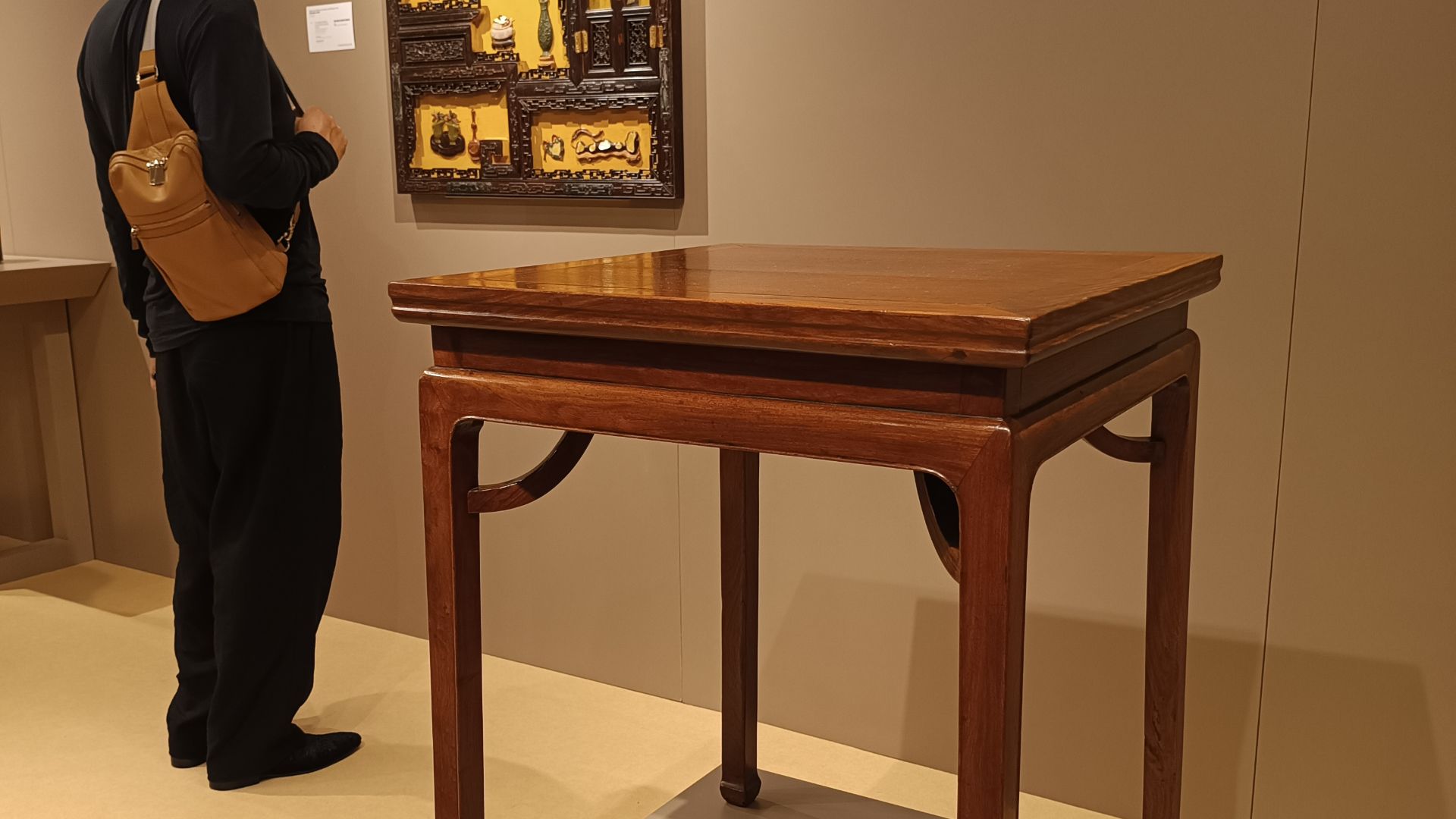 He Tai Ngan AuYang Suki on Wikimedia
4. Donate To A Museum
Expert conservators know exactly how to preserve and store antique items, shielding them from harm. Once in their hands, your piece might appear in thoughtfully curated exhibitions, letting visitors share in its history. As a bonus, you might even enjoy some tax perks for your generosity.
5. Sell Through A Specialist Auction House
A professional appraisal sets the tone, giving you a clear idea of value before bidding begins. Serious collectors gather, drawn by targeted marketing and the promise of rare finds. Moreover, if your piece comes with a rich provenance, that backstory can push bids even higher.
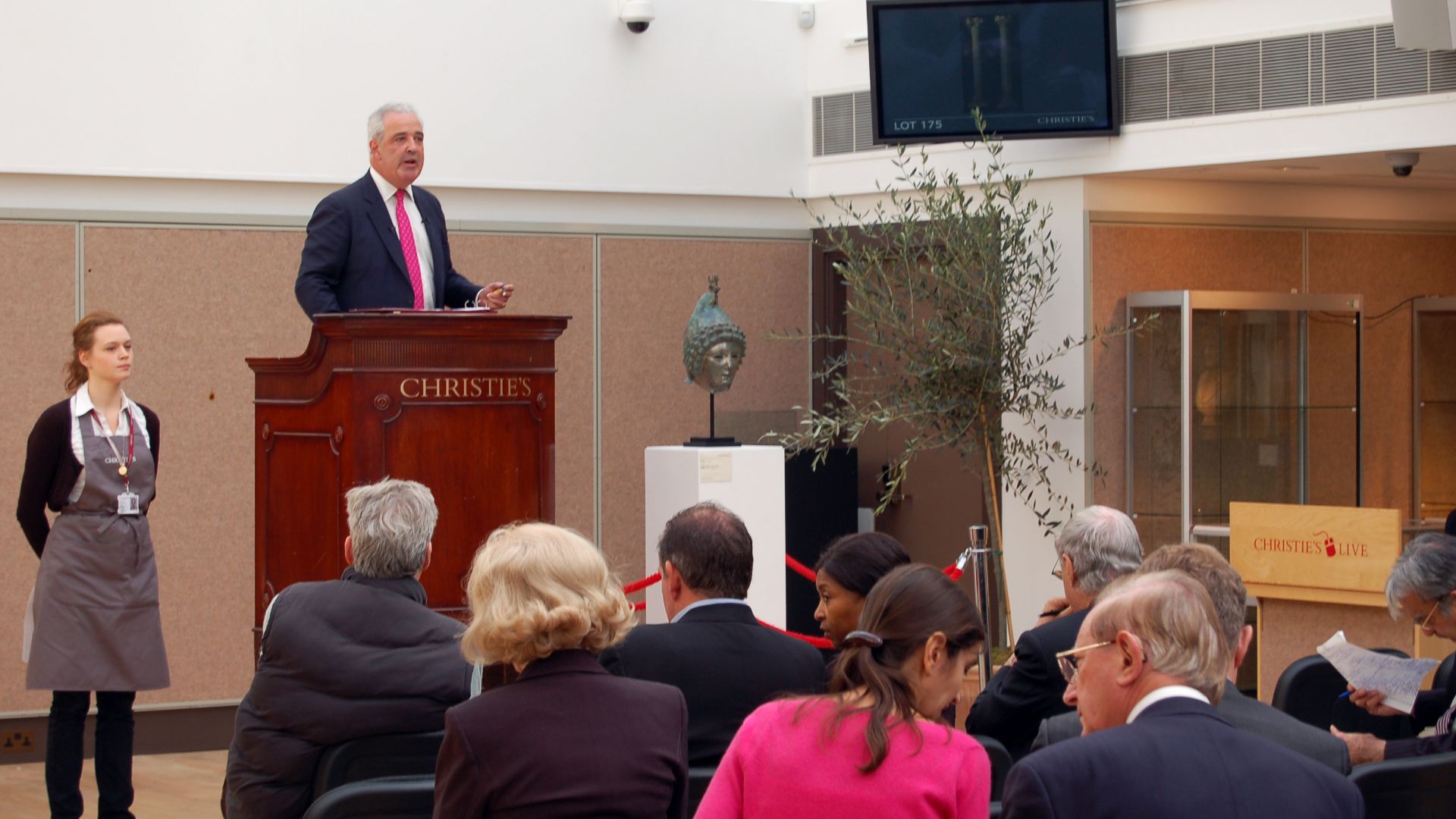 Portable Antiquities Scheme from London, England on Wikimedia
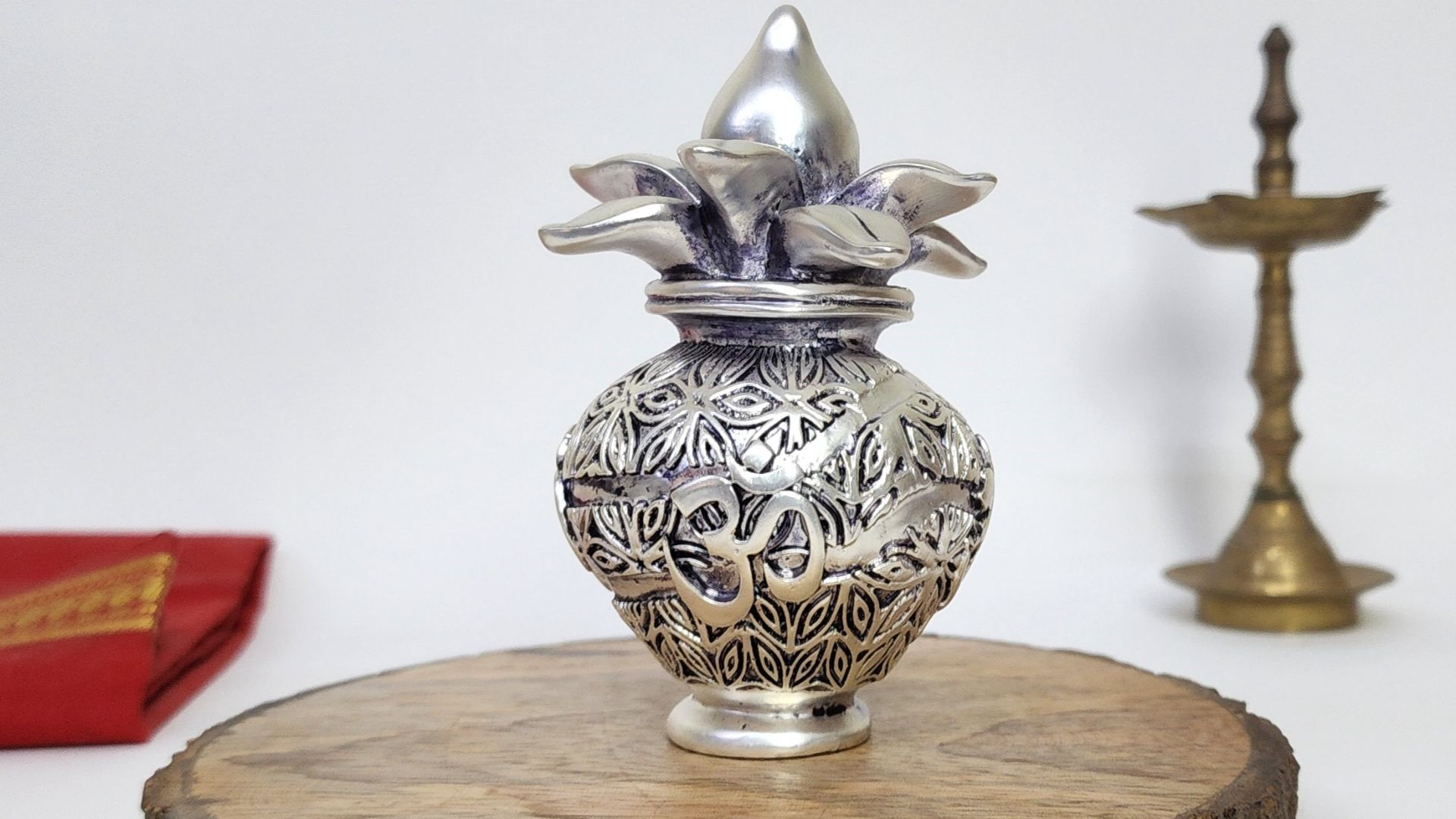
6. Use As A Statement Piece
Placing an antique as the centerpiece of a room turns it into more than just décor—it becomes a story waiting to be told. Its rare materials naturally draw the eye, creating a focal point that works just as well alongside sleek modern lines as it does among vintage touches.
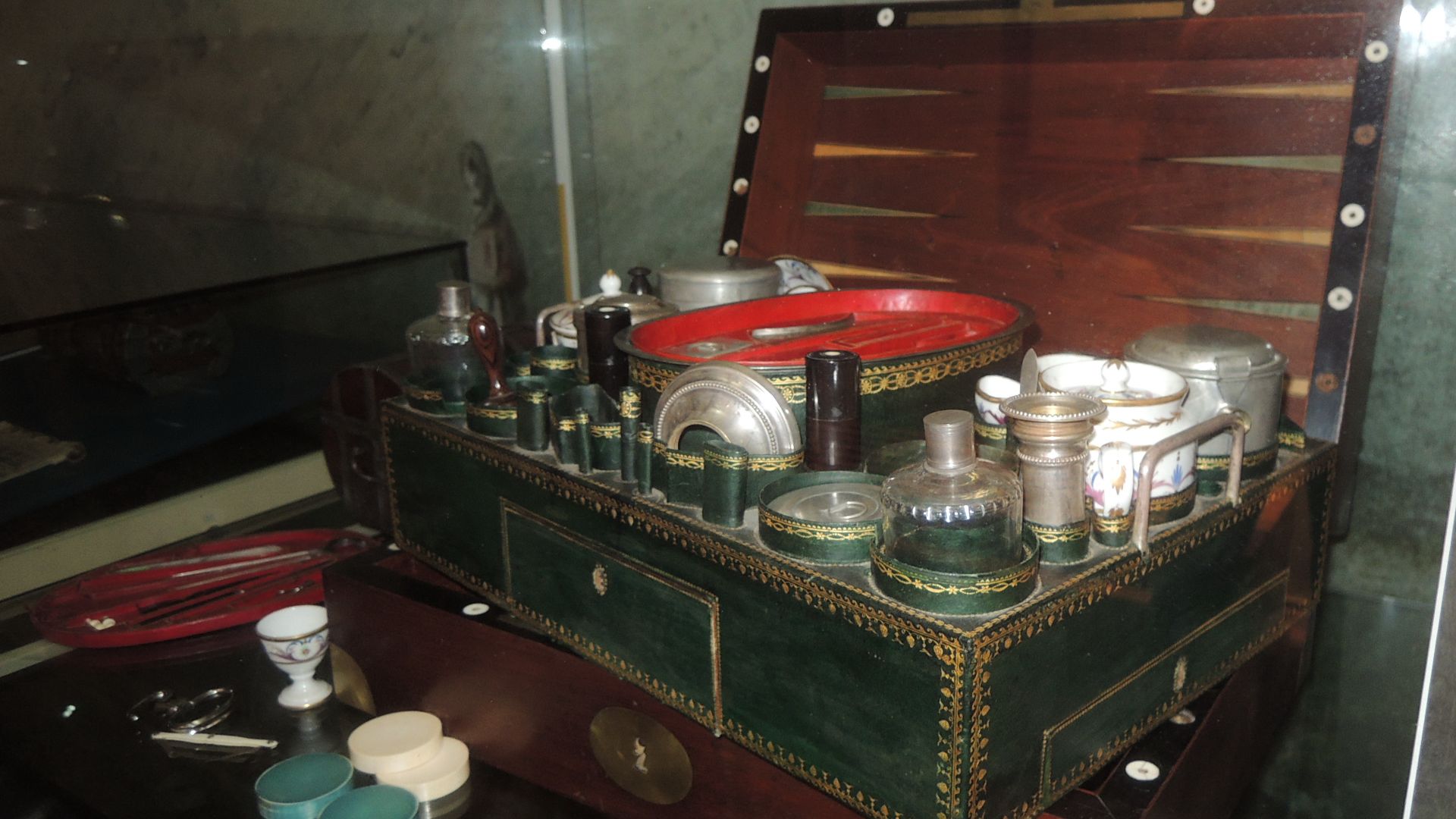
7. Convert Vintage Luggage Into Storage Solutions
Beneath those worn leather exteriors and brass clasps, there’s plenty of space to tuck away treasured keepsakes. Lining the interior keeps everything safe from dust while preserving the fabric’s integrity. Over time, the leather softens and deepens in color.
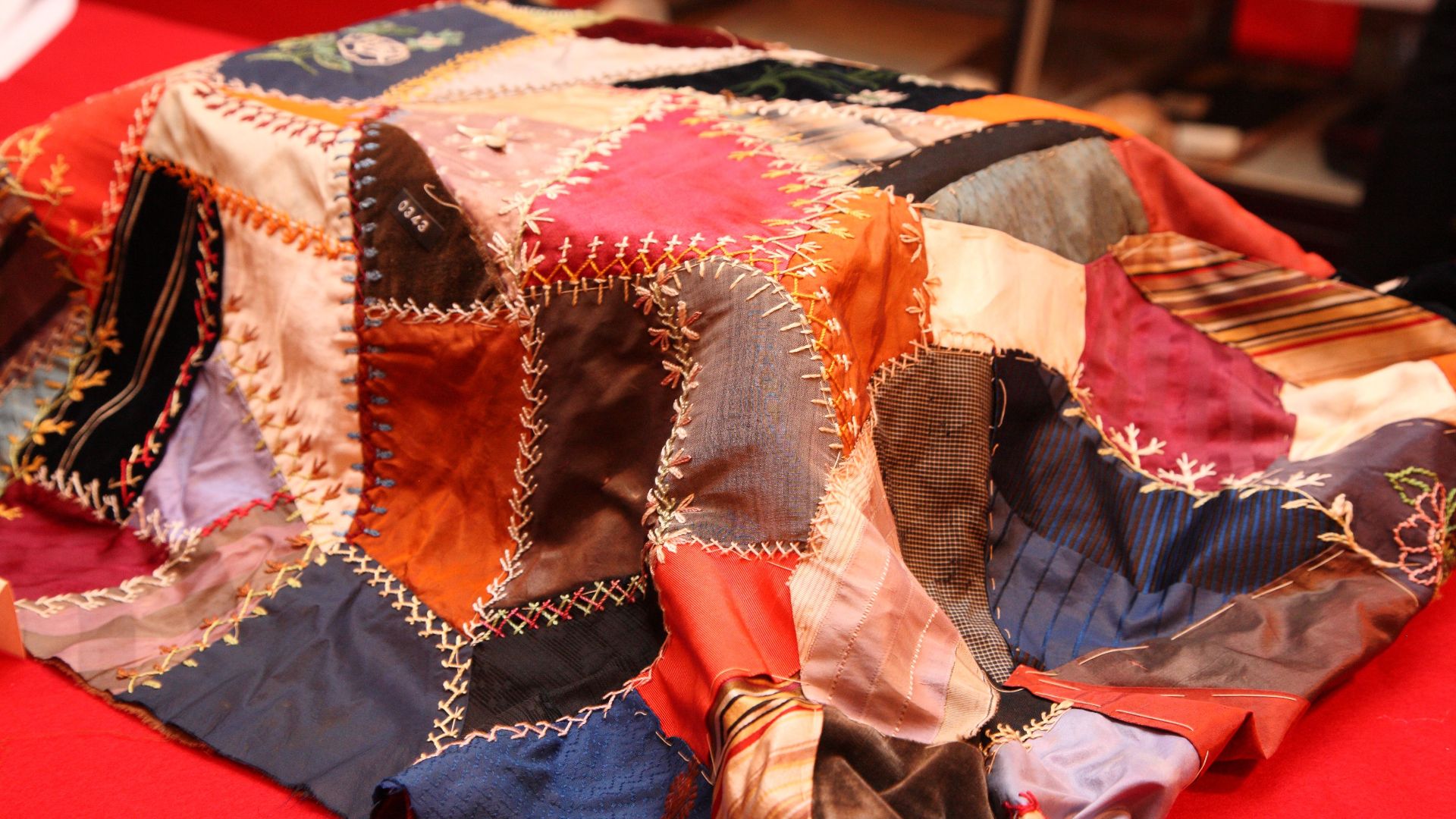
8. Incorporate Antique Textiles Into Upholstery
Preserving fragile fabrics through quilts or upholstery ensures they remain both beautiful and useful. Moreover, patchwork brings out the variety of patterns and textures, which makes it ideal for cushions, wall hangings, or furniture seats.
 Camp Chesterfield on Wikimedia
9. Create Themed Seasonal Displays
Imagine guests walking in and spotting a vintage tea set perfectly set for Easter or a string of antique postcards welcoming summer. Rotating pieces this way keeps fragile items safe and guarantees plenty of curious conversations.
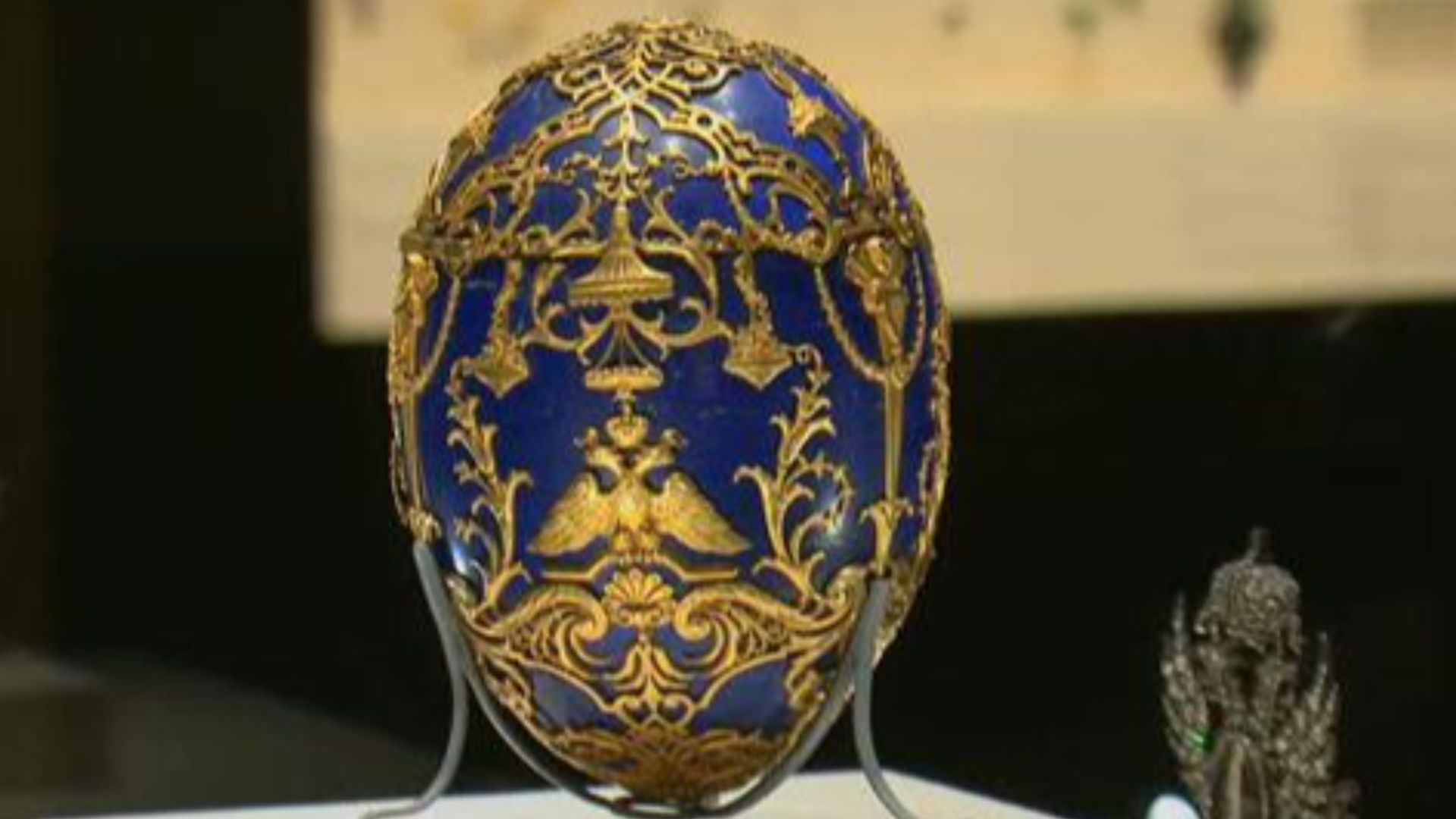 Photo: VOA - A. Greenbaum on Wikimedia
10. Digitize For Historical Archives
These images make it easy to share with family or historians. Storing the files in multiple secure locations adds another layer of protection, which complements physical preservation and ensures the story behind each piece remains accessible for generations.