10 Lifestyle Upgrades That Are Worth Paying For And 10 That Probably Aren't
The Do’s And Don’ts of Luxury
Here's the uncomfortable truth about "premium" purchases: a bigger price tag doesn't automatically mean a better life. Somewhere between the sleek packaging and the influencer testimonial, a lot of us stopped asking "does this actually solve my problem?" and started asking "does this feel fancy enough to be worth it?" The upgrades that earn their keep tend to share a few things in common: they fix a problem you deal with constantly, they protect your health or safety, or they save you from replacing something expensive or impossible to redo. The upgrades that don't earn their keep? They usually lean on vague wellness buzzwords, a slick sales pitch, or a bundle of extra features you'll forget existed within a month. Let's sort the smart spending from the marketing magic — ten upgrades worth the splurge, and ten that are better left at the checkout screen.

1. Preventive Dental Care
Nobody's throwing a party over a routine cleaning, but skipping it is how a small cavity turns into a root canal. Regular checkups catch problems while they're still cheap, small, and painless to fix; long before they interrupt your ability to live your life.

2. Sleep Fixes
Before you drop serious cash on a luxury mattress, figure out what's actually wrecking your sleep. Is it light? Noise? Temperature? A sagging mattress? Blackout curtains, earplugs, or a new pillow might solve it for a fraction of the cost, but only if you're targeting the real culprit.

3. Workspaces
You don't need a Pinterest-worthy home office. You need a chair that supports your back, a monitor at eye level, and a keyboard that doesn't force your wrists into a weird angle. A $40 monitor stand can solve a problem that's been giving you neck pain for years. That's the upgrade that counts.
 Collov Home Design on Unsplash
4. Sunscreen and Sun Gear
The best sunscreen is the one that's still in your bathroom cabinet instead of untouched in a drawer. Paying a bit more for a formula that doesn't sting your eyes or feel greasy means you'll actually put it on, and the same logic applies to hats and sun shirts. Comfort is what makes protection consistent.

5. Smoke and Carbon Monoxide Alarms
This is not the place to cut corners. Devices that meet recognized safety standards, placed where they're supposed to be and tested regularly, can give you the early warning that makes all the difference in an emergency.

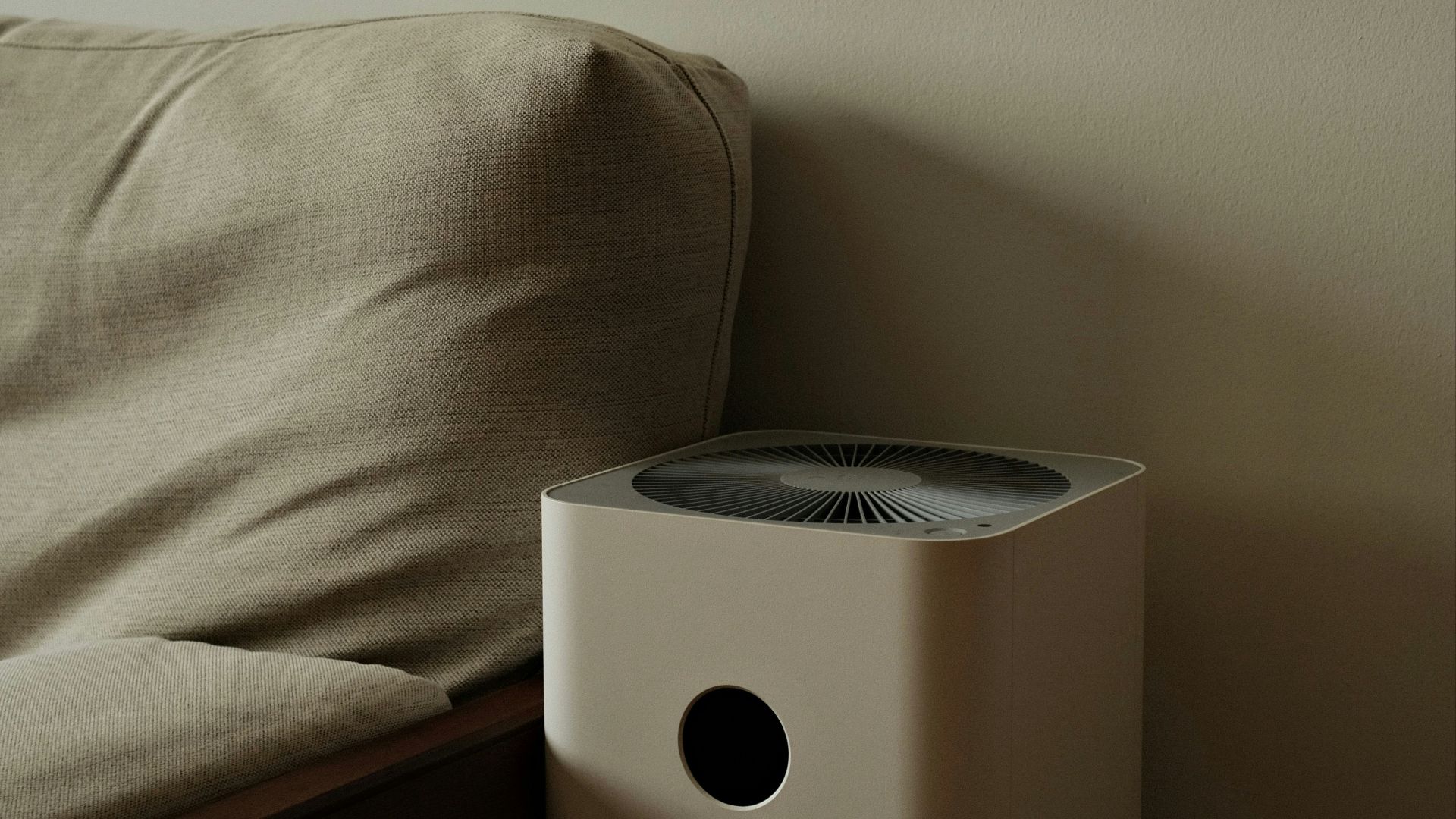
6. Air Filtration
A properly sized air purifier can make a difference during wildfire smoke season, but bigger and pricier isn't automatically better. Check the room size it's rated for, how loud it runs, and how much the filters cost to replace. A quiet unit you'll actually run overnight beats an oversized machine any day.
7. Drafts And Insulation
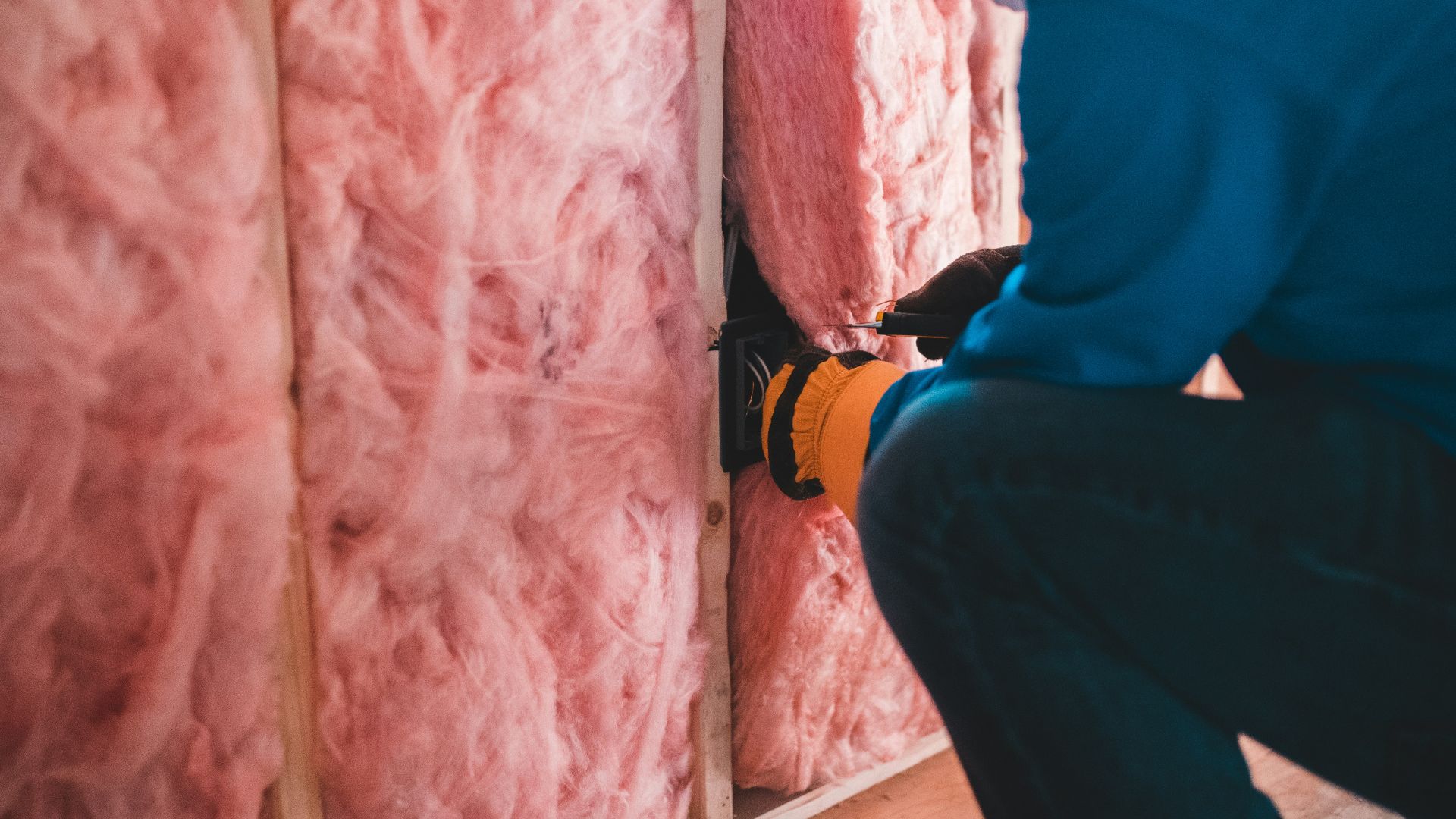
It's not glamorous, but weatherstripping a drafty door or beefing up attic insulation can make your home noticeably more comfortable, and cut your energy bills in the process. An energy assessment can tell you exactly where to spend first, which usually beats replacing perfectly good windows.
8. Hearing Protection
Concerts, power tools, noisy job sites; hearing protection only works if you don't rip it out ten minutes in. The right fit matters more than the price tag, whether that's reusable musician's earplugs, foam plugs, or full earmuffs. Comfortable protection is protection you'll actually use.
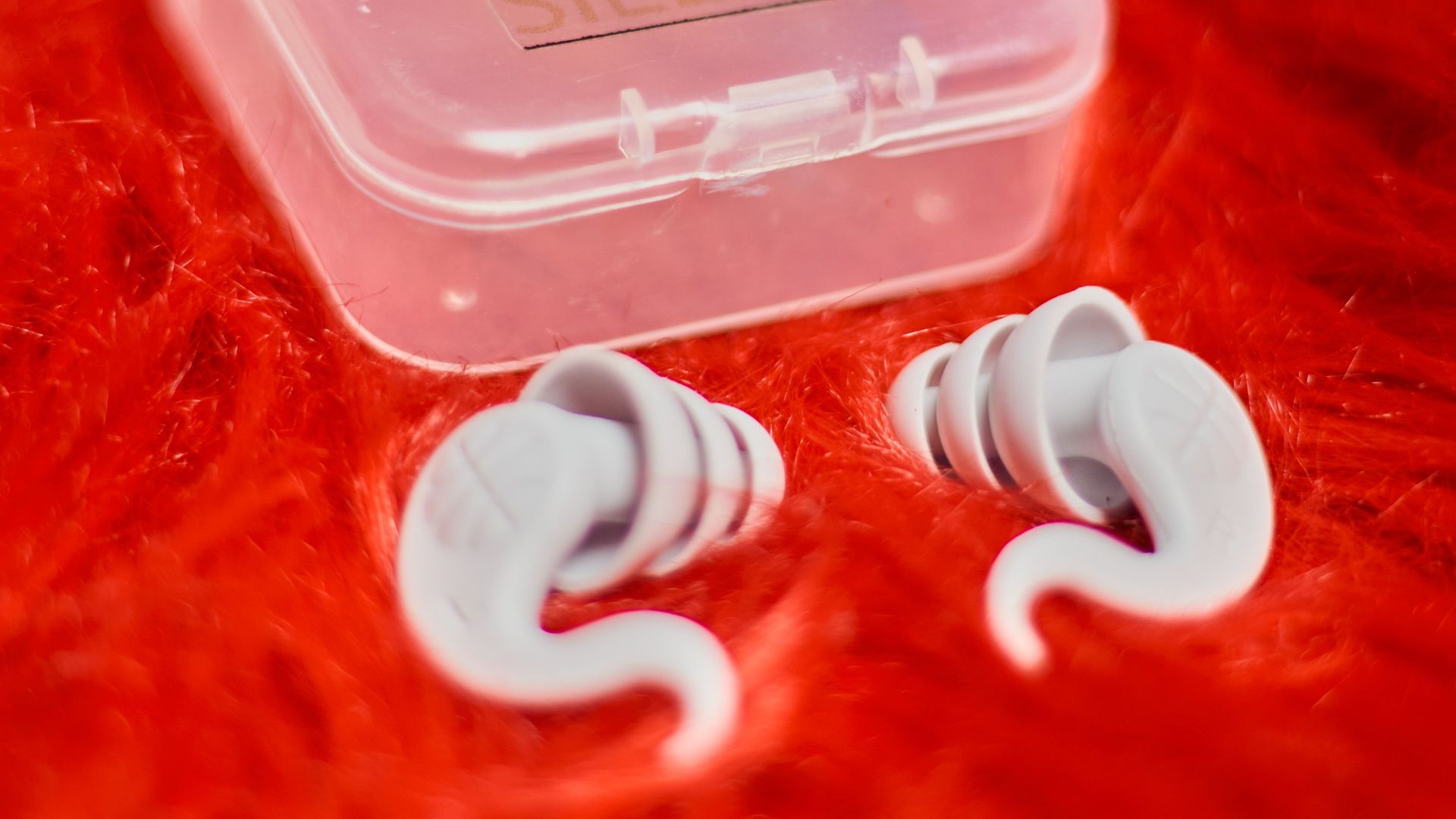 Jesutobiloba Precious on Pexels
9. Water Filters
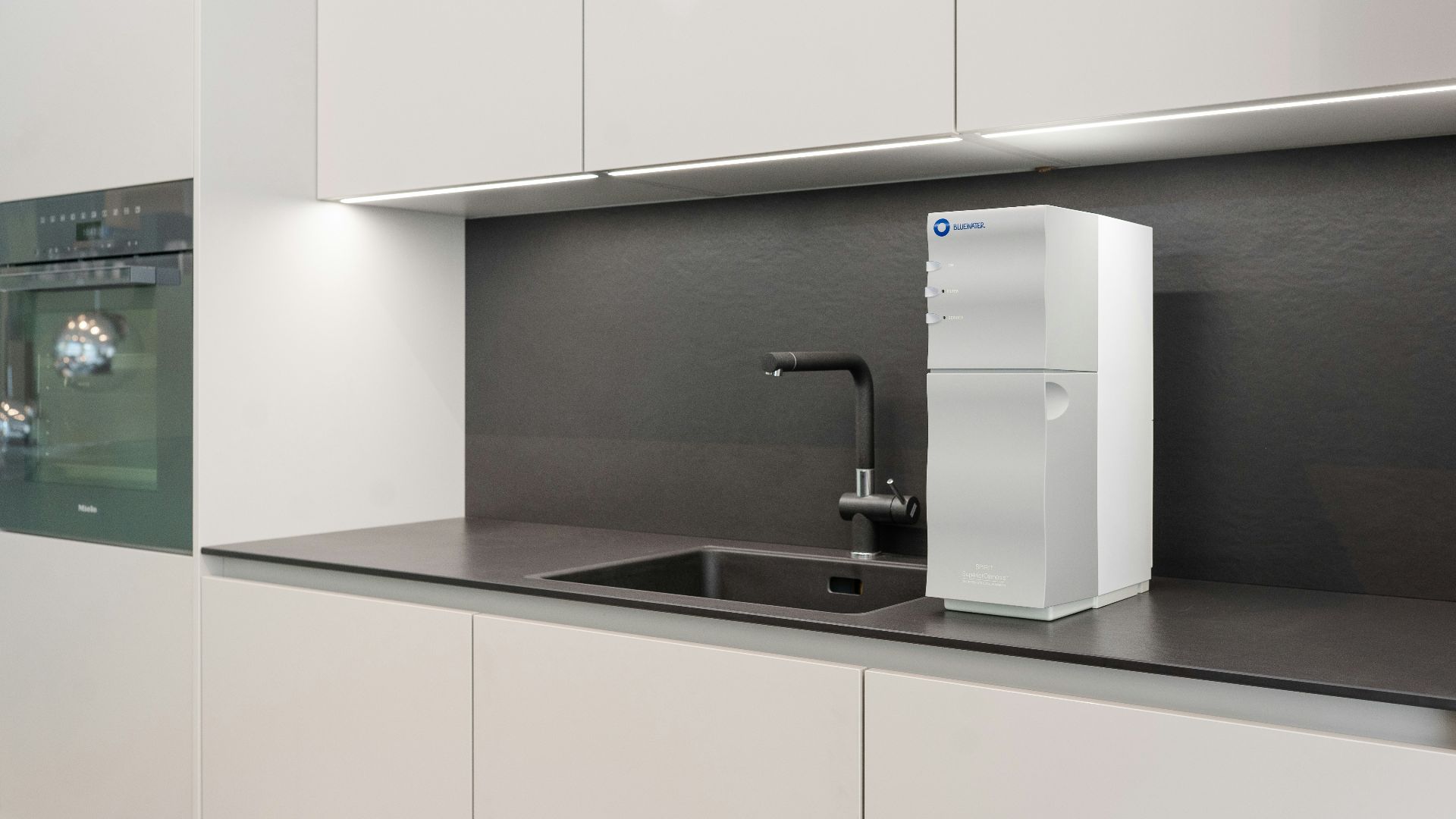
Skip the filter with the flashiest purity claims and start with your actual water report. Different filters target different contaminants, so look for independent certification for the specific issue you're trying to solve, and factor in the cost of replacement cartridges before you commit.
10. Slip-Resistant Shoes
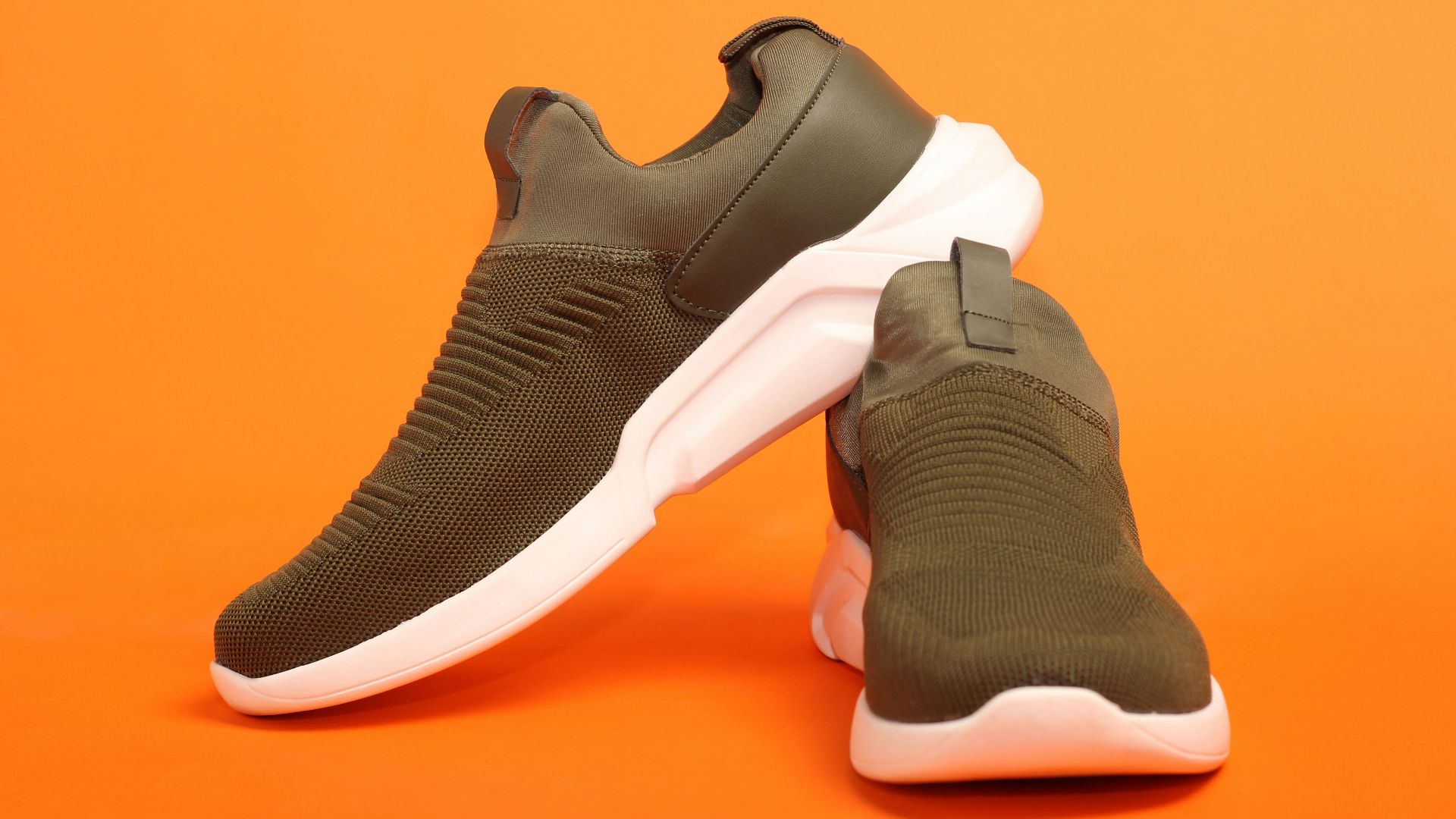
If your work involves wet floors, grease, or hours on your feet, a well-fitted pair of slip-resistant shoes is a necessary injury prevention. Fit, traction, and all-day comfort matter far more than the logo on the side.
1. Premium Gas
If your owner's manual calls for regular unleaded, paying extra for premium every fill-up buys you nothing but a lighter wallet. The pump's flattering language about "performance" and "power" doesn't override your engine's actual specs.

12. Extended Warranties
That checkout-screen warranty pitch is designed to feel urgent and essential, which is exactly why it's worth pausing on. Compare it against your existing manufacturer's warranty, likely repair costs, and any coverage your credit card already includes. Often, the fine print reveals it barely covers anything you'd actually need.
13. Detoxes and Juice Cleanses
Your liver and kidneys are already handling detoxification, no $80 juice regimen required. Restrictive cleanses can leave you dehydrated, nutrient-depleted, and lightheaded, and any number you see drop on the scale is almost always just water weight and calorie restriction.

14. Supplements
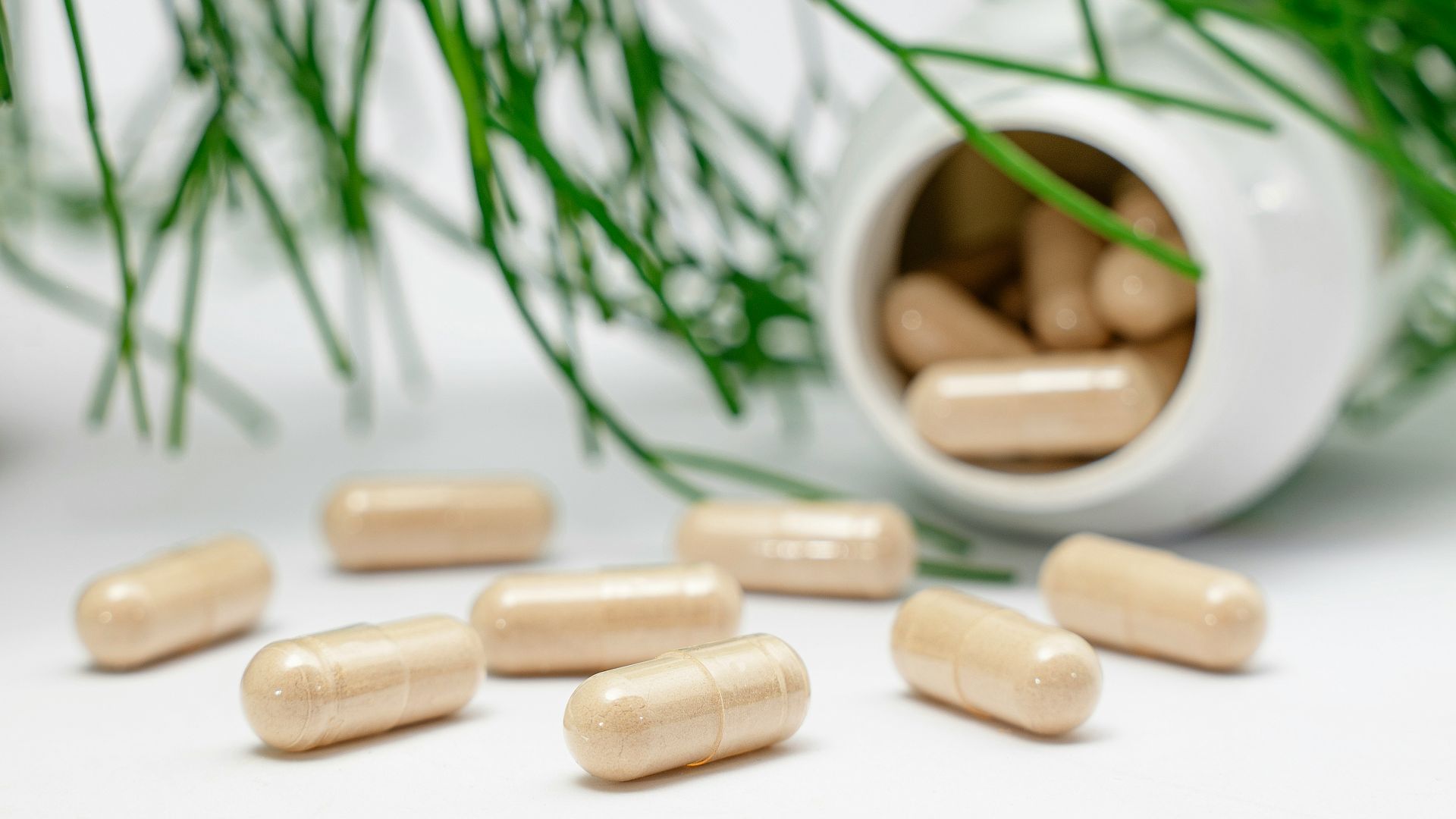
Supplements absolutely have their place for diagnosed deficiencies or specific health needs. But a daily stack of a dozen pills for vague "general wellness" is a different story. Doses can overlap, interactions can sneak up on you, and good luck figuring out which one is actually helping (or hurting) you.
 Supliful - Supplements On Demand on Unsplash
15. Blue-Light Glasses
If your eyes feel fried by 5 p.m., the culprit is probably glare, an outdated prescription, or forgetting to blink for six hours straight, not a lack of blue-light filtering. Adjusting your screen brightness and taking breaks will likely do more than a special lens coating ever will.

16. Alkaline Water and Home Ionizers
Regular water already does the hydrating just fine. An ionizer plus its filters and maintenance plan can turn a glass of water into a surprisingly expensive subscription, all for benefits that don't hold up beyond personal taste preference.

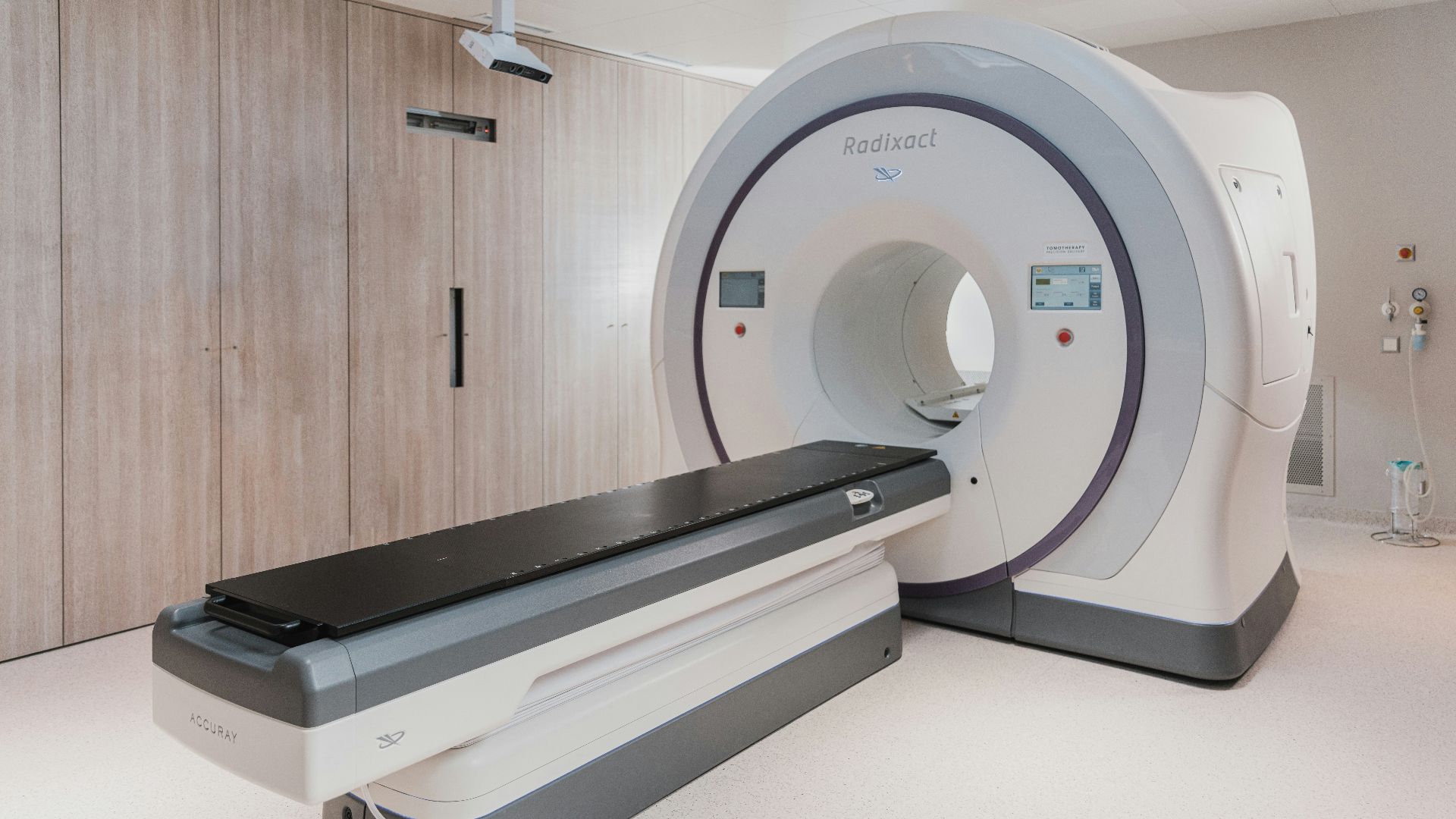
17. Whole-Body CT Scans
Marketed as a deluxe checkup for healthy people, these full-body scans expose you to radiation and often turn up harmless quirks that spiral into more appointments, more bills, and more anxiety, all without meaningfully improving your odds of catching problems early on.
18. Wellness IV Drips
IV therapy is valuable… when it's medically necessary. Marketed as a hangover cure or energy boost for otherwise healthy people, it's an unproven treatment that still involves a needle and sterile handling. Really, it’s a lot of risk for something a smoothie and a nap could probably handle.

19. Whole-Body Cryotherapy
A blast of extreme cold might feel invigorating in the moment, but the sweeping claims about recovery, weight loss, and mood haven't held up to scrutiny. Enjoying one session as a novelty is one thing; committing to a recurring membership on the promise of broad health benefits is another.

20. IgG Food Sensitivity Tests
These tests aren't a reliable way to diagnose food intolerances; the antibodies they measure often just reflect foods you eat regularly, not foods your body is reacting badly to. The result is usually an intimidating list of "flagged" foods that leads to unnecessary restriction, higher grocery bills, and zero extra clarity about what's actually bothering you.