We Promise They’re Worth It
Nobody needs a reason to throw out something that still works. Frugality is a virtue, and a home stuffed with "just in case" replacements isn't the goal. But a handful of everyday objects shape your comfort, safety, and mood far more than their price tag suggests. When your budget finally has a little breathing room, these are the 20 upgrades most likely to earn their keep.

1. Your Mattress
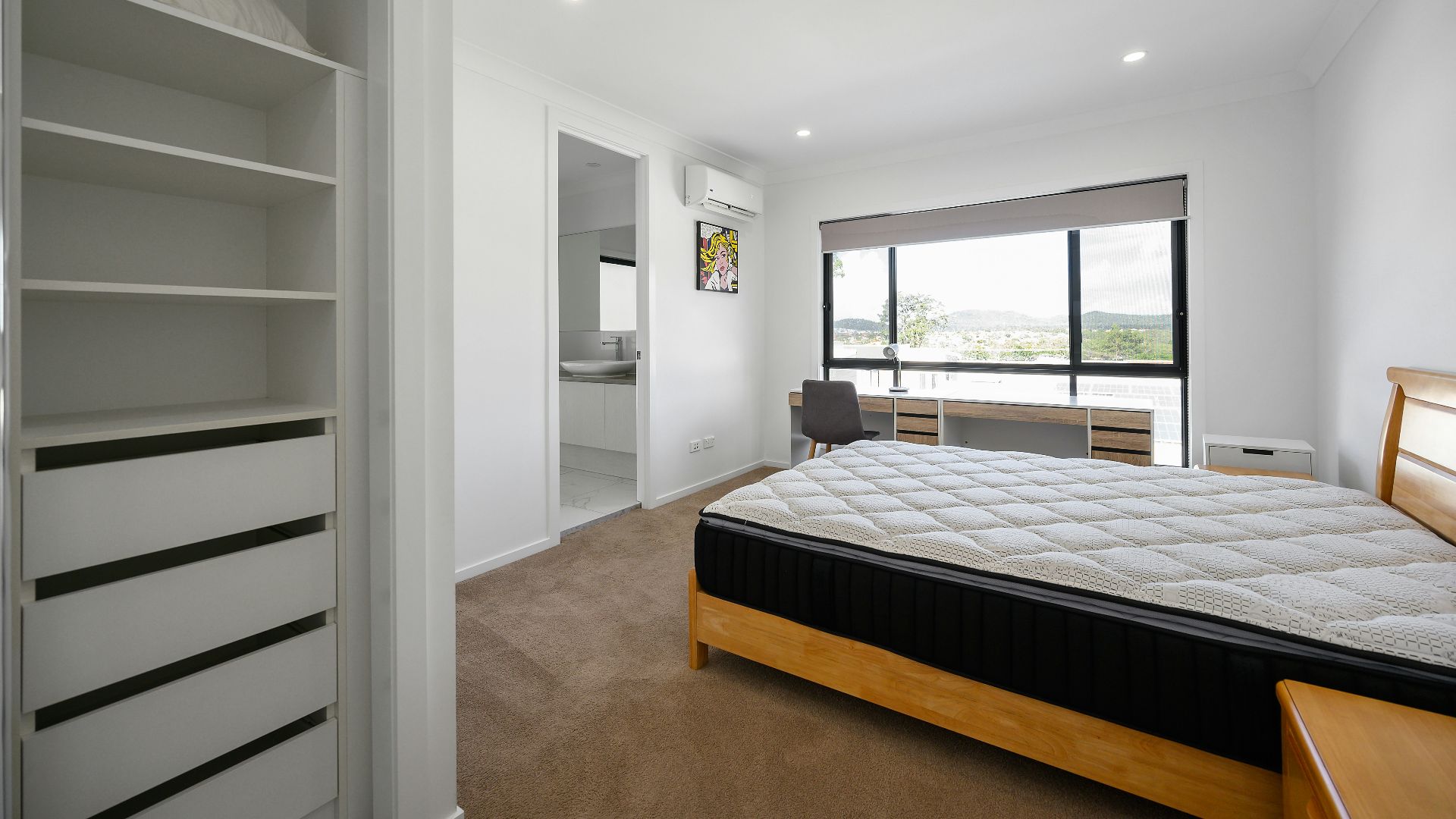
If it dips in the middle, sags on one side, or just doesn't feel like "yours" anymore, it's telling you something. Firmness is personal, so lean on a generous trial period rather than a two-minute showroom flop-test. You'll learn far more from three real nights of sleep than from three minutes on a sales floor.
2. Your Pillow
Flat, lumpy, or permanently creased pillows stop supporting your neck long before you notice. Match the loft to how you actually sleep, and if you're unsure what that is, an adjustable-fill pillow lets you dial it in instead of folding the old one in half in the middle of the night.

3. Your Office Chair
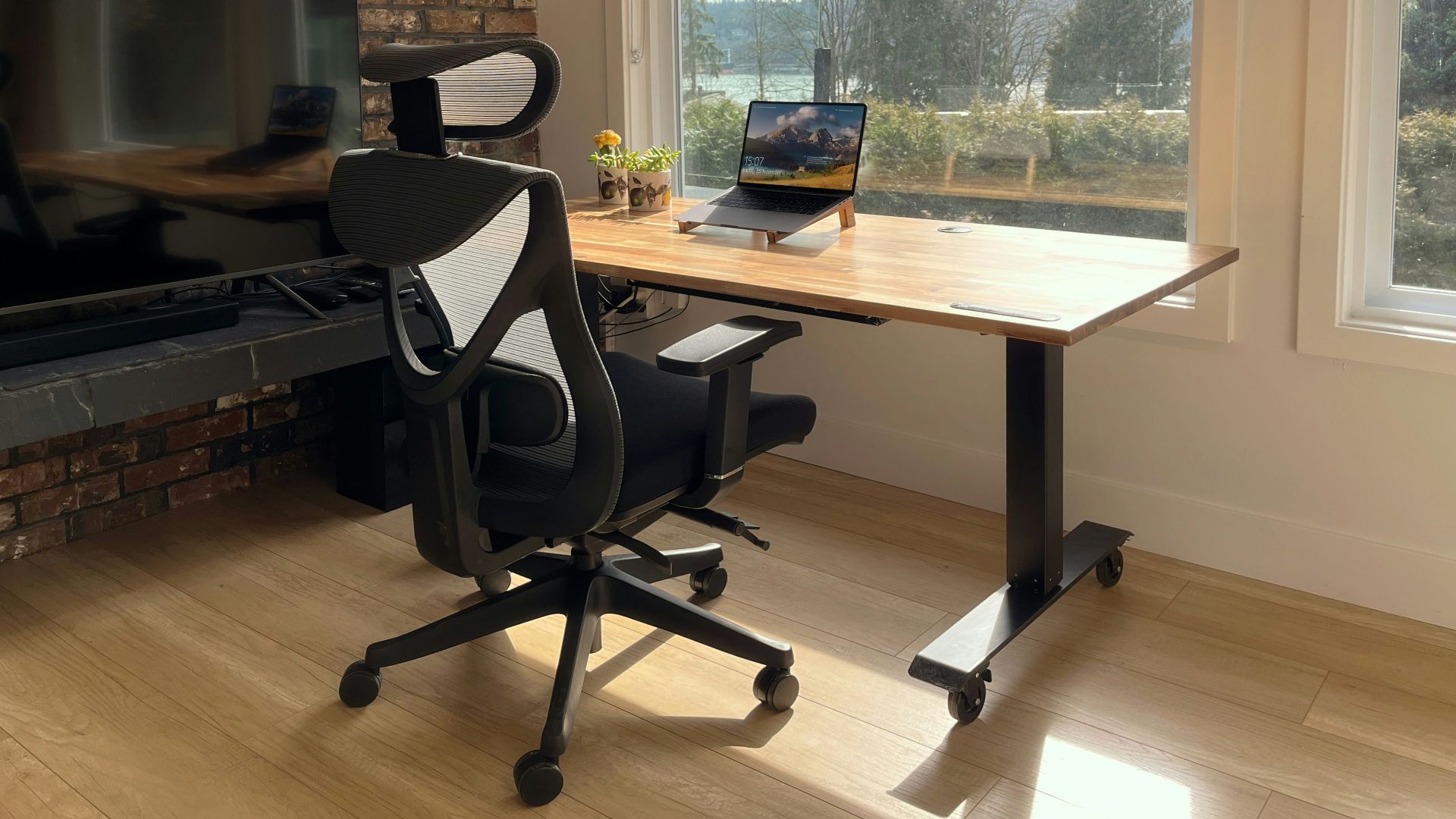
That dining chair was never meant for eight-hour shifts. A real office chair adjusts to your body — seat height, armrests, back support — so your feet plant properly and your spine isn't fighting gravity all day. Your back will notice the difference, and thank you for it.
4. Your Shoes
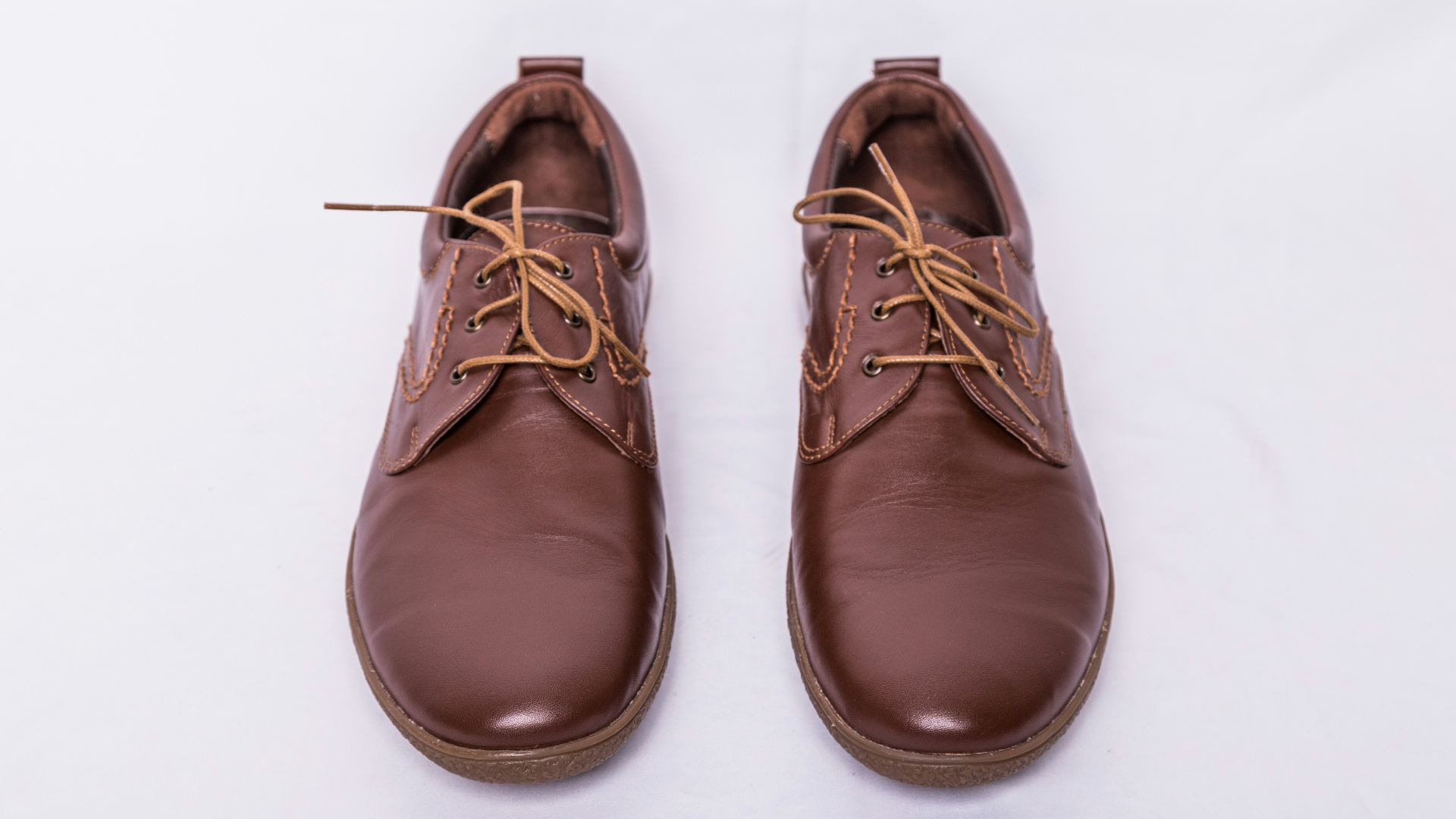
Price doesn't equal comfort. A great daily shoe fits from day one, gives your toes room to exist, and matches how you actually move through your day. If a shoe needs weeks of "breaking in" before it stops hurting, it was never broken in; it just didn’t fit in the first place.
5. Your Kitchen Knife
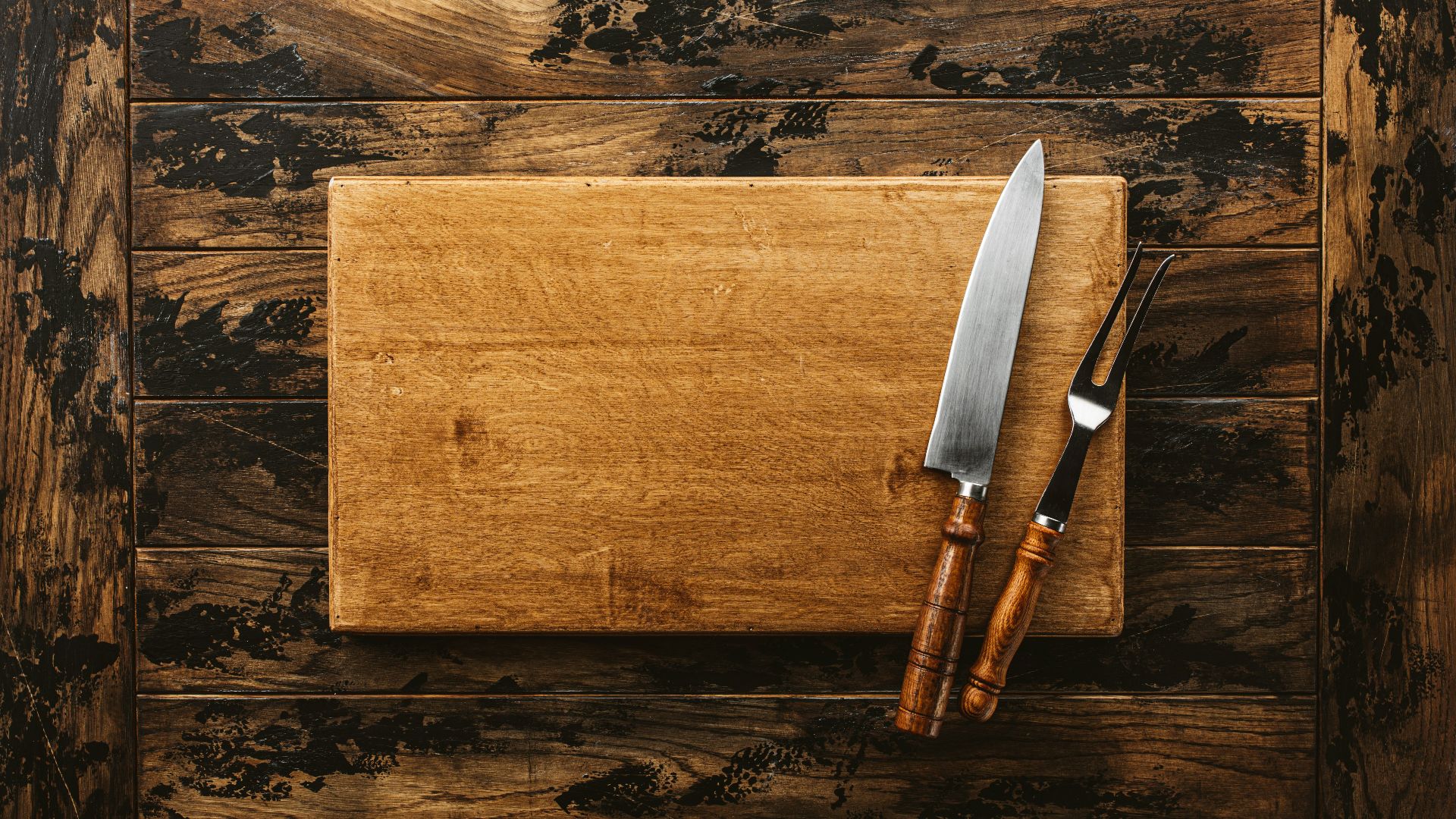
One excellent chef's knife beats a whole block of mediocre ones you never reach for. Find something that feels balanced and secure in your grip, keep it sharp, and watch chopping go from chore to almost meditative.

6. Your Cutting Boards
Deep grooves aren't just ugly; they're where bacteria hide. A sturdy, generously sized board (and a separate one for raw meat) keeps prep safer and faster. Once the surface is too scarred to clean properly, it's done its job — let it go.
7. Your Most-Used Cookware
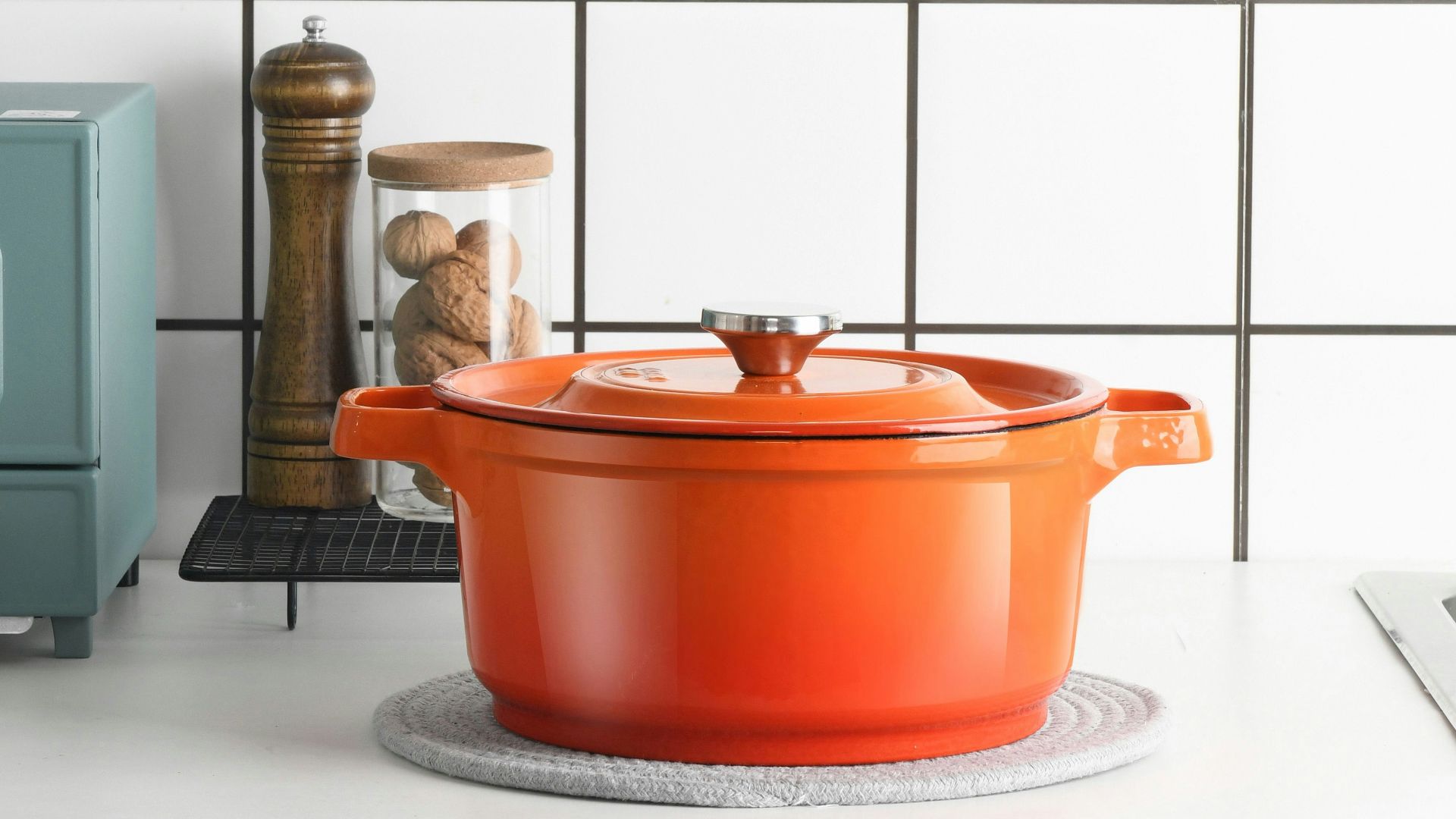
Matching cookware sets sound efficient, but usually just mean paying for pans you never touch. Upgrade the one skillet or Dutch oven you actually reach for weekly. Look for even heating, a sturdy handle, and a weight you can lift confidently when it's full.
8. Your Food Thermometer
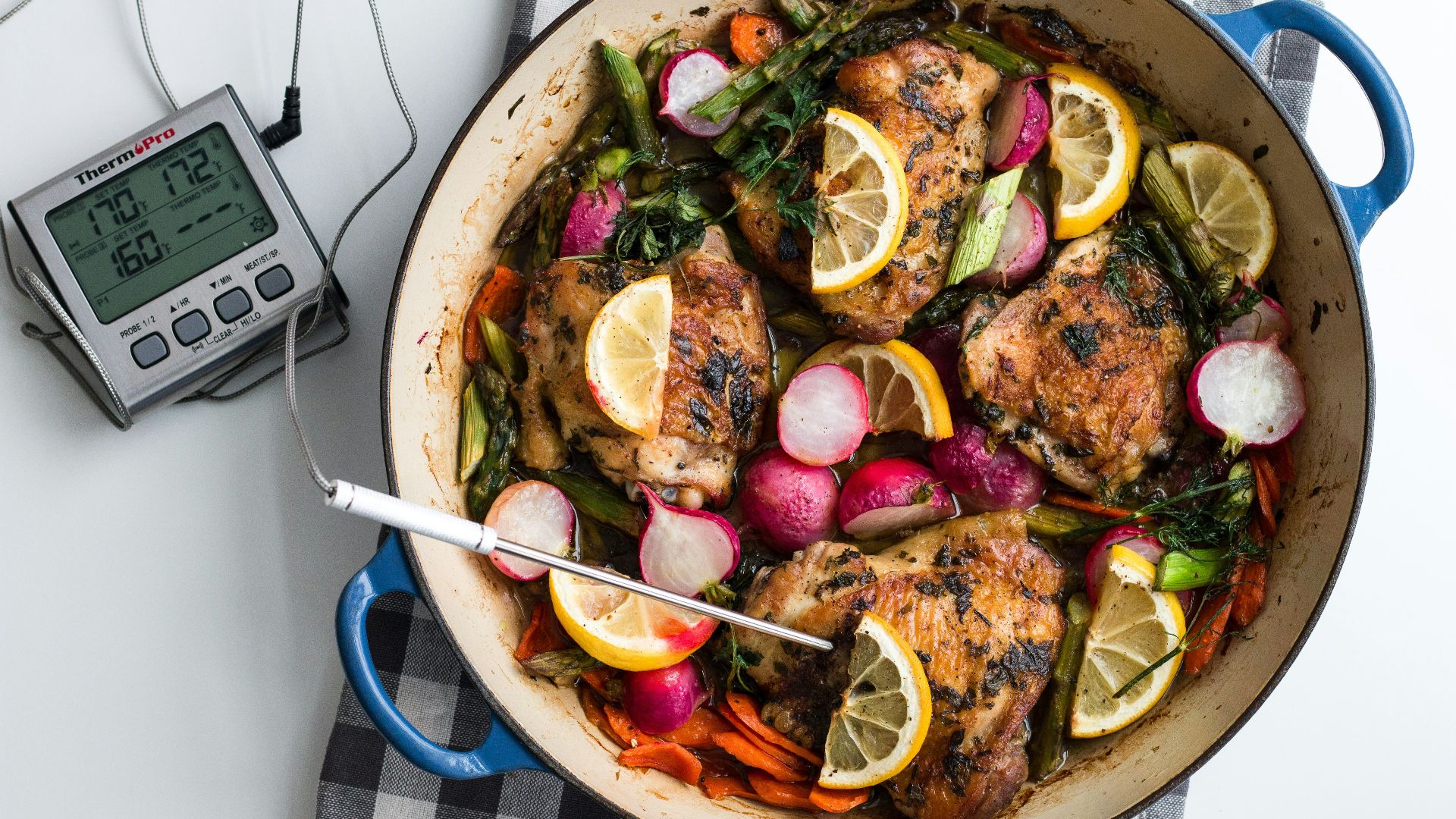
Color and cook time are guesses. An instant-read thermometer is the truth. It stops you from serving undercooked chicken or turning a good steak into shoe leather — a five-dollar tool doing the work of years of kitchen anxiety.
9. Your Vacuum Cleaner
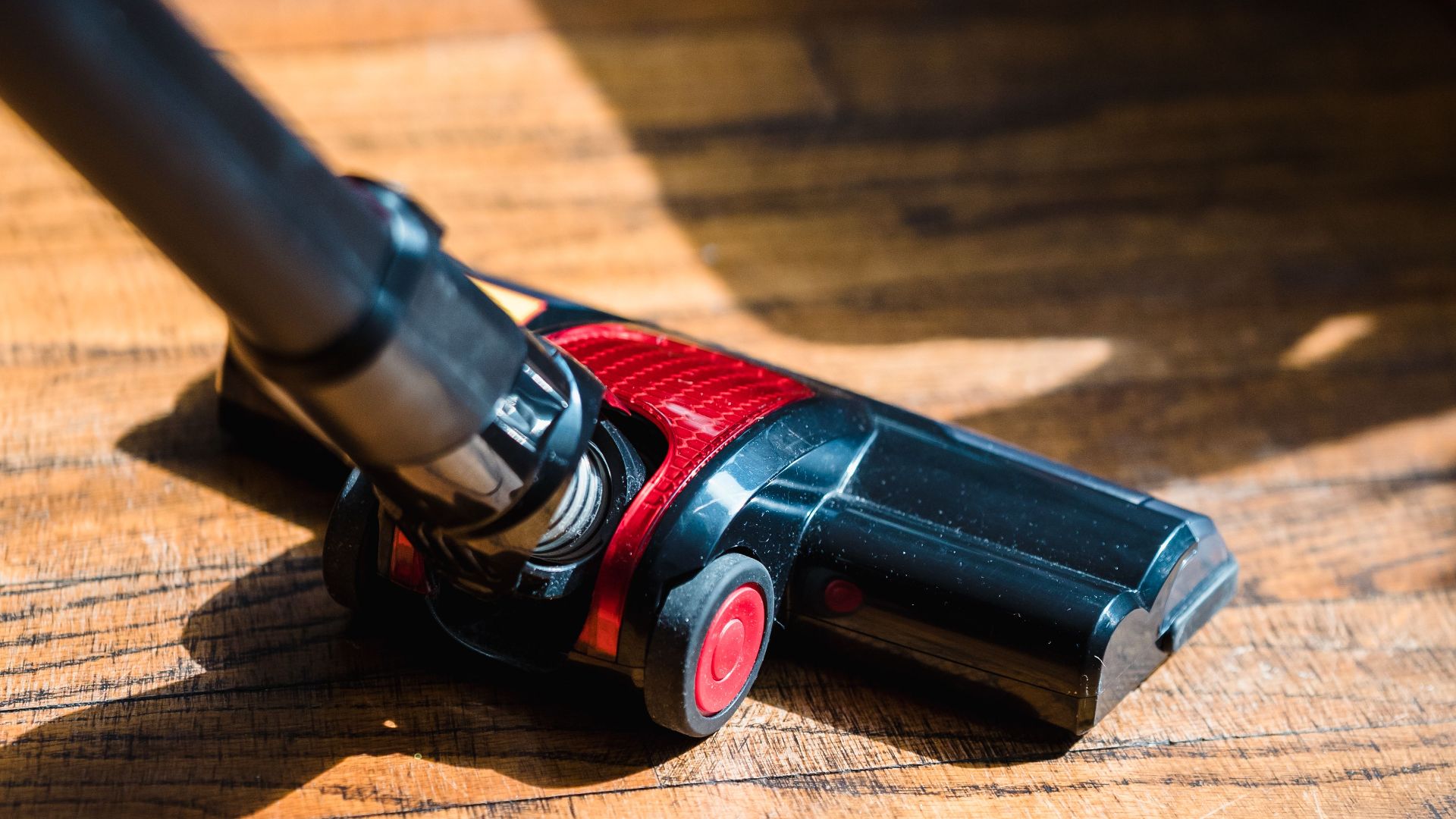
The most powerful vacuum on the shelf is useless if it's too heavy or loud for you to actually use it. Pick one built for your floors, your stairs, your pets — and check what replacement filters and bags cost before you fall for the sticker price.
10. Your Air Purifier
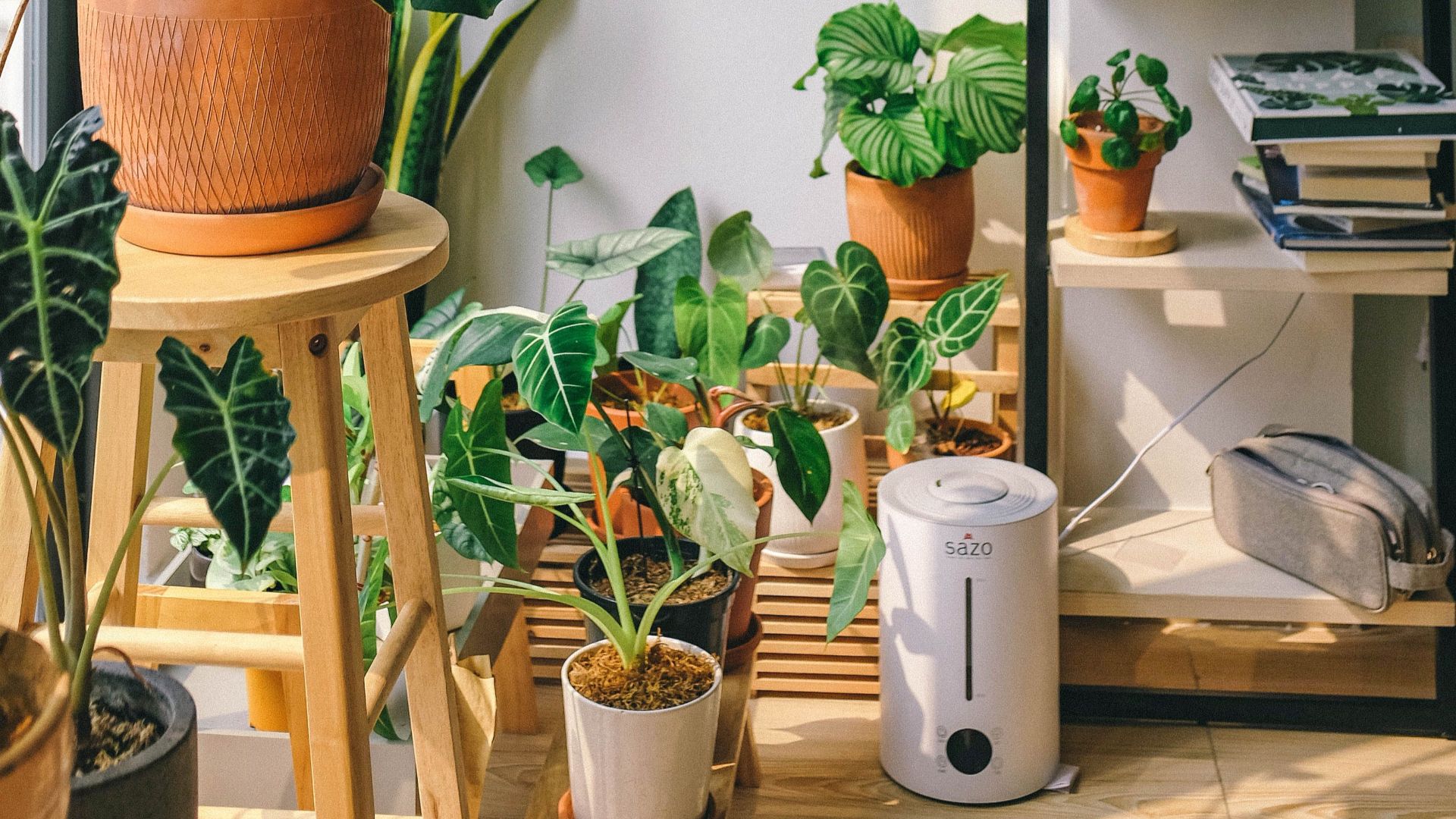
Size it to the room, not the ad copy. An oversized purifier in a tiny room is overkill; an undersized one in a big room does almost nothing. Also factor in noise and filter costs; the best purifier is the one you'll actually leave running.
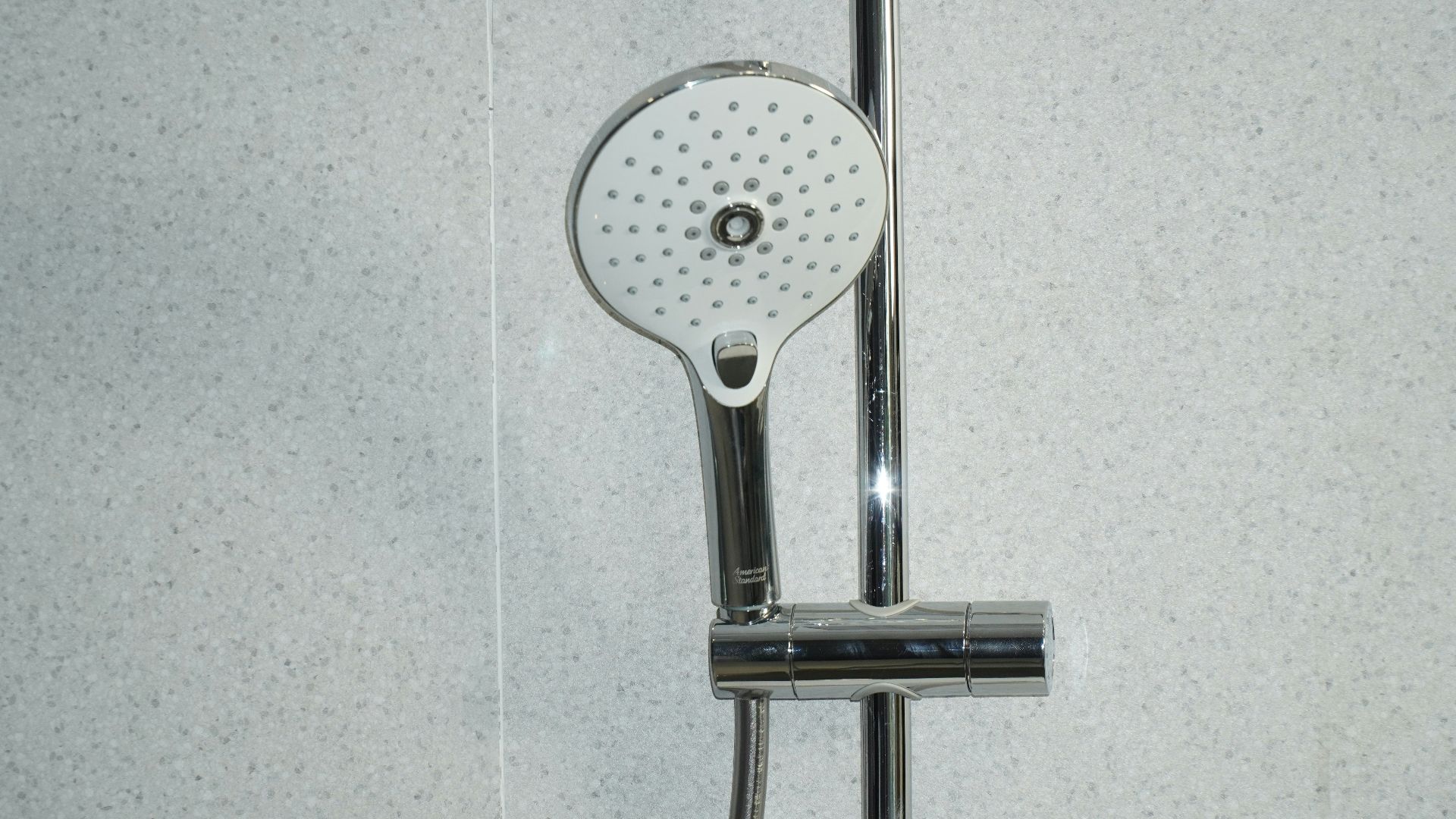
11. Your Showerhead
You don't need the biggest showerhead in the catalog — you need one with reliable spray, easy-to-clean nozzles, and controls that won't fight your wet hands. A handheld attachment is a small addition that makes bathing pets or kids far less of an ordeal.
12. Your Bath Towels
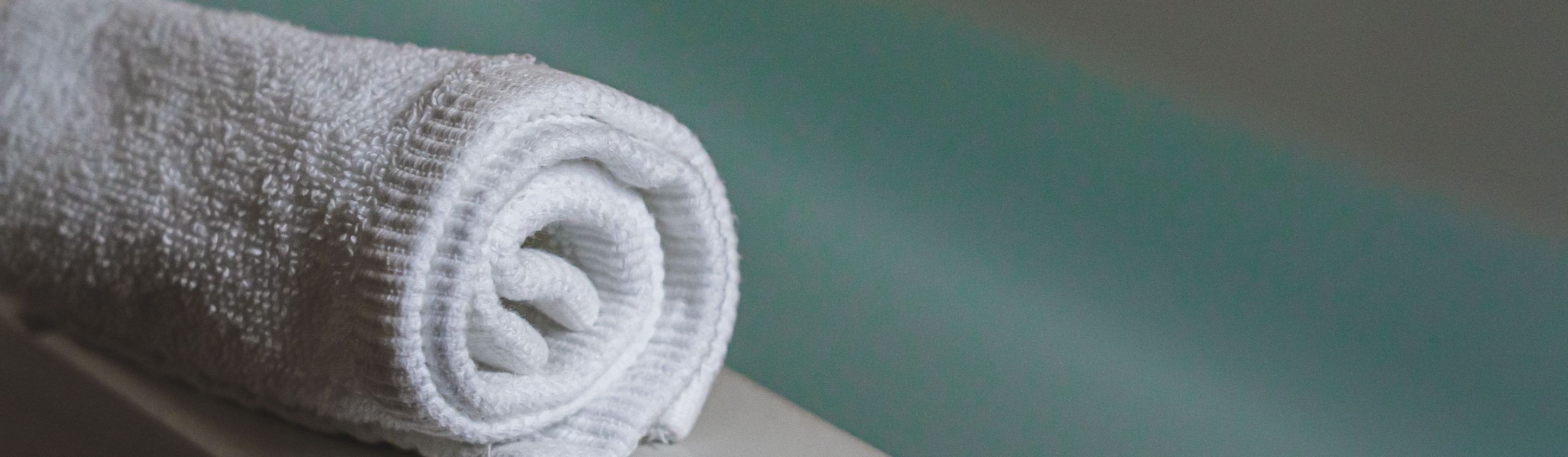
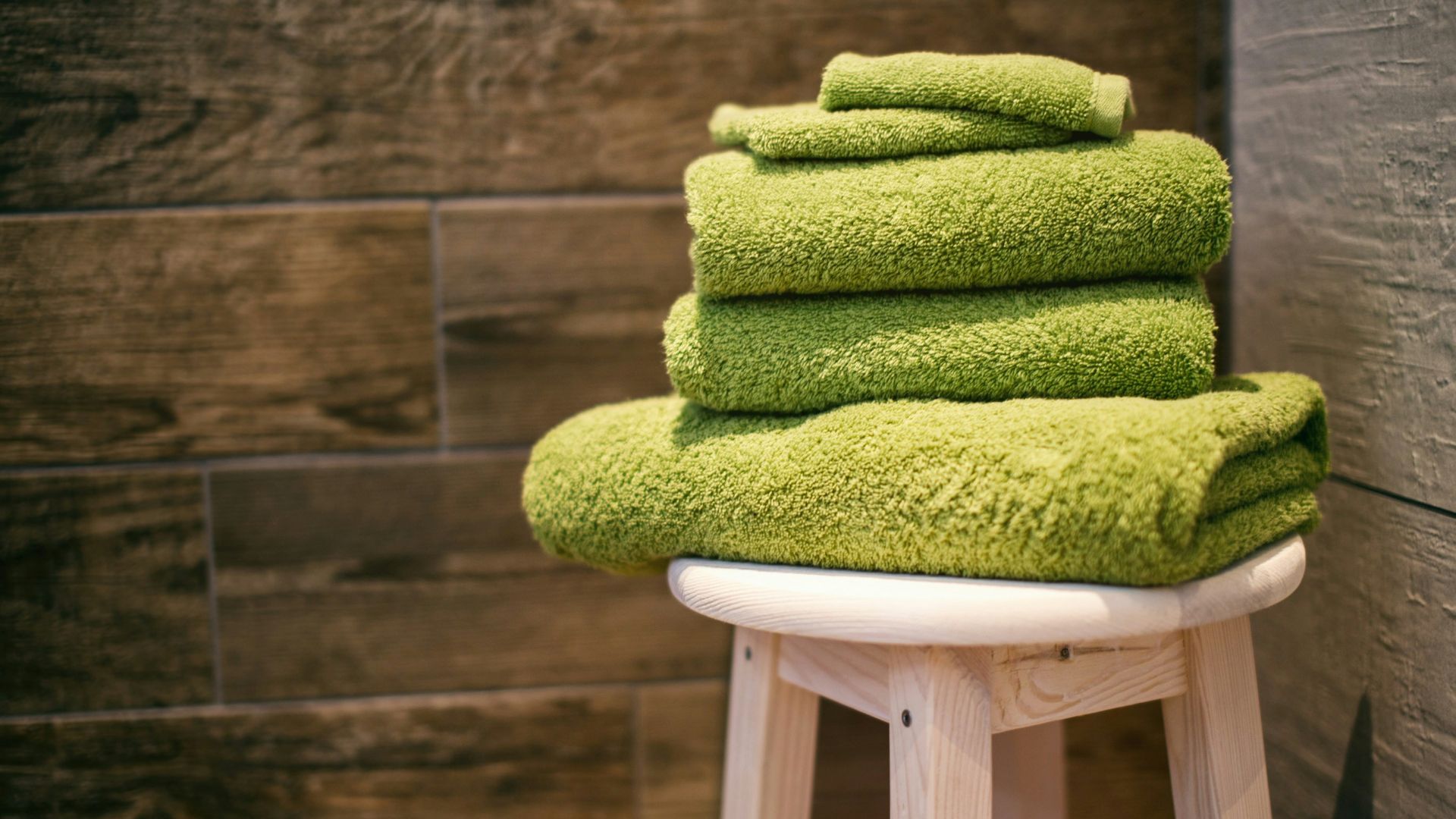
Plush in the store, soggy by dinnertime… that's the classic towel trap. Buy one or two first, run them through a few wash cycles, and see how they actually perform before committing your whole linen closet to them.
13. Your Bed Sheets
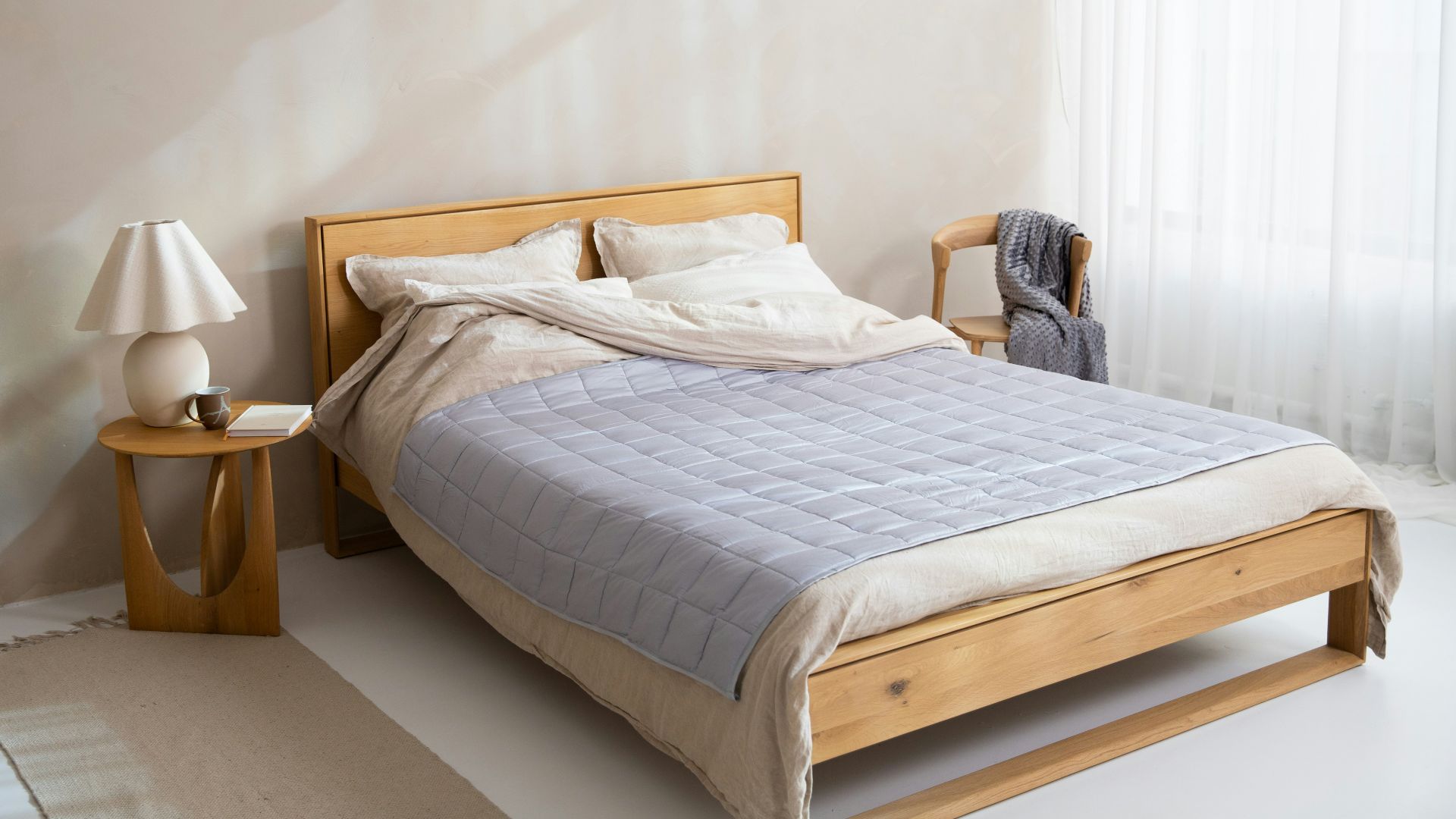
Thread count is mostly marketing. Weave, fiber, and fit matter more, and so does your own temperature preference. Crisp and cool for summer, slightly warmer and softer for winter. Don't let one big number on the package do your thinking for you.
14. Your Toothbrush
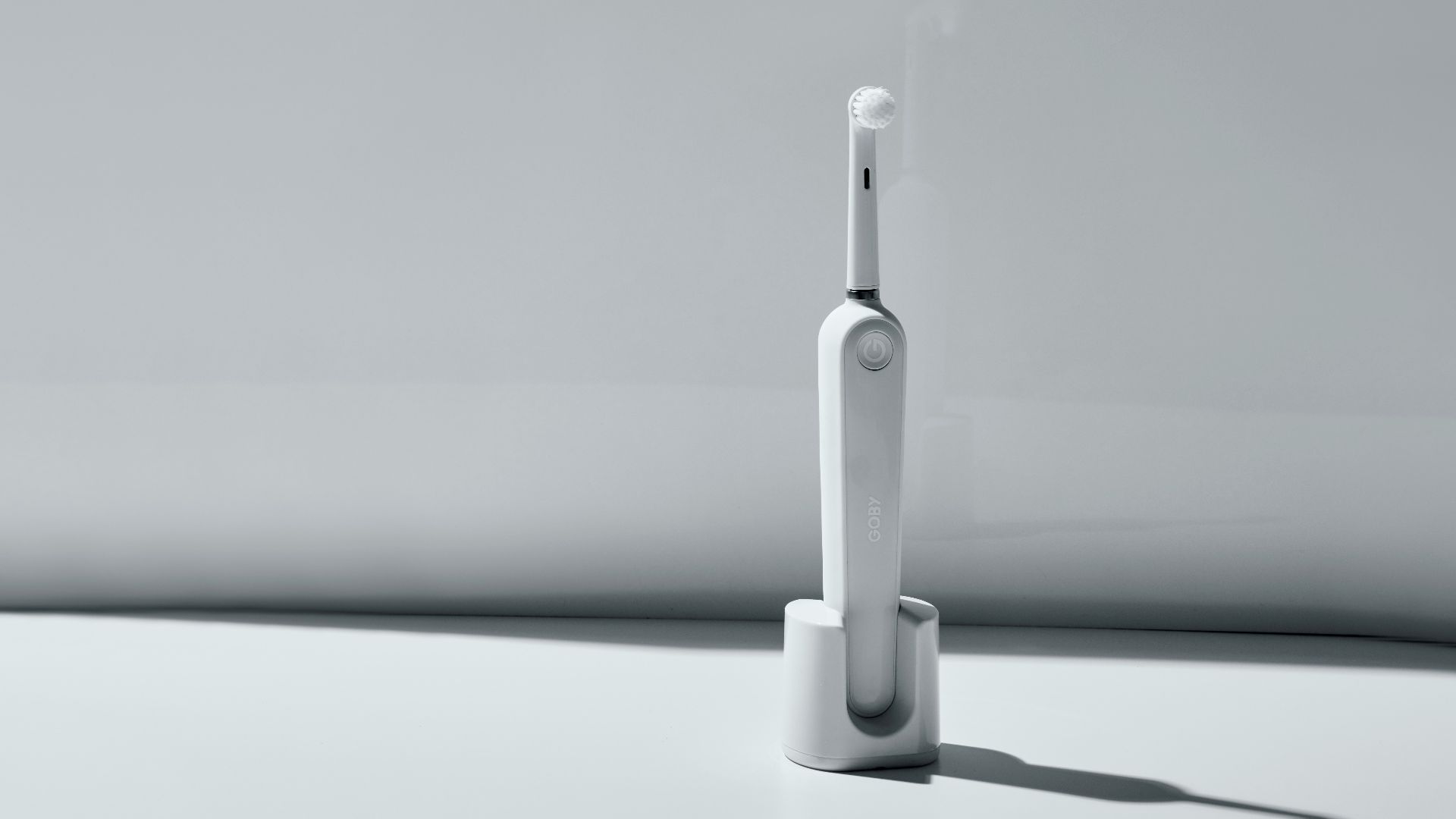
Manual or electric both work fine when used correctly; it isn't a moral failing either way. But a built-in two-minute timer or a pressure sensor can be a useful nudge. Just check what replacement heads cost before you commit to the ecosystem.
15. Your Food Storage Containers
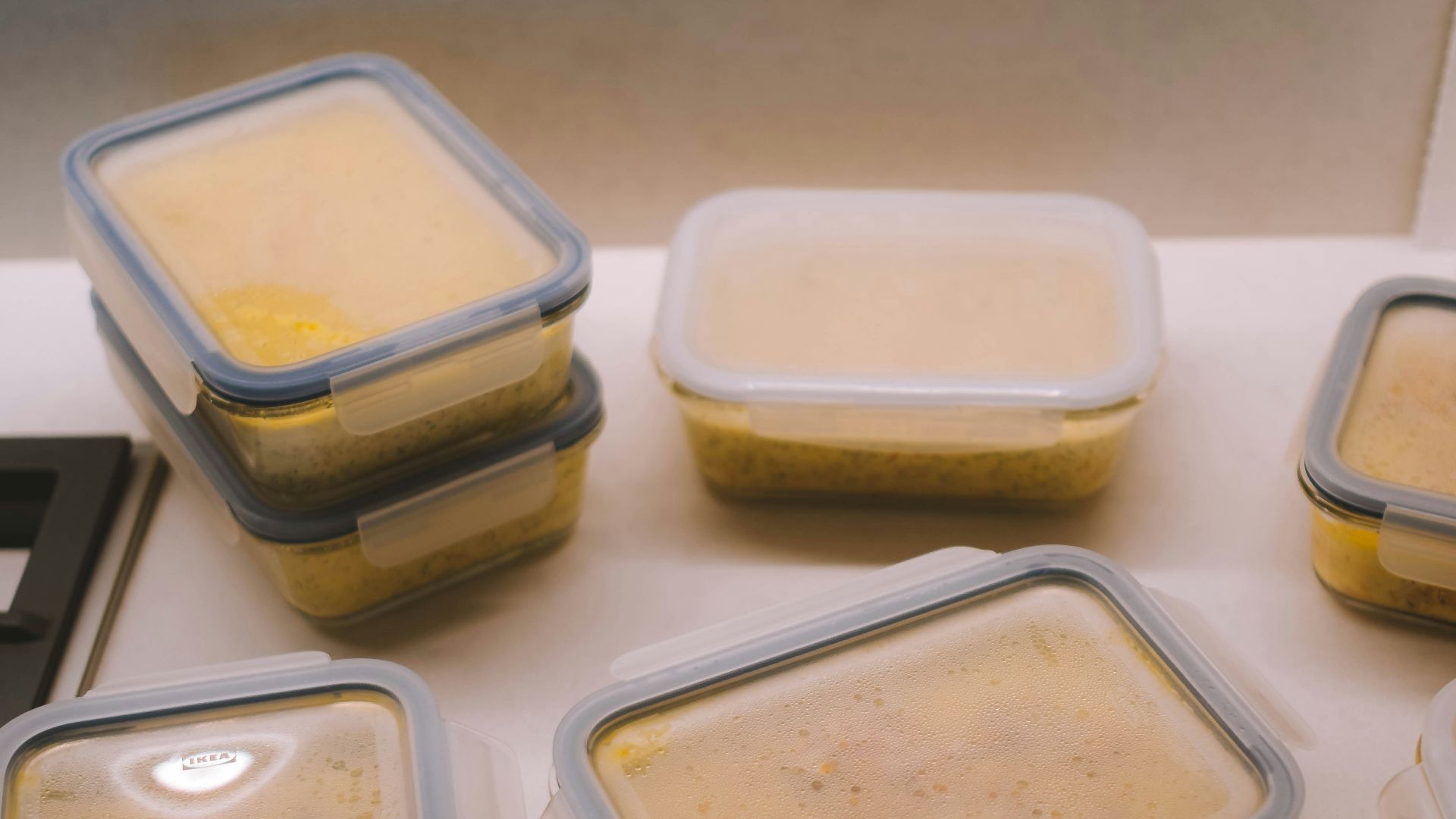
A matched set with lids that actually fit easily solves the constant problem of searching for the right companions. Choose containers rated for your freezer, microwave, and dishwasher, and keep a stack of shallow ones on hand — food cools faster in a thin layer than in one big block.
16. Your Light Bulbs
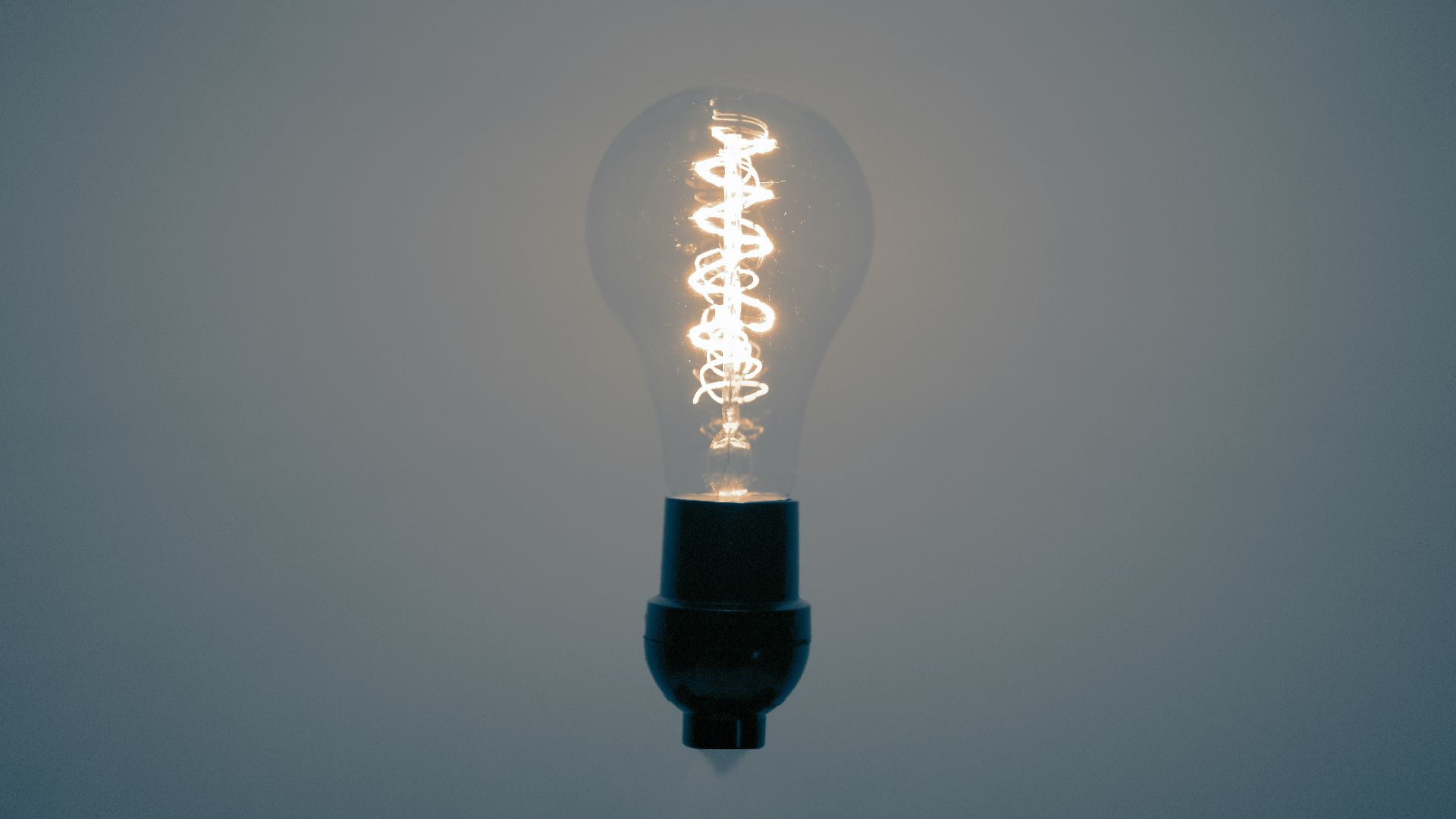
LEDs use a fraction of the power and last years longer than the incandescents they replaced. That said, pay attention to color temperature and dimmer compatibility. A too-harsh bulb can make a cozy room feel like a waiting room, and mismatched bulbs in one room always look slightly off.
17. Your Power Strips
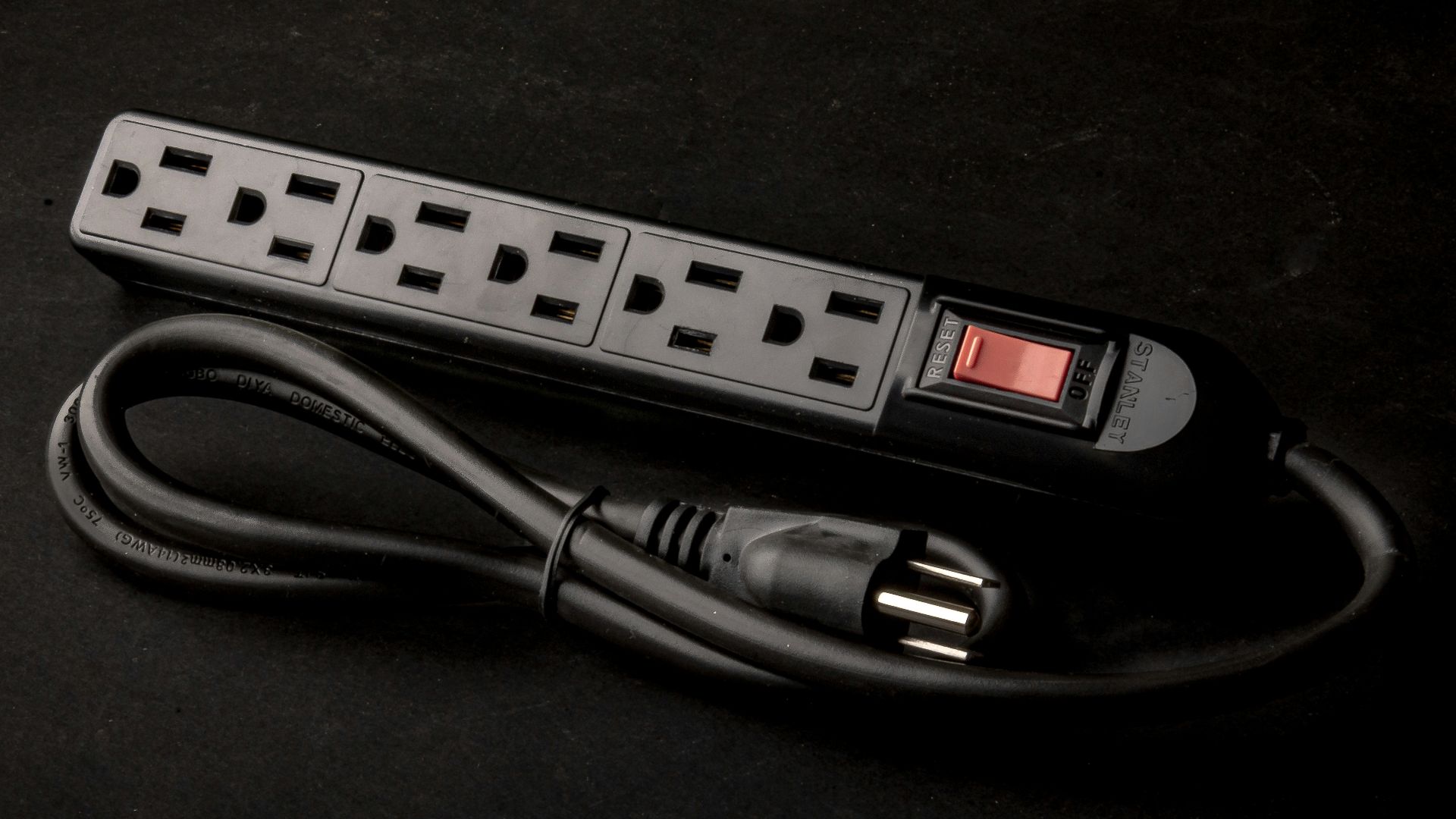
A cracked, overloaded, or no-name power strip is essentially a fire risk. Swap it for a properly certified one with surge protection, sized for the plugs you actually use. Also, please don’t chain strips together to make more outlets.
18. Your Charging Cables and Adapters
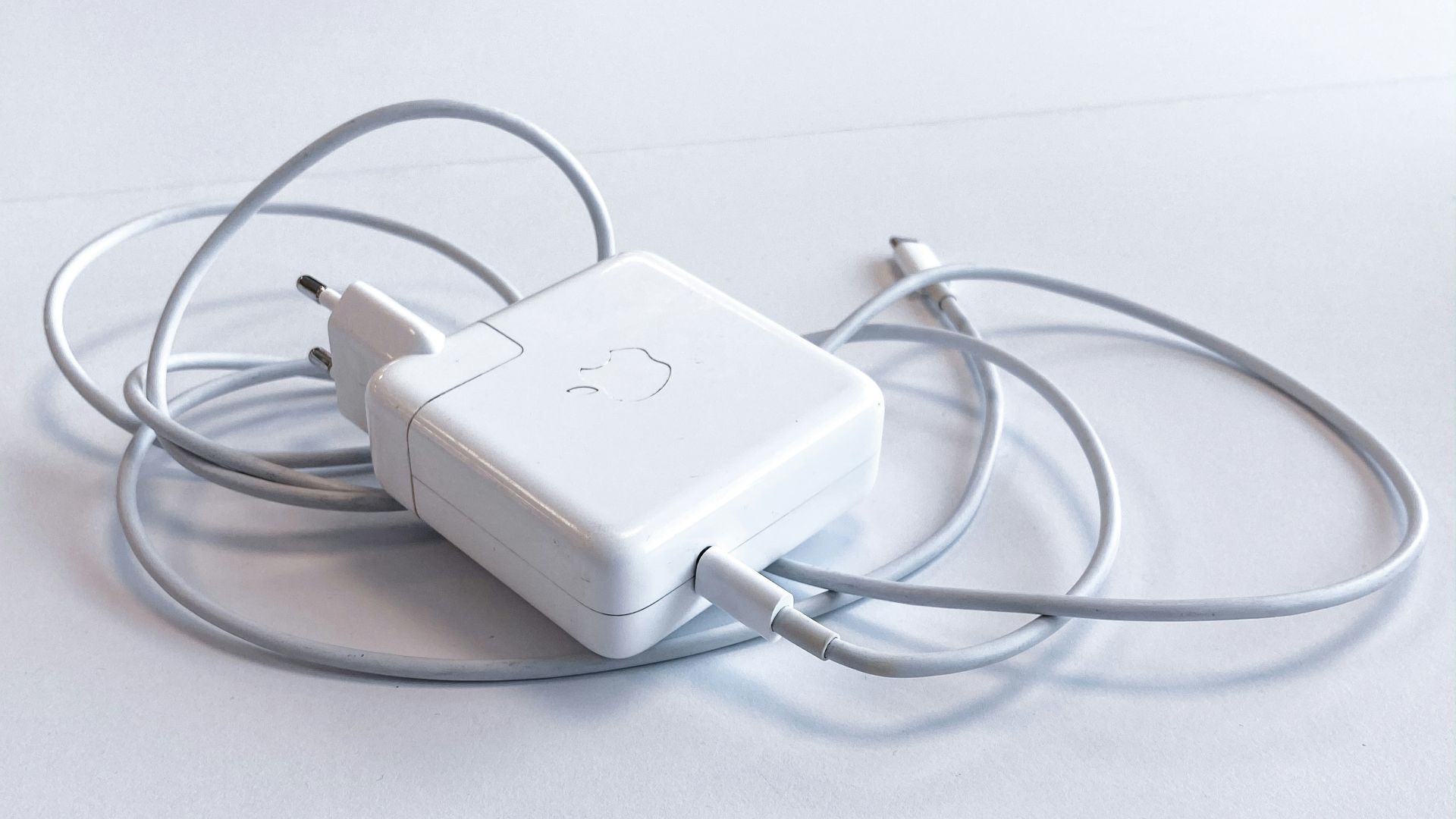
Frayed cables and hot-to-the-touch chargers are worth replacing immediately. A few sturdy, well-placed cables, one by the bed, one at the desk, beat a drawer full of tangled, half-working spares every time.
19. Your Wi-Fi Router
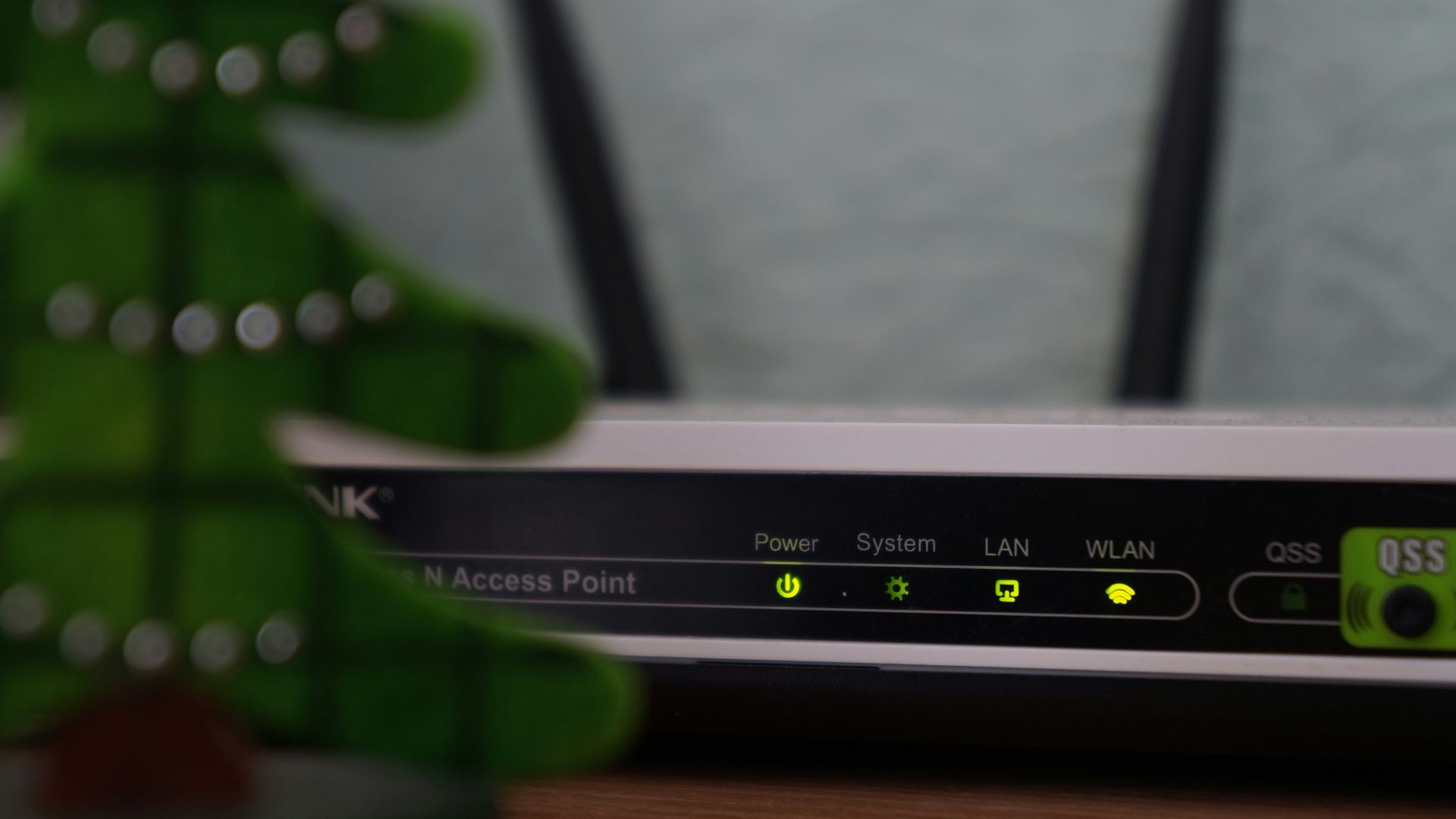
An aging router isn't just slow; it can stop receiving the security updates that keep your network safe. Central placement helps, a mesh system helps more in larger homes, and a wired connection is still king for anything that hates buffering.
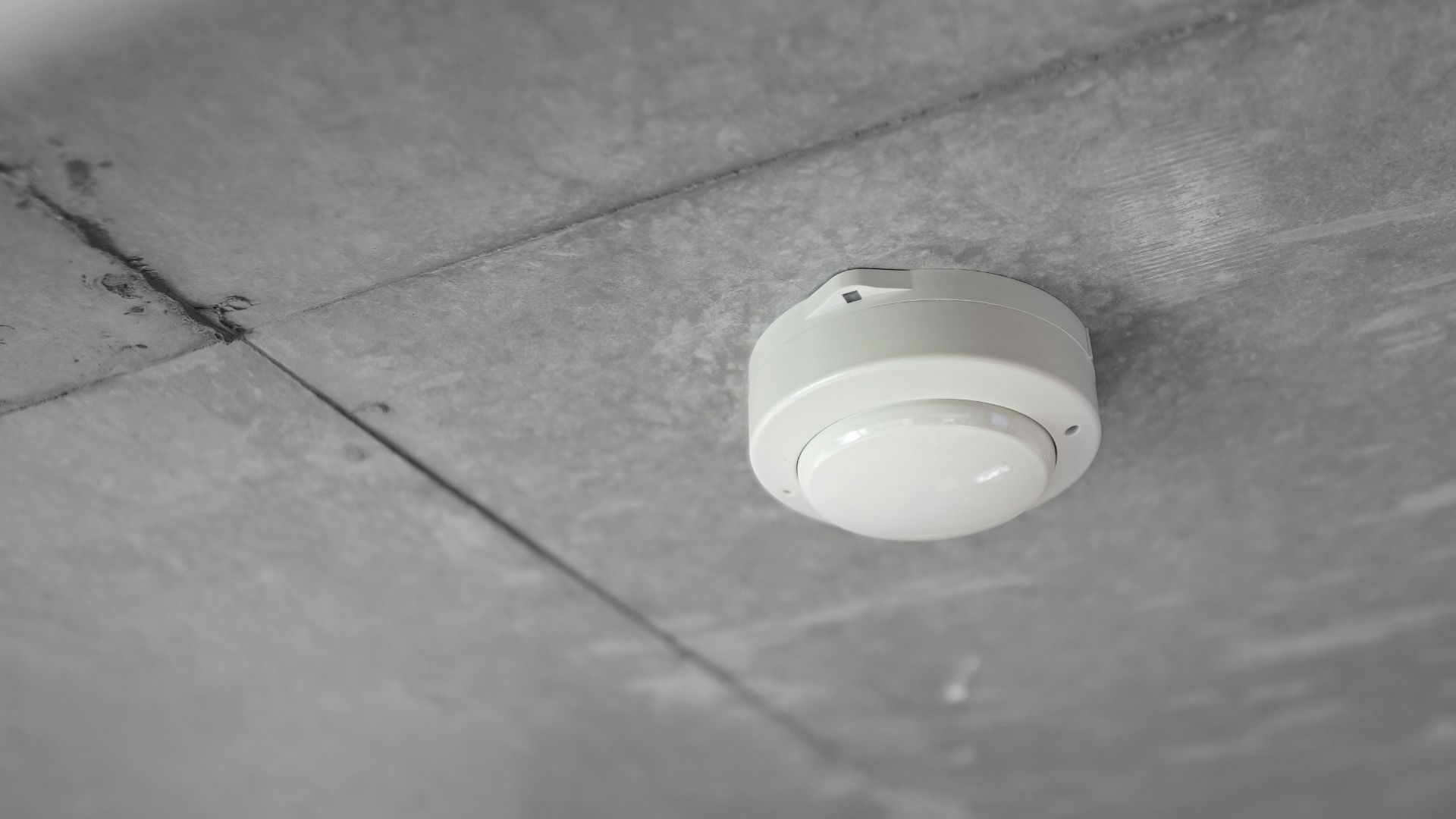
20. Your Smoke Alarms
This is the one upgrade with zero downside. Replace units once they hit the manufacturer's expiration date or fail a test, and choose interconnected alarms so one going off means they all go off. Dual-sensor models catch both smoldering and fast-flaming fires; coverage you can't get from a single-sensor unit.