A quiet Friday night once sounded like the plan people settled for when nothing more exciting came together. While some extroverts may disagree, times have changed. These days, many people actively protect an evening at home, especially when it includes a favorite meal, a new series, a game, or a few close friends. The living room has become real competition for the outside world.
Several parts of modern life have helped shape this change. Between rising costs, the variety of home entertainment, and the sheer number of remote workers, it’s no surprise that the home has become the center of one's social, or antisocial, life. Staying in can now feel less like missing out and more like spending your time exactly how you’d like.
Going Out Has to Feel Worth It
 Priscilla Du Preez 🇨🇦 on Unsplash
Have you ever gone out for a casual dinner and found yourself spending well over your intended budget for the evening? You wouldn’t be the first. It’s shocking how quickly an evening out can rack up that credit card bill. The meal itself is all well and good, but you also have to think about transportation or parking fees, drinks, or potentially childcare. Between December 2024 and December 2025, U.S. food-away-from-home prices increased by 4.1%, while food-at-home prices rose by 2.4%. Eating at home still gives people more control over portions, leftovers, and all those little extras that can push up the bill.
Americans haven’t stopped dining out, though many are paying closer attention to what they spend. In its second-quarter 2026 survey, the National Restaurant Association reported that 56% of respondents had eaten at a restaurant during the previous week, while 36% said they were spending less at restaurants than they had during the prior quarter. The association also found that more customers were ordering fewer add-ons and picking less expensive choices. A night out can still be enjoyable, but it increasingly has to feel worth the money.
A meal at home offers a different kind of freedom. People can decide what to make, how much to serve, and whether the leftovers will cover lunch the next day. A bottle of wine from the nearby liquor store costs less than a single glass at a restaurant, and you don’t have to get all dolled up to drink it.
Home Entertainment
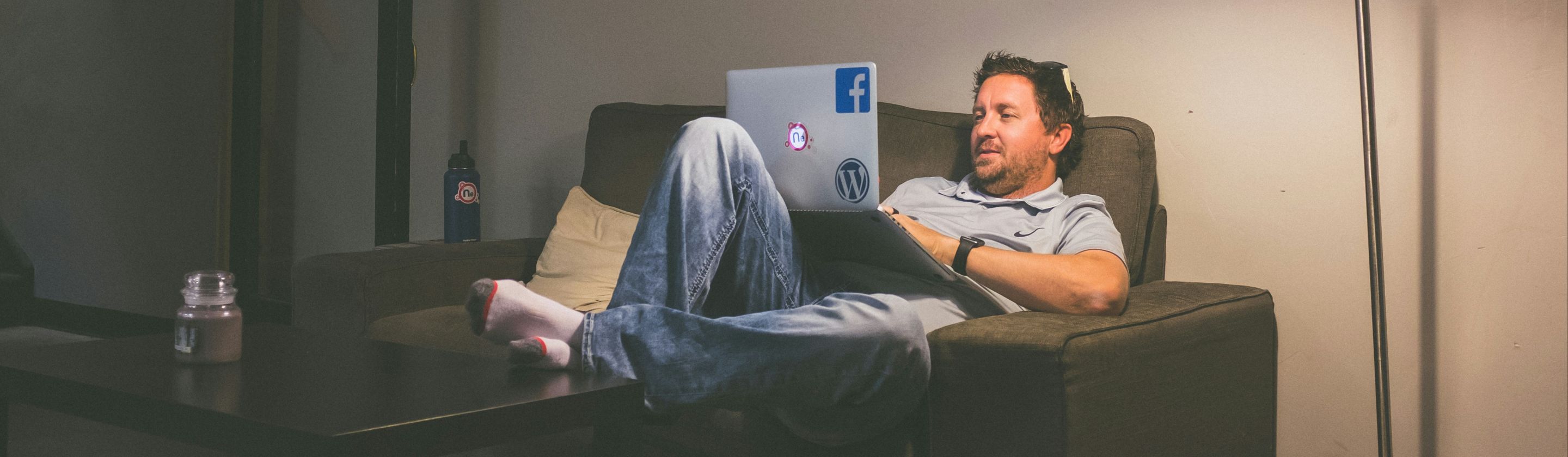
Home entertainment no longer means settling for whatever happens to be playing on television. We have an endless amount of content at our disposal, from streaming services to YouTube to games and more. There’s a whole world at our fingertips, so why would you ever leave the couch?
And with great power comes great flexibility. You and your partner aren’t interested in watching the same thing? No matter. One of you can watch something in the living room while the other plays a game on their laptop, or listens to a podcast in your bedroom. Deloitte’s 2025 Digital Media Trends survey described U.S. consumers dividing an average of six daily entertainment hours among streaming, social platforms, gaming, music, podcasts, and other formats. There’s always something that fits the amount of energy a person has left at the end of the day.
The rise of remote work has also done a number on once-partygoers. For one, a lot of people have put a lot of money into their spaces. The stay-at-home routine meant we could invest our money into where we were spending most of our time, rather than going out. For remote workers, this idea is twofold. Your home has become your office space as well, so it’s only understandable that you would want to invest back into where you spend 99% of your day — and it also explains why you’d want to stay in your space during your leisure time as well.
Comfort Works Best When It Includes Connection

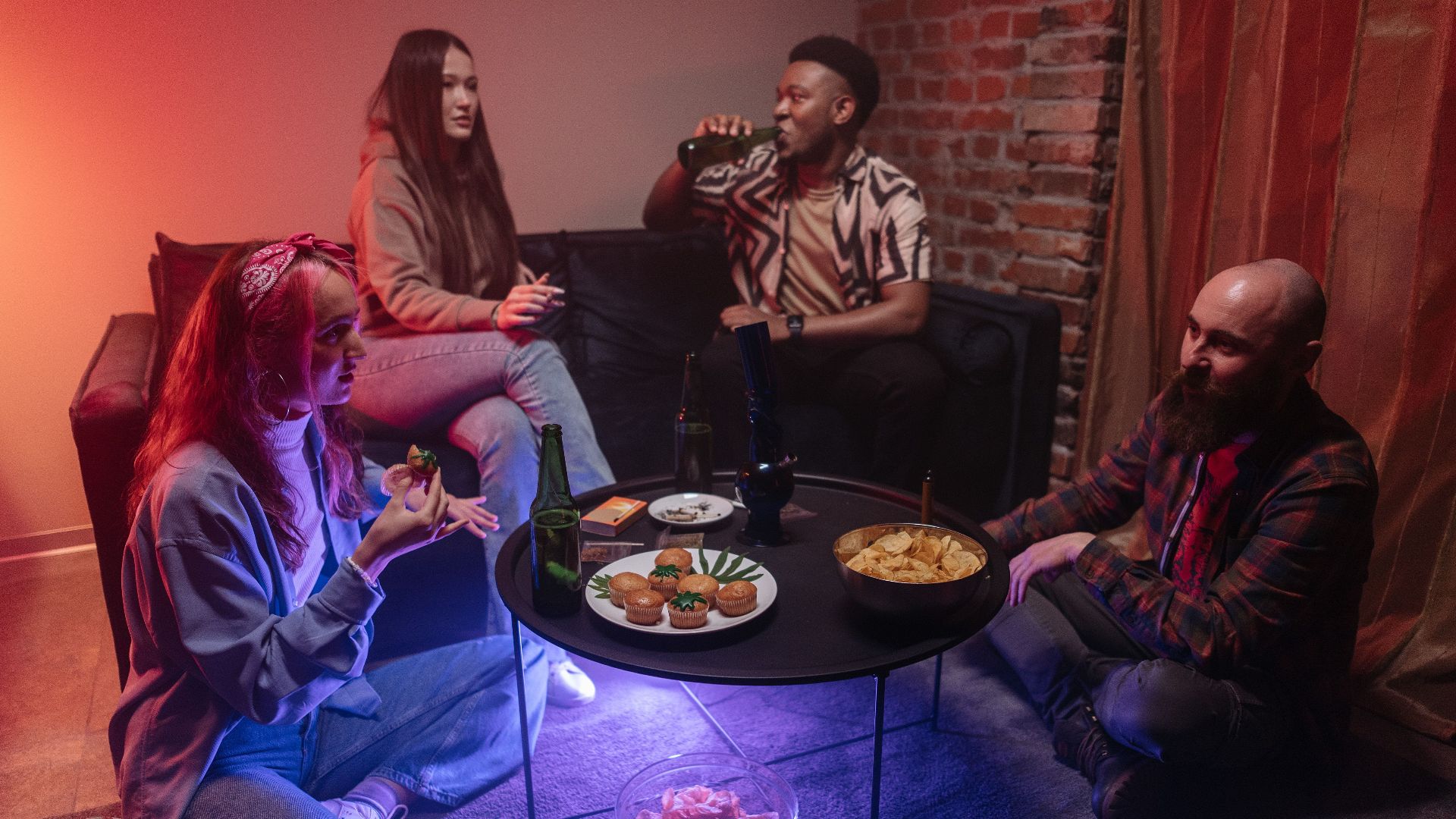
Staying in gives people a level of control that public spaces rarely offer. They can adjust the noise, lighting, food, timing, and guest list without working around a crowded room. That flexibility can be especially helpful for parents, caregivers, and anyone who finds busy venues tiring or purely unachievable. Gathering your friends at home can provide comfort and safety that the outside world can’t always provide.
Home-based activities offer more than passive entertainment. In 2025, Americans aged 15 and older spent an average of 37 minutes per day playing games or using computers for leisure, compared with 25 minutes in 2015. That category includes board games, video games, social media, and other recreational computer use. Reading, baking, crafting, gardening, and home workouts can also fill an evening without requiring a ticket or a long drive.
With all this in mind, enjoying your space doesn’t mean becoming a recluse. In recent years, the average time spent socializing and communicating fell from 41 minutes per day in 2015 to 35 minutes in 2025 among people aged 15 and older. The U.S. Surgeon General has also identified loneliness and social isolation as major public health concerns and emphasized the importance of social connection. Dinner parties, board game nights, watch parties, and casual visits can offer that connection without the cost or pressure of a larger outing.
We promise we’re not telling you to stop going out entirely. It’s important to try new things, visit new places, and remind yourself of the outside world every so often. However, it’s no surprise that your home can offer you the safety, serenity, and flexibility from an otherwise busy week. Sometimes, a quiet evening at home is exactly what people need.