
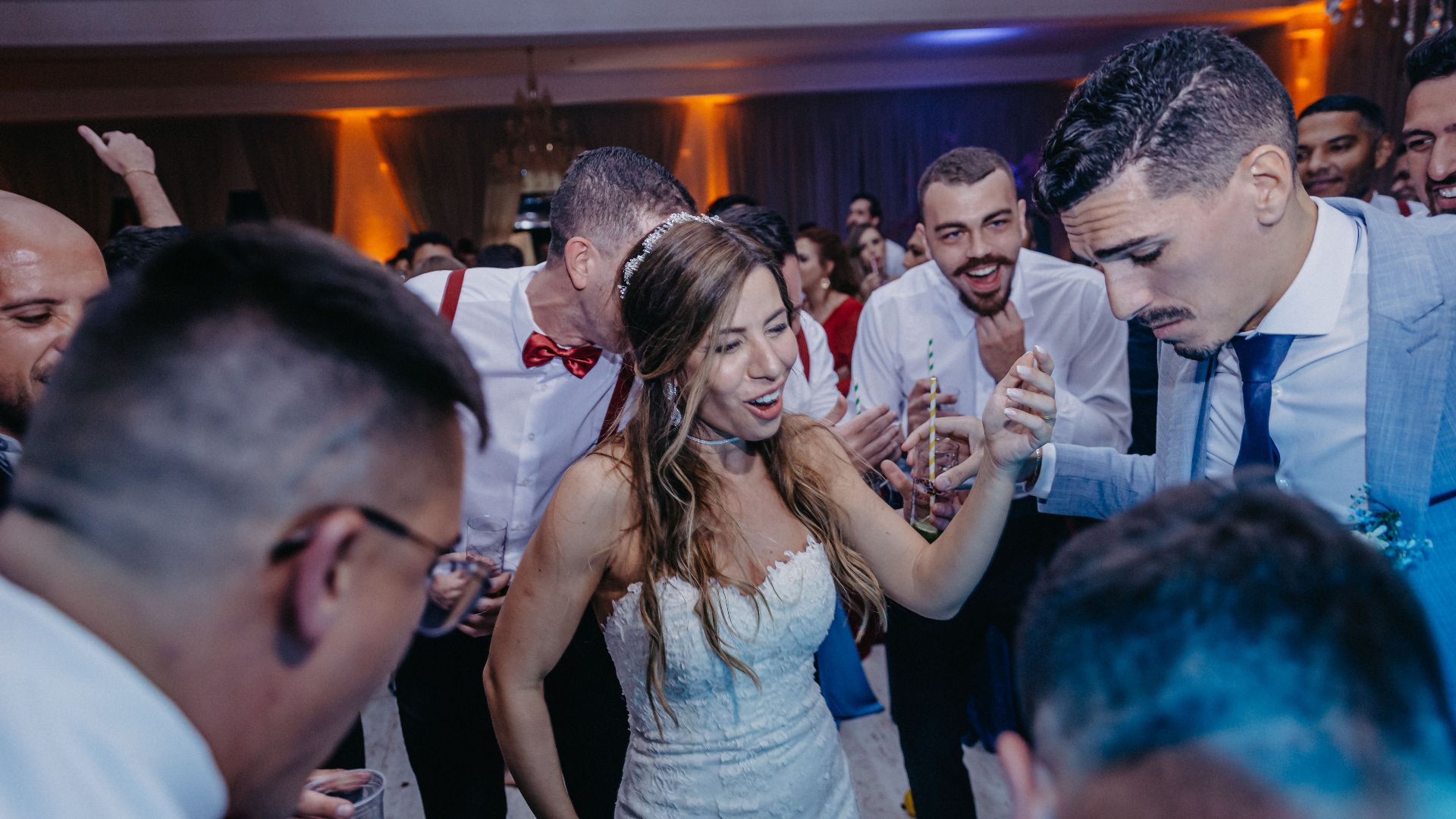
Wedding music often seems like one of the lighter decisions on an already crowded planning list. You choose a processional song, settle on a first-dance track, give the DJ a few requests, and assume the matter is mostly about keeping guests entertained. Yet those selections can reveal how you and your partner communicate, remember your shared history, and imagine the life you’re beginning together.
The songs that make the final cut usually carry more meaning than their melodies alone suggest. Some reflect private experiences, while others show how comfortable you are balancing personal preferences with family expectations and social traditions. Even disagreements over the playlist can offer useful clues about the way you compromise, make decisions, and handle emotional subjects as a couple.
Your Song Choices Reflect Your Shared Story
Couples often gravitate toward songs connected to important moments, even when those memories aren’t obvious to anyone else in the room. A track from an early road trip, a concert you attended together, or an ordinary evening that became unexpectedly meaningful can carry more emotional weight than a traditionally romantic ballad. Choosing it allows your wedding to acknowledge the real experiences that shaped the relationship.
The lyrics you select may also reveal what you value about your partnership. Some couples prefer songs about loyalty and long-term commitment, whereas others connect with music that celebrates humor, independence, friendship, or personal growth. There’s no single correct theme, but the words that feel most accurate can show how you describe your bond when nobody else is defining it for you.
Your musical history as a couple doesn’t have to be perfectly matched for it to be meaningful. One partner may have introduced the other to an entire genre, artist, or decade of music, and those discoveries can become part of the relationship’s identity. Including both familiar favorites and songs learned through each other acknowledges that a partnership can create new tastes without erasing the ones each person brought into it.
The Playlist Shows How You Handle Differences
Planning wedding music often exposes differences that daily life has made easy to ignore. One person may want a formal ceremony with classical selections, while the other imagines walking down the aisle to a contemporary song that feels more personal. Reaching a decision requires both people to explain why their preference matters instead of treating taste as something that doesn’t need justification.
A productive compromise doesn’t necessarily mean choosing a song that neither person particularly loves. Couples can divide musical moments according to what feels most important, allowing one partner to choose the processional while the other selects the recessional or first dance. This approach respects individual preferences while keeping the overall celebration representative of both people.
The guest playlist can create another revealing negotiation because it introduces responsibilities beyond the couple’s own entertainment. You may love experimental dance music, but your grandparents, coworkers, and younger relatives might not share that enthusiasm for an entire evening. Balancing personal favorites with broadly enjoyable choices demonstrates whether you can protect your identity while still considering the comfort of the people around you.
Music Reveals The Atmosphere You Want To Create
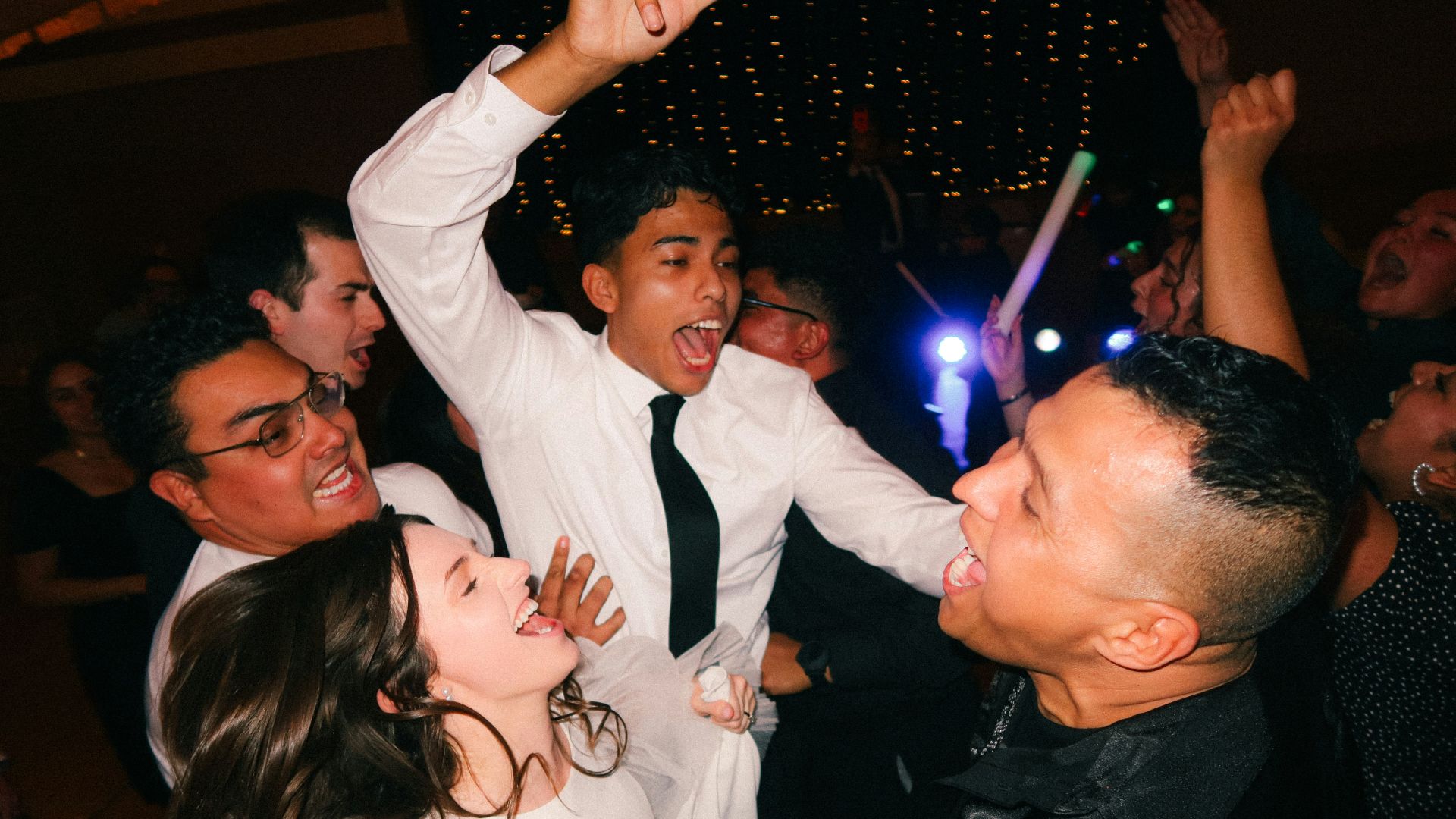
Every wedding communicates something about the couple, and music plays a major role in establishing that message. A relaxed acoustic ceremony suggests a different atmosphere from a dramatic orchestral entrance, just as a live jazz band creates a different reception from a DJ-led dance floor. These choices don’t determine the strength of a relationship, but they do reveal how you want the occasion to feel.
The amount of control you want over the music may also reflect your planning style. Some couples prepare detailed lists covering every part of the evening, while others provide a few essential requests and allow the musicians or DJ to read the room. Neither method is inherently better, although agreeing on the level of control can prevent frustration once the celebration begins.
Even the songs placed on a “do not play” list can say something useful. A track might carry an uncomfortable memory, feel too predictable, or simply represent a style that doesn’t match how you see yourselves. Setting those boundaries together shows that creating the right atmosphere involves deciding what to exclude as carefully as deciding what to include.
Wedding music can’t summarize an entire relationship, and a perfectly coordinated playlist doesn’t guarantee a perfectly coordinated marriage. Still, the process of choosing it brings memories, preferences, family pressures, and personal expectations into one conversation. When you pay attention to those decisions, the soundtrack becomes more than background entertainment because it offers a clear, personal glimpse of how you’ve built your relationship and how you plan to move forward together.