
When Every Dollar Already Has a Job
There’s a major difference between being careful with money and having no money left to enjoy your life. Given that everything seems to cost an arm and a leg nowadays, no one could blame you for spending a paycheck as quickly as you get it, and when nearly every one disappears, even ordinary pleasures can start feeling irresponsible. If these signs are way too familiar, you may not be funding a lifestyle so much as keeping yourself afloat.

1. Your Paycheck Is Gone Within Days
You get paid on Friday, and most of the money is gone by Monday. We’re not talking about spending lavishly on yourself, either. Rent, utilities, insurance, and minimum debt payments leave little behind for the remaining two weeks.

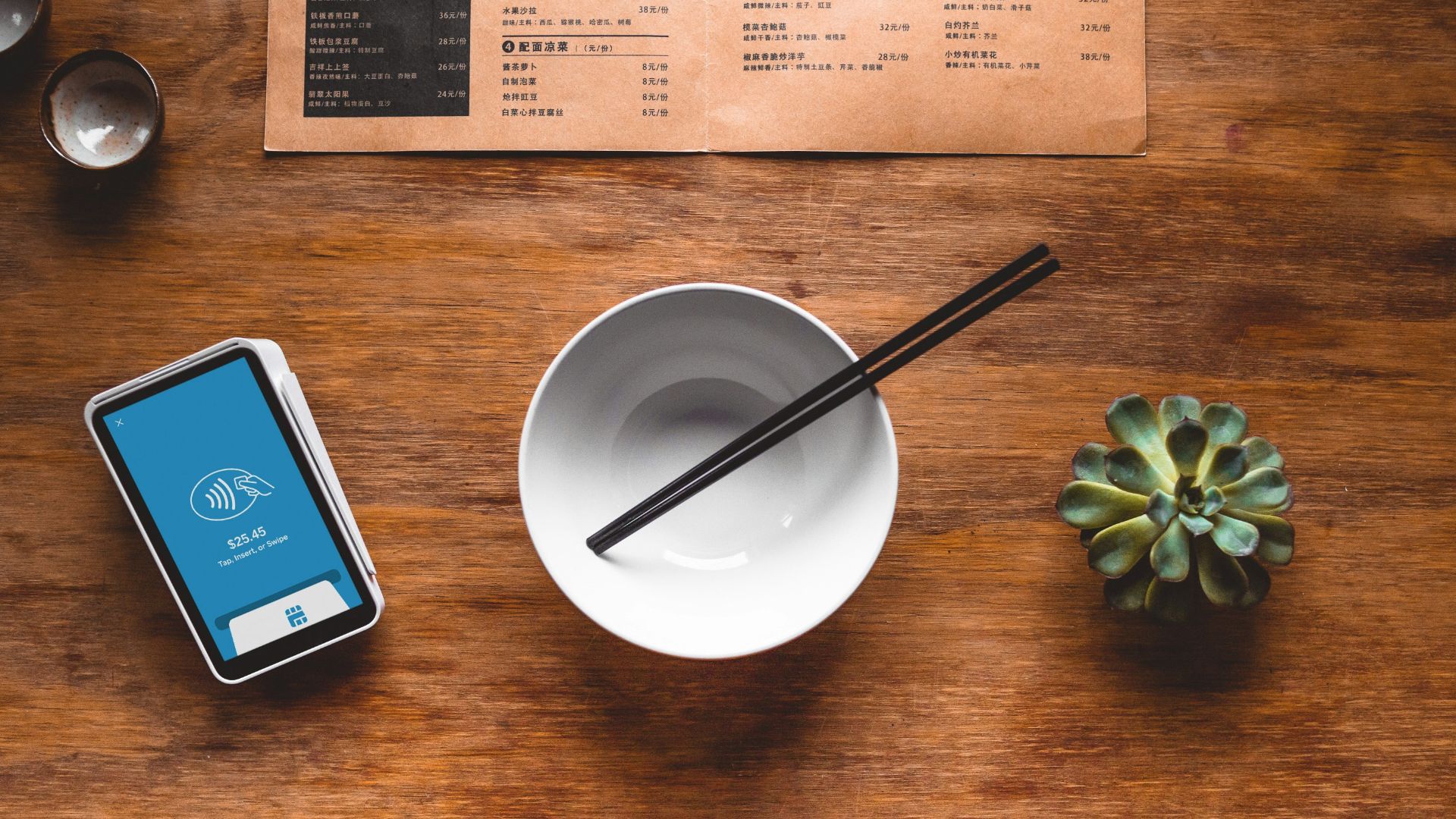
2. A Restaurant Meal Requires Advance Planning
Meeting a friend for dinner isn’t a casual decision when one meal could disrupt your entire budget, especially money you set aside for groceries. You’re then forced to check the menu online, calculate the tax and tip, and may even eat something at home before leaving.
3. You Delay Medical Care
A persistent toothache. An unusual rash. A nagging injury. Whatever the case may be, it likely gets ignored because the appointment itself costs too much money. It doesn’t necessarily matter if you have insurance; copays, prescriptions, and missed work can make treatment feel unaffordable.
4. Every Unexpected Bill is an Emergency
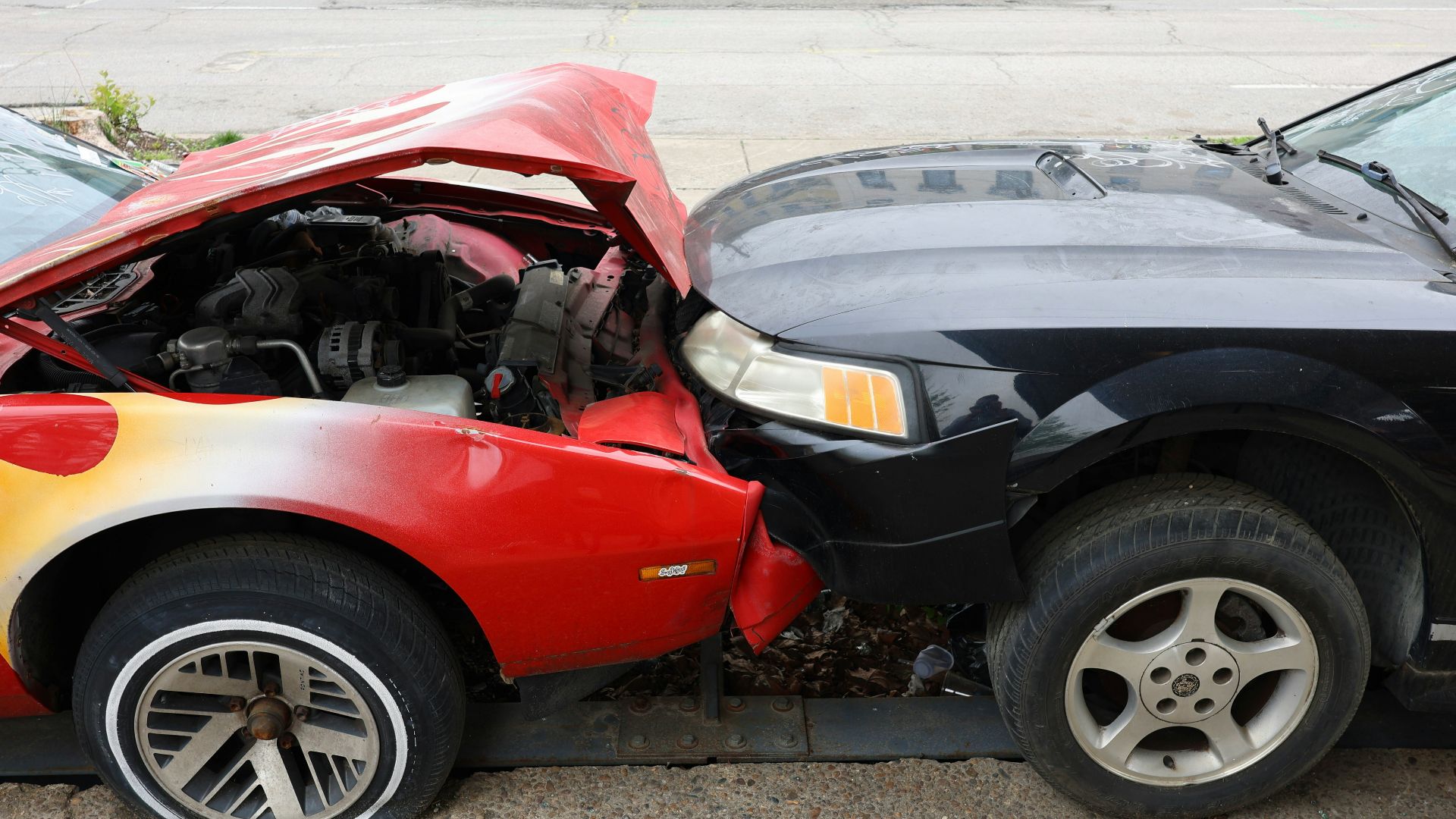
In a perfect world, a $150 car repair or trip to the vet shouldn’t derail an entire month, yet it does. It’s not your fault—it’s just the nastiness of life. Next thing you know, covering the expense may require delaying another payment, using a credit card, or borrowing from someone close to you.

5. You Can’t Remember Your Last Vacation
We all have time off from work, but yours is mostly used for illness, errands, or recovering from burnout. Flights and hotels are out of reach, and a weekend road trip involves gas, meals, and admission fees you can’t comfortably spare.

6. You Wear Things That Need Replacing
It’s one thing to keep a pair of sneakers you’ve loved since high school. It’s another to depend on shoes with worn soles, bras that no longer fit, or winter coats with broken zippers. Clothing purchases happen only when something becomes completely unusable, or work demands an immediate replacement.

7. Grocery Shopping is a Math Test
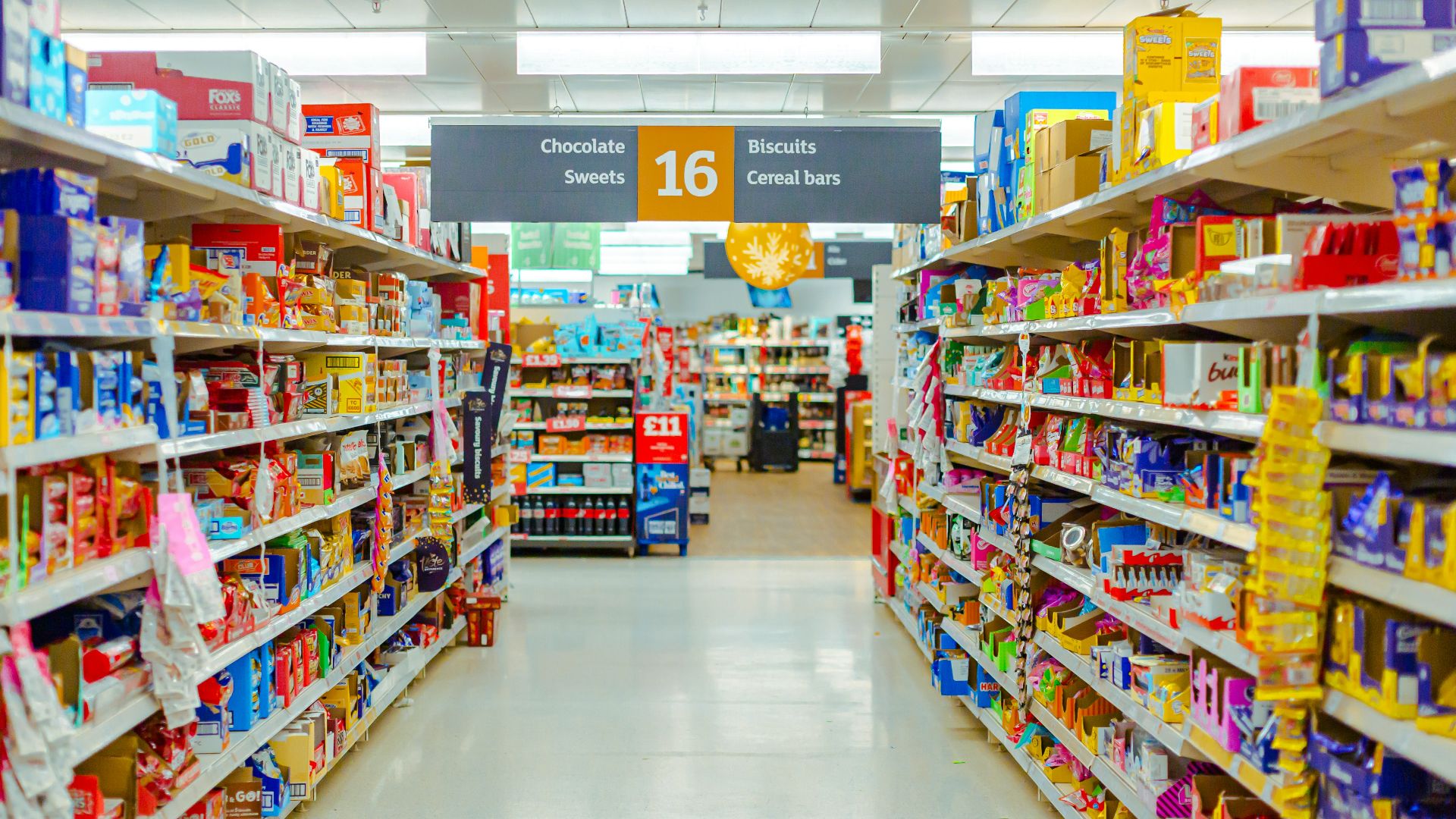
When you’re struggling to get by, there’s nothing more stressful than budgeting for groceries. You walk through the store with a calculator open and a strict total you can’t exceed. A higher-than-expected price on chicken or laundry detergent means another item has to leave the cart. By checkout, you’ve made several compromises that have little to do with what you actually wanted to buy.
8. You Depend on Free Activities
No one said you had to spend hundreds of dollars every time you leave the house, but you depend on free activities. Concerts, birthday dinners, and weekend trips often receive a polite excuse rather than an honest explanation. In your life, you’re more than happy to take a walk or visit someone’s house.

9. You Regularly Choose Which Bill Gets Paid Late
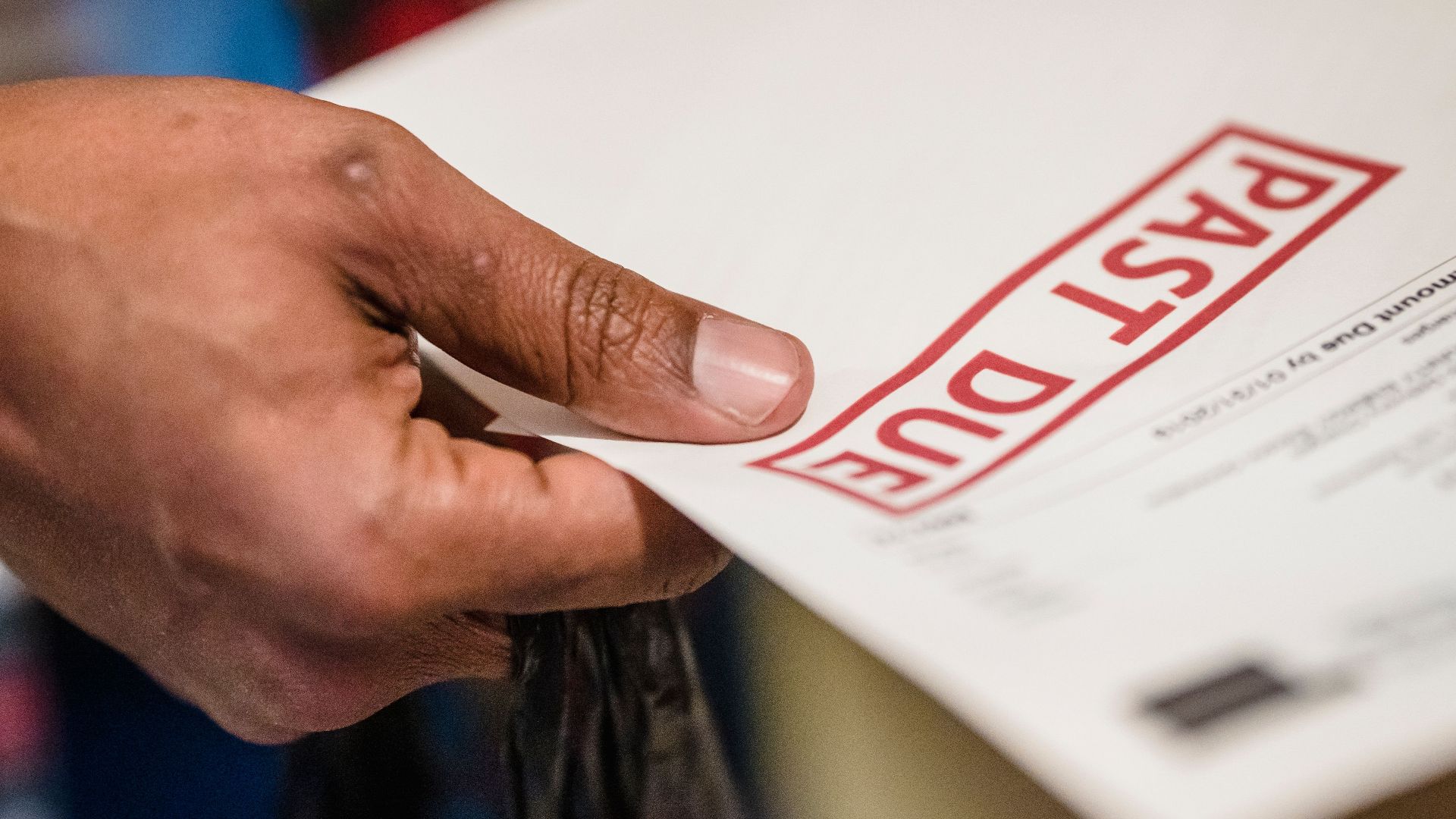
There isn’t enough money to cover everything by its due date, so you always have to make the tough choice about which company can wait. Maybe the electricity bill gets paid now while the phone bill carries over. Maybe you make only the minimum payment on a credit card. An even bigger issue is that late fees then make the following month even tougher to manage.
10. Your Car Can’t Afford To Break Down
The check-engine light has been on long enough that it’s practically part of the dashboard—but you can’t afford to touch it. You know the tires are wearing thin, but a repair estimate could exceed what’s in your account. Each drive comes with a concern that one problem could keep you from getting to work.
11. You Feel Guilty Buying Anything For Yourself
A new book, fresh haircut, or inexpensive hobby supply? Yeah, those trigger more anxiety than enjoyment. Though you deserve nice things, you think about the groceries, bills, or future emergencies that money could cover instead. Personal spending feels selfish, even when it shouldn’t.

12. Your Savings Account Never Grows
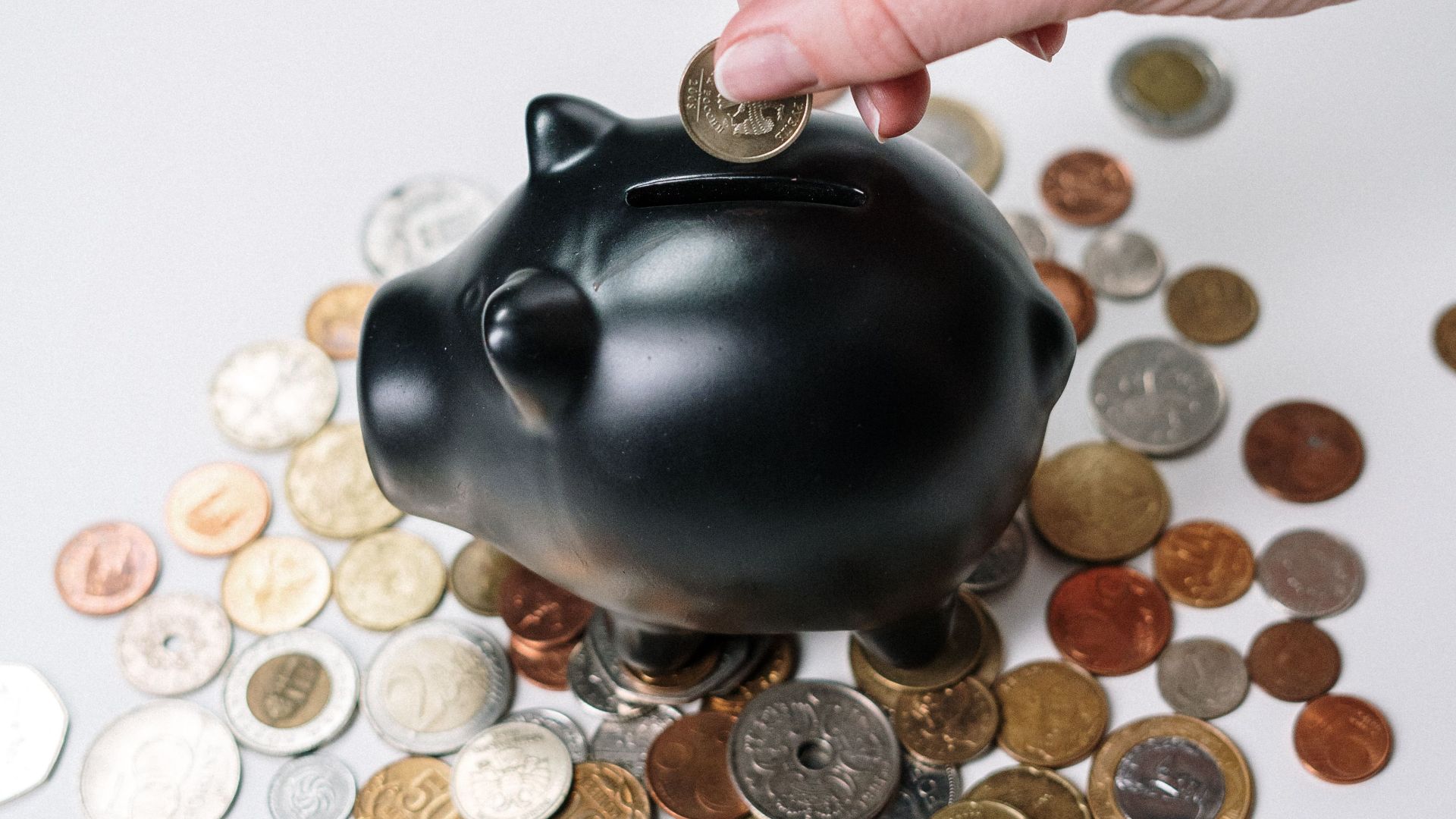
You may transfer money into savings after payday, only to move it back before the month’s over. The account becomes temporary storage for rent shortfalls, school expenses, or higher utility bills. Building an emergency fund feels basically impossible when every minor thing empties it again.
13. You Stay in Bad Situations
The tragedy of living paycheck-to-paycheck is that it affects almost everything in your life. Leaving a bad apartment, unfulfilling job, or strained relationship often requires money upfront. Security deposits, moving costs, time between paychecks, and legal fees can make change financially dangerous. So, you stay where you are because an imperfect situation is still cheaper than starting over.
14. Holidays Create More Stress Than Excitement
Celebrations of any kind tend to bring extra expenses. But you feel bad, and now you’re shopping months early or suggest skipping gifts while pretending you’re simplifying things. The emotional meaning gets buried under calculations about what you can afford.

15. You Depend on Credit For Necessities
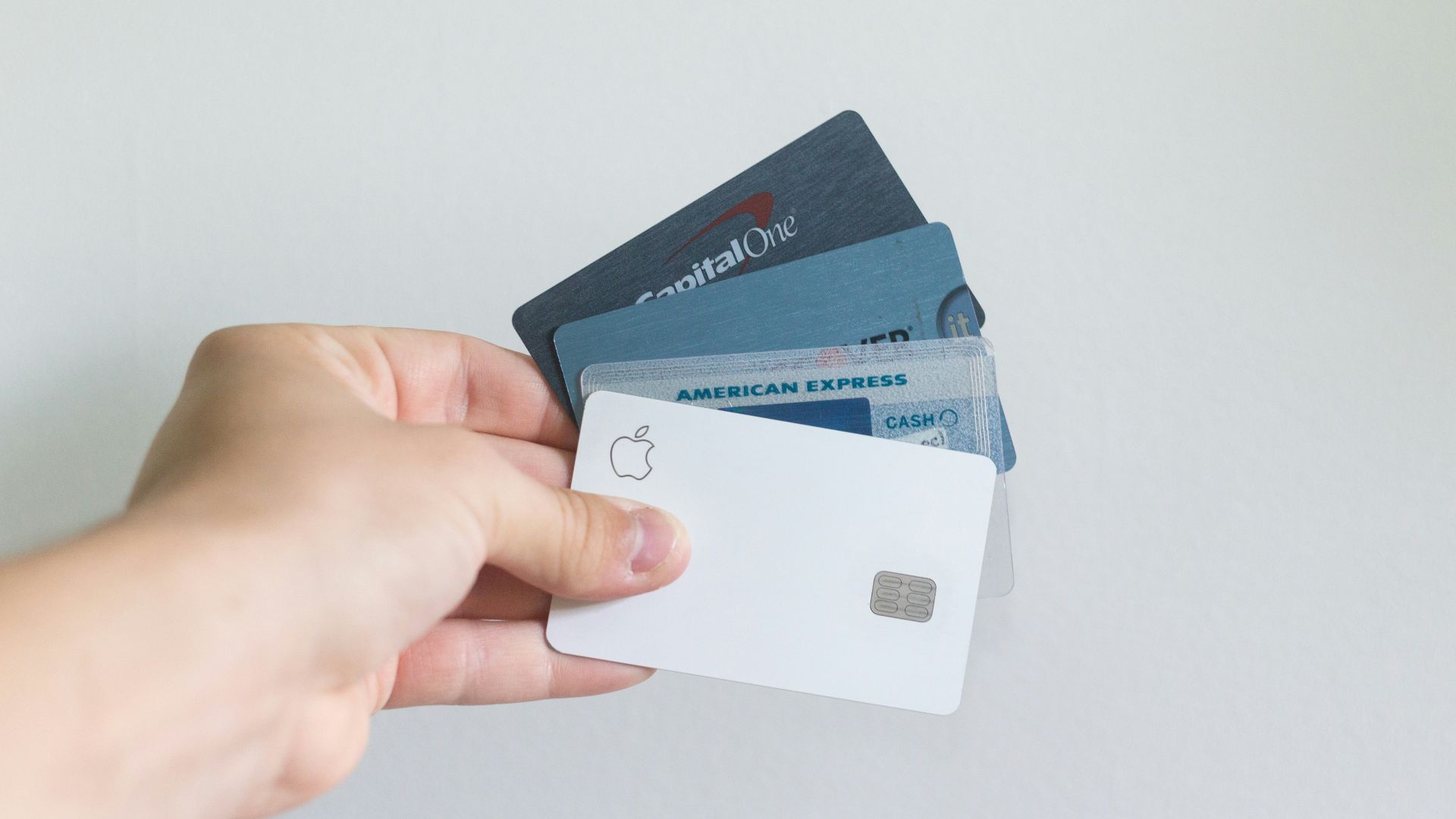
Credit cards aren’t being used for luxury purchases—they cover the basics during the final days before payday. Interest then raises the true cost of necessities you already struggled to buy in the first place, and you get stuck in a vicious cycle.
16. Your Home Has Repairs You Keep Ignoring
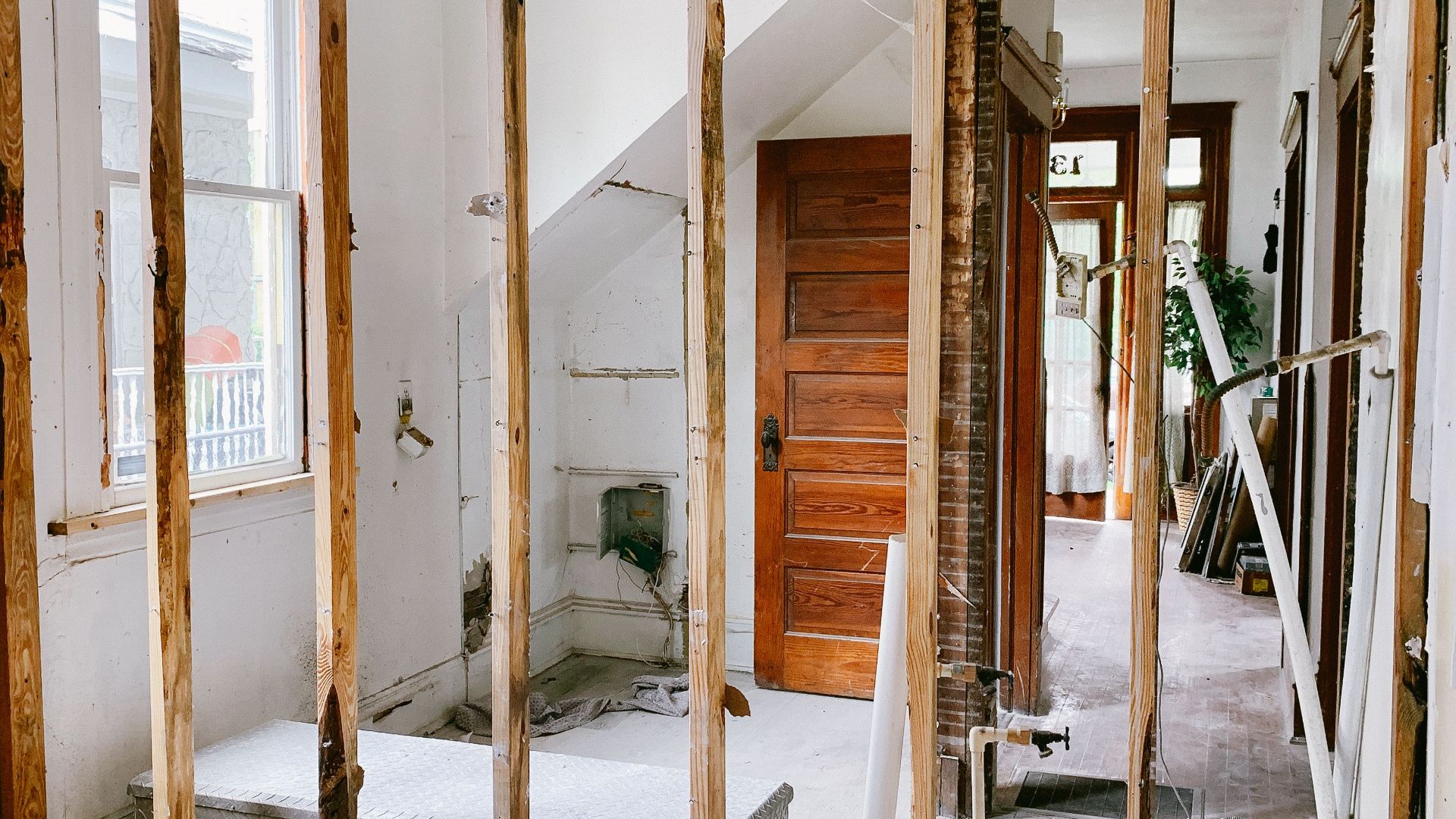
A leaking faucet or damaged window? Those problems remain unfixed; professional help costs too much. You rely on temporary solutions, and even though the repair can get more expensive over time, there’s no spare money to handle it properly.
17. You Work Too Much
One of the worst things about living paycheck-to-paycheck is feeling like you can never get ahead, despite extra shifts, freelance projects, and weekend jobs. When you finally have a free evening, you’re too tired to see anyone or do anything meaningful.

18. You Know Your Bank Balance Without Checking
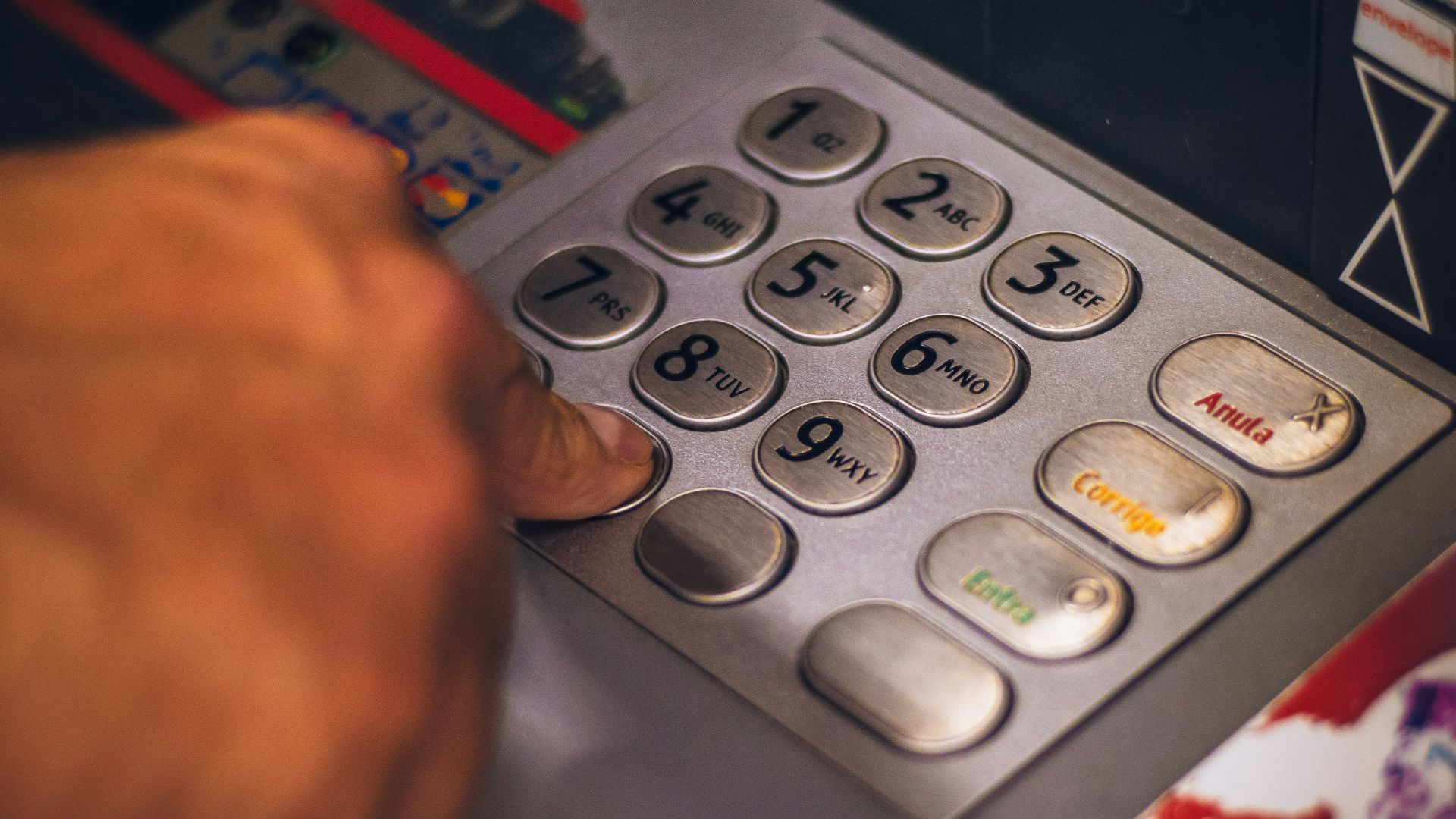
That nagging number is always in the back of your mind; one careless purchase could cause an overdraft. You’re not even present in everyday life sometimes—you’re too busy mentally subtracting coffee, parking, and pharmacy purchases before the transactions even appear.
19. You Postpone Major Decisions
There was a time when we were sold the dream of kids and a white picket fence, but not anymore. Marriage, children, homeownership, and career changes may all feel financially unrealistic. It’s not that you’re lost on what you want; it’s that you can’t see how to pay for a transition.

20. You’re Always One Month Away From Relief
You tell yourself things will get easier after the car payment or the tax bill, yet another cost always appears before you can recover. Breathing room is always just out of reach. When survival has become normal, you may not notice how long it’s been since your income allowed you to feel secure or free.