The Bard’s Baby Name Dilemma
Shakespeare’s plays are filled with memorable names, but literary importance doesn’t always translate into a pleasant choice for a modern child. Some are permanently tied to murderers, villains, fools, and tragic figures, while others have remained elegant despite the drama surrounding their original characters. Here are 10 Shakespearean names to never give your baby and 10 that deserve a chance.
 Baker Art Gallery on Wikimedia
1. Iago
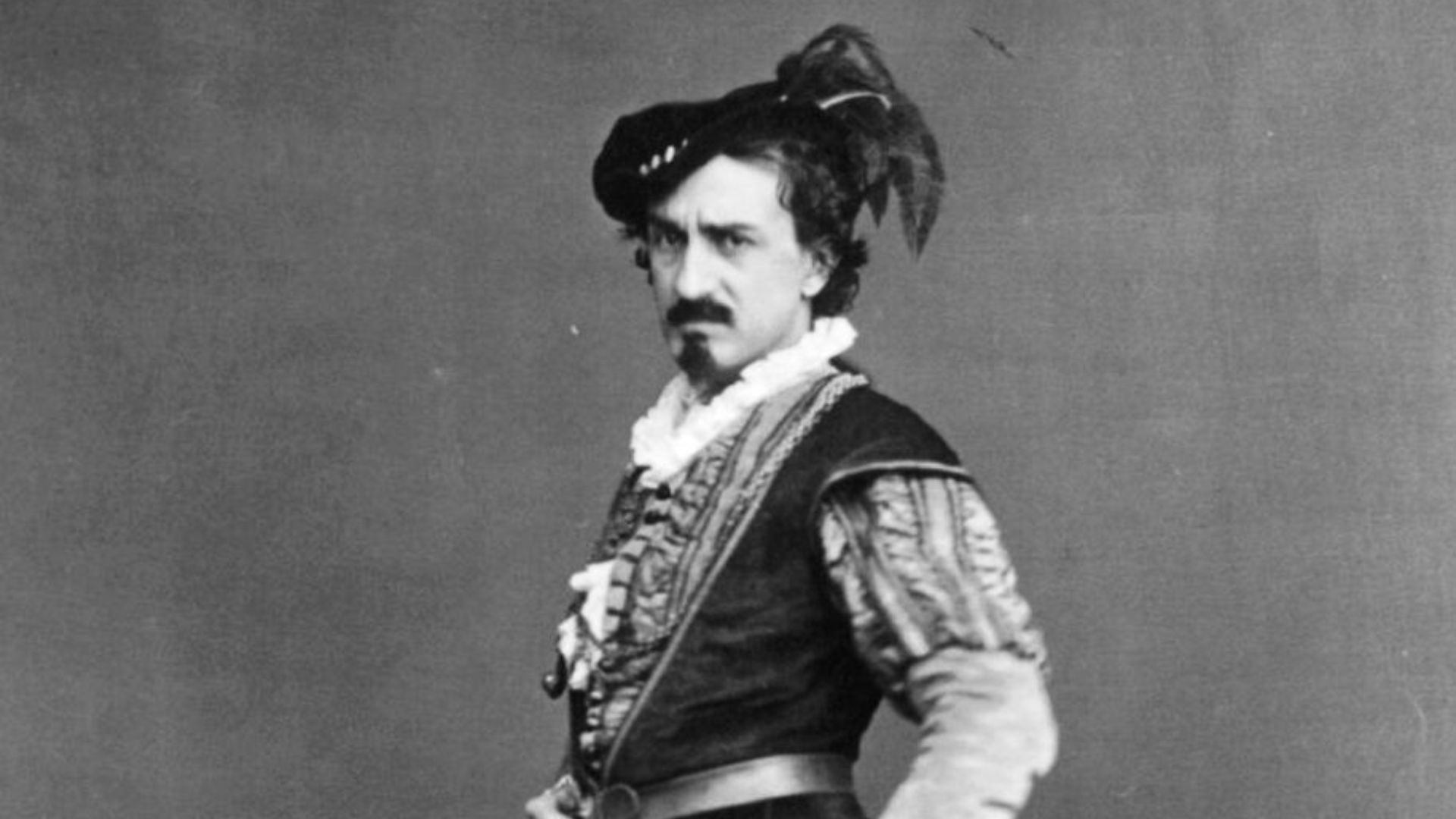
Iago sounds compact and distinctive, but its strongest English-language association is one of Shakespeare’s most calculating villains. In Othello, he manipulates nearly everyone around him while concealing his motives behind a convincing display of loyalty.
 Copyright by J. Gurney & Son, N.Y. on Wikimedia
2. Caliban
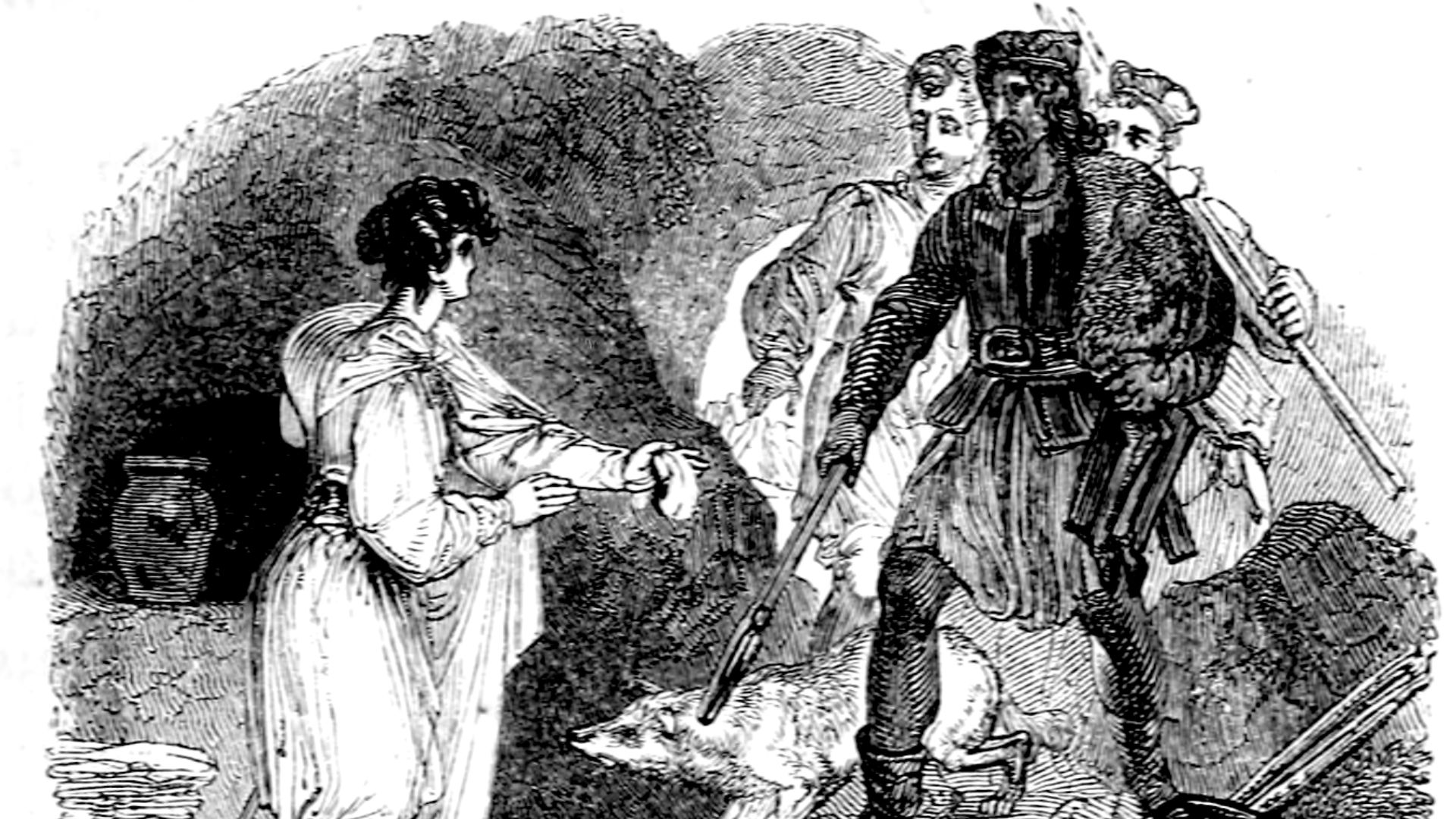
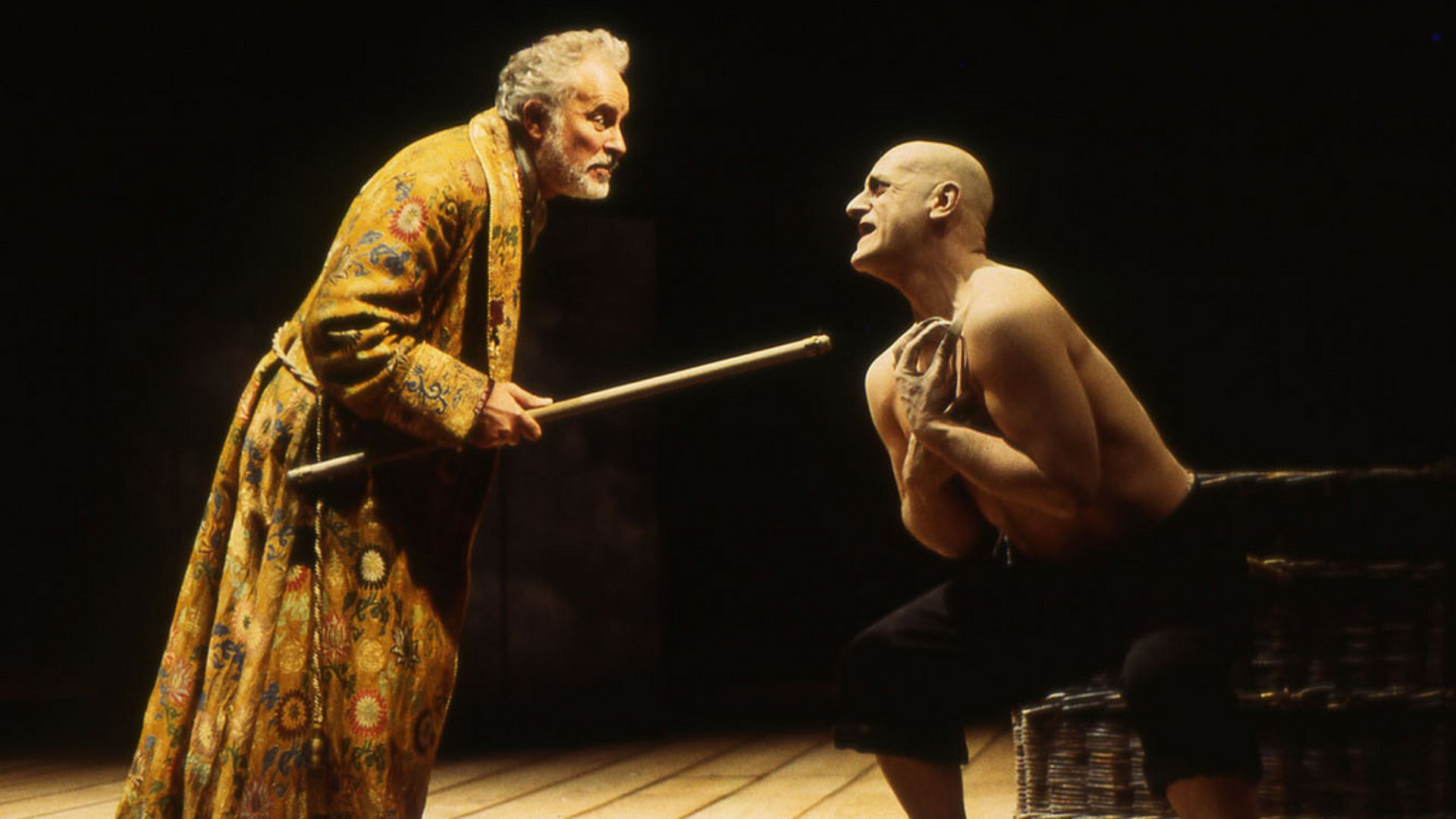
Caliban has a dramatic rhythm, yet it carries far too much negative baggage for an everyday name. The character in The Tempest is repeatedly described in dehumanizing terms and is portrayed as resentful, threatening, and capable of violence. Modern interpretations have made him more sympathetic, but the name still sounds closer to a fantasy creature than someone you’d call in for dinner.
3. Bottom
Nick Bottom is an entertaining character in A Midsummer Night’s Dream, but his surname becomes part of the joke after his head is transformed into that of a donkey. The word already has several ordinary and mildly embarrassing meanings that children would notice immediately.

4. Malvolio
Malvolio is unusual enough to attract attention, although probably not for the reasons parents would prefer. In Twelfth Night, he’s pompous, humorless, and easily tricked into believing that his employer secretly loves him.

5. Goneril
Goneril might sound vaguely regal at first, but King Lear quickly removes any sense of warmth from it. She flatters her father to obtain power, mistreats him once she has it, and participates in the ruthless conflict that destroys her family.
 AnonymousUnknown author on Wikimedia
6. Dogberry
Dogberry is a comic constable who regularly misuses words while remaining extremely confident in his own intelligence. The character is lovable in small theatrical doses, yet his name sounds deliberately ridiculous because it was designed to support the comedy. Calling a baby Dogberry would give strangers plenty of questions and the child a lifetime of explaining that it wasn’t a family surname.
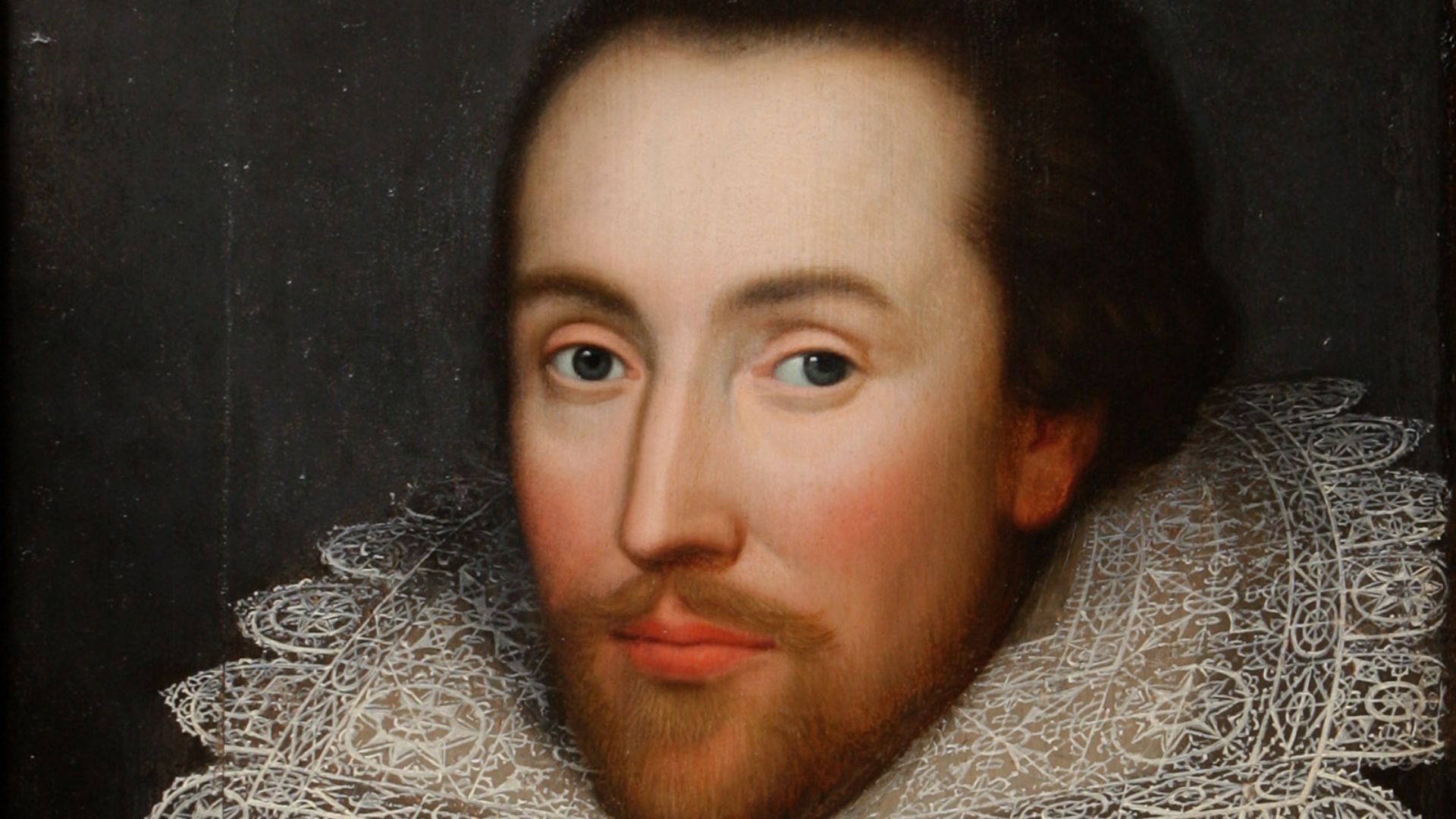
7. Shylock
Shylock is among Shakespeare’s most debated characters, and performances can portray him as villainous, sympathetic, or a painful combination of both. However, the name later became a derogatory term connected to harmful antisemitic stereotypes about moneylending. That history makes it unsuitable as a casual literary tribute, regardless of how thoughtfully parents interpret The Merchant of Venice.

8. Macbeth
Macbeth is powerful, recognizable, and almost impossible to separate from murder, ambition, and political collapse. The title character kills a king, orders further deaths, and becomes increasingly consumed by fear as his rule disintegrates.

9. Falstaff
Sir John Falstaff is funny, charismatic, and capable of stealing attention whenever he appears. He’s also dishonest, boastful, frequently drunk, and willing to claim credit for achievements that belong to someone else.

10. Tybalt
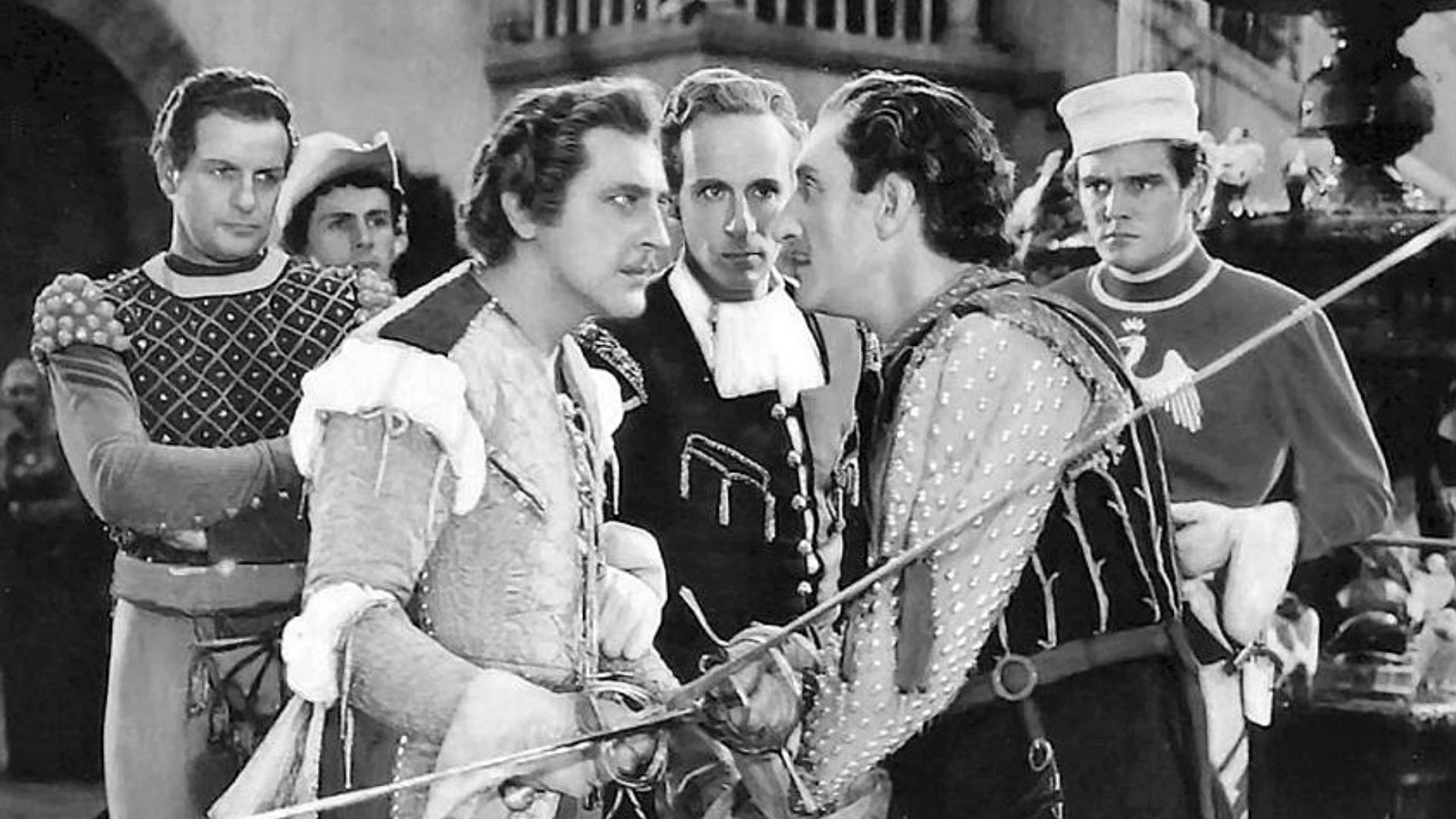
Tybalt has a sharp, fashionable sound that could tempt parents searching for something uncommon. Unfortunately, Romeo and Juliet presents him as aggressive, easily offended, and dangerously eager to fight over family honor.
 MGM on Wikimedia1. Viola
Viola feels classic without appearing overly formal, and its musical connection gives it an appeal beyond Shakespeare. She survives a shipwreck, adapts intelligently to unfamiliar circumstances, and shows considerable patience as romantic confusion develops around her. The name belongs to a capable and compassionate central character, which makes its literary association easy to embrace.

2. Rosalind
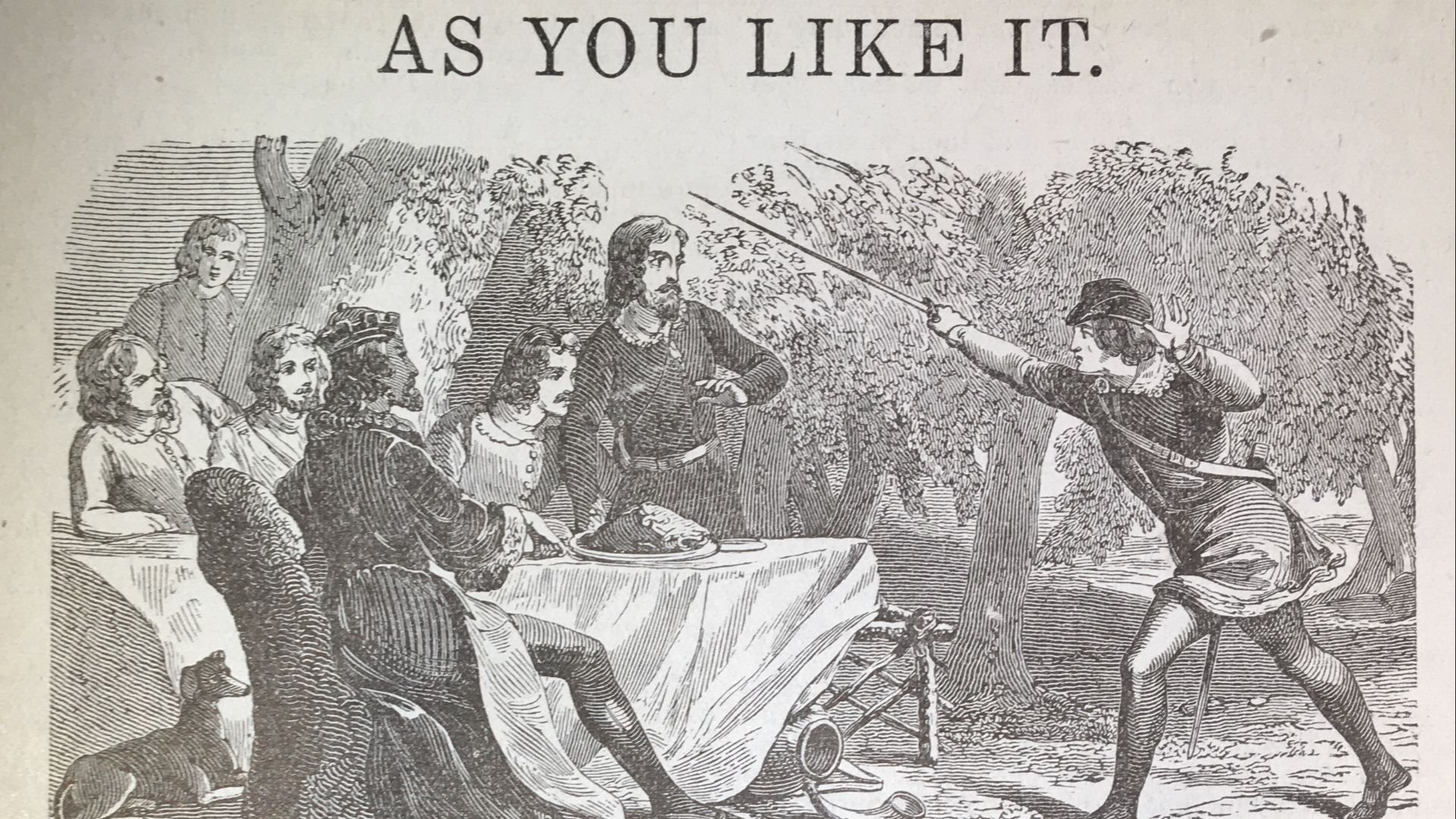
Rosalind has a graceful sound, along with several practical nickname options that include Rosa, Rose, and Roz. The heroine of As You Like It is intelligent, funny, emotionally perceptive, and resourceful enough to manage life in exile.
 Unknown authorUnknown author on Wikimedia
3. Sebastian
Sebastian was already an established name before Shakespeare used it, and it has remained familiar across numerous languages and cultures. In Twelfth Night, the character survives a shipwreck and becomes involved in the play’s mistaken-identity confusion after arriving in Illyria.
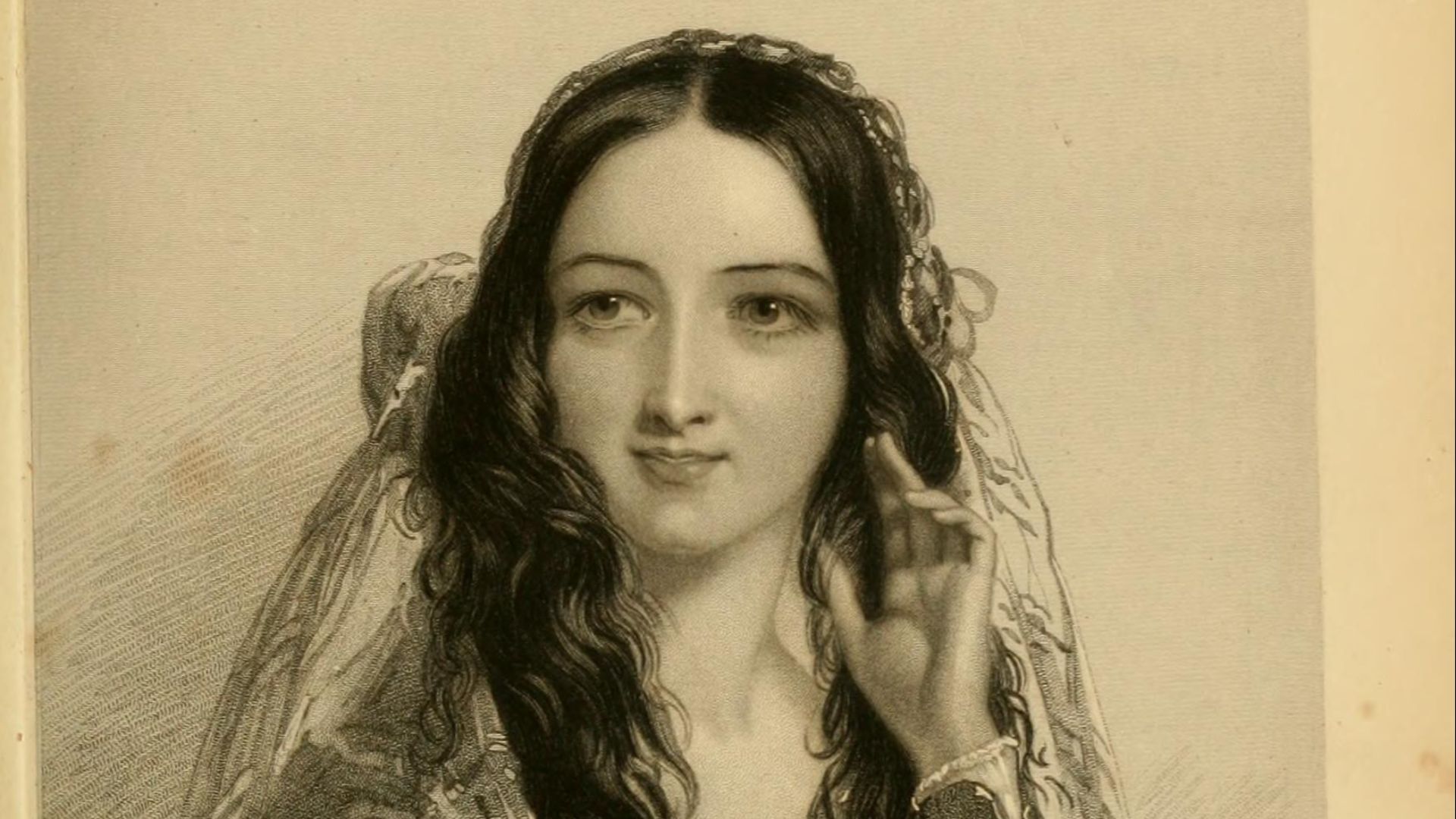
4. Beatrice
Beatrice combines traditional elegance with the lively personality of one of Shakespeare’s sharpest comic characters. In Much Ado About Nothing, she’s witty, independent, loyal to her cousin, and unwilling to accept romantic conventions without questioning them. Her exchanges with Benedick are entertaining because she participates as his intellectual equal rather than serving as a passive love interest.
 John William Wright on Wikimedia
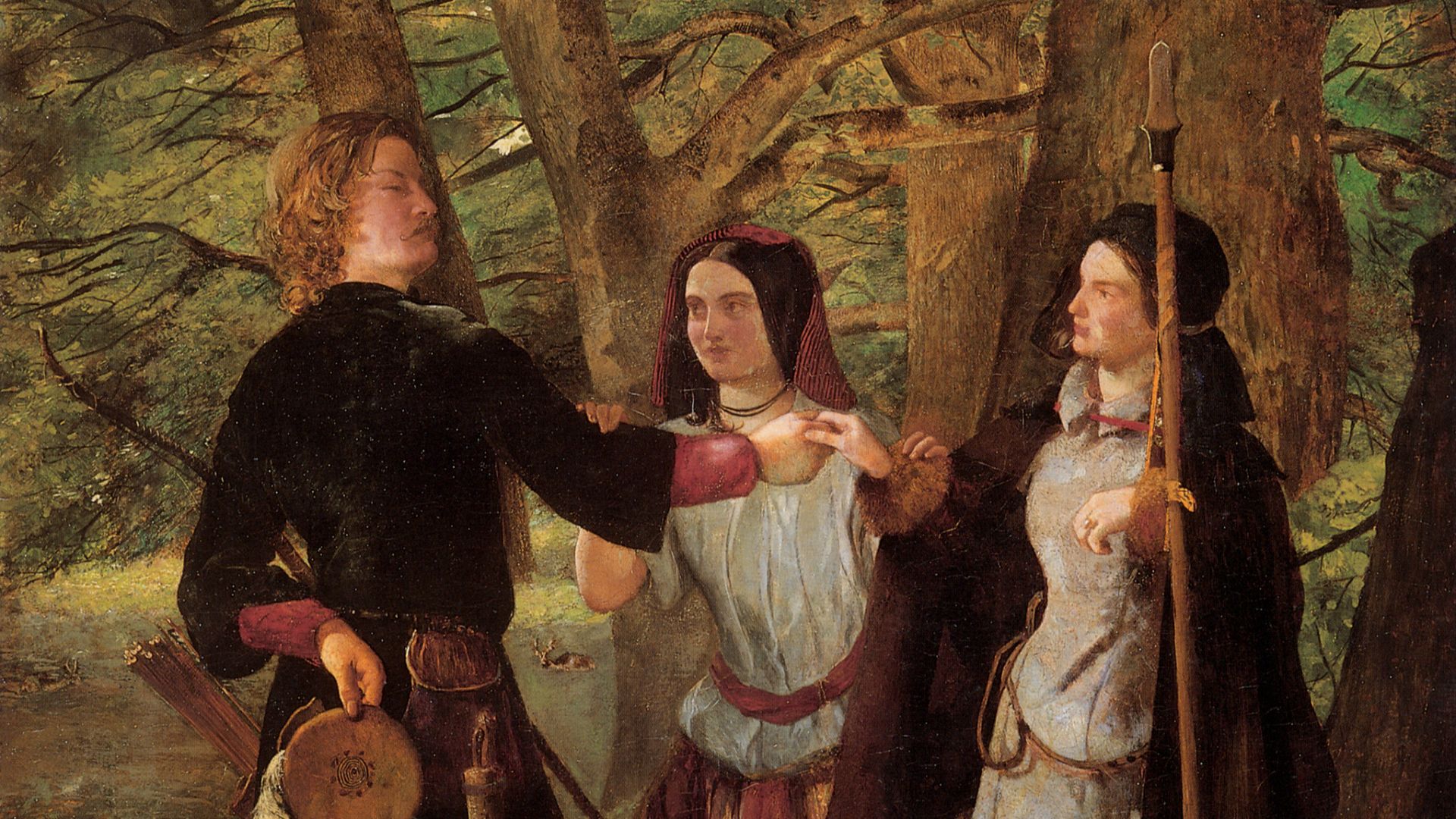
5. Orlando
Orlando has warmth, energy, and enough familiarity to sound distinctive without becoming difficult to pronounce. The young hero in As You Like It is brave and devoted, although his habit of attaching love poems to trees reveals a wonderfully impractical romantic side.
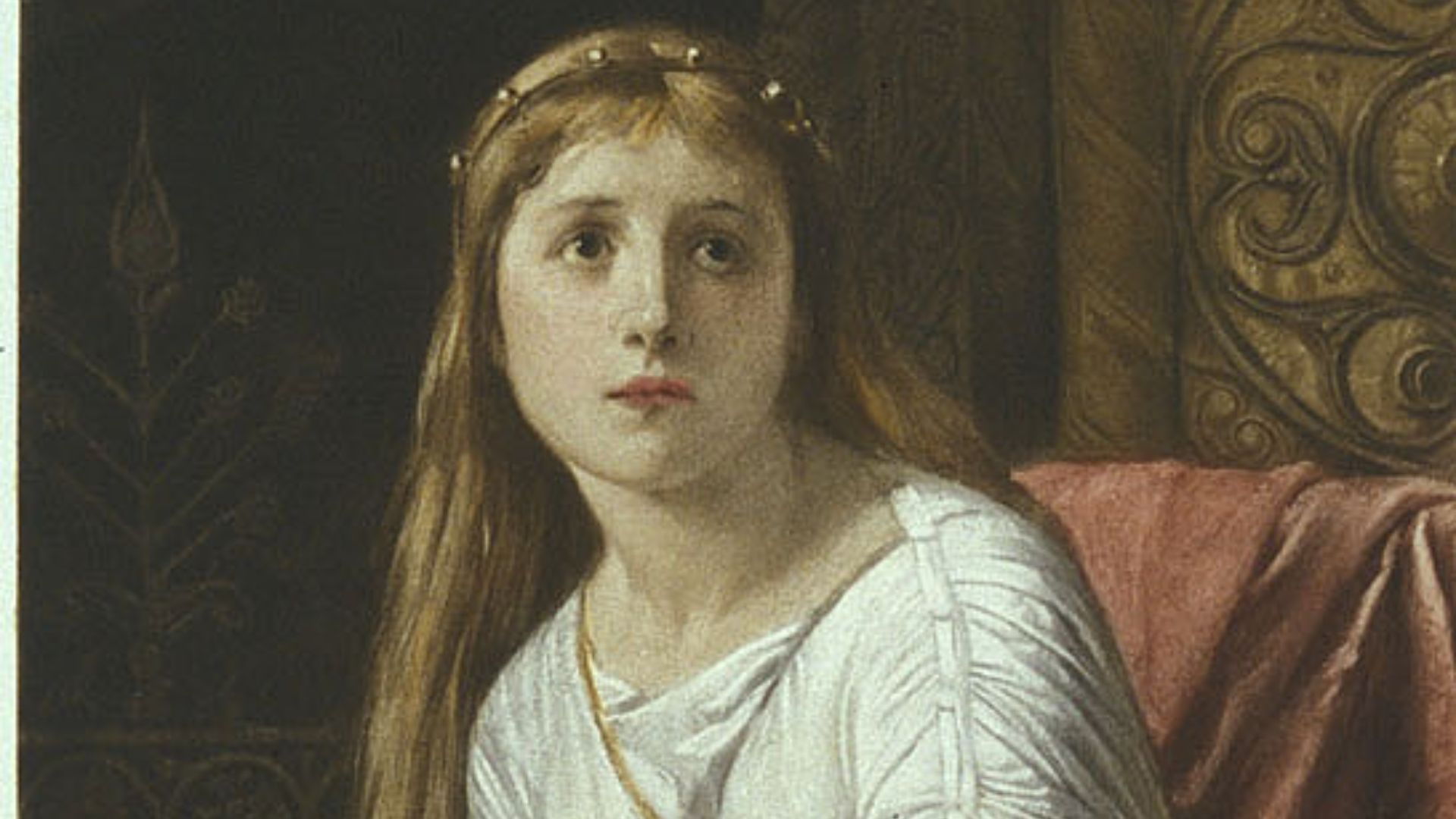
6. Cordelia
Cordelia sounds refined, and its association with King Lear’s youngest daughter gives it an admirable moral center. She refuses to exaggerate her love merely to win property, even though her honesty leads to banishment and severe consequences.
 William Frederick Yeames on Wikimedia
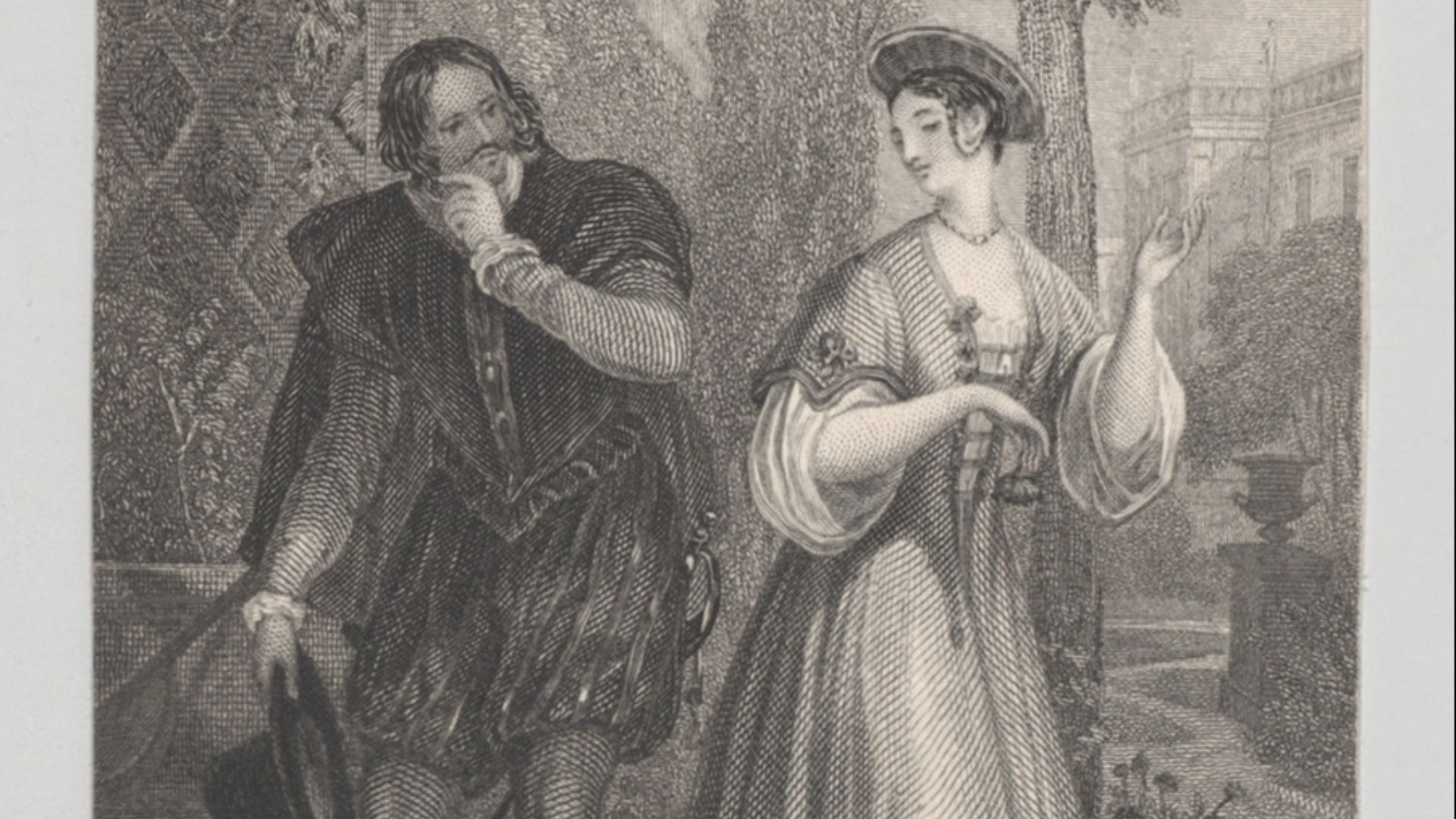
7. Benedick
Benedick offers a less common alternative to Benedict while retaining a recognizable structure and several easy nicknames. The soldier in Much Ado About Nothing begins as a proud bachelor who mocks marriage, but gradually becomes more thoughtful and emotionally mature.
 Charles Heath / William Shakespeare / Philip Francis Stephanoff on Wikimedia
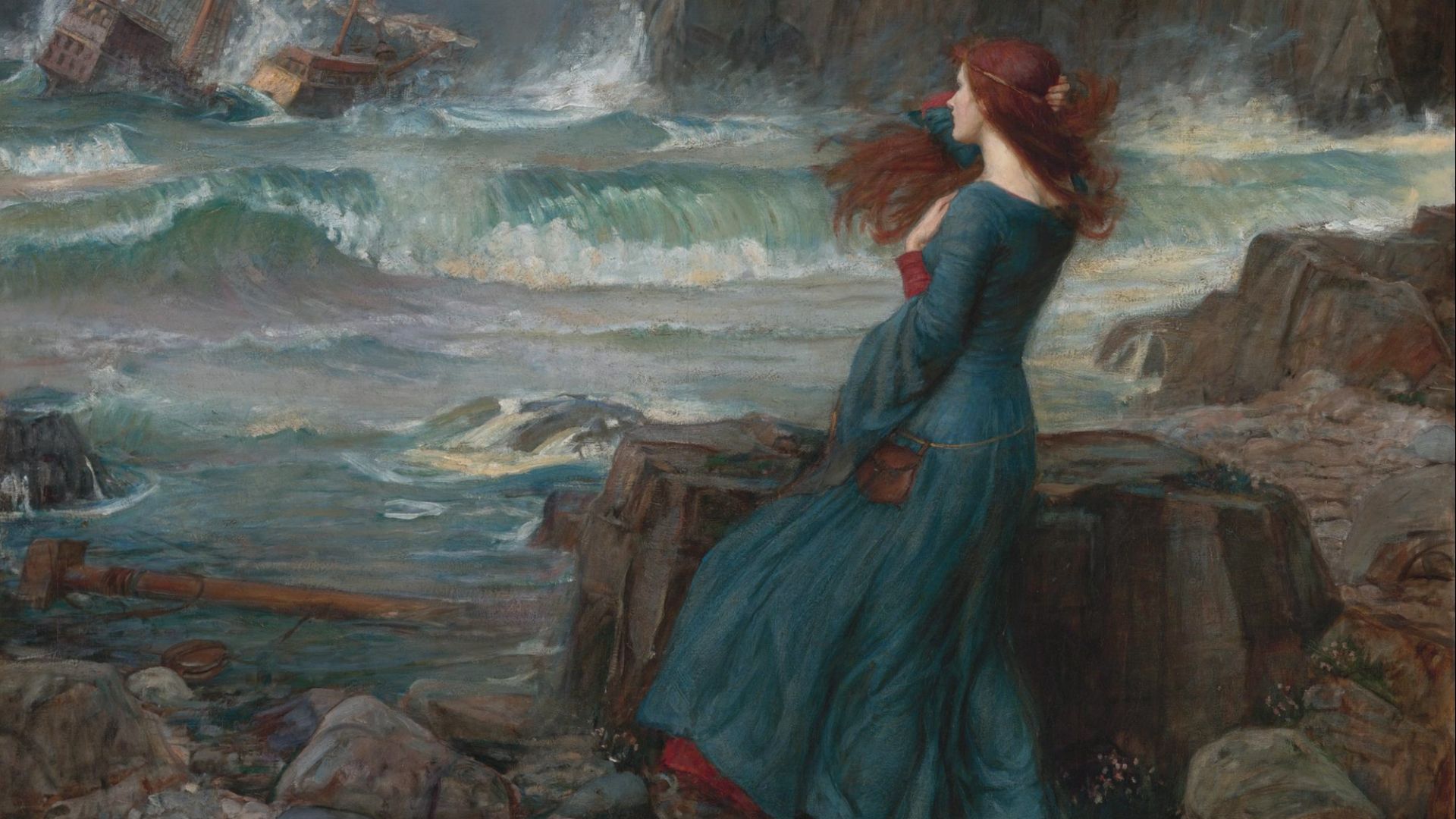
8. Miranda
Miranda has been used widely enough that many people won’t immediately connect it to The Tempest. Shakespeare’s character is compassionate, curious, and deeply affected by the suffering of strangers she sees during the opening storm.
 John William Waterhouse on Wikimedia
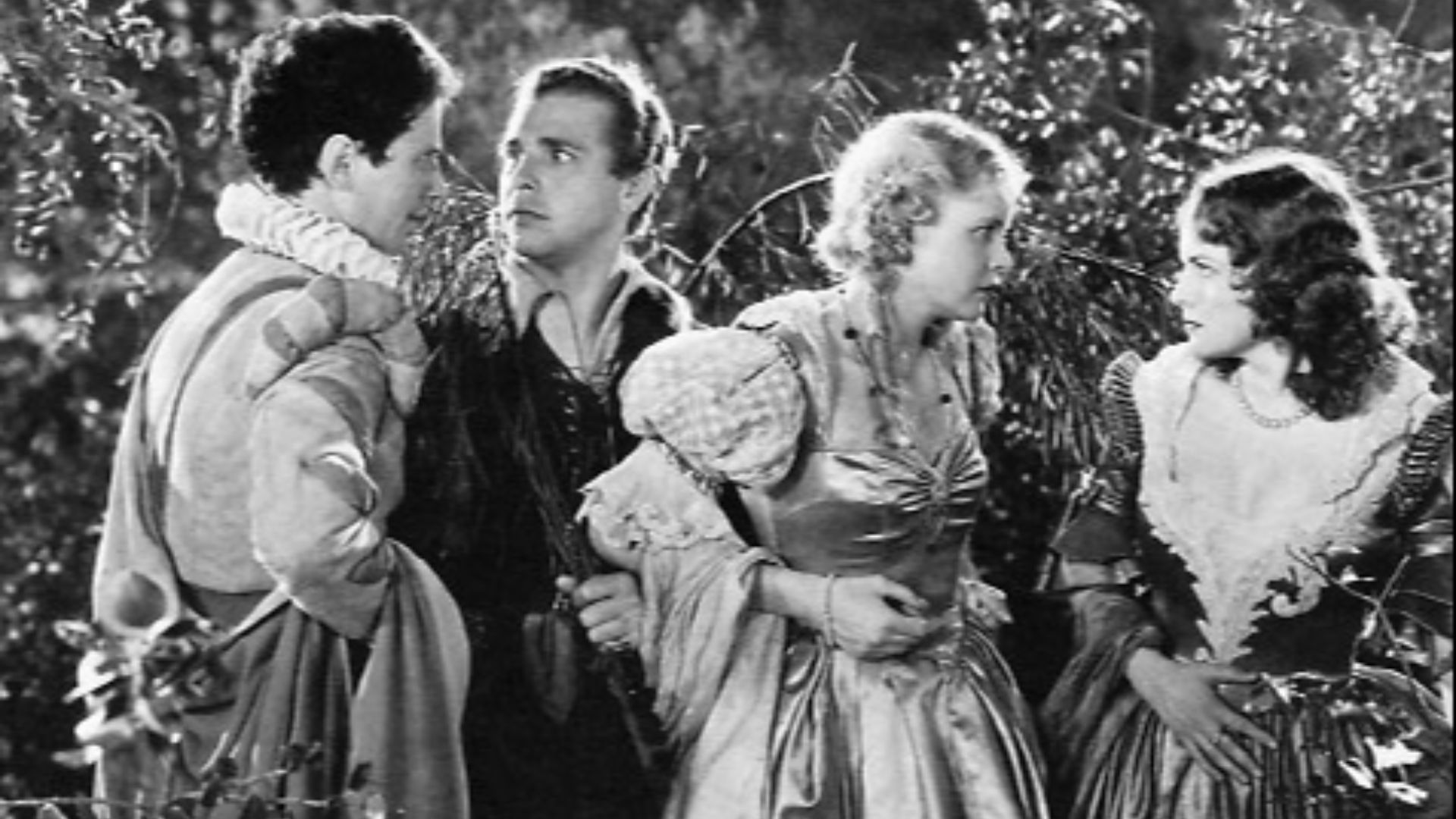
9. Lysander
Lysander sounds romantic and slightly adventurous without being especially difficult to spell or pronounce. In A Midsummer Night’s Dream, he attempts to escape an unfair marriage arrangement so that he and Hermia can remain together.
10. Imogen
Imogen has a gentle, polished quality that feels equally appropriate for a child and an adult. In Cymbeline, the central character remains courageous and resourceful despite betrayal, false accusations, separation, and a series of increasingly complicated disguises.